By Hope Okeny | Standing up for family planning
Dear friends, once again I am so delighted to share with you about our work.
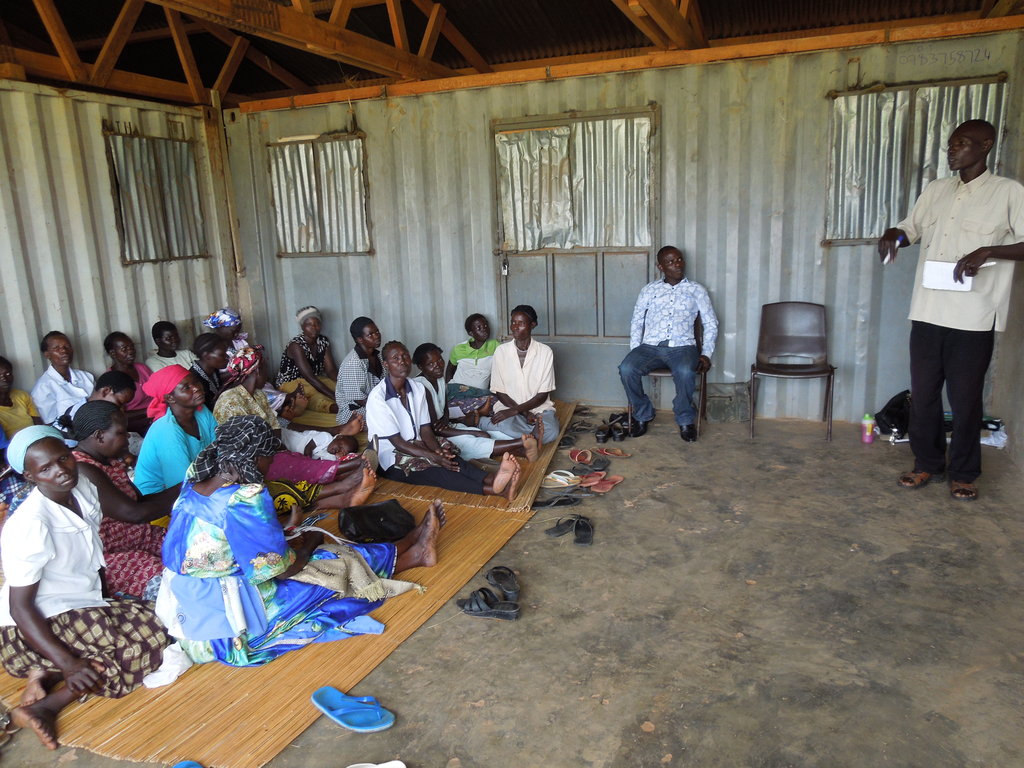
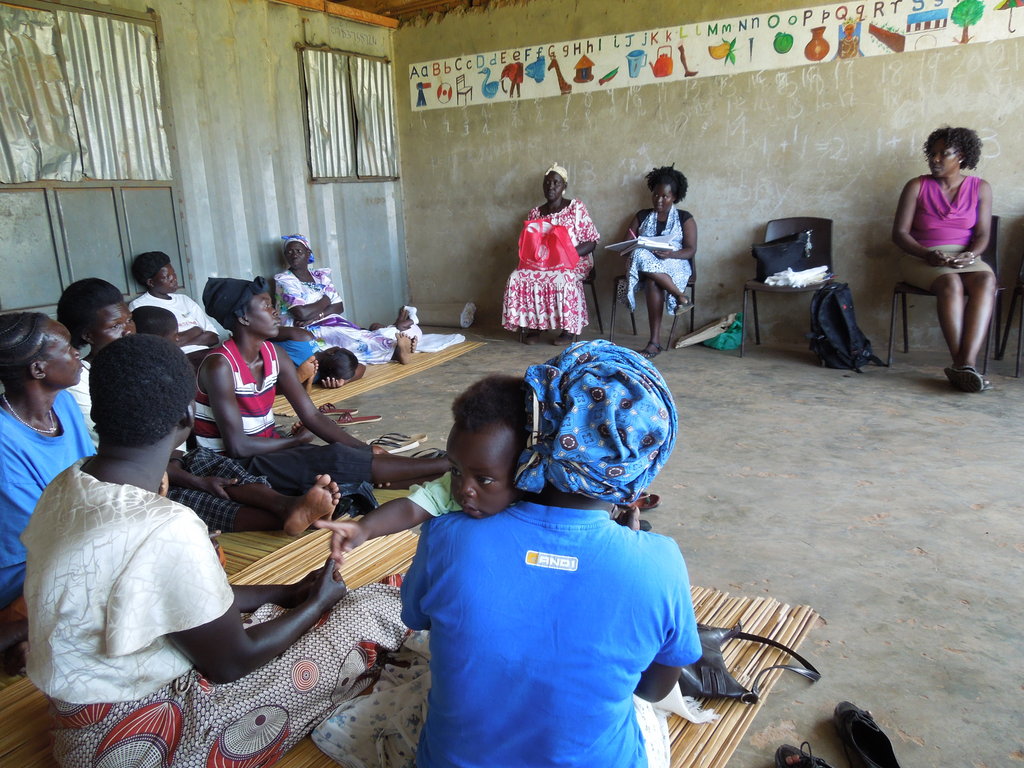
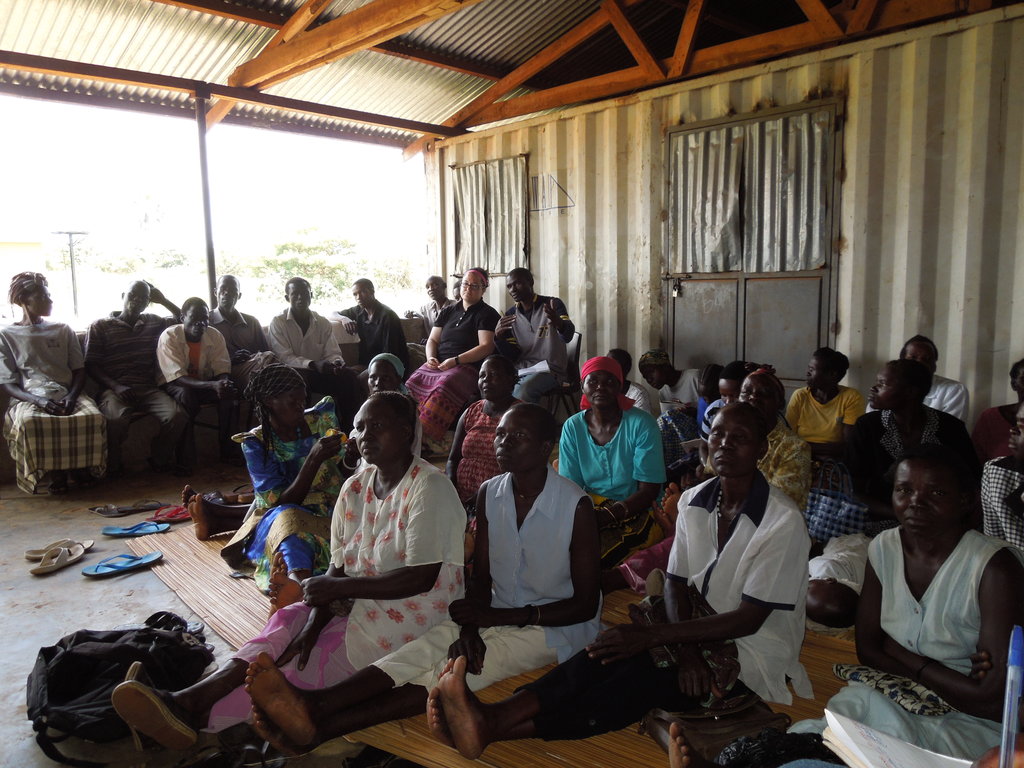
One of the most rewarding parts of my job is getting out in the field to meet the individuals who benefit from the organisations work and learn directly from these beneficiaries and from our partners too. In a way, I feel privileged to go out to these remote places and have the chance to really “experience the field” and see our programs in action
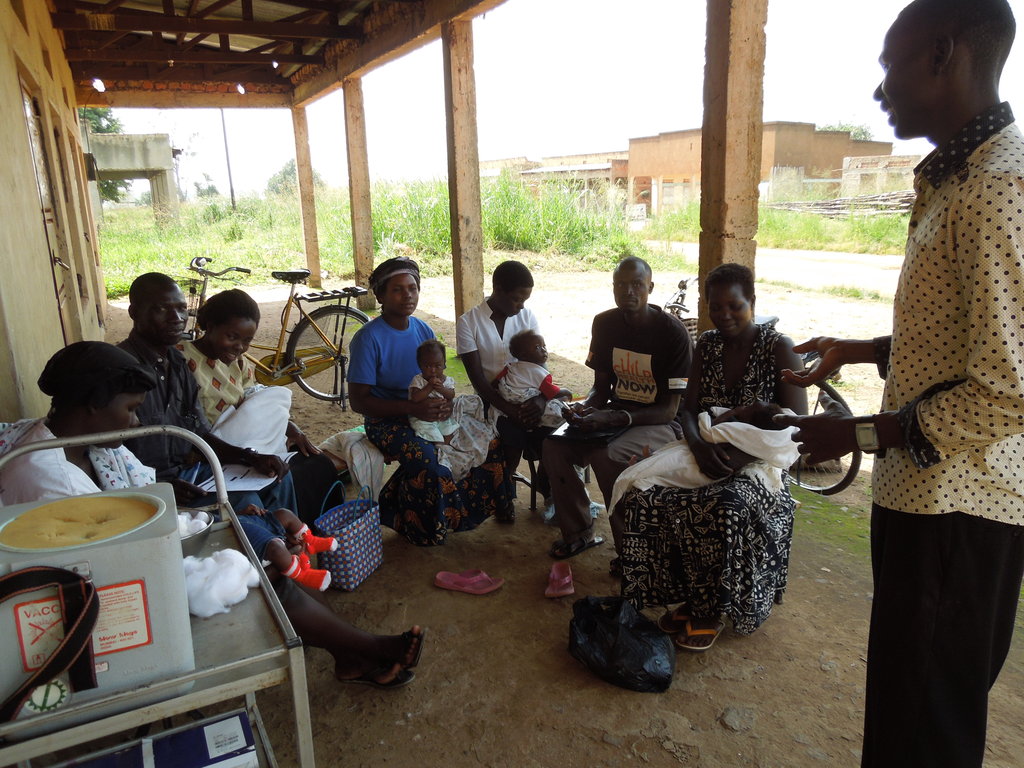
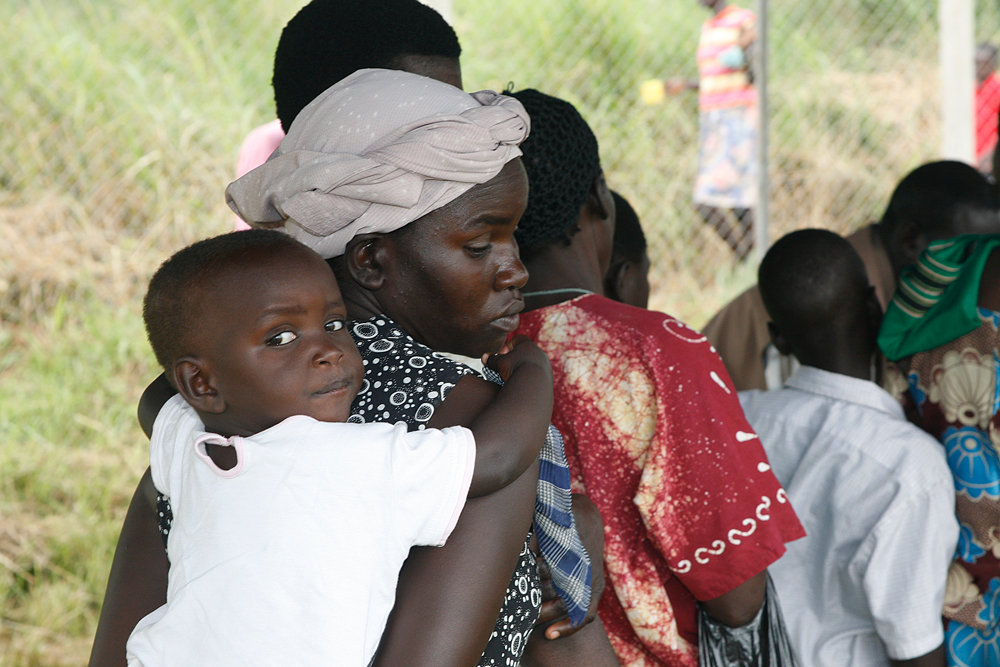
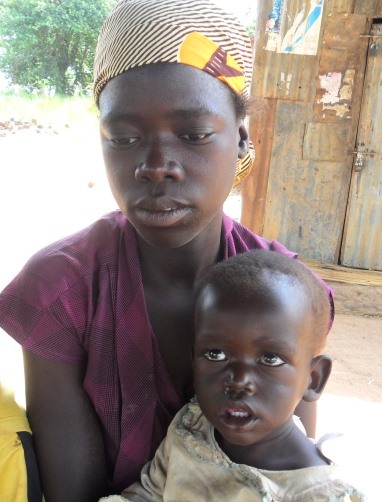
Looking at the number of children getting immunised and the number of expectant mothers waiting for antenatal care or even couples who have decided on what family options to receive and have come to the health facility together, makes all my work worthwhile. And it is all made possible because of the partnership we have with you.
This partnership is never far from my mind that without these important partnerships, our work would not have the impact we want and never reach the thousands of children and adults in these rural parts of the world.
Maintaining good working relationships and understanding our partners’ points of view is critical to our success.
My work involves visiting all the project sites and understanding whether our work is impacting the community as planned.
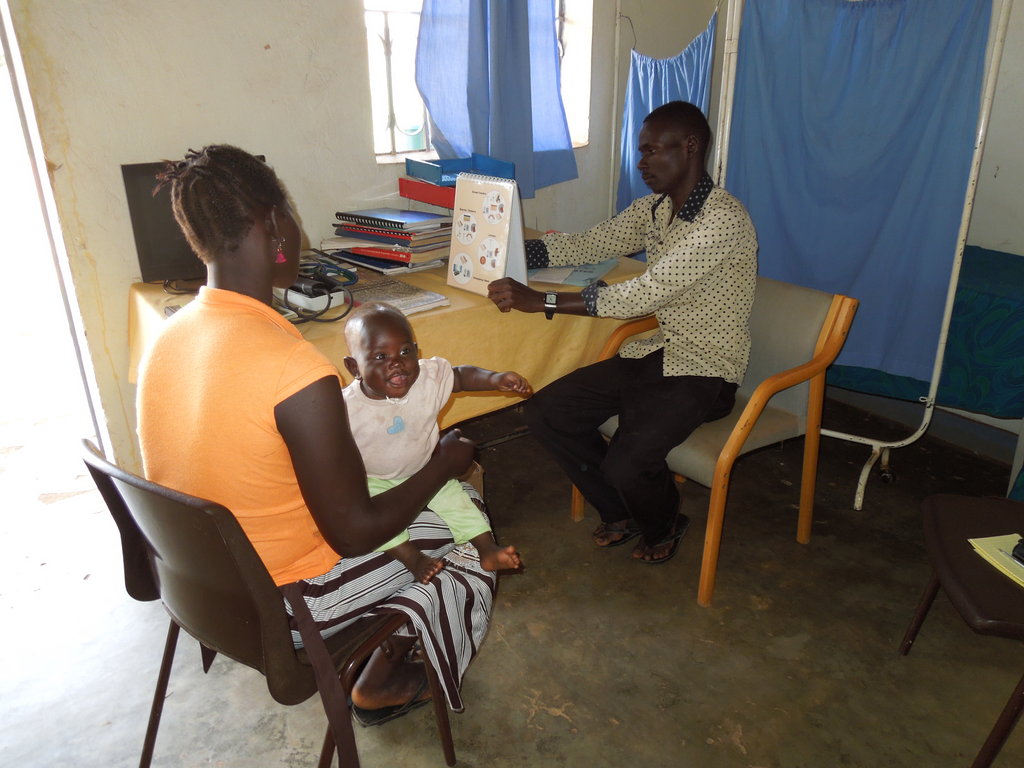
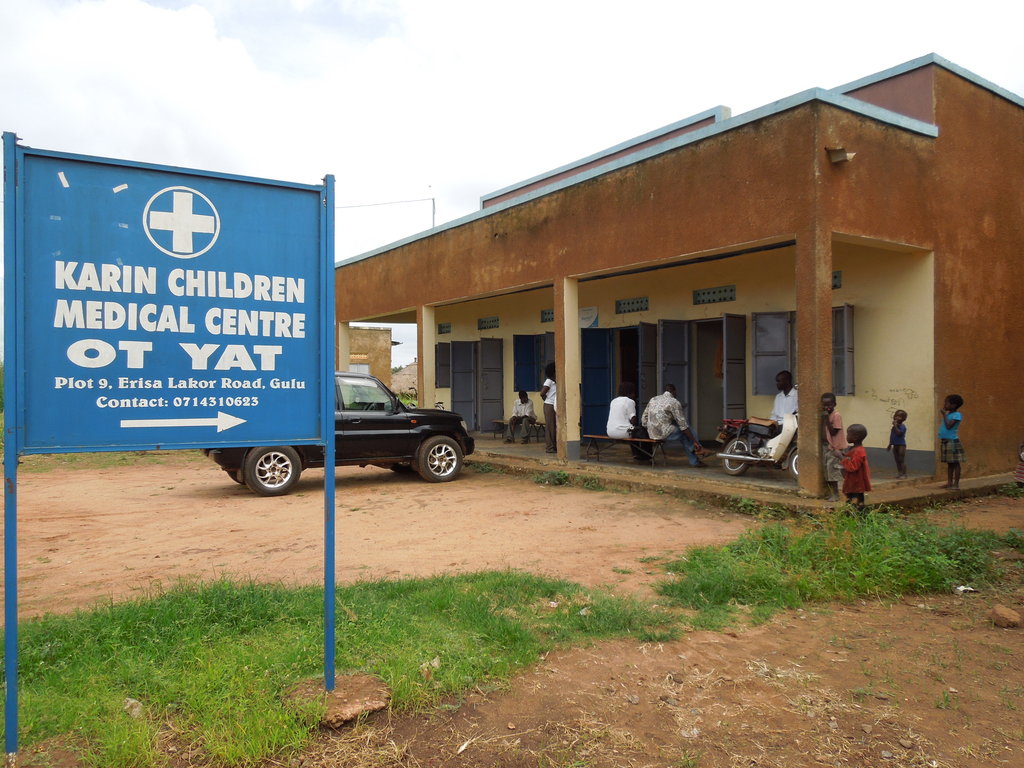
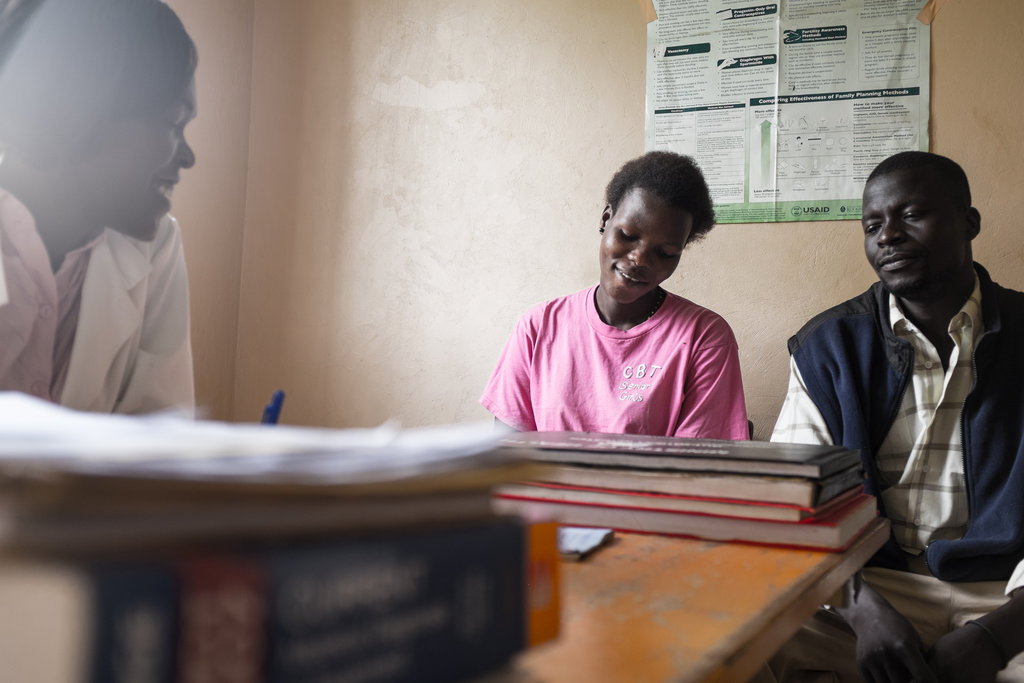
However, it’s in one of my several visits that I am always amazed at the people that I meet. Today, I met Lagum, a very strong woman. She shared with me that she got a contraceptive implant from the Karin health facility- an implant is a tiny rod that is inserted under the skin of the arm- to remove birth control for up to five years, until one wishes to have it removed. When her husband found out, he was outraged. He brought her to the clinic and demanded the contraceptive implant be removed. But Lagum refused and left her husband with one choice; she would either go home with him and the implant, or she would not go home with him at all. I thought that she might be intimidated by her husband, but she was firm and her husband realised her stand and gave in.
Fearing that there could be violence later at their home when she returns home, our team called them both aside and talked and counselled them. Her angry husband calmed down and realised that there was need for them to both plan their family together. Their decision increased intimacy between Lagum and her husband, and they agreed to have children when they are both ready. Today, Lagum continues to use the contraceptive implant.
There are nearly 7.3 million Ugandan women of reproductive age (ages of 15-49) (Prospects, 2010). Among them, 20% use any method of contraception, and 15% use a modern, more effective method. The most common used modern methods are contraceptives injectable (8%) and the common (3%).
An estimated 41% of Uganda women want to prevent a pregnancy, but do not use contraception- this is unmet need. Twenty five percent of those who have an unmet need want to extend the time between pregnancies and 16% want to stop childbearing altogether. More women who use modern contraceptives receive them from private (62%) versus public (35%) sources. (UBOS and Macro International Inc, 2007)
Our work can only continue with your support. By supporting our rural health centres and ensuring that its equipped and managed by well-trained medical professionals we can help in reducing the number of people who need access to family planning.
Today, we are asking for a few clicks of your mouse: take 5 minutes to share our GlobalGiving page with your contacts and tell them why you decided to donate to us and why they should do the same.
Please help us to save children, by becoming a regular donor of this critical work, or making another one off donation. Thank you for your continued support. It really makes a great difference!
Can you do more? Consider signing up for a monthly recurring donation today. Thank you for your support!
Links:
Project reports on GlobalGiving are posted directly to globalgiving.org by Project Leaders as they are completed, generally every 3-4 months. To protect the integrity of these documents, GlobalGiving does not alter them; therefore you may find some language or formatting issues.
If you donate to this project or have donated to this project, you can receive an email when this project posts a report. You can also subscribe for reports without donating.