By Rana Lintotawela | Sudan Program Officer
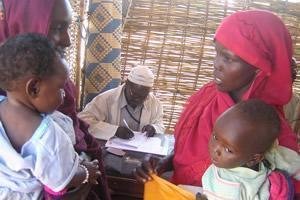
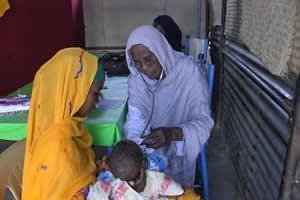
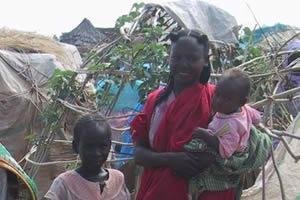
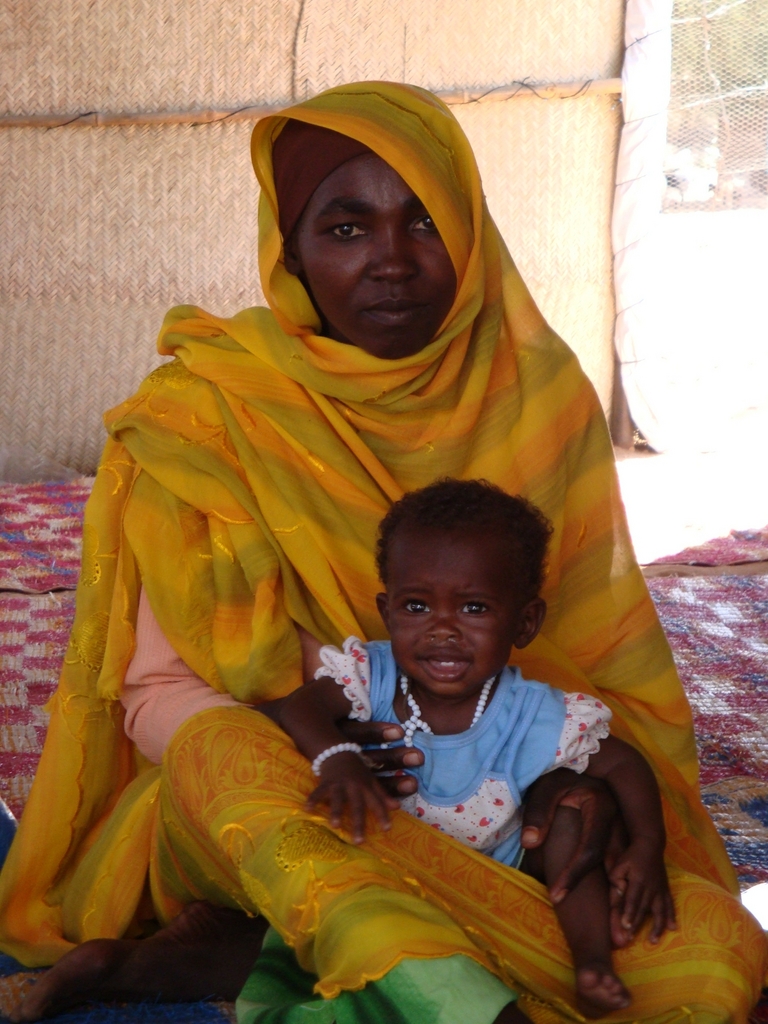
Continued support from Global Giving donors has allowed RI to continue to expand the health and nutrition services to the populations across North Darfur. Through its support of the Zam Zam Clinic and 5 other health facilities across the state, RI now provides approximately 6,000 consultations each month. Children under 5 years of age account for approximately 45% of all consultations. In 2008, RI continued to strive to expand health care access and care to benefit remote populations unable to access RI’s static heath clinic. To achieve this, RI established and now operates three mobile health units to provide emergency health outreach to newly internally displaced populations, with an emphasis on serving the needs of children and pregnant women. Construction and Operation of the Satellite Nutrition Center
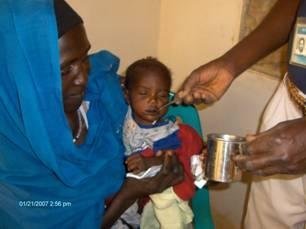
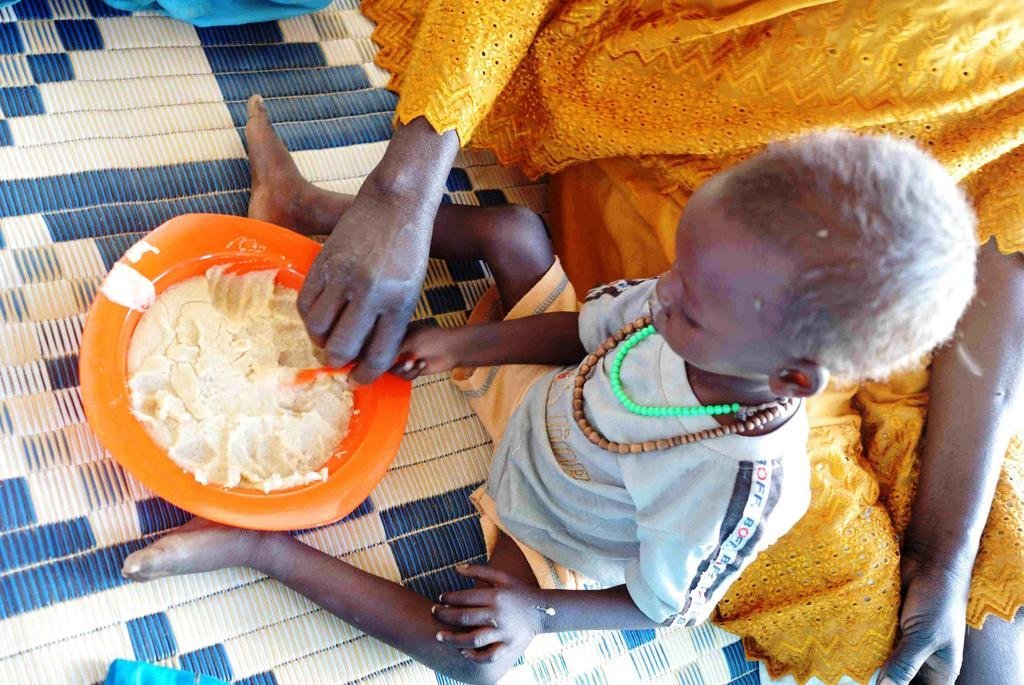
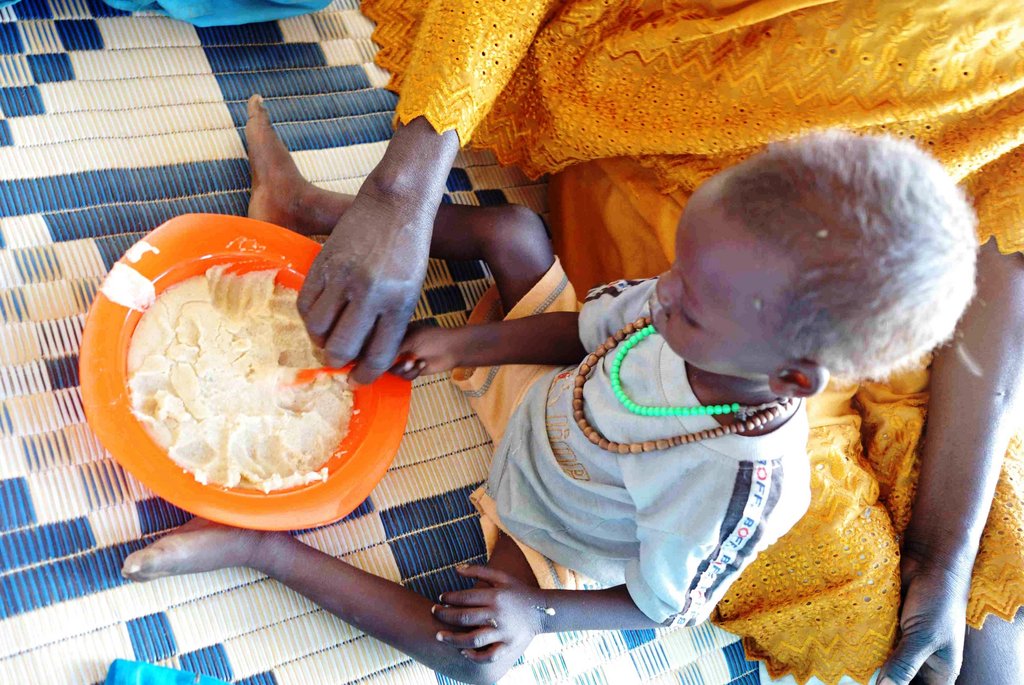
Relief International continues to be the sole provider of therapeutic nutritional support to vulnerable populations in Zam Zam Camp. Over the past year RI has focused on increasing access to nutritional support in the camp through the construction of a second nutrition facility. The RI nutrition team completed construction of the Zam Zam satellite nutrition center in Jafalo in February 2008. It is strategically located on the south side of the camp to reduce the prohibitive distance vulnerable women and children must travel in order to obtain necessary medical treatment for malnutrition. This center is also focused on care that extends directly to the household through trained regional community workers who can conduct necessary home monitoring. Preliminary data for RI’s nutrition program revealed the malnutrition cure rate increased and the follow-up visit default rate decreased in the first quarter of ‘08--a great success.
Skilled nutrition teams are the front line responders the deteriorating nutritional status among Dafuris. One of the battles that face humanitarian workers at this point in the Darfur crisis is access: the nature of the conflict is such that national and expatriate staff all face risk of attack or limited movement to reach populations in need – especially in rural areas of camps and villages. So we are moving to a largely “community-based” approach for health, nutrition, and agriculture. This also builds access in remote villages and trains residents to be advocates and help with identification of emergency care that otherwise might never have been found. For a nutrition worker to function primarily in his or her home village, rather than travel daily to a central and distant worksite, reduces the risk of harm overall and maximizes those community’s access to an expert on a more routine basis.
Training of Nutrition Center Staff and Community Nutrition Workers
Zam Zam Clinic serves as a resource, education, and training hub for 7 village-based clinics. In the last two quarters RI has trained 62 nutrition staff regarding malnutrition management, home-based care, support and monitoring, as well as skills to raise beneficiary awareness of different nutrition aspects.
Project reports on GlobalGiving are posted directly to globalgiving.org by Project Leaders as they are completed, generally every 3-4 months. To protect the integrity of these documents, GlobalGiving does not alter them; therefore you may find some language or formatting issues.
If you donate to this project or have donated to this project, you can receive an email when this project posts a report. You can also subscribe for reports without donating.