Project Report
| Jun 28, 2011
Vegetable gardening initiative
By Cora Sayre | Project Leader
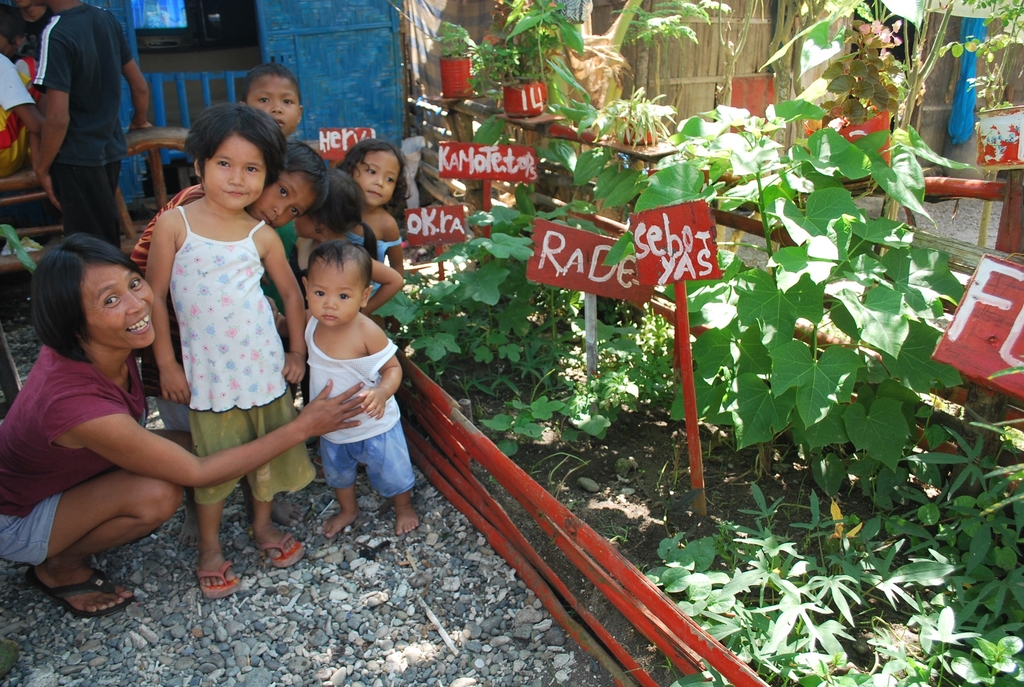
![Beneficiary and her garden]()
Beneficiary and her garden
A New part of this project is enjoining recipients of the ecosan toilets to do vegetable gardening in their backyards. This was done successfully in Libertad Municipality with 120 beneficiaries participating. The vegetables they harvested provided them with nutritious food within their reach and very cheap since they grow this themselves. The vegetables are okra, bitter gourd, moringa oleifera, tomato, radish, among others. Excess production of the vegetables they market to their neighbors. We provided them with seeds and organic fertilizer as well as technical assistance. As a means to engage them we also implemented a vegetable gardening contest. Prizes we awarded include kitchen utensils, school supplies for the children and small animals such as pigs and goats.
![Share on Twitter]()
![Share on Facebook]()
Mar 28, 2011
Start-up Activities
By Cora Sayre | Project Leader
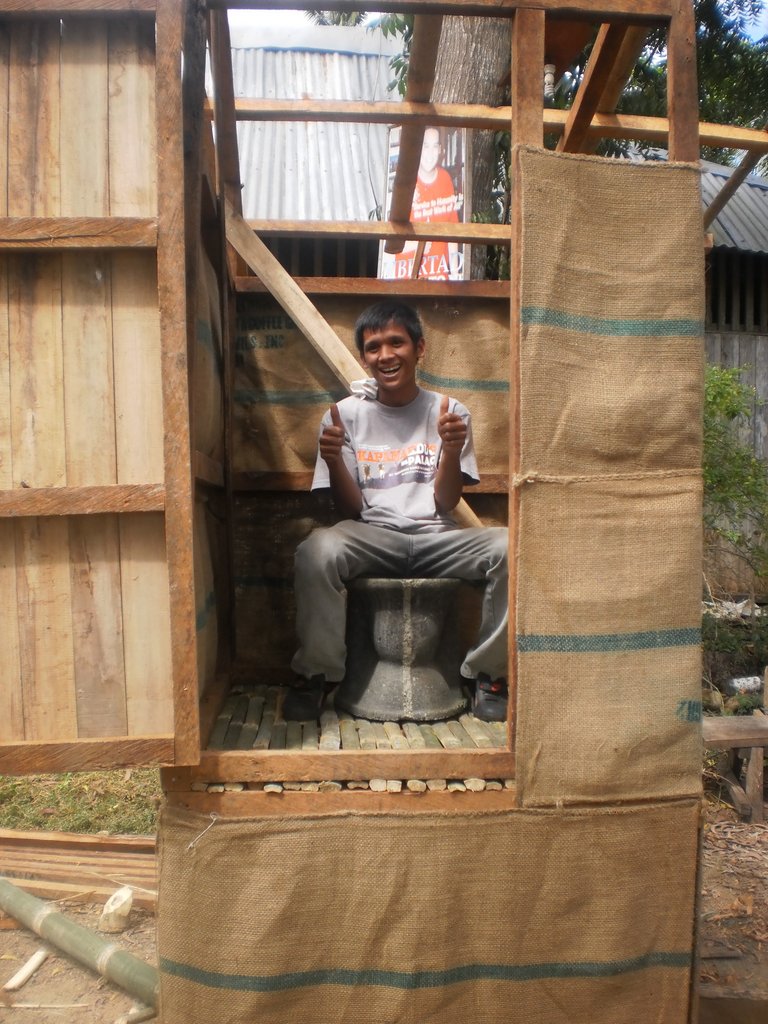
![Single-vault ecosan toilet]()
Single-vault ecosan toilet
This time and after identifying the beneficiaries for the project last January 2011, we are starting to build the first ecosan toilets. The toilet pictured here is a single-vault dry toilet. A recycled 200-liter drum cut in half is used to store human waste. The materials used in our ecosan toilets are mostly locally-procured making our toilet cheap, robust and easy to construct. We aim by April to be able to make and distribute 75 toilets to 75 families.
A companion to the ecosan toilet is rainwater harvesting and we distribute recycled drums to the beneficiaries so they can use to harvest and store water.
Next step that we will do is to encourage our beneficiaries to undergo vegetable gardening in small plots around their homes and fields.
![Share on Twitter]()
![Share on Facebook]()
Jan 8, 2011
Start-up Activities of the Project
By Elmer Velasco Sayre | Project Leader
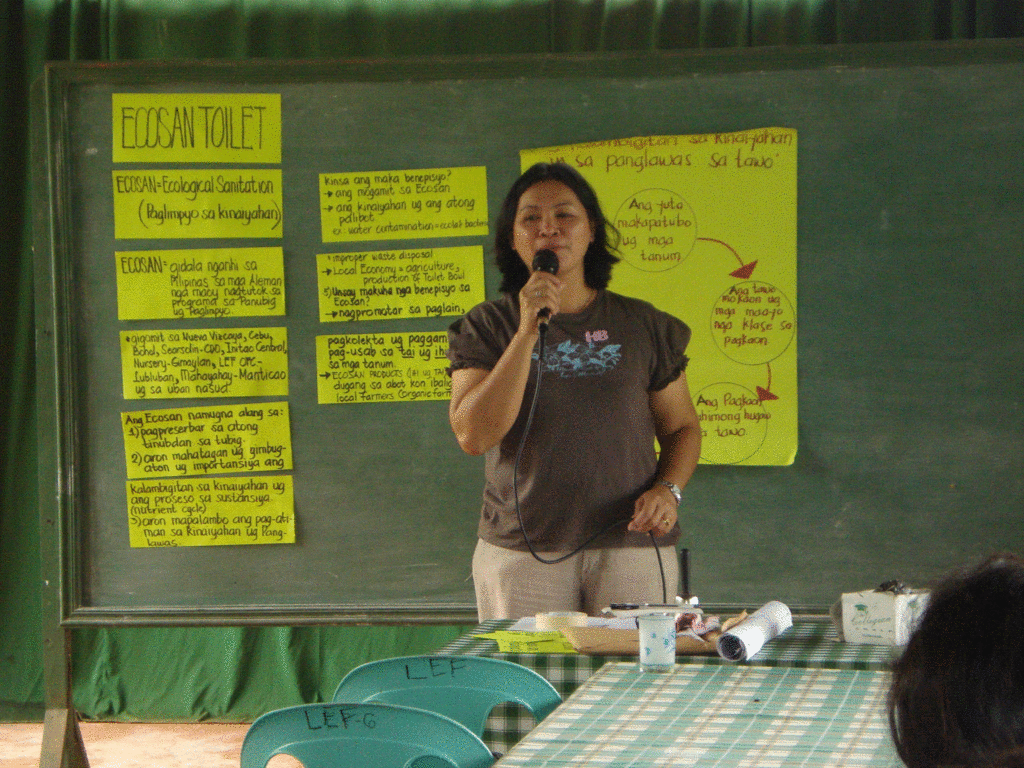
![Our staff explaining about the project]()
Our staff explaining about the project
After successfully getting a permanent spot in the Global Giving last December 2010 Challenge, personnel of the WAND Foundation, led by Mr. Elmer V. Sayre is conducting preliminary site and beneficiary selection during this month to make sure that our beneficiaries belong to the bottom poor. We intend to focus our support for this project to peri-urban barrios in Dipolog City, Zamboanga del Norte and in areas where water is scarce and open defecation, water-borne disease and malnutrition is prevalent. This innovation will be a “first” in Dipolog City and in the Zamboanga Peninsula in general.
Aside from site reconnaissance we are also doing small group discussions to inform the local residents about dry toilets and recycling of human waste for agriculture in order to close the loop between food production and sanitation. During the site visits, local residents and school teachers are very eager to participate in the project.
Some school teachers said that our approach may be a solution to the problems faced by their students who are oftentimes malnourished and infested with roundworms.
![Share on Twitter]()
![Share on Facebook]()