By Pueblo a Pueblo | Women's Health Champions
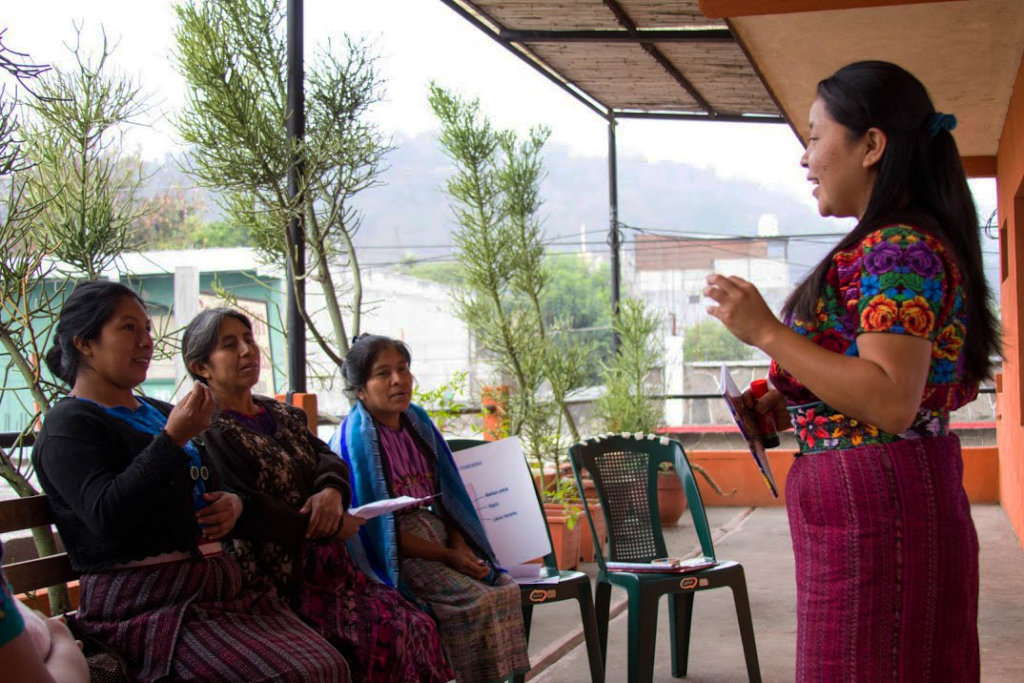
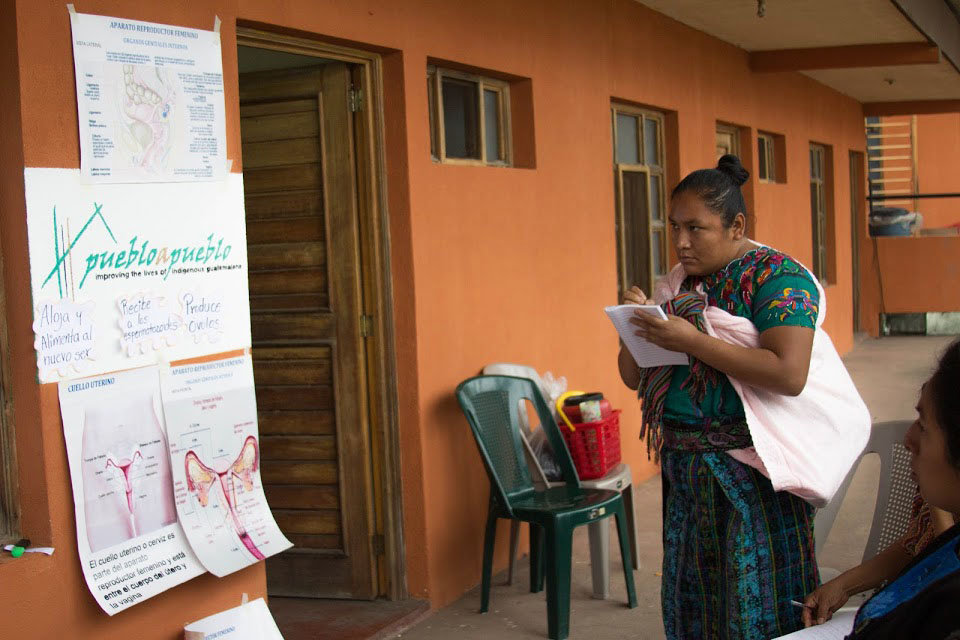
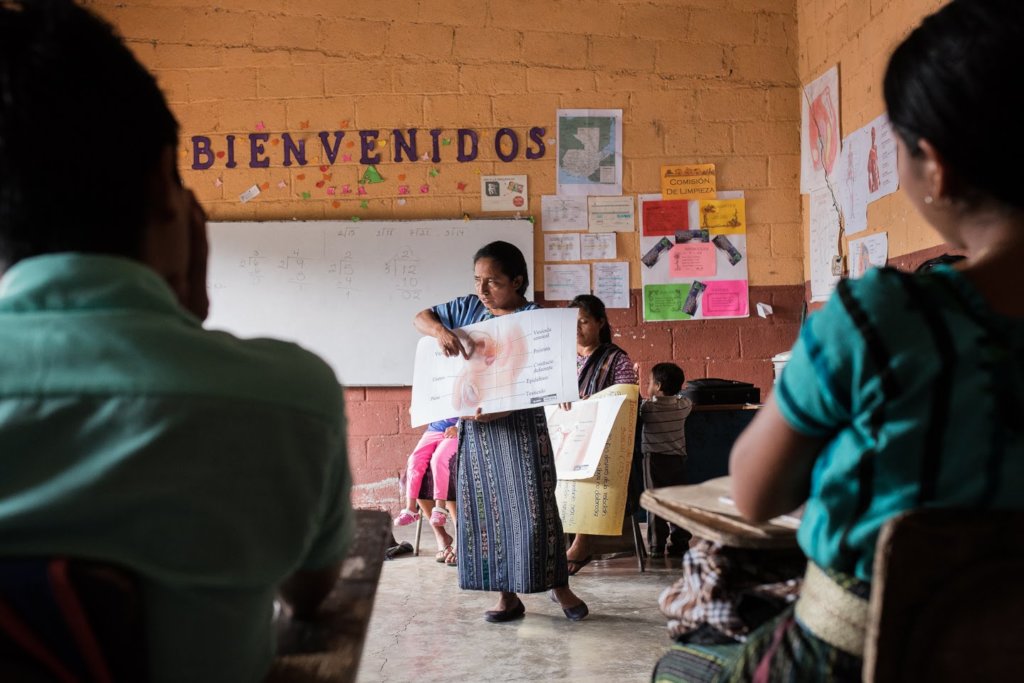
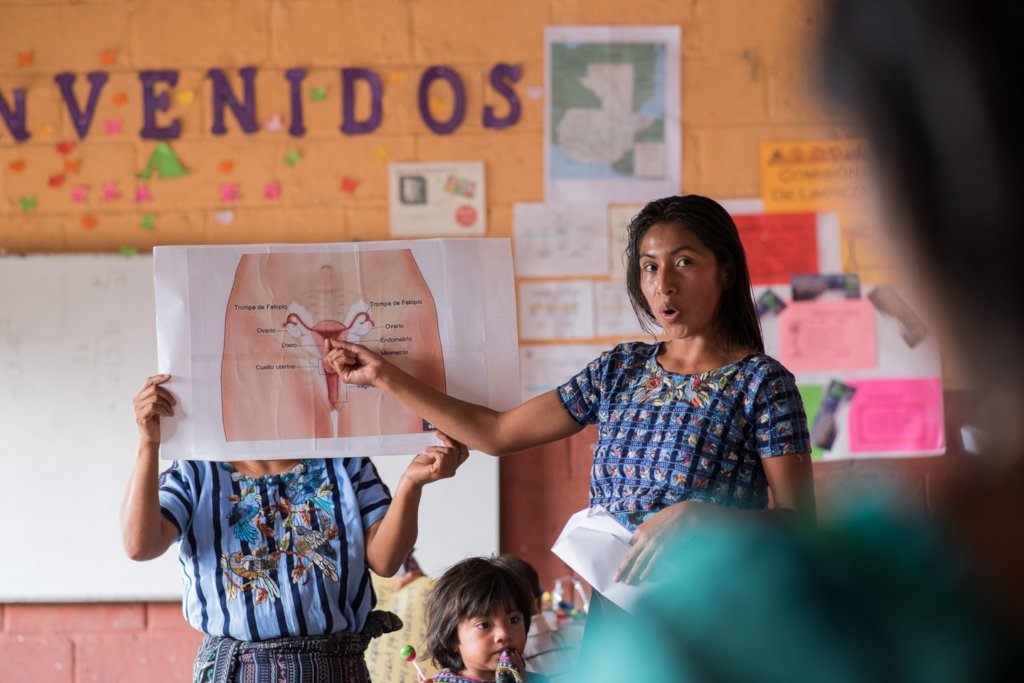
Vilma and Rebeca are the team behind Women’s Health Champions, Pueblo a Pueblo’s newest initiative to promote sexual and reproductive health education among women in and around Santiago Atitlán, Guatemala. In anticipation of the project’s launch, they have been working with local organizations and government institutions to spread the word about the project and build relationships with potential partners.
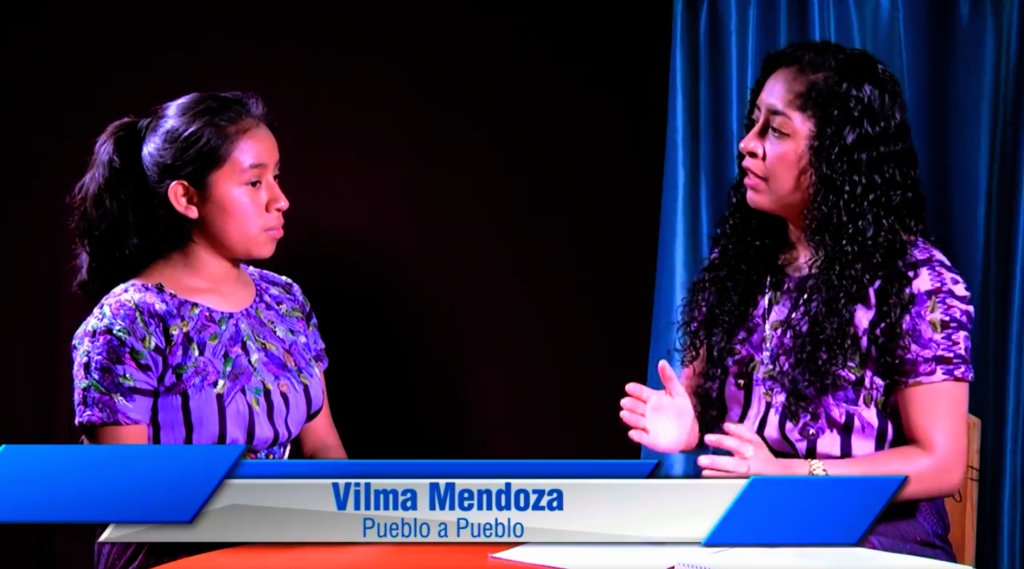
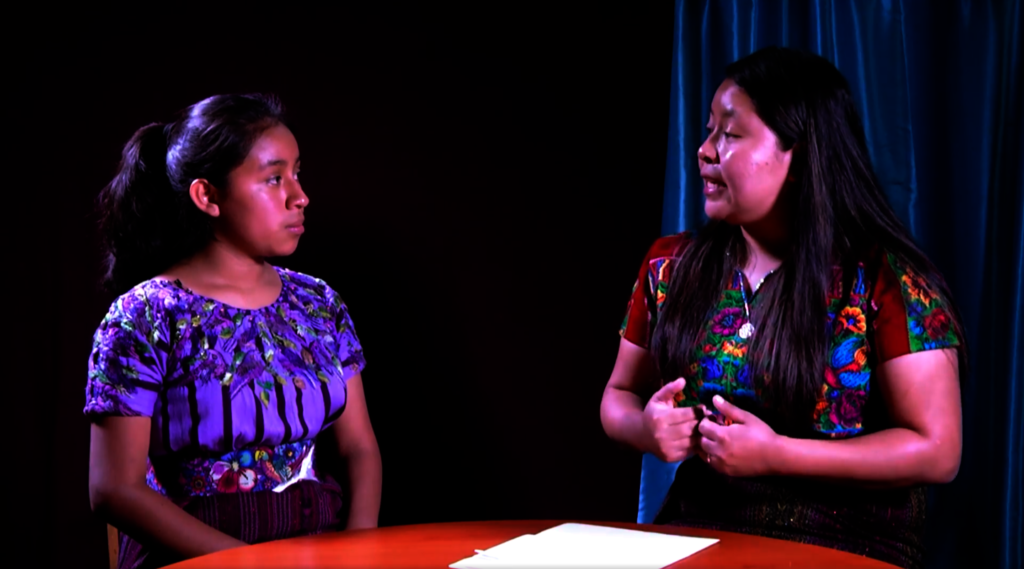
They just wrapped up a successful collaboration with the Municipality of Santiago Atitlán, the seat of local government here in Pueblo a Pueblo’s host community. The Women’s Health Champions team members were invited to participate in an episode of “Hablemos de...” (“Let’s Talk About...”), a local television series dedicated to raising awareness of public health issues. Vilma and Rebeca were featured on an episode called “Hablemos de la Salud Sexual” (“Let’s Talk About Sexual Health”). Since this program is made by and for members of the Santiago Atitlán community, "Hablemos de..." is almost entirely in Tz'utujil, the local Mayan dialect and most residents' first language.
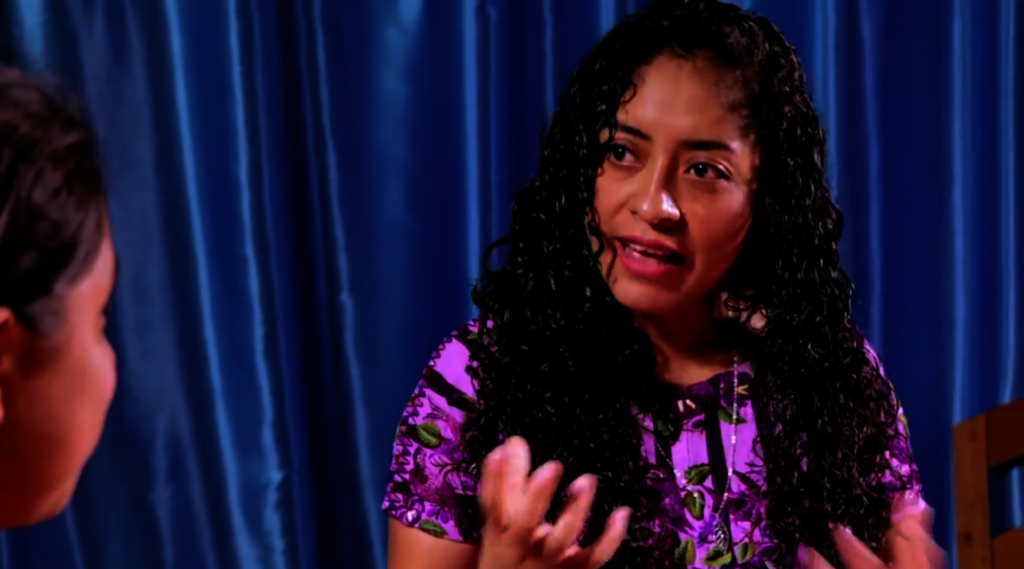
Rebeca kicked off the segment by introducing the topic of sexual health and the day’s special focus: puberty. Vilma then spoke about the four types of changes we go through during puberty. Puberty involves physical changes, she explained, changes to our bodies inside and out that transform us from children into adolescents. But it also brings psychological changes, like the intensification of emotions and a tendency toward anger and frustration; emotional changes, like romantic and sexual attraction to others; and social changes, like the desire to relate to the world as a young adult rather than a child.
Puberty prepares the female body to carry children, Vilma explained, but although a teenage girl’s body is ready on the inside, she still isn’t physically or mentally ready to be a mother right away. Once a girl has begun to menstruate, she can get pregnant, but her body still has growing to do—her hips need to grow wider and her body bigger and taller—before she can give birth safely. She also needs to be psychologically mature in order to handle the emotional challenges of parenthood, Vilma noted.
Vilma then spoke directly to her teenage audience. No one else has a right to your body, she said. Although your body has changed, you have the right to say no if someone wants to touch your body or asks you to do things you don’t want to do. This is an important message to promote among young people, she told the Pueblo a Pueblo communications team, because educating teens (both boys and girls) about consent can help prevent future abuse and assault.
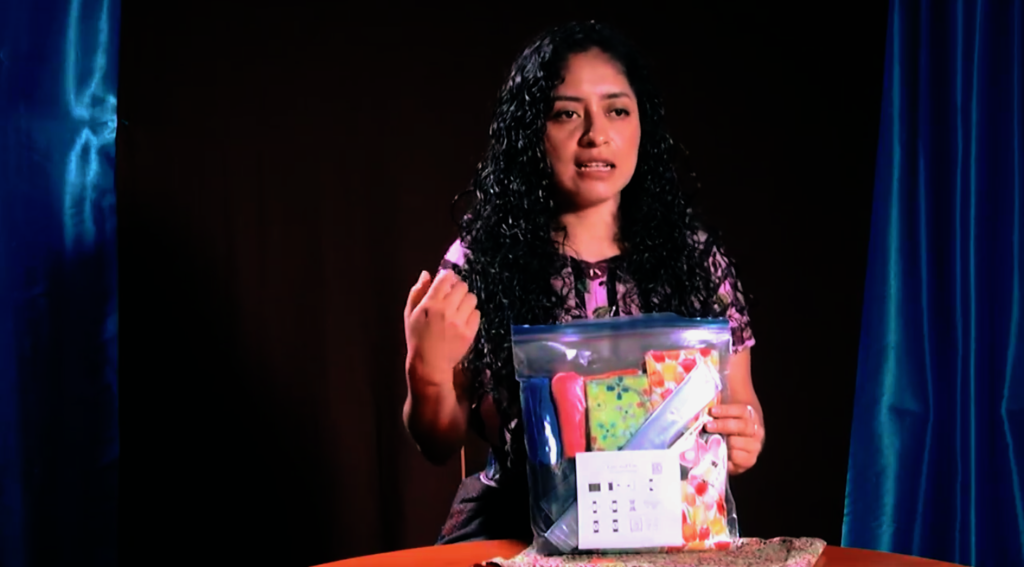
In addition to their work on the segment, the team recorded an advertisement for the reusable cloth menstrual pads that will play a key role in Women’s Health Champions. Vilma used this additional airtime to introduce viewers to the cloth pads’ health and environmental benefits. The product helps women practice good menstrual hygiene at the same time that it reduces the amount of waste created by disposable pads, she explained. Not only has Vilma’s advertisement been played on local television stations and shared on social media, but it can even be heard in the streets! From time to time, the municipality drives an ad-mobile around town playing Vilma’s message for all to hear.
So why reusable pads? At Pueblo a Pueblo, we believe that economic empowerment is a key step toward improving health outcomes among women. That’s why Pueblo a Pueblo is helping to incubate the social enterprise that supplies the pads: a small business made up entirely of local indigenous women from Santiago Atitlán! The economic benefits of this product will spread even further when peer educators, or “Champions”, distribute the pads to women in their communities, producing additional income for the Champions’ households and promoting good menstrual hygiene in their neighborhoods.
Vilma and Rebeca are determined to bring sexual and reproductive health and rights (SRHR) education to the women of Santiago Atitlán—and they need your help! Your donation promotes women’s health advocacy and economic empowerment here in rural Guatemala—consider a gift to Women’s Health Champions today.
Links:
Project reports on GlobalGiving are posted directly to globalgiving.org by Project Leaders as they are completed, generally every 3-4 months. To protect the integrity of these documents, GlobalGiving does not alter them; therefore you may find some language or formatting issues.
If you donate to this project or have donated to this project, you can receive an email when this project posts a report. You can also subscribe for reports without donating.