By MD | Jan-Mar 2014 Bupoto Clinic Report
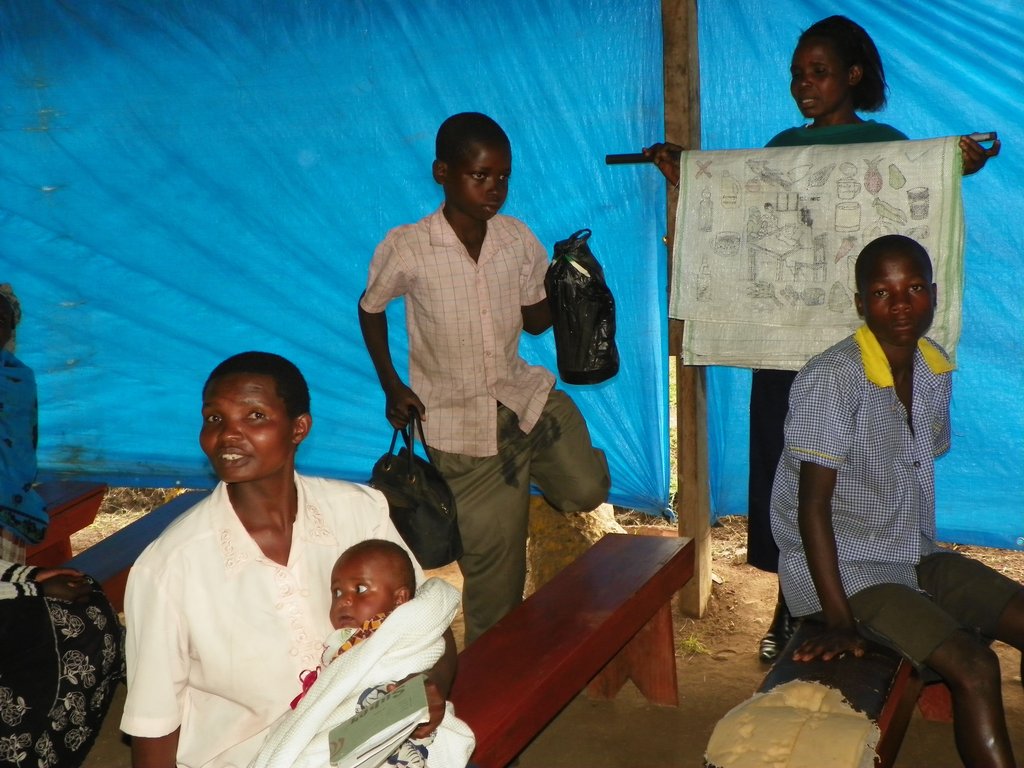
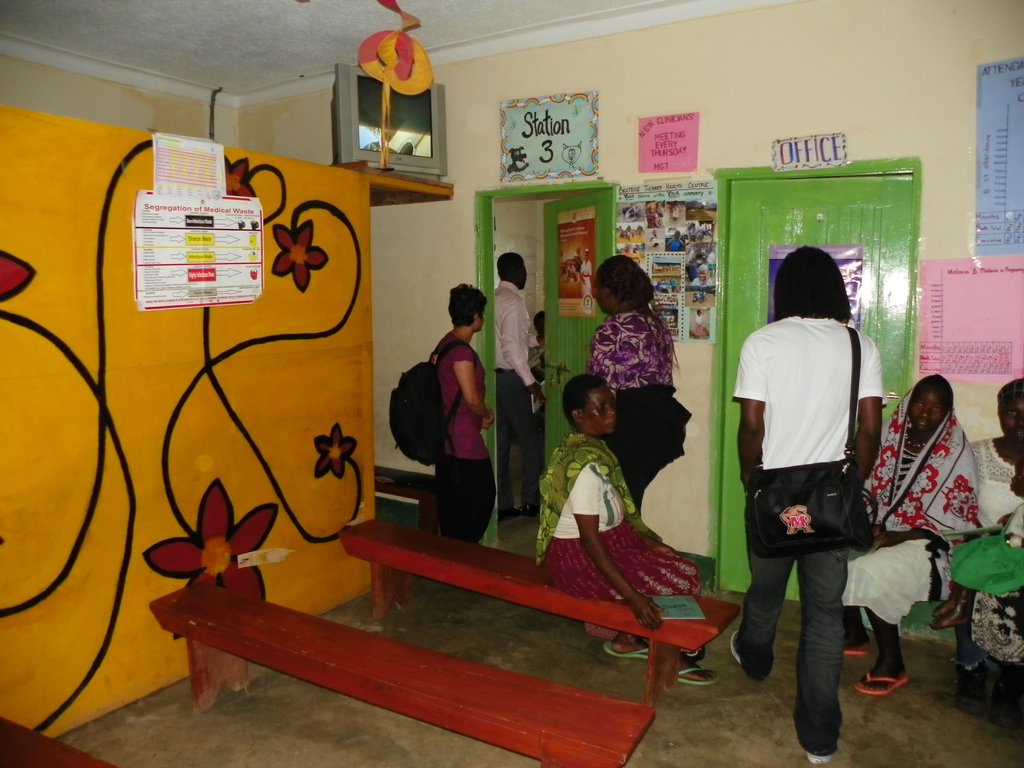
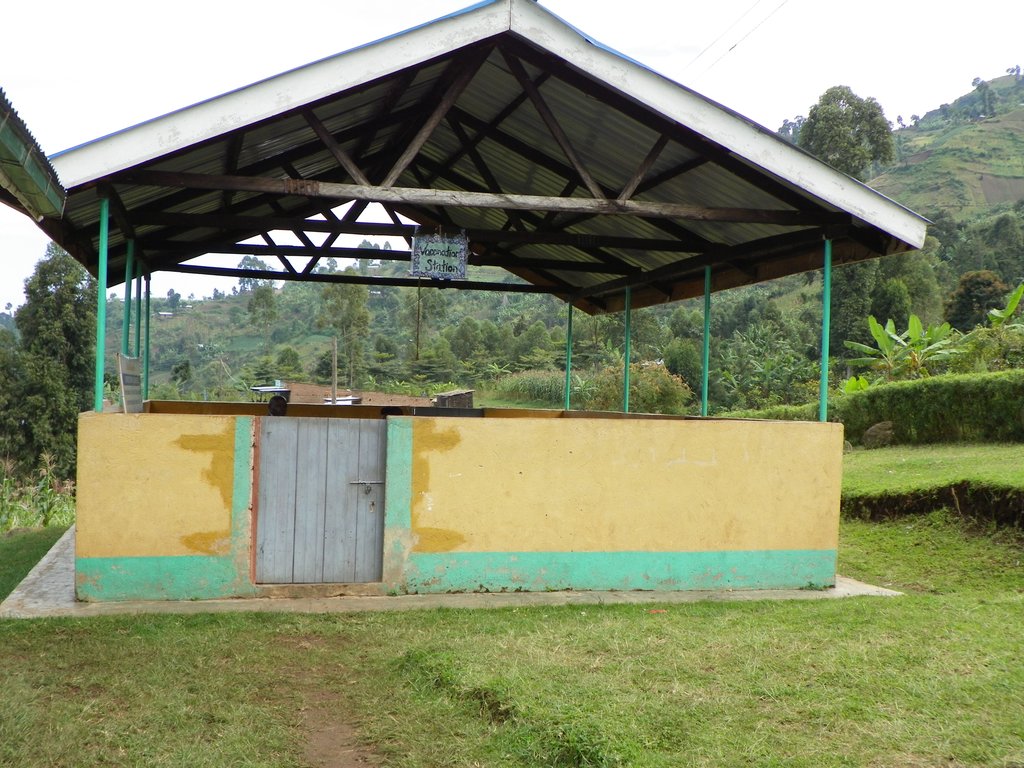
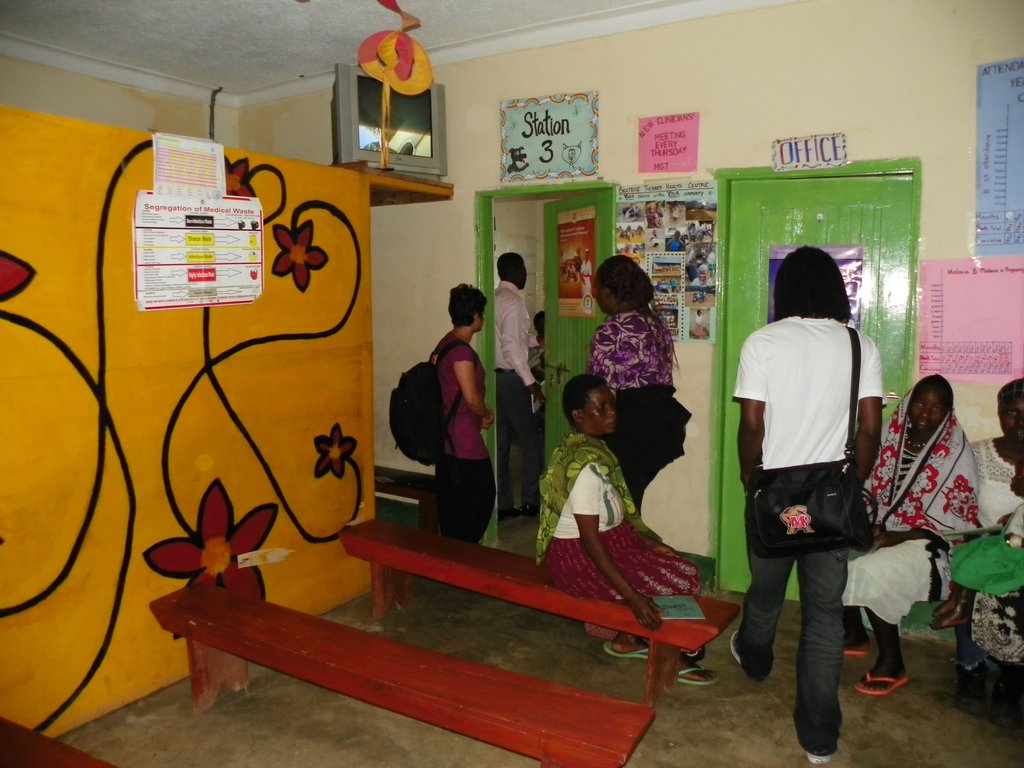
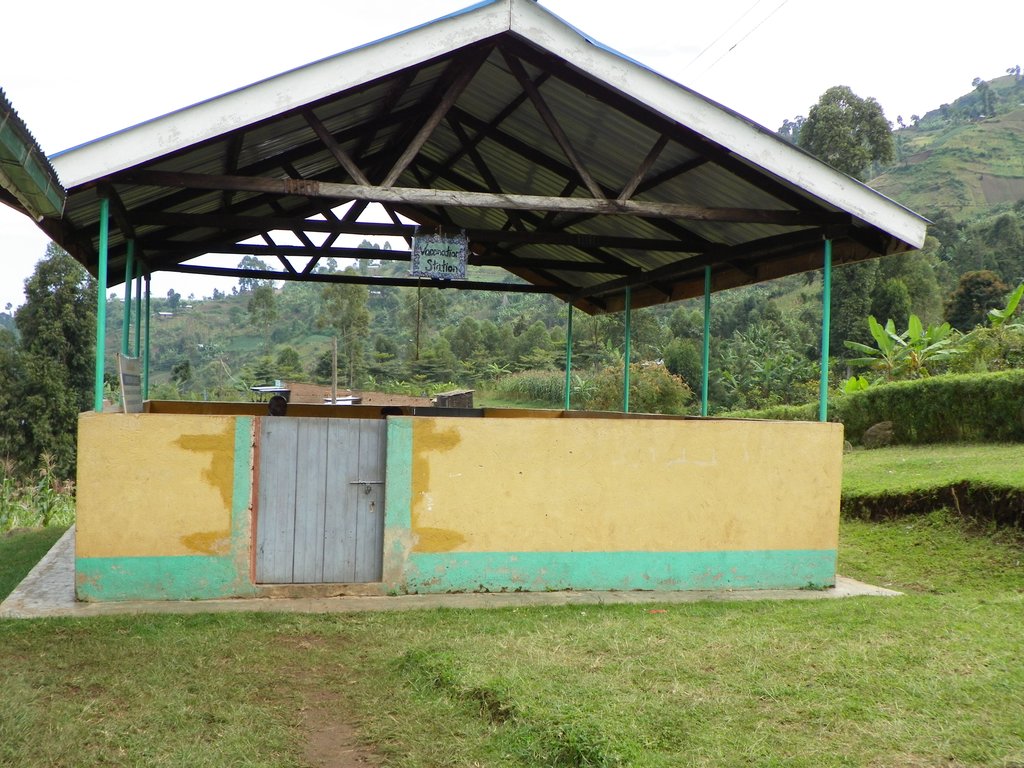
The Arlington Academy of Hope, Inc (AAH) is enabling vital health care to be provided to over 20,000 in a very remote part of Uganda. The first clinic was built next to our primary school in Bumwalukani, Bududa to address students' health issues such as malaria, gastrointestinal issues, etc. It quickly became a very valuable resource for their families and the community at large. A second clinic was built in Bupoto, Manafwa, near where our co-founder Joyce Wanda grew up. Joyce lost four of her sisters to preventable, treatable conditions so she knew first-hand how important it was to have assessible health care. Today, our partner FIMRC runs the clinic at the AAH school and we run the Bupoto clinic.
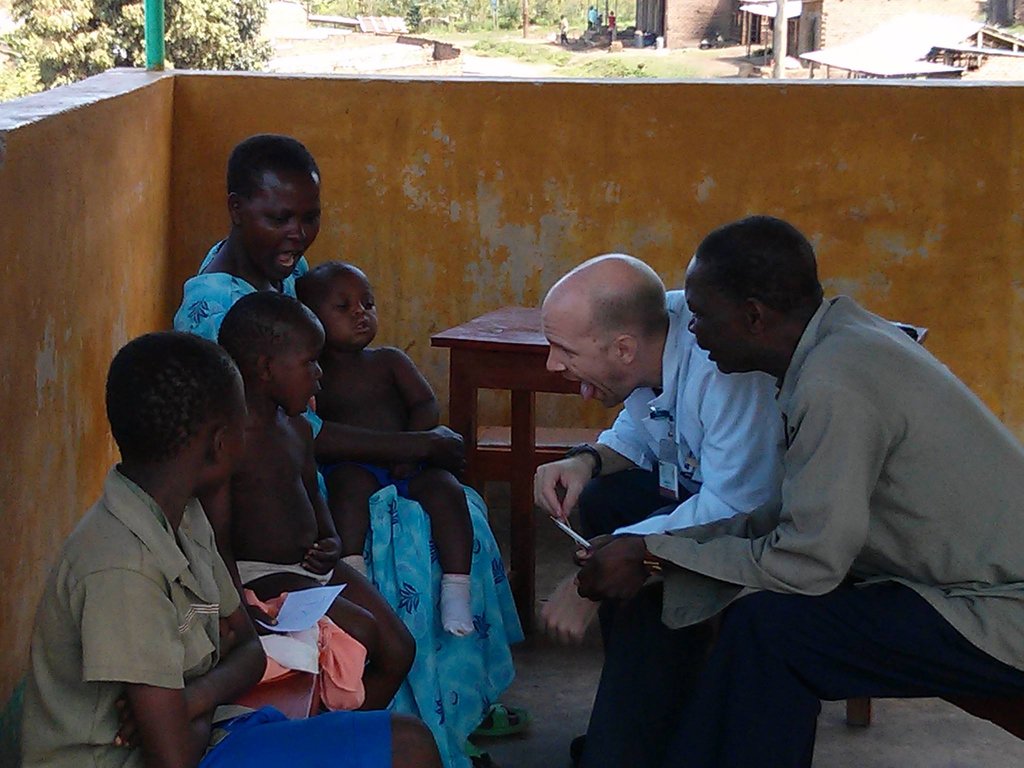
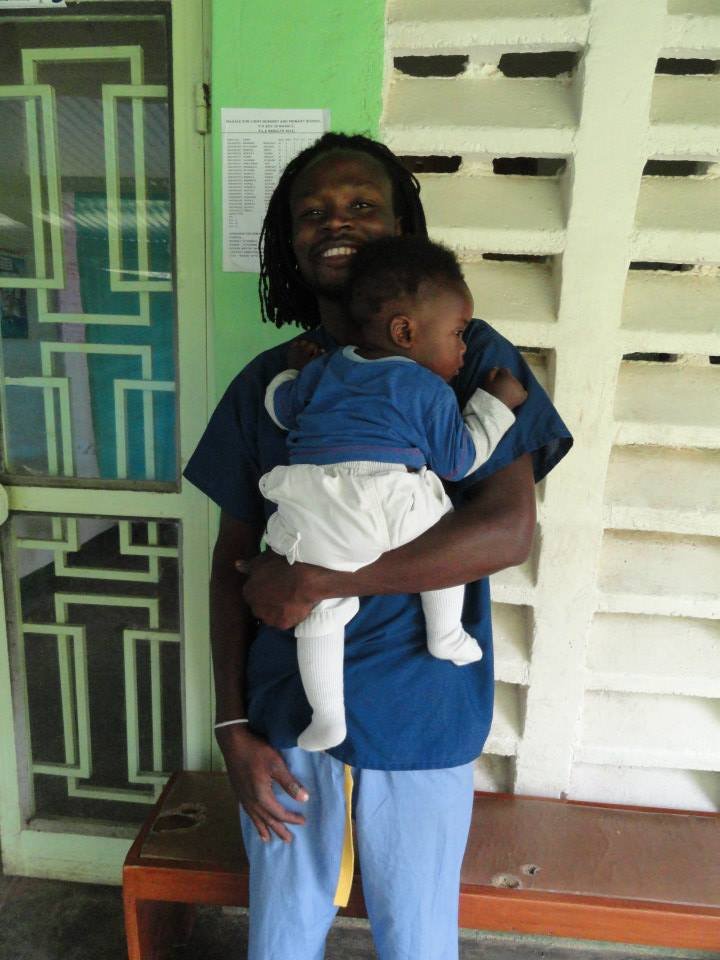
Major conditions treated at the clinic are malaria, UTIs, respiratory conditions, HIV/AIDS. We track patient date and health trends at the clinic. Care for pregnant women, delivery, and care for children aged 0-5 is also provided. Community outreach plays an important role in making sure patients are taking medicines as prescribed and are making other needed adjustments to get healthier and stay healthy. There is also follow-up for those diasnosed with HIV/AIDS.
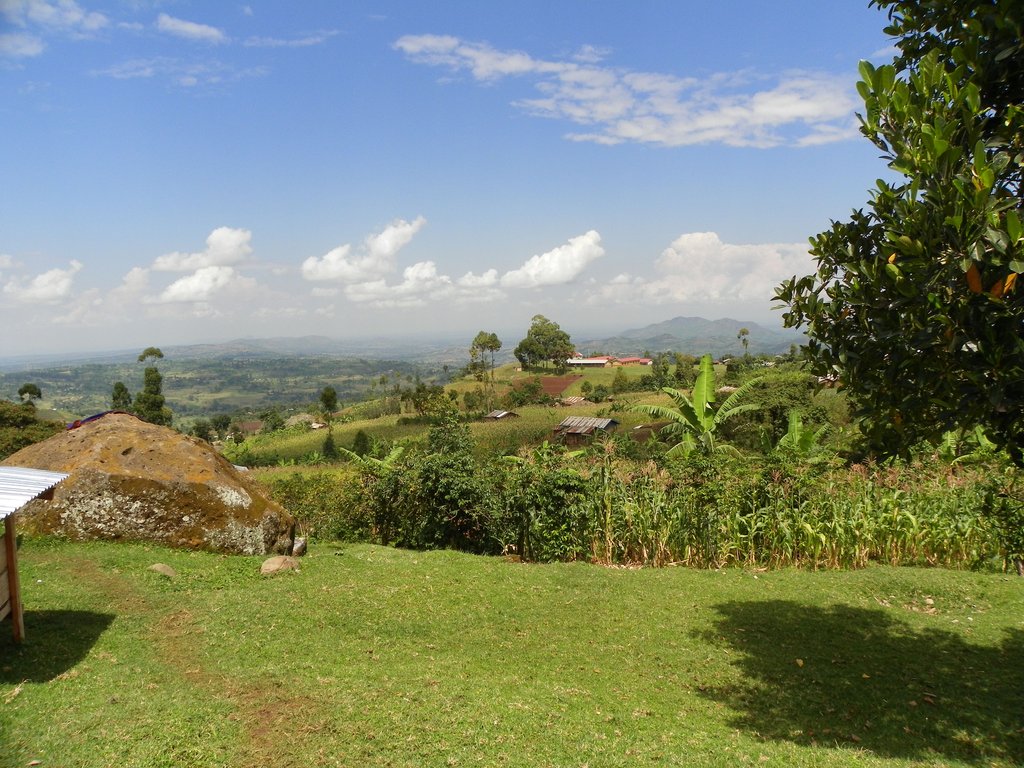
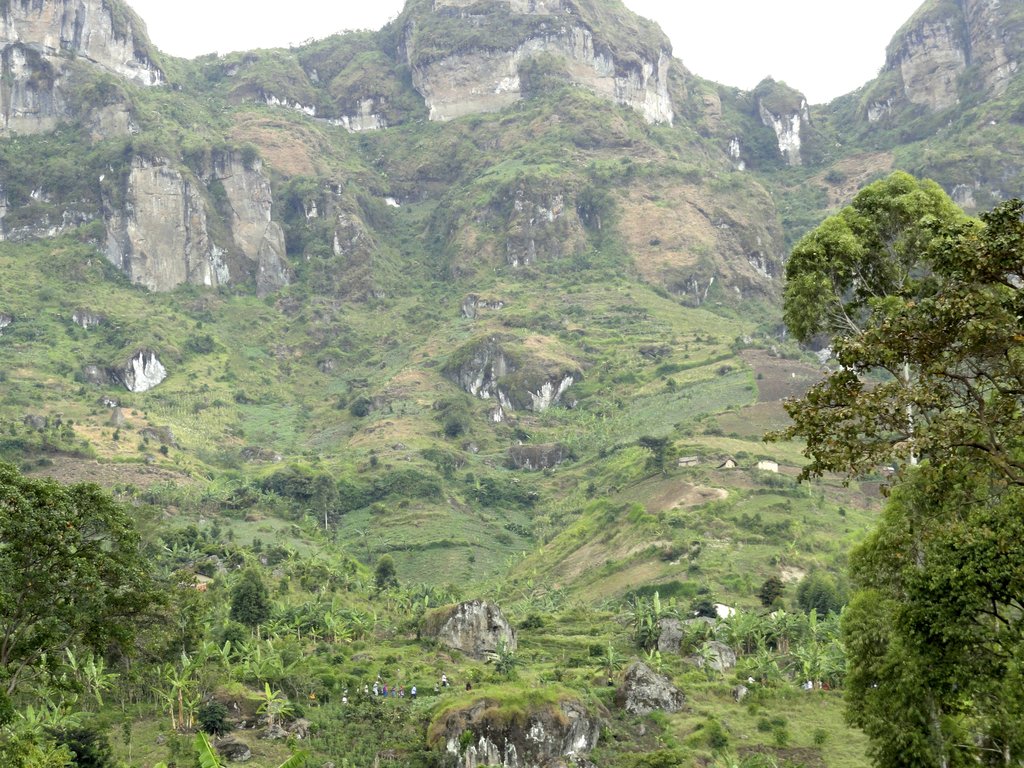
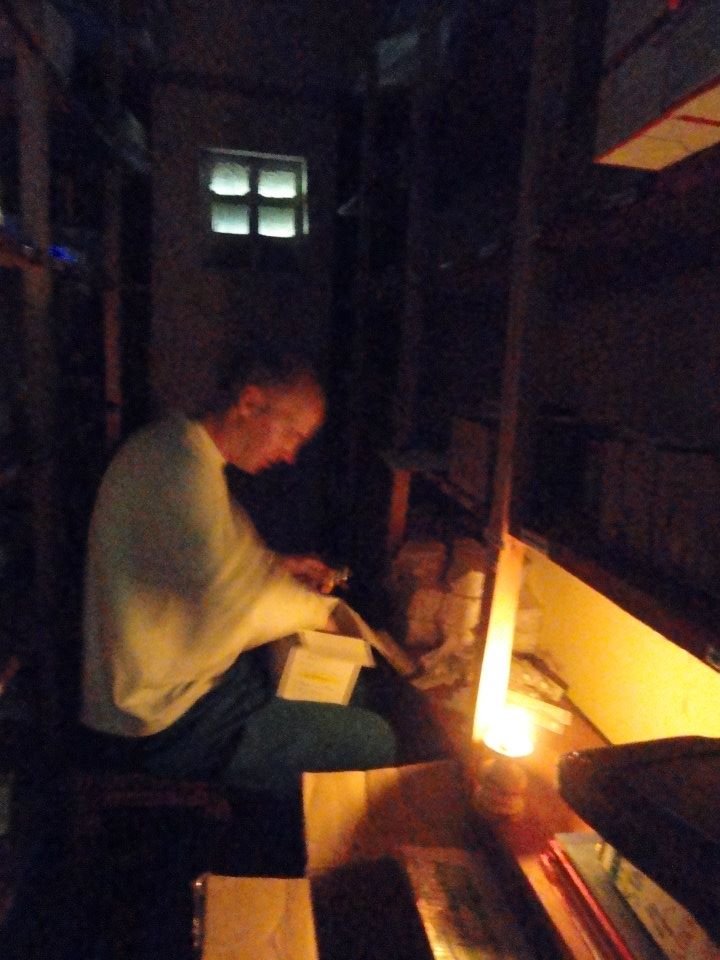
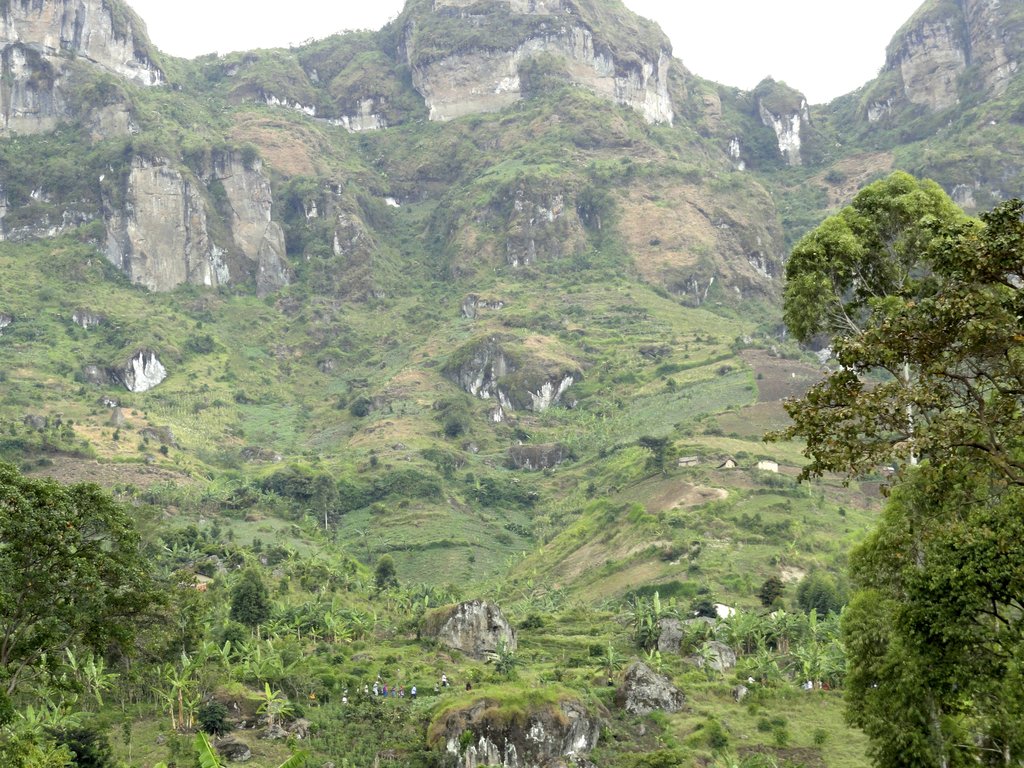
Bupoto is a lovely setting, near the top of the mountain, green and lush. But it is remote and has intermittent electricity which is a challenge. Some vaccines and medicines require refrigeration and power is also important for urgent medical care in the evening, including delivering babies. Soemtimes medicines have to be discarded when the power is out for too long. We are researching options at the moment for upgrading the solar panels and batteries at the clinic to improve the power situation at the clinic in an affordable way. The generator is expensive to run, and the more we can use solar power, the better! Even when there is power, there are spikes which have ruined computer equipment. Because there is such a high volume of patients and they often do not bring patient medical history with them, we need to computerize this data to have it for their return visits. Having it all on paper is time consuming and inefficient. Ultimately, we would also like to be able to use telemedicine at the clnic to treat patients but this will not be a real option until we can improve the power situation at the clinic.
Progress. We have upgraded and streamlined our procurement processes for medicines and supplies. This will enable us to, for example, make purchases quarterly instead of monthly, thereby saving time and high transport costs (given our remote location)..
The clinic also provides training opportunities for local residents interested in a career in health. We fund several nursing scholarships, and the students help out at the clinic while on break so they gain experience. It is also a way for students to give back to the community - something we emphasize at AAH. School resumed in February, so the nursing students are back at school.
We have been fortunate to have had a number of students from the U.S. volunteering at the clinic, including a Georgetown University medical student who returned for hs second trip to the clinic and several Marymount students pursuing masters degrees in health care management. They have helped tremendously!
Note: We are in the process of developing a training/education project with the clinic and expect to have that up and running soon!
Project reports on GlobalGiving are posted directly to globalgiving.org by Project Leaders as they are completed, generally every 3-4 months. To protect the integrity of these documents, GlobalGiving does not alter them; therefore you may find some language or formatting issues.
If you donate to this project or have donated to this project, you can receive an email when this project posts a report. You can also subscribe for reports without donating.