By Ratul Basu | Project Manager
Background
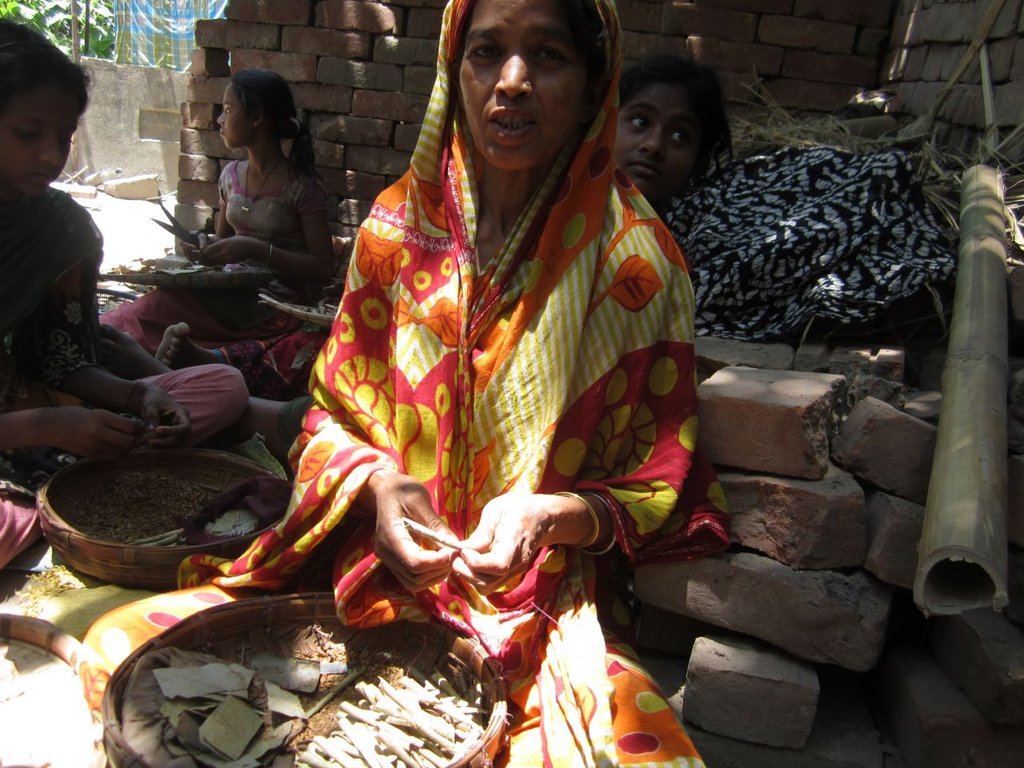
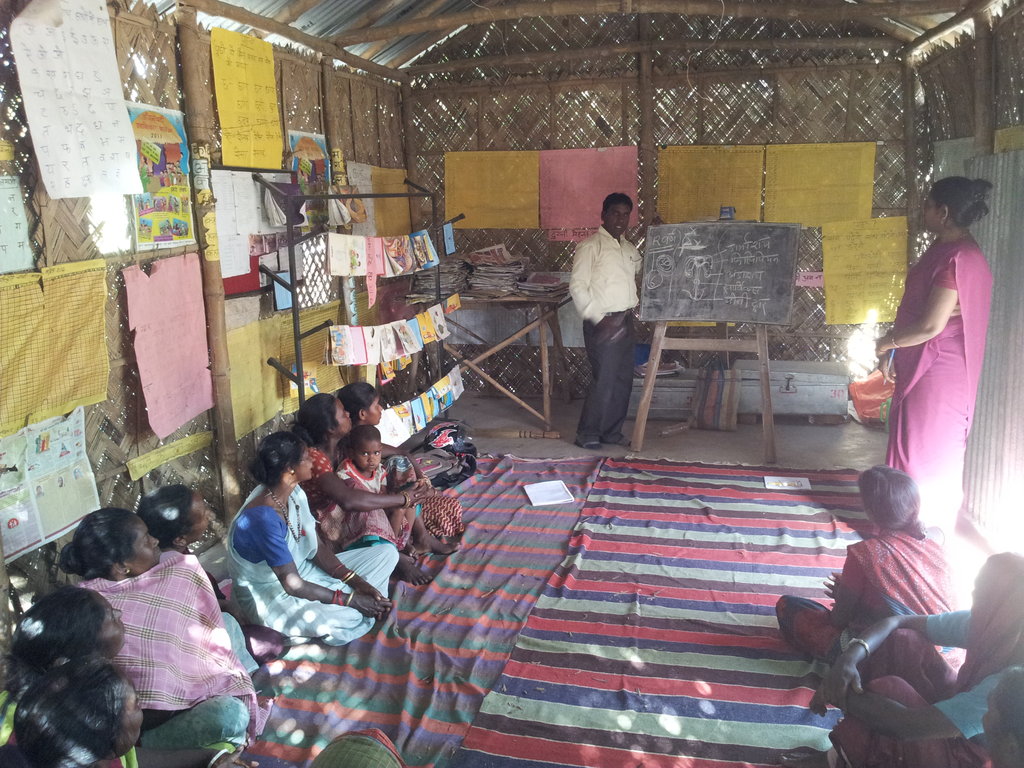
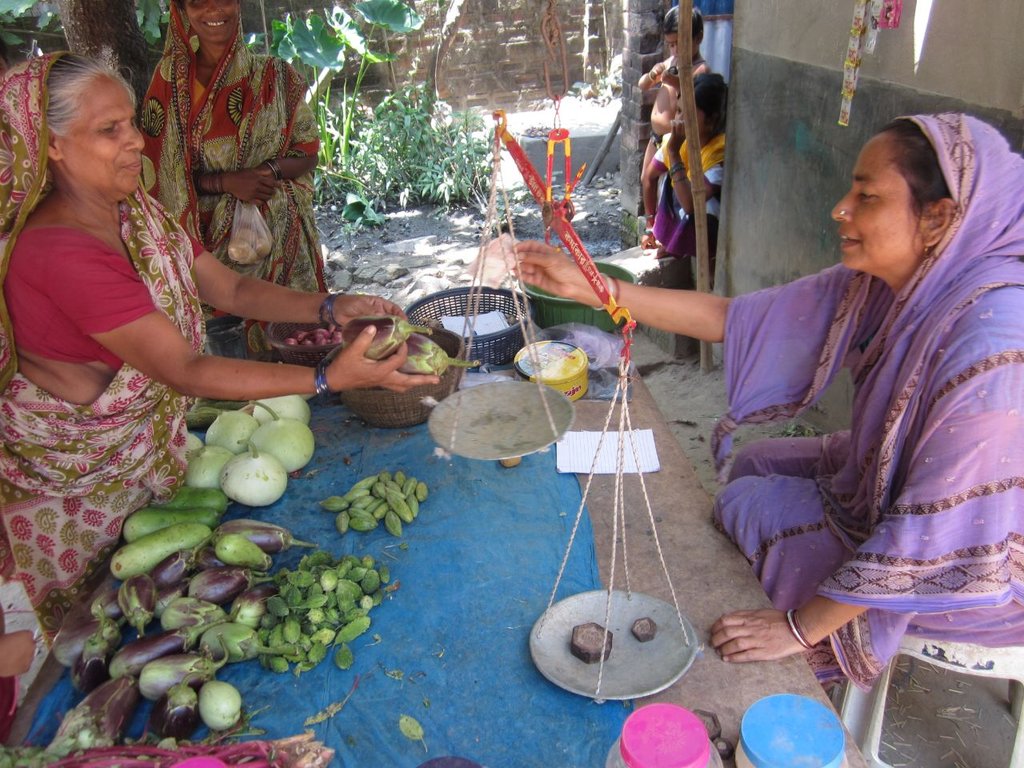
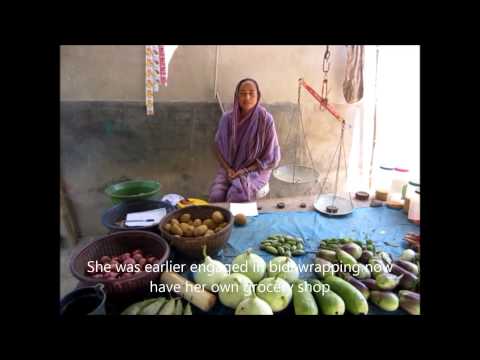
Reach India is making every effort to build further momentum in its work with about 6000 poor women and their families that it has initiated since 2012, for improving their health and income levels. Most of these women are involved in bidi rolling as one of their main sources of income. Reach cannot work alone on a mission such as this, which requires the support of multiple stakeholders like government, other NGOs, individuals from India and abroad and Institutional donors. Being a nonprofit organization, reach India is committed to ensure that resources mobilized are put to most effective use towards the defined goal, objectives and processes in the project. We are very happy to report that these women are covered under a government bank linkage programme for poor women and men organised into self-help groups or SHGs, which Reach is implementing in the area. Reach has organized these women into more than 400 SHGs with support from the National Bank for Agriculture and Rural Development (NABARD) and all these groups are now operating bank accounts with nationalized bank. Our team of social mobilisers and experts are training them on health and life skills and are also providing health counseling, enabling them in batches to prepare small business plans for alternative and safe livelihoods through micro-enterprises, agriculture, small businesses etc. through training, hands-on guidance and bank linkages.
In our experience, we have seen that in two administrative blocks Raghunathganj 1 and 2 of Murshidabad districts, most women are engaged in Bidi rolling for augmenting their family income. Prolonged engagement in bidi rolling activities leads to several respiratory diseases. Women and their families understand the importance of health training, SHG formation, bank linkage and access to finance. However, a majority lack skills to make the transition to economically viable alternative sources of income so that they can discard bidi rolling. Here comes the role of micro enterprise and small business training that we are providing in batches. So far we have covered about 130 SHG women under Micro enterprise development programme (MEDP) to train them in different skills like food processing and beautician courses etc. We have conducted those training programme with an hope that these women SHG members will later on established themselves as successful entrepreneurs, earn more and shift themselves from bidi rolling to some other income generating activities. Rather than conducting direct training programmes, Reach is also exploring opportunities with other stakeholders who are conducting skill building programmes to link those SHG women in such training and skill building opportunities.
Global Giving project
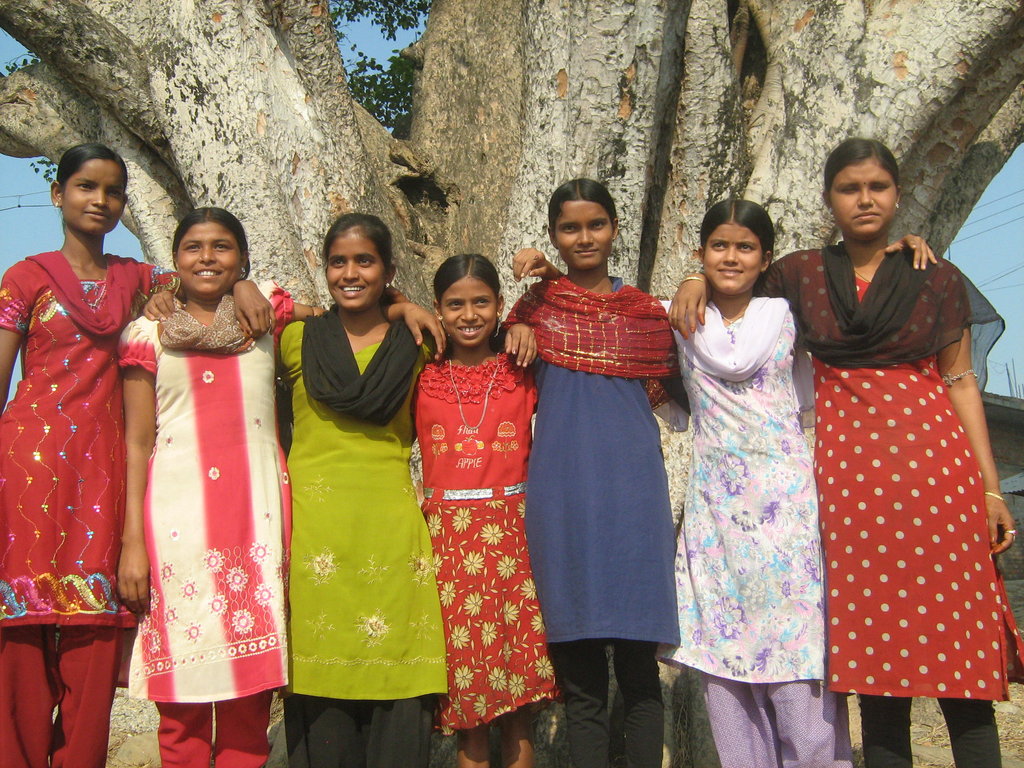
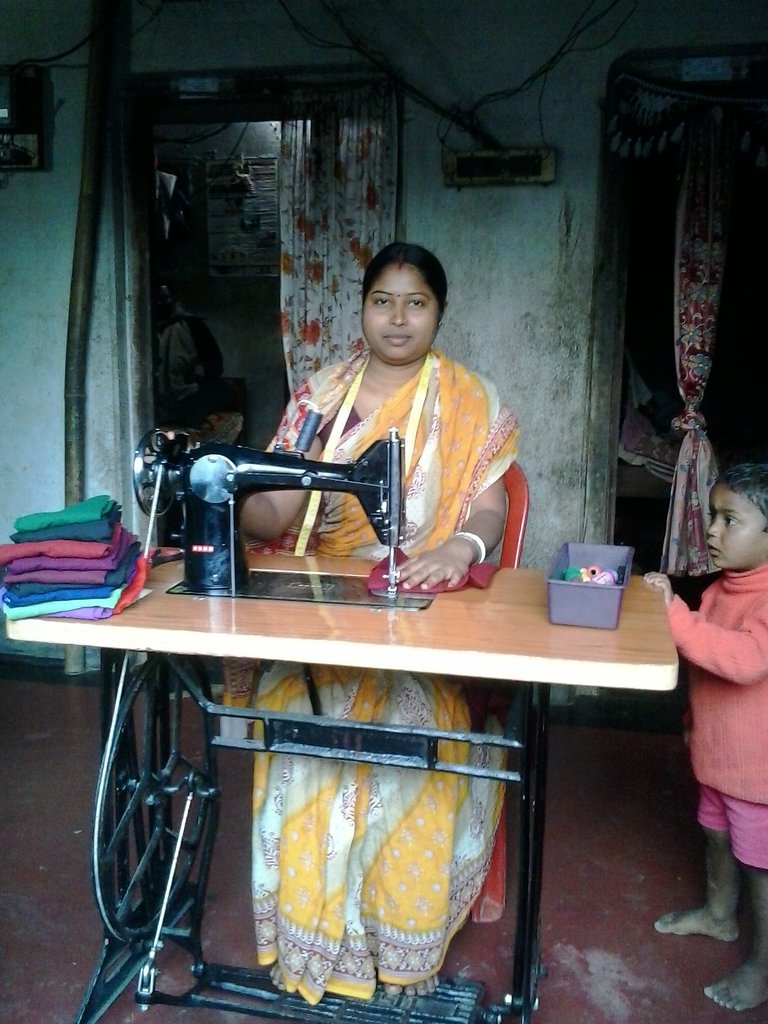
In the beginning of 2015, Reach get introduced to Global Giving, and learn the process of online fundraising or crowd funding initiative. Reach partners with Global Giving, Uk has started an crowd funding initiative on Improving Health and Income of 50 poor Young Women in Raghunathganj of Murshidabad district. We have proposed a two pronged intervention, which will address reproductive & sexual health and hygiene issues and also simultaneously address their income poverty through Training of 50 women on tailoring and helping those women to set up their home based sewing and tailoring units by purchasing sewing machines and making necessary arrangements.
Case study 1
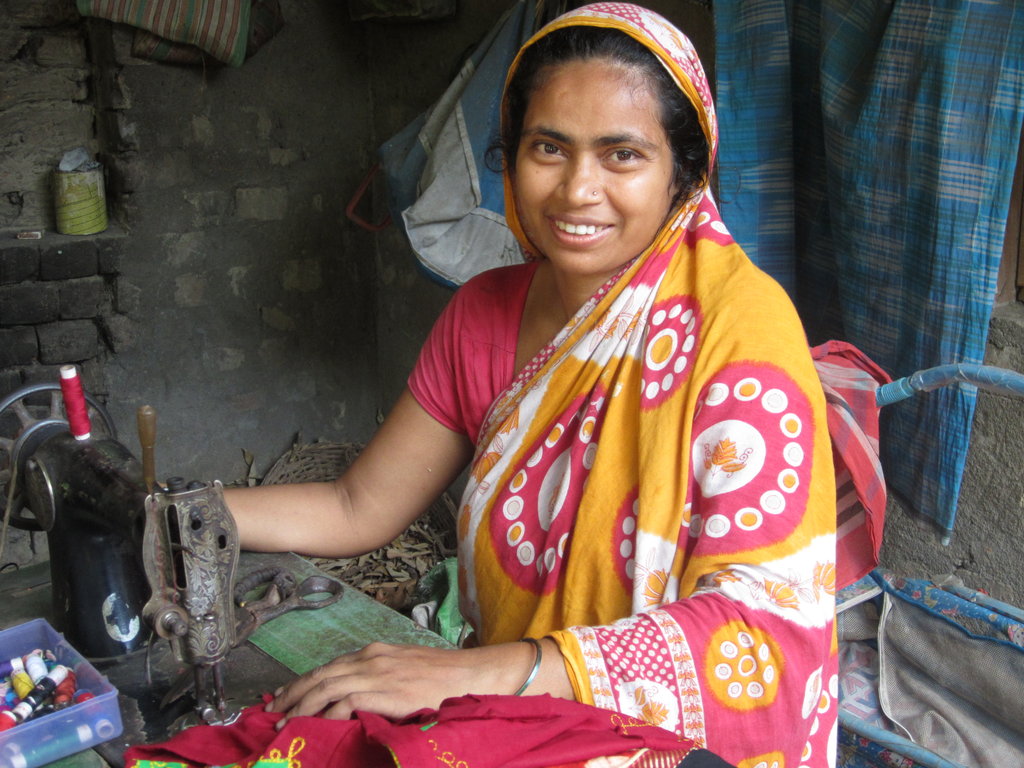
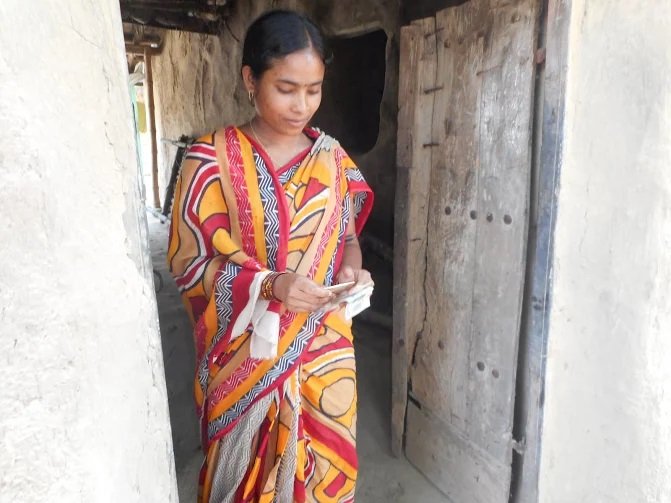
Amita 26, is one of the 50 women that we have chosen for the Global Giving project. She lives in Lalkhandiar village of Raghunathganj- 2 block of Murshidabad. He parents arranged for her marriage once she completed her 10th standard, with a marginal farmer with a peak income of $100 or INR 6000 per month during agriculture months. In lean season, his income dipped further, and with this income he started a new family along with his responsibility to support his parental family. After marriage therefore, Amita took to bidi rolling in her free time, to support her husband earning just about $ 10 to $ 15 per month. In the initial days of SHG bank linkage programme, she along with other 12 members formed REACH Paddo SHG and opened their bank account in Bangiya Grameen and Vikash Bank, Jangipur, later on the SHG got 1 lakh INR Cash Credit (CC) loan. Paddo is the Bengali word for Lotus. Presently, her group has an accumulated corpus of Rs. 40,000.
Once, Amita requested our field animator to engage her in some other income generating activity, so that she can get relieved from bidi rolling activity which is basically cause health hazards to her. Reach explored an opportunity with Union Bank, where SHG women had an opportunity for skill building in stitching and tailoring course. We nominate, Amita as a promising candidate and selected for a 45 days training conducted by Union Bank & SIDBI on tailoring and kaatha stitching. She attended and completed the training programme successfully. During the training programmes she learned to make designer blouse, churidar, salwar kamiz, baby frock, paizamas [Salwar, Patiala & normal]. After the completion of her training period she purchased a sewing machine and started a small tailoring shop at her home. On an average, she earn about $ 15 to $ 20 per month. in off seasons but during festival the income range goes up to $ 25 to $ 30. She said that mostly she make blouse, which cost around Rs. 120, the cost of making was $ ½ / blouse , on an average her profit is $ 1.5 / blouse.
Before starting the tailoring shop, rather than her engagement in domestic work, she spend most of her time in bidi rolling, which was more time consuming, tiresome and low yielding. Now, she is spending less time in tailoring activities and her income is little higher than the past, on the other hand she can now invest quality time in her child’s education. She expressed her thank to Reach India.
Case study 2
Narsima is one of these bidi workers. As with many young girls from her area, she was married off at the age of 17. Because her husband did not have a stable job, she became a bidi worker. Narishma wrapped on average 1000 cigarettes a day. In a productive day she made 100 rupees (less than one dollar a day). Now, at just 26 year old, Narishma suffers from chronic headaches and lung problems. Her productivity is declining and she needs an alternative option. This is when Narsima joined Reach India’s self-help group...
In Reach India’s Self Help Group Narsima received financial literacy and entrepreneurship skills training. She also learned about her rights and how a healthy lifestyle have. Narsima joined the Allah Rakha women Self Help Group, facilitated by Reach India, and was able to access loan as a group member. Narsima bought a paddy whose production she is selling in the market. Equipped with this new knowledge and financial resource, Narsima is now proud to be in control of her life and take care of her children.
The pilot project that Reach India is crowd sourcing for aims to reinforce the services provided through its network of approximately 400 young women Self Help Groups whose members are seeking a decent alternative to bidi rolling work. The 50 young women participating in this pilot will receive peer to peer mentoring, sowing and entrepreneurship training before being linked up with the district’s existing tailoring trade so that they can significantly increase their revenue and make a decent living. If successful, this approach will then be scaled up throughout the district to allow more deprived women surviving on bidi rolling to get a decent job and stable source of revenue.
We thank all of our donors for extending their kind support toward fulfillment of the social cause. Because of you people we are able to fetch little changes in someone’s life. We expect you to be with us in future too with an expectation to fulfill the dreams of several under privileged. Hope you again extend your kind support for them in near future.
Thank you
Reach India Trust
Project reports on GlobalGiving are posted directly to globalgiving.org by Project Leaders as they are completed, generally every 3-4 months. To protect the integrity of these documents, GlobalGiving does not alter them; therefore you may find some language or formatting issues.
If you donate to this project or have donated to this project, you can receive an email when this project posts a report. You can also subscribe for reports without donating.