By Luis Flores | Fundraiser - Melel Xojobal
Annual Birth Certificate Campaign
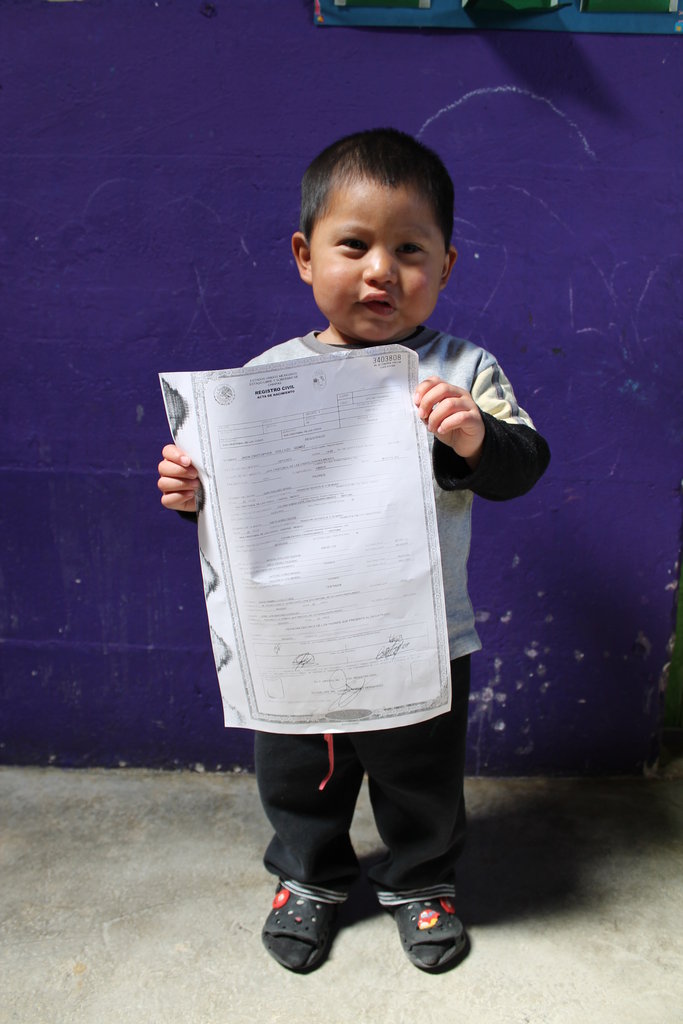
Starting in February and continuing through the beginning of May, we implemented our annual birth certificate campaign. The goal is to support indigenous families of the city to acquire birth certificates for their daughters and sons.
Chiapas is the Mexican state with the highest percentage of people that do not have their birth certificates and more and more children each year are being born and not getting this vital document. This problematic situation reaches into the city of San Cristobal de Las Casas.
There are two major causes of this problem: many people in San Cristobal lack the ability to read which keeps them from knowing the importance of the birth certificate and the ways they can obtain one; and the language barrier between the Spanish-speaking employees in the registration office and the indigenous-language-speaking people of Chiapas.
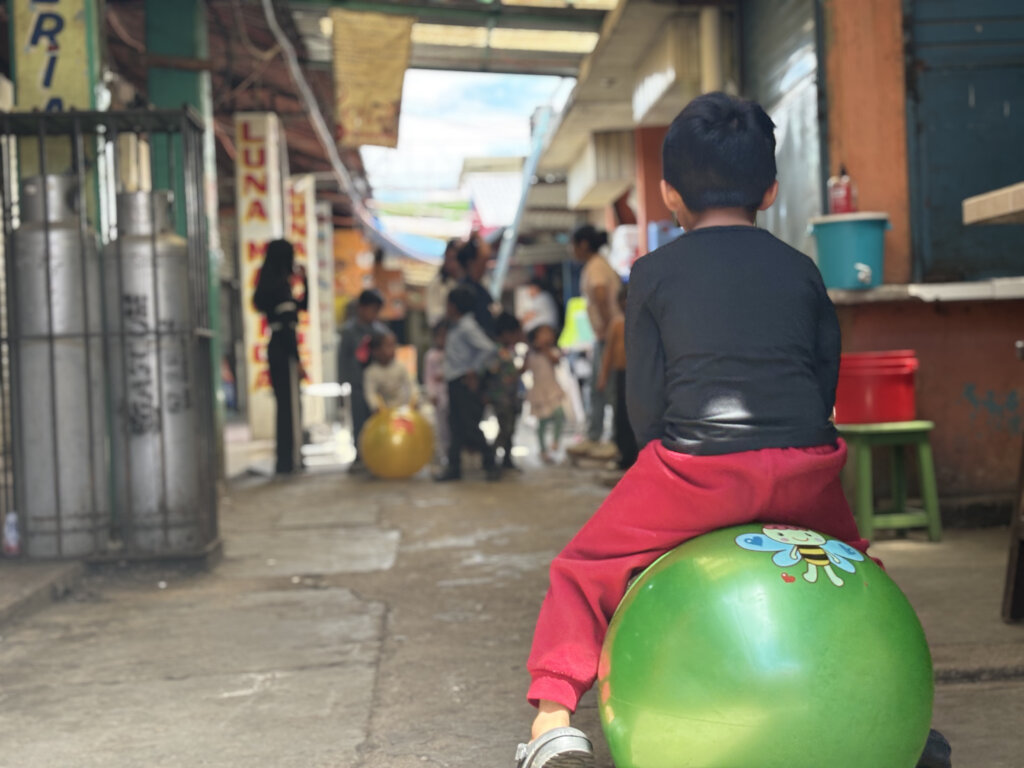
The first part of the campaign consisted of placing information throughout the different markets in the city: Mercado Municipal Tielemans, Mercado de Artesanías ("hand-made crafts" in Spanish) de Santo Domingo; Mercado Popular del Sur (Merposur), and the city center. We placed posters with the most relevant information in highly visible sites and walked through the markets with loudspeakers passing out informational leaflets. Both posters and leaflets were in Spanish and Tsotsil, the most common native language spoken in San Cristobal.
Then, we asked five public radio stations to each broadcast two advertisements about the campaign (one in Spanish and the other in Tsotsil): Radio Evangélica, Radio Esperanza Miel, Radio Católica Tepeyac, Radio Ciudadana Botan Zapata, and Radio Libertad. We also gave live interviews on Radio Esperanza Miel and Radio Activa; Radio Activa being one of the most popular radio stations in San Cristóbal de Las Casas.
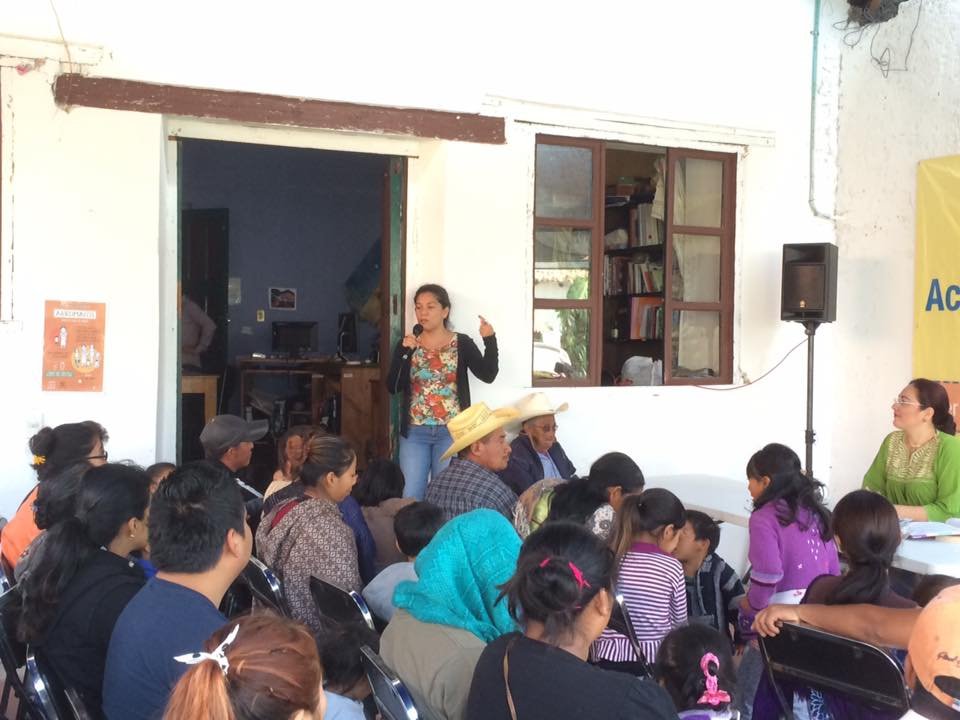
On February 17 and March 10, we gave informative meetings for families at the Melel Xojobal facilities in San Cristobal. During the meetings, we informed the attendees about the requirements to get the birth certificates, the reasons why we started the campaign (government ineffectiveness and the importance of the birth certificate as a door to other rights, such as education and health), and to inform them of our intention to call each family to see if they registered their child for school after receiving the birth certificate.
After the informative meetings, the families gathered the appropriate documents and delivered them to us so that we could make final adjustments and pass them on to the registration office.
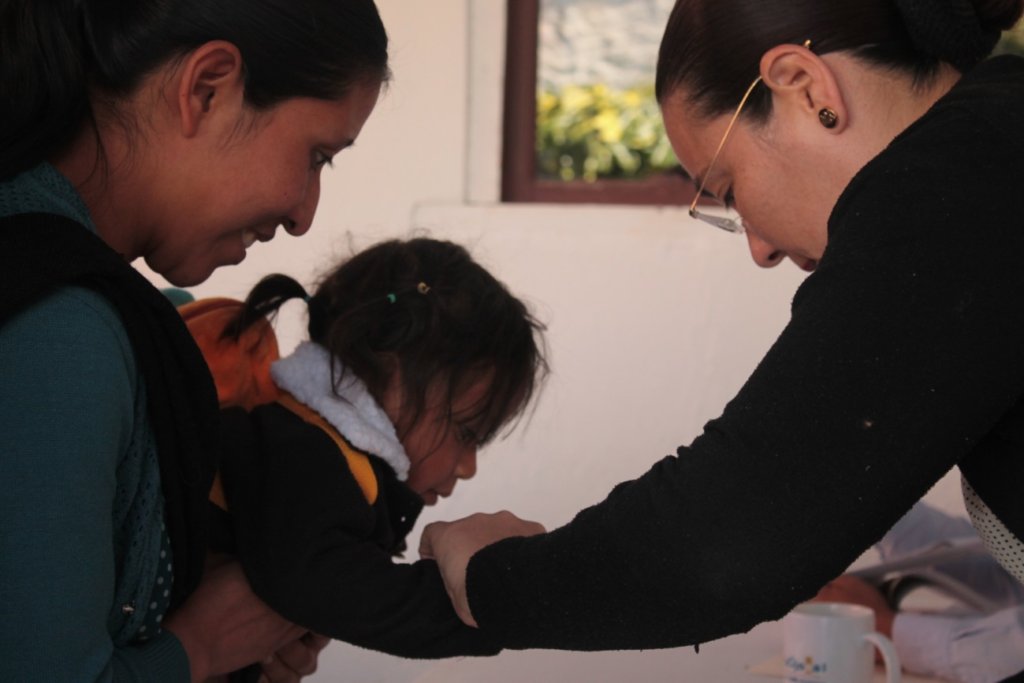
We have forged a link with a government employee at the registration office, so every year she comes to our facilities to deliver the birth certificates. She gives us a date when she can deliver the certificates and we contact the families so they can come to Melel Xojobal and pick up their documents. This year we had two delivery days: April 24 and May 26.
In total, we were able to help 82 children obtain their birth certificates.
Arrumacos, Center for Early-Childhood Stimulation
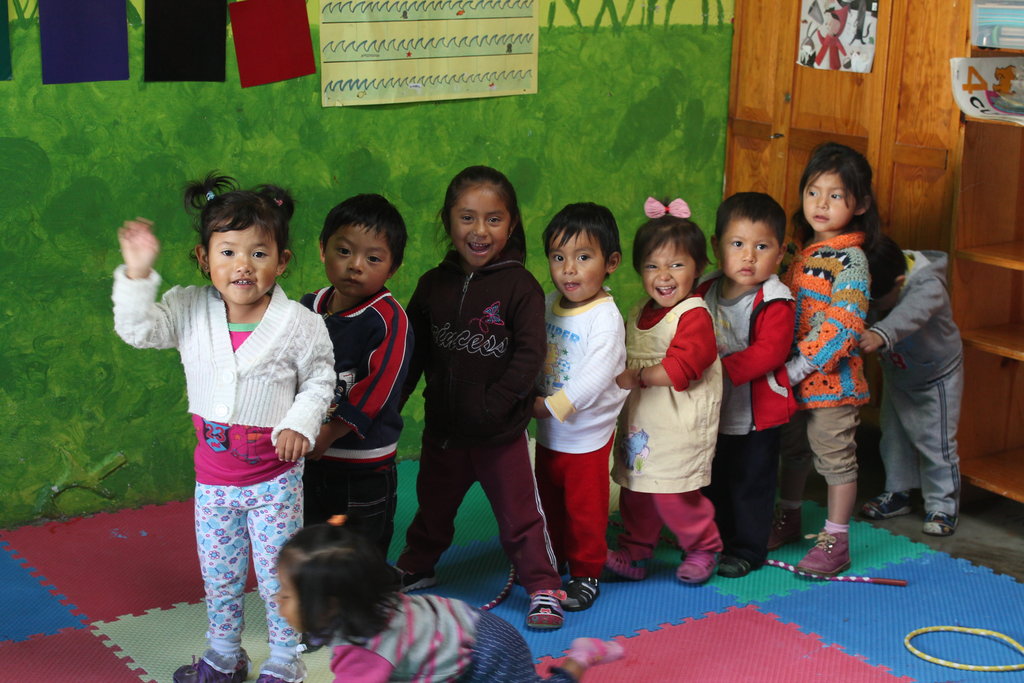
As you know, at Melel Xojobal we have a center for early-childhood stimulation called “Arrumacos”, a Spanish word that means a “gesture of affection”.
Arrumacos is open from 7:30 a.m. to 2:30 p.m. Monday through Friday.Our work in Arrumacos has two primary objectives: giving single mothers a safe place where they can leave theirchildren while they are working; and to improve the knowledge, abilities, and nutrition of small children.
All of the children who benefit from Arrumacos come from low-income families, so more often than not, the children live in conditions that do not allow them to develop at a normal rate. Our nutritional attention and educational sessions are intended to help them reach the average developmental level of other children their own age and to improve their possibilities of entering formal education, which is our final objective.
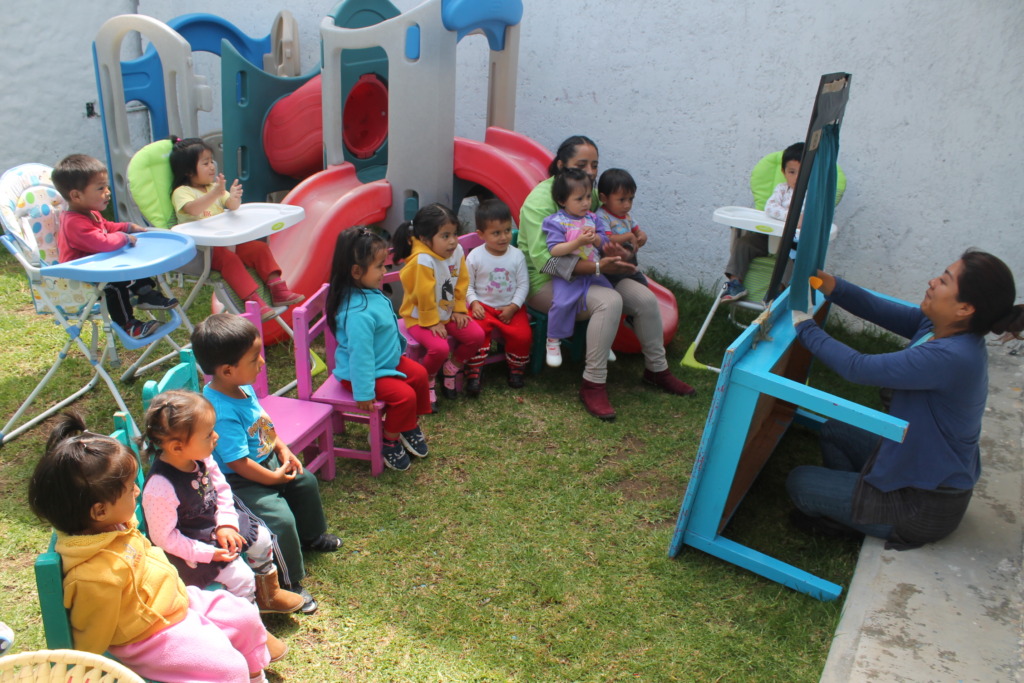
Each day, we offer three types of activities:
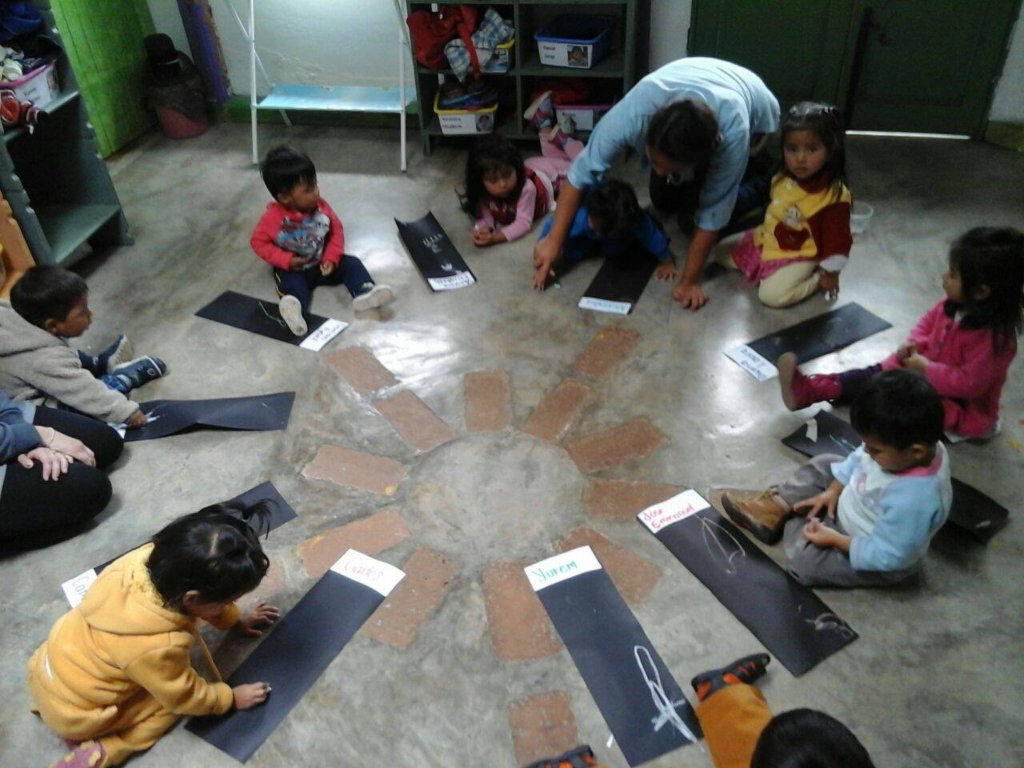
- Guided activities: These are organized and conducted by our two educators. Children are free to participate or not.
- Semi-guided activities: Educators suggest 2 or 3 activities and decide with all the children which one to do (these activities are completed in separate spaces within Arrumacos, listed below).
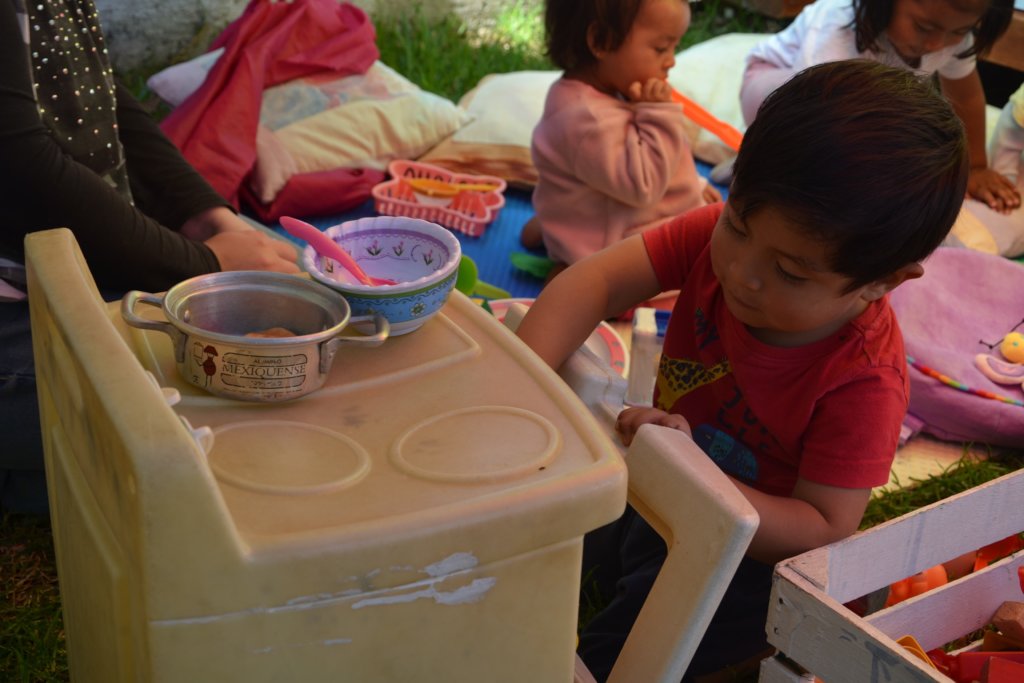
- Free activities: Arrumacos is divided into five separate spaces where children can play and learn. They are free to choose between:
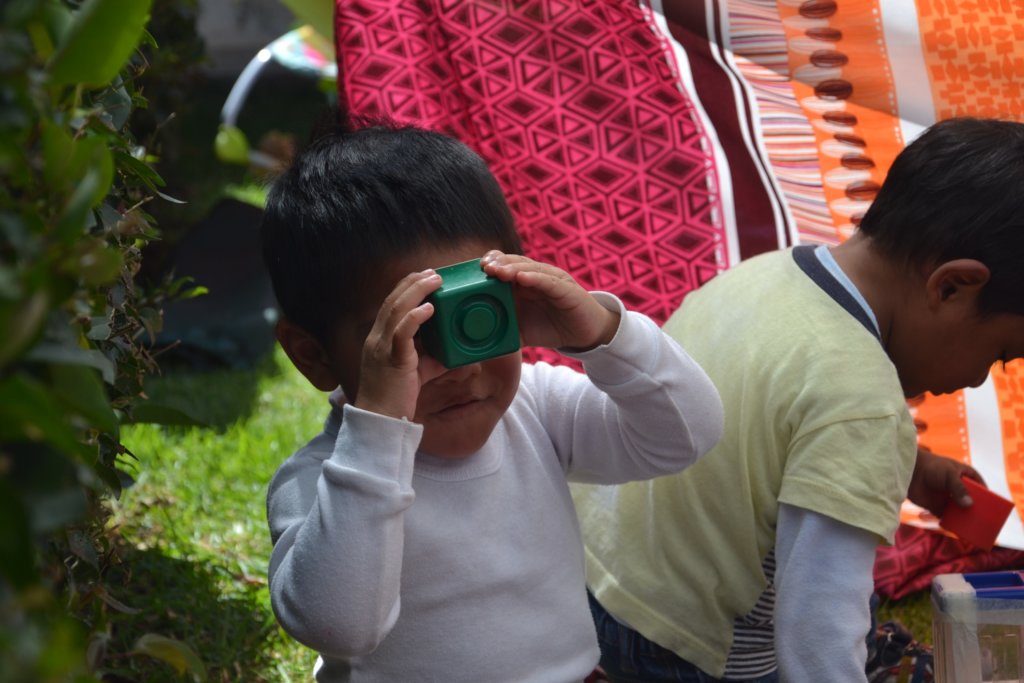
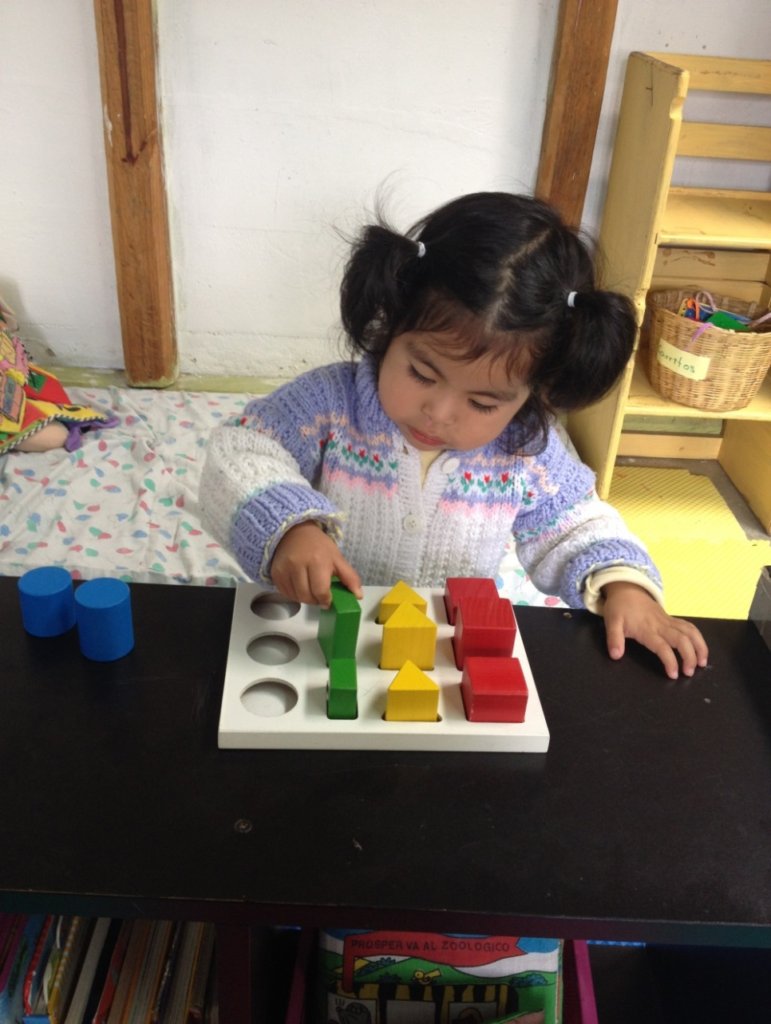
a) Construction corner- Children can strengthen their spatial intelligence through puzzles and shape-fitting toys.
b) Library corner- Children have access to different books they can read by themselves or with help.
c) Small house corner- Children can use diverse toys in the shape of domestic tools such as irons, brooms, stoves, refrigerators, etc.
d) Music and movement- Children play with toys shaped like musical instruments or toys that make musical sounds.
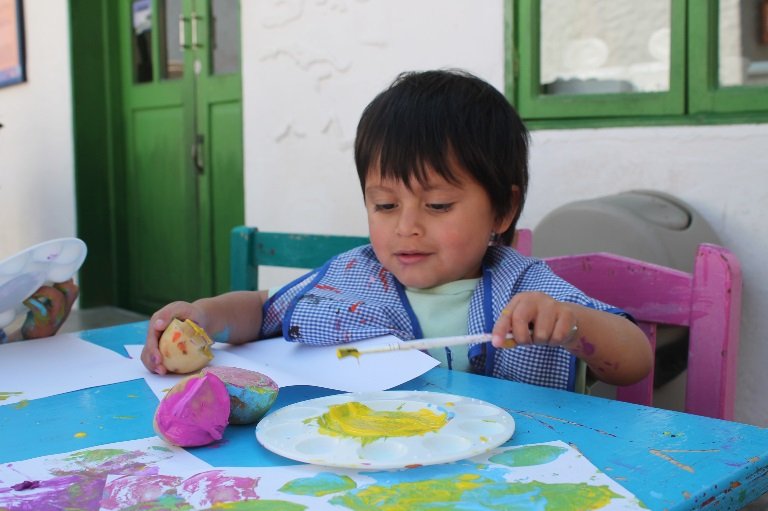
e) Art and drawing- Children are provided with paper, colored pencils or crayons, and paint so that they may express themselves through drawing and painting.
Currently, 6 girls and 11 boys from 1 month to 4 years old participate in the early-childhood stimulation center.
Early-Childhood Stimulation
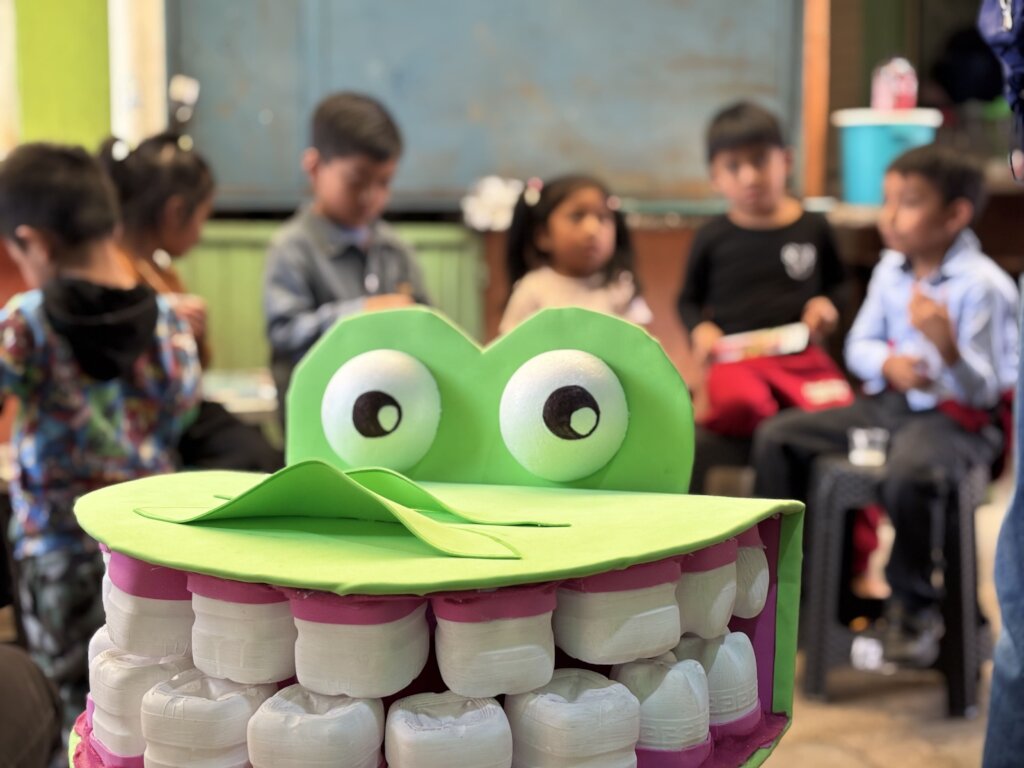
We contribute to cognitive, social, physical and psychological development of the children. Each semester (February-June and July-December) we complete an initial diagnosis which identifies the main needs of the children. We then focus on those needs throughout the semester and complete a final diagnosis to identify the results of the semester as well as opportunities for improvement.
At this point in the year, we have given at total of 281 educational sessions to a total of 17 children. A breakdown of the activities is shown below:
- Guided activities
a) 18 educational sessions (25 minutes each) of early stimulation of the cognitive development: creativity and logical-mathematical thought.
b) 18 educational sessions (25 minutes each) of early stimulation of cognitive development: memory, conceptual development, and sociability.
c) 14 educational sessions (25 minutes each) of knowing, experiencing, and understanding the physical and natural world.
d) 16 educational sessions (20 minutes each) of strengthening language and communication abilities, both verbal and non-verbal.
e) 15 educational sessions (25 minutes each) of construction and recognition of personal, collective, and cultural identity.
- Semi-guided activities
a) 100 educational sessions of one hour of working in the specialized spaces.
- Free activities:
a) 100 educational sessions of one hour of working in the specialized spaces.
Of the 17 children participants at Arrumacos, 13 were constant and 4 attended only a few days. That being said, the 13 children who attended consistently showed an increase in their knowledge and abilities from the initial diagnosis to the final diagnosis.
The first six years of a person's life are the most important, and any deficiency in early-childhood development can have an irreversible affect. If the children weren't at Arrumacos, they would be with their mothers while at work, left alone in a small room or under the not-so-adequate care of his or her older sibling. Through Arrumacos, we provide a secure space for indigenous children to learn, play, socialize, and develop many different skills, while making a long-term impact on their lives.
Nutrition
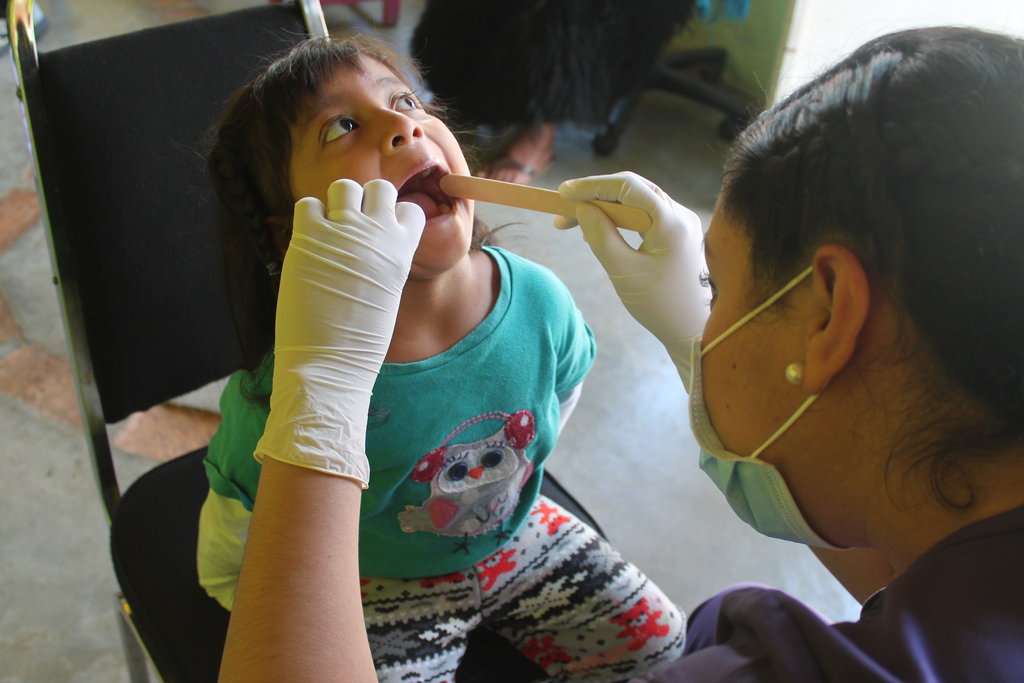
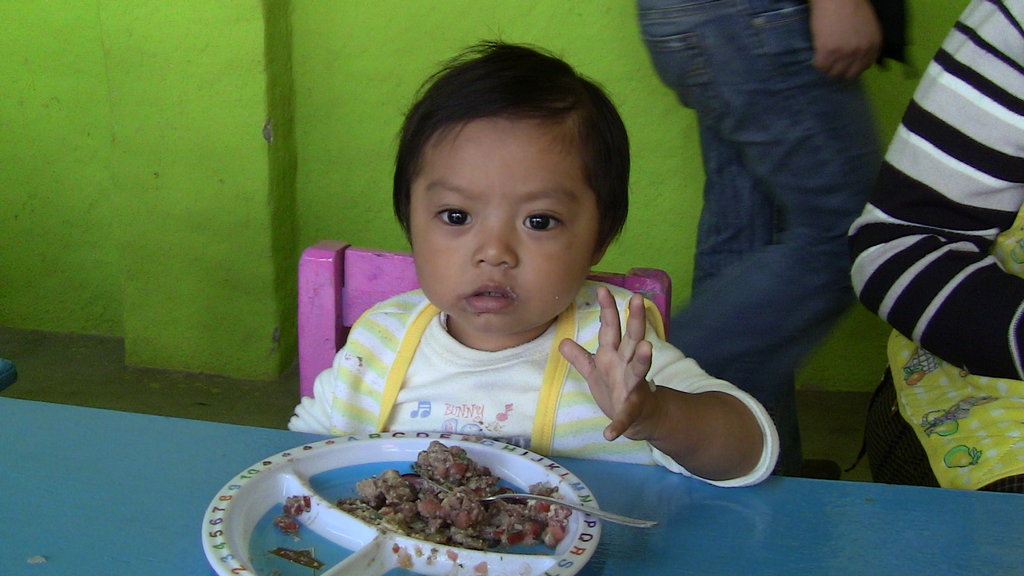
We work to improve the nutritional condition of each girl and boy who attends Arrumacos by giving three healthy meals each day and periodically diagnosing their nutritional status. Each semester (February-June and July-December) we complete an initial diagnosis which identifies the main needs of the children. We then focus on those needs throughout the semester and complete a final diagnosis to identify the results of the semester and opportunities for improvement.
The initial diagnosis in February showed us that 8 of the 17 Arrumacos participants suffered a degree of malnutrition, 8 had a normal weight, and 1 did not have an initial diagnosis because of his low attendance.
The final diagnosis in June showed us that 4 children suffered a degree of malnutrition, 11 had a normal weight, and 2 did not have a final diagnosis because of their low attendance.
This year we hired a nutritional expert to improve our menu and update our method of measuring the nutritional aspects of children. This new approach will be implemented at the end of the year.
Forum: Childhood, Protagonism, and the Right to a Good Life (Lekil Kuxlejal)
As we mentioned at the beginning of the year, we are celebrating our 20th anniversary. As part of the celebration, we facilitated a two-day forum on August 11 and 12. The presenters were adults with specialties in infancy and childhood issues from Mexico, Latin America, and Europe, in addition to children participants from different organizations in Mexico and Latin America (Melel Xojobal, MOLACNATs, La Veleta y la Antena, and Chantik Taj Tajinkutik). The forum created intentional spaces for dialogue between adults and children as equals.
We believe that children, as with any other person regardless of his or her age, have their own advantages and disadvantages, therefore their condition as children cannot be an obstacle to their full participation in both the public and private spheres. The construction of spaces of co-participation between adults and children, such as our forum, allows for a continuous exchange of experiences and ideas that creates a substantial amount of knowledge and learning.
You can watch the recorded live-feed of the event through the following YouTube links:
- https://www.youtube.com/watch?v=rzqG0wSwOMc
- https://www.youtube.com/watch?v=WJ6YG_hdVYg
- https://www.youtube.com/watch?v=Mpn_RaLiOGw&t=2490s
We are currently compiling a video that will show the most important issues discussed at the event. We will share it with you once it is complete.
Melel Xojobal is ever thankful for the support we have received from our donors. We are working hard to reduce social inequity here in San Cristóbal and in Chiapas; it is good to know that there are many people in the world with the same mindset. Children are not the future but the present, and they have the right to participate in every decision making process, from within the family to public decision and policy making.
Please visit our social network pages and keep checking back--we're working on translating our website into English!
Thank you!
Kind regards,
Links:
Project reports on GlobalGiving are posted directly to globalgiving.org by Project Leaders as they are completed, generally every 3-4 months. To protect the integrity of these documents, GlobalGiving does not alter them; therefore you may find some language or formatting issues.
If you donate to this project or have donated to this project, you can receive an email when this project posts a report. You can also subscribe for reports without donating.



Support this important cause by creating a personalized fundraising page.
Start a Fundraiser