By Zoe Robertson | Development Associate, Annual Programs
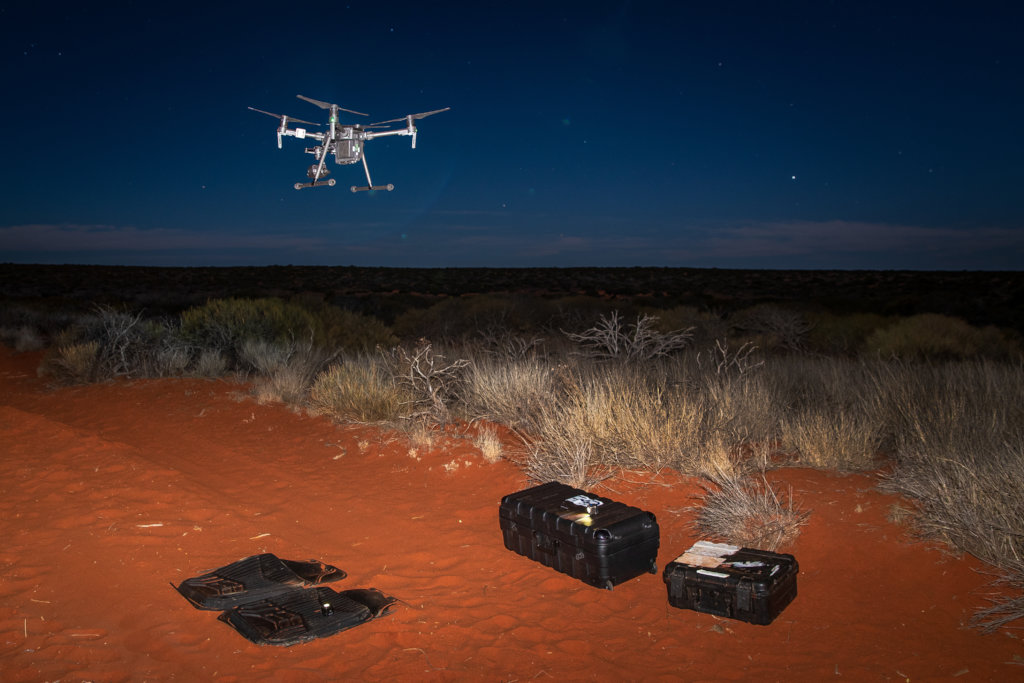
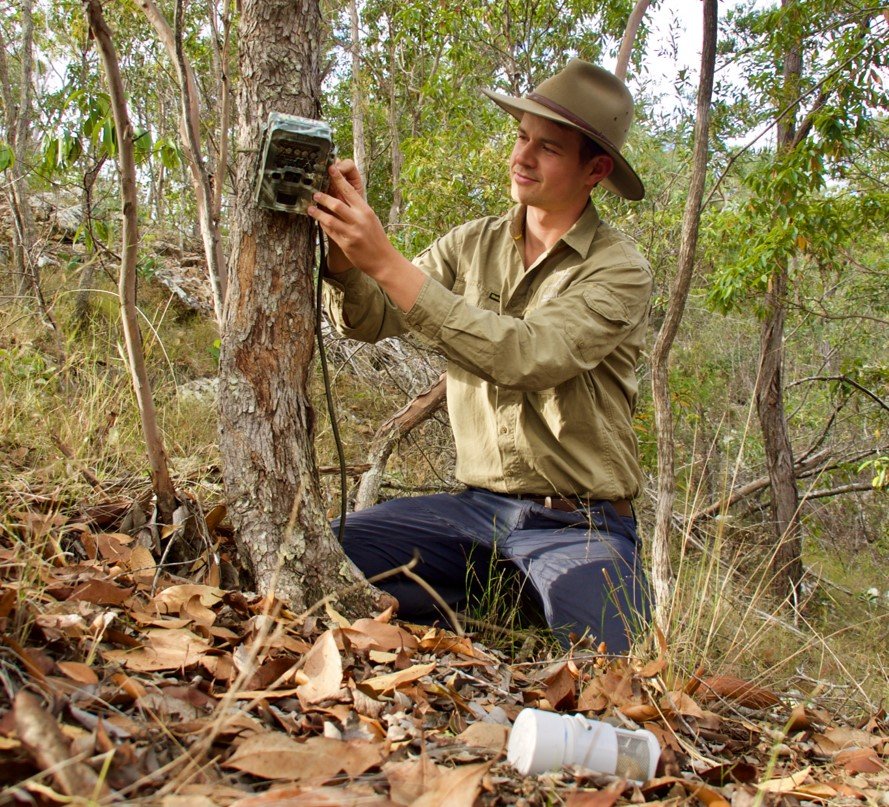
Camera trapping technology is an essential tool in conservation and feral animal management and has come a long way over recent years – but it also generates vast quantities of data, the processing of which is traditionally incredibly labour intensive when done manually. It can also be prone to human error or observer bias.
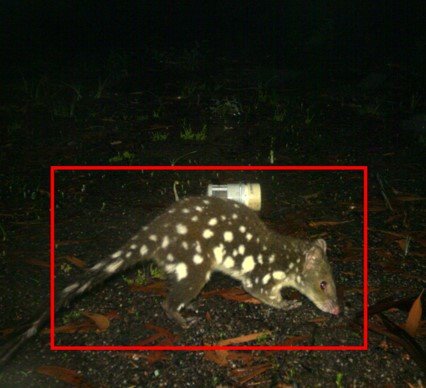
Processing technology has made major advancement recently, which include artificial intelligence (AI) and machine learning (ML) platforms. At the very high confidence setting of 0.99, these platforms can capture 97.7% of animal detections.
Platforms such as this revolutionise camera trapping assessment, being able to instantly dismiss “empty” images (not containing an animal) or filtering the data set to show only one species of animal. AI programs are also able to detect species through image enhancement, which would have been missed by human eyes.
The remarkably high precision at which animals can be detected and classified at 0.99 confidence can save endless hours of classifying images manually is a highly effective way to go through vast amounts of data by reducing the images needing to be processed to a small percentage while remaining confident that most animals are being detected. The ability to bulk tag images is another feature that greatly enhances the efficiency of data processing.
Australian Wildlife Conservancy have been fortunate to have access to such a program at the Western River Refuge through our partnership with Kangaroo Island Land for Wildlife.
For more information on AWC’s latest progress and partnerships, please view the 2022 Annual Impact Report and 2021 Ecohealth Reports.
Links:
Project reports on GlobalGiving are posted directly to globalgiving.org by Project Leaders as they are completed, generally every 3-4 months. To protect the integrity of these documents, GlobalGiving does not alter them; therefore you may find some language or formatting issues.
If you donate to this project or have donated to this project, you can receive an email when this project posts a report. You can also subscribe for reports without donating.