By Hether Scheel | Foundation Relations Officer
Introduction and Early Response:
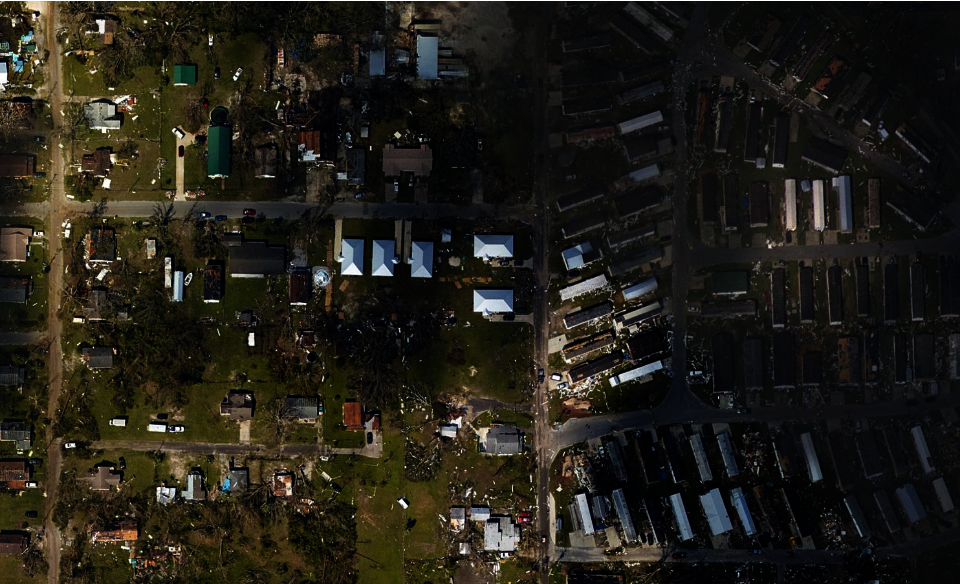
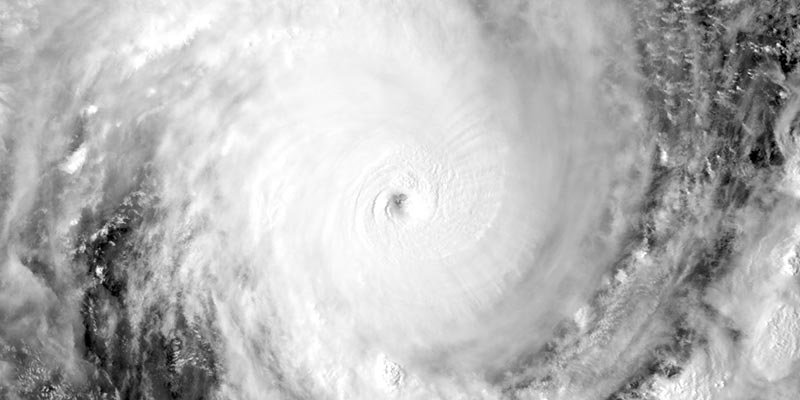
Hurricane Michael made landfall in Mexico Beach, Florida on October 10, 2018 and flattened large portions of the Florida Panhandle, Southern Georgia, and Virginia. The storm intensified from a tropical storm to major hurricane in just two days, leaving little time for preparation. Topping out at 155mph, the winds and rainfall submerged neighborhoods, splintered homes and peeled off roofs. More than 1 million households were affected by the storm, and 45 people were killed.
Three Habitat affiliates, all in Florida, were heavily affected – Bay County Habitat, Walton County Habitat, and Chipola Area Habitat. The area served by Bay County Habitat took the brunt of Hurricane Michael, and both its office and Habitat ReStore were destroyed.
As soon as evacuation orders were lifted, Habitat organizations in the affected areas began contacting homeowners, conducting assessments, helping families relocate to temporary housing, and guiding people through the insurance claims and FEMA registration process.
After damage assessments, Habitat teams on the ground quickly began debris removal, cleanup, nonfood item distribution, and emergency repairs of homes with the help of a Habitat Mobile Response Unit stocked with tools and equipment. Six Habitat Disaster Corps volunteers arrived in the immediate aftermath to help Habitat of Bay County with logistics, needs and damage assessments, family services, volunteer coordination, staff care and strategic planning. They contributed 1,582 volunteer hours and, cumulatively, 232 days of service. Since then, more Disaster Corps volunteers have arrived to continue to support strategic planning and volunteer coordination, and they now have moved on to support construction site supervision.
To date, Habitat has performed 4,806 interventions, including damage assessments, debris removal, clean up assistance, and emergency repairs.
Considering the scale and scope of Hurricane Michael and its effect on affordable housing, reconstruction in the Florida Panhandle will take years. By June 2020, Habitat’s goal is to build 13 new homes, conduct 57 repairs, and complete 46 rehabs through fortified construction methods.
Three generations of a Bay County family begin to recover with Habitat’s Help
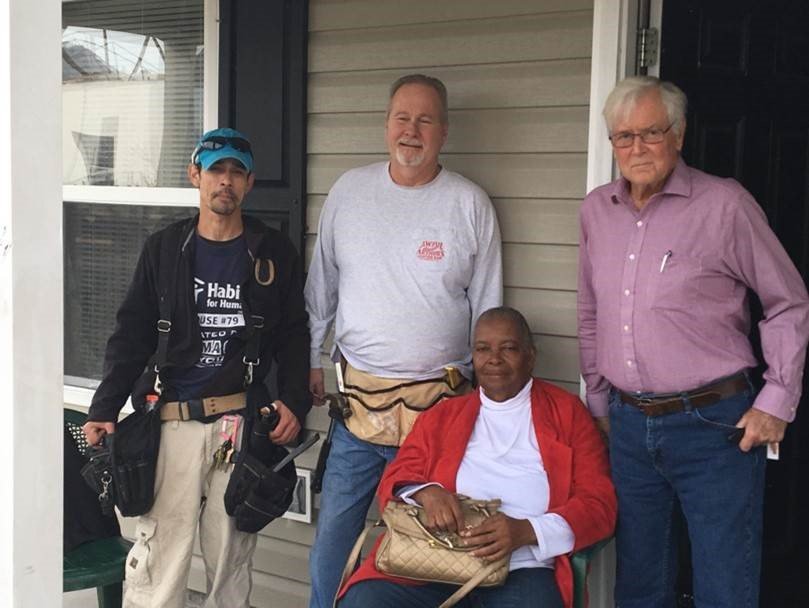
When Hurricane Michael landed, it left Habitat homeowner Cleedie Mae’s roof, windows and walls damaged and her yard filled with downed trees and debris. Three generations of the family live with Cleedie Mae, including a young granddaughter, and they all would have been exposed to mold and other unsafe conditions were it not for Habitat’s help.
Habitat volunteers immediately began removing trees and debris, placed tarp on the house to keep out the elements, and donated an ozone generator to begin mold eradication.
Habitat also helped Cleedie Mae navigate the complex terrain of insurance and contract work. When it was clear there would be gaps between costs and insurance payment, Habitat fixed the walls, windows, roof and flooring despite the funding challenge. Cleedie Mae expressed her gratitude many times over and said “what a blessing” Habitat has been for her family.
By Hether Scheel | Foundation Relations Officer
Project reports on GlobalGiving are posted directly to globalgiving.org by Project Leaders as they are completed, generally every 3-4 months. To protect the integrity of these documents, GlobalGiving does not alter them; therefore you may find some language or formatting issues.
If you donate to this project or have donated to this project, you can receive an email when this project posts a report. You can also subscribe for reports without donating.