By Gemma Bulos | Executive Director
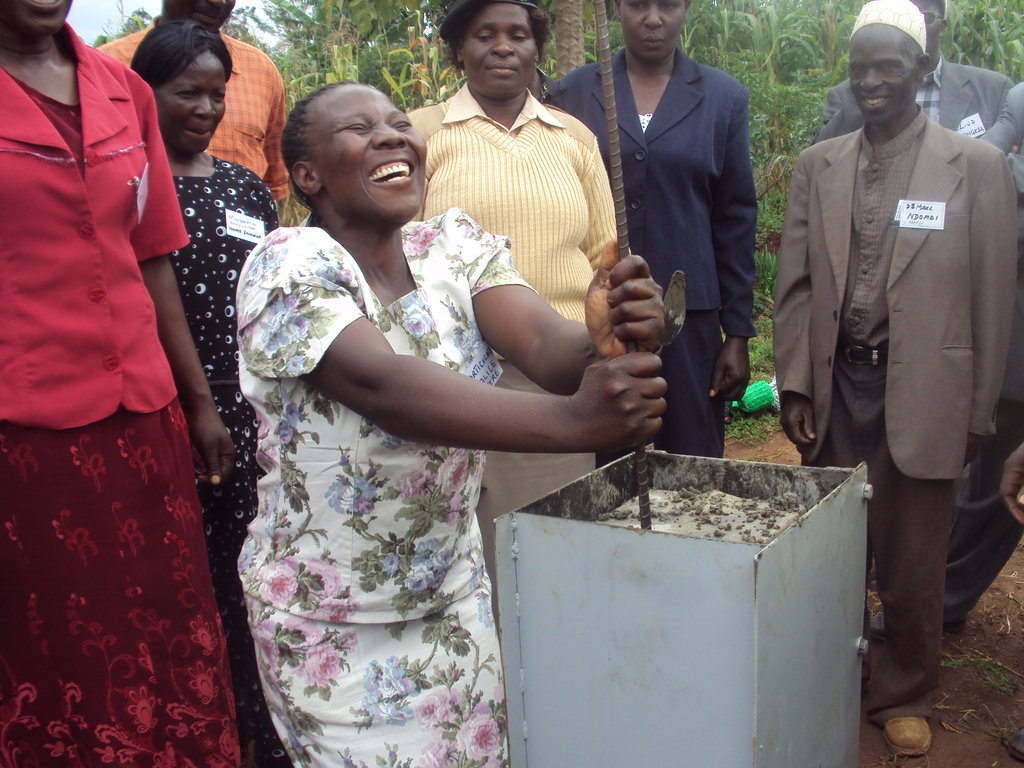
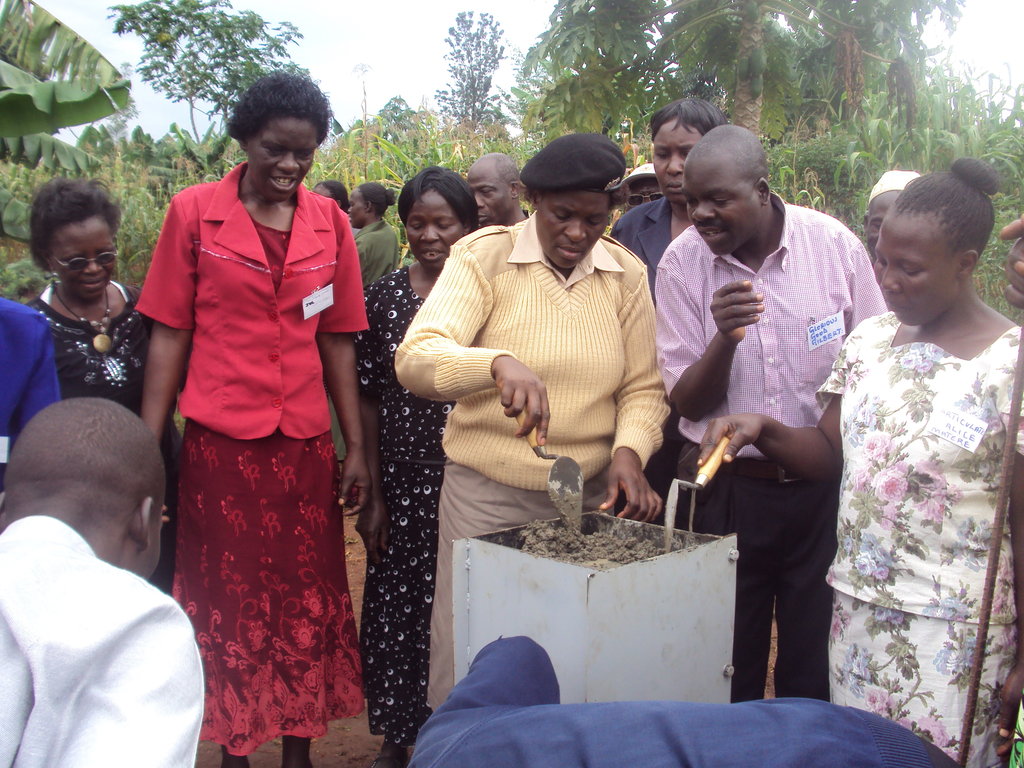
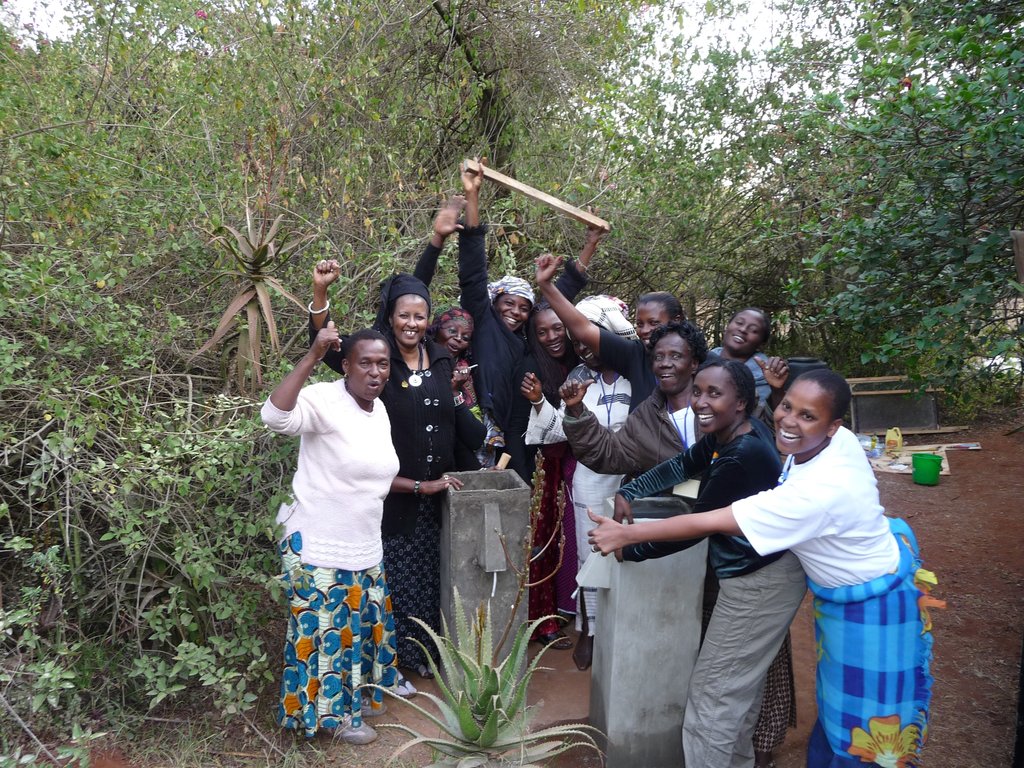
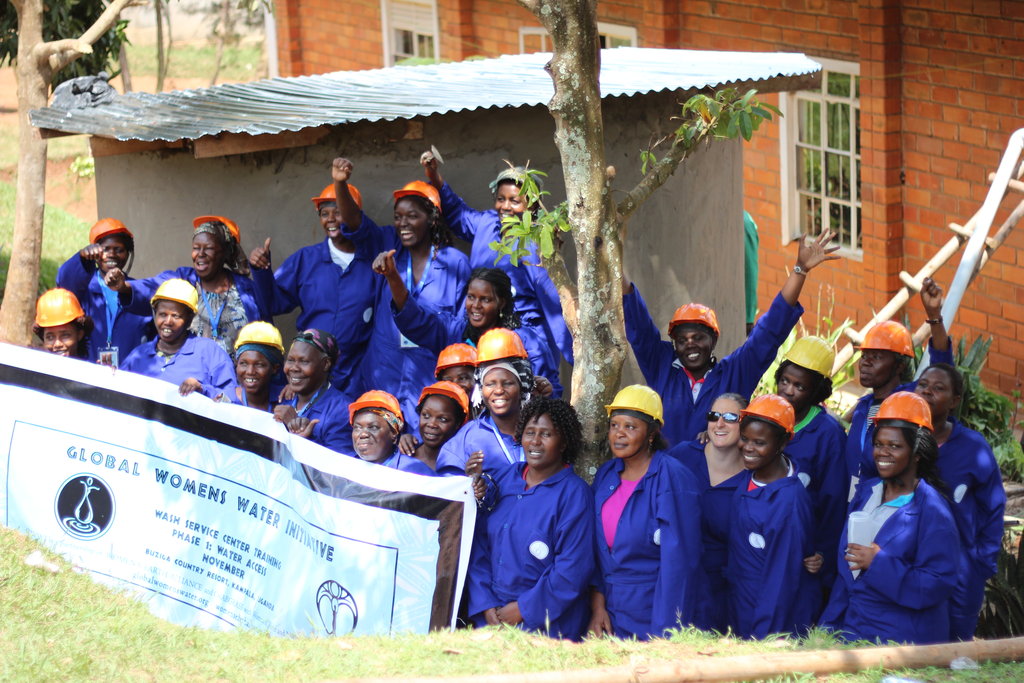
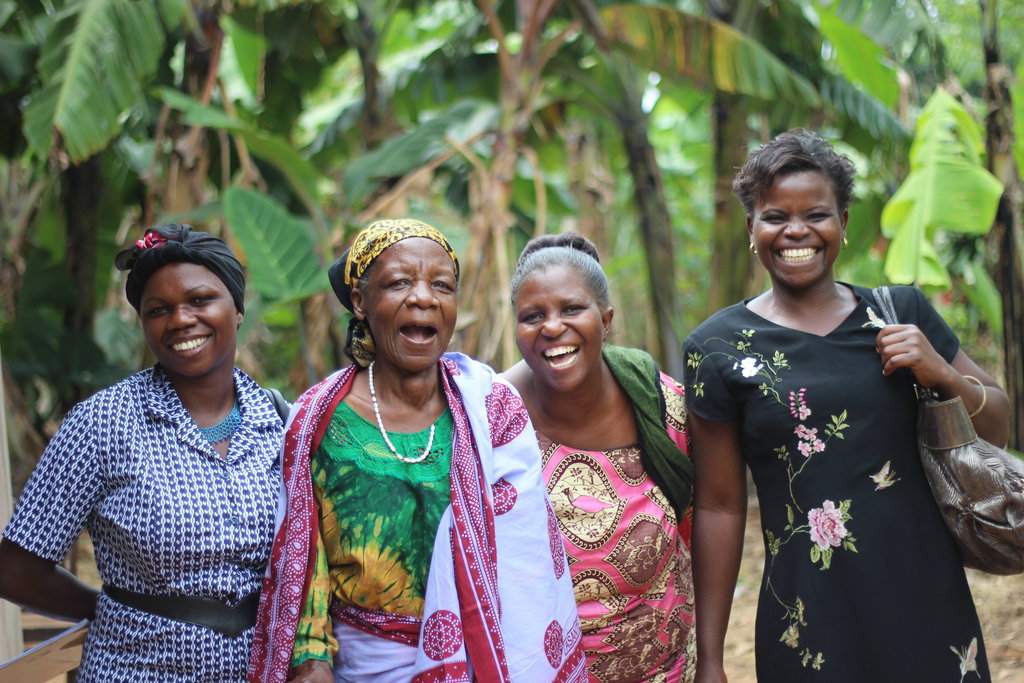
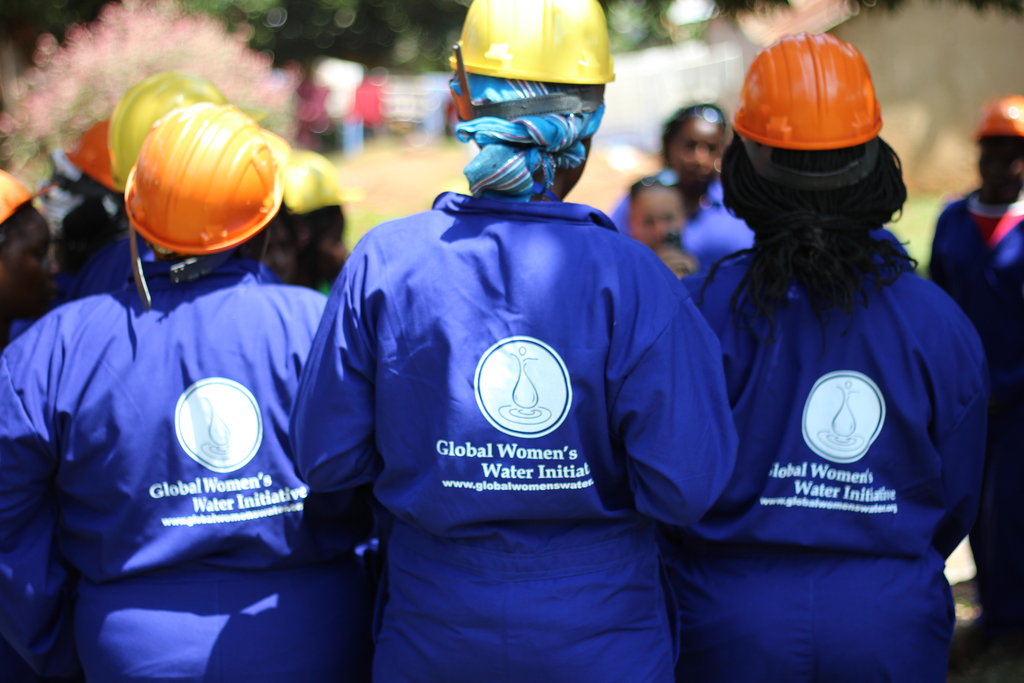
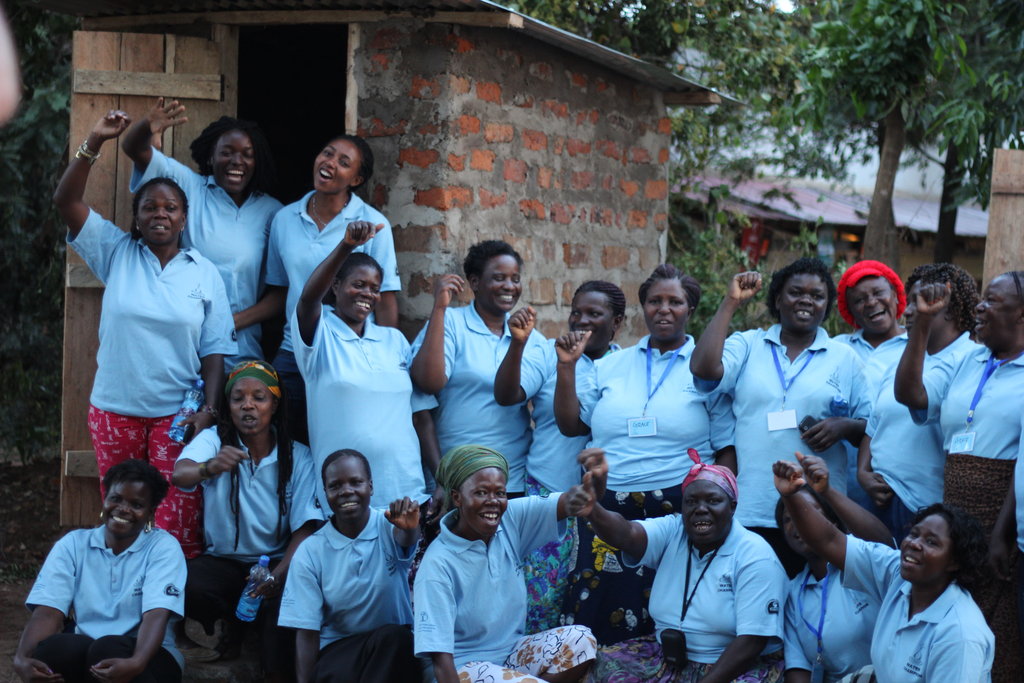
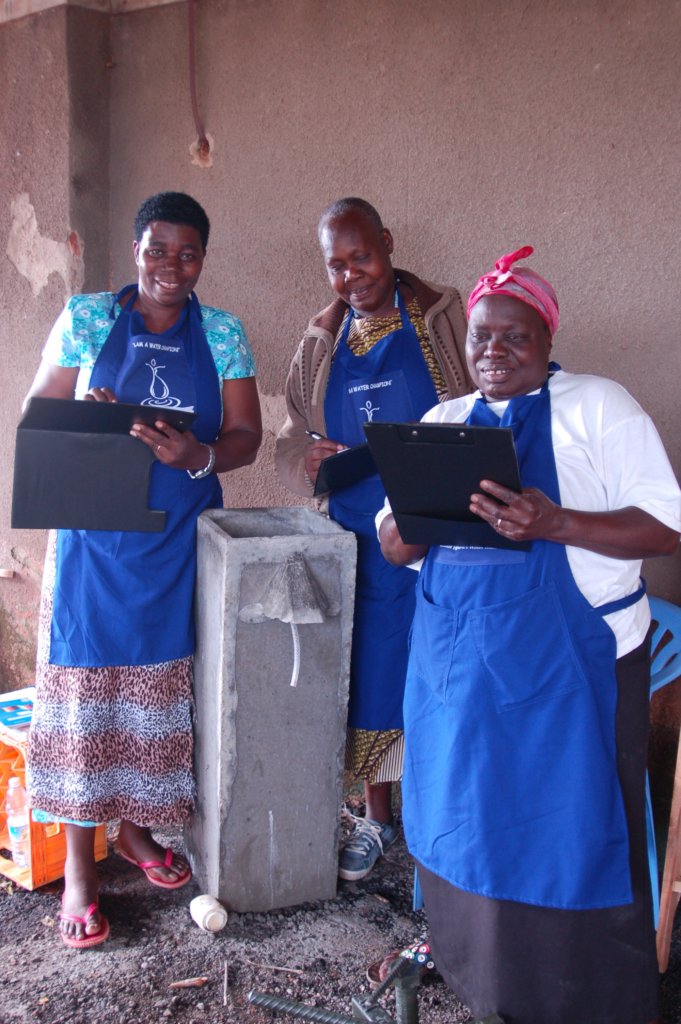
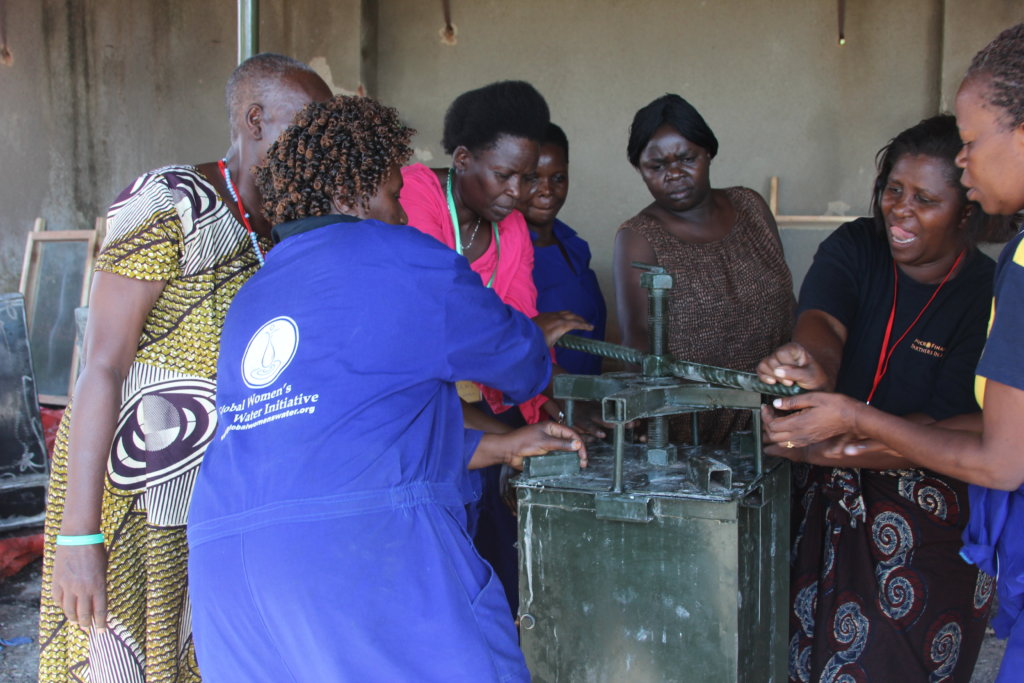
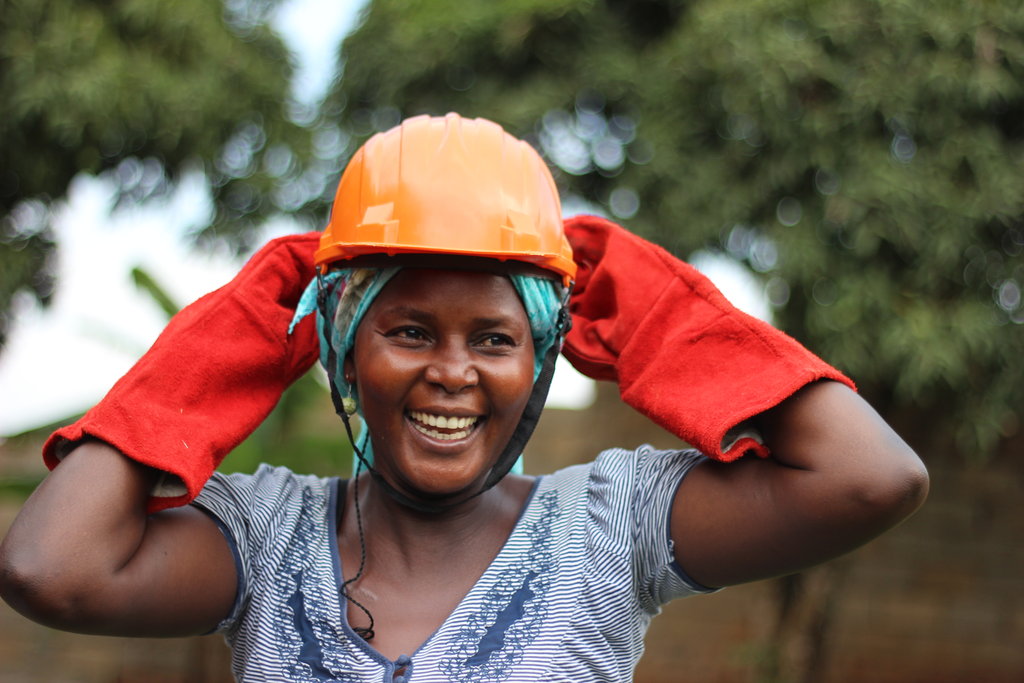
Since 2012, GWWI has been training women in Uganda, Kenya and Tanzania how to become water, sanitaiton and hygiene (WASH) technicians, trainers and social entrepreneurs.
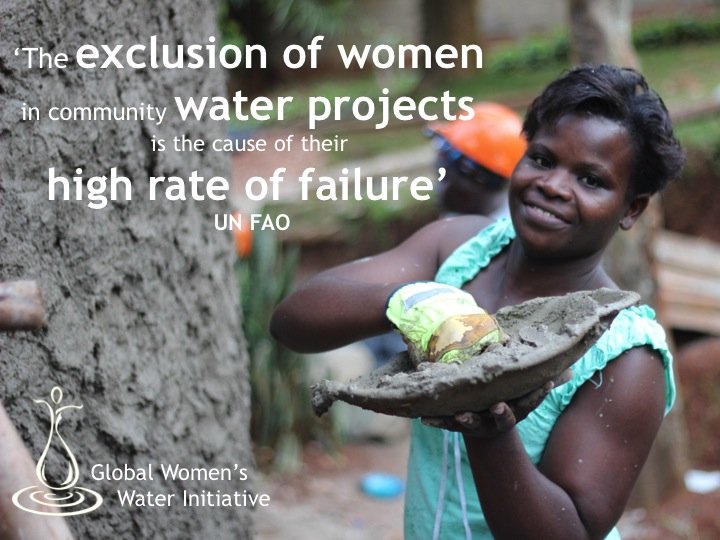
Why women? We train the people who are the most affected by water crisis and because of that they are most likely to want to find sustainable solutions... and earning money would be win/win! So that's what we do and why we do it.
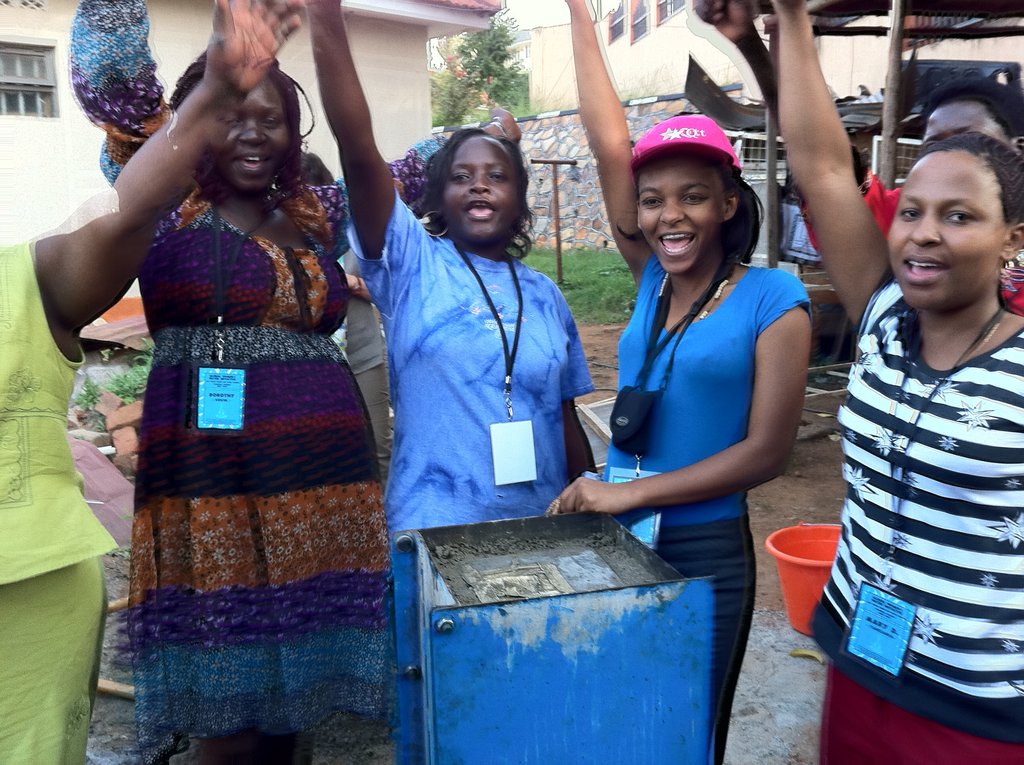
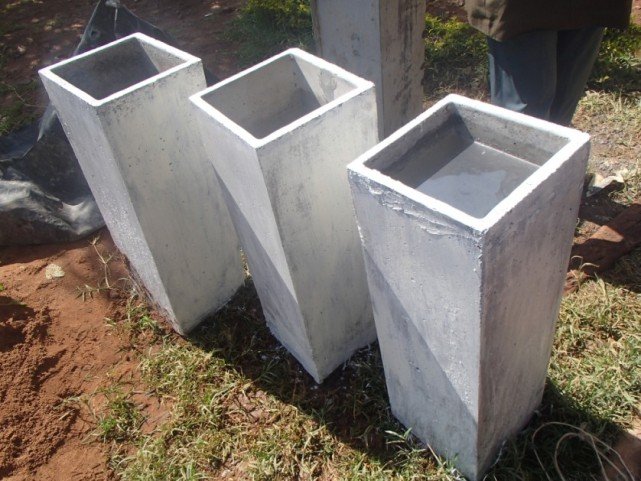
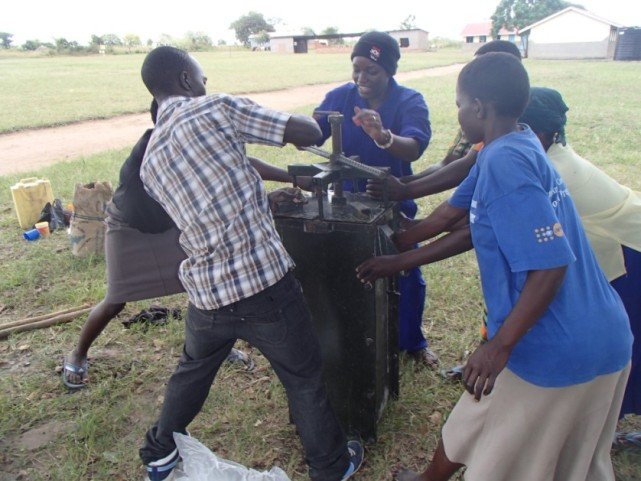
In 2012, GWWI trained women to build rainwater harvesting systems and tanks. And in 2013, our trainees learned to build toilets. In 2014, we taught them to build Biosand water filters and with your help they were able to go home immediately and start building them.
Two of our Ugandan trainees built 2 biosand filters for an Amuria Elementary School in their village Amuria, Uganda. Amuria's has been plagued with conflict and displacement for decades because of Kony attacks but also because of indigenous tribal conflicts and cattle stealing. Many of the villagers have had to flee their homes for long periods of time during the violence, so Amuria has not been slow to to progress. The town has minimal solar access and many live in temporary locations.
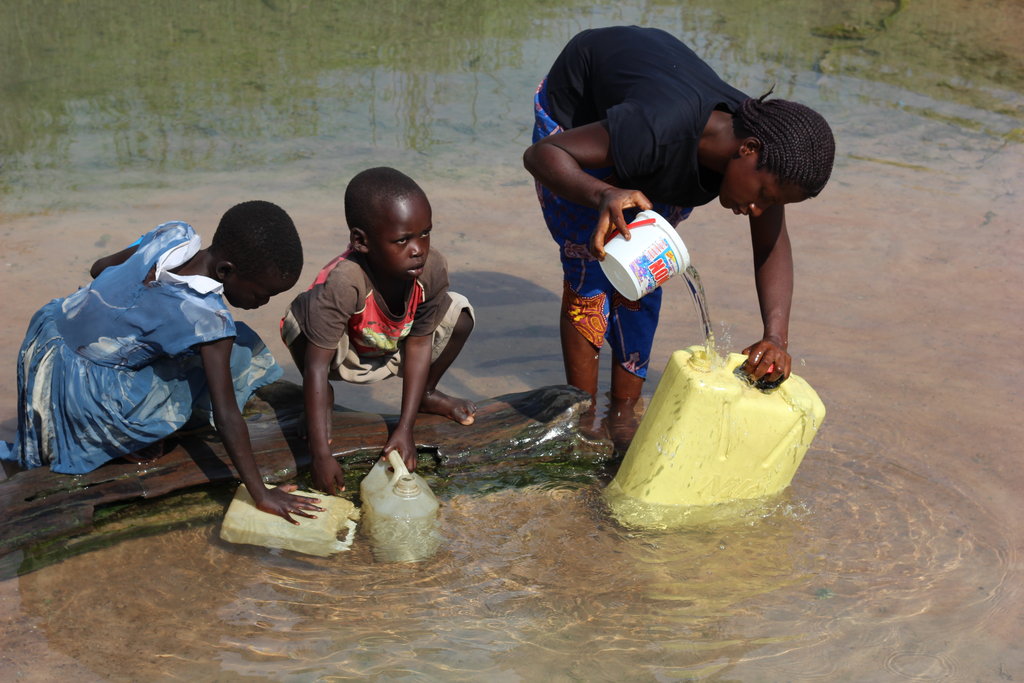
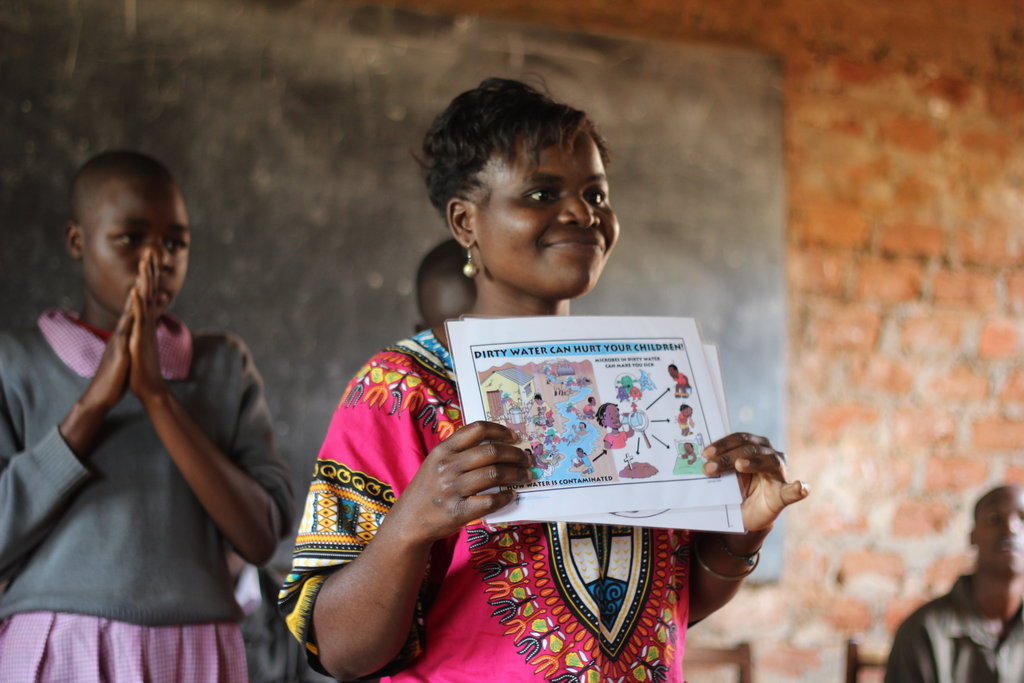
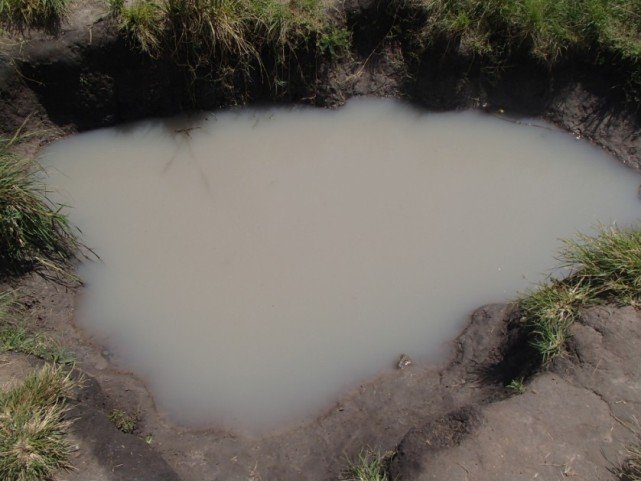
Our trainees' organization Orphan's and Widows Association for Development (OWAD) knew this Amuria Primary School was desperate for clean water because the only source of water they had was from this little pond behind the school. As you can imagine, that unprotected water source was contaminated and put all the students and teachers at risk for water-related diseases. So Helen Rose and her team of mothers and widows not only installed 2 water filters, they taugh the students and teachers how to take care of the filters and how to practice proper hygiene so they could reduce the risk of disease. The head master was so grateful because they knew that it would increase attendance and reduce the amount of money they were spending on diarrhea medicine and clinic visits for the children. They couldn't really afford to buy water, so having the filters helped them to improve their situation. They had access to water, but it was contaminated, so their best solution was to find a way to continue to use the water and just find a way to treat it.
Because the oldest Biosand filter we know is over 25 years old and still being used, Biosand filters are durable, have a long life and requires minimal maintenance. This was one of the most affordable, sustainable solution available. Thanks to you, this school now has access to clean water!
Project reports on GlobalGiving are posted directly to globalgiving.org by Project Leaders as they are completed, generally every 3-4 months. To protect the integrity of these documents, GlobalGiving does not alter them; therefore you may find some language or formatting issues.
If you donate to this project or have donated to this project, you can receive an email when this project posts a report. You can also subscribe for reports without donating.