By Nayan Lamba and Helen Zhou | Co-Presidents, GlobeMed at Columbia
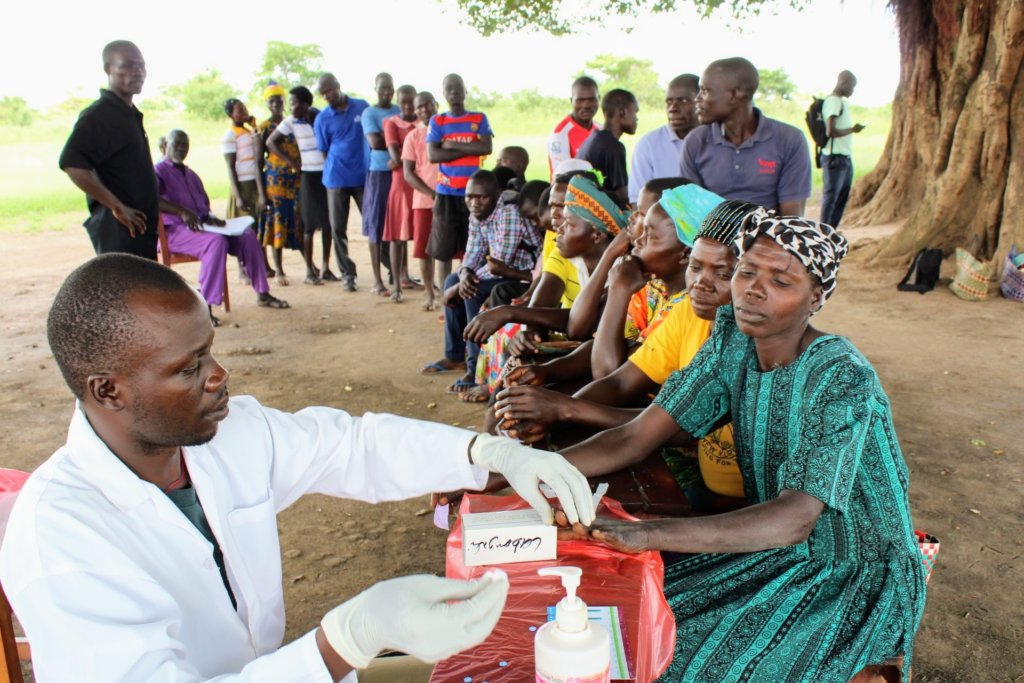
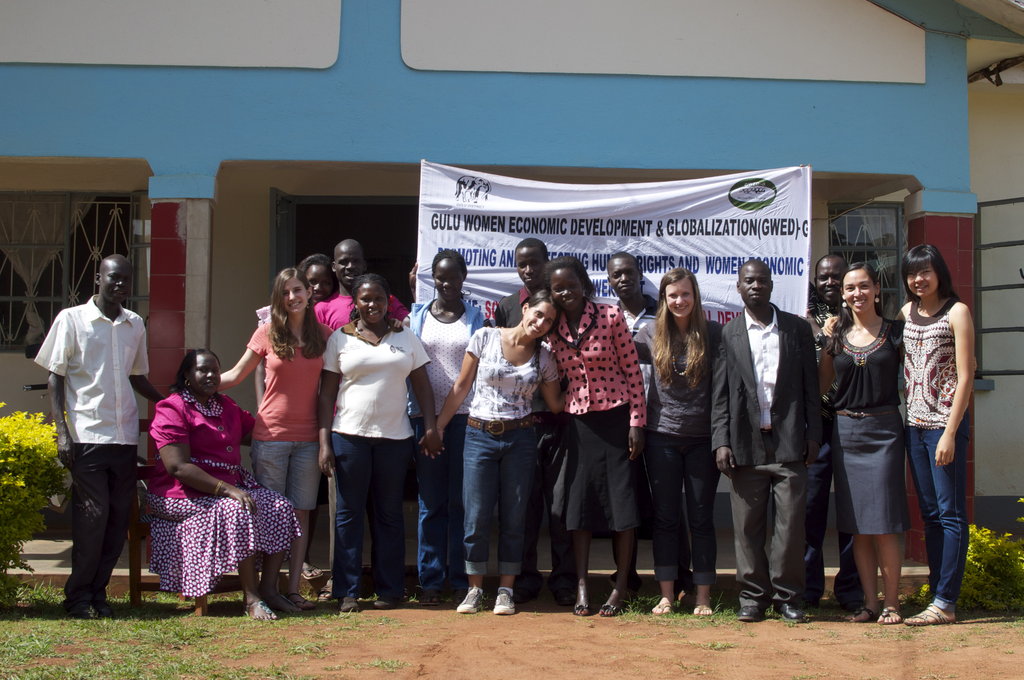
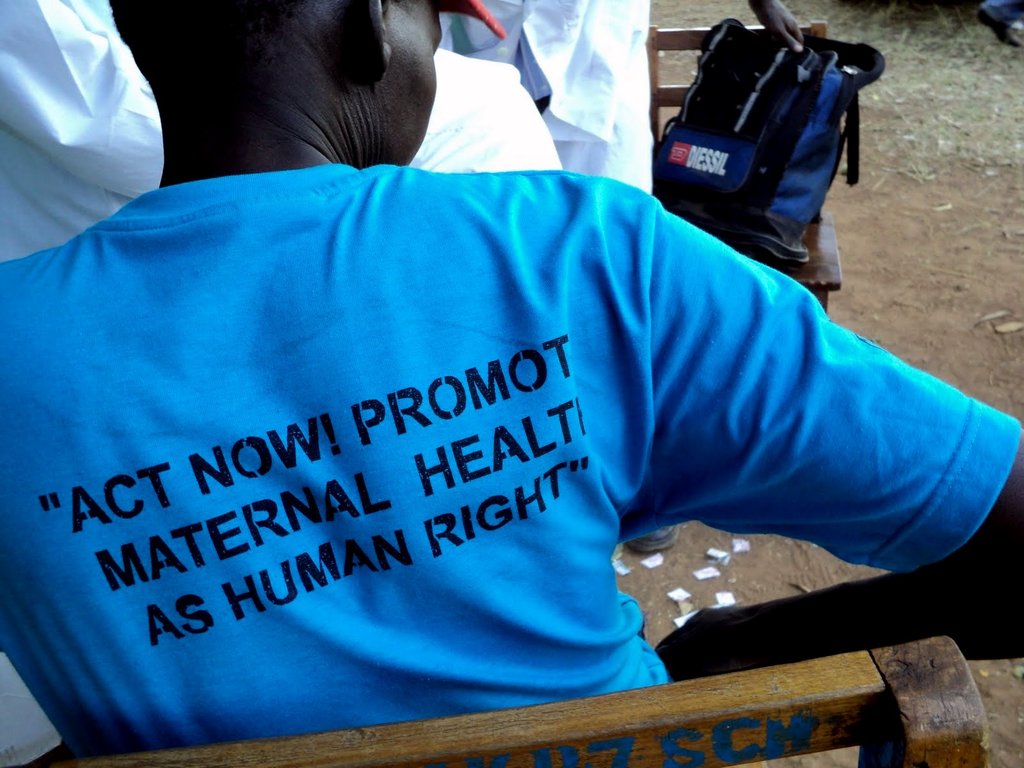
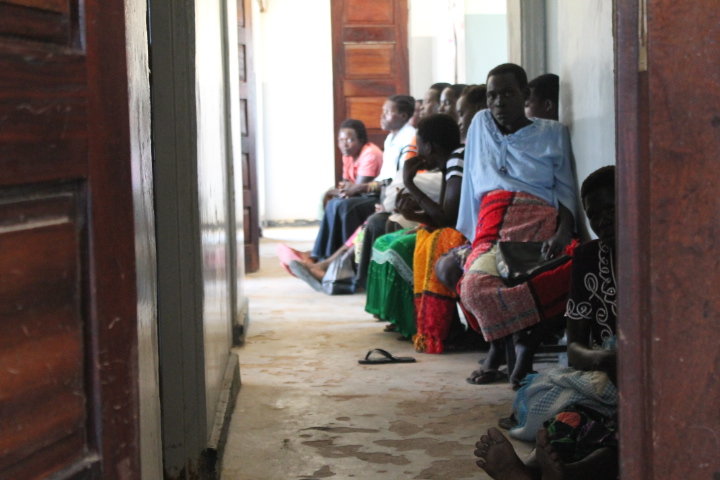
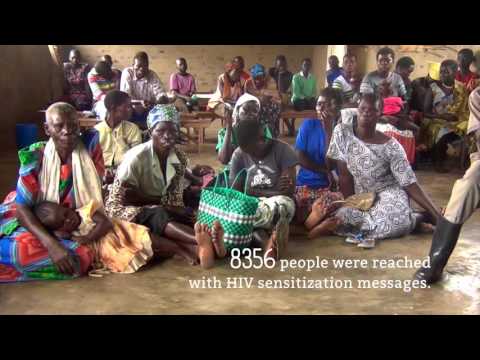
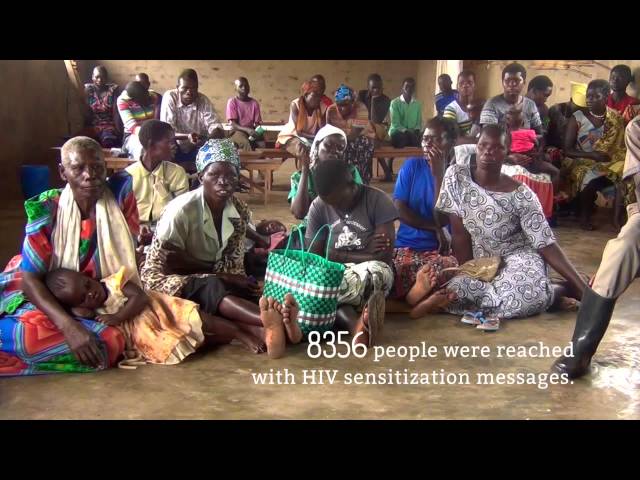
Since our last project report in July, GlobeMed at Columbia and GWED-G have begun implementing the new phases of our project aimed at promoting gender equality and HIV prevention in Gulu, Uganda. While our overall objectives do remain the same as before, we are hoping to expand some of our current strategies and would therefore like to take this opportunity to remind our donors of these objectives and how we hope to achieve them. Through our collaboration with GWED-G, we aim to increase the Ugandan community’s knowledge on how to prevent HIV/AIDs transmission; we aim to strengthen community health networks through capacity building and training programs; and we aim to promote maternal and newborn health. Currently, Uganda suffers from one of the highest HIV infection rates in the world. Moreover, 20.4% of the disease burden is felt by Ugandan women and children. Considering that only 26% of women have access to post-natal delivery, only 11.7% of women deliver in fully functional emergency care facilities, and the physician-to-population ratio is 1:10,000, this statistic is not surprising. Due to the prevalence of HIV infection in Uganda and the disproportionate burden faced by its women and children, powerful advocacy and prevention efforts are required. Our aim is to strengthen our partnership with GWED-G over the next year and work collaboratively and rigorously with them to implement our project strategies within the Ugandan community. Our hopes for the community are ambitious, but we are confident that we can affect change in the right direction with your generosity and support.
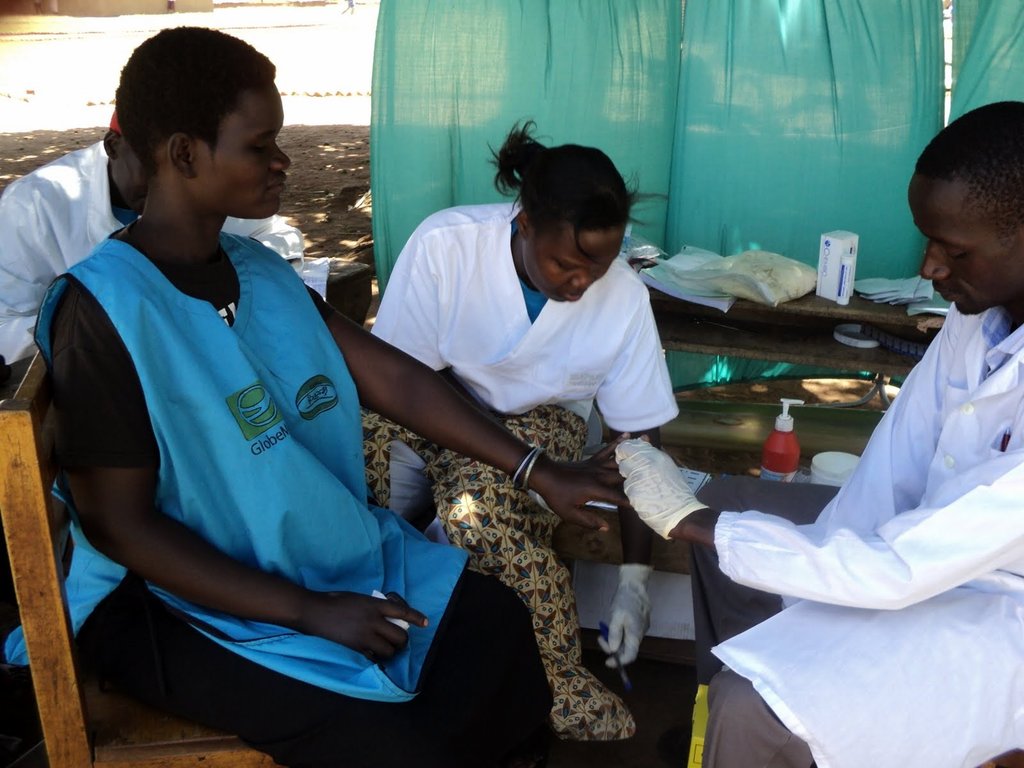
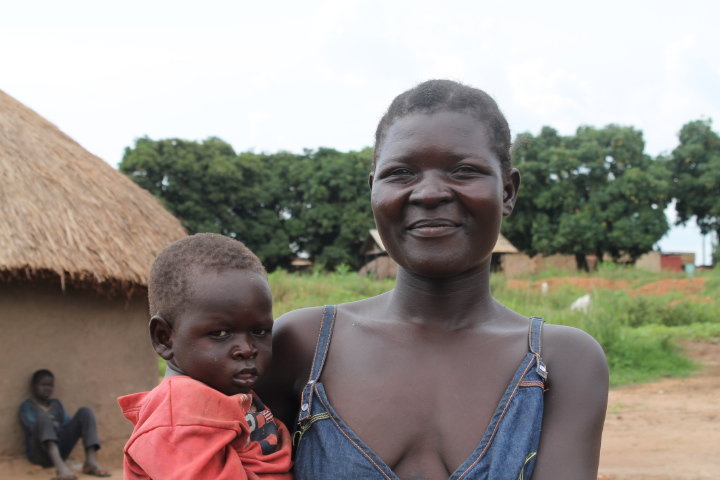
A particular strategy to promote maternal health that we would like to expand upon in the coming months is the focus on eliminating gender-based violence. The story of Aida brings to light the reason for this decision. Soon after her first meeting with her husband, Aida asked him to use protection during sexual activity. Upon hearing her request, he engaged in violence, threatened her, and did not agree to use protection. Over the years, each time she became pregnant, he forced her to give birth at home and threatened to kick her out of her home if she tried to go to a healthcare facility. When GWED-G health staff came to Aida’s home and tested her for HIV, she learned that she was HIV-positive. GWED-G was able to convince her to bring two of her children, who were often falling sick, to a community health center to get tested for HIV, as well. Aida learned that both of her children were HIV-positive, and when she returned home and shared this with her husband, he beat her and kicked her out of the house. When GWED-G found Aida after this event, she was hopeless and in despair, planning to commit suicide. However, while Aida’s story thus far is extremely painful, GWED-G was able to help turn Aida’s life around.
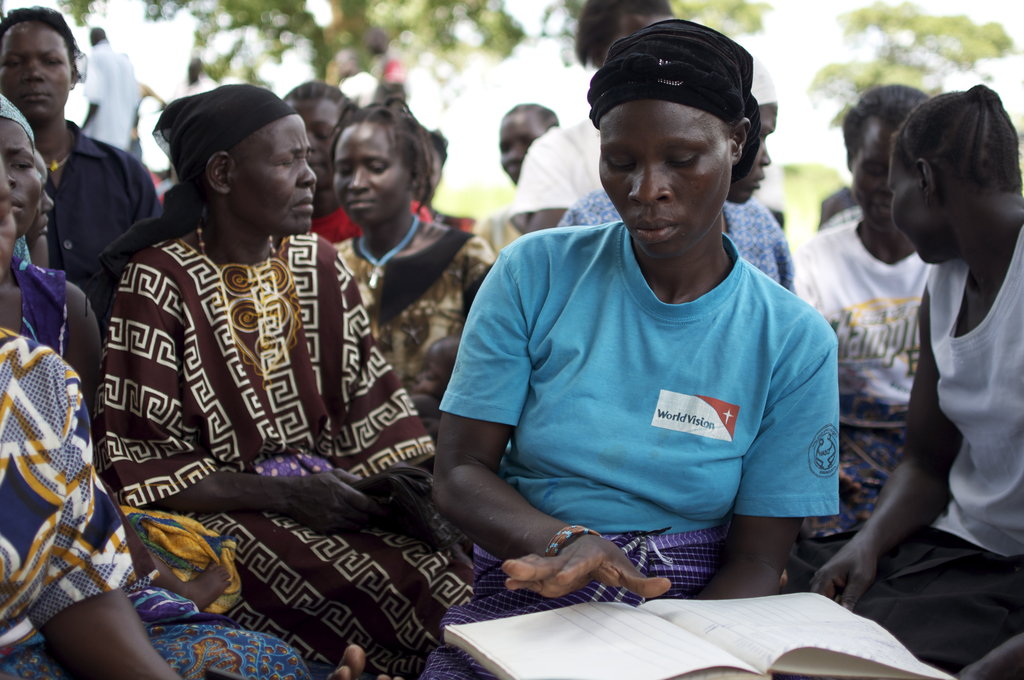
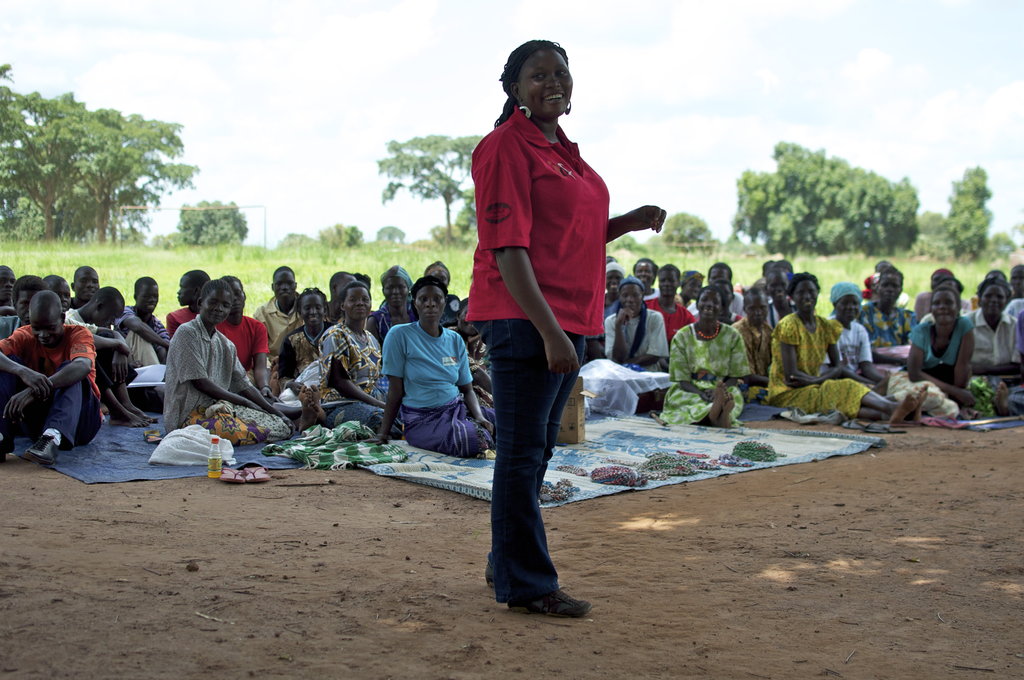
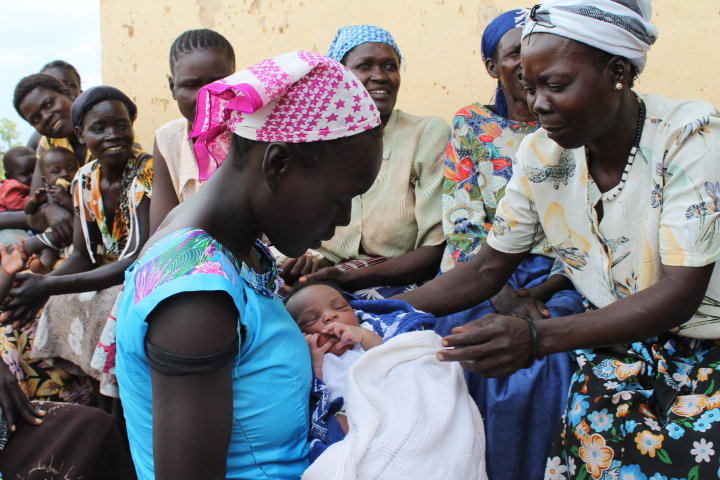
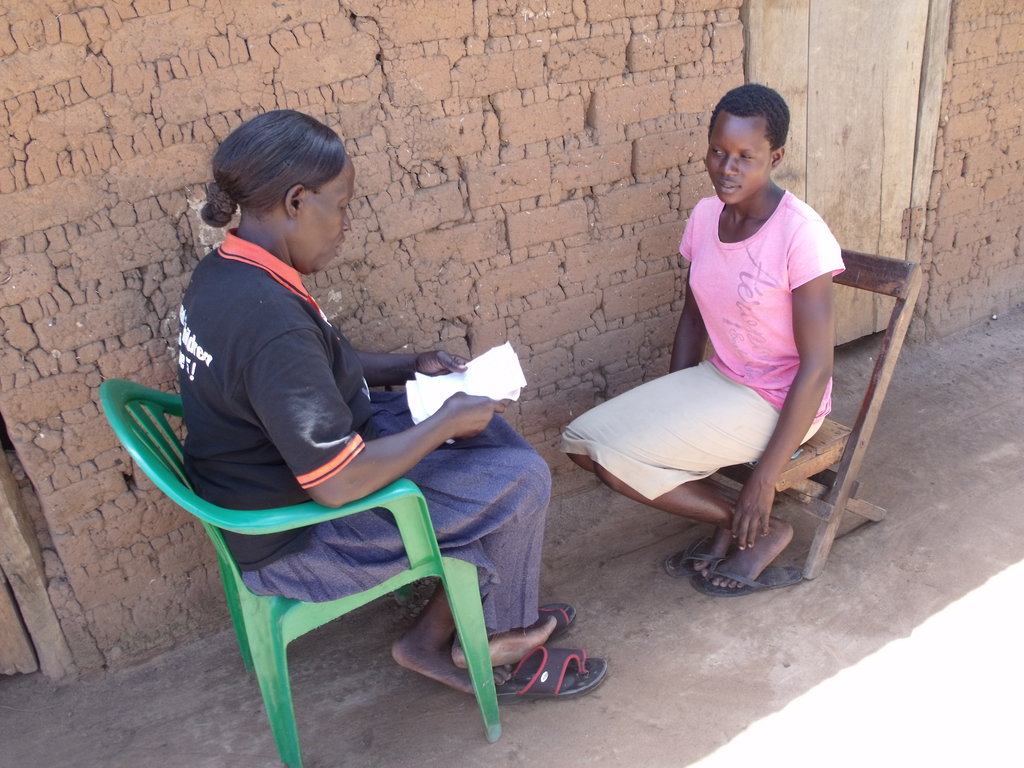
GWED-G offered Aida counseling and assistance from the Village Health Team, and she became apart of regular GWED-G meetings, where she interacted with other women in the community. Aida is now a leader for some of GWED-G’s maternal health groups, such as the group of women who benefited from mama kits and those who benefited from income-generating projects, such as the provision of seeds. Aida’s story teaches us how male violence can traumatize the lives of women in Gulu. Aida, as a target of gender-based violence, not only acquired HIV, but was prevented from seeking any sort of medical care and was emotionally stigmatized throughout the course of her illness. Through GWED-G’s interventions, Aida was able to seek the resources and support she needed to once again live her life. Her story is a testament to the importance and expansion of projects aimed at reducing gender-based violence in Gulu.
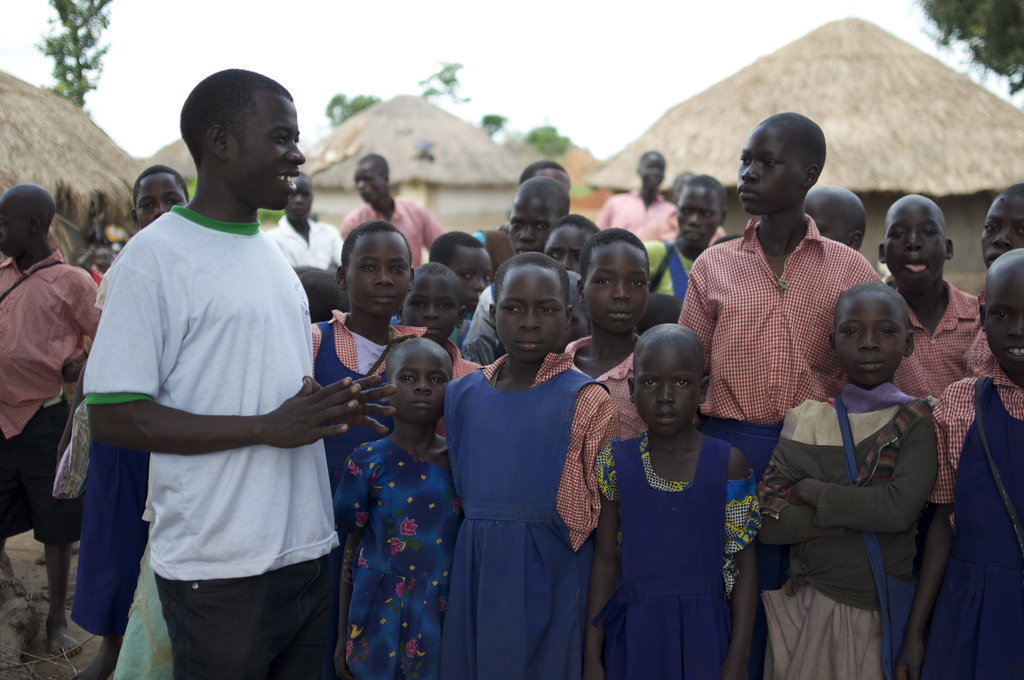
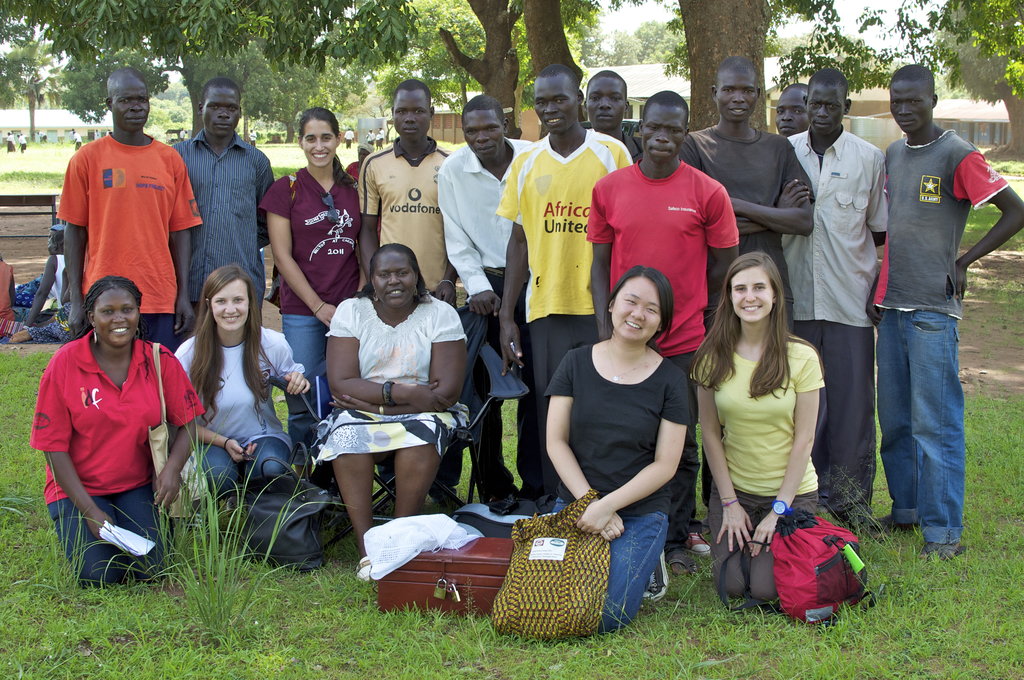
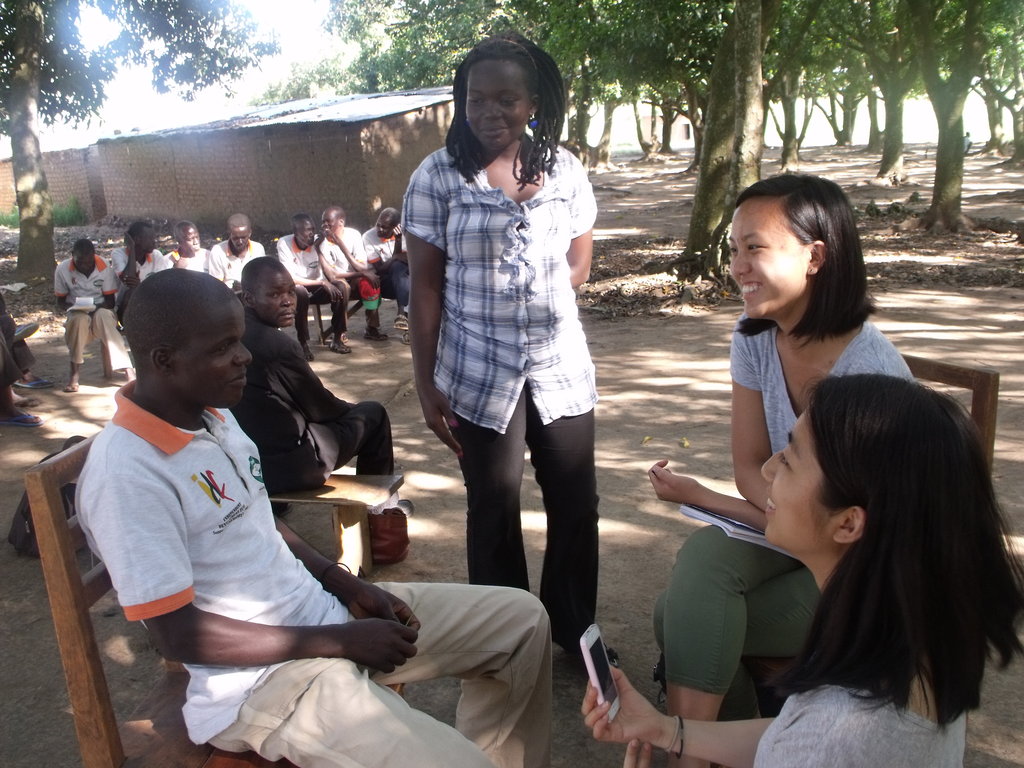
GlobeMed at Columbia, in partnership with GWED-G, is therefore hoping to increase the involvement of males in the community in our programs. We have seen the success of Male Role Model groups in other GWED-G projects, whose members frequently stage dramas for their community in order to raise awareness about HIV/AIDS and provide examples for other men on how to properly treat women with the disease. For Phase V of our project, we are looking to implement a similar Male Role Models group within Coke and Agwayugi parishes, to increase male involvement in the promotion of women’s rights and community health. We hope that Aida’s story was as moving for you as it was for us. We appreciate your support as we try to extend the reach of our project to more victims of gender-based violence in Uganda.
Project reports on GlobalGiving are posted directly to globalgiving.org by Project Leaders as they are completed, generally every 3-4 months. To protect the integrity of these documents, GlobalGiving does not alter them; therefore you may find some language or formatting issues.
If you donate to this project or have donated to this project, you can receive an email when this project posts a report. You can also subscribe for reports without donating.