By Helen Zhou and Nayan Lamba | Co-Presidents
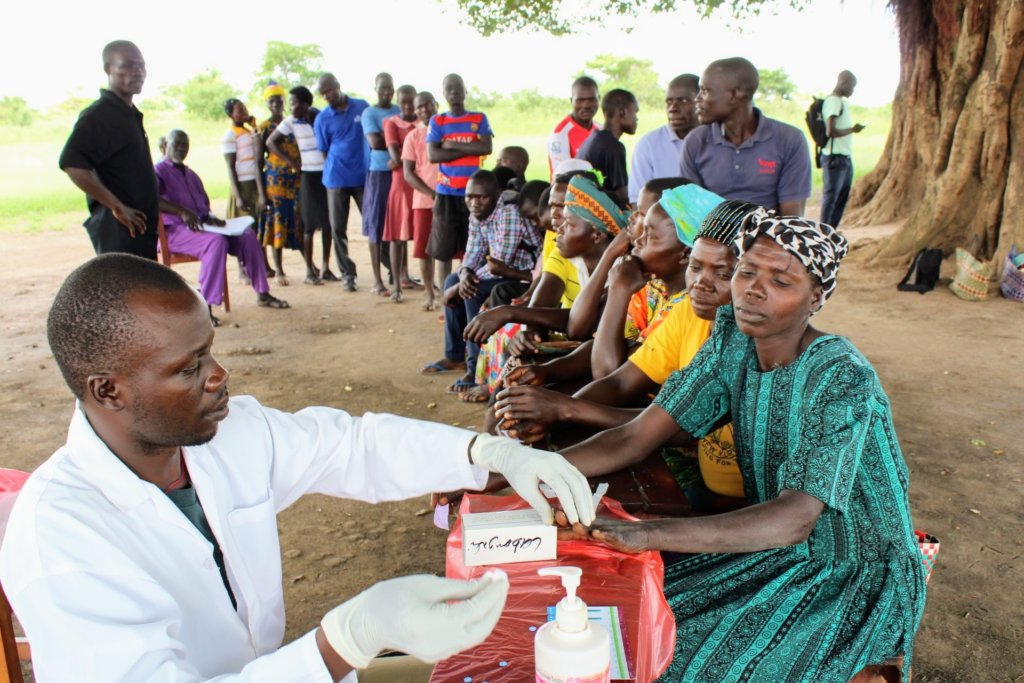
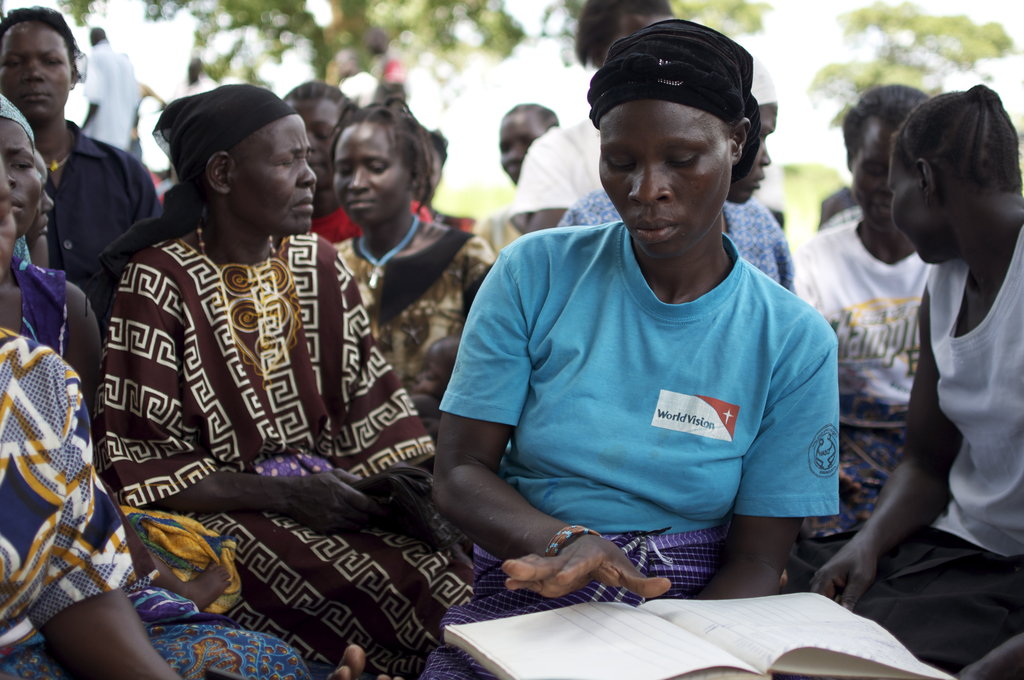
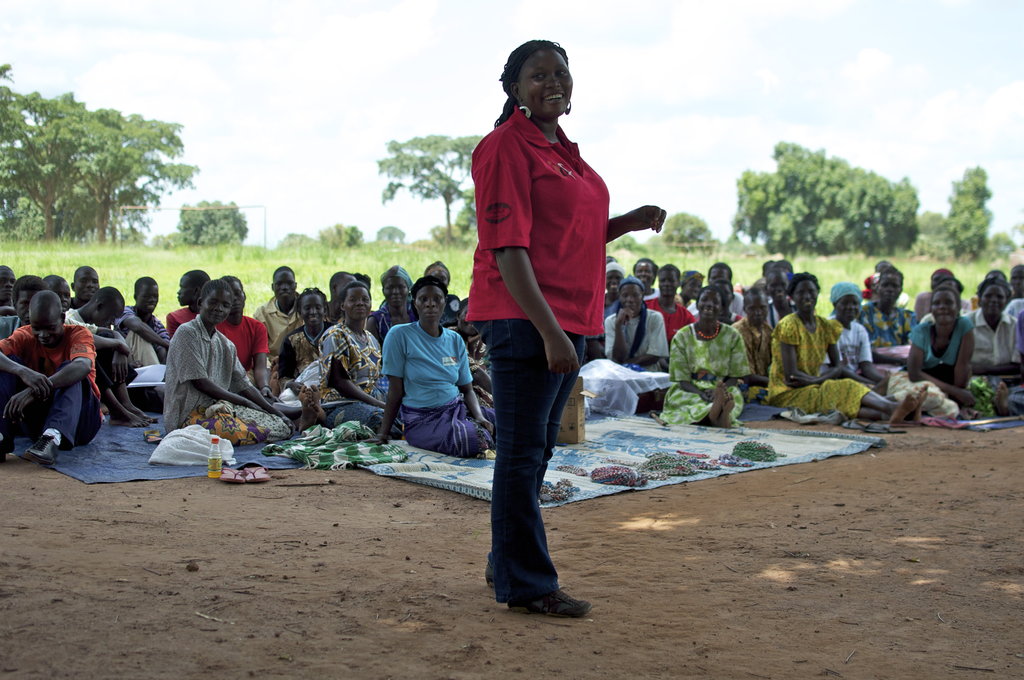
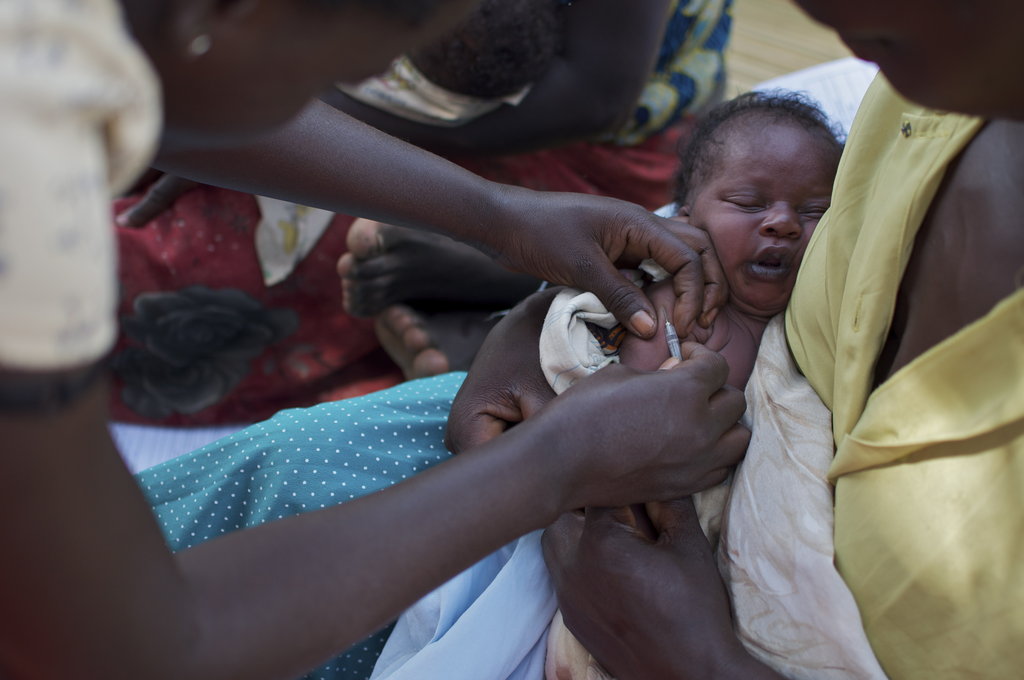
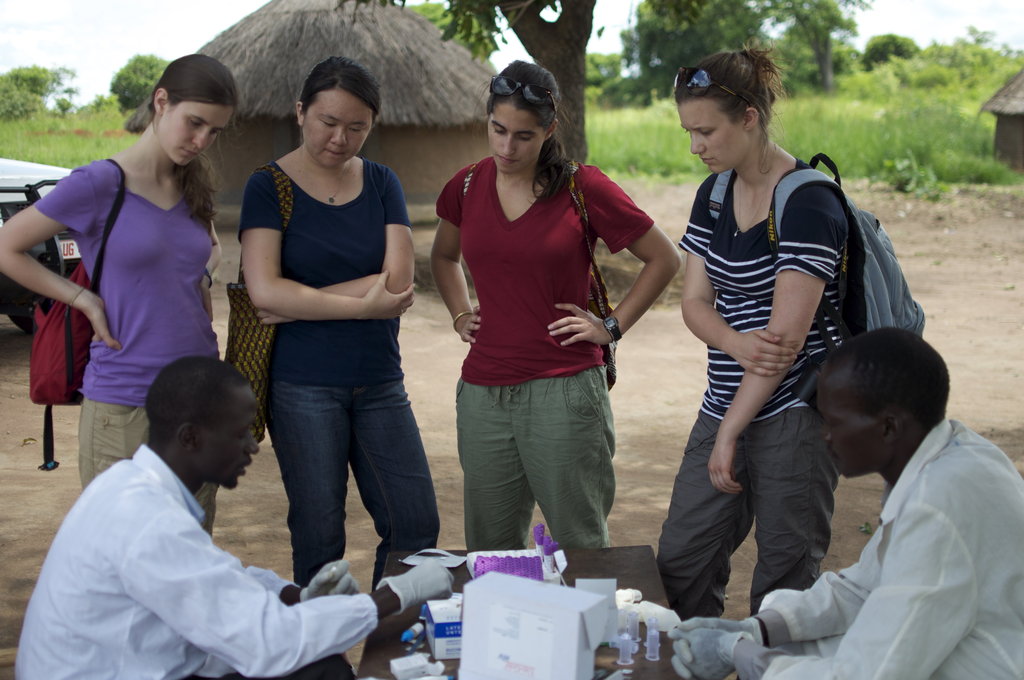
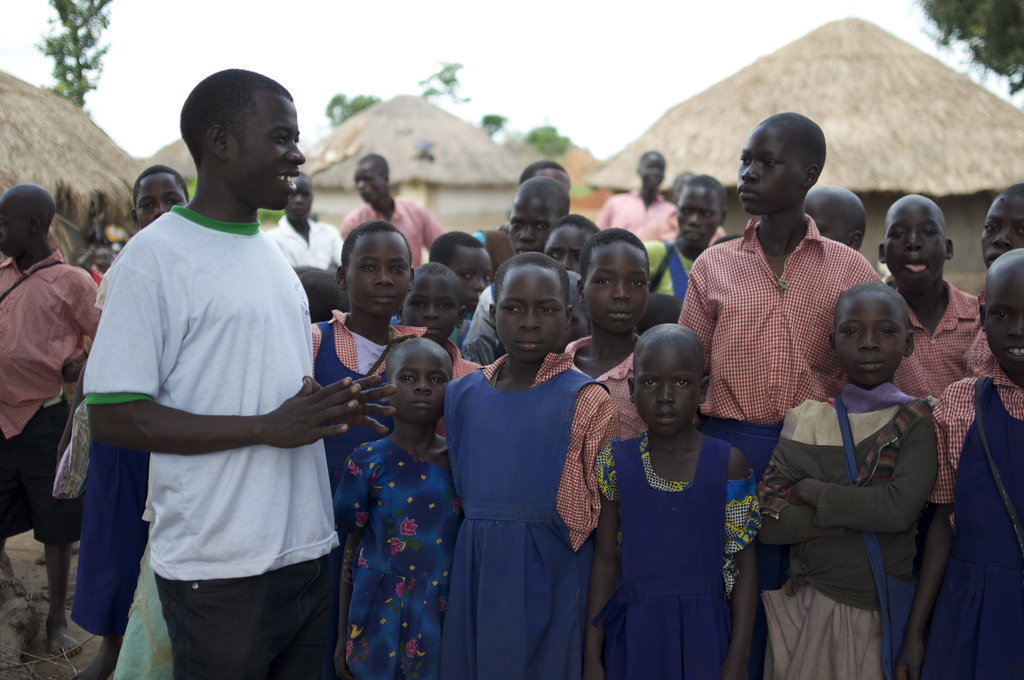
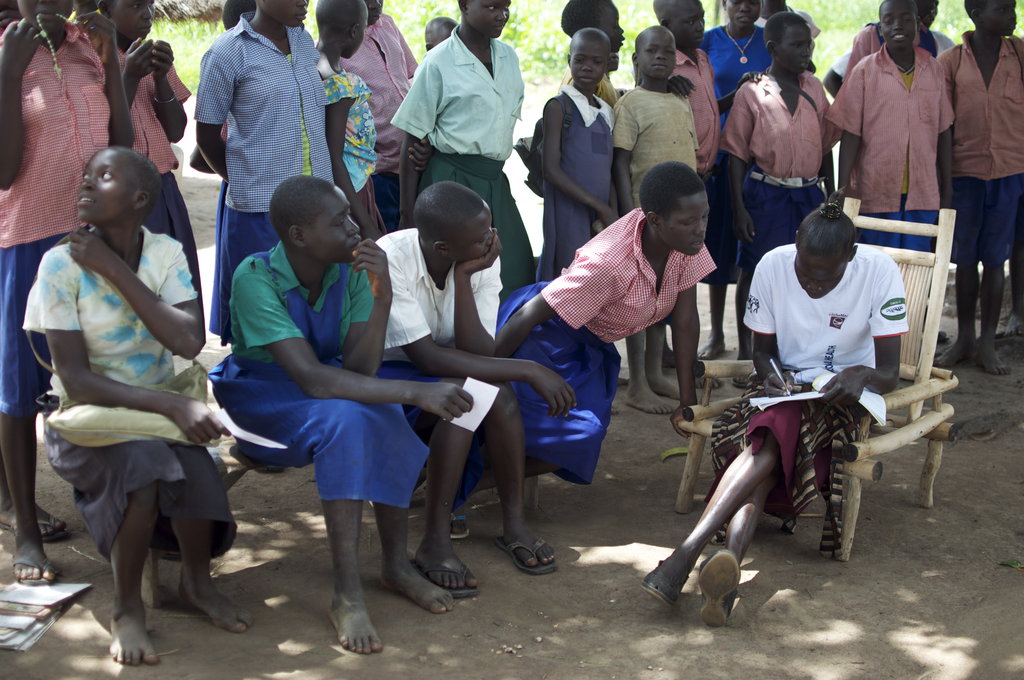
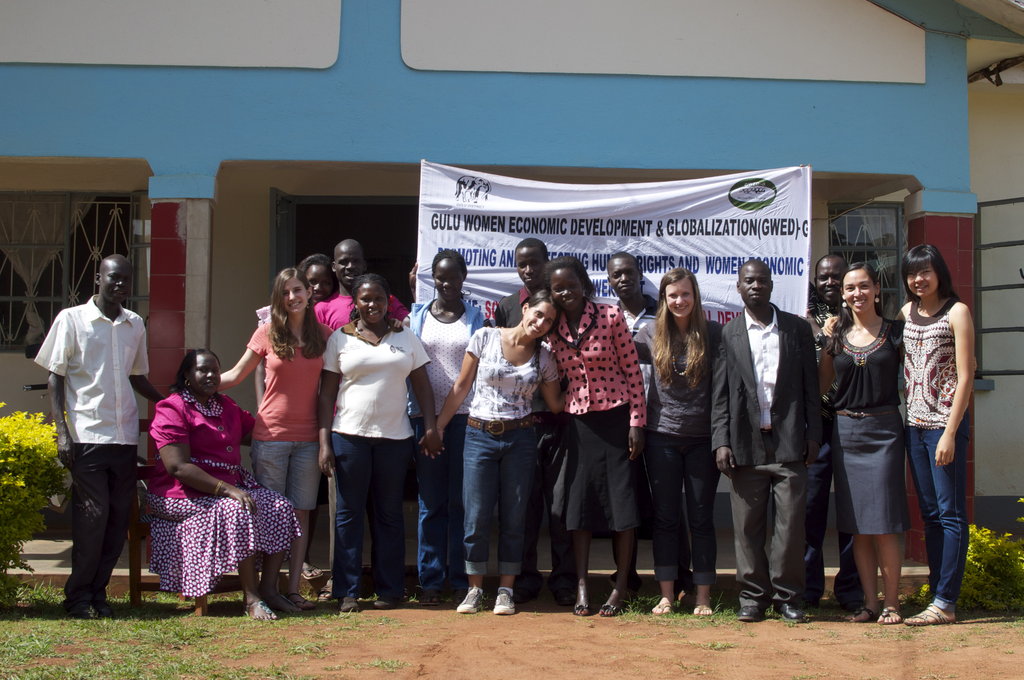
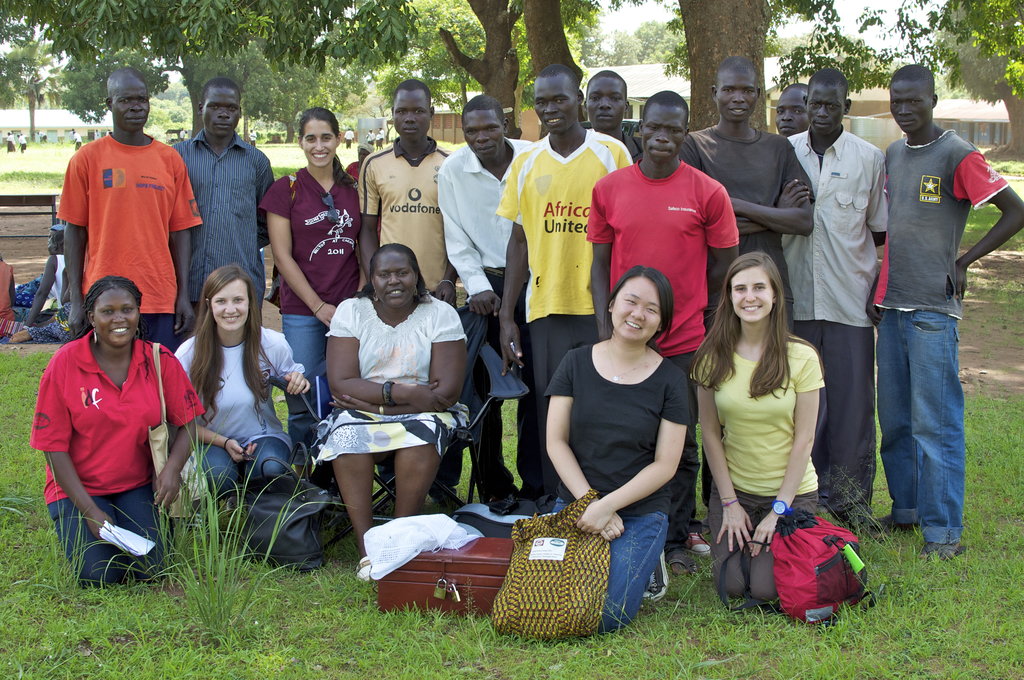
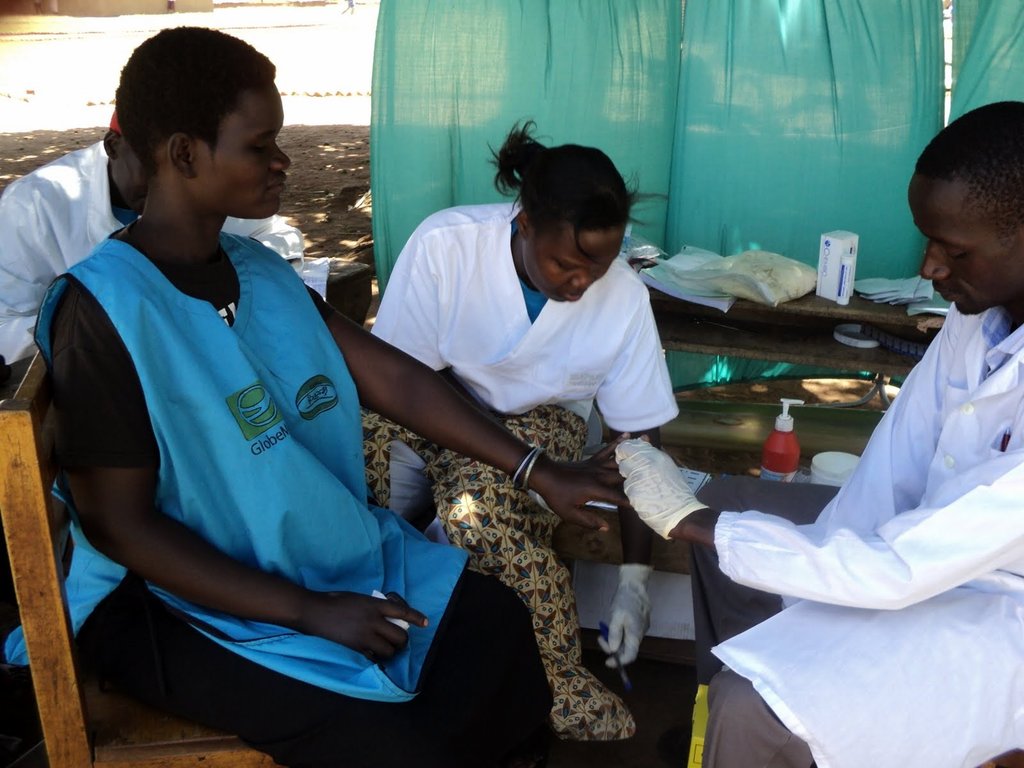
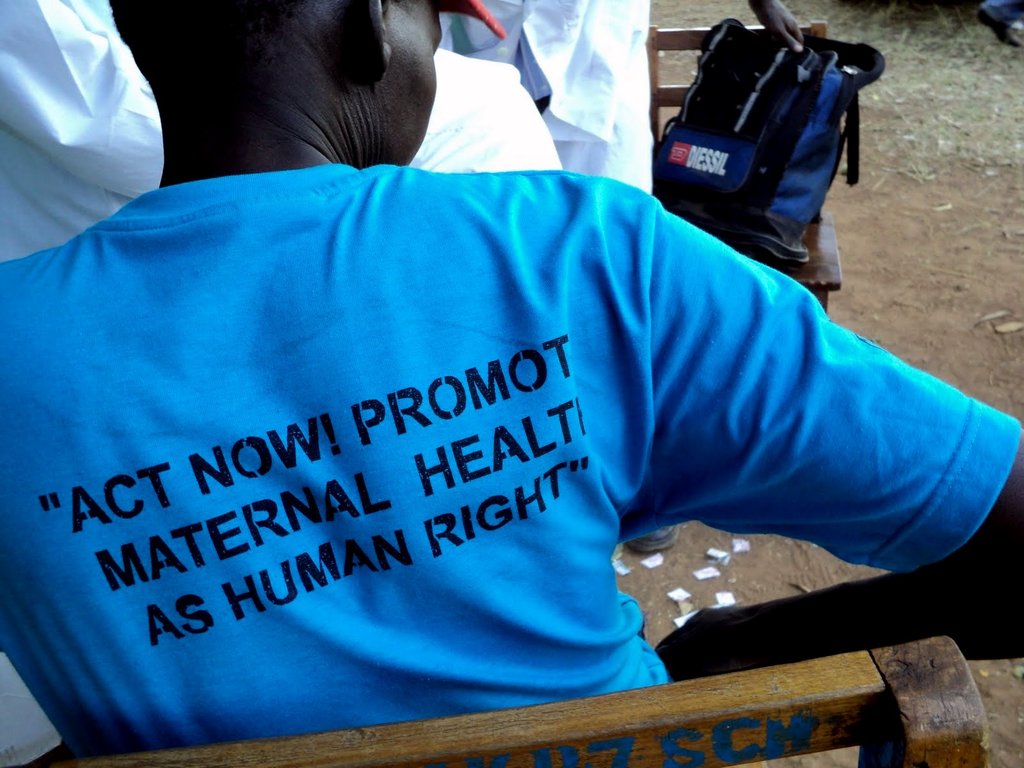
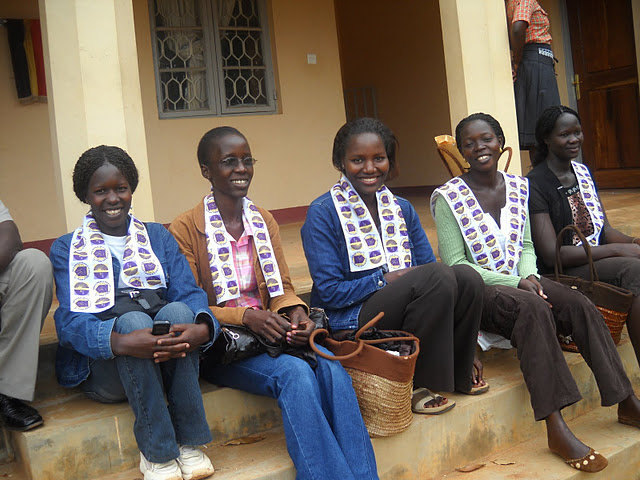
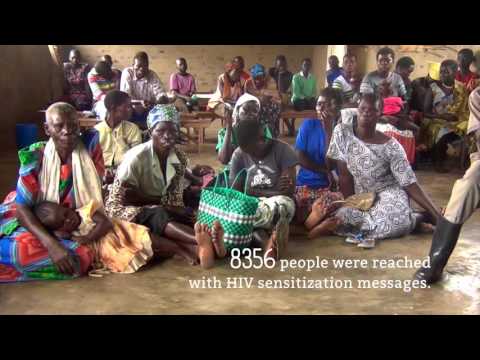
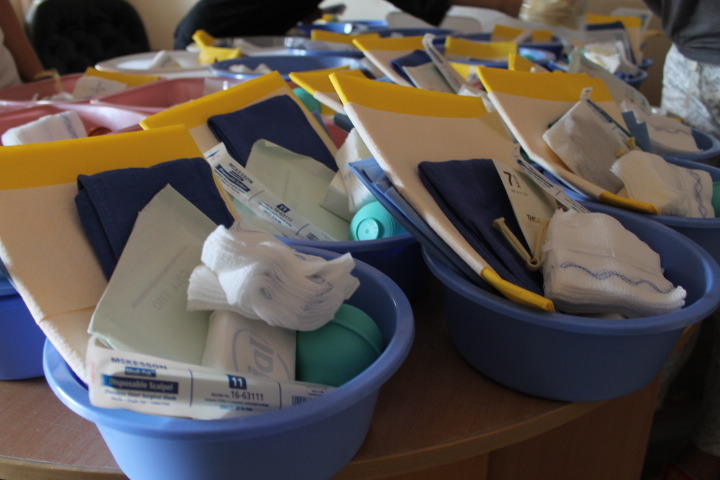
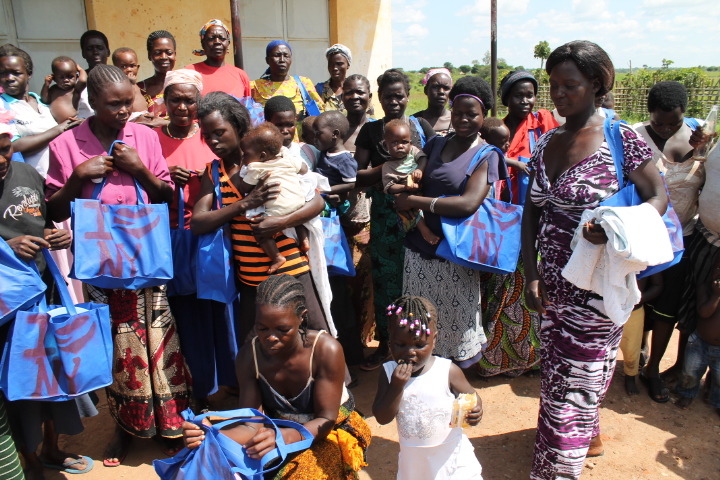
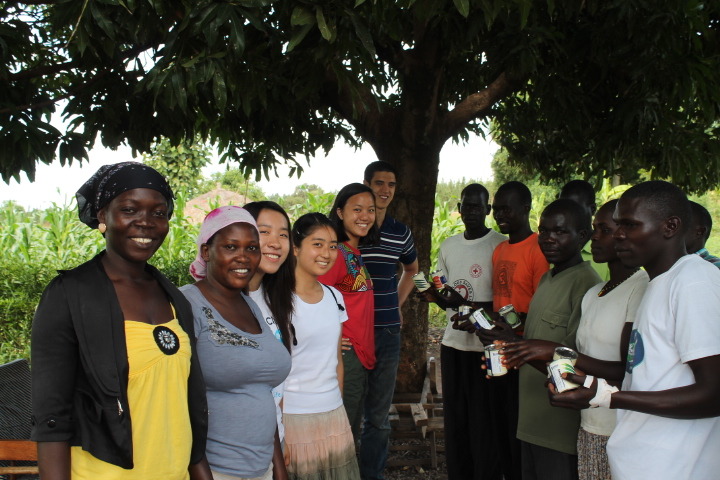
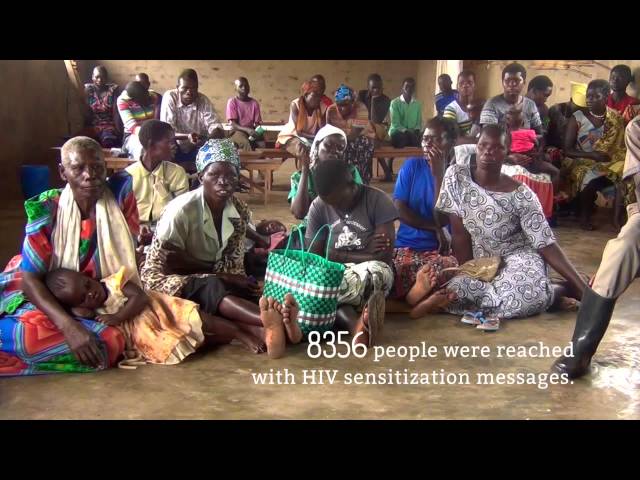
Our project, now in its fourth phase, has made enormous progress since our last update. This year’s Grassroots Onsite Work (GROW) team was fortunate enough to be able to document much of this progress during our five-week internship with GWED-G last month. We delivered 30 mama kits, courtesy of Delivering Hope, to the group of newly enrolled Phase IV HIV positive mothers. Recipients of the kits will now have the resources to have a clean birth at a hospital, where obstetric items cost money, or, in the event that the mother cannot make it to the hospital, at home. We also delivered livelihood support to a number of groups in the community: two oxen and an oxplow to each of two youth groups, and vegetable seeds (cabbage, eggplant, carrot, and okra) to phase II, III, and IV mothers, Coke and Palema youth groups, and VHTs. Items such as these will give members of the community the start that they need to support their families and pay their children’s school fees, as well as expand their agriculture or business and achieve economic independence. We delivered t-shirts for identification to all VHTs, as well as 10 more bicycles in addition to the 12 already delivered during Phase III, allowing all 22 of the VHTs involved with the GlobeMed/GWED-G project to travel deep into the village and reach a greater number of beneficiaries for counseling and support. In addition, GWED-G continues to support maternal health and gender equity by conducting sensitization sessions for community members, in which GWED-G staff hold open discussions about HIV/AIDS; and by conducting blood screenings, at which community members can find out their HIV status within 10 minutes of having blood drawn and receive counseling on that status.
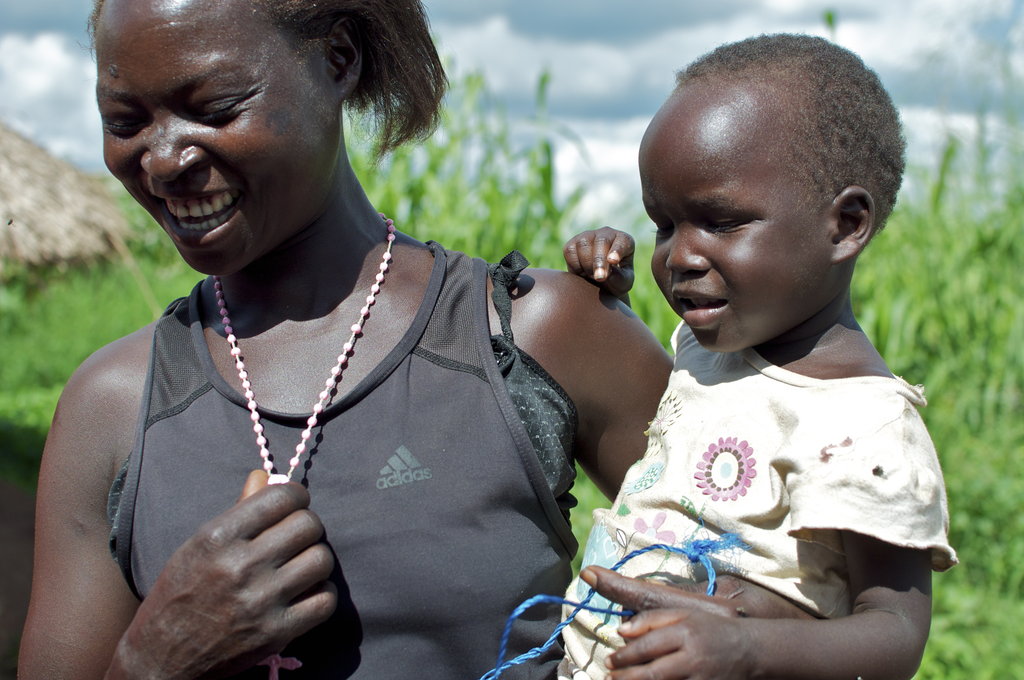
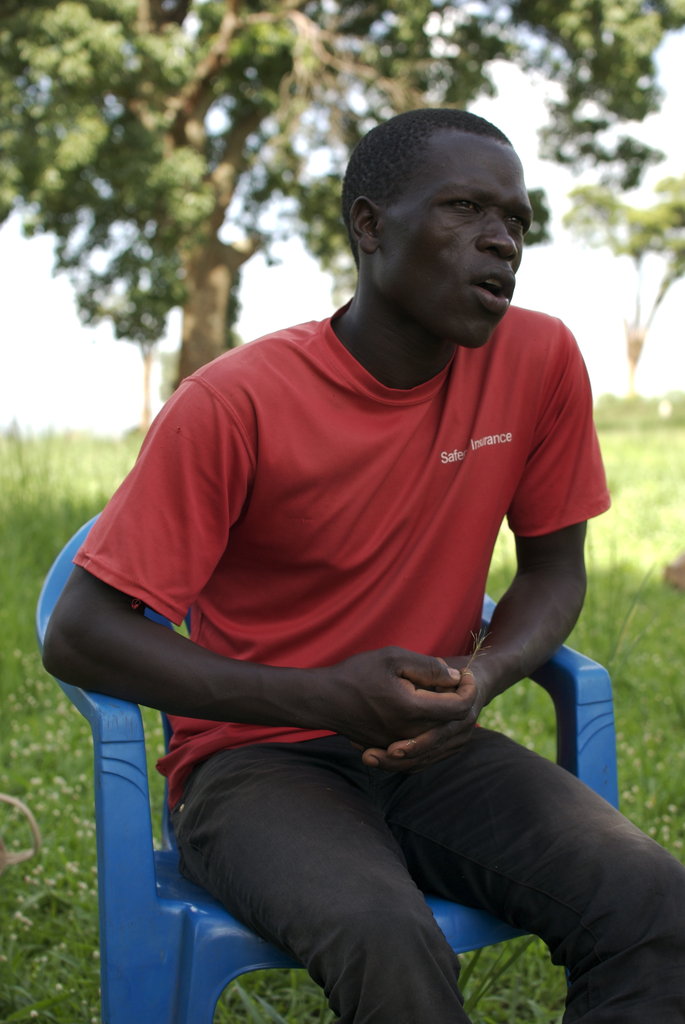
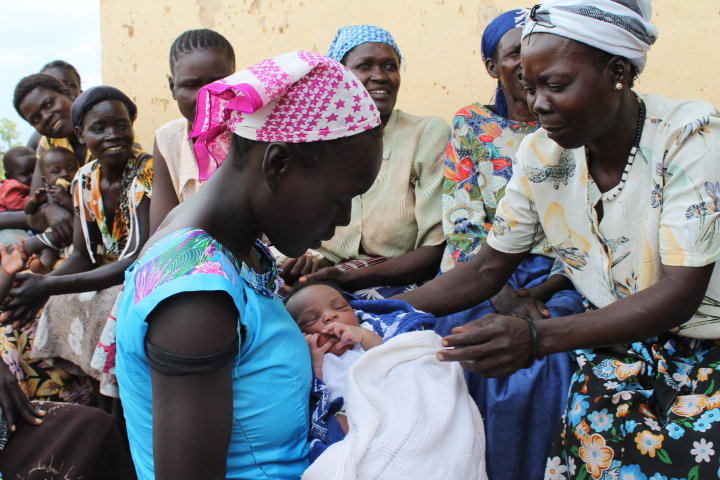
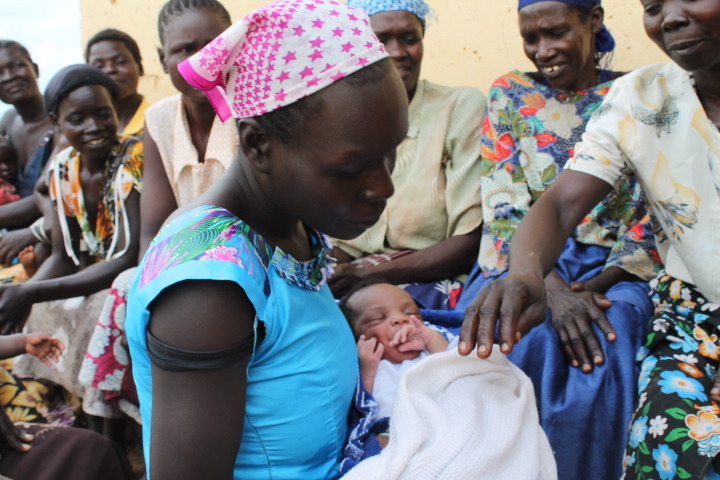
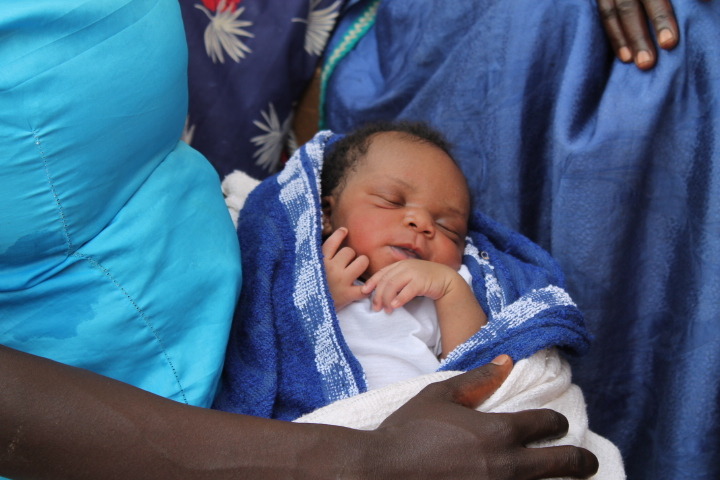
But items delivered are not the end of the story. The GROW Team had the opportunity to converse with beneficiaries of our project, and invariably saw that, despite the benefits our project brought to these women, there still remains much to be done. This fact is well-illustrated by the story of 21-year-old Lakop Lucy. Lucy is one of the Phase IV mothers, and was among the mothers that received one of the 30 mama kits delivered during Phase IV. Eight days later, she gave birth. We met her newborn baby, named Rachel, just six days old, at her home in Coke parish. To our gratification, the baby was healthy, and HIV-negative. But our home visit emphasized more than anything that her HIV-negative baby was not the end of a happy story. In her own words:
“When I gave birth, my husband chased me away … this man chased me away, abandoned me, and has even refused to see the baby. I’m taking care of the baby alone. I’m the one who labored to farm during the rainy season. But after I raised and sold all my crops, he took the money to my co-wives. He kept on dating young girls in the trading center and he sells my things that I’ve troubled to bring home. I came back home and I found that he had sold all the goats I raised, and I’d bought them with the money I raised from digging. … He sold it all. Then he took the money to my co-wives. When I was pregnant and almost giving birth, I was beaten three times by my husband. And even now he might one day kill me. So when my mother came and tried to mediate, he abused both my mother and myself. So my mother decided now to pick me away and take me home. There are two official women but about five others, he keeps moving with them outside like girlfriends. He brings them but can’t manage them also because when he brings them he goes and gets another one so they keep on running away.”
She revealed that the hut she had taken us to, where we were interviewing her, was her former home—the home her husband had chased her out of. She was actually living farther away, with her mother, but had brought us here for convenience. “You should not take long,” she told us regarding our interview, “because such a man, when he comes and finds you here, it might not be safe.” The possibility that her husband might return at any moment and exhibit the same rage and violence she’d told us about was alarming to all of us. To avoid putting Lucy as well as ourselves in further danger, we cut our interview short, drove Lucy to her mother's home, and departed.
Our visit made it clear that the issue of HIV/AIDS is inextricably wound up with issues of gender-based violence and inequity, as well as lack of economic independence. The role of our project extends far beyond providing maternal health services that are not accessible to rural women: it must also combat prevalent views on gender and HIV/AIDS in the community; and equip women with the tools they need to combat stigma and violence, and to financially support themselves and their families.
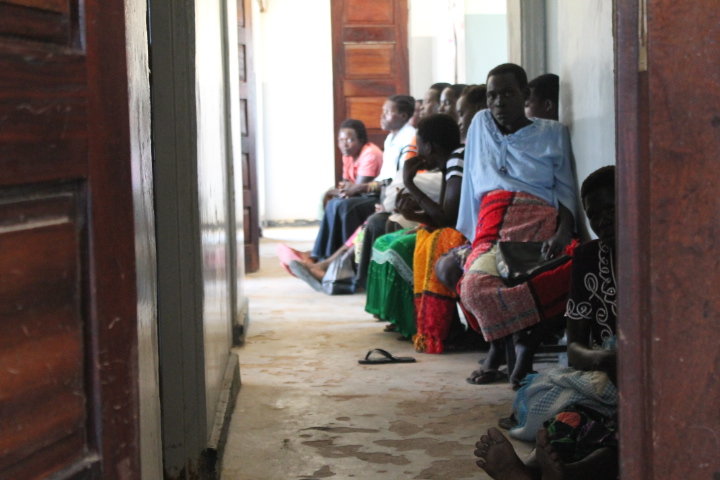
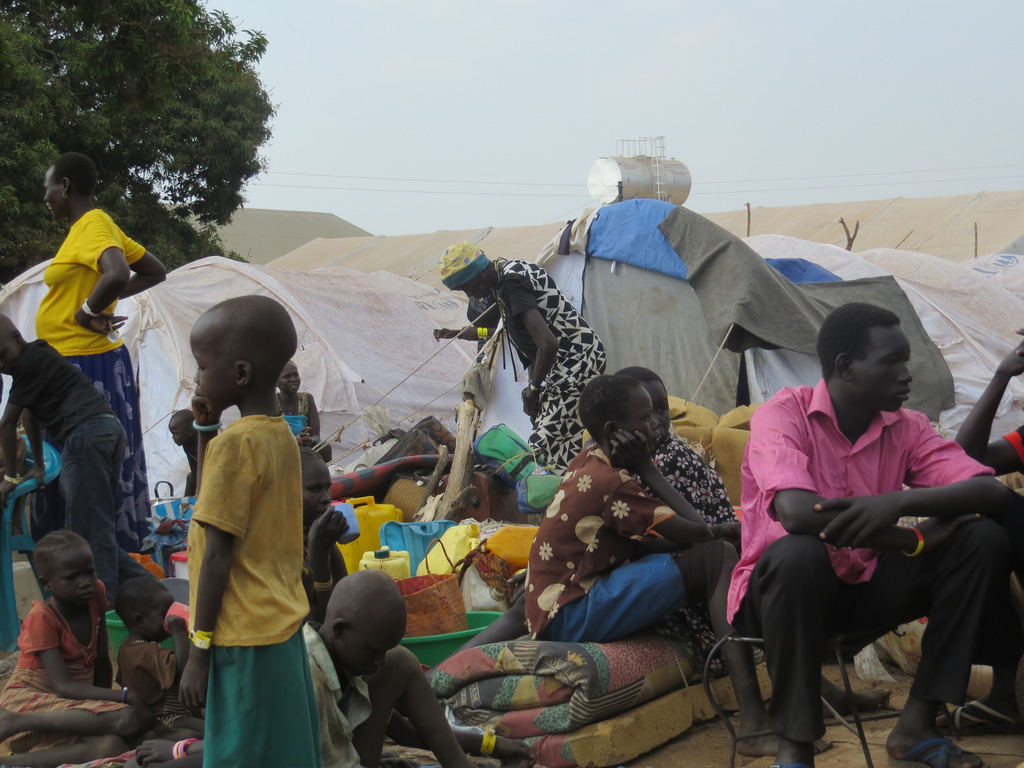
Further, the need for those basic maternal health services is far beyond our current capacity to provide them. The distribution of mama kits was timely for Lucy, who was fortunate enough to receive a kit just before her delivery. But for many other mothers, the kits arrive too late, or are too few; we budget for 50 new mothers every year, but every year dozens of additional mothers hear about our program and begin attending meetings, and we do not always have the resources to provide mama kits for all of them. The cost and distance of transport to hospitals pose additional obstacles to safe births: many mothers miss out on necessary antenatal and obstetric care, and the coverage of VHTs and health workers is not 100%. The struggles of HIV positive women, vulnerable youth, and the community at large are numerous and deeply woven in the fabric of this war-torn region.
GWED-G and GlobeMed at Columbia are working to combat these obstacles. For Phase V of our project, in addition to continued services, we aim to fundraise for a vehicle that will be dedicated to emergency transport of pregnant mothers to the hospital. We also aim to provide bean seeds for Phase III and IV mothers so that they have enough strength to dig their gardens. We will implement Gender-Based Violence training for VHTs and incorporate GBV training into community sensitizations, so that both community health workers and community members themselves are better equipped to counsel and mediate conflict. We will provide for the maintenance of VHTs’ bicycles so that their outreach will continue to expand in breadth. In order to involve the husbands of HIV-positive women in community sensitization, we will pilot one group of Male Role Models consisting of 30 men from Coke and Agwayugi.
To accomplish all of this, we need your help. With your support, we have accomplished so much; but the need remains so strong in the region, and we have a long, long way to go before the people of northern Uganda can live the way that any human deserves to live. Visit our page at GlobalGiving, our tumblr, or our Wordpress for more information about our project, including photos, videos, and the GROW 2014 blog, and please reach out to us at columbia@globemed.org if you want to know more!
By Helen Zhou and Nayan Lamba | Co-Presidents
By Menaka Dhingra and Nicole Dussault | Co-Presidents
Project reports on GlobalGiving are posted directly to globalgiving.org by Project Leaders as they are completed, generally every 3-4 months. To protect the integrity of these documents, GlobalGiving does not alter them; therefore you may find some language or formatting issues.
If you donate to this project or have donated to this project, you can receive an email when this project posts a report. You can also subscribe for reports without donating.