By Carrie Naughton | Director of Development
GLOBAL GIVING Spring 2022 (Jan, Feb, Mar)
19796 Native American Advancement Foundation After-School Program
Dear Friends,
Spring is here and NAAF’s After-School Program is still growing strong!
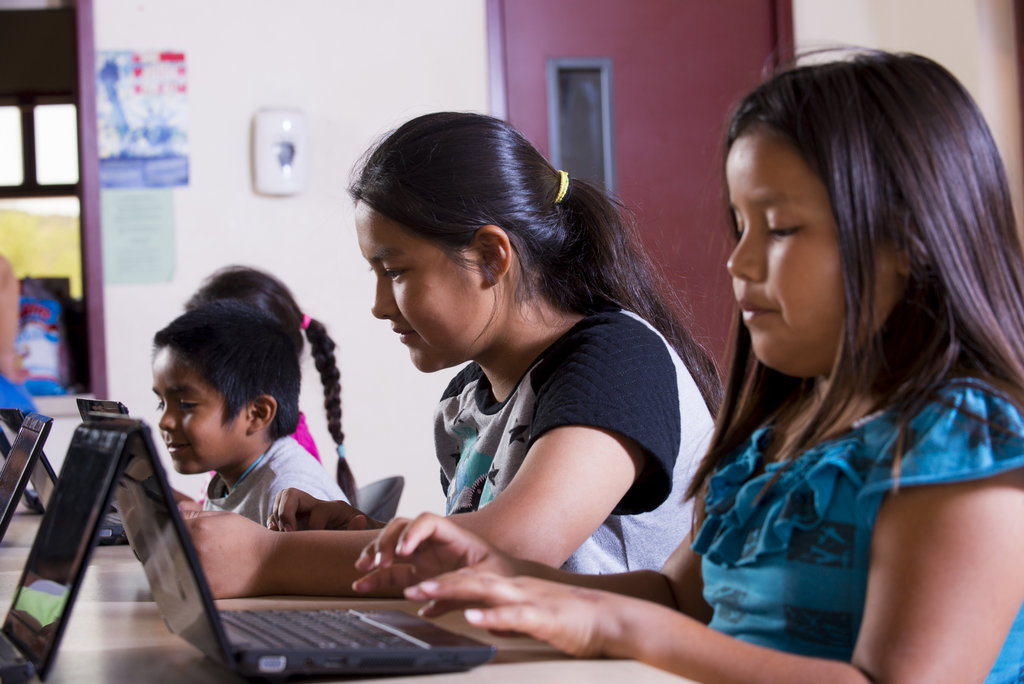
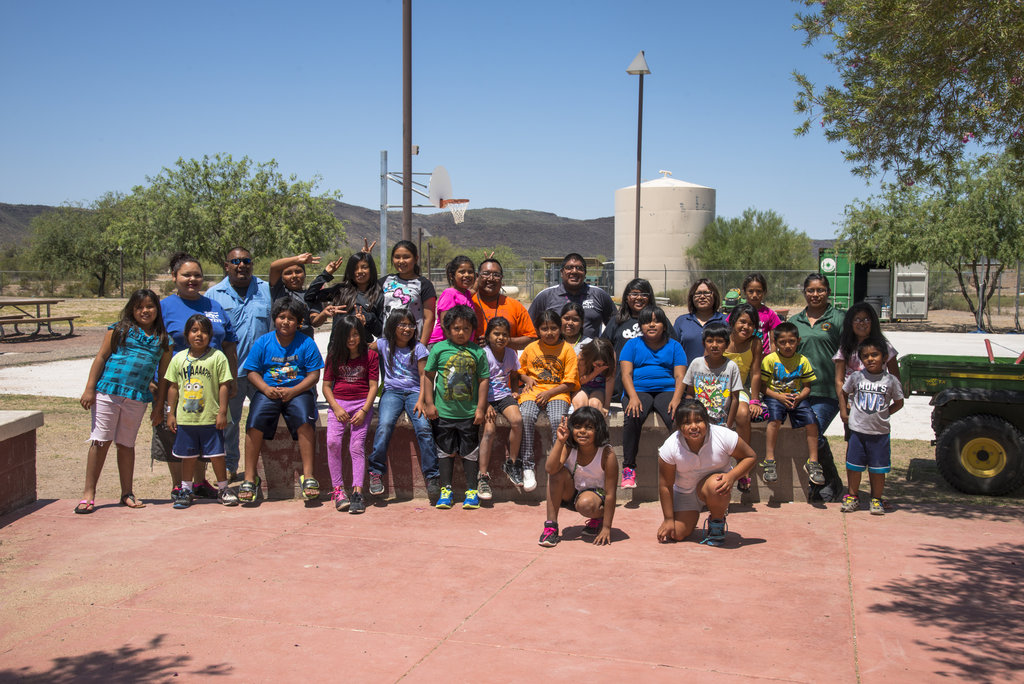
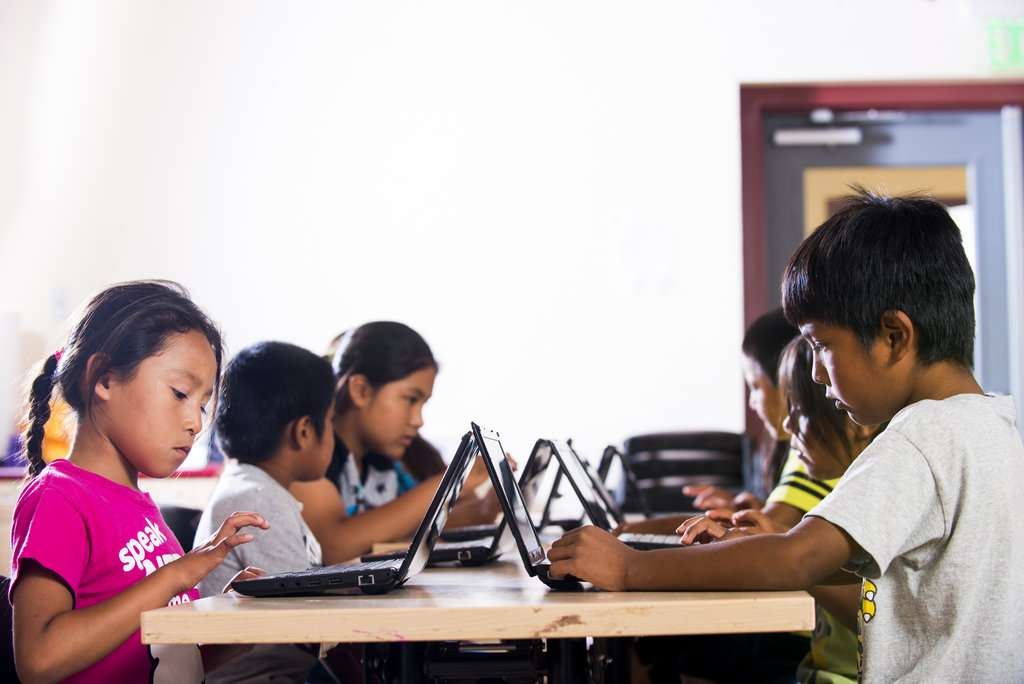
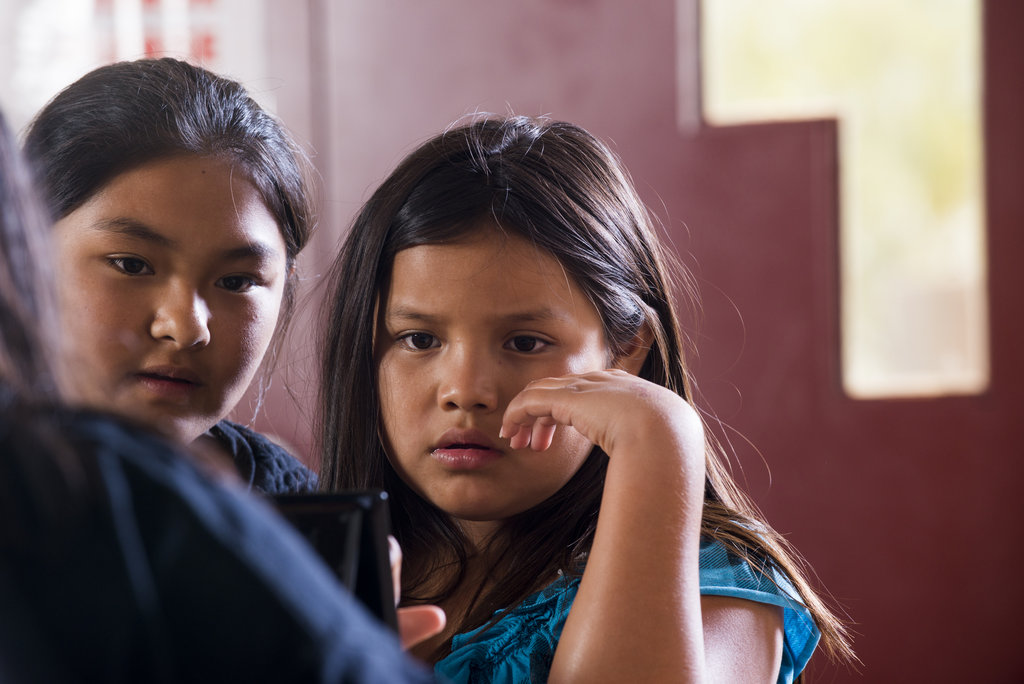
Due to the COVID spike over the 2021 Holiday Season, in accordance with Tohono O’odham Nation and GuVo District guidelines, we continued 2022 with our virtual school model. NAAF's After-School Program (ASP) currently provides virtual group sessions Monday through Thursday and scheduled on-site sessions for 45 enrolled students and their families from Preschool to 12th grade. In our blended sessions, one family per day attends in-person at our Remote Learning Center building, while the remaining attendees join in via computer, with each family rotating for their in-person day at the RLC. Students must still wear masks or face shields indoors, and teaching staff continue to sanitize desks, chairs and supplies, and facilitate handwashing breaks.
Our hybrid After-School Program groups students into two learning cohorts for breakout sessions, named with Tohono O’odham environmental vocabulary - ka:ck (ocean) and duag (mountain). Teaching the O’odham language to the youth of GuVo District is an integral component of NAAF’s I:mig project. Translated in English as “all is related,” I:mig provides a foundational connection between language, existence, environment, culture, humans and non-human species. Incorporating I:mig and himdag (lifeways) into the curriculum is a core part of ASP.
We are continuing our ASP curriculum with emphasis on STEM and hands-on outdoor activities in Ruth’s Oidag (garden). The students learned about winter crops and seed planting of broccoli, cabbage, onions, peas, and nasturtium (edible flowers). Students were given seed packets for home garden planting as well, and learned O’odham names for the various crops. Classes are supplemented with a daily USDA meal service to each child’s home, along with weekly educational packets that include at-home scholastic materials for each day’s blended virtual/on-site program.
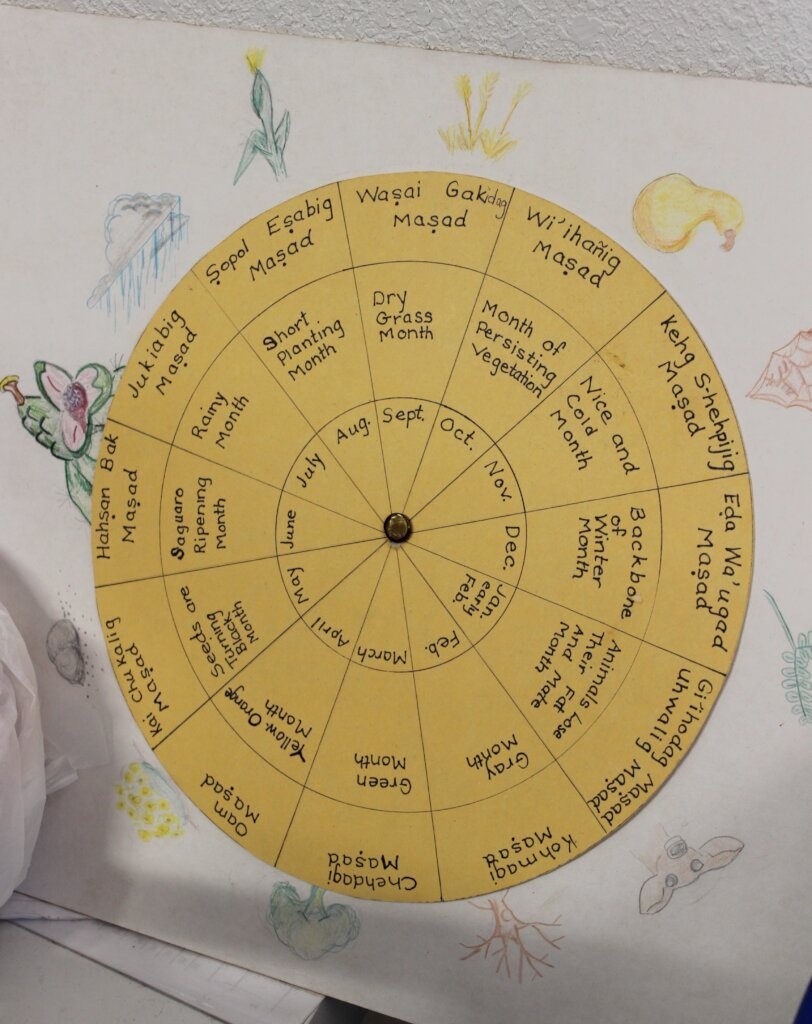
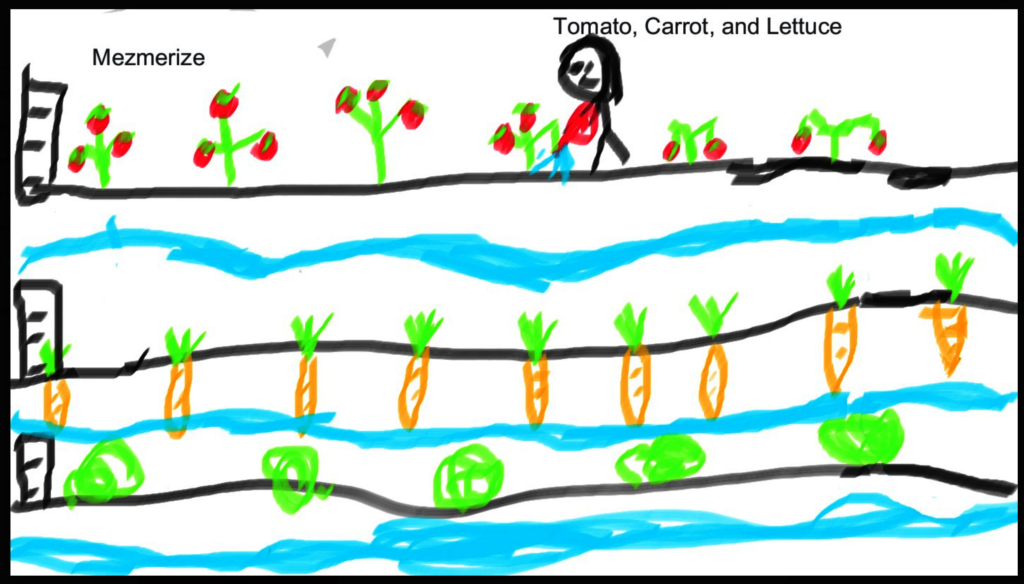
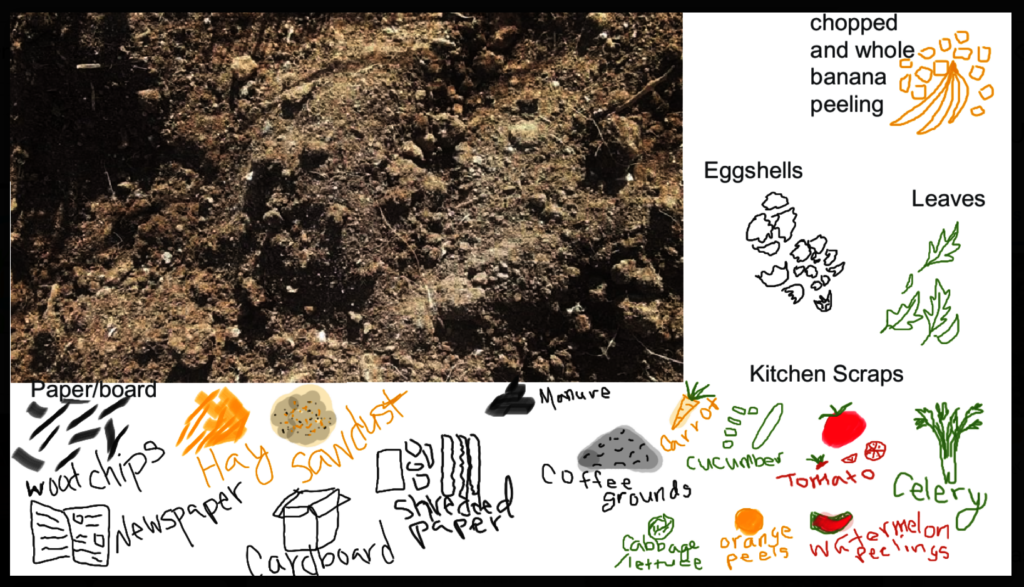
Outdoor and virtual lessons in Ruth’s Oidag include nutrition and healthy recipes, Tohono O’odham language, Sonoran desert seasons, food systems, and composting science. NAAF teachers also introduced interactive technology into the Google Meet lessons, with collaborative jam boards on which students draw and write during lessons. Each child created a jam board to learn about composting by sketching the process with specific fruits, vegetables and organic matter. They drew their dream garden maps with favorite veggies for Spring planting and learned about desert ecology in relation to agriculture and the O’odham calendar wheel (See photos of Calendar Wheel, jam boards and garden map).
Valentine’s Day is Ibdág Tas (Heart Day). To celebrate, NAAF educators taught a remote student cooking class with Tohono O’odham language, art and candy-making kits. Program Coordinator Adriana created a culinary video with how-to instructions for kids and their families to make Ibdág Tas treats with heart-shaped candy molds. We have shared this delightful video on NAAF’s Youtube channel - link is below!
One of NAAF’s core initiatives is to foster a love of reading in young people, and this quarter the After-School Program collaborated with Literacy Connect to celebrate Love of Reading with a Dr. Seuss event during the week of Dr. Seuss’ birthday. Students showed up in costume as their favorite book characters, wore their superhero tshirts, dressed up for Career Day, and also participated in Crazy Hat Day. Parents attended a volunteer workshop with Literacy Connects to learn how to teach children ages 5 and under how to read.
The NAAF Education Team of Monica, Malena, and Adriana also had the opportunity to attend the Tucson Festival of Books, where they volunteered at the First Things First booth. They experienced popular exhibits like the life-size Brain and Heart tours tent, networked with other learning organizations, authors, and teachers, made fun videos of the event to share with the students, and brought back numerous books, lesson plans, and creative ideas for youth reading programs. NAAF plans to attend the full Festival next year as a Field Trip with our ASP students!
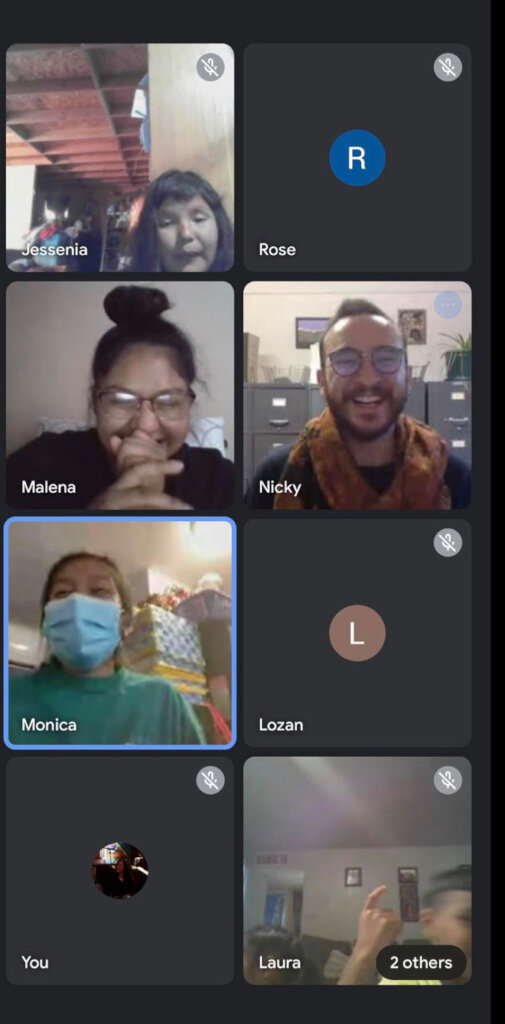
We’re also thrilled to report that NAAF’s pilot program collaboration with Tucson Girls Chorus (TCG) is a resounding success. This virtual cross-cultural music class, held during the After School Program, is open to students all throughout GuVo District and is so popular we expanded it to include Pre-kindergarteners! Our older student mentors-in-training assist the TCG instructors to share classical music theory alongside Tohono O’odham traditional music, language and himdag. As a side benefit, younger students attending via Zoom have the opportunity to experience proper etiquette and develop their computer skills; they’re learning how to use the camera and microphone and interact positively in a virtual environment. The music program will celebrate success with a final choral performance in April. The goal of broadening music education in GuVo District is continually adapting and inspiring, and plans are already being made to partner with TCG again in the Fall. (See screenshot of Zoom Music Class)
With gratitude, and all our best Springtime wishes.
Links:
Project reports on GlobalGiving are posted directly to globalgiving.org by Project Leaders as they are completed, generally every 3-4 months. To protect the integrity of these documents, GlobalGiving does not alter them; therefore you may find some language or formatting issues.
If you donate to this project or have donated to this project, you can receive an email when this project posts a report. You can also subscribe for reports without donating.



Support this important cause by creating a personalized fundraising page.
Start a Fundraiser