Growing Healthy Families

by Hidden Villa
Growing Healthy Families

Project Report | Jul 7, 2014
How Our Farmers are Responding to Changes

By Jason McKenney | Farm Manager

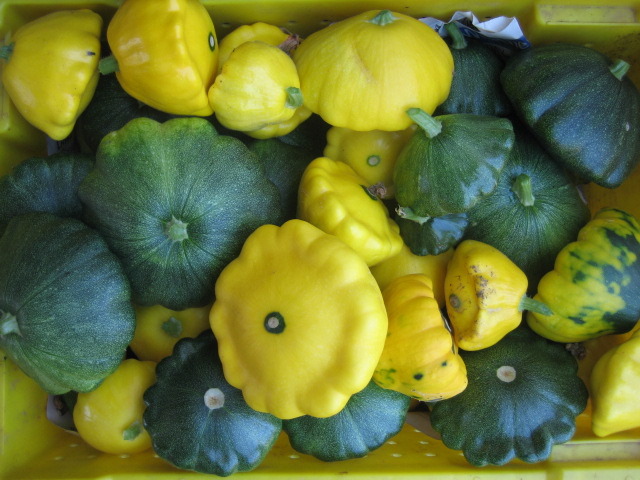
Pattypan Squash!
Pattypan Squash!

The most successful growing strategies and the best farming practices are ones that are adaptable. As much as an engineering mindset can project into scaling up operations to larger sizes with greater assumptions of efficiency, the reality of agriculture is that we are producing food in a dynamic and ever-changing environment that will never conform to a single, uniform, repeatable method for very long. I feel grateful for practicing a kind of farming that does not rely too heavily on assumptions about weather and climate, pest control, and disease problems. Invariably things change and the assumptions lead to enormous crop losses. 

Here we are in the midst of a very serious drought and we have ever-increasing evidence that our climate is in the process of changing into a hotter, drier and less predictable one. While the predictions about the effects upon agriculture are stark I would like to suggest that our choices to buy and support smaller-scale, localized organic food are both an antidote to CO2 intensive conventional agriculture and the exact kind of methods most capable of weathering the coming changes.
Small-scale farming involves growing methods that require minimal initial investment, have a planting model that uses a more resilient diversity of crop varieties, and because of their small size are capable of making decisions and changes that turn the production on a dime into something more appropriate. Small-scale organic farms typically rely upon cover crops for generating fertility and this practice yields a CO2 sequestering solar powered base of nutrients. This combined with less energy intensive packing, storage and distribution systems make this kind of farming the greenest way to eat.
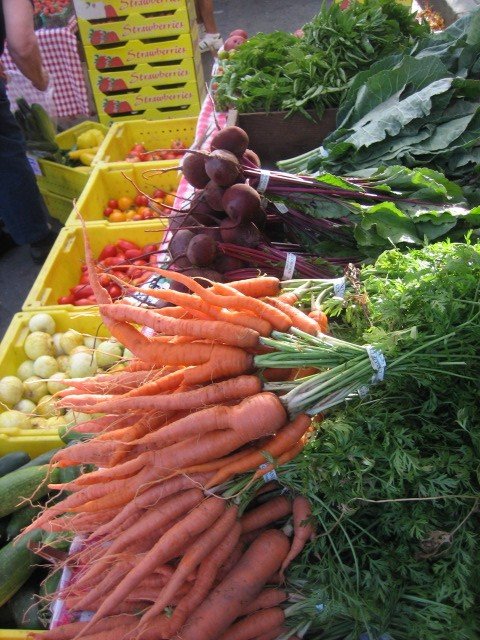
As a small farm operating for our local community and neighbors that frequent the Community Services Agency of Mountain View, we are thankful for your continued support.
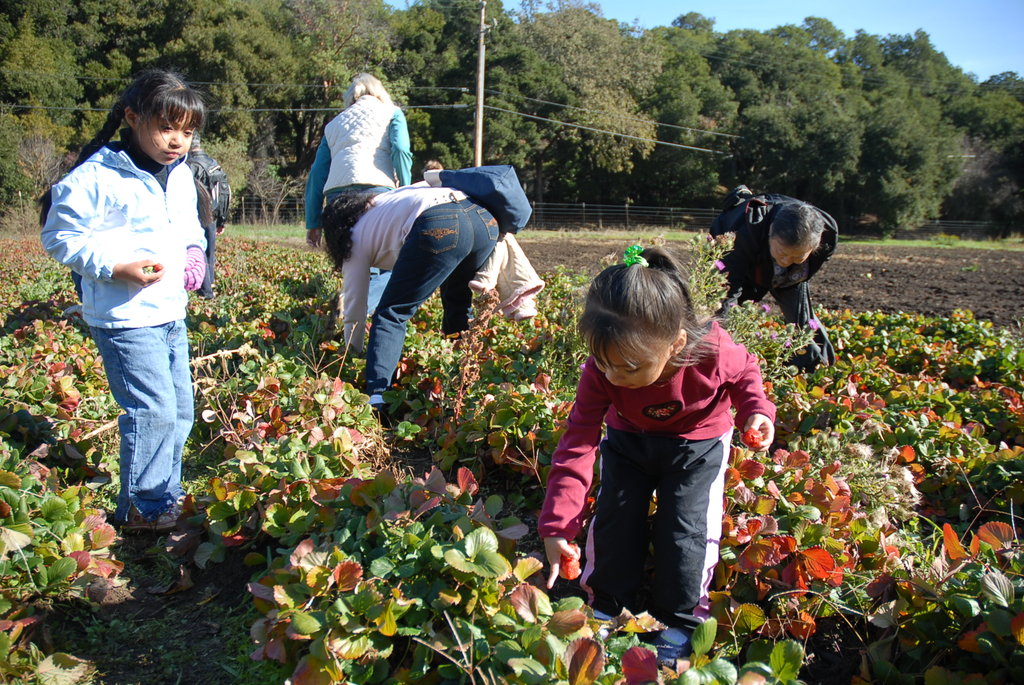
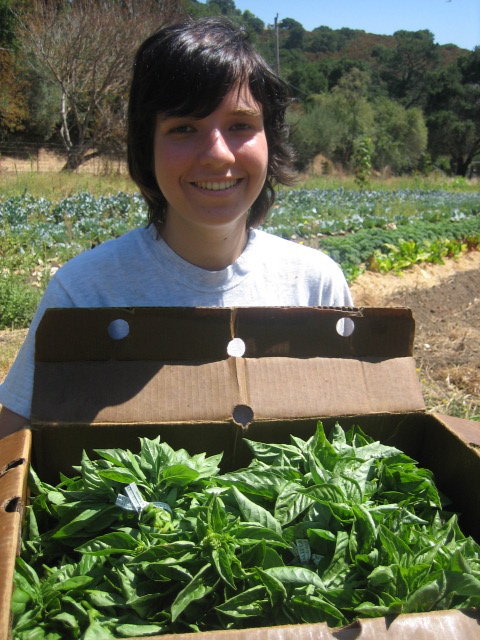
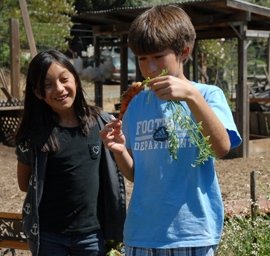
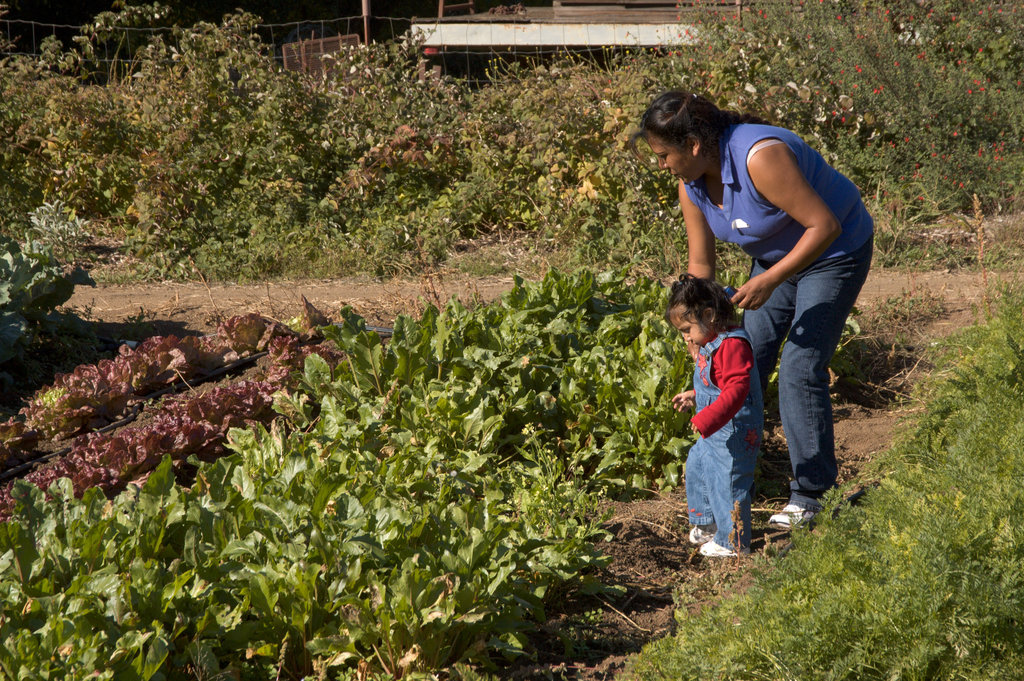
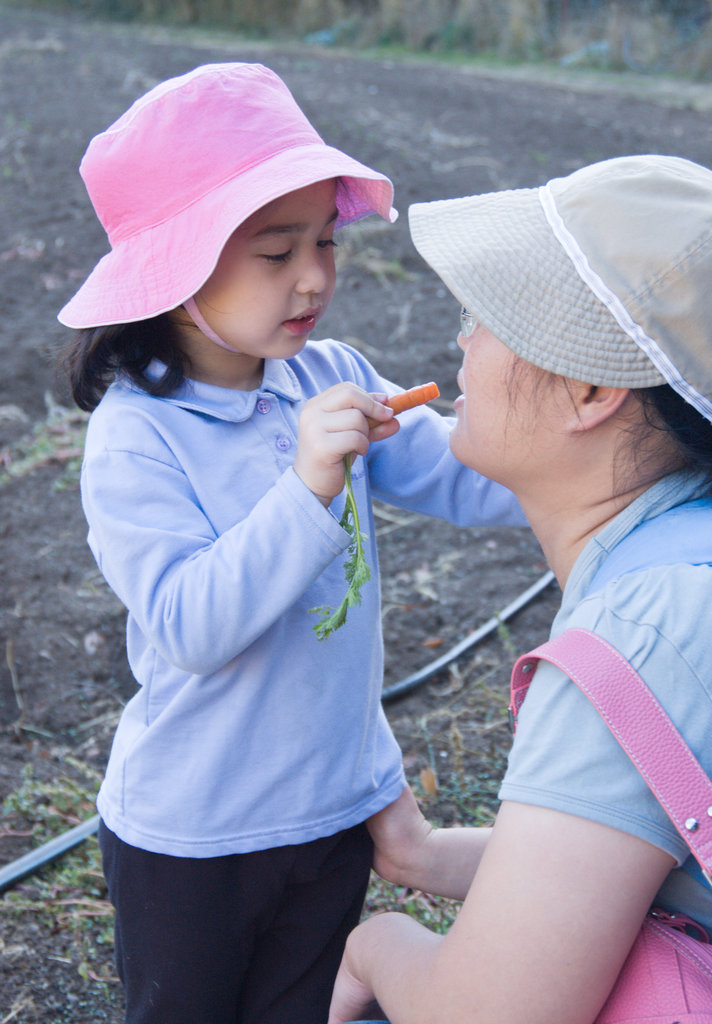
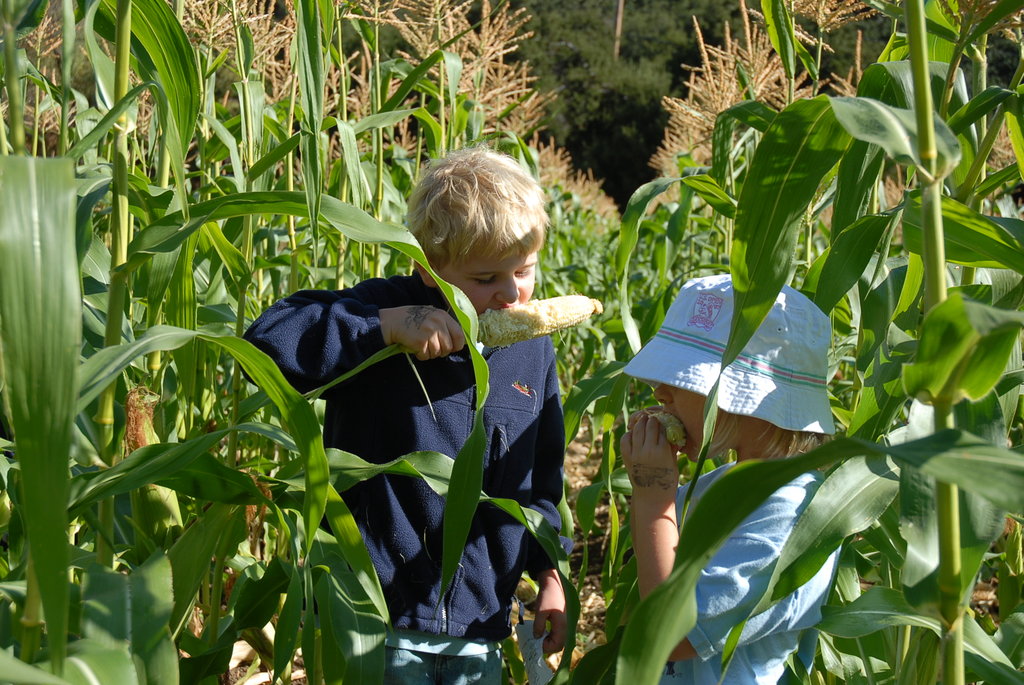
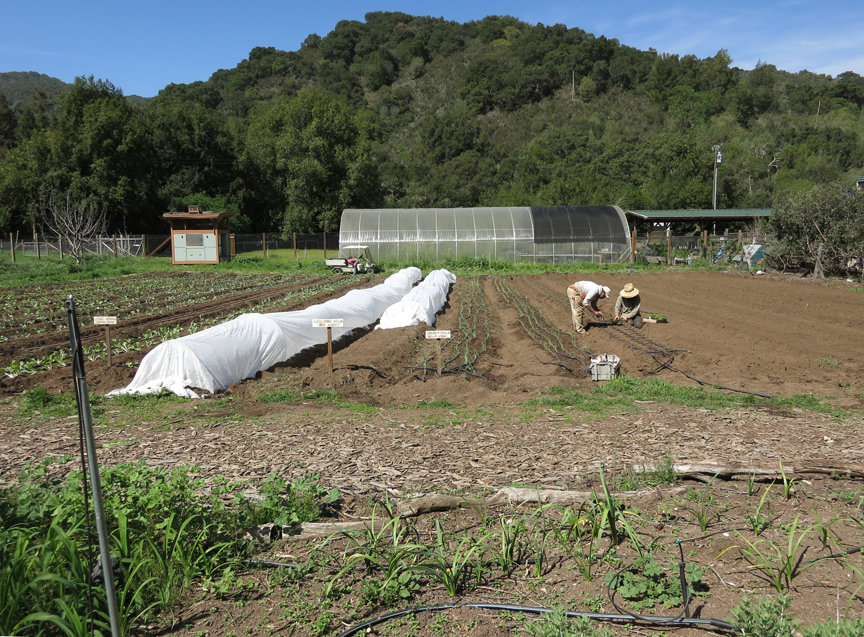
Farm Crew in the Fields
Share on Twitter Share on Facebook

About Project Reports

Project reports on GlobalGiving are posted directly to globalgiving.org by Project Leaders as they are completed, generally every 3-4 months. To protect the integrity of these documents, GlobalGiving does not alter them; therefore you may find some language or formatting issues.

If you donate to this project or have donated to this project, you can receive an email when this project posts a report. You can also subscribe for reports without donating.


Sign up for updates

Organization Information

Hidden Villa

Location: Los Altos Hills, CA - USA
Website:
Facebook: Facebook Page
Project Leader:
Daniel Chmielewski
Volunteer & Public Relations Manager
Los Altos Hills , California United States

Learn more about GlobalGiving

Teenage Science Students
Vetting +
Due Diligence

Snorkeler
Our
Impact

Woman Holding a Gift Card
Give
Gift Cards

Young Girl with a Bicycle
GlobalGiving
Guarantee

Get incredible stories, promotions, and matching offers in your inbox

WARNING: Javascript is currently disabled or is not available in your browser. GlobalGiving makes extensive use of Javascript and will not function properly with Javascript disabled. Please enable Javascript and refresh this page.