By Zahra Alam | Head of Projects (Executive Body Member)
1. Waste Management
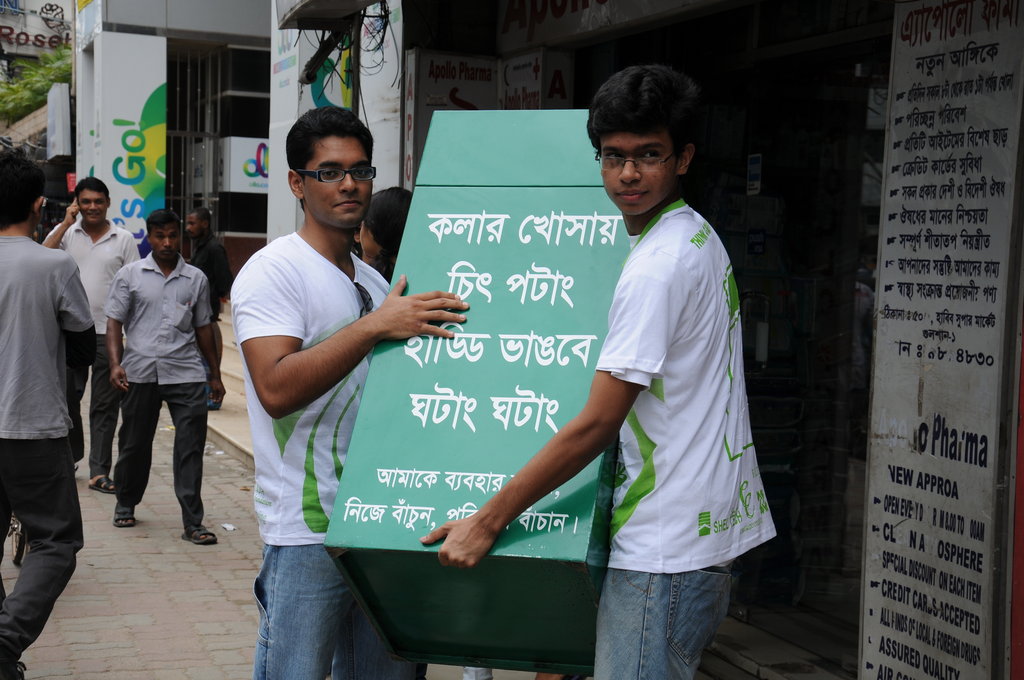
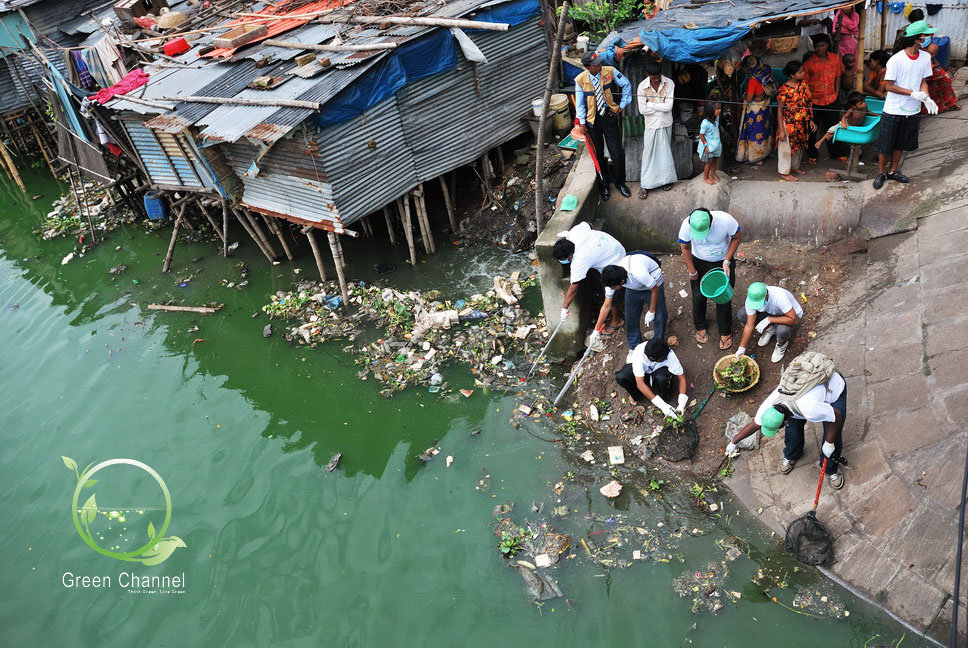
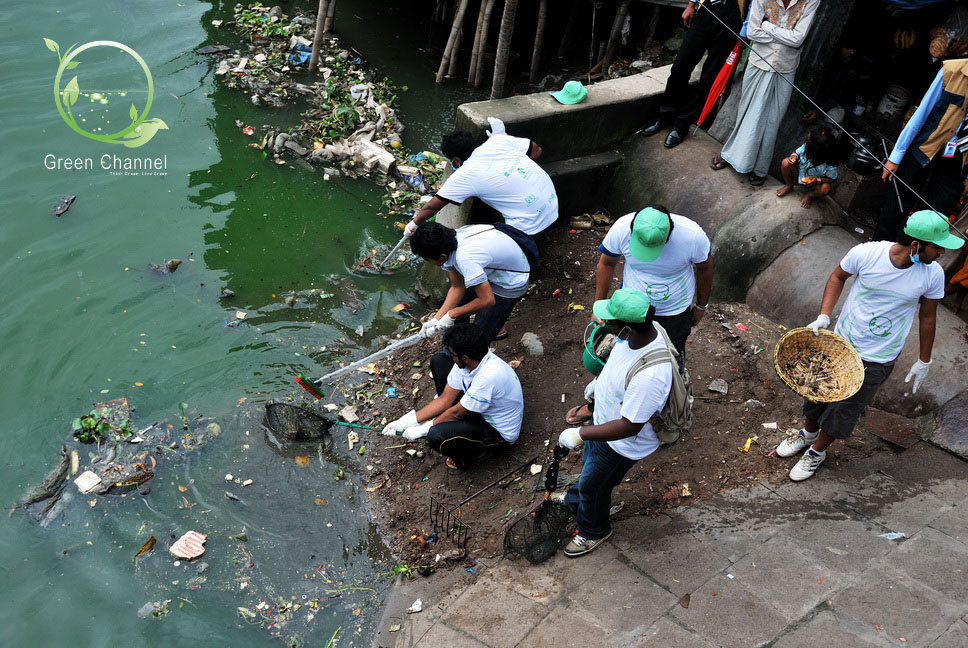
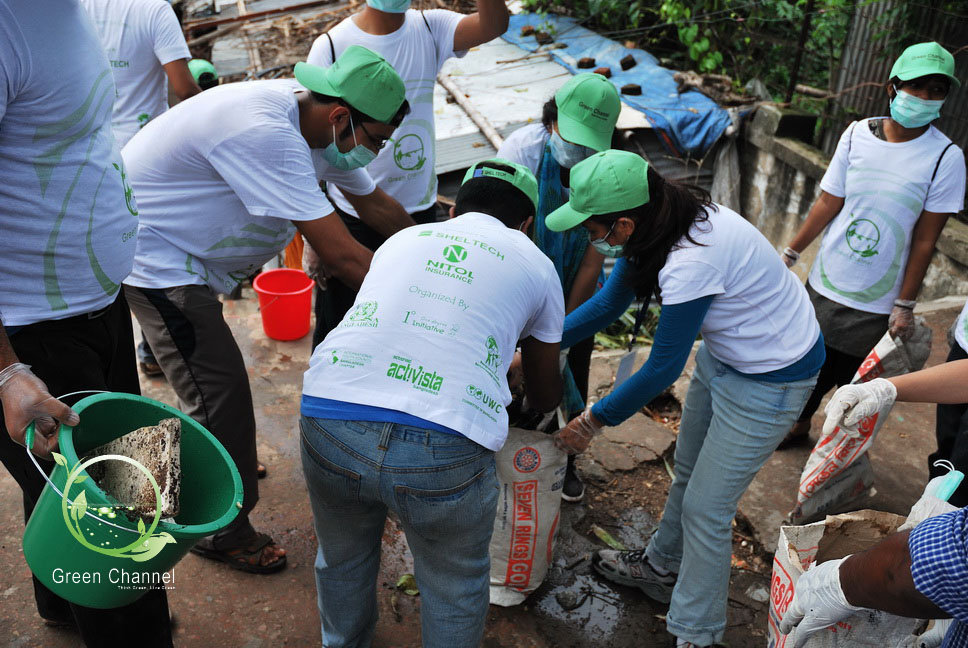
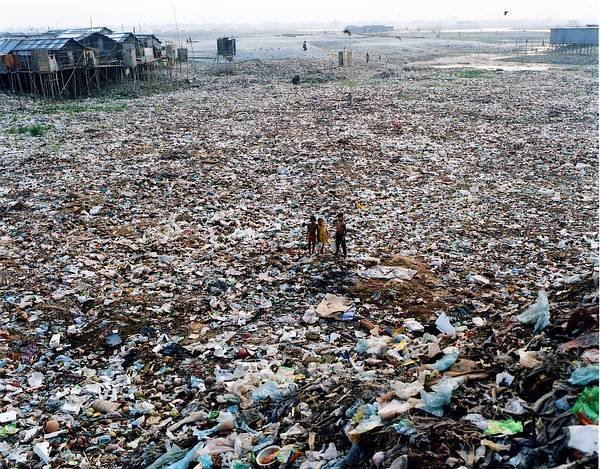
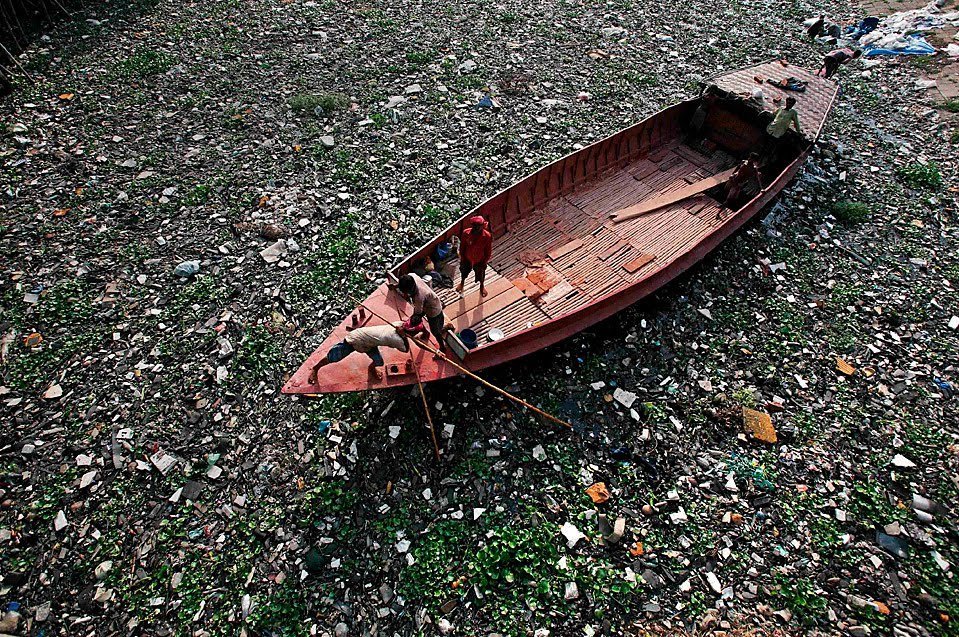
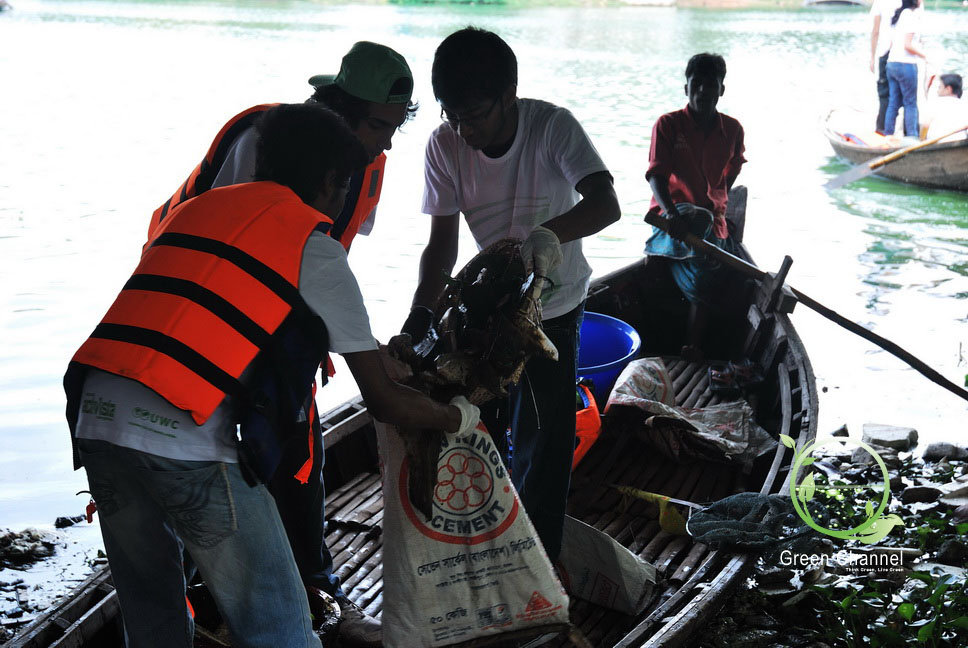
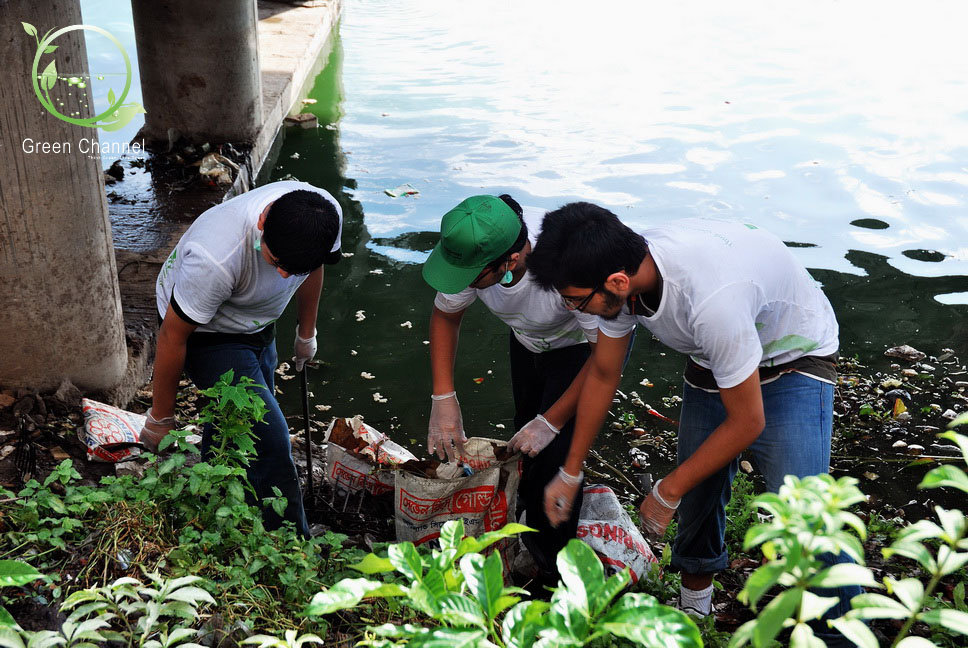
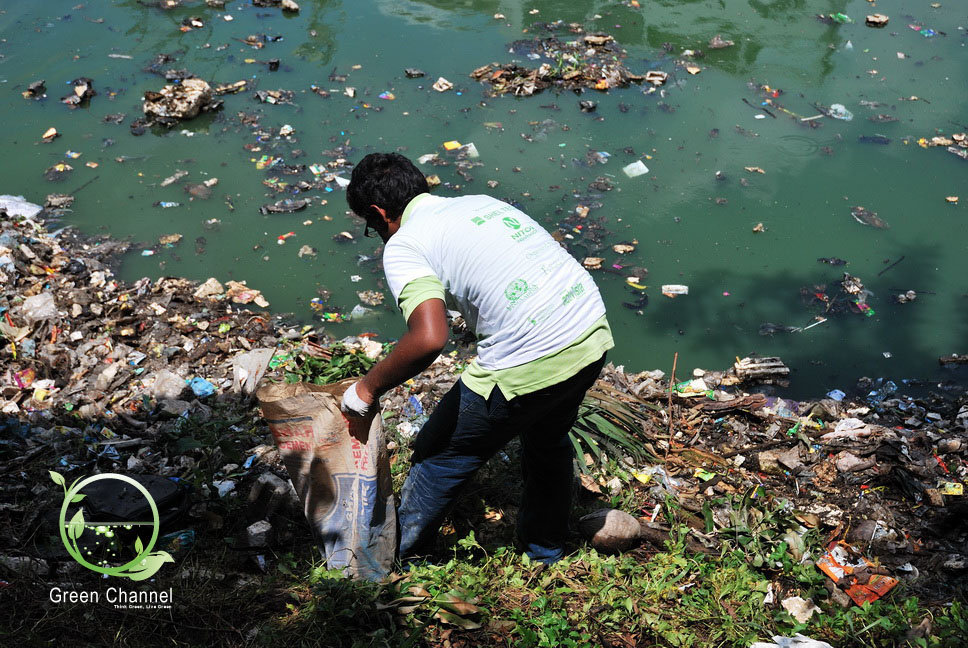
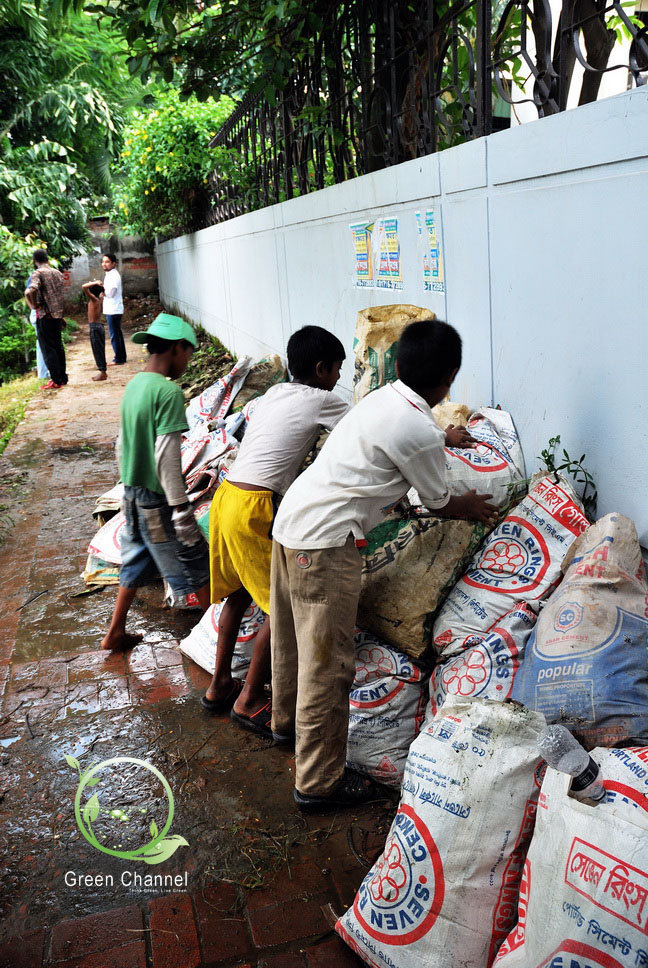
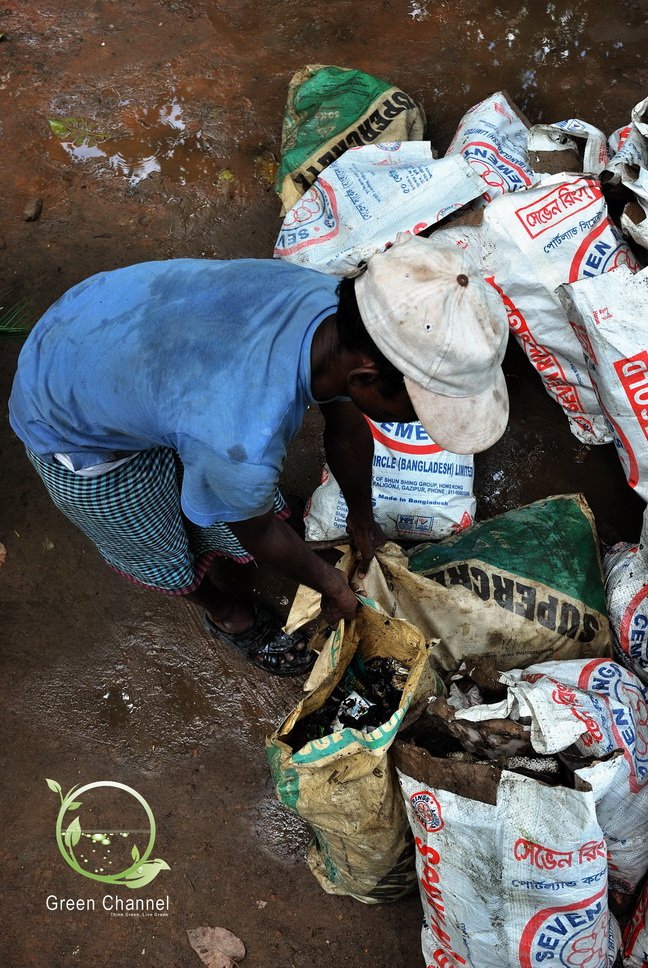
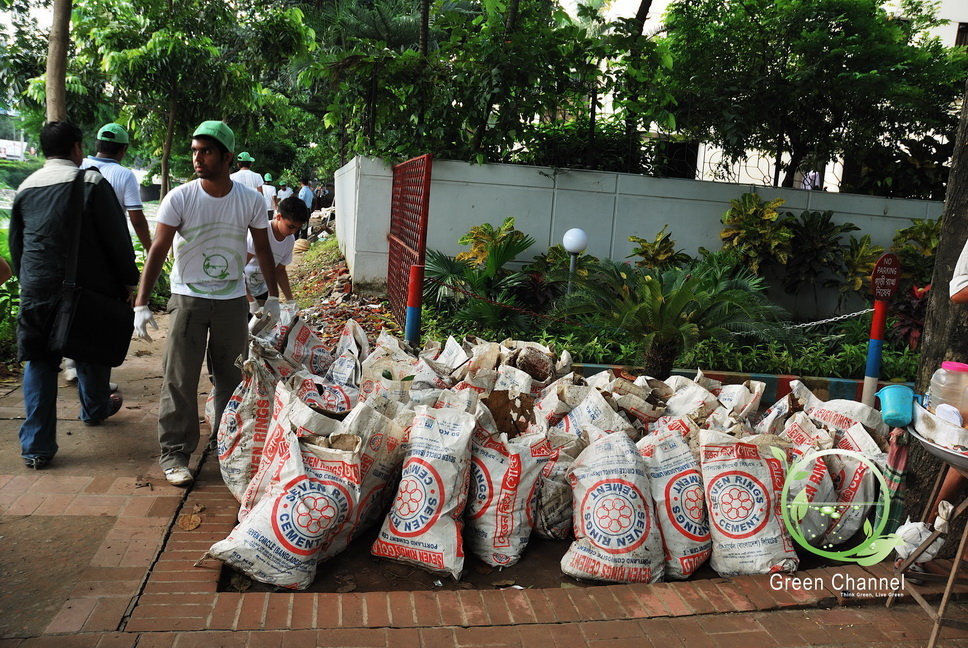
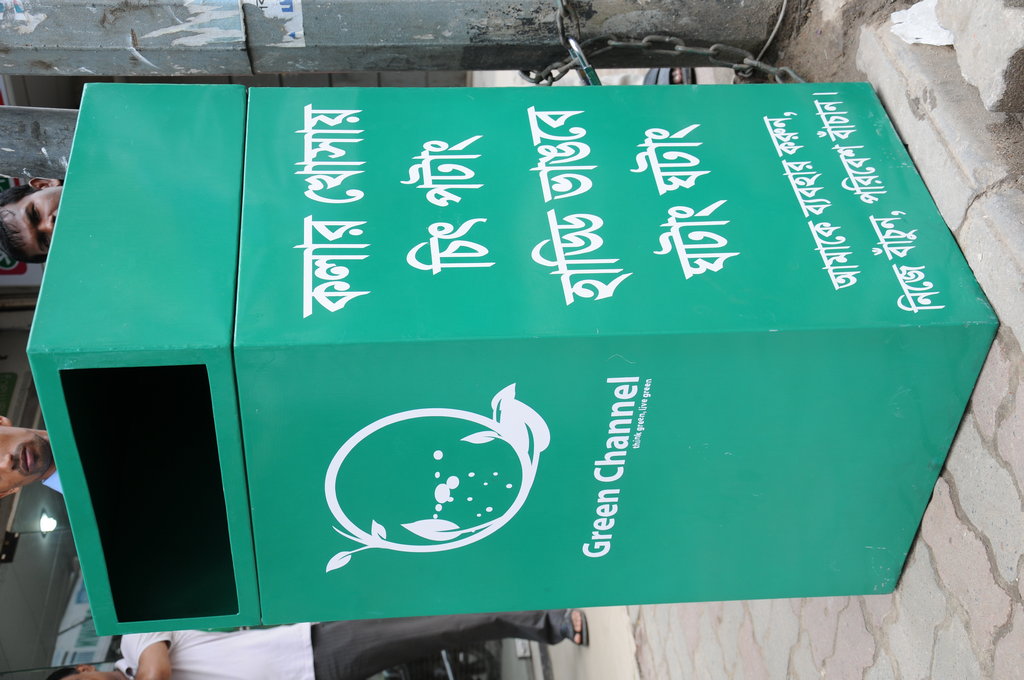
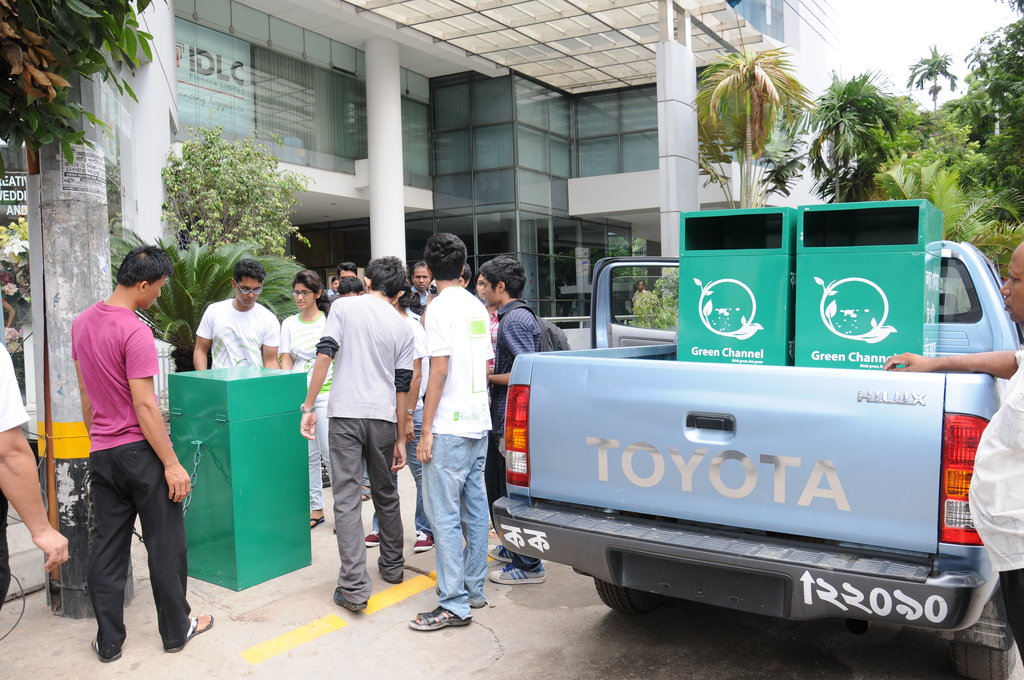
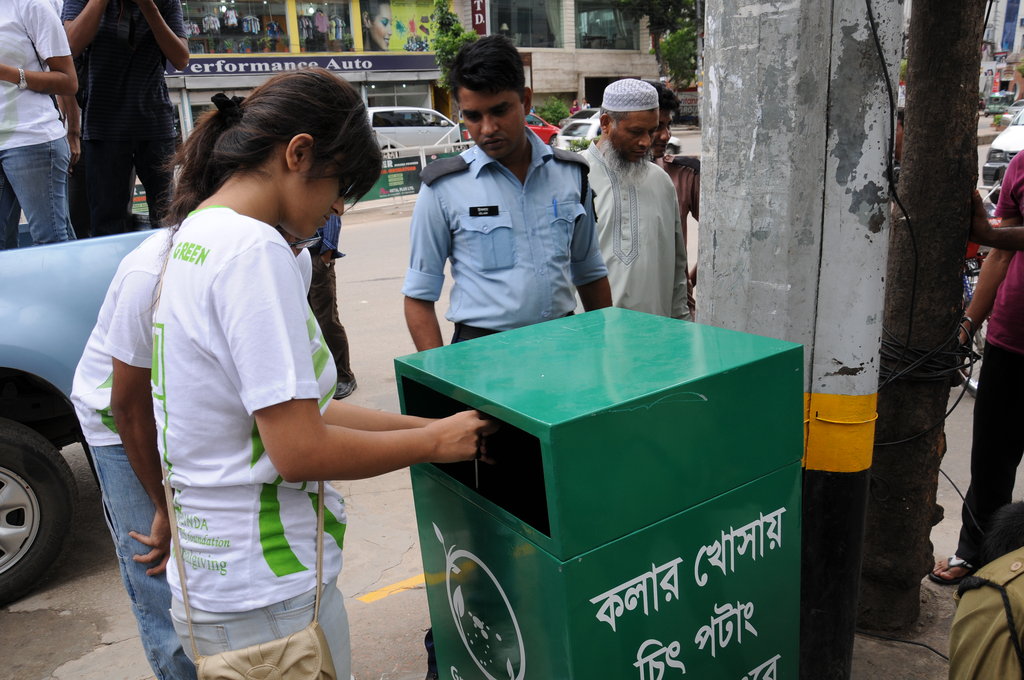
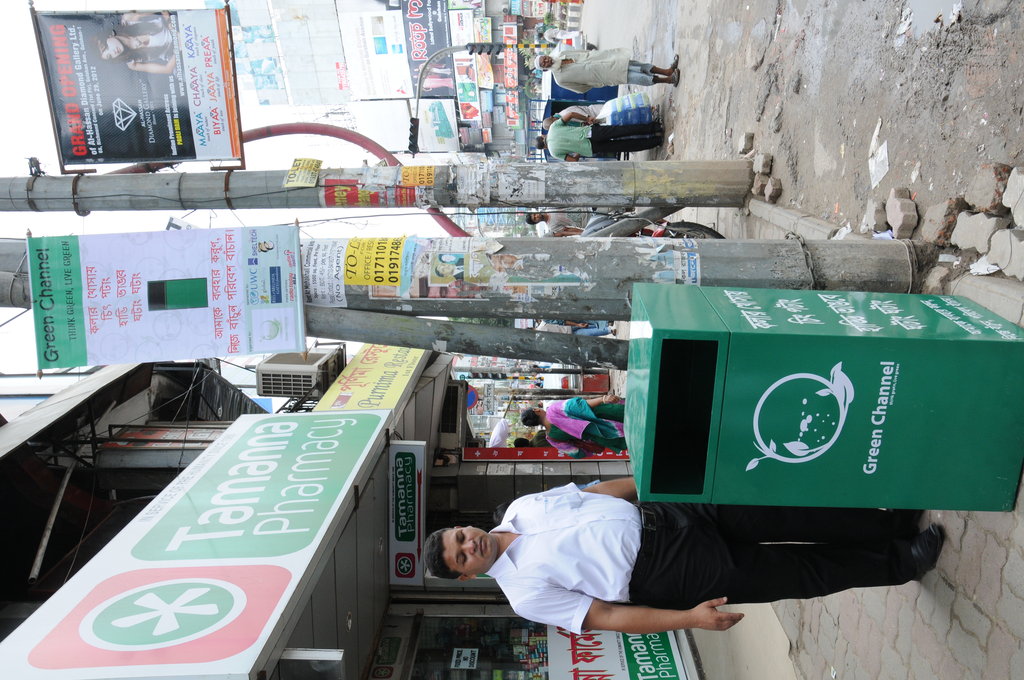
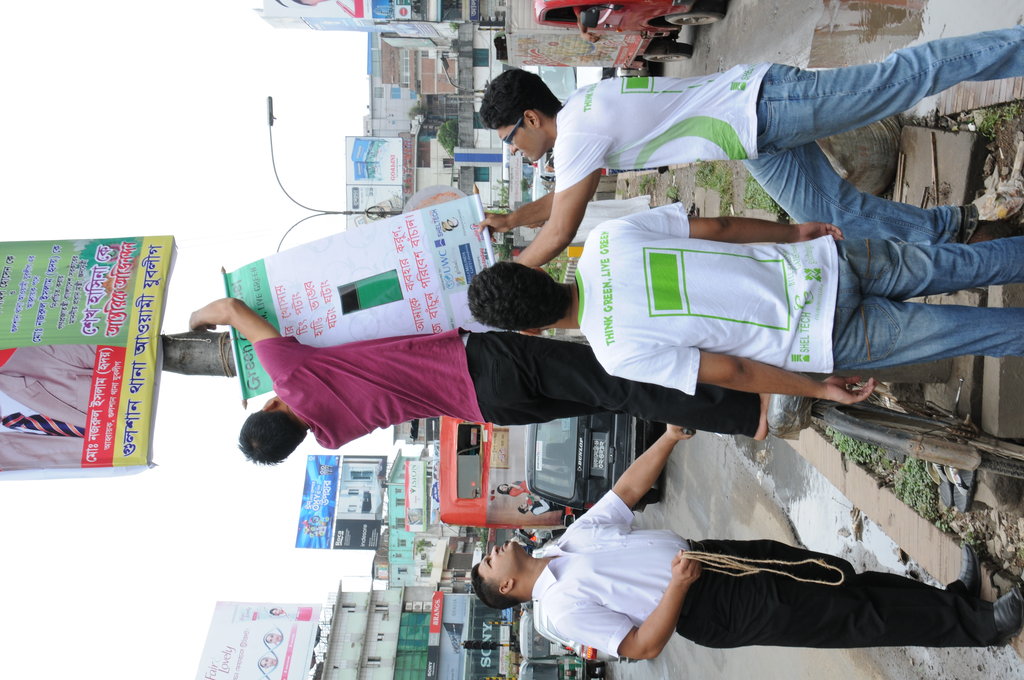
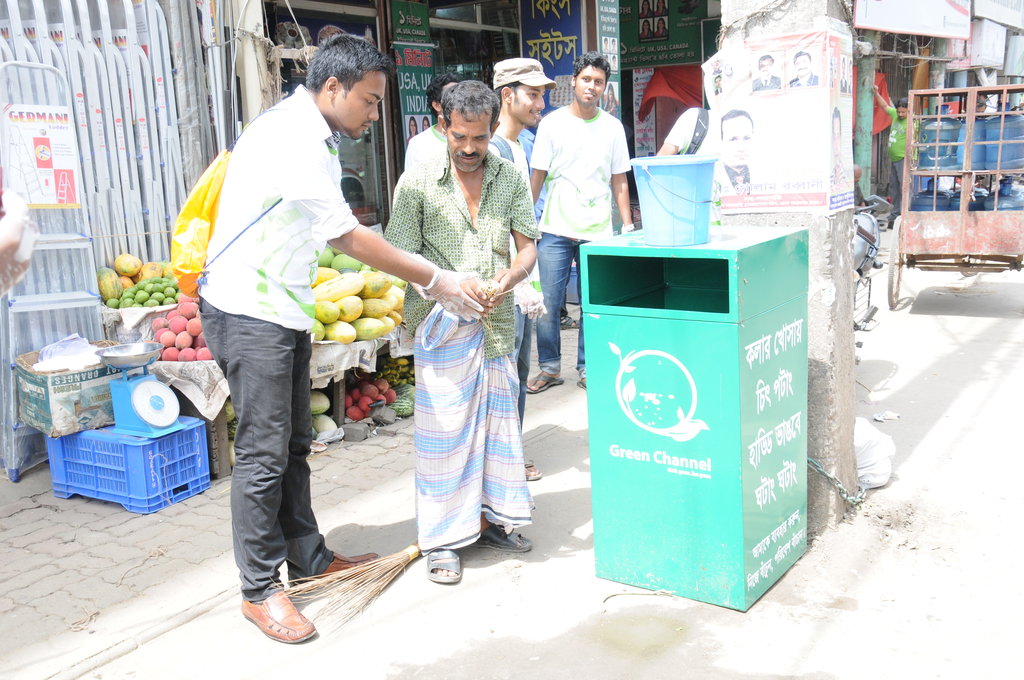
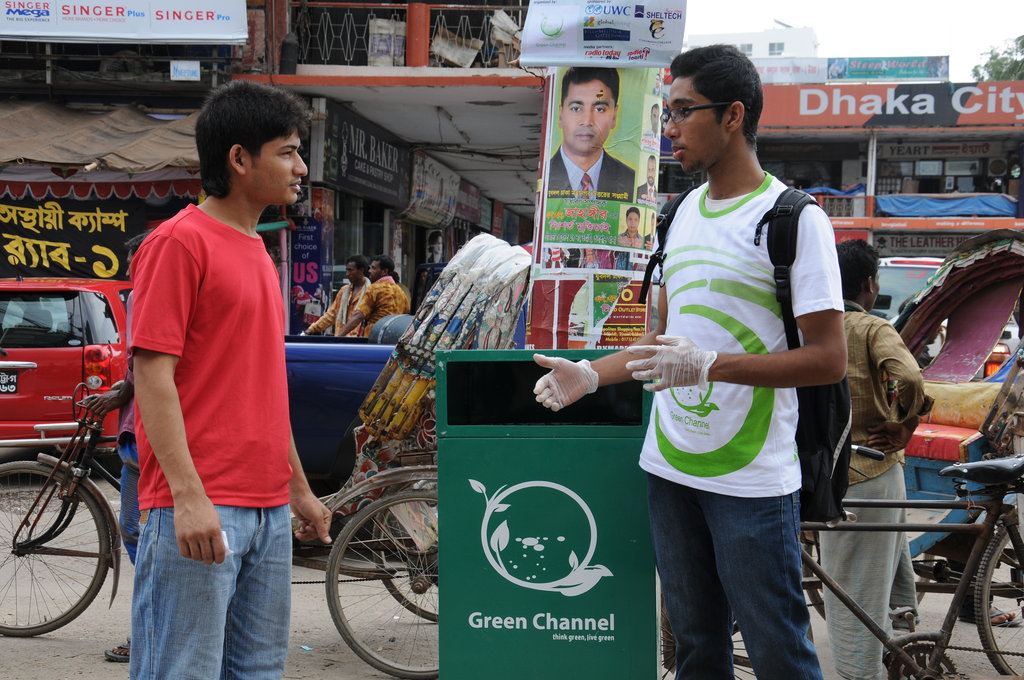
Dhaka city’s waste management system is currently insufficient, with 2500 tons of waste per day or about half the total waste generated in the city remaining uncollected everyday. In order to help alleviate this problem, Green Channel Foundation seeks to research and develop projects in the area of waste management in Dhaka city. After a city-wide anti-littering campaign that focused on raising awareness by setting up trash cans in different areas of Dhaka city, we are now planning on expanding our waste management efforts in three ways, which include:
Biogas Systems
Biogas systems convert biodegradable waste to biogas. We are planning to visit Jahangirnagar University in December. They have a system that supplies biogas to 30 families.
After visiting JU, we aim to:
Waste Segregation
Currently, we are concentrating on segregation as it is a major problem in Dhaka city. We are planning to first start this initiative at Uttara Society and then eventually expand . The Uttara Society Welfare Committee has accepted our idea of starting waste segregation at selected households and to make sure it remains separated outside. Waste will be segregated into four categories: paper, glass, plastic and organic waste. We will be providing separate garbage bins of specific colours and common trash cans outside. We are now waiting to hear back from Waste Concern, a non profit organization that also works on waste segregation, for partnership and cooperation. We plan to publicize this project especially in Uttara through an educational seminar to begin with.
2. Rainwater Harvesting Project
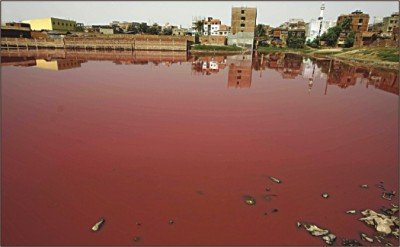
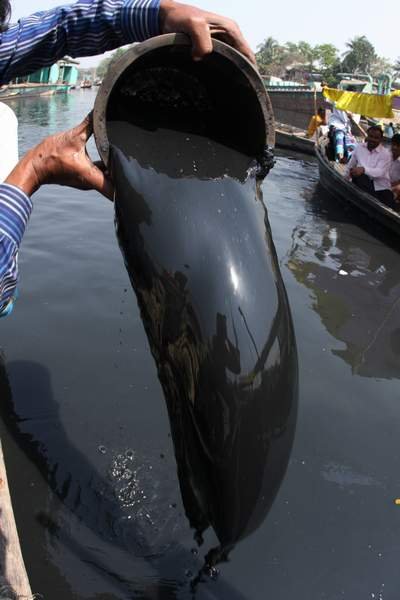
Water scarcity is an important issue in Dhaka city, one of the most densely populated cities in the world. Because of heavy industrial contamination of surface water, about 90% of the water supply in Dhaka city comes from groundwater sources. The excess demand has currently caused the groundwater level to decrease at a rate of three meters every year, already having sunk by 50 meters over the last forty years. In a 2006 report by Dhaka WASA, the water deficit was identified as 500 million liters per day.
In stark contrast to the water deficit, Bangladesh is blessed with an annual rainfall of 2290 mm (100-year average, World Bank 2009). However, natural groundwater recharge from rainfall in Dhaka city is hampered by paved surfaces, up by 344% from 1960. Moreover, surface runoff from paved surfaces contributes to waterlogging and flooding problems in the city.
The aim of this project is to provide solutions for both the water scarcity and waterlogging problem in Dhaka city, by investigating the untapped potential of rainwater as well as methods to recharge groundwater. Different aspects of the project include:
Rainwater catchment system
The rainwater catchment system is supposed to collect rainwater and reduce usage of groundwater. We have talked to Sunbeams School and they have approved the idea of building our first prototype. Our Head of Logistics has come up with the basic design. He is currently working on the schematics for the formal project proposal. Once we have submitted the proposal, we can start building the system.
If the first prototype is successful, we then plan on reaching out to lower-income groups because water shortage has always been a problem for them. In the long run, we want to promote the idea of building a catchment systems all over the city. It is cost effective and it can lower the rate of groundwater depletion.
Reduction of Surface Runoff/ Improvement of groundwater recharge
Aims:
This part of the project is the second phase. We plan on working on it once we have built at least two working prototypes.
Collecting & Testing Rainwater Samples
Over the course of two weeks, samples of rainwater were collected from multiple areas in Dhaka deemed as prospective locations for establishing rainwater harvesting systems. The samples are being tested for pH and impurities to determine whether they are safe for consumption or other plausible uses.
Project reports on GlobalGiving are posted directly to globalgiving.org by Project Leaders as they are completed, generally every 3-4 months. To protect the integrity of these documents, GlobalGiving does not alter them; therefore you may find some language or formatting issues.
If you donate to this project or have donated to this project, you can receive an email when this project posts a report. You can also subscribe for reports without donating.