By Miriam Nakiyaga | Project leader
Project Report: Green and Rewild Degraded Land with Native Trees
1. Executive Summary
The "Green and Rewild Degraded Land with Native Trees" project aims to restore ecological balance by reforesting degraded lands using indigenous tree species. This initiative supports biodiversity, enhances carbon sequestration, and improves soil and water quality while promoting sustainable land use practices and community engagement.
2. Project Objectives
Restore 50 hectares of degraded land over 24 months.
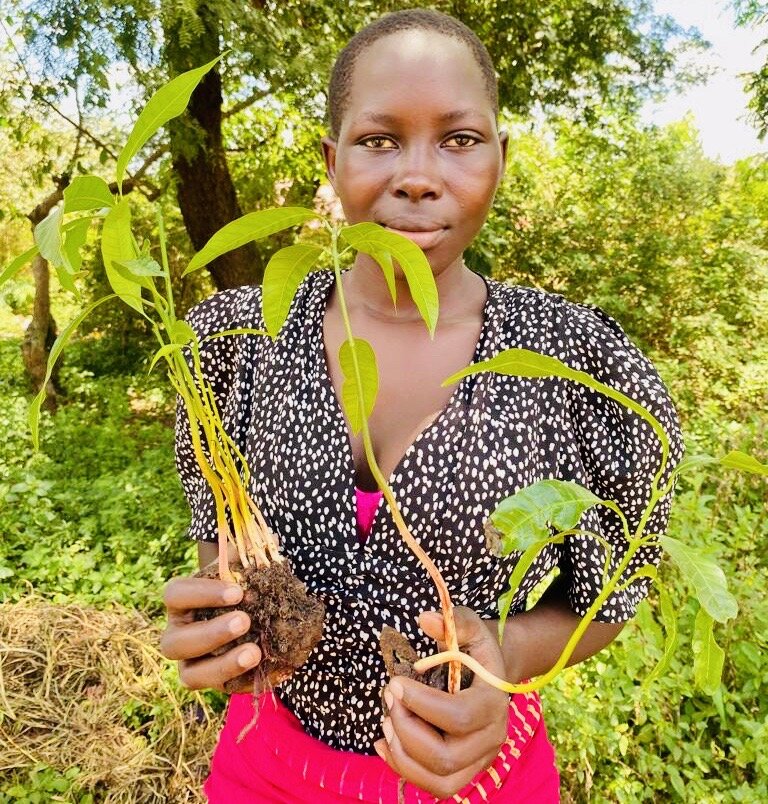
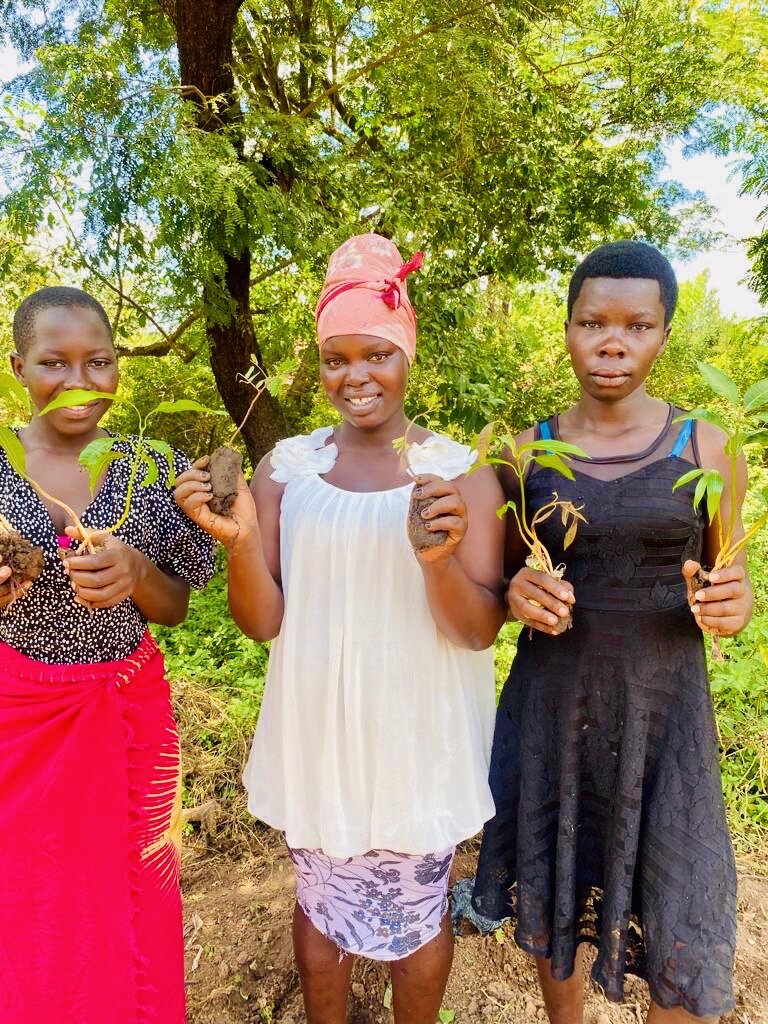
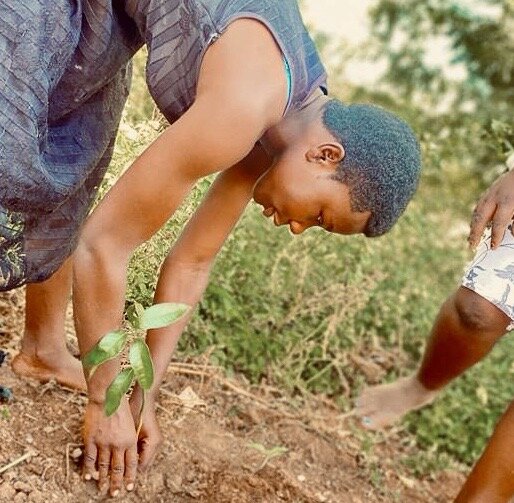
Plant 50,000 native tree saplings to revive native forest ecosystems.
Increase local biodiversity through habitat restoration.
Engage local communities in conservation and sustainable livelihood opportunities.
Monitor and ensure at least an 80% tree survival rate over two years.
3. Project Site Overview Location:
Land Status: Former agricultural or grazing land degraded due to erosion, overuse, or deforestation. Climate and Soil Type.
Biodiversity Status: Critically reduced native flora and fauna due to habitat loss.
4. Methodology
a. Site Preparation Soil testing and mapping Removal of invasive species Fencing to prevent grazing and encroachment
b. Tree Selection and Planting Collaboration with local ecologists to select suitable native species (e.g., Acacia, Ficus, Terminalia, Albizia). Planting during optimal monsoon months to maximize survival rates.
c. Community Involvement Employment of local labor for planting and maintenance. Workshops on the ecological importance of native trees and sustainable land management.
d. Maintenance and Monitoring Regular watering during dry months Mulching and protective measures against pests Survival rate assessments every quarter
5. Outcomes & Achievements (To Date or Projected)
Land Restored: 32 hectares completed in Phase 1 Saplings Planted
34,000 native trees planted with 85% survival at 12 months
Employment: 120 local workers hired seasonally
Community Impact: Formation of 5 local stewardship groups Carbon Sequestration Potential: Estimated 600 tons CO equivalent per year by Year 5
6. Challenges Faced
Delayed rains affecting initial planting schedules
Grazing pressure requiring additional fencing Invasive weed resurgence in some plots
7. Recommendations
Increase buffer zone plantations to further protect core rewilded area Integrate agroforestry systems around the boundary for livelihood support
Establish permanent water sources to support saplings in early growth stages
8. Future Plans
Scale the project to 100 hectares over the next three years
Partner with schools for eco-education and monitoring programs
Seek carbon offset certification to ensure financial sustainability
Project reports on GlobalGiving are posted directly to globalgiving.org by Project Leaders as they are completed, generally every 3-4 months. To protect the integrity of these documents, GlobalGiving does not alter them; therefore you may find some language or formatting issues.
If you donate to this project or have donated to this project, you can receive an email when this project posts a report. You can also subscribe for reports without donating.