By Kelly Brantner | CEO
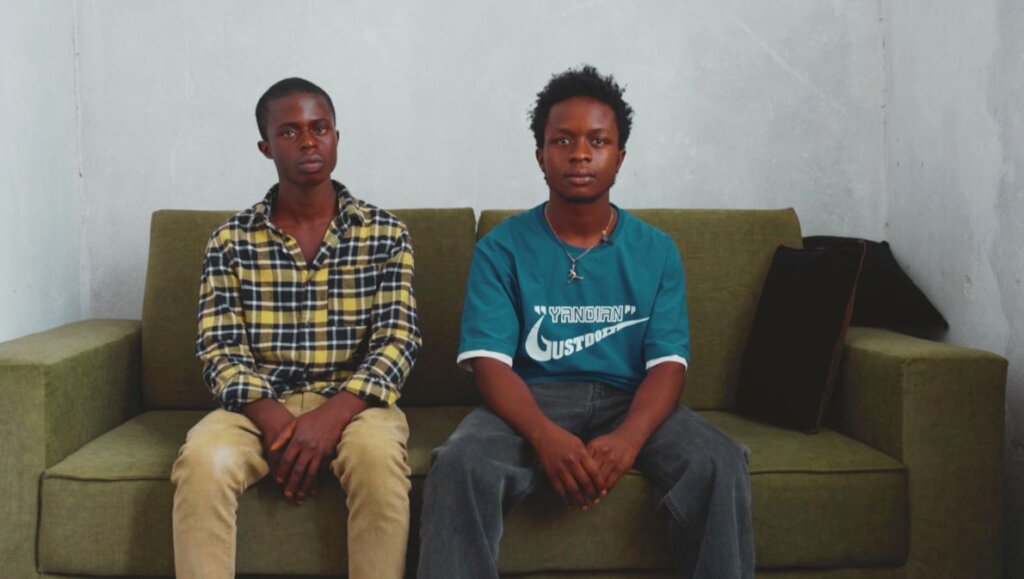
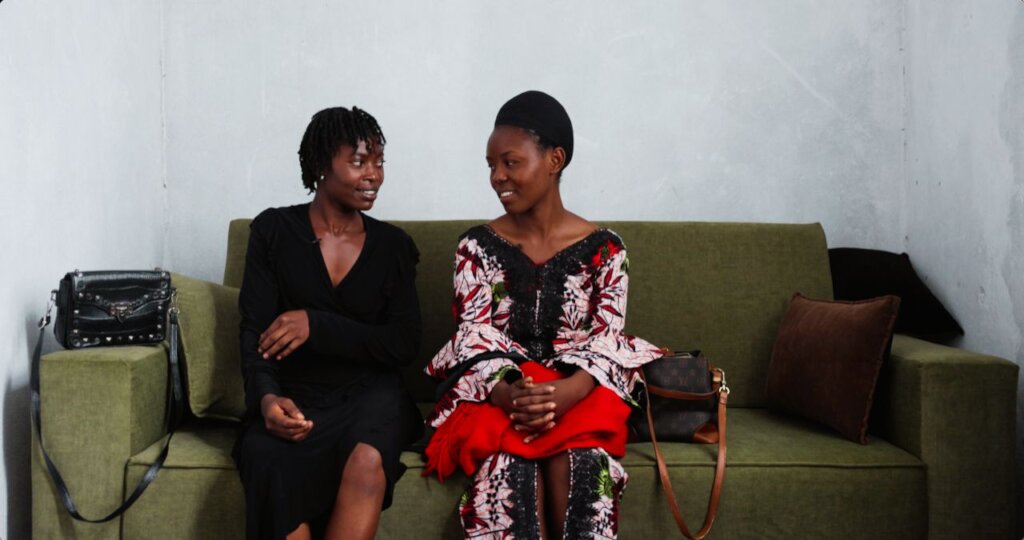
Since our participation in VdR–Industry in Switzerland, NDEGE has continued to open doors, both for the film itself and for the wider work surrounding it.
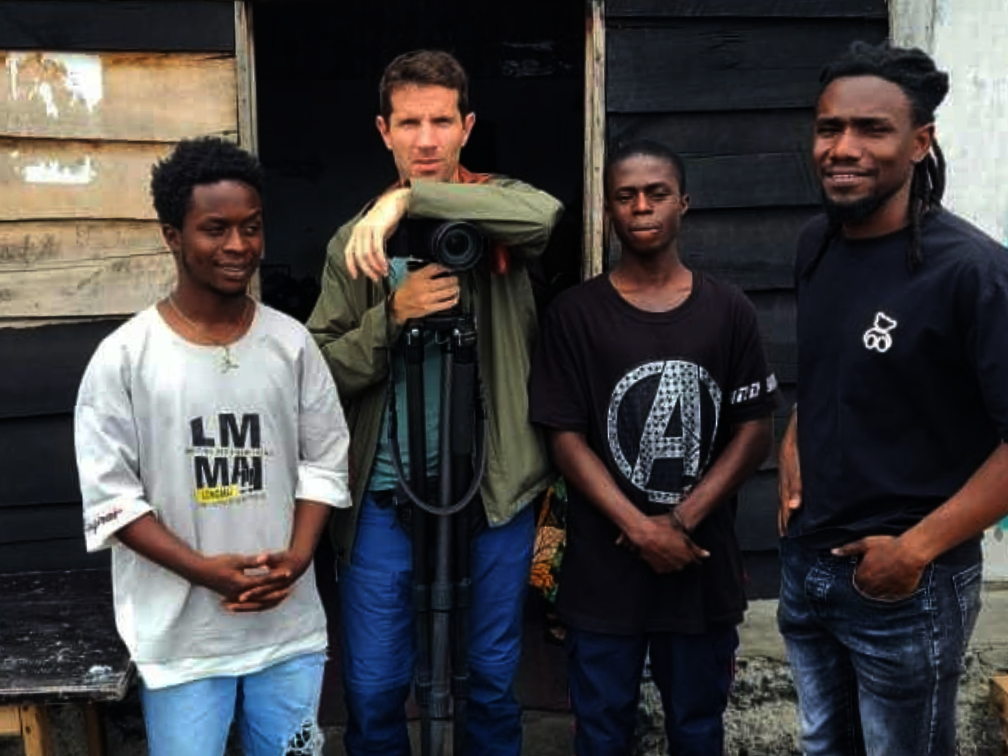
Following the conversations and meetings in Nyon, we have continued discussions with several of the documentary professionals we met. One organisation has expressed interest in exploring the possibility of developing a feature-length documentary that could build on the story and approach behind NDEGE.
Their interest goes beyond producing a film. Their work takes an impact-focused approach, considering from the outset what a documentary hopes to achieve, how that impact can be supported through the production and outreach process, and how its results can be measured. For us, this creates an interesting opportunity to think about how the work begun through NDEGE might develop further.
The current film remains a 30-minute documentary and as we continue working on it, we are using what we learned through VdR and subsequent conversations to consider how the storytelling can be strengthened and how the film can reach the audiences it was intended for.
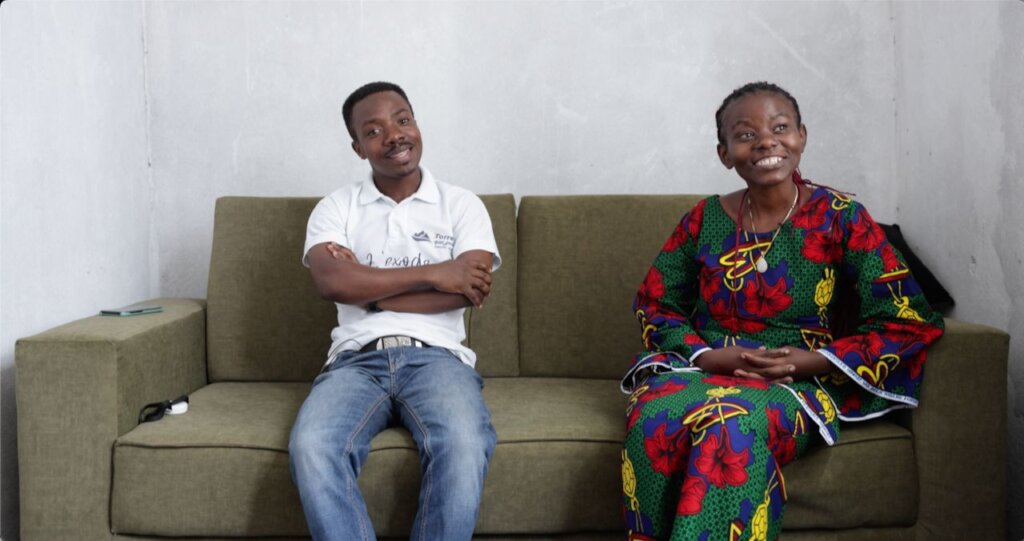
This experience has also prompted us to rethink storytelling more broadly across our work. This summer, that thinking led to a new storytelling project with our high-school intern, who has interviewed a number of the nonprofit organisations we work with, as well as the director of NDEGE. His questions and perspective are naturally different from those of us who have been involved in this work for many years, and that difference has been valuable. It has encouraged us to look at our work, our partners and the stories we tell from a younger perspective, and to consider how we can make those stories more engaging and meaningful to new audiences.
From the Screening Room to Goma
We also held a private, invitational screening of NDEGE and fundraiser in Lethbridge, Alberta. The event gave supporters an opportunity to see the film and learn more about the young people and community at its centre, while also helping generate practical support for work in Goma.
Through the event, BBS received donations to support the shipping costs for hotel linens donated by Quality Inn & Suites in Lethbridge. The linens were no longer being used by the hotel and were made available to BBS for repurposing through our Threads of Transformation work.
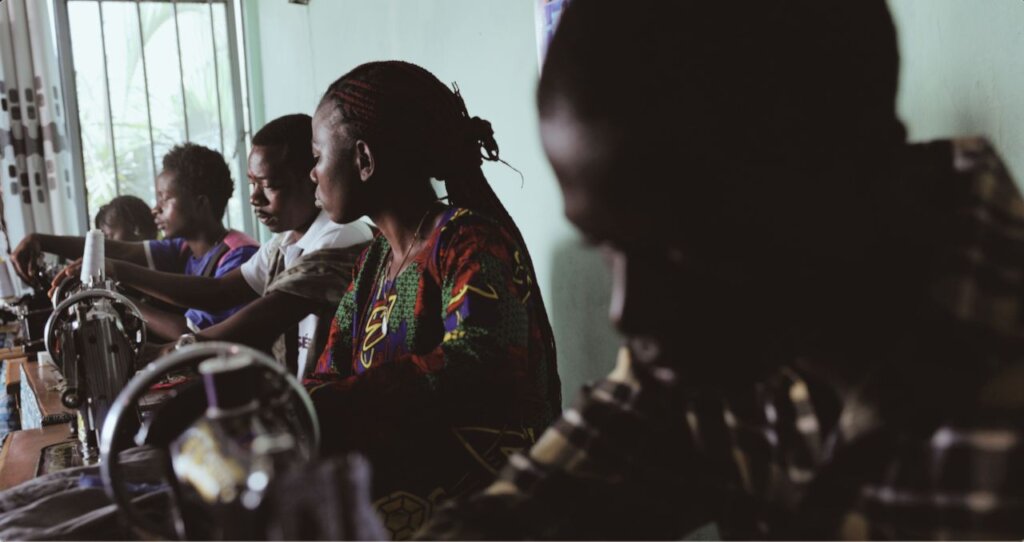
In Goma, the linens were used in a pilot project to create school uniform shirts for kindergarten-aged children. School uniforms are mandatory, making access to suitable uniforms an important practical need for families.
There is a particularly meaningful connection to NDEGE, as some of the apprentices featured in the film were among the volunteers who helped make the shirts. Giving back and paying forward the support they themselves had received was important to the apprentices, and their willingness to contribute to something that would benefit children in their community brought another dimension to the project.
This is also a great example of the BBS philosophy of giving. It brought together different forms of support: a local business provided materials that were no longer being used, supporters at the screening helped generate funding towards the cost of getting those materials to Goma, and young people connected to NDEGE volunteered their time and skills to transform them into something useful for children in their community. For BBS, giving is not only about financial donations. It is about finding ways to connect resources, skills, relationships and people so that something that is no longer needed in one place can become valuable somewhere else.
Together, these developments reflect two different ways that NDEGE is continuing to create opportunities. The film is generating new conversations within the international documentary community, while the relationships and activities surrounding the project are also contributing to practical initiatives on the ground in Goma.
We are grateful to everyone who has supported NDEGE and helped us reach this stage. The film continues to evolve, and we look forward to sharing more as we develop the next cut and explore the possibilities emerging from the project.
Project reports on GlobalGiving are posted directly to globalgiving.org by Project Leaders as they are completed, generally every 3-4 months. To protect the integrity of these documents, GlobalGiving does not alter them; therefore you may find some language or formatting issues.
If you donate to this project or have donated to this project, you can receive an email when this project posts a report. You can also subscribe for reports without donating.



Support this important cause by creating a personalized fundraising page.
Start a Fundraiser