By Julie Ivy | Director of Individual Giving
Dear Donors,
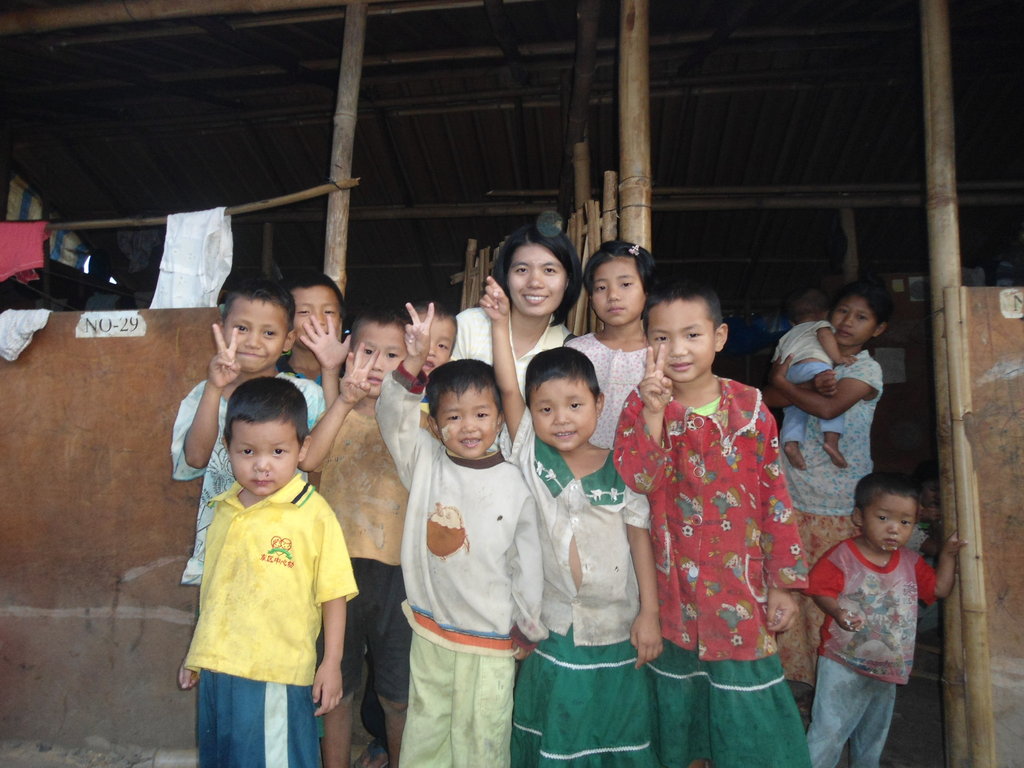
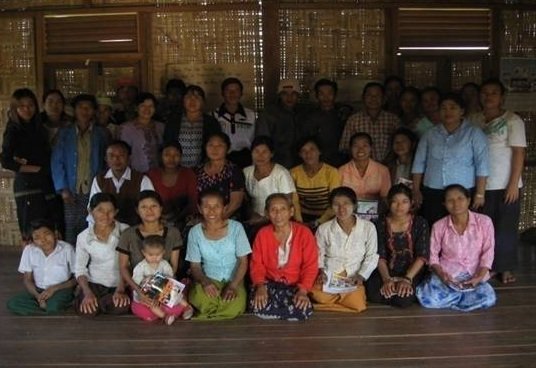
Thank you so much for your kind support of GlobeMed at Dartmouth! Your generosity will make possible the implementation of a school health education program and a community health outreach campaign for Kachin victims of ethnic conflict in Burma.
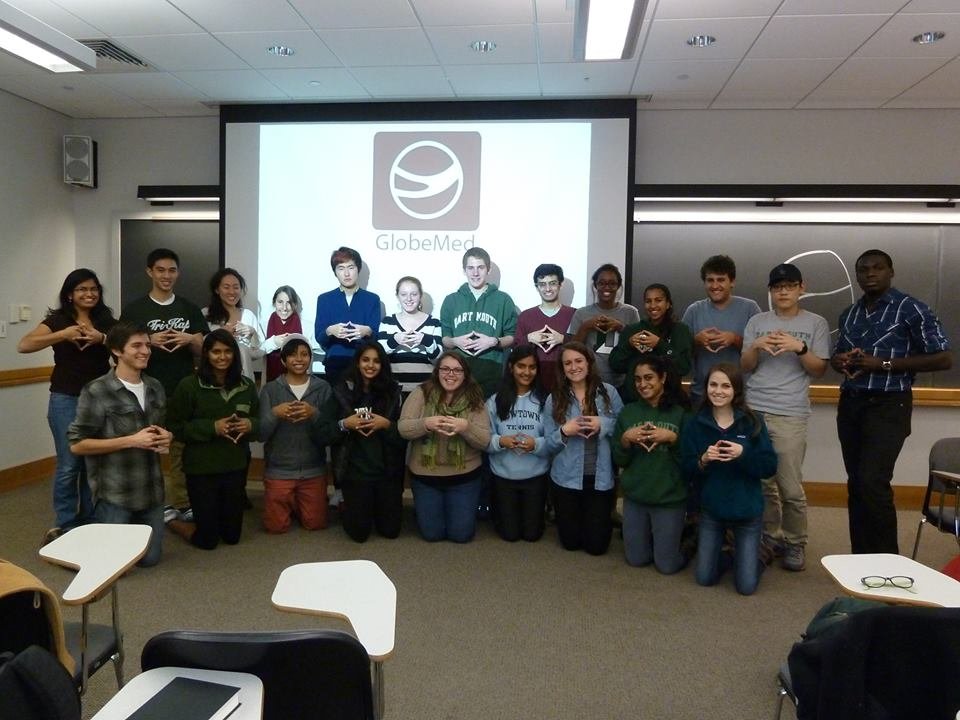
Over here at Dartmouth, we’re excitedly preparing for our yearly Benefit for Burma dinner. Guest speaker Dr. Lisa Adams will present on her global health work in Rwanda and Dr. Margo Krasnoff will explore cultural competency in the Americas. This dinner will be a great opportunity for GlobeMed to spread awareness about the conflict in Burma, about our partnership with the Kachin Women’s Association Thailand (KWAT), and about global partnerships in general.
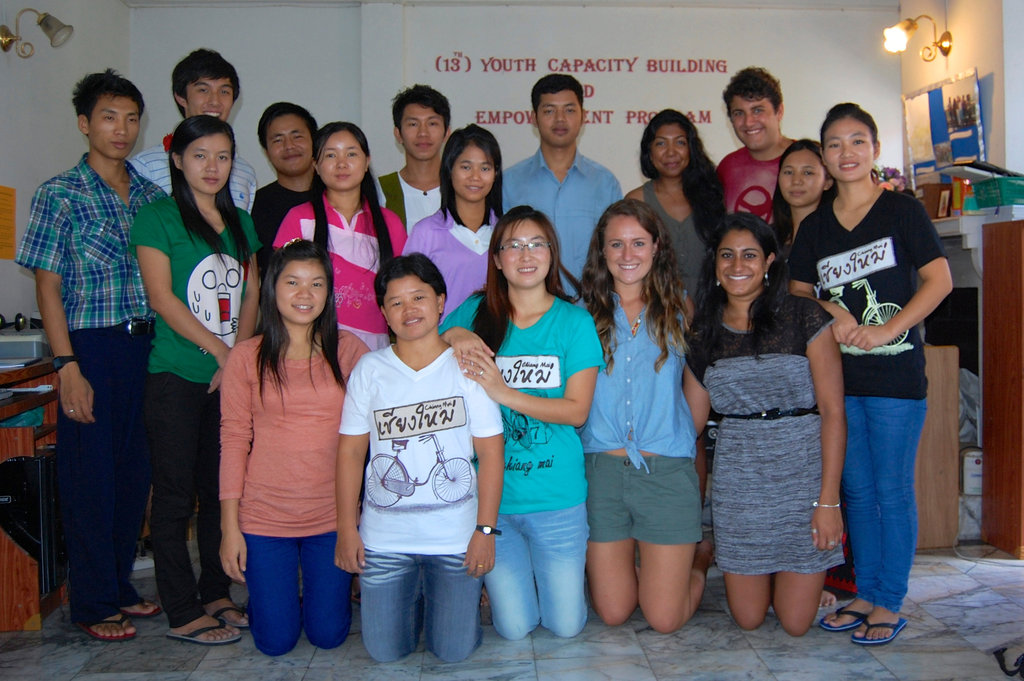
During our regular communications with KWAT, we’ve asked our contact, Mai, a few questions that GlobeMed members came up with. I’m sure some of you have had the same questions, so I’ve included two of her responses here, and you can find the full exchange at a link below.
What are the origins / what is the history behind the formation of KWAT?
In Burma the military regime has been in power for several decades, resulting in armed conflict with the various minority ethnic people including the Kachin, who occupy the northernmost state on the China border. The Kachin Independence Army was the first to negotiate a ceasefire with the junta in 1994 but promises of investment in the infrastructure in Kachin State have not been realized. Instead, the military regime has authorized and benefitted from large-scale extraction of Kachin’s natural resources – timber, gold, jade and HEP – and these benefits are not shared with the Kachin people. Mismanagement of the economy, the prioritizing of military expenditure over public services, spiraling costs of basic commodities as well as schooling and medical care, are making it increasingly difficult for people to survive so many Kachin people, mainly young men and women, have left their homeland and scattered to foreign countries.
The number of Kachin people coming to Thailand is growing year on year and the social and economic problems in the Kachin community have also increased accordingly. Recognizing the urgent need for women to organize themselves to help solve these problems both in Kachin State and in Thailand, five far-sighted women formed the Kachin Women’s Association Thailand (KWAT) in Chiang Mai on the 9th September 1999.
Have you ever become particularly emotionally invested in one of the survivor’s stories?
We have many true stories but here is one. A 23 days old baby was in the jungle for 2 days crying all days and nights because his mother was shot and dead by Burmese soldiers while they were fleeing. So this baby was picked by his father after two days and the baby was still alive but need extra medical care. His body was all sun burned and turned dark. Our clinic had taken care of this baby for three months. His father cried a lot whenever he saw the baby. So our clinic nurses keeps and take care of the baby in the clinic. At nights, the baby slept with one nurse after another. The baby never slept when he was not hug. Now this baby is in good health and staying with his adopted parents.
I hope this gives you a better idea of the wonderful organization that you have been supporting. Thank you again so much!!
Sincerely,
Julie Ivy and the GlobeMed at Dartmouth Members
Links:
Project reports on GlobalGiving are posted directly to globalgiving.org by Project Leaders as they are completed, generally every 3-4 months. To protect the integrity of these documents, GlobalGiving does not alter them; therefore you may find some language or formatting issues.
If you donate to this project or have donated to this project, you can receive an email when this project posts a report. You can also subscribe for reports without donating.