By Marc Maxson | GlobalGiving staffer
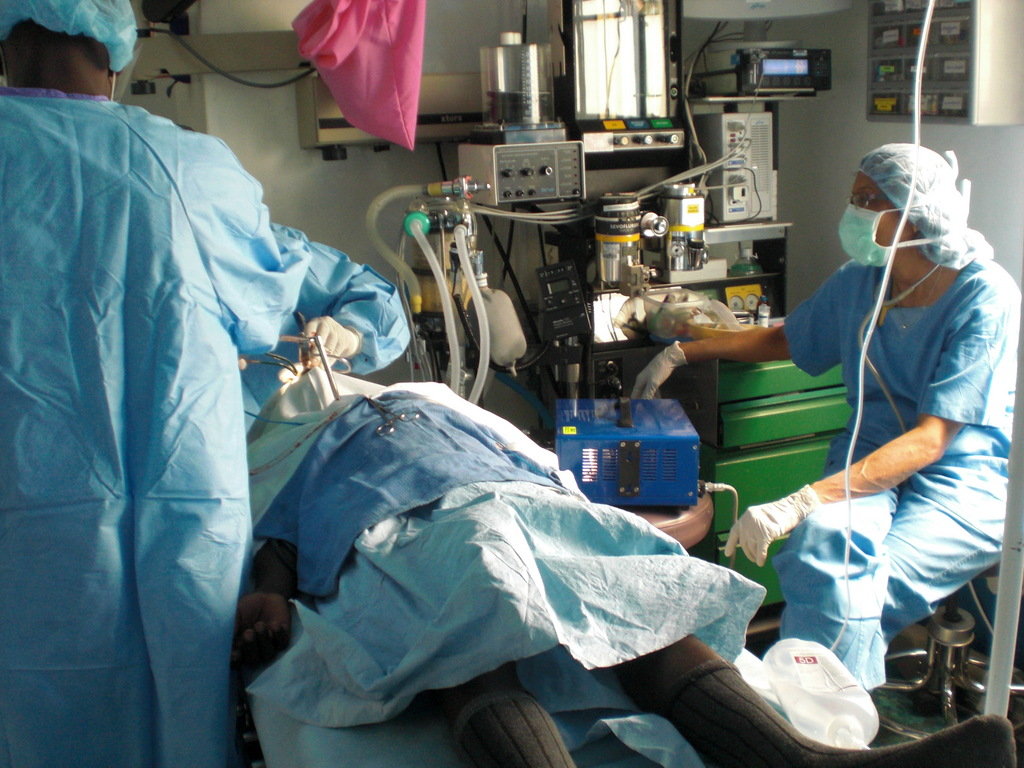
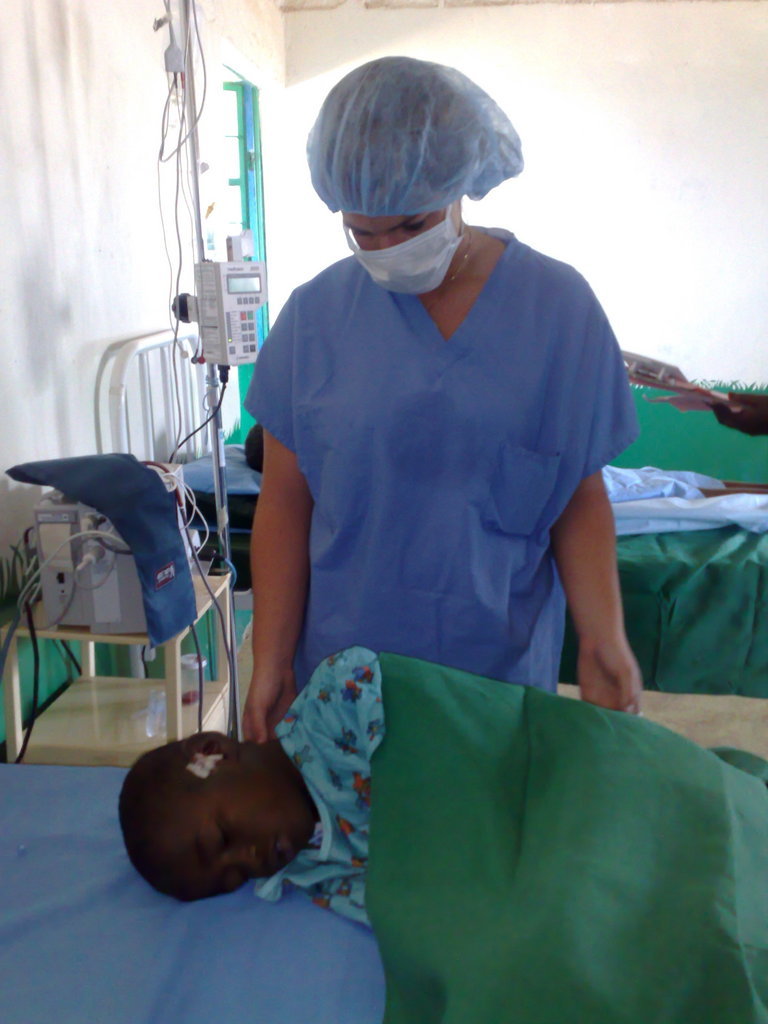
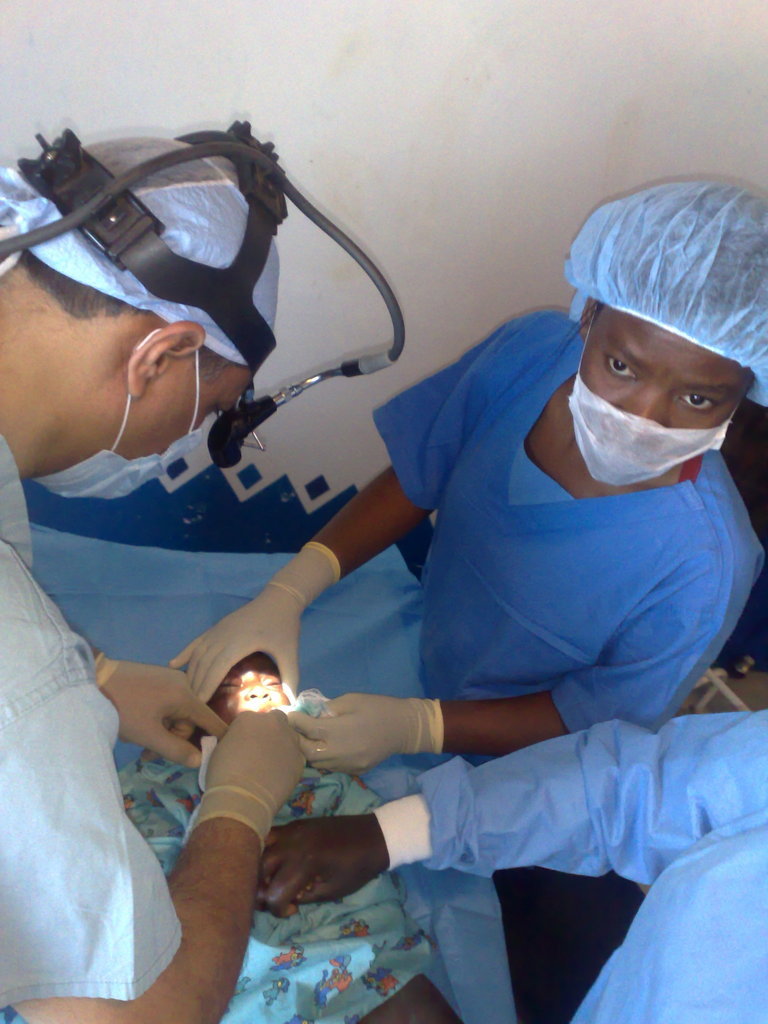
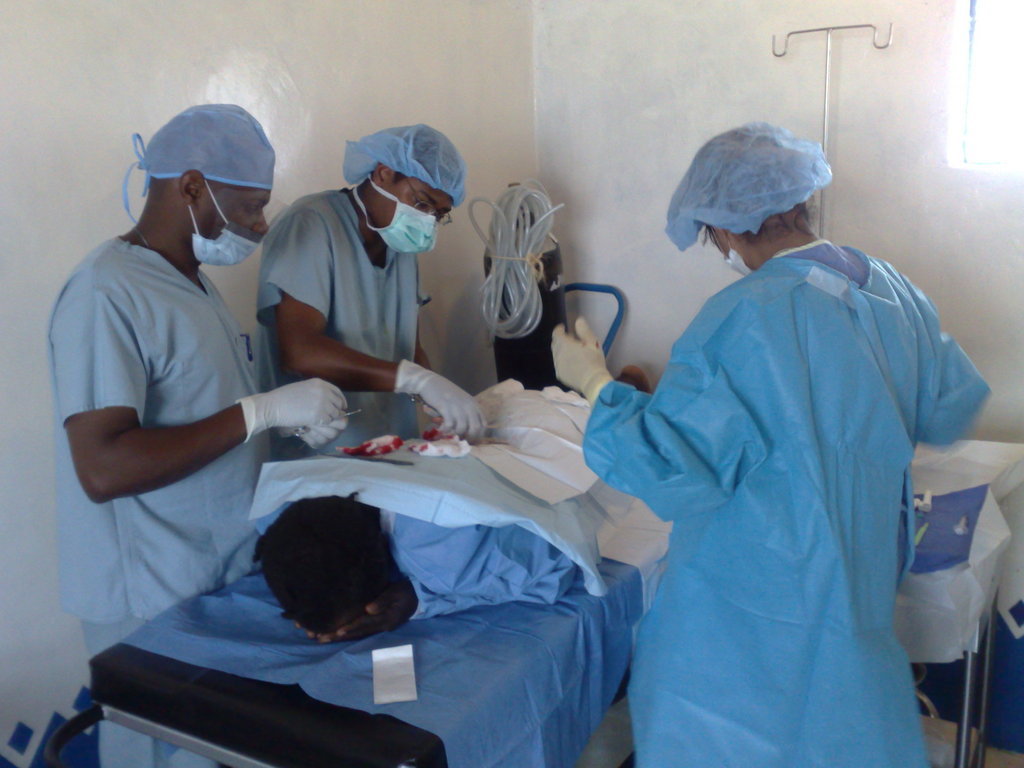
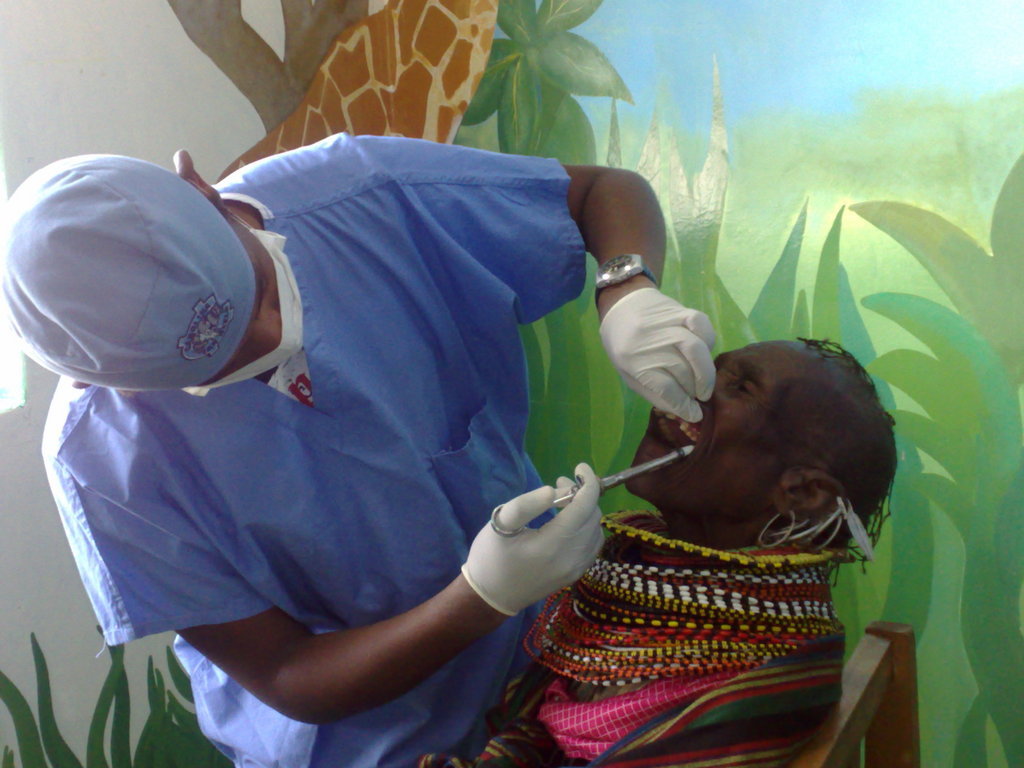
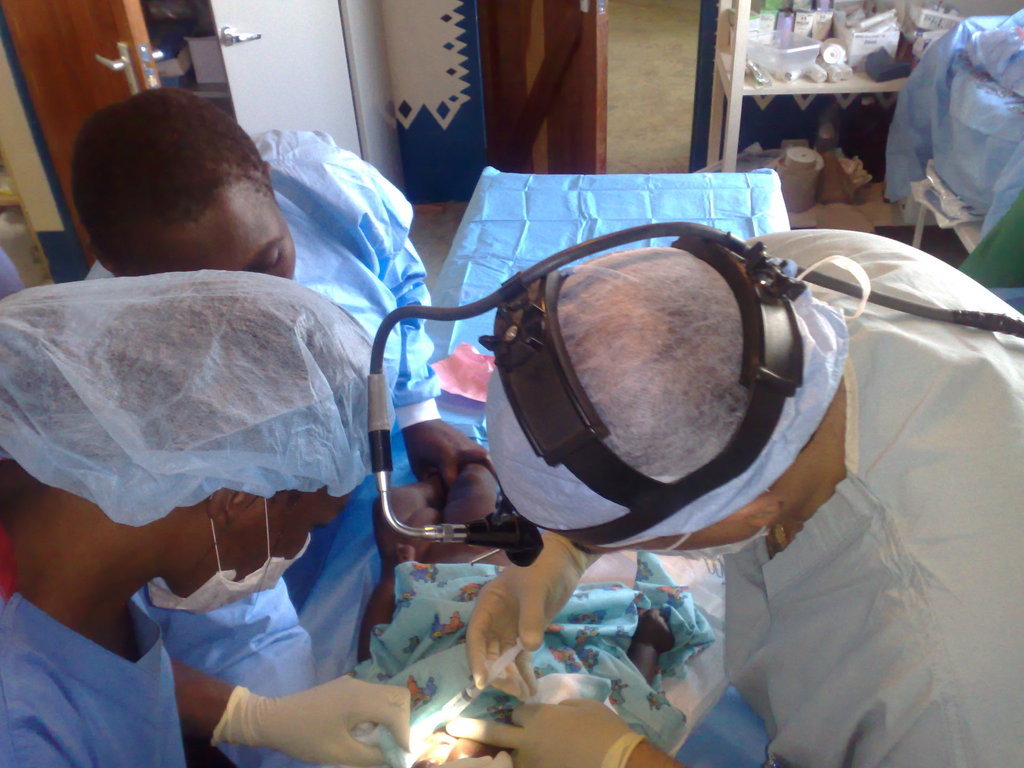
We arrived at Karen Hospital in the outskirts of Nairobi. “Do you want to scrub in?” Stacy asked, being serious. I declined, but we put on clean shoe covers and crossed the red line in the surgical theatre to see Dr. Patel at work, installing a pacemaker into an elderly man that had been donated through FICS. From behind a glass barrier we watched. In front, a line of flat screens and laptops buzzed and beeped, feeding back ECG data to the crowd of 7 people hovering over the patient. Stacy, who just joined FICS two months ago, started rattling off the names present. “There – that’s the chief cardio surgeon. And there’s the CEO of the hospital. And I think that guy is the president’s own doctor. That doctor flies up from South Africa every time Patel comes." Three or four residents watched as Patel explained to them what he was doing. Frequent CT scans flashed by, monitoring the movement of the catheter as the team positioned the electrical probe that would keep this man’s heart beating for another ten years. “Is that my favorite Stacy’s voice I hear?” Patel shouted from across the room. Somehow, heart surgery and small talk have always been compatible. But a few minutes later seriousness entered Patel voice as the patient’s heart rate took a dive. “Heart rate? Systolic?” He barked. “Get me more images. And stabilize that drip!” It was ER. “Yesterday I scrubbed in and watched as he installed another pacemaker into an elderly woman,” Stacy whispered. “I was about to collapse. In the middle, the patient died for three minutes. I actually watched them bring her back to life.” Stacy spoke not with excitement, but with relief. He’d met the woman and her family several times that week. “I don’t think I could handle telling the family that she didn’t survive, not after we’d gotten so close.” Just the day before, Stacy was telling me on the phone how he wanted to be a doctor. But after shadowing Dr. Patel for a few days, riding the rollercoaster of emotions, and surviving the non-stop hours of surgery, he’d changed his mind. This is what FICS is all about. It began as a family operation of Kenyans of Indian descent who’d moved to Minnesota, became doctors, and found a way to give back to the homeland. It’s exciting to see Stacy’s passion for their mission to deliver medical supplies and services to Kenya. I can see this is a challenging place to practice medicine. Dr. Betty, the hospital CEO who is also a pediacardiologist, explained that there are only five places one can go for heart surgery in East Africa. At another hospital in Nairobi, Kenyatta Hospital’s cardiac doctors have been sitting idle for over 2 years, all because of a broken Phillips brand catheter machine. Dr. Betty spoke with passion. "Here at Karen, outcomes are everything. We try to work with people who share that vision." Stacy chimed in, "“That’s what I like about Dr. Patel, you know, ‘cause he was born here, he’s got family here. He has a passion for Kenya. You have to have that. For some people it’s a vacation, or maybe they’re trying to make some money..." This hospital and this organization impressed me as a good fit. However, sterile technique continues to worry me in Kenya. As a neuroscientist in a lab, I’d worked under sterile conditions. I was shocked at how often I had to stop the people who had scrubbed in from trying to shake by dirty, bacteria-covered hands. At least none of those were sticking their hands in the patient's heart. “I’m not being rude,” I explained, “I’m saving your patient’s life.” Hospital-transferred infections kill more people in hospitals than any other disease in the USA. I only point this out to remind us all that we have a ways to go yet in Kenya. Even Stacy was a little shocked at my science-lab-standard behavior. “Marc, if you only saw how dirty the other hospitals were, you would be really shocked!” Stacy said. True, and it makes me sad and angry. Why should a scientist know more about sterile techniques than a doctor? But aside from that, I think FICS and Karen Hospital appeared to be providing exceptional medical care in a place where people simply cannot afford it.
Project reports on GlobalGiving are posted directly to globalgiving.org by Project Leaders as they are completed, generally every 3-4 months. To protect the integrity of these documents, GlobalGiving does not alter them; therefore you may find some language or formatting issues.
If you donate to this project or have donated to this project, you can receive an email when this project posts a report. You can also subscribe for reports without donating.