By Bernadette Martin | Engagement Manager
URGENT NEED
Today, 50 million people are facing starvation (U.N., 2022). That is an unprecedented number of mothers, daughters, fathers, and sons who are without food. Conflict, extreme weather, COVID-19, and rising costs are making matters worse by causing even greater food and labor shortages, forcing global hunger to rise. World Vision is responding to children and families impacted by the global hunger crisis. By providing food and other necessary support services, we help strengthen families and rebuild hope.
OUR RESPONSE
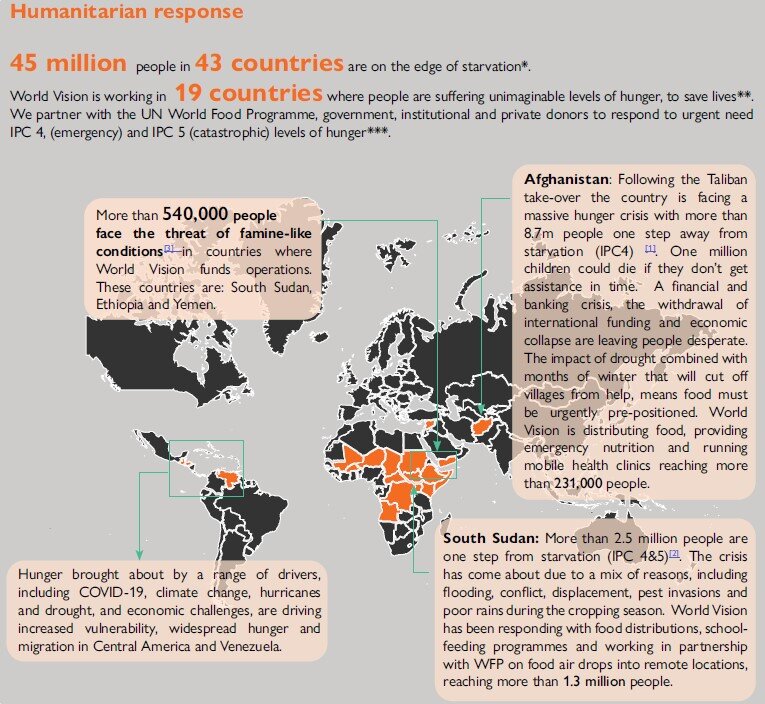
At World Vision, we believe that every person has a right to a life filled with hope, promise, and well-being. This belief drives our global hunger response. We are providing life-saving essentials to 22 million children and adults in25 countries hardest hit by food-insecurity (see map below). And this we know: Our strategic global hunger crisis response will work. Over the last 10 years, using our carefully developed emergency response strategy, 89% of severely malnourished children receiving support services and treatment by World Vision made a full recovery. Our services include (but are not limited to):
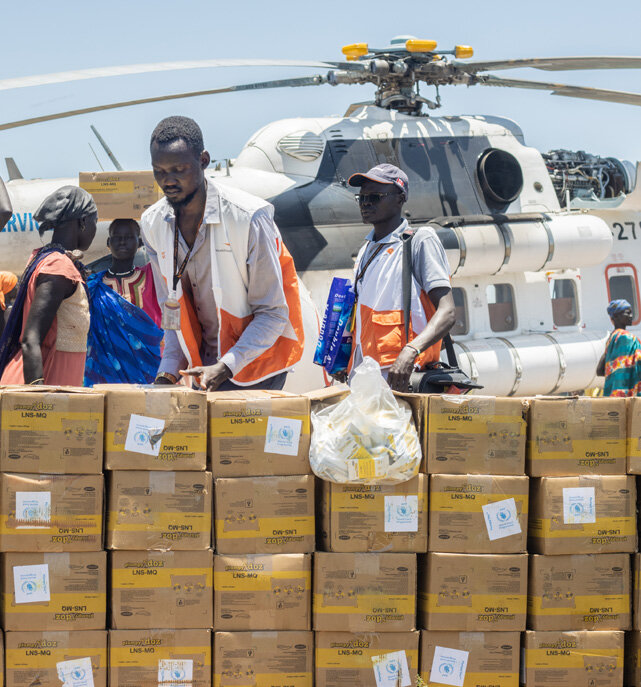
Emergency food: We provide food aid to make sure children and families get essential nutrients during a time of crisis. Also, we help families strengthen and improve their ability to produce or purchase their own food.
Water, Sanitation, and Hygiene (WASH): Depending on need, we provide access to water points, toilets, bathing and laundry facilities, and hygiene promotion activities to ensure children and their families stay healthy.
We also provide vulnerable families with:
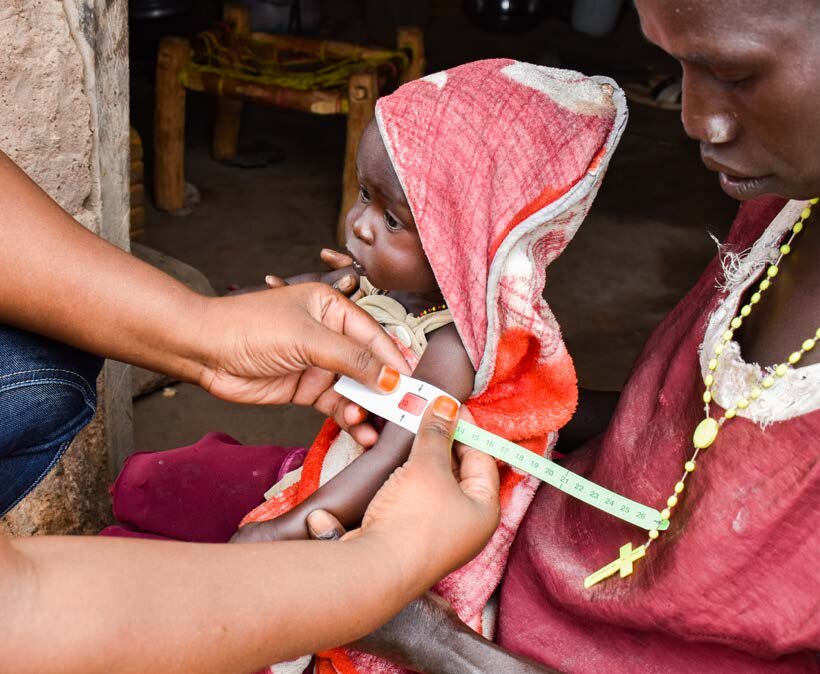
Health and nutrition: Our services vary based on the specific needs of each country, but may include emergency nutrition, mobile health clinics, supplementary and therapeutic food, referrals to healthcare facilities, support services to revive children diagnosed with severe and moderate acute malnutrition, and nutrition training.
Livelihood: We equip families with skills and resources to participate in and/or start their own income-generating activities to increase and diversify their income streams, improving their abilities to provide for their families.
Child protection: World Vision looks out for the well-being of children by partnering with and training local leaders (such as faith leaders) to identify and meet children’s immediate needs and advocate for their rights. We also provide Child-Friendly Spaces and psychosocial support for children impacted by crisis.
Advocacy: We train communities to address contributors to and causes of poverty.
BENEFICIARY STORY:
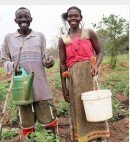
Dijas (pictured at left in photo), 40, once owned acres of farmland in the Nuba Mountains of Sudan. But local conflict forced Dijas, his wife, and five children to leave home, seeking refuge in neighboring South Sudan. “We fled by a motorboat and a vehicle,” said Dijas. “[But] I was worried about how we would survive [in the refugee] camp.” Through the World Vision-WFP partnership, Dijas and his family receive monthly food rations, cash assistance, clean water, education, and health services. They also receive seeds and farming materials to grow vegetables. “We have everything we need. … I can [even] sell what I produce from my garden.”
When you give to the Global Hunger Crisis Response Fund, you are helping to save the lives of 22 million starving and food-insecure children and families in 25 countries.
Thank you.
.
Links:
Project reports on GlobalGiving are posted directly to globalgiving.org by Project Leaders as they are completed, generally every 3-4 months. To protect the integrity of these documents, GlobalGiving does not alter them; therefore you may find some language or formatting issues.
If you donate to this project or have donated to this project, you can receive an email when this project posts a report. You can also subscribe for reports without donating.