By Sushmitha | Associate Manager - Fundraising
Dear Codreamers,
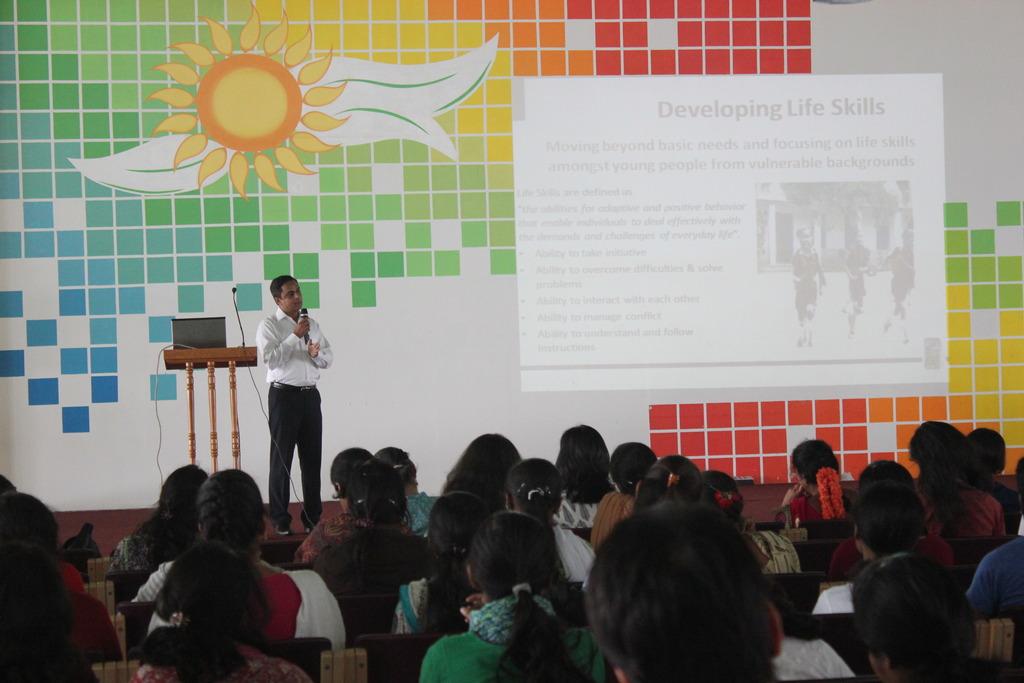
We are excited to share with you the journey of Dream A Dream of the last quarter of the financial year 2013-14. One of the main highlights of the programme is the Life Skills Assessment Scale developed by Dr. David Pearson and Dr. Fiona Kennady from UK who have been working together with Dream A Dream over the past years to develop and publish a standardized and reliable impact measure for Dream A Dream’s Life Skills Programmes for young people from vulnerable backgrounds. Their immense work has resulted in a paper co-authored by them with Dream A Dream Cofounder and Chief Executive Officer, Vishal Talreja. This has been accepted for publication in Social Behavior and Personality, an international journal for March 2014.
With this report I would want to share with you the story of Alisha (name changed) as observed by our facilitator followed by a few highlights of our organization and programmes.
Meet Alisha a 14 year old girl who is studying in the 8th and has been part of the Dream Life Skills through Arts Programme since August 2012.
The Life Skills facilitator observed that Alisha was not regular in the sessions and used to give reasons like, “I am not well, I have to leave my sister to school, Relatives have come home, etc.” Initially the facilitator thought that Alisha was not interested in the programme and attempted to talk to her but it didn’t work.
Subsequently the facilitator observed that during sessions, other participants were not friendly with Alisha. They were not willing to mingle with her and avoided sitting next to her. If anyone sat next to Alisha, that person was laughed and teased by the others. During a personal conversation with the facilitator, Alisha shared that since no one was friendly with her and the she was teased and scolded even at school, she did not want to attend the sessions. Alisha further shared that her classmates refused to help her in class work. When she brought this to principal’s notice, she scolded her back. Her parents convinced her saying they will change her school next year.
During one of the Life Skill sessions, the facilitator observed that no one wanted to pair with Alisha. After the session, the facilitator posed this question to the group and one of the participants mentioned that they felt that “Alisha is not clean and is not a decent girl.”
The facilitator realized the gravity of the discrimination and continued her one-on-one conversation with Alisha with a focus to build her strength, resilience and ability to deal with this discrimination. The facilitator shared her own story and encouraged Alisha to stay on in the programme. Alisha shared this with her mother and her mother encouraged her to attend these sessions. Through regular interactions with the facilitator, Alisha became interested in attending the sessions and gradually the other participants noticed Alisha’s interest and talent.
One day she could not complete her class work; her teacher did not allow her to attend the session. But Alisha was interested. She requested the facilitator to get her permission from the principal to attend session. She got it done.
The facilitator gradually noticed that Alisha started taking leadership, engaging with others and learning to deal with her feelings when others were teasing her.
One day Alisha shared with the facilitator, “Akka (sister), my friends celebrated my birthday using their own money and they are friendly with me!” Alisha is moving forward in her life positively and wants to continue in life skill sessions next year also.
Organisational and Programme Highlights:
“This Training helped me to change my way of communication and interaction, I learnt the importance of the two in my day to day life and most importantly as a Teacher.” – Teacher, Youth For Seva after attending Life Skills Facilitator’s training level3.
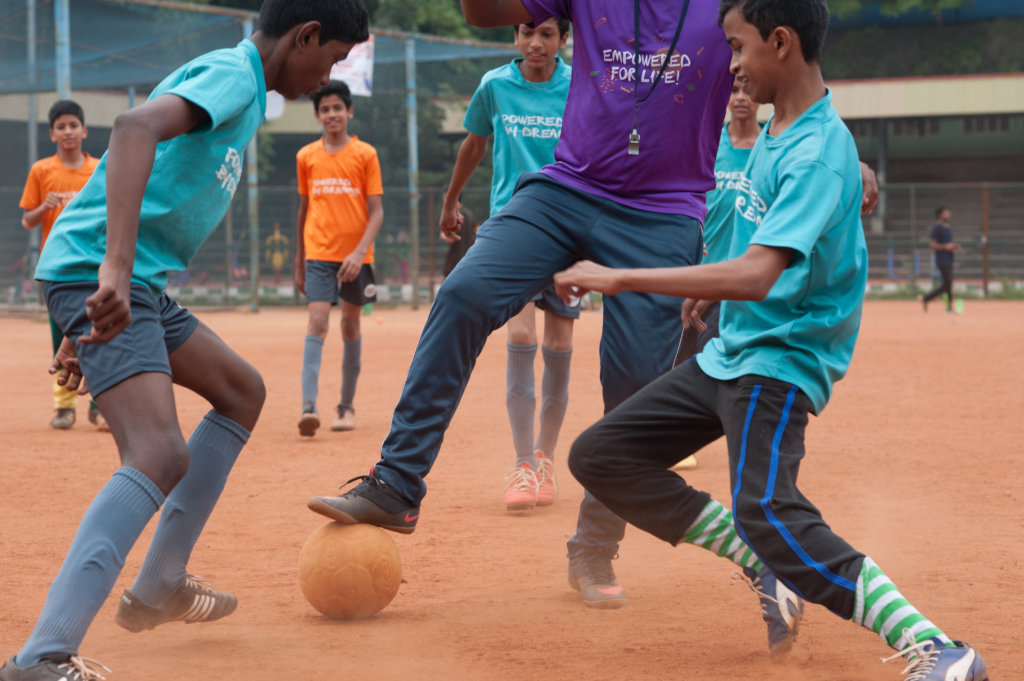
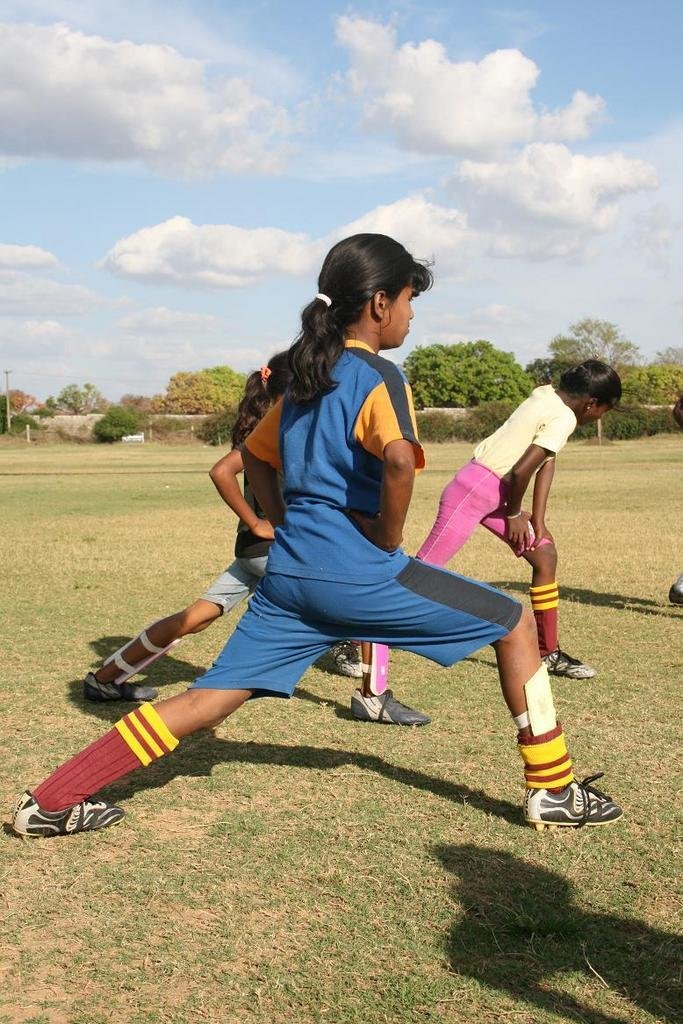
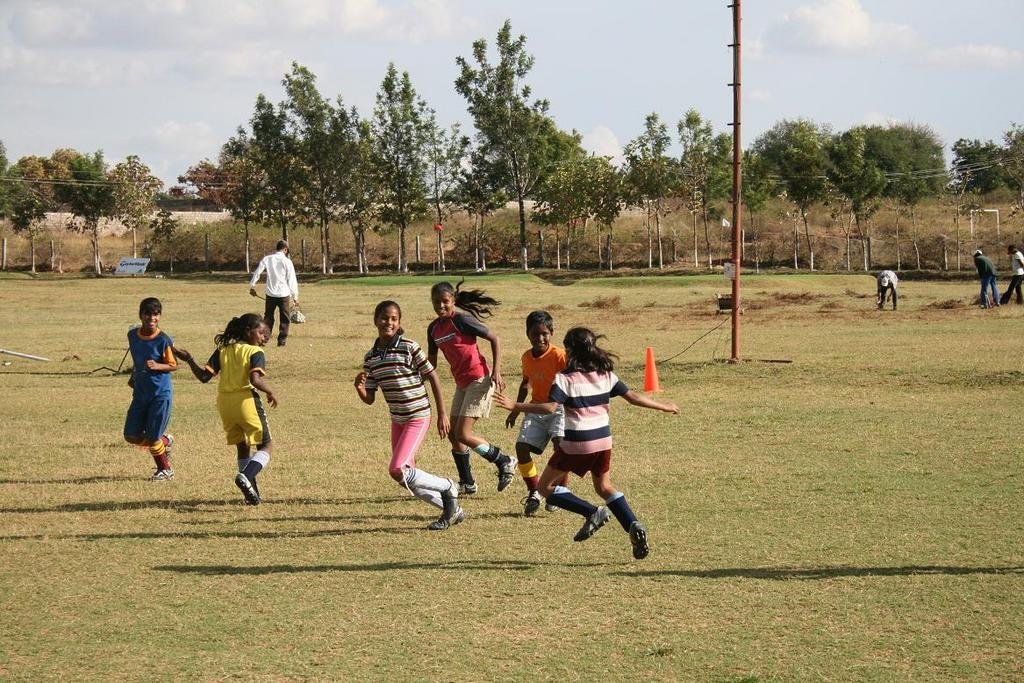
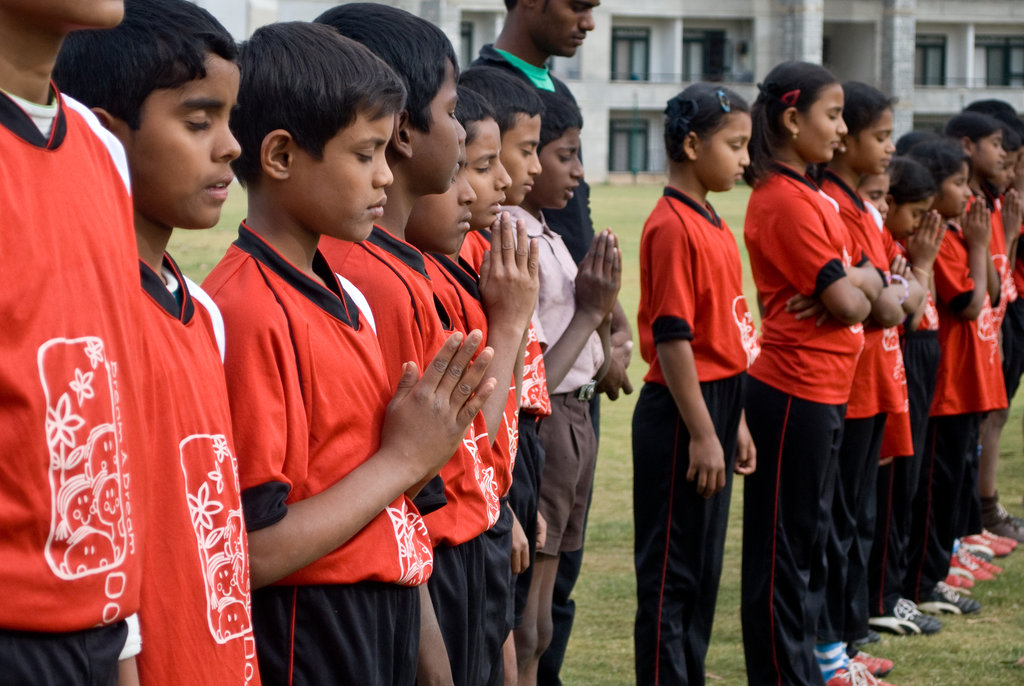
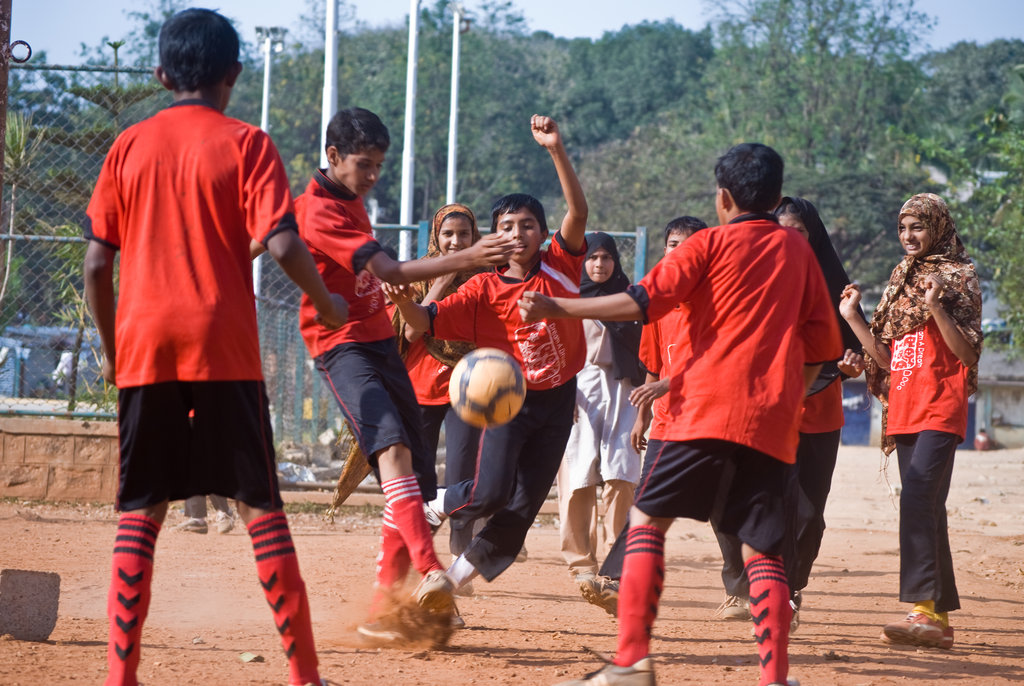
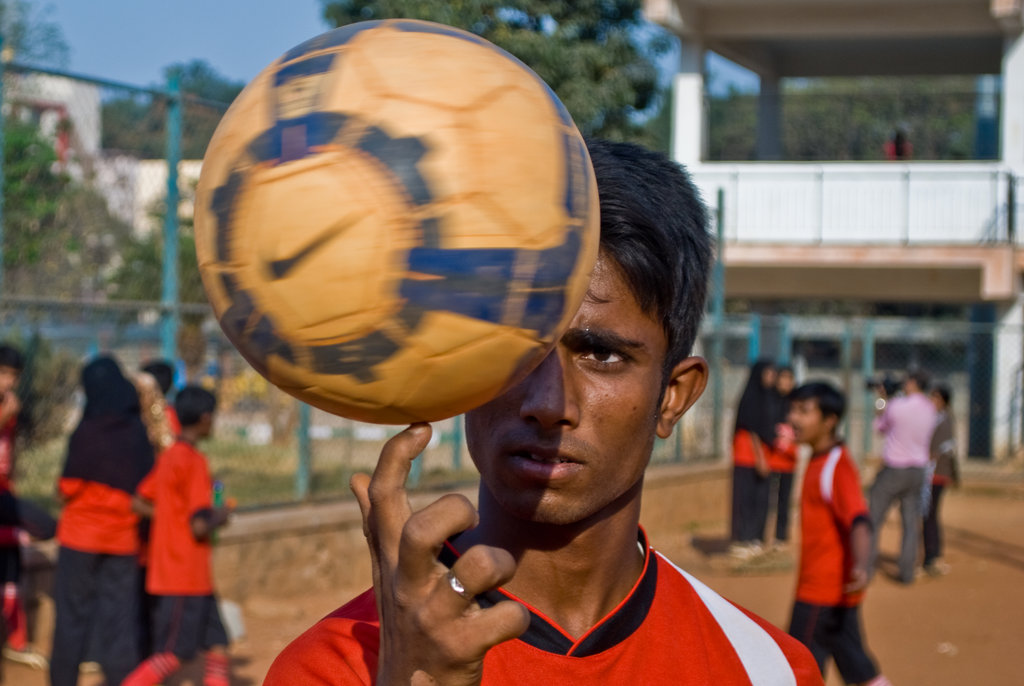
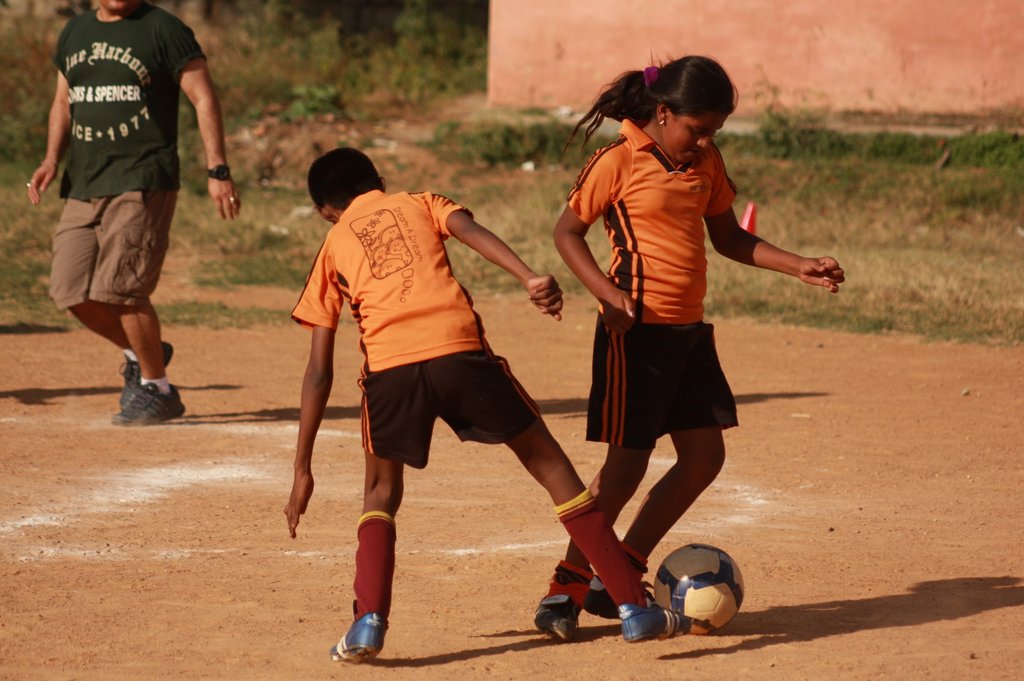
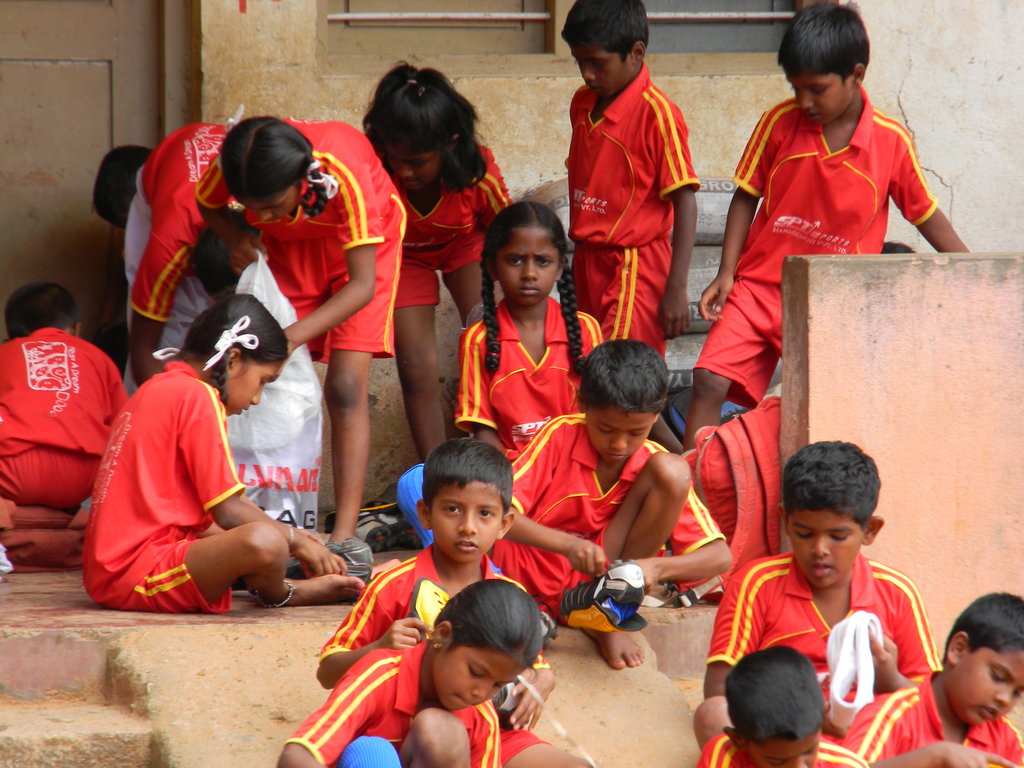
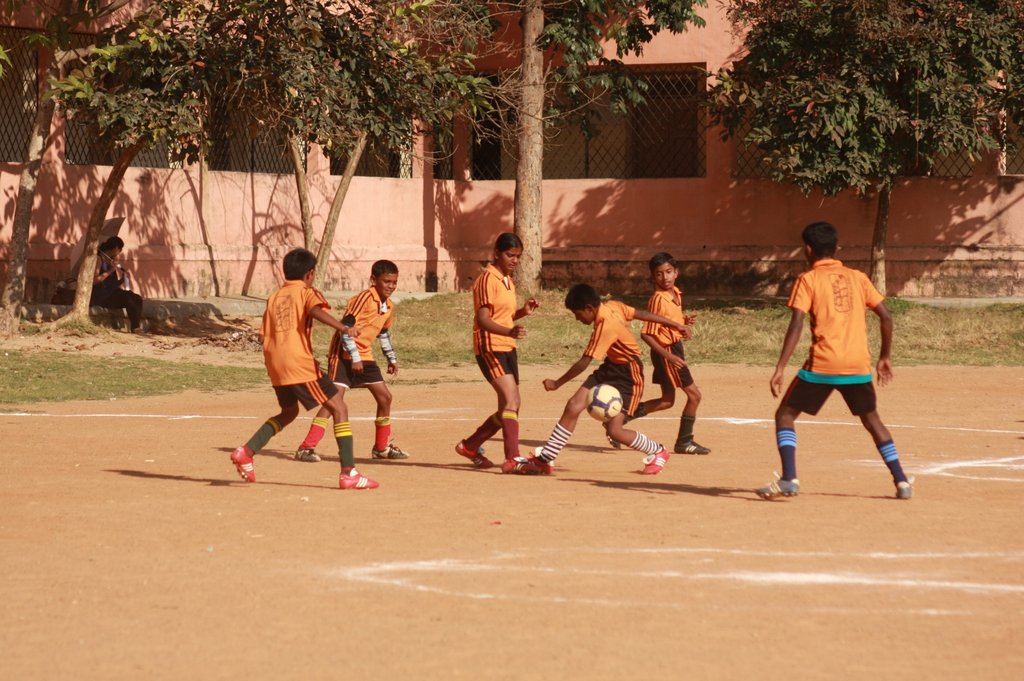
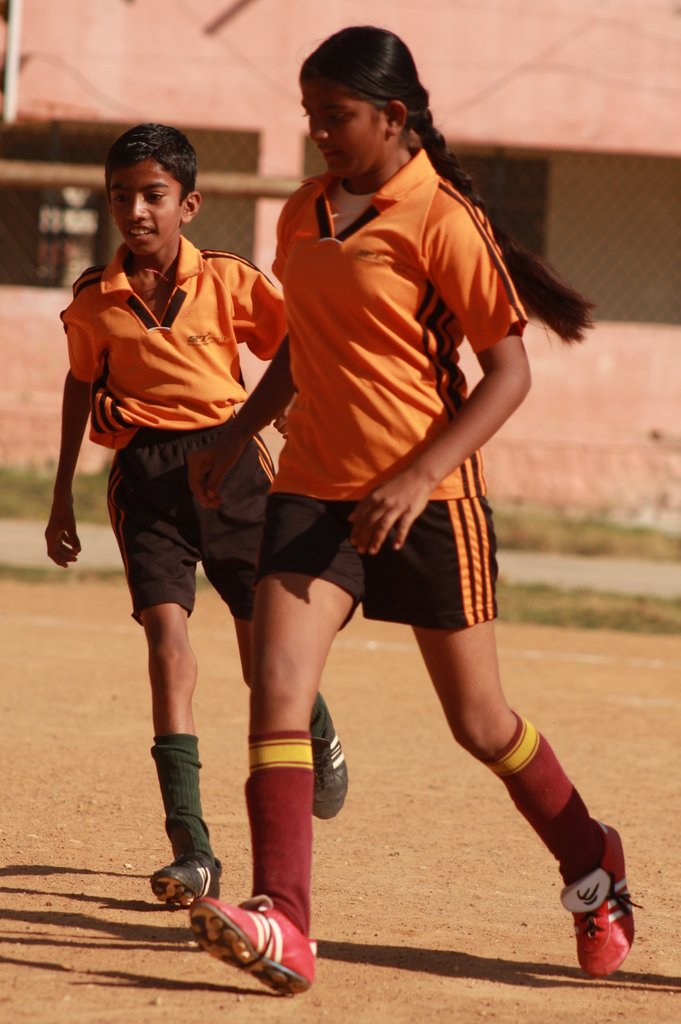
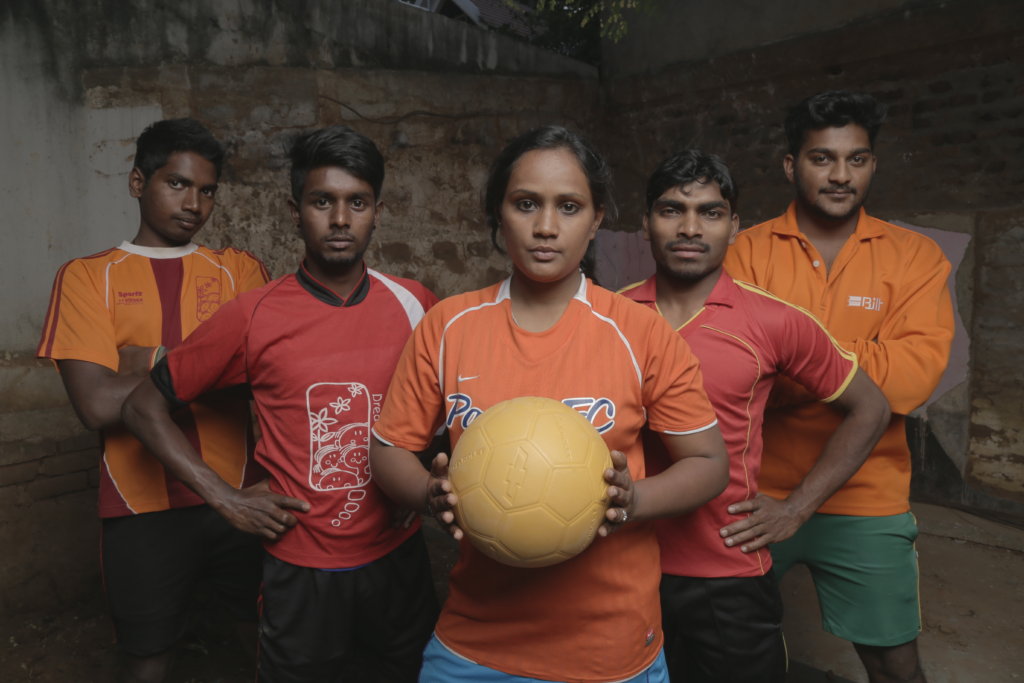
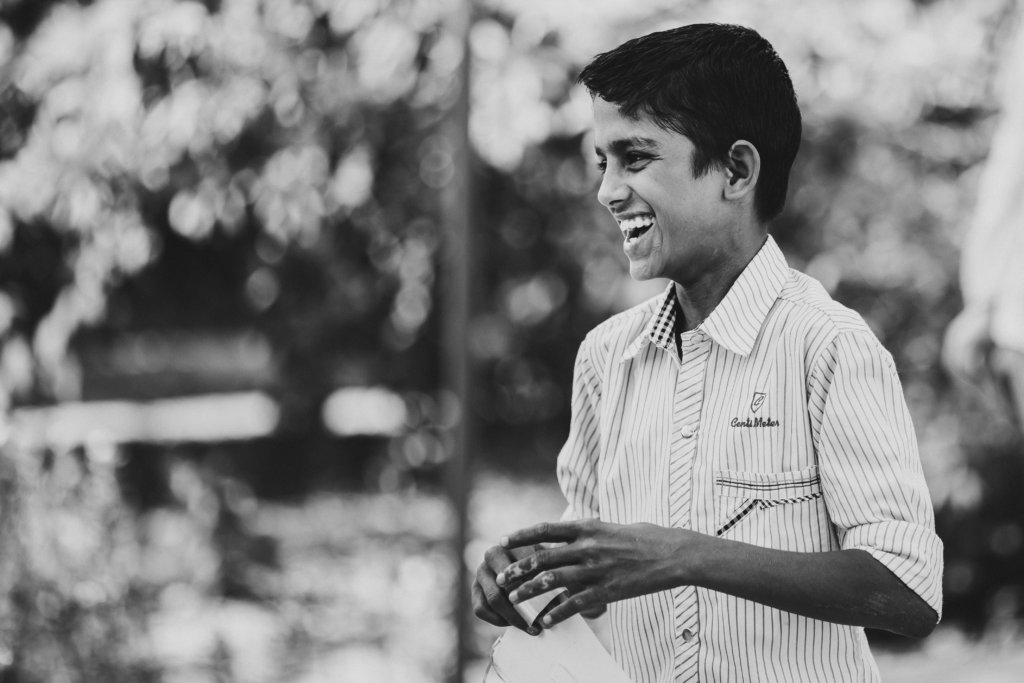
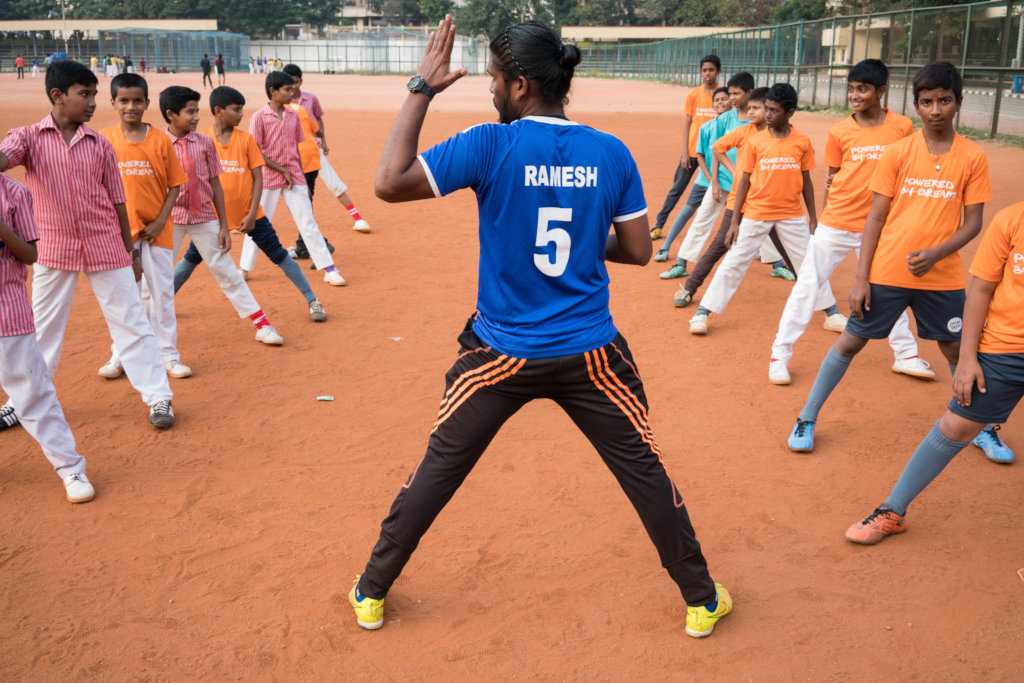
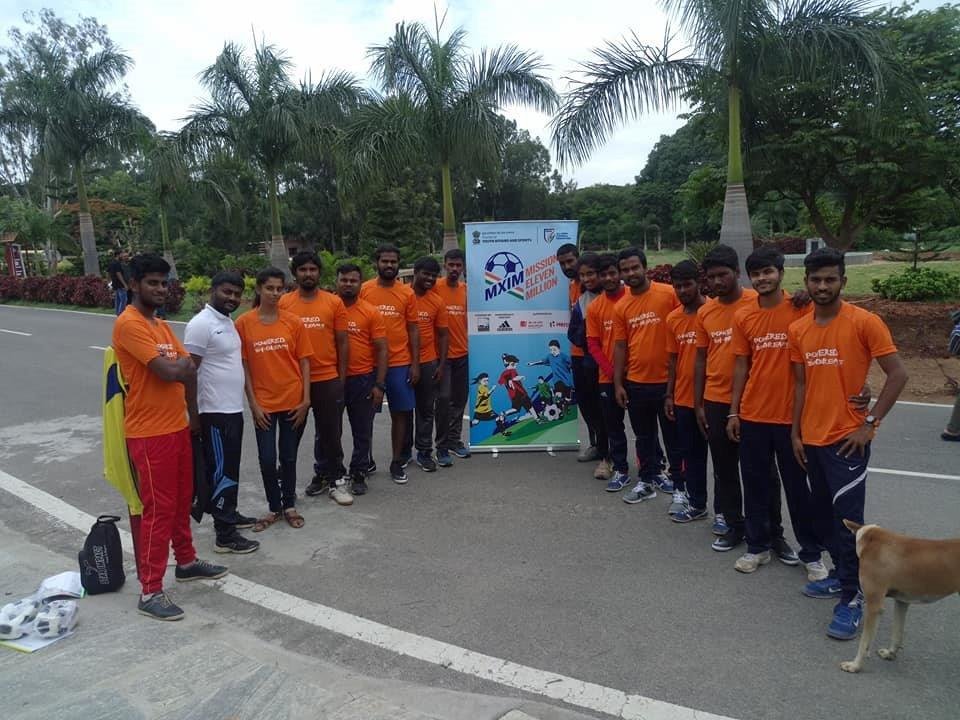
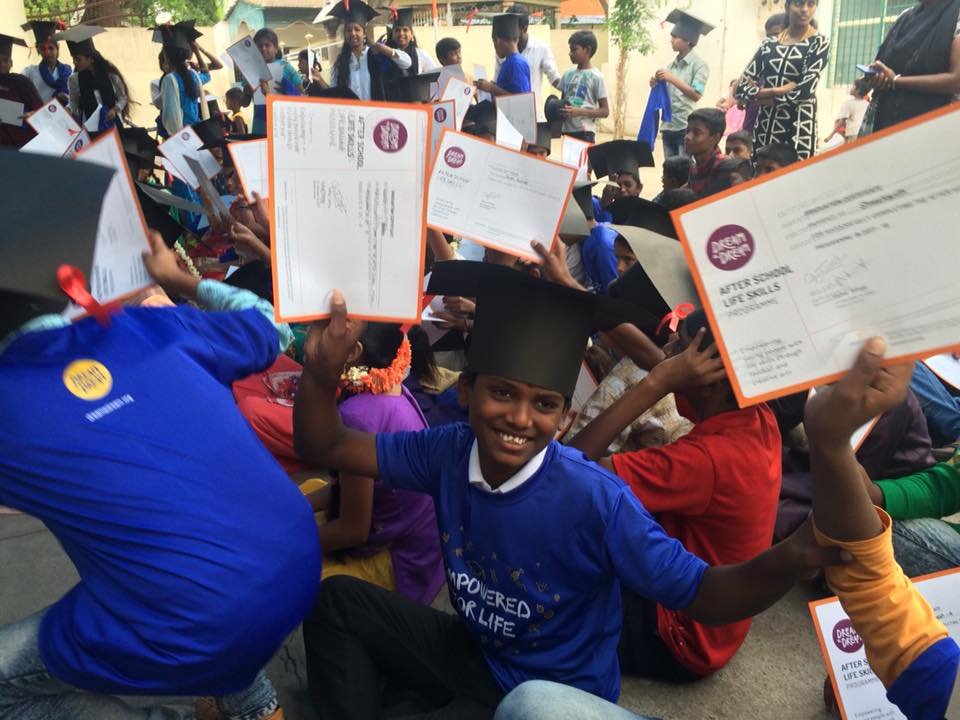
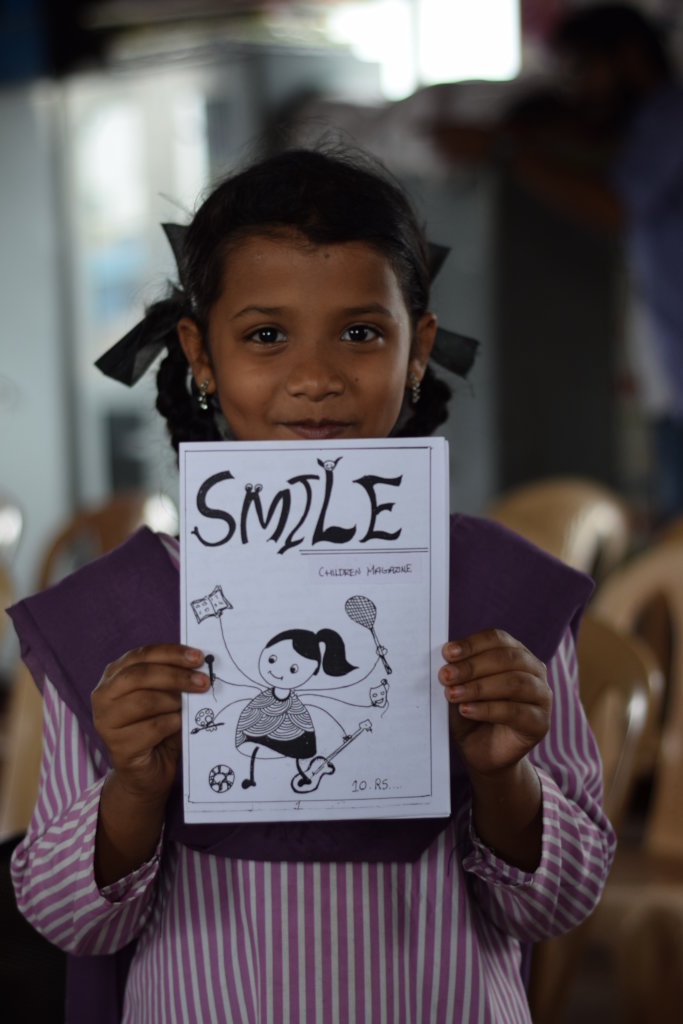
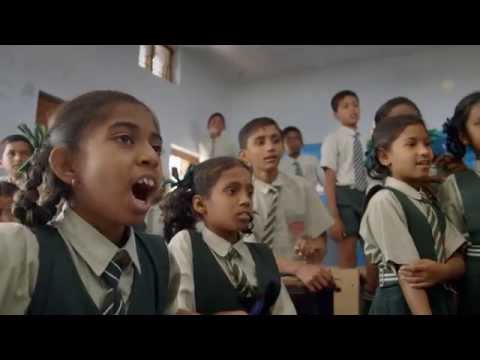
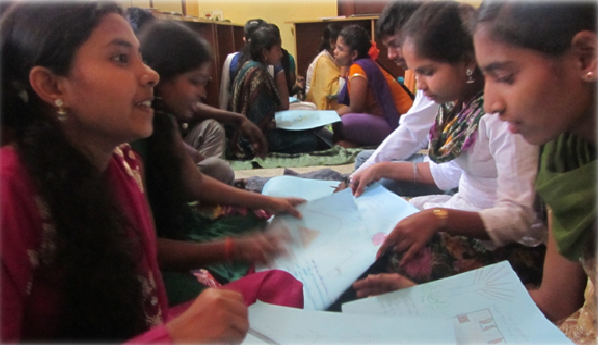
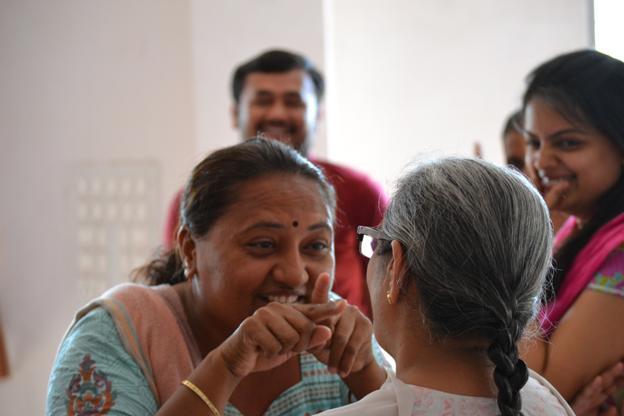
Please scroll down to see our programme pictures :)
We look forward to your continued support and enduring relationship.Thank You!!
With Gratitude,
Dream Team
Project reports on GlobalGiving are posted directly to globalgiving.org by Project Leaders as they are completed, generally every 3-4 months. To protect the integrity of these documents, GlobalGiving does not alter them; therefore you may find some language or formatting issues.
If you donate to this project or have donated to this project, you can receive an email when this project posts a report. You can also subscribe for reports without donating.