By Vishal Talreja | Co Founders, Dream a Dream
Dream a Dream empowers young people from vulnerable backgrounds to overcome adversity and flourish in a fast-changing world, using a creative life skills approach. Dream a Dream has crafted a pedagogical method and a process - a science that allows for a re-definition of adverse circumstances by changing the lens through which the past is viewed. Our programmes seek to improve outcomes for students by creating positive learning experiences through a collaborative approach that targets young people, parents, teachers, mentors, and volunteers.
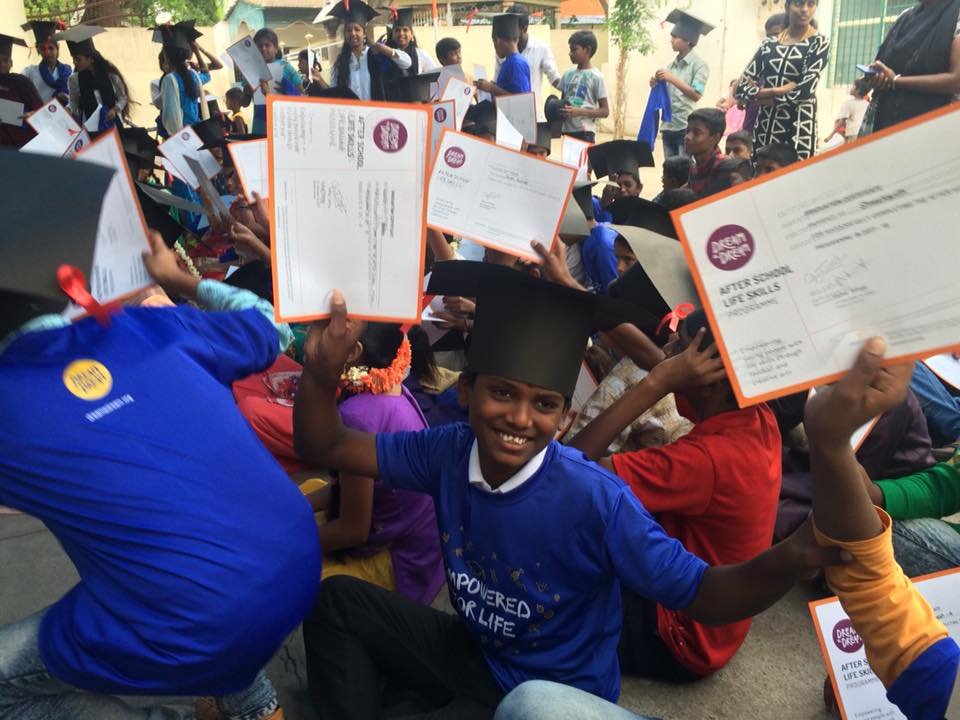
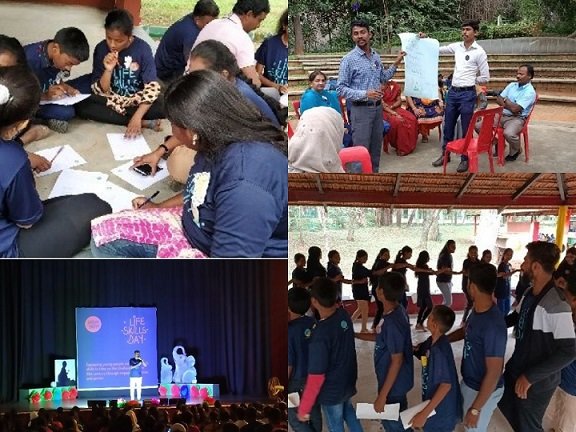
Dream a Dream works through three key programmes, After School Life Skills Programme (ASLSP) and Career Connect Programme (CCP) which directly impacts young people and the Teacher Development Programme (TDP) which indirectly impacts young people through teachers. In ASLSP and CCP, we use a creative life skills approach where young people can make better choices and become more meaningfully engaged. TDP engages teachers to indirectly impact young people and is designed to nurture empathy, expand their creativity, develop listening and validation skills and the ability to share with authenticity while also learning facilitation skills.
Currently, we work with 10,000 young people a year through our two innovation labs – After School Life Skills Programme (ASLSP) and Career Connect Programme (CCP), have trained over 7,700 teachers/educators from 206 partners impacting over 1,92,500 children and have impacted over 1 million children through strategic partnerships with state governments in Delhi and Jharkhand. We work on a strong collaborative approach with local charities, corporates, volunteers, governments, expert consultants and a host of national and international strategic partners.
The impact evaluation of the life skills approach implemented across all the three programmes of Dream a Dream for the year 2018-2019 documents the best practices and innovations to provide inputs and insights for national and international level policies and programmes in life skills education. Dream a Dream has a standardized impact assessment scale for Life Skills – Life Skills Assessment Scale (LSAS) – to measure life skills. The LSAS developed in-house is a first of its kind, published and standardized scale that is being used by NGOs/Schools to assess improvement in life skills -http://globaled.gse.harvard.edu/files/geii/files/dream_life_skills_assessment_scale_final_2.pdf
Dream a Dream has been recognized and awarded for innovation, transparency and accountability over the years by Ashoka, Global Development Network, Harvard, Rockefeller Foundation, Resource Alliance and others. These videos talk about our work - https://vimeo.com/124809296 and https://vimeo.com/124817309
After School Life Skills Programme
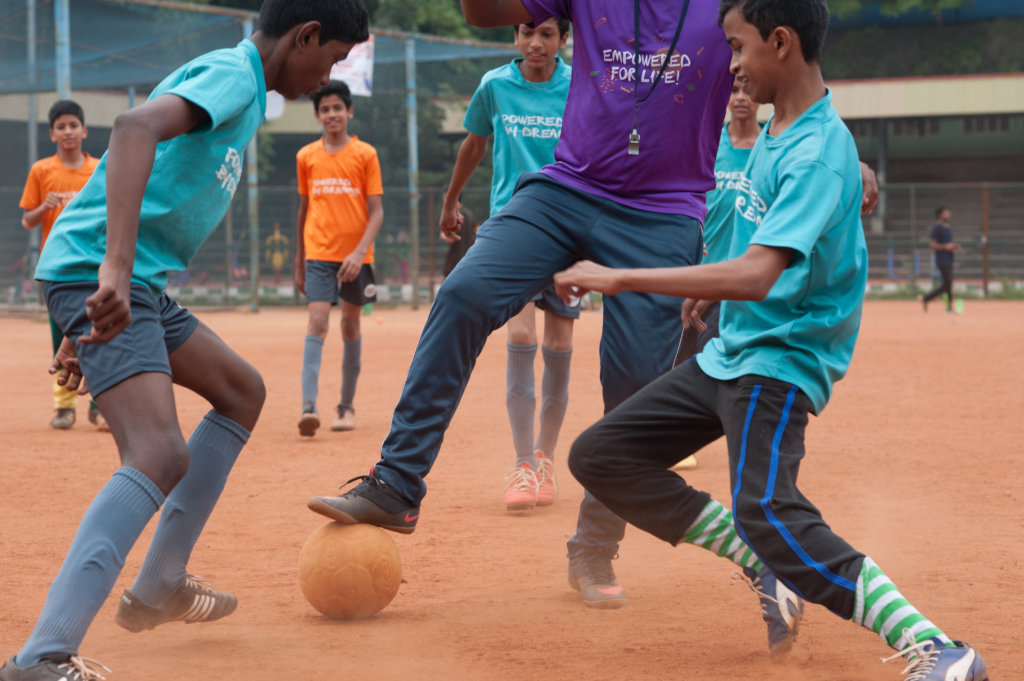
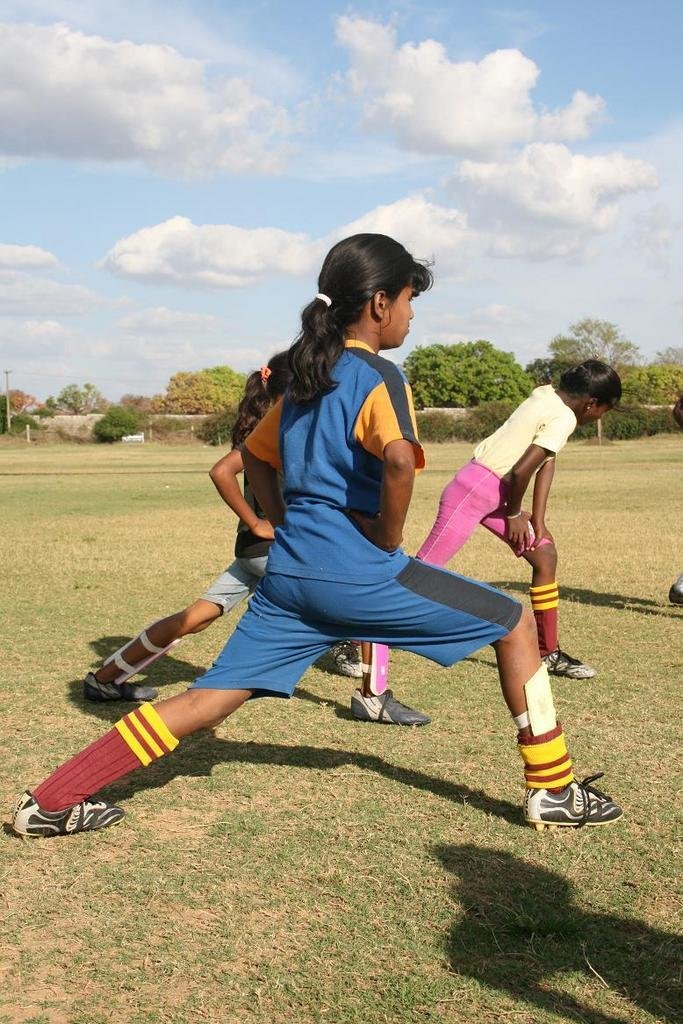
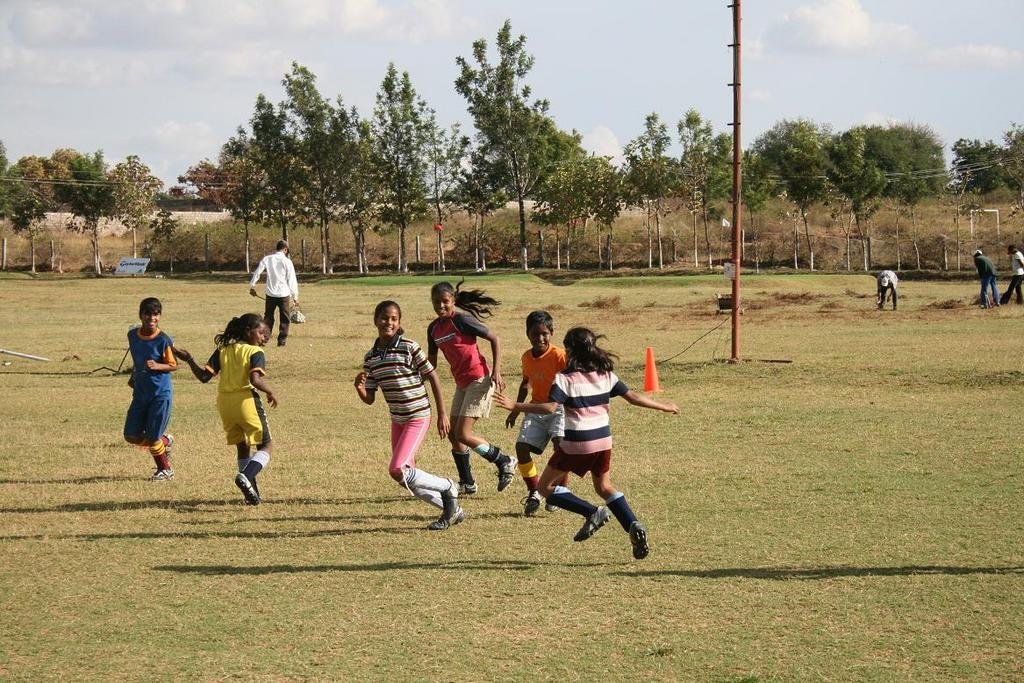
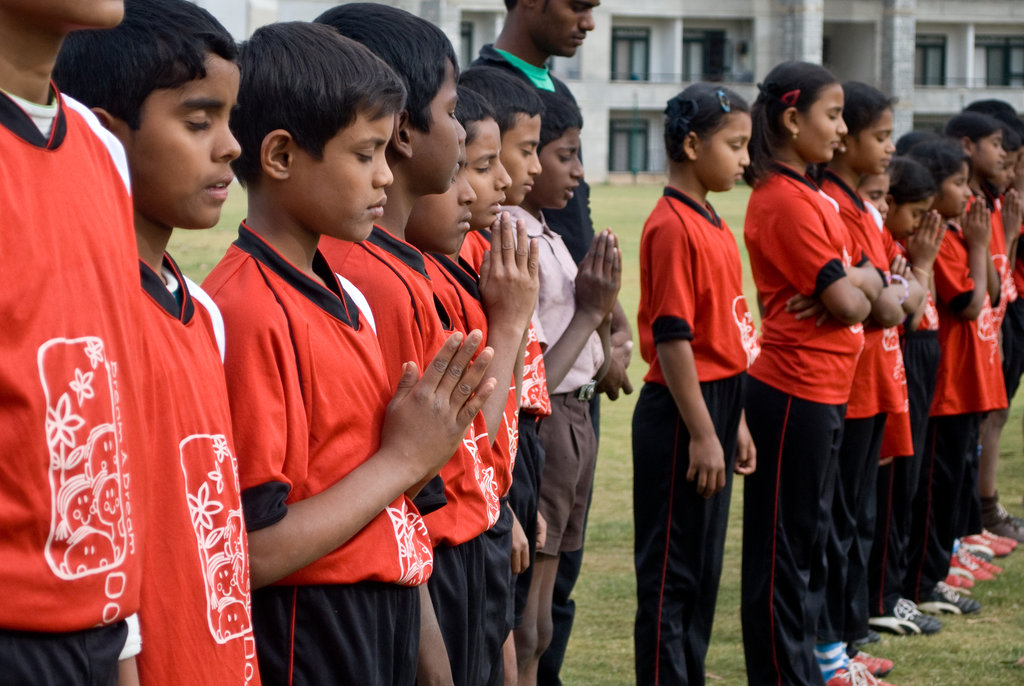
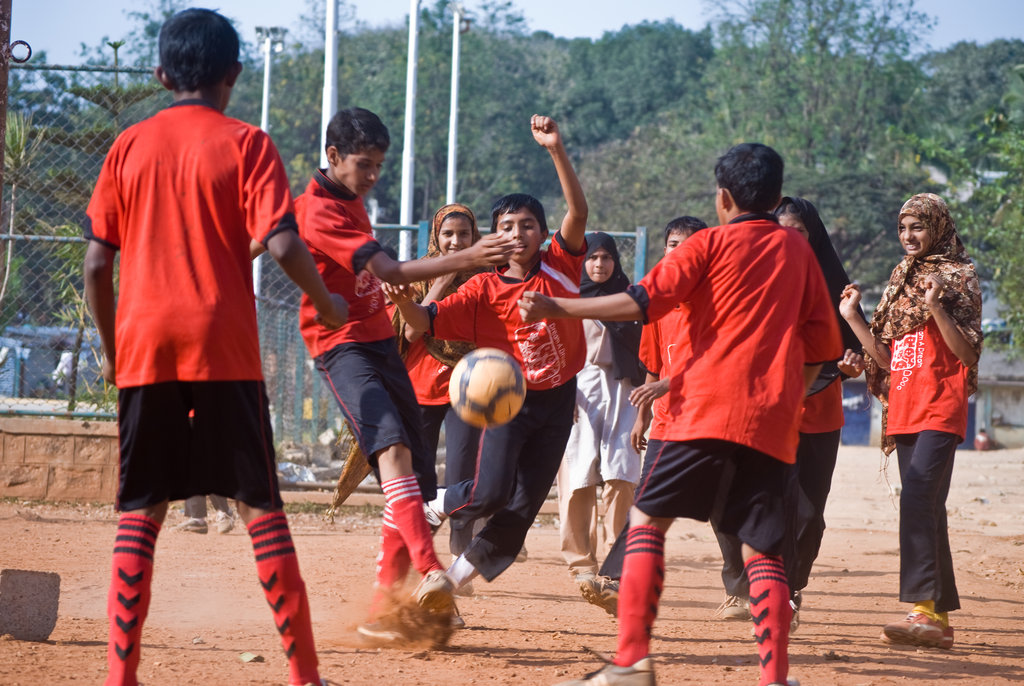
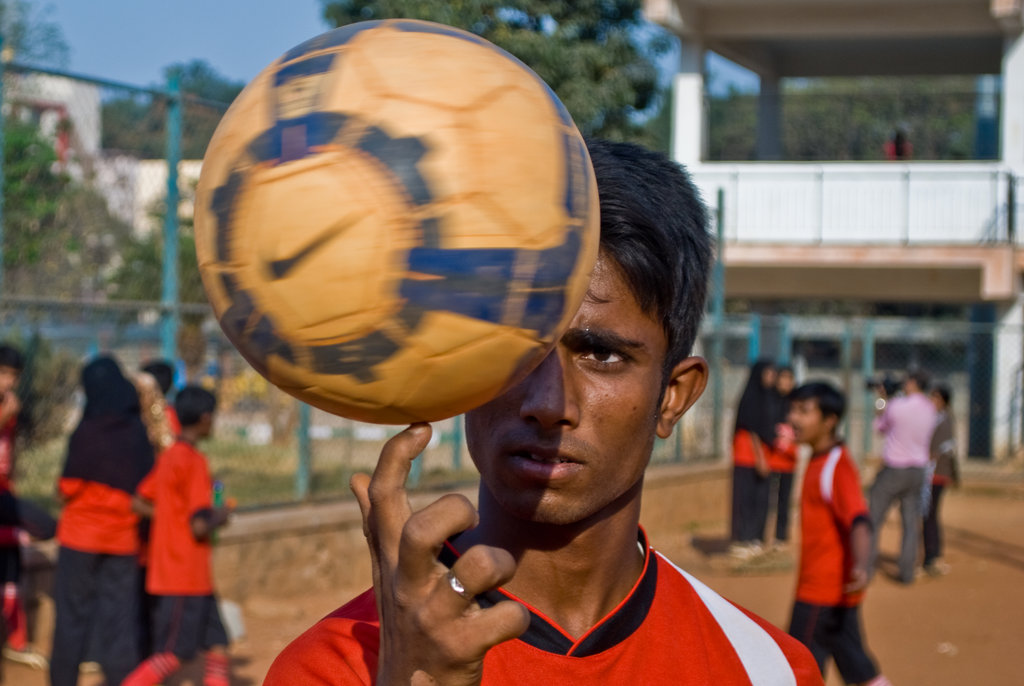
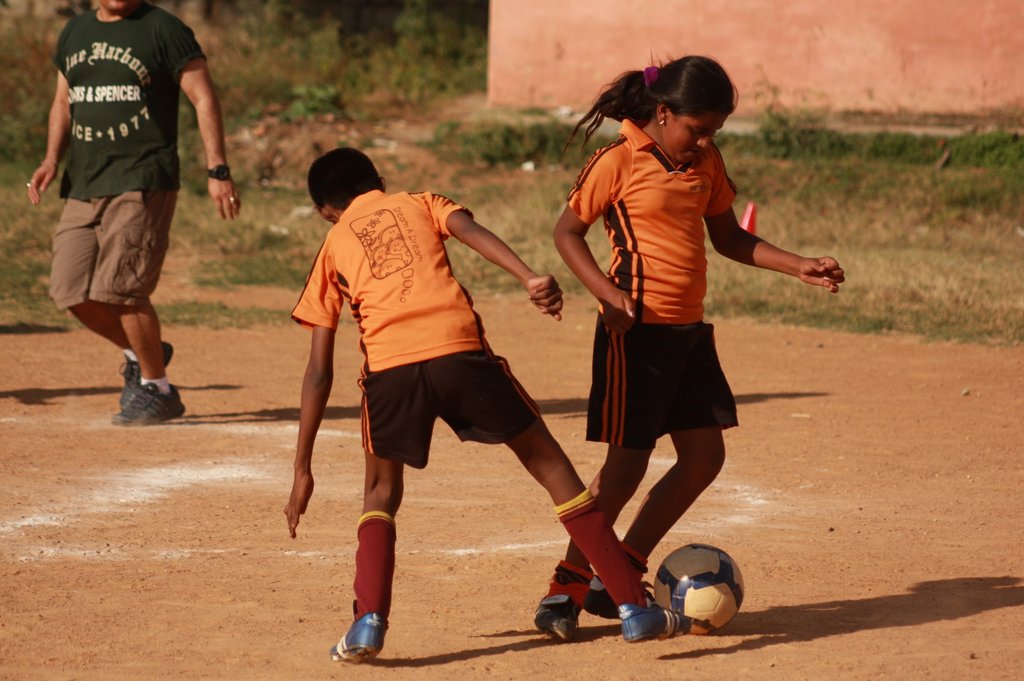
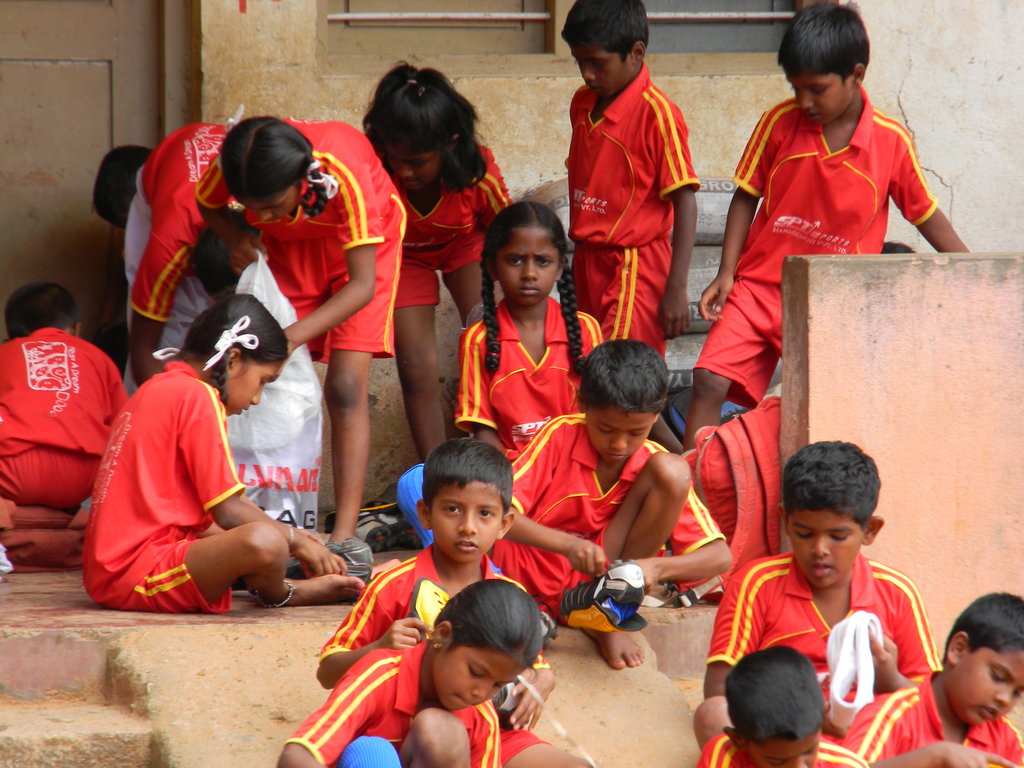
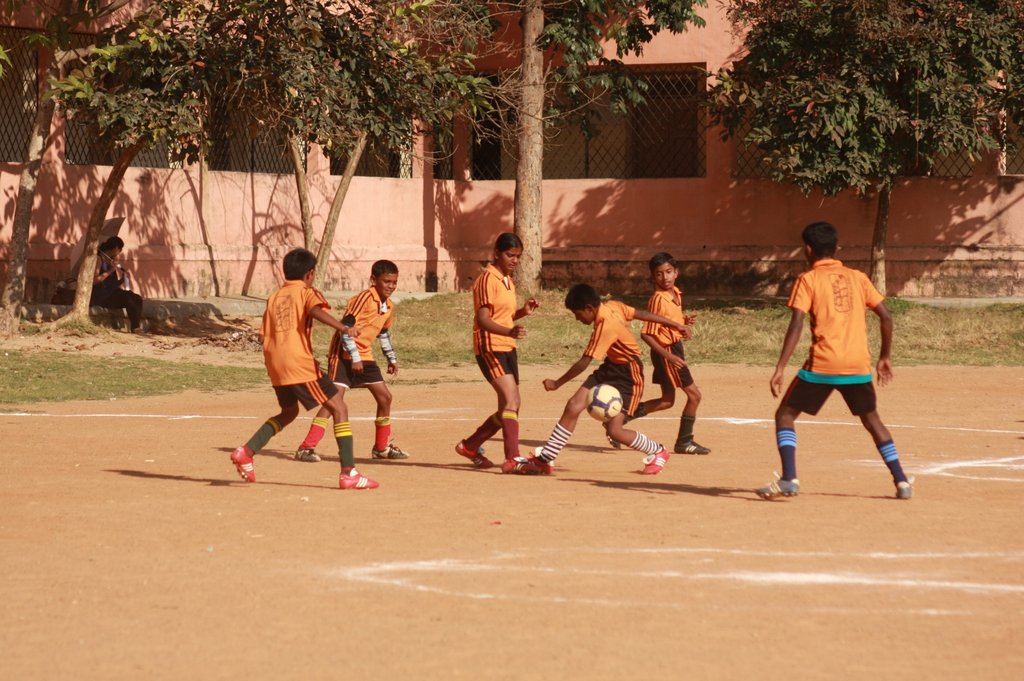
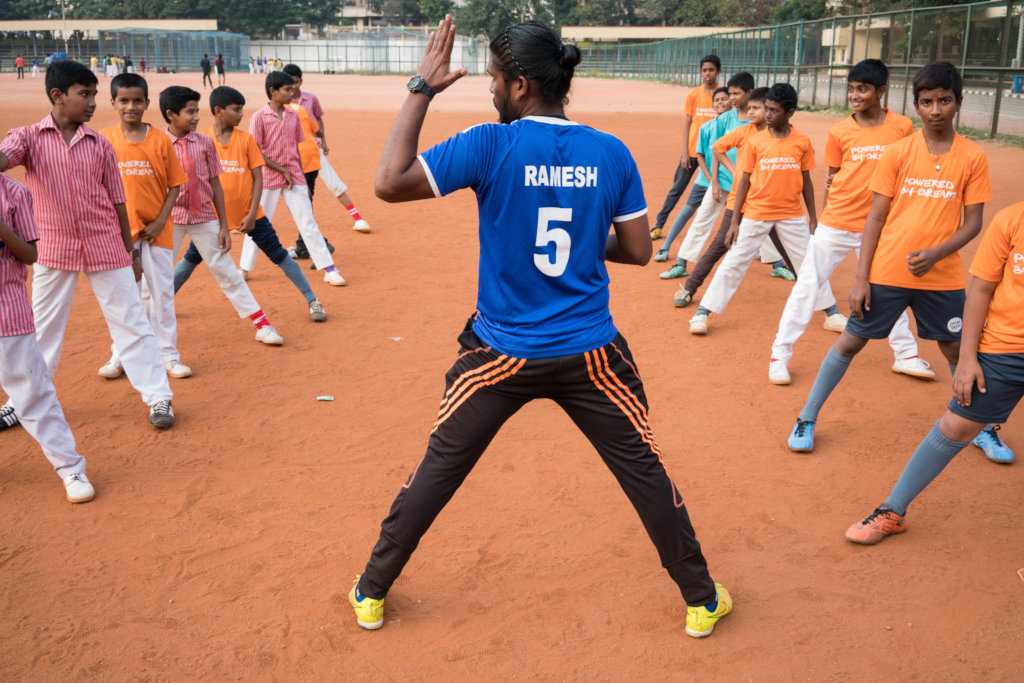
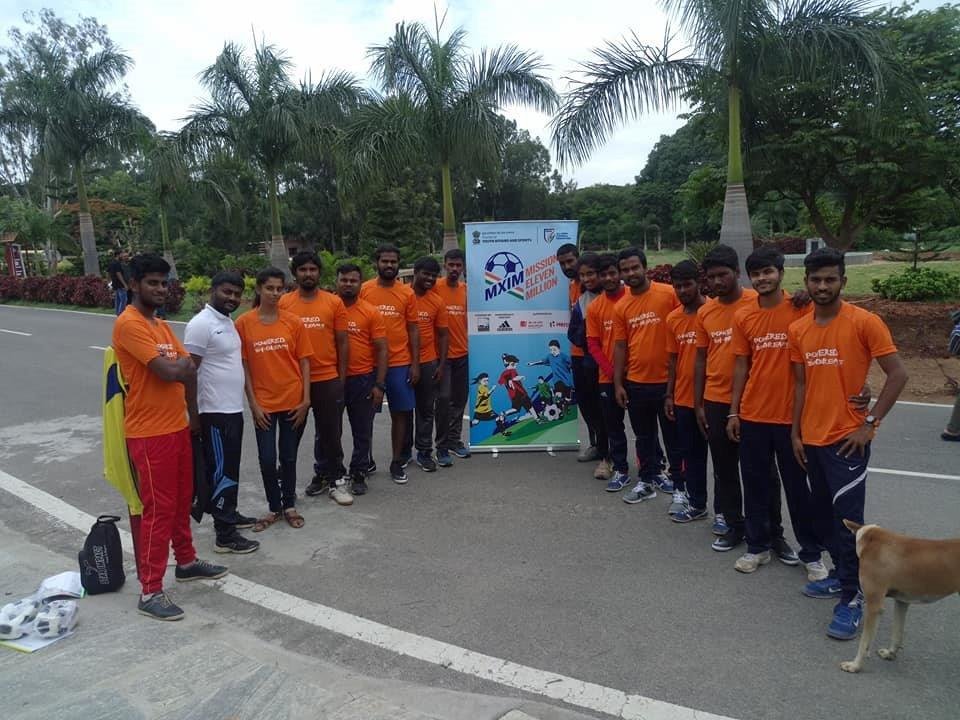
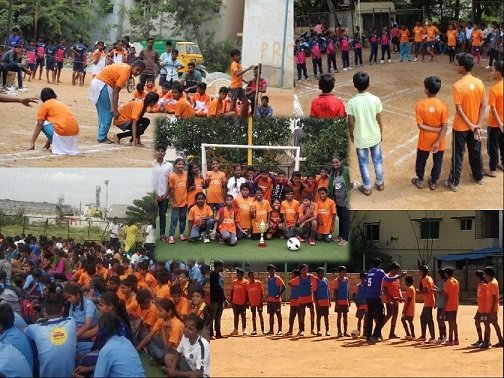
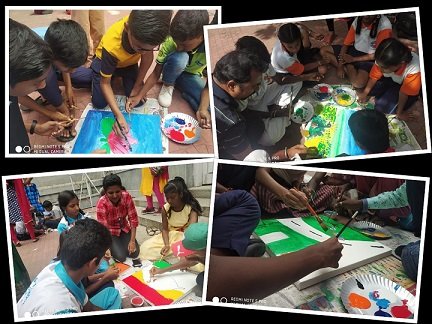
In our After School Life Skills Programme, we use creative arts and football as mediums to engage and develop critical life skills among young people between the ages of 8 to 15 years. This programme is an innovation lab where new approaches to life skills development are introduced, demonstrated, documented, evaluated, and fed back into a larger framework for re-imagining learning for young people in the country. To measure the improvements in life skills amongst the young people, we use the Life Skills Assessment Scale.
"Shailaja unlocked her hidden potential!"
Shailaja is a 7th grade student of Sai Baba School, who stays with her family in a nearby slum community. She has two elder sisters, one of whom is a widow and the other a student and a younger brother who along with his studies, manages to work to help with the family’s finances. Her father is a daily-wage laborer and her mother is a homemaker.
Shailaja came across as someone who was very shy and never liked attending football sessions. When the facilitator approached her and spoke to her about the After School Life Skills Programme, through the medium of football, her immediate response was that she wasn’t interested in sports. Later, on being exposed to certain events and programmes, conducted by the facilitator at Bangalore Football Club in the Kanteerva Stadium, she found herself more and more inclined towards participating in the football sessions.
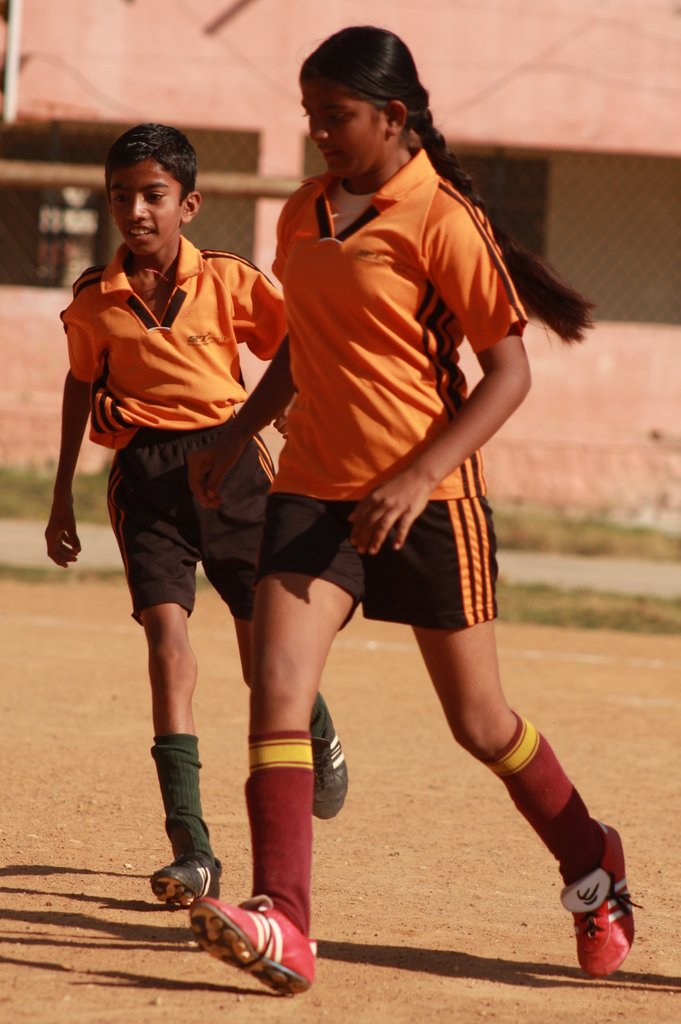
During these sessions, she participated in activities which enabled Shailaja to work on her problem-solving skills, leadership qualities and self-confidence. All that she needed was someone who believed in her so that she could unlock her hidden potential. The girl who was once shy, now leads and manages a girl’s football team. The leadership skills in her has chosen to become the school leader, she takes initiative to help in the school activities and she executes tasks with confidence.
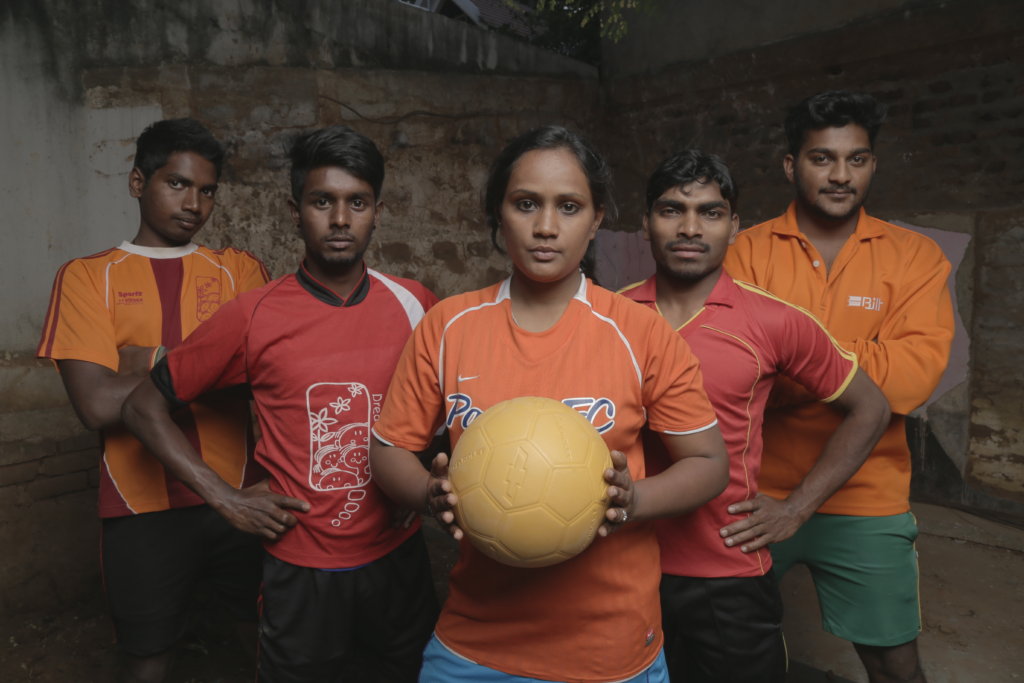
Not only in sports and school activities, Shailaja’s performance in academics has also improved considerably, with the facilitator advising her on how to strike a balance between the two. Becoming serious about her academics and sports, she is learning how to divide her time wisely and achieve success in both. She spends her extra time teaching other students how to play football and is proud to have been selected for the women’s football team, who will be representing Dream a Dream at the Streetfootball festival 19, in Lyon France. Shailaja is the only student to be selected for this particular team from her school.
Shailaja is happy in displaying her life skills of initiative and leadership, continues to be a source of inspiration to her classmates and her family.
Highlights of the Programme:
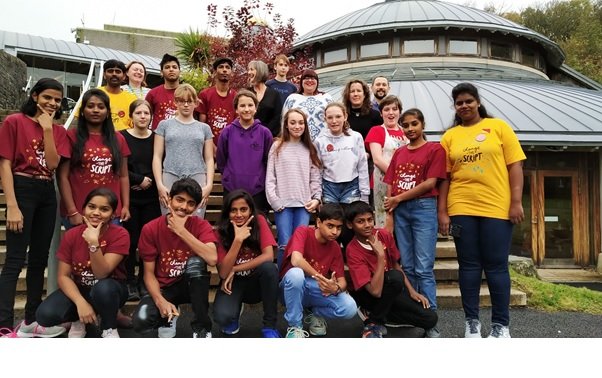
The young person after returning from Wales were facilitated by their School and community where they shared their experiences and learnings.
Impact of our After-School Life Skills Programme:
For a detailed report on our programme and impact, kindly visit our website www.dreamadream.org you can find us on Facebook, Twitter and Linkedin
Project reports on GlobalGiving are posted directly to globalgiving.org by Project Leaders as they are completed, generally every 3-4 months. To protect the integrity of these documents, GlobalGiving does not alter them; therefore you may find some language or formatting issues.
If you donate to this project or have donated to this project, you can receive an email when this project posts a report. You can also subscribe for reports without donating.