By Vishal Talreja | Co-founder
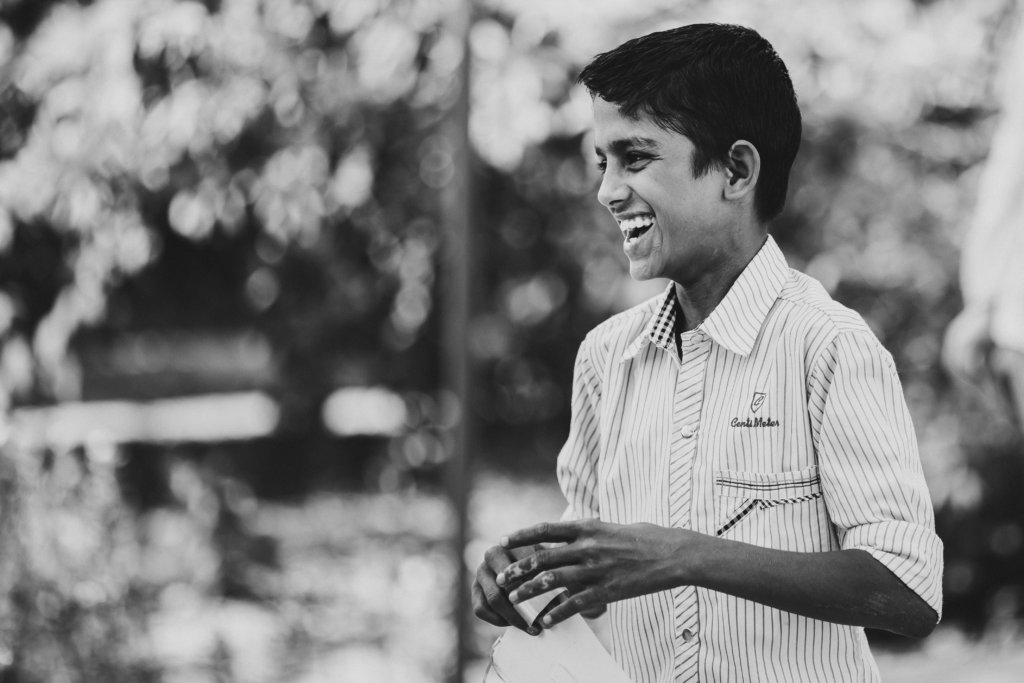
"There has been a positive change in my life and I can use the knowledge that I learned from the After School Life Skills Programme to lead small games, manage team members, and make decisions on my own and not just follow others. I have also learned how to respect others while they are talking in the group and I feel very happy that Dream a Dream has given me this opportunity." says Prakruthi
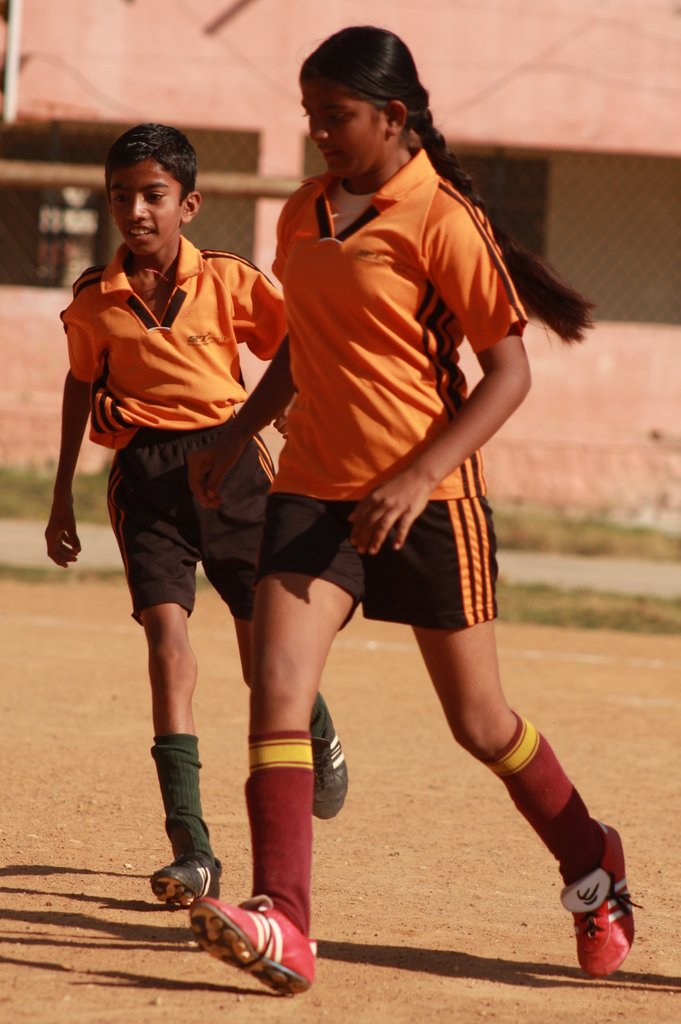
Prakruthi C is from Mount Everest School. She is 16 and in the 9th standard. She has been a part of Dream a Dream's After School Life Skills Programmes since 2012. Her father is a mechanic and her mother is a housewife.
At the start of the programme, Prakruthi showed many signs of anger. However, after attending regular sessions it was gradually decreasing. The facilitator of the batch noticed this and identified certain activities that created a space for her to express herself control her anger.
In one particular activity called 'Wrong Behaviour', young participants shared their understanding of what kinds of wrong behaviours are there and some examples of them. During that session, Prakruthi shared her feelings about how making others feel sad can be a wrong behaviour. At that point, the facilitator asked her why she thought that was wrong and she said reflected on a few incidents in the past where she made others feel sad and that it made her feel guilty. The next day, Prakruthi asked the facilitator if she is a bad person. The facilitator asked her what all she likes about herself and she began to reflect again and go deeper. Over the next few sessions, she reflected more on that and came up with great new ideas to control her anger and be happy around others.
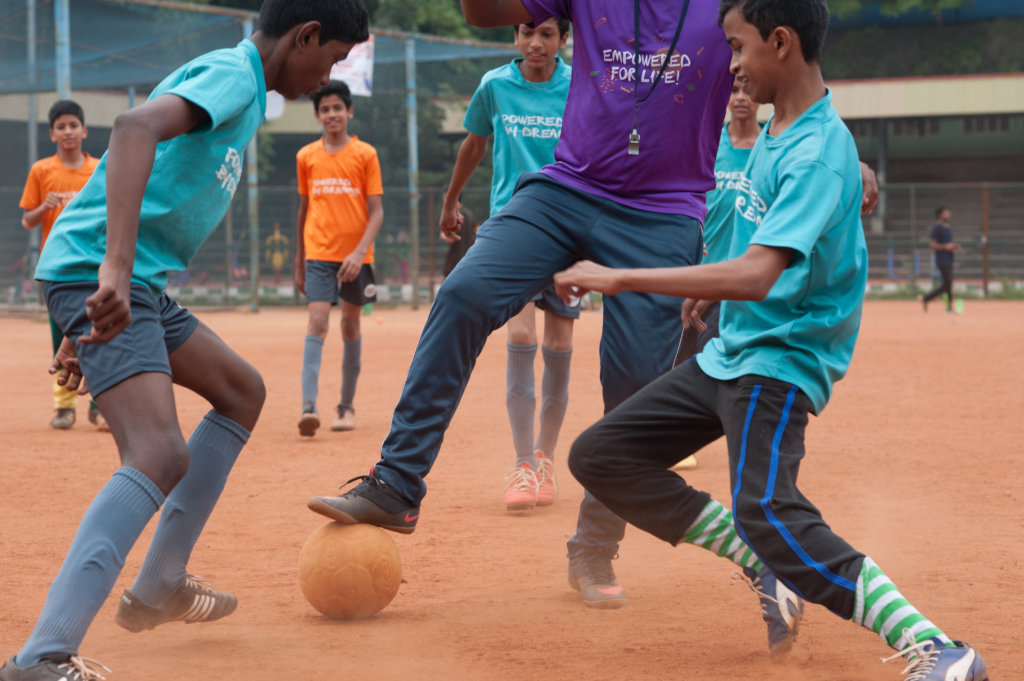
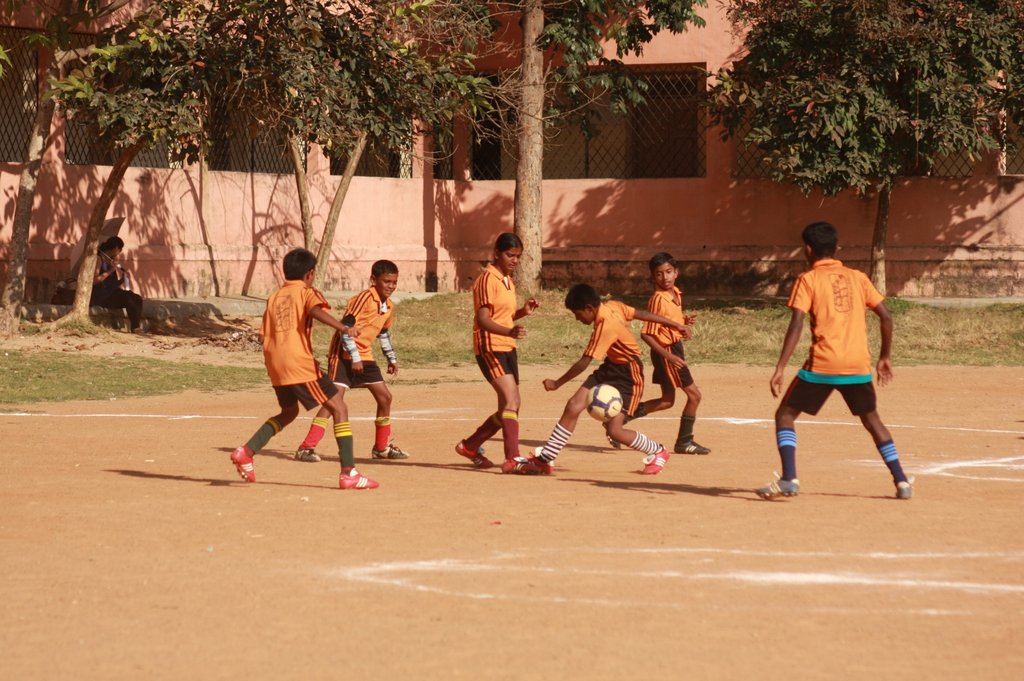
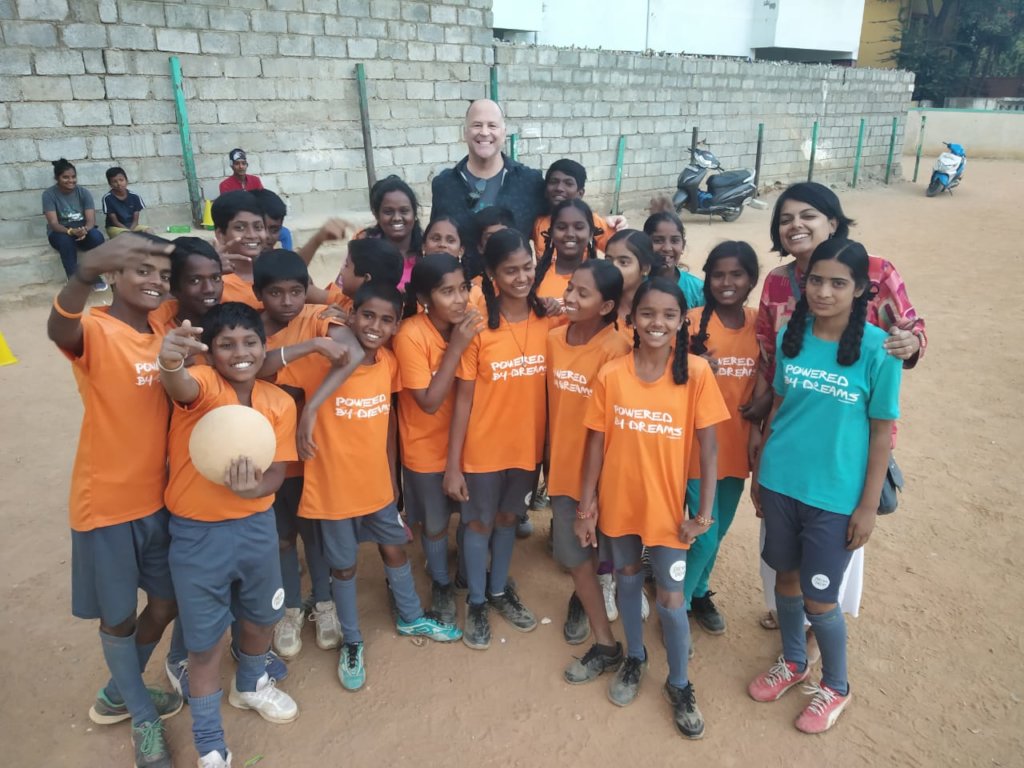
The facilitator asked her what challenges she experienced and how she overcame them. She said that every time anyone puts her down her instantaneous reaction is anger. She said that she used to find it difficult to share anything during reflection circles, but one day she saw one of her friends sharing and enjoying the process. She realised that she wanted to feel the same way and enjoy the session too. The facilitator then began to encourage her to share more during reflection circles. During one of these sessions, she said that she does not get a chance to play in any of the activities and small games because she feels everyone puts her down and does not give her an opportunity, which is why she is silent during sessions. After sharing this, the facilitator asked her to lead the team while playing the next football match. She led the team very well and started to display more confidence, and gradually started motivating herself during the life skills sessions.
Dream a Dream is a registered, charitable trust empowering children and young people from vulnerable backgrounds to overcome adversity and flourish in the 21st century using a creative life skills approach.
Currently, we work with 10,000 young people a year through our two innovation labs – After School Life Skills Programme and Career Connect Programme; we have trained over 6,728 teachers/educators from 191 partners impacting over 1,68,200 children and young people and sensitize over 2,500 volunteers through our unique Life Skills Development model. We work on a strong collaborative approach with local charities, corporates, volunteers, governments, expert consultants and a host of national and international strategic partners.
Presently, we deliver life skills interventions through three programmes: After School Life Skills Programme, Career Connect Programme and the Teacher Development Programme.
Dream a Dream has been recognized and awarded for innovation, transparency and accountability over the years by Ashoka, GDN, Harvard, Rockefeller Foundation, Resource Alliance and others.
Two years ago, we unveiled our five-year strategic plan, which outlined our vision for 2016-21. Since 2016, we have continually invested in research & advocacy to build momentum around our vision of equipping young people from vulnerable backgrounds with life skills. The journey so far has been very exciting, and we believe we are on the right path. With this report we would like to share some key highlights from the first half of 2018-19 as we move closer to our 2021 vision.
AFTER SCHOOL LIFE SKILLS PROGRAMME
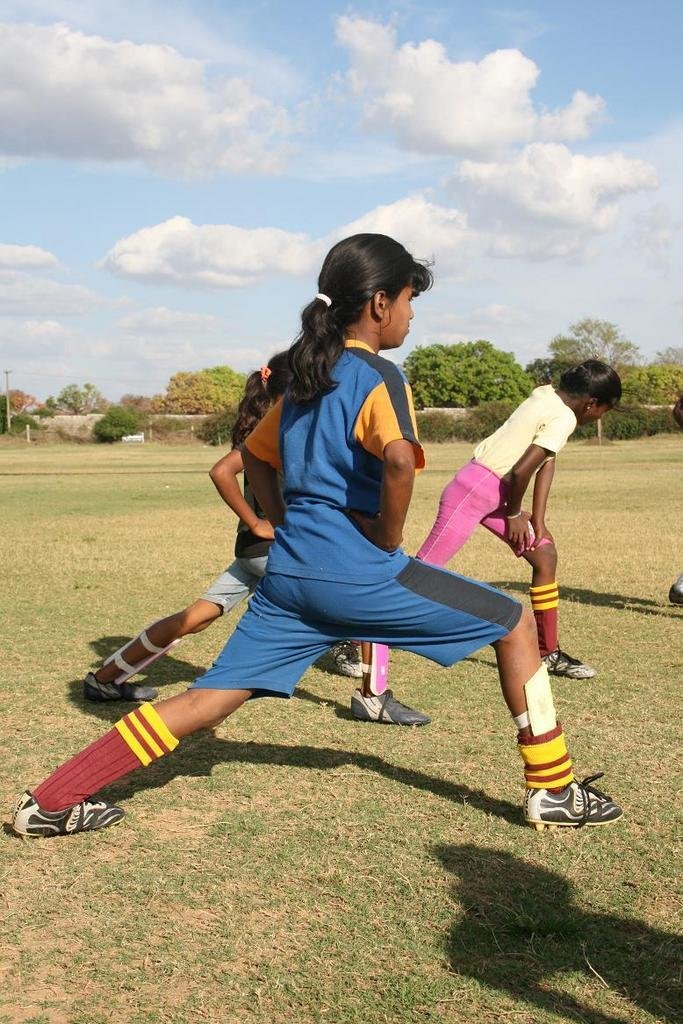
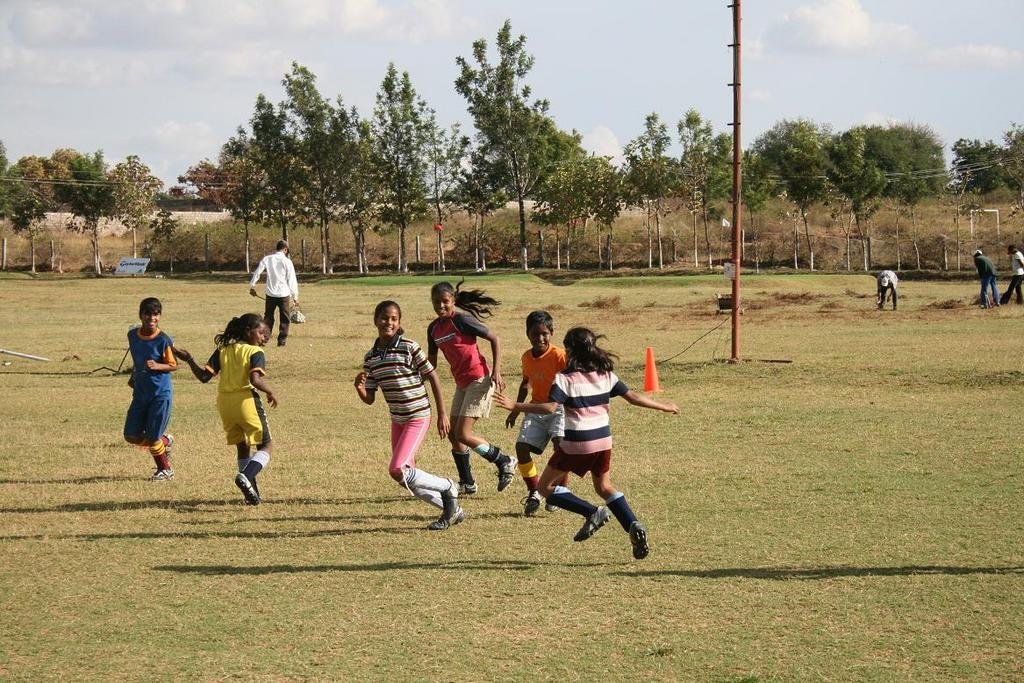
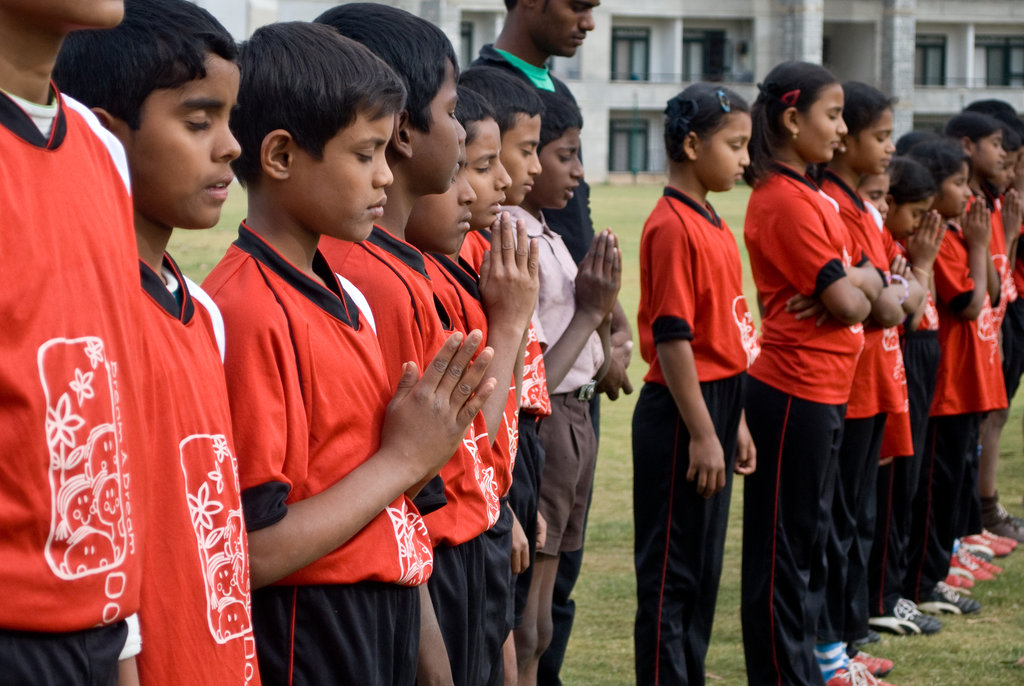
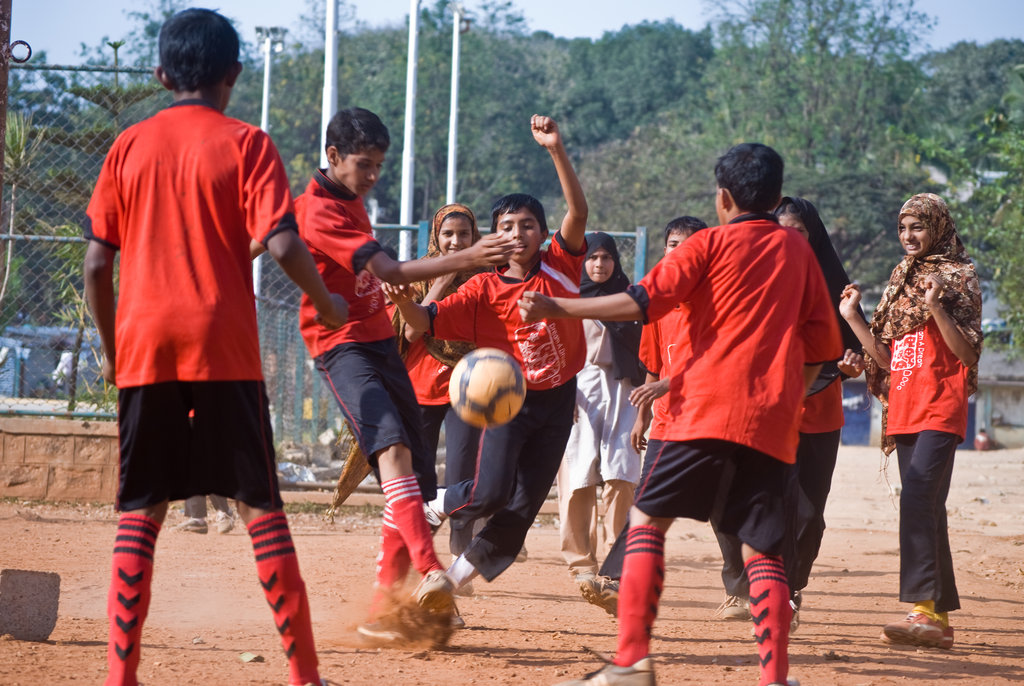
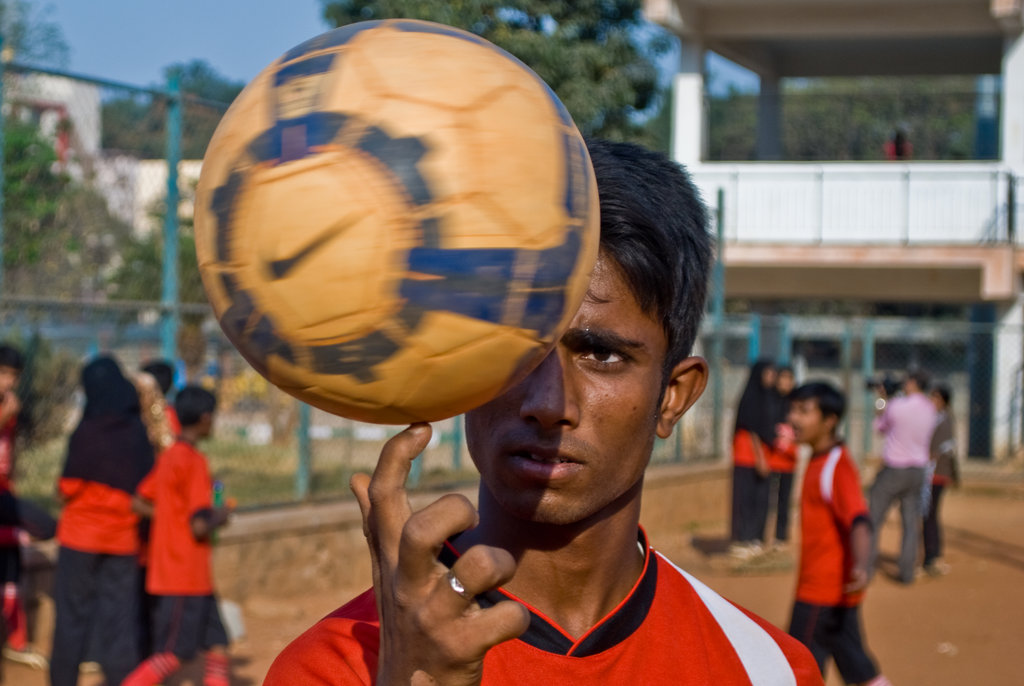
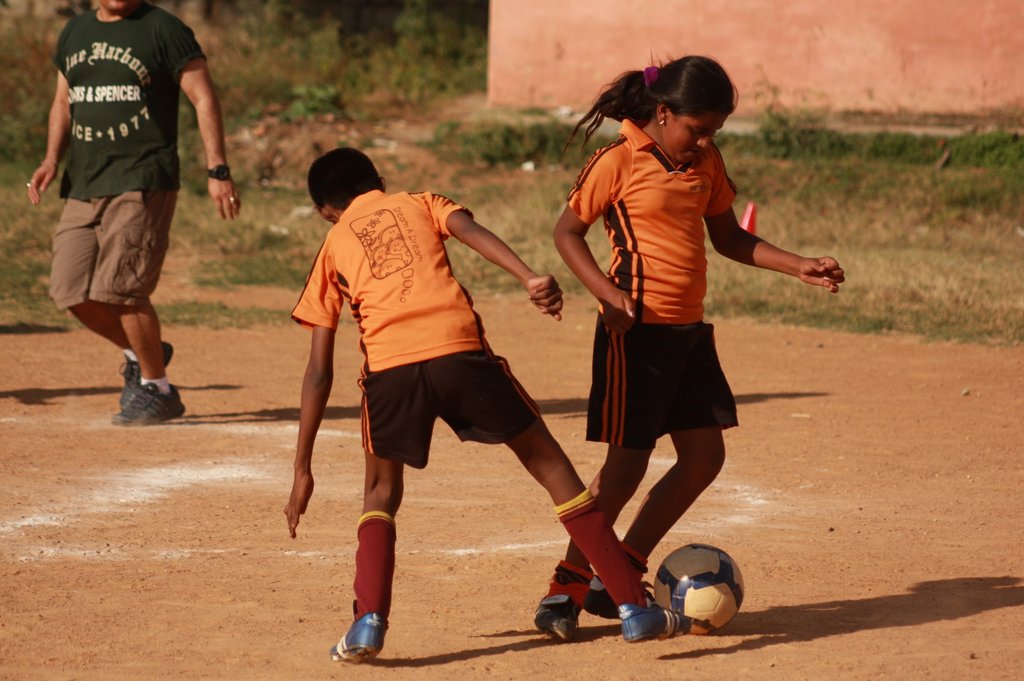
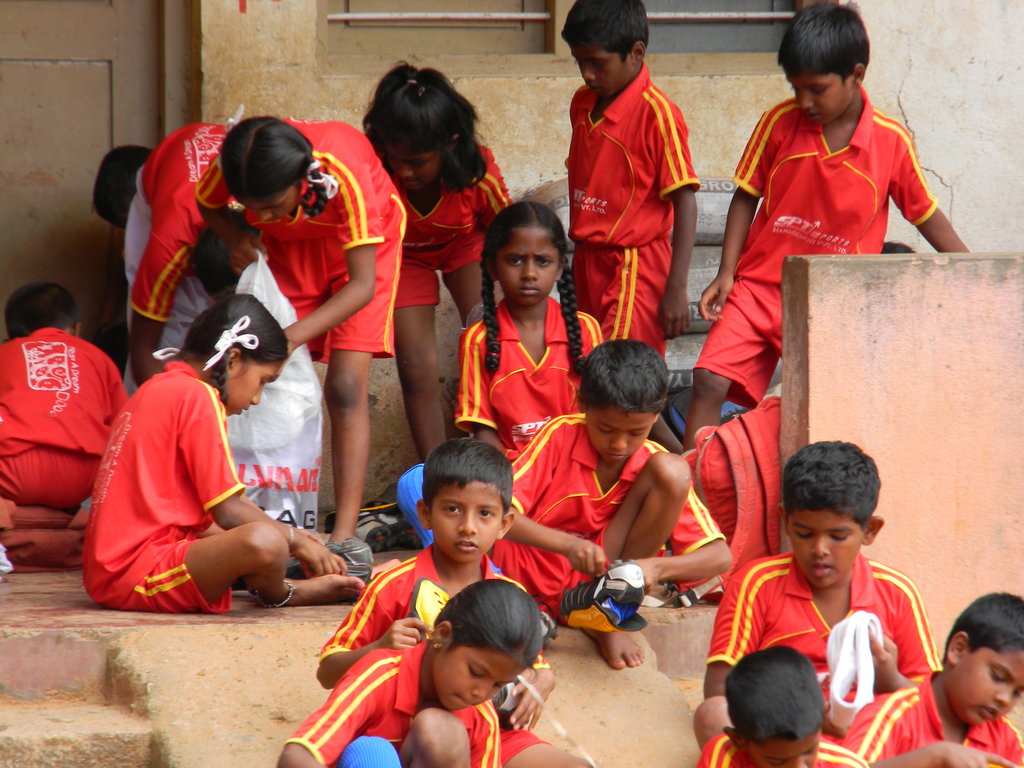
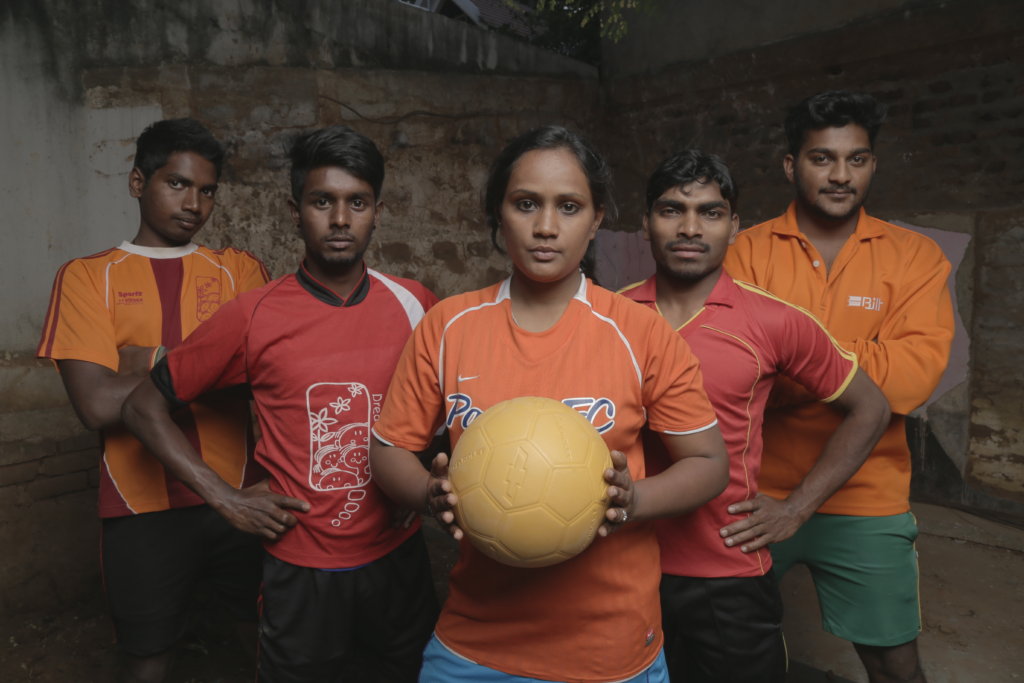
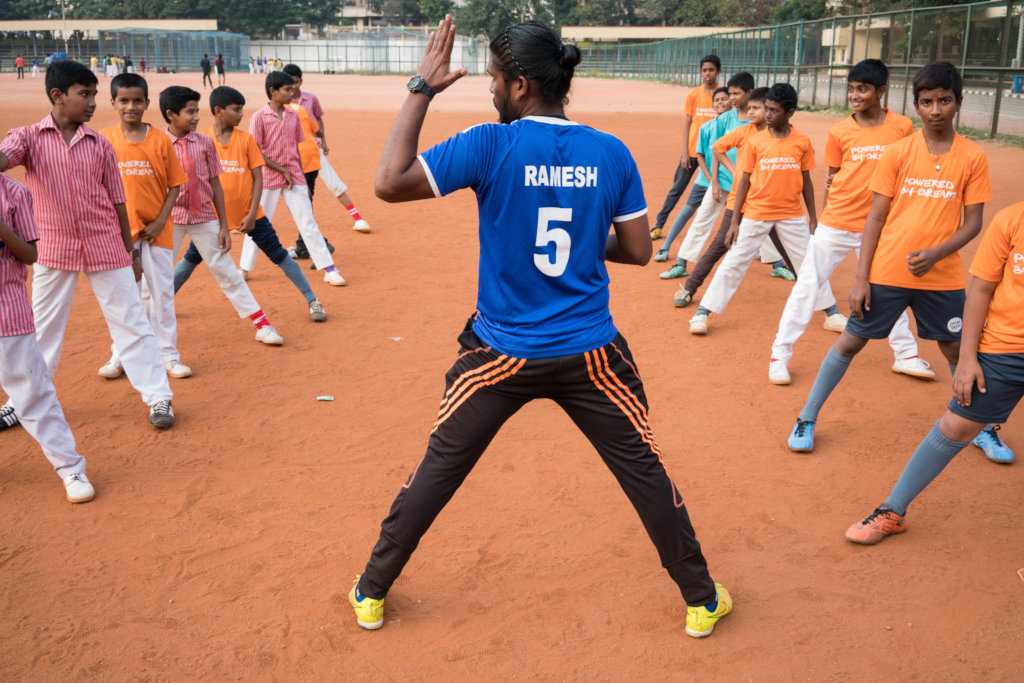
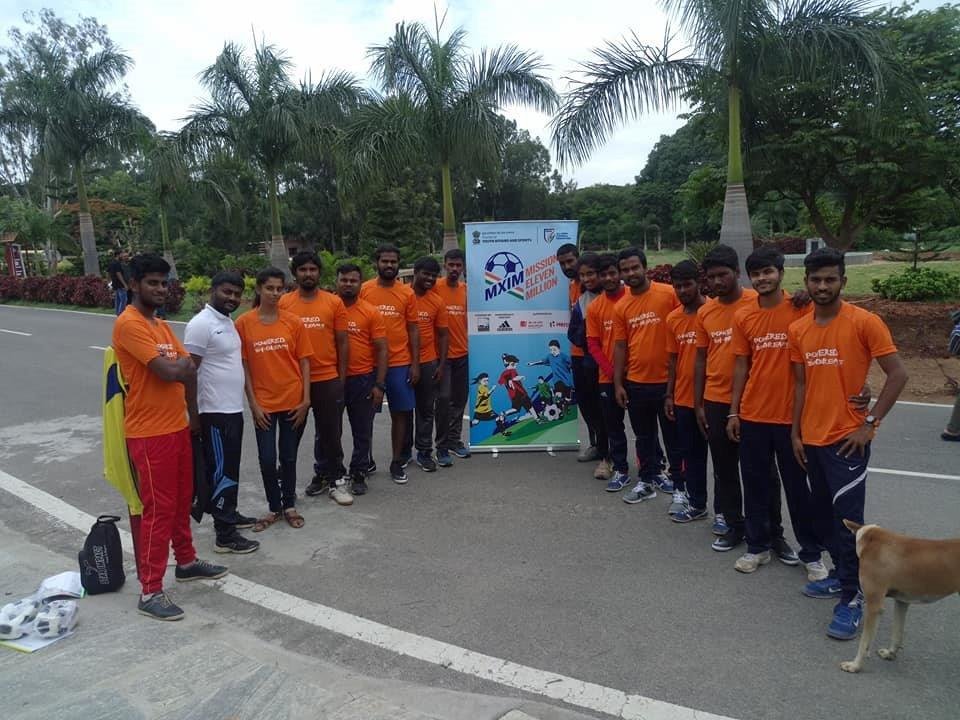
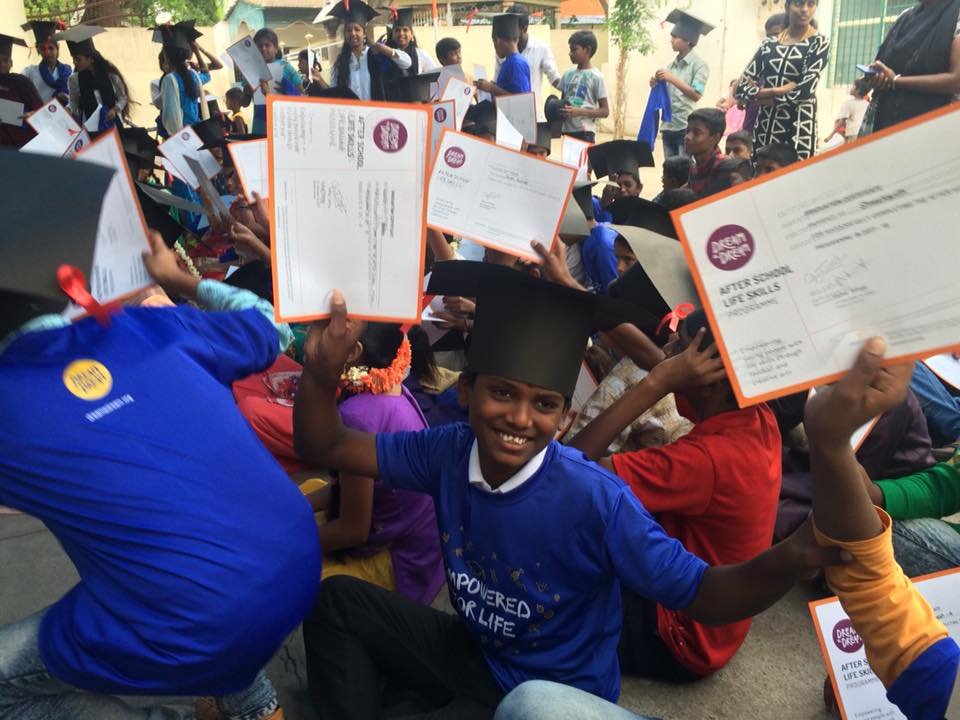
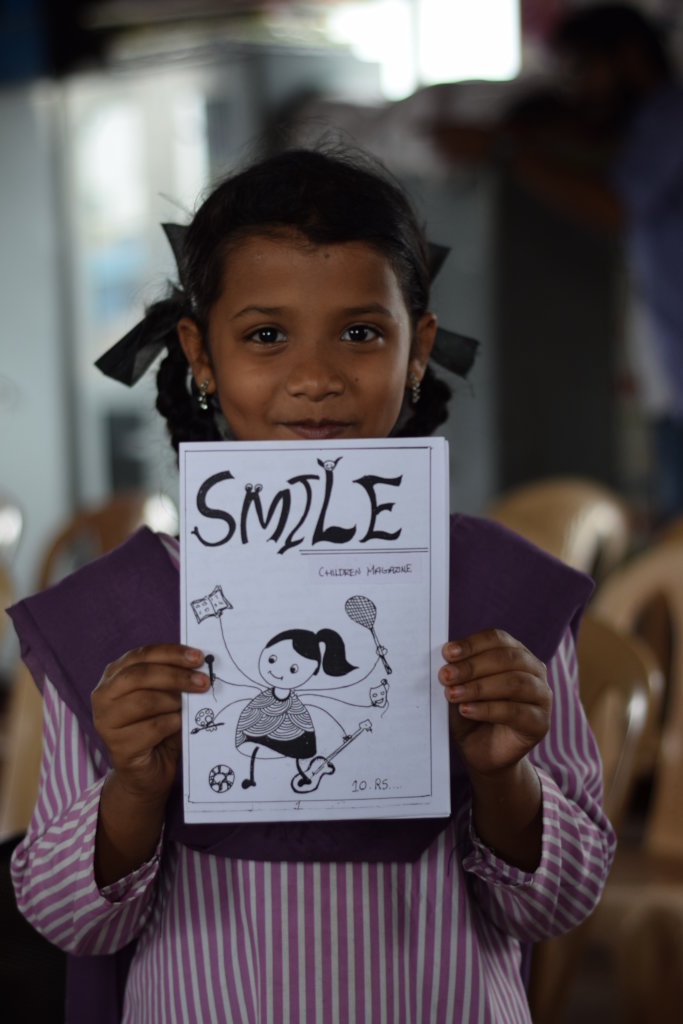
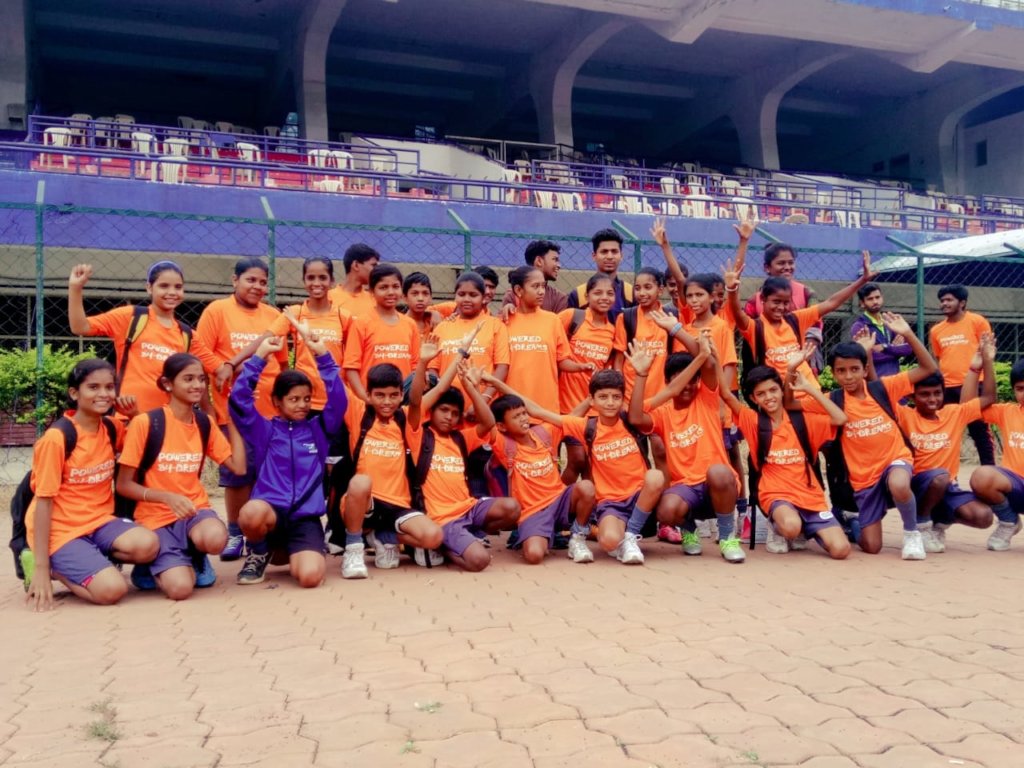
The After School Life Skills Programme uses the medium of sports and arts to engage and develop critical life skills. The programme is an innovation and experiential lab where new approaches to life skills are developed, introduced, demonstrated and fed back into a larger framework for learning. Participants of this programme are primarily between 8-15 years of age. The programme is broadly divided under two areas: Life Skills through Creative Arts and Life Skills through Sports (Football). Young people join the ASLSP and choose either an art-based or the sport-based medium. The Young People are then divided based on their age, into batches and each batch receives around 25 sessions during a school year. The programme is conducted with 22 partner schools in 2017-18.
The programme’s goals for the next three years (2018-21) are as follows:
Key Impact Indicators –
IMPACT ANALYSIS 2017-18
For a detailed report on our programme and impact, kindly visit our website www.dreamadream.org You can find us on Facebook, Twitter and Linkedin
Project reports on GlobalGiving are posted directly to globalgiving.org by Project Leaders as they are completed, generally every 3-4 months. To protect the integrity of these documents, GlobalGiving does not alter them; therefore you may find some language or formatting issues.
If you donate to this project or have donated to this project, you can receive an email when this project posts a report. You can also subscribe for reports without donating.