By Vishal Talreja | Cofounder
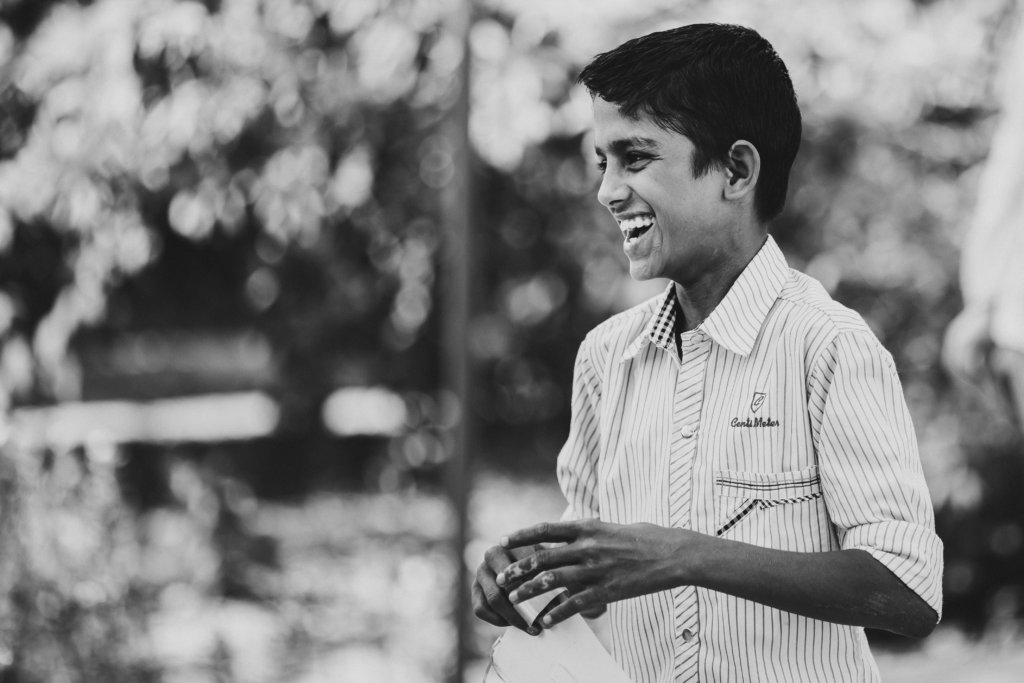
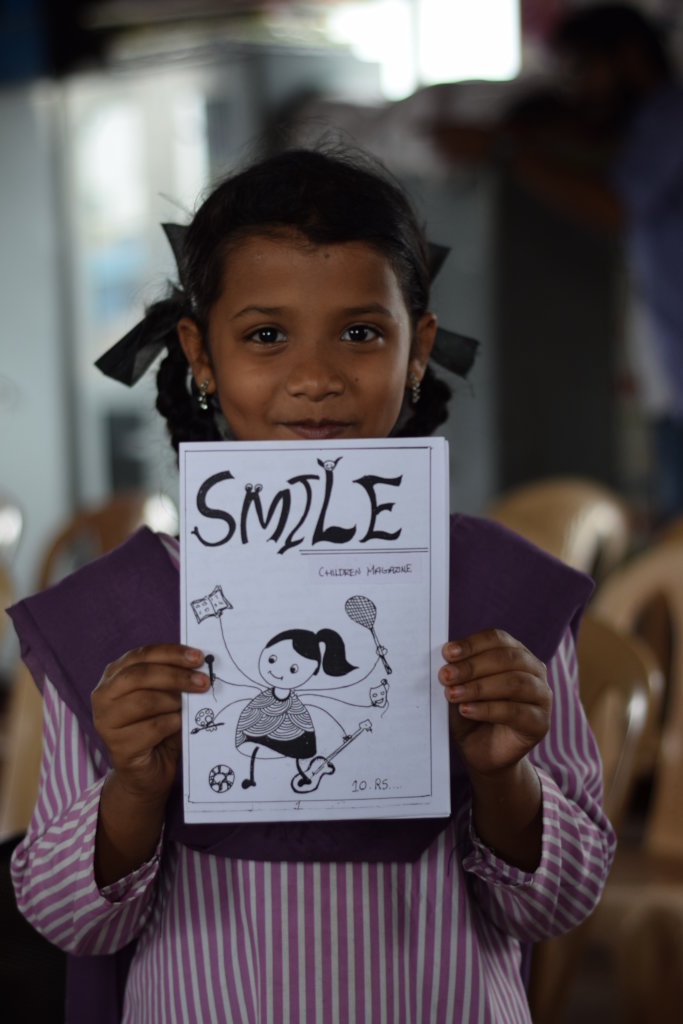
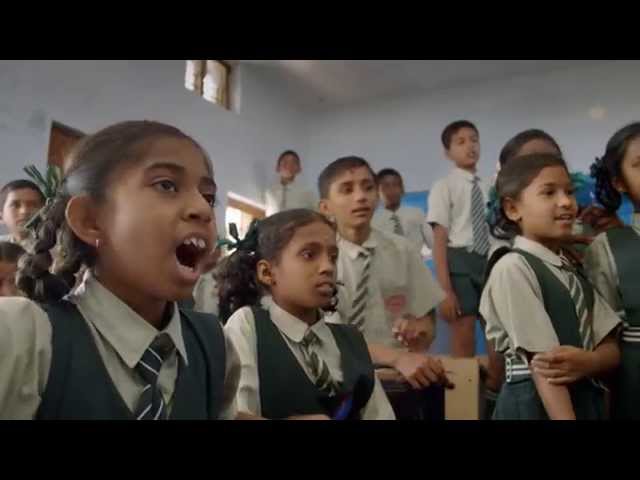
"I hope to become a teacher and change the lives of other children like me by providing them with good education. Thank you, Dream a Dream!" says 9 year old Ayesha who has enrolled herself into Dream a Dream's After School Life Skills 'Creative Arts' programme.
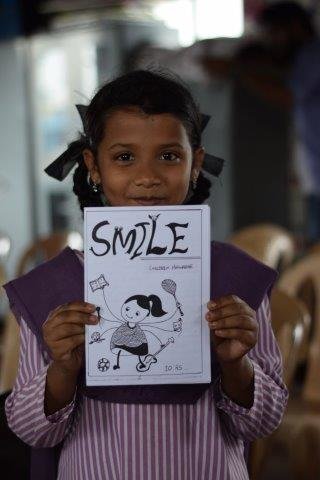
Born in a middle-class family of humble means, Ayesha lives with her parents and elder brother. Her father works in an incense factory while her mother is a home maker. Ayesha has been part of Dream a Dream’s After School Life Skills Programme (ASLSP), through the medium of Creative Arts since 4th Grade.
When Ayesha joined the programme, the facilitator remembers how silent she was. Ayesha kept to herself, didn’t interact with her classmates and refrained from stepping forward to participate in session activities. She was highly temperamental, behaving rudely with her classmates, breaking into fights with them often. She kept away from having conversations with teachers and seemed anxious and fearful of talking with others. The facilitator observed that Ayesha was having a tough time adjusting with her classmates, which was resulting in her spending more time by herself. Her teachers found her very smart and good in academics but they felt she needed to amend her behavior as a day wouldn’t pass when there weren’t complaints made against her, by her classmates.
The facilitator, post this discussion with Ayesha’s teacher resolved to uncover the reason behind her behavior. She approached her mother, who brought out that Ayesha had just changed schools, due to the family’s financial constraints. Ayesha, popular with her friends, highly participative in class activities, especially debates and extremely outspoken, suddenly became withdrawn and silent, following the move to the new school.
This visit clarified a lot of lingering doubts in the facilitator’s mind about her difficulty in adjusting to her classmates. It was a big change for Ayesha, adjusting into a new environment. The facilitator was certain that with a little time and a lot of support, Ayesha would fit in just fine. One day, at the end of a session, the facilitator had a casual conversation with Ayesha for 5 minutes. A few days later, she approached the facilitator once everybody had left and requested some time to talk. She was silent for a long time after that and the facilitator waited patiently, for Ayesha to feel comfortable and more importantly, that she could trust the facilitator. Ayesha slowly said that she liked attending the sessions. The facilitator responded by asking her what she liked about the sessions and soon conversation flowed easily. The facilitator held a safe space for Ayesha where she felt motivated to express what she was feeling.
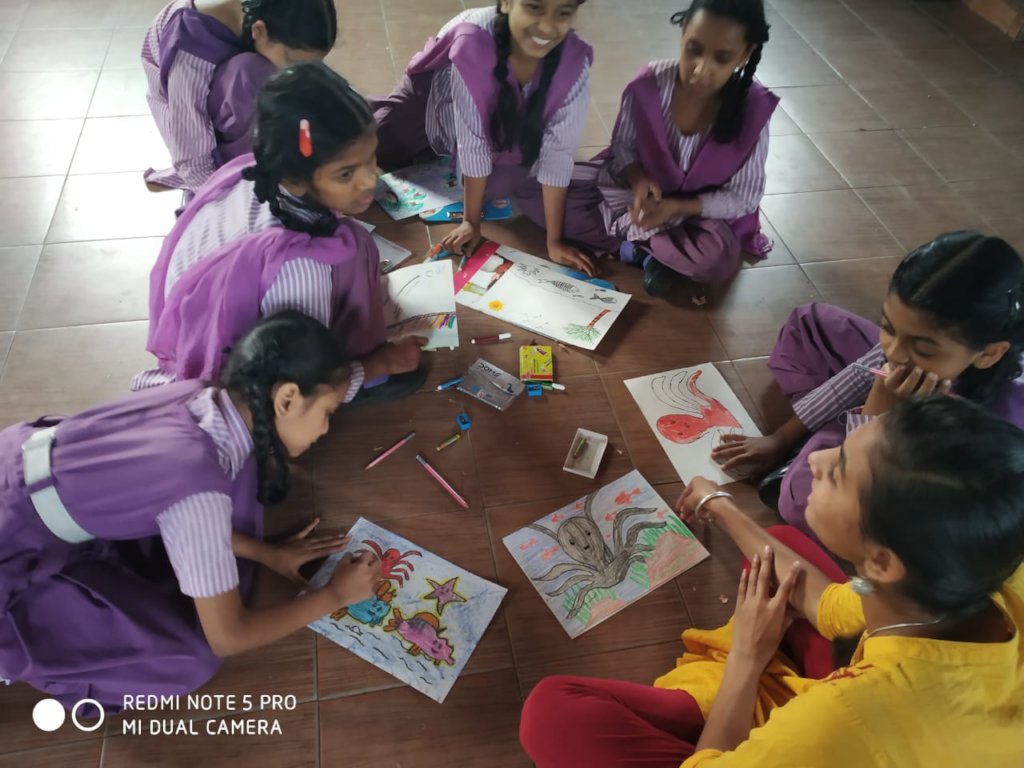
The following class, the facilitator conducted an activity where two partners would share their feelings, which the partner would draw on a sheet. Ayesha found it difficult to express her thoughts and emotions to this partner, feeling that if she was doing so with her close friend, it would be easier. The facilitator watched over the students and noticed Ayesha’s difficulty but didn’t interfere. At the end of the session Ayesha expressed her difficulty to the facilitator. She shared how she didn’t like this school as her previous school was very disciplined. Expressing her fear of talking to friends because of constant fights and how talking to boys was prohibited, she found it confusing and difficult to even talk to her brother at home
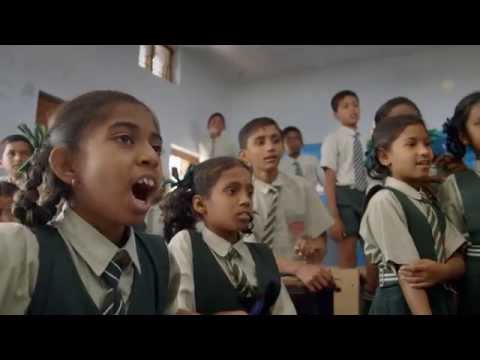
The facilitator asked Ayesha not to worry and instead mingle with others in the session, to know them and ensure that they got to know her as well. By the next session, Ayesha had made friends and a few sessions later, was sitting with others in the group, talking and sharing with others in the group. A few more sessions and she was leading her group and expressing her feelings openly. The facilitator noticed that she was a bit afraid of speaking in front of everyone so gave her a chance to teach the class an action song. Ayesha initially declined but the next session, having gathered up some courage, asked whether she could do it. She taught the class the action song, overcoming her fear, knowing that she was in a safe space.
A few months later, Ayesha is no more silent and withdrawn. She is back to being her old self of participating actively in class sessions, getting along well with her classmates and boldly interacting with teachers. The facilitator holding space for her, validating what she was feeling enabled her to process her conflicting thoughts and emotions. All she needed was an adult who cared enough to listen and encourage her.
Ayesha quotes: -
My name is Ayesha and my dream is to become a teacher. I never knew what my goal was before attending Dream a Dream’s sessions. From being silent, fearing talking to my classmates and excluding myself from class activities, I feel confident and bold when I talk to my classmates and teachers. I will study well and I hope to become a teacher and change the lives of other children like me by providing them with good education. Thank you, Dream a Dream!
Teacher’s quotes: -
Ayesha has started showing leadership qualities in class, helping her classmates when we are late to class or caught up with other work. She has become more active in class activities and her behavior has changed remarkably since when she joined. Her interaction with her classmates and us, teachers has improved considerably. She is no longer the silent and withdrawn girl she was.
Facilitator feedback: -
I have observed her transformation. All that she needed was a little motivation to bring about the change. The motivation I gave and the safe space I created for her to explore her talents, has helped her move in a path of change. Ayesha initiates action and takes responsibility for activities without being told.
Dream a Dream is a registered, charitable trust empowering children and young people from vulnerable backgrounds to overcome adversity and flourish in the 21st century using a creative life skills approach.
Currently, we work with 10,000 young people a year through our two innovation labs – After School Life Skills Programme and Career Connect Programme; we have trained over 6,728 teachers/educators from 191 partners impacting over 1,68,200 children and young people and sensitize over 2,500 volunteers through our unique Life Skills Development model. We work on a strong collaborative approach with local charities, corporates, volunteers, governments, expert consultants and a host of national and international strategic partners.
Presently, we deliver life skills interventions through three programmes: After School Life Skills Programme, Career Connect Programme and the Teacher Development Programme.
Dream a Dream has been recognized and awarded for innovation, transparency and accountability over the years by Ashoka, GDN, Harvard, Rockefeller Foundation, Resource Alliance and others.
Two years ago, we unveiled our five-year strategic plan, which outlined our vision for 2016-21. Since 2016, we have continually invested in research & advocacy to build momentum around our vision of equipping young people from vulnerable backgrounds with life skills. The journey so far has been very exciting, and we believe we are on the right path. With this report we would like to share some key highlights from the first half of 2018-19 as we move closer to our 2021 vision.
AFTER SCHOOL LIFE SKILLS PROGRAMME
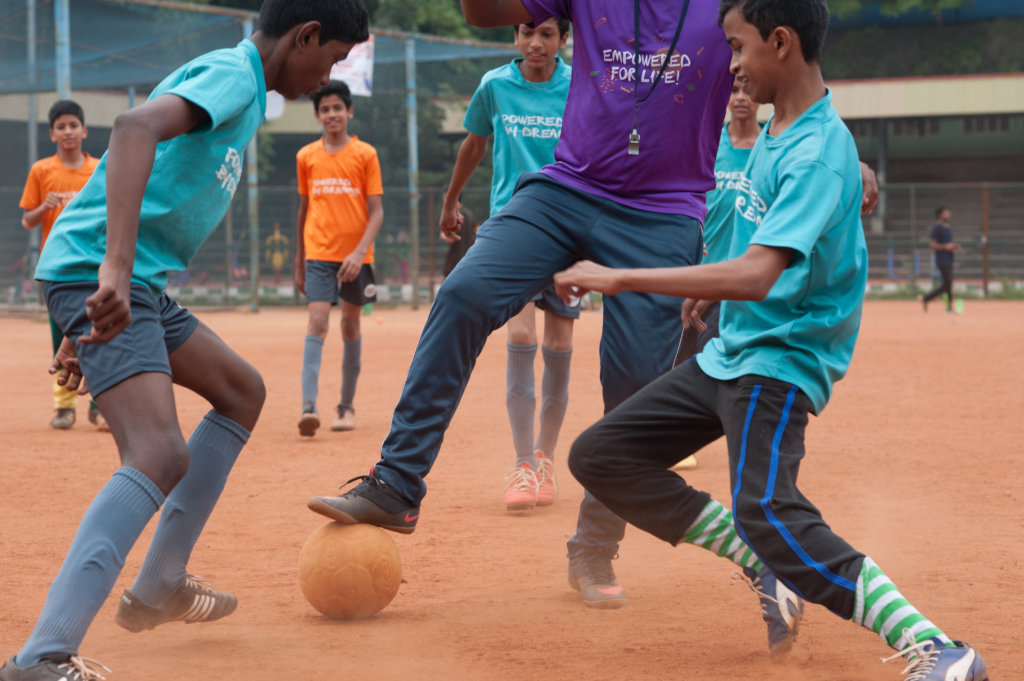
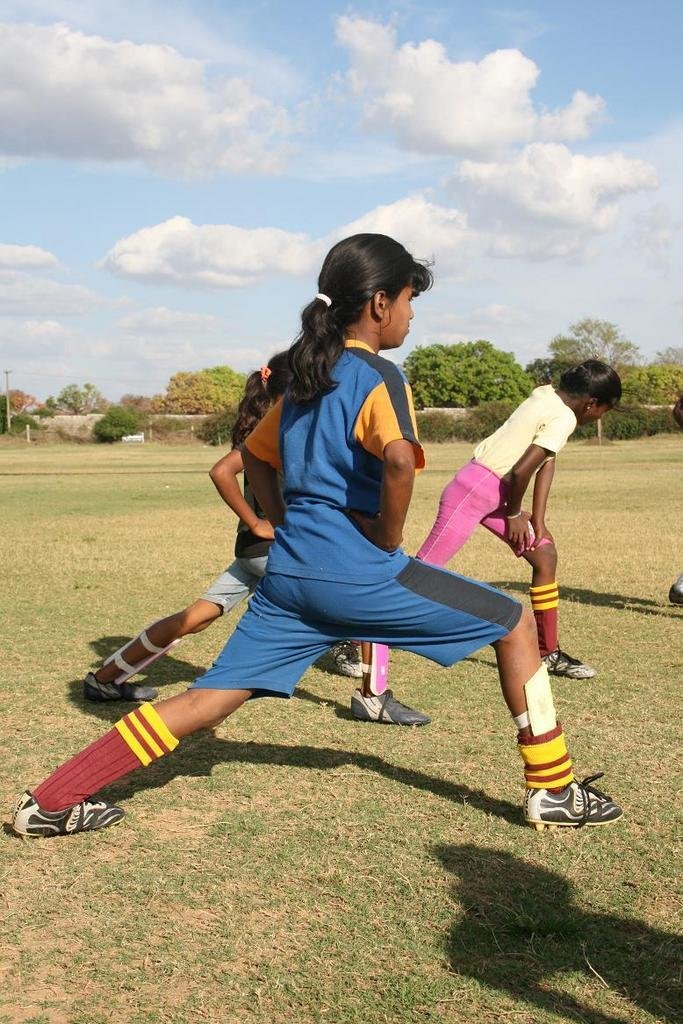
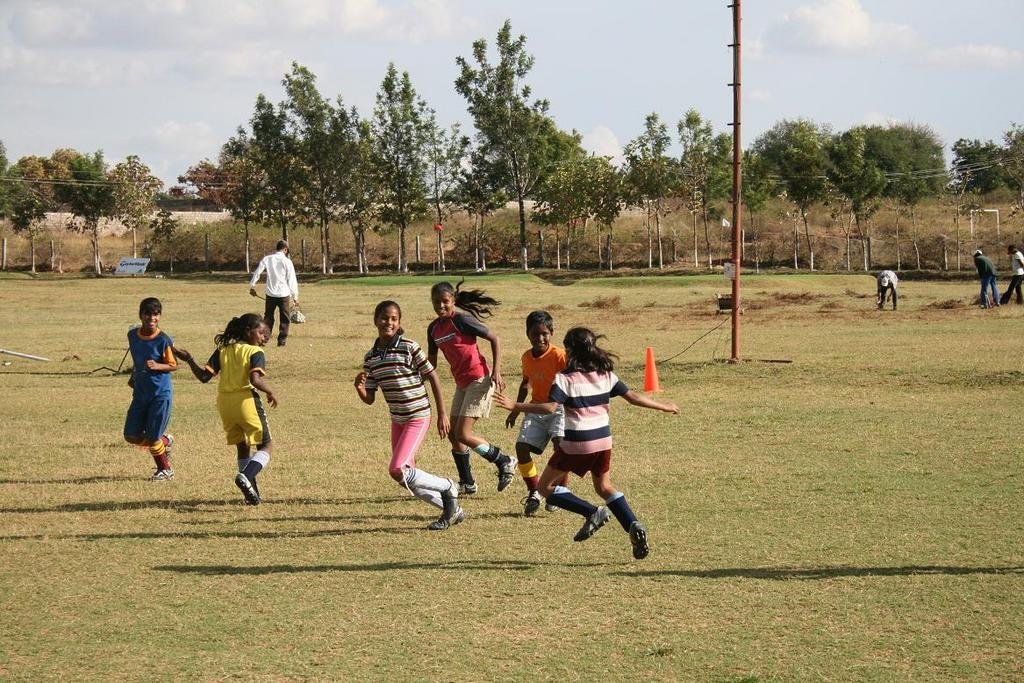
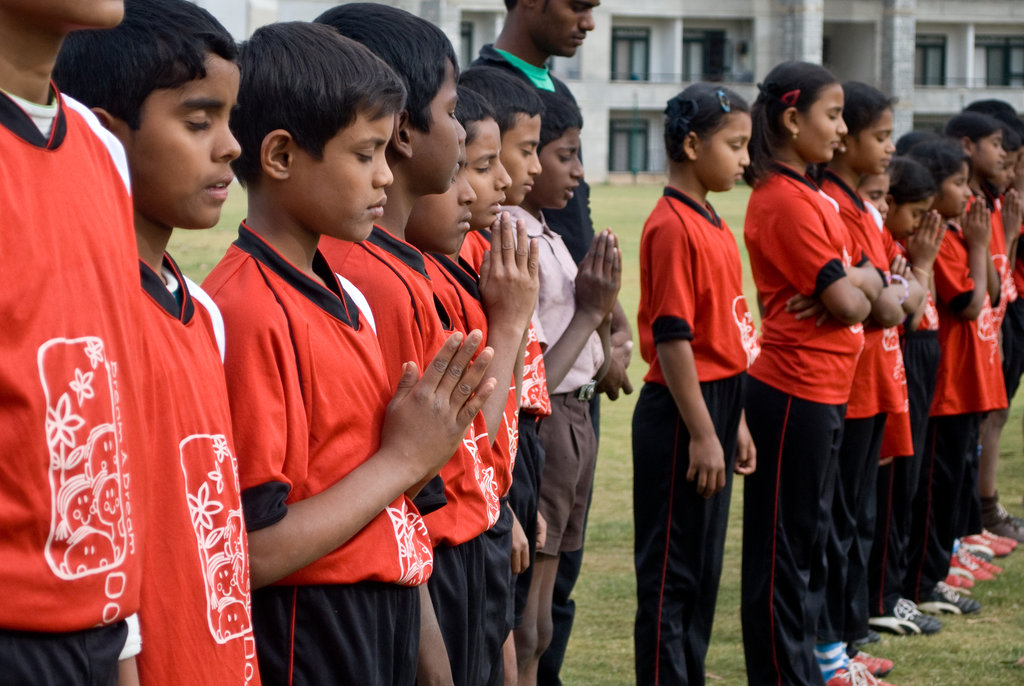
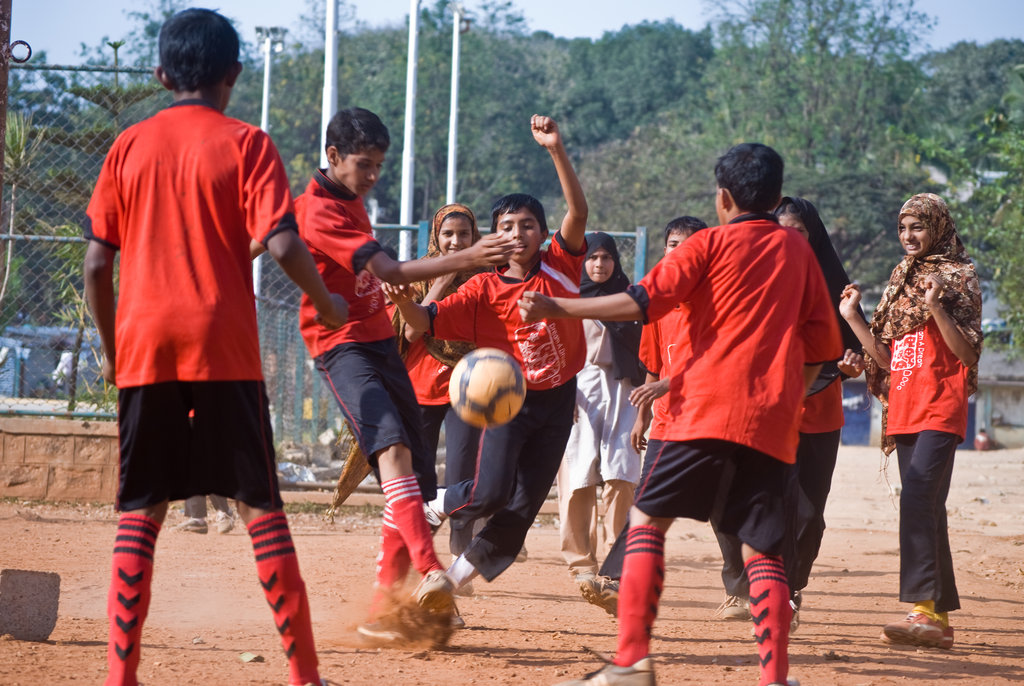
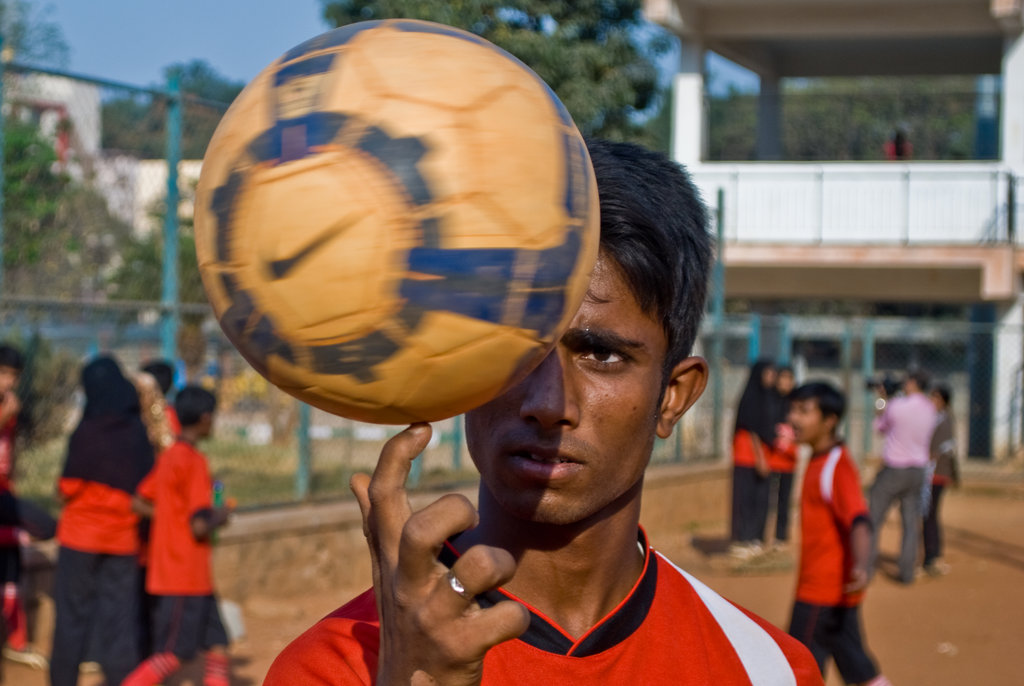
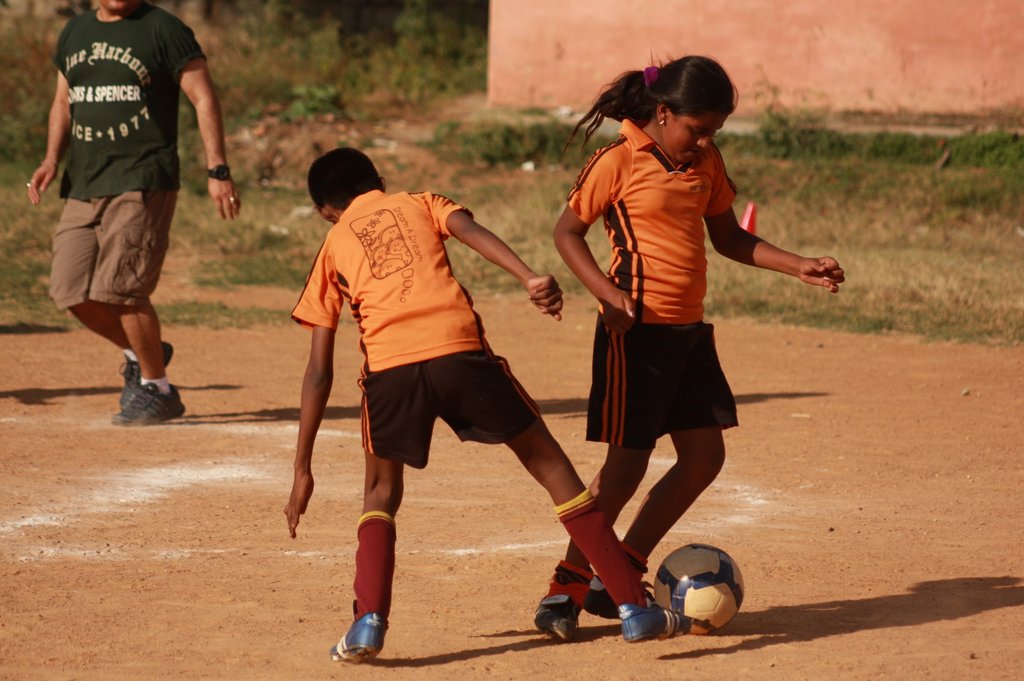
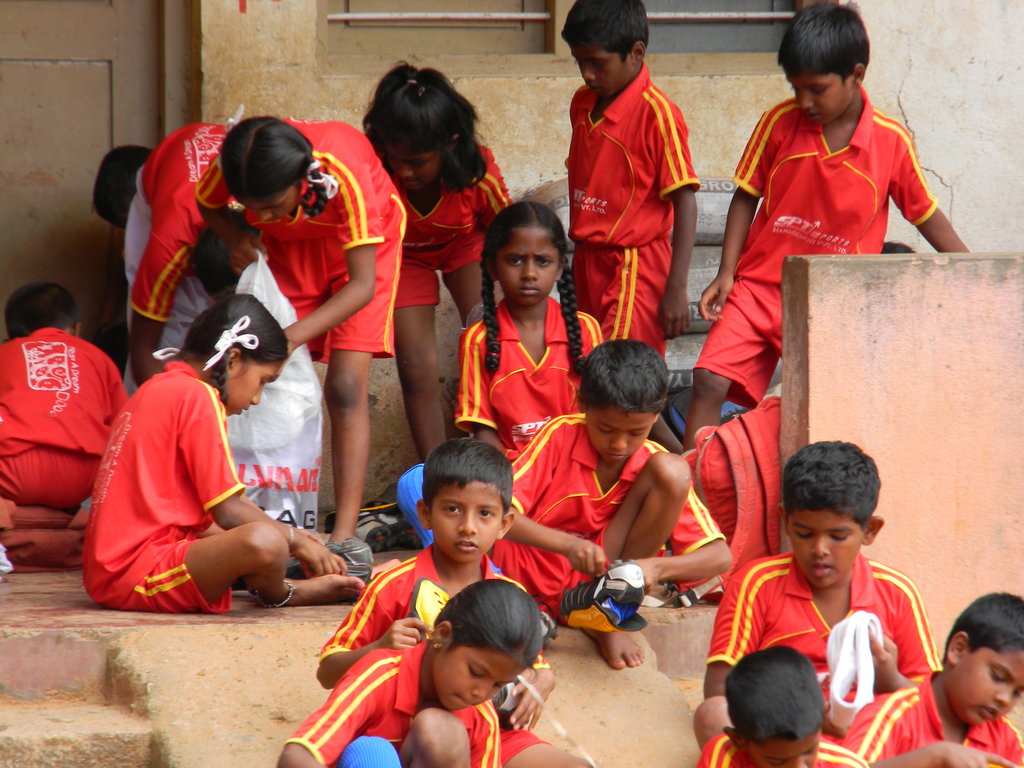
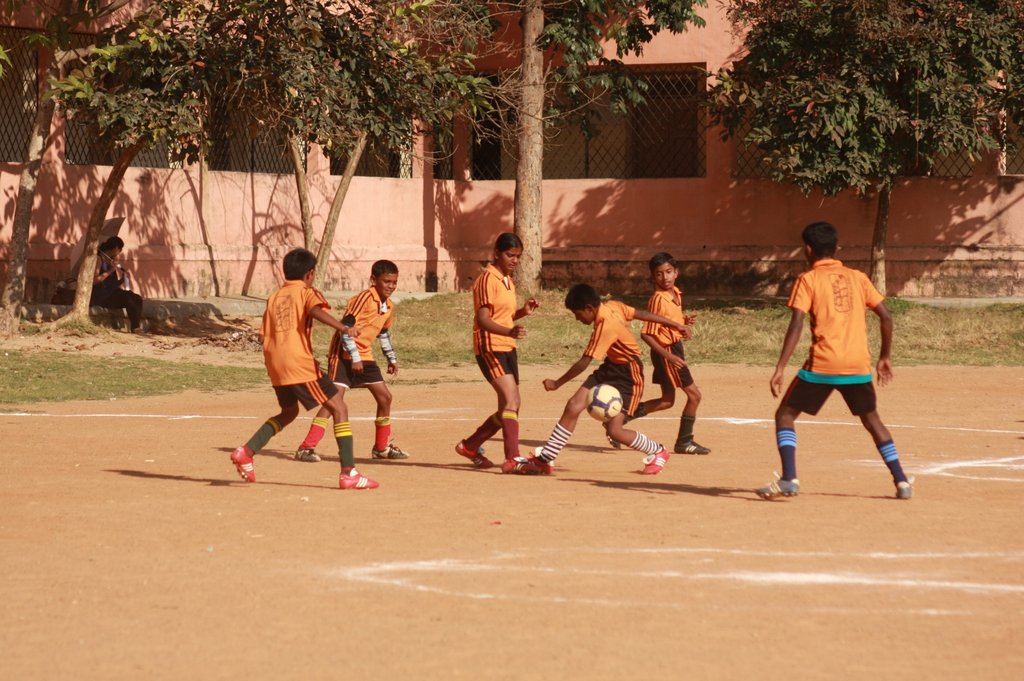
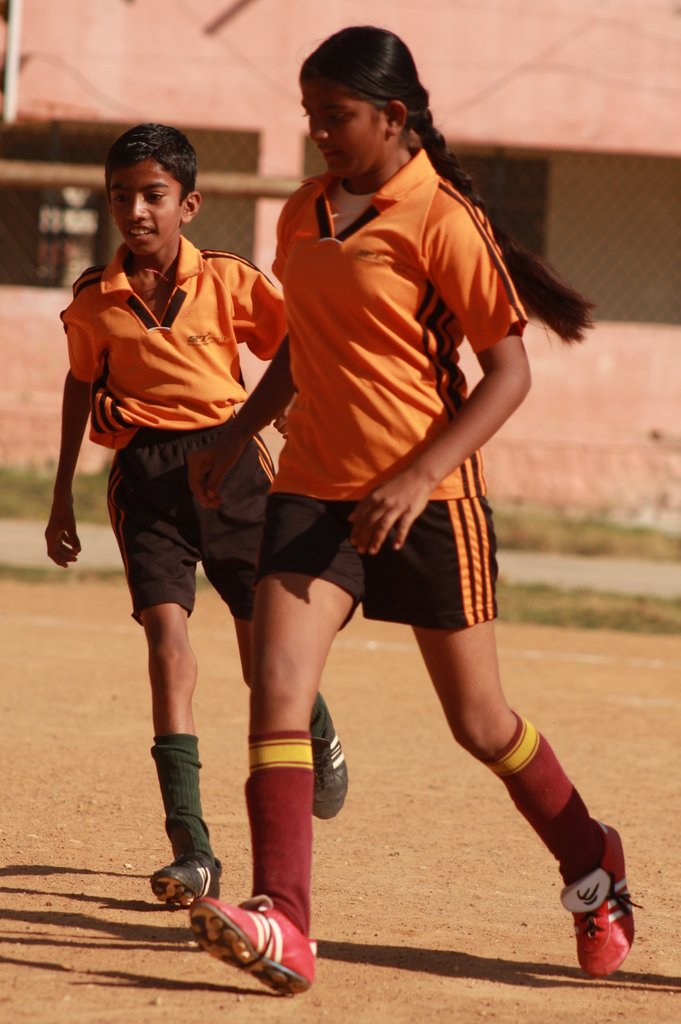
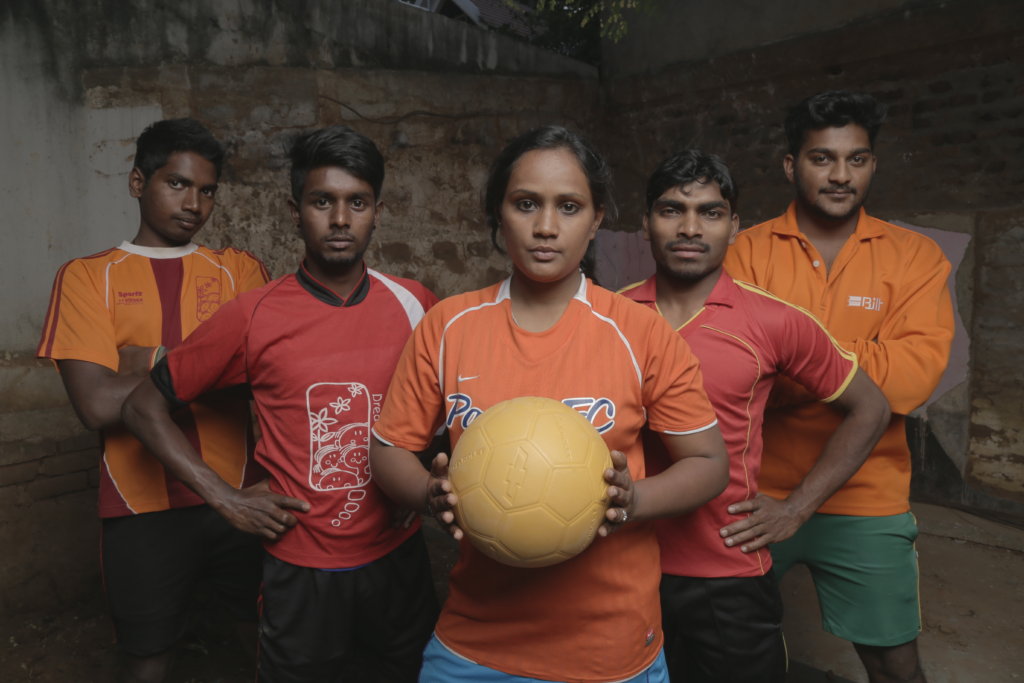
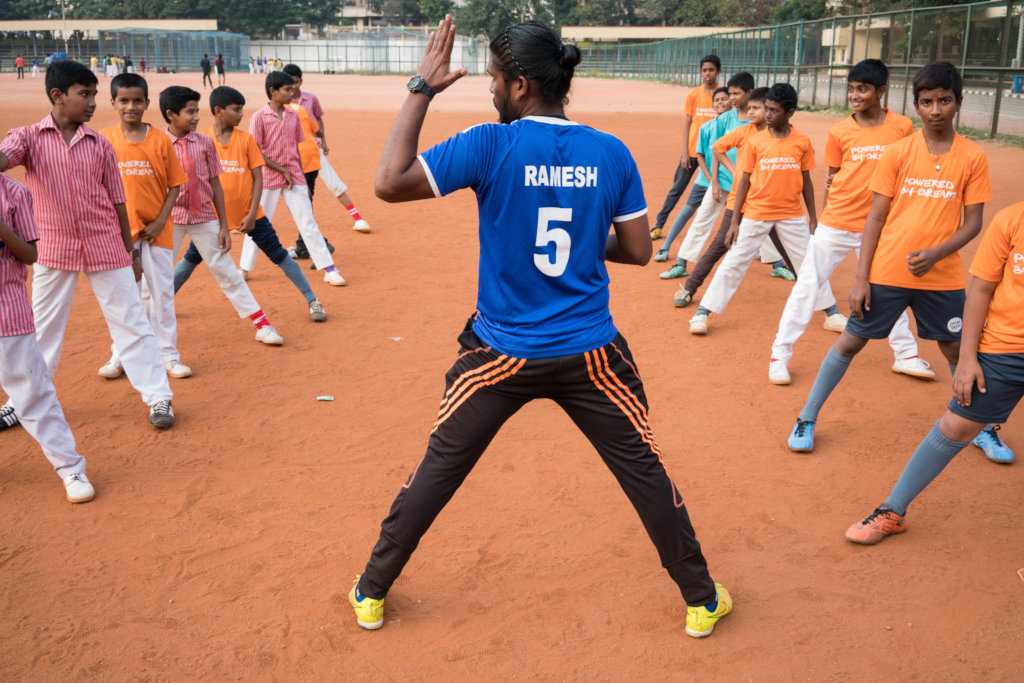
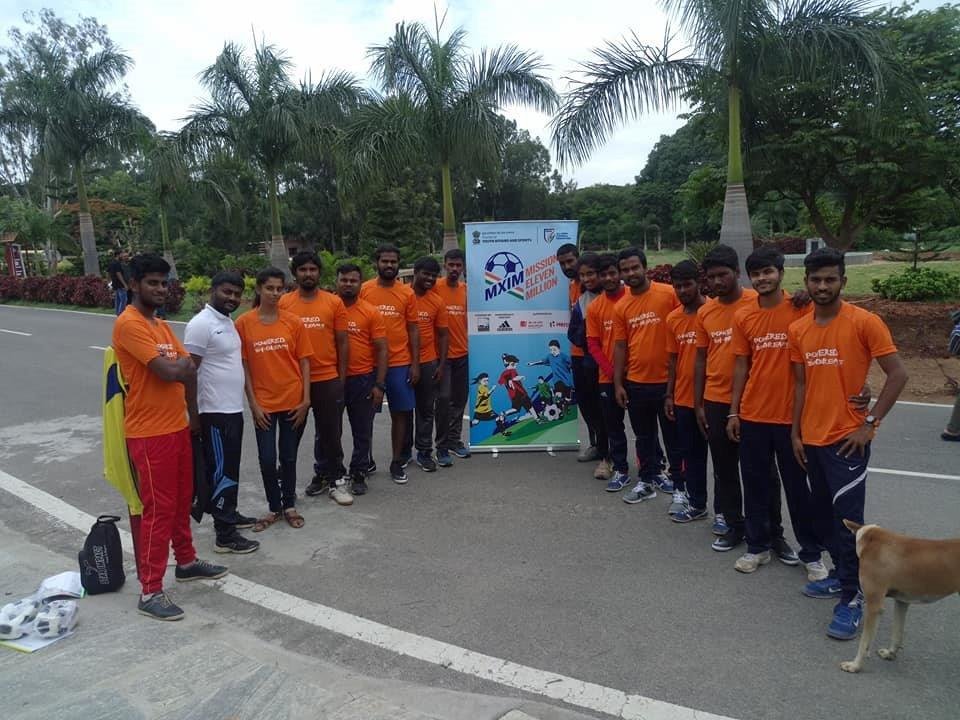
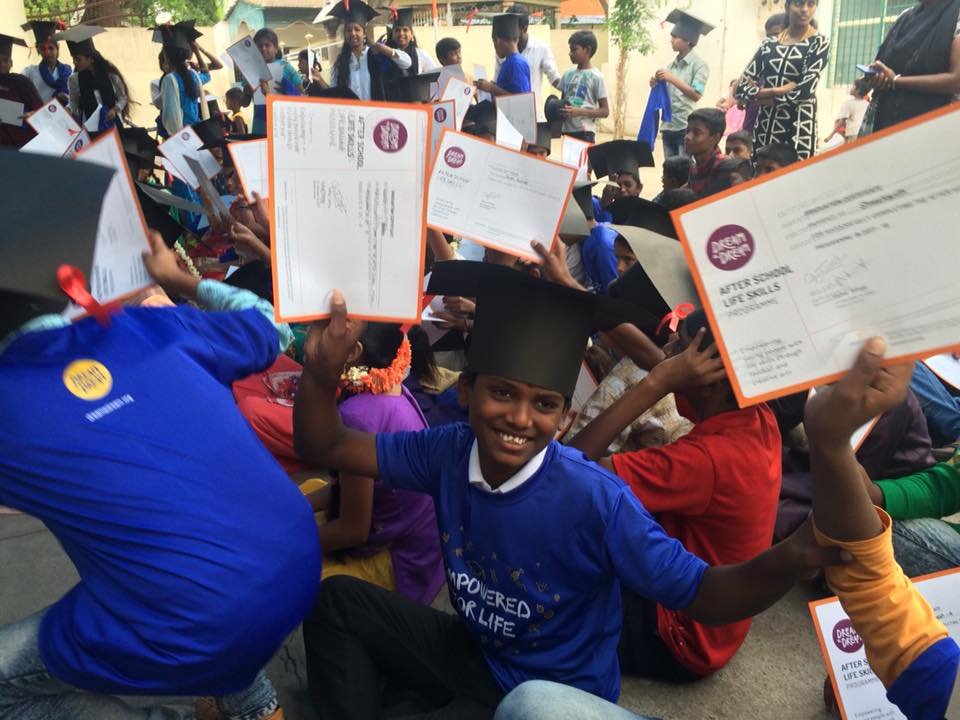
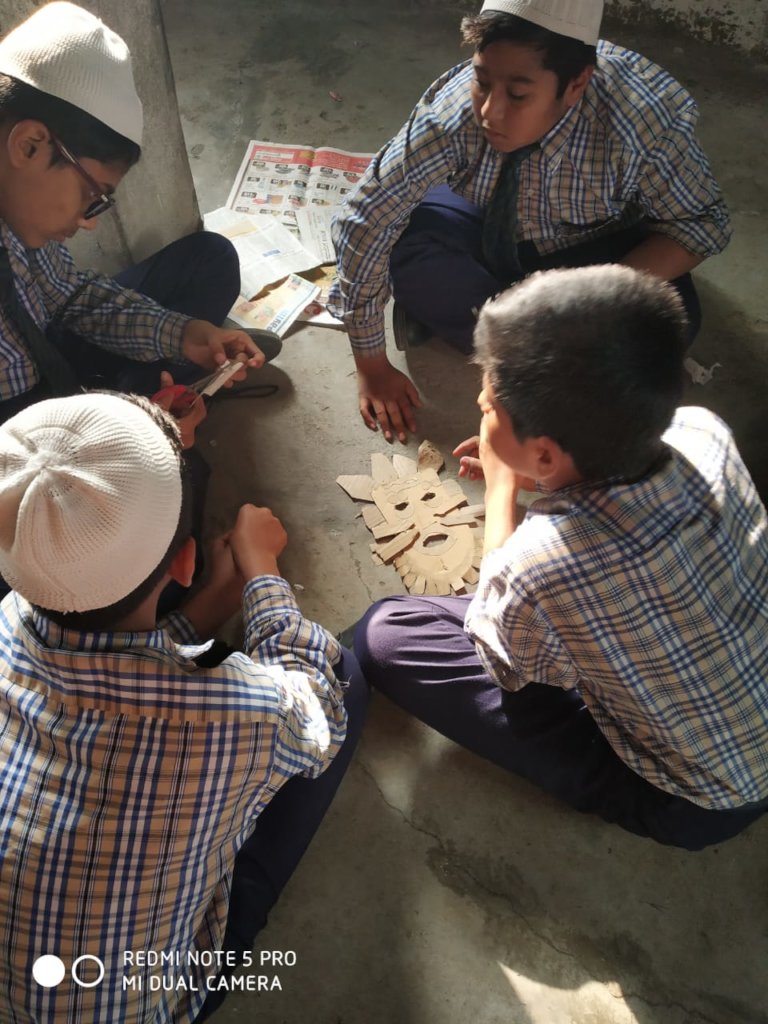
In our After School Life Skills Programme, we use creative arts and football as mediums to engage and develop critical life skills among young people between the ages of 8 to 15 years. This programme is an innovation lab where new approaches to life skills development are introduced, demonstrated, documented, evaluated, and fed back into a larger framework for re-imagining learning for young people in the country. To measure the improvements in life skills amongst the young people, we use the Dream Life Skills Assessment Scale (DLSAS*).
The programme’s goals for the next three years (2018-21) are as follows:
Key Impact Indicators –
5,658 young people engaged in the After School Life Skills Programme
IMPACT ANALYSIS 2017-18
For a detailed report on our programme and impact, kindly visit our website www.dreamadream.org You can find us on Facebook, Twitter and Linkedin.
Project reports on GlobalGiving are posted directly to globalgiving.org by Project Leaders as they are completed, generally every 3-4 months. To protect the integrity of these documents, GlobalGiving does not alter them; therefore you may find some language or formatting issues.
If you donate to this project or have donated to this project, you can receive an email when this project posts a report. You can also subscribe for reports without donating.