By rebecca trujillo | directora
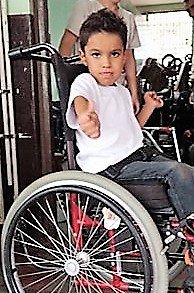
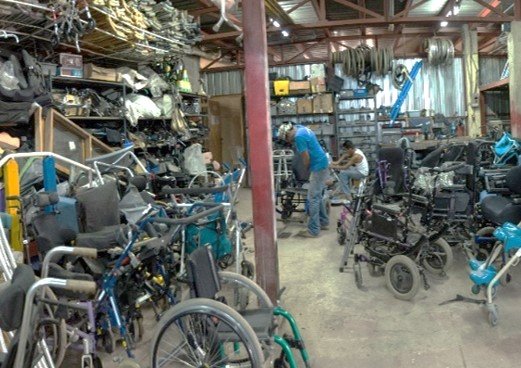
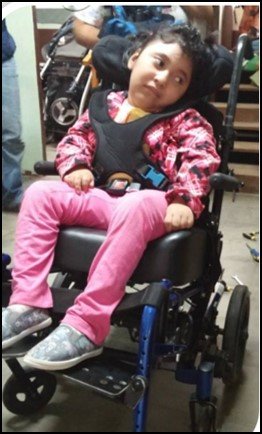
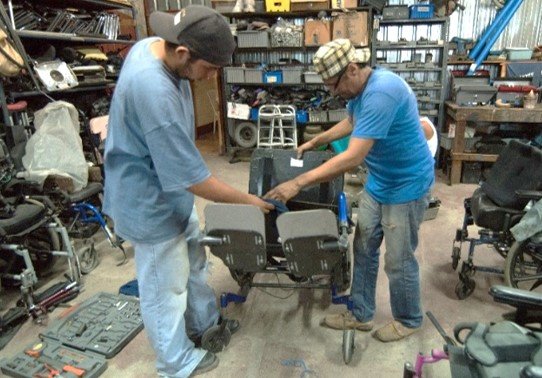
Mobility changes people's lives. In Matagalpa, Nicaragua, before 2000, it was odd for people to get a wheelchair. There just were not any available. But in 2000, we changed that with our wheelchair workshop when we began in a neighborhood known as "Calle Ocho," named for the gang members there. We opened up a lot more than just a wheelchair workshop. We opened up mobility for hundreds of young people through the distribution of wheelchairs, so people became mobile. We started talking and teaching about mobility with dignity and creating jobs.
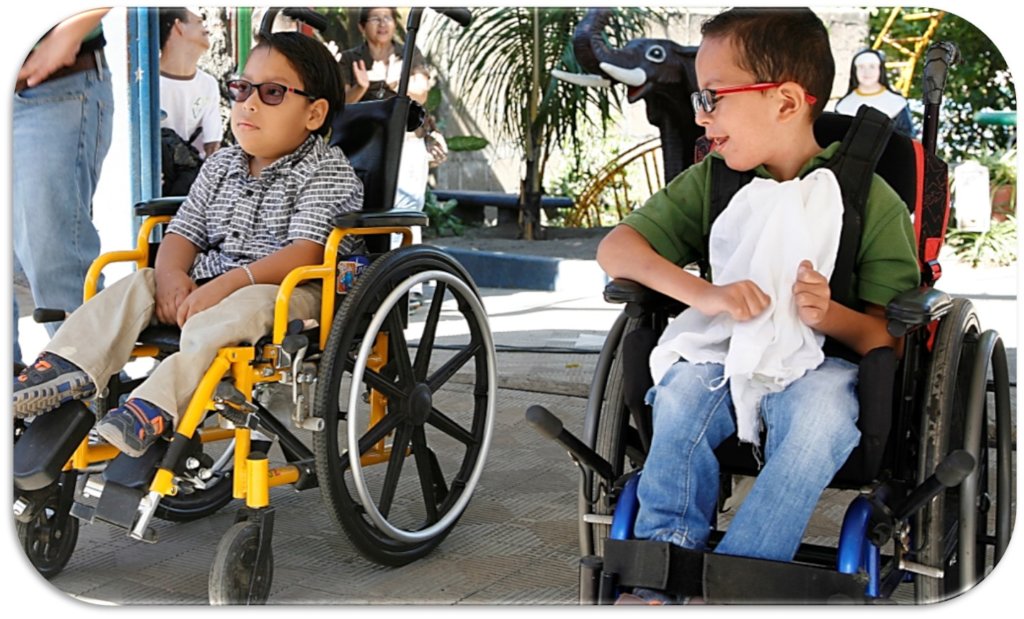
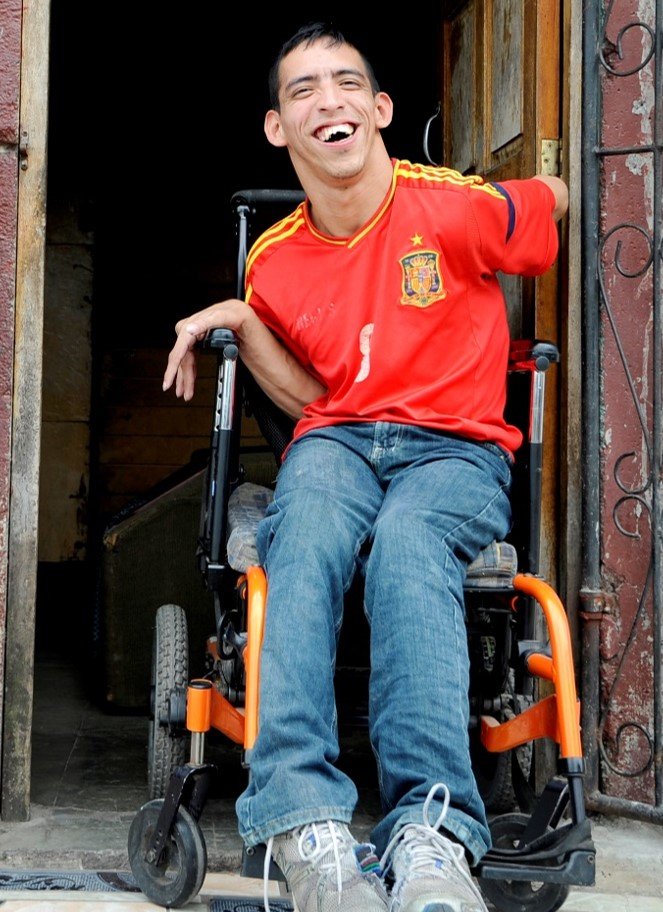
What does mobility with dignity mean now? What are the changes that happened because more people started having access to wheelchairs? Students started having the ability to get to school because they had mobility. Young people could get jobs because they were now mobile. The city of Matagalpa changed because it had to become more accessible for people with a wheelchair. Through our insistence, the city built more than 250 ramps throughout Matagalpa to create more mobility. Taxicab drivers had to start picking up people in wheelchairs. Buses had to become more accessible for people in wheelchairs. People became more independent in their households because they had a wheelchair. People began to participate in local meetings in their communities because they had wheelchairs. A dance group with people in wheelchairs formed. Artists could now paint because they had mobility with their wheelchairs. People started asking for more accessibility because they now had wheelchairs. Over the years, more than 50 young people learned wheelchair adaptation and maintenance. At first, we started giving jobs to gang members who learned this trade; this neighborhood's wheelchair workshop changed the neighborhood's character. Eventually, the street gang moved on.
The gang members who learned about wheelchairs changed their lives and gained confidence that they could work jobs and be useful citizens. Familias Especiales invited community leaders to spend time in a wheelchair, to learn the reality of being seated in a wheelchair. People realized how inaccessible the streets are, especially when mayoral candidates took time in a wheelchair. 2021 is the 20th anniversary of our wheelchair workshop in Nicaragua. Partnering with Wisconsin Nicaragua Wheelchair Project and volunteer groups in Minnesota to make a difference and professionals from other countries, who from a distance help this small workshop to learn how to give people mobility with dignity during times of crisis.
We have been living through two significant disasters at once. The Nicaraguan political-economic and social crisis plus the pandemic have made it evident that wheelchairs are vital for independence and dignity.
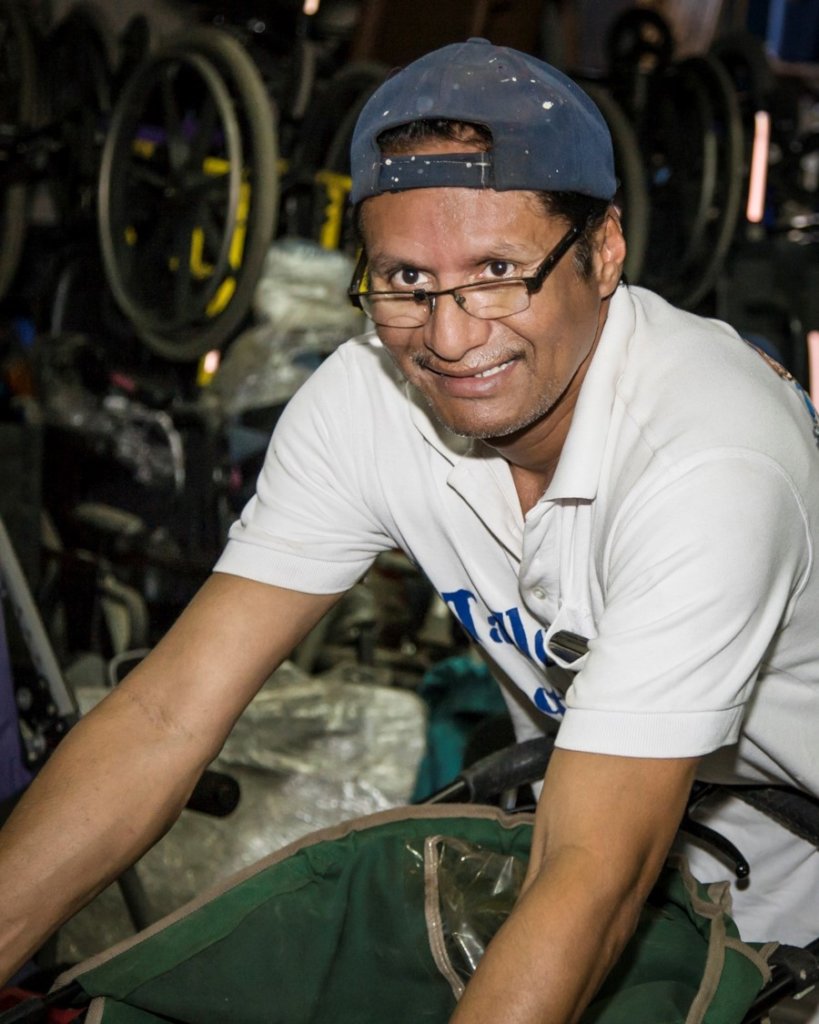
Ernesto, born deaf, works at the workshop learning ingenious ways to fix any wheelchair. By looking at a child, he can choose a wheelchair for their needs and adapt it correctly to meet those needs. He continues to make sure that each child or adult who comes into the workshop can leave the workshop more mobile than when they entered. Ernesto has worked with mobility volunteer professionals from all over the world to learn these skills. While working as a deaf person, he learned and realized that hearing people speak different languages. As a deaf person, it never occurred to him that all these hearing people were not speaking the same language. He couldn't understand the concept of different languages. It was a great day when he made this discovery while working with a deaf woman from the USA. Some hearing Spanish, Dutch and Japanese volunteers all were having a hard time understanding each other. It was like a lightbulb went on. He quickly wrote Spanish notes and tried to express his surprise in his sign language. Nicaraguan's have their very own sign dictionary. This diversity has always been a part of the workshop, people with different disABILITIES in the workshop. Once when we were going to have a class, the instructor said he would charge per person. Immediately workers said, well, then it will only be one charge. They said, "well, he is the eyes of this group, and she is the arms and hands; he is the legs, and this person is the ears."
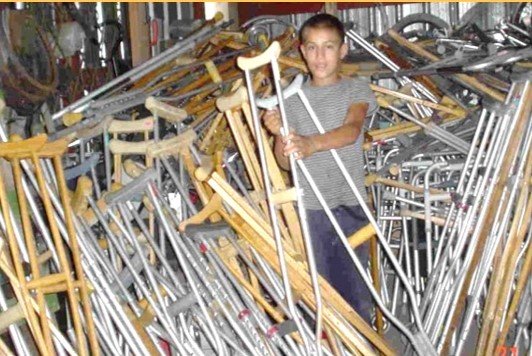
We have continued giving out wheelchairs and other mobility aids even though it has been four years since we have received a container with wheelchairs. We make wheelchairs from bits and pieces and returned wheelchairs when they no longer served people for different reasons. We have started to partner with a university to receive containers for us since we cannot accept them directly because of the government crisis. However, this has not been possible because of COVID. So we continue to create mobility with other aides such as walkers, crutches, and canes, reworking whatever wheelchairs come in our path.
As long as people lack mobility, we will keep trying to find a way for them to become mobile. The wheelchair workshop in Matagalpa, Nicaragua, is working to find creative solutions. Your support in 2020 has been a tremendous gift to those in need of mobility aids. Together we keep working for mobility with dignity.
Project reports on GlobalGiving are posted directly to globalgiving.org by Project Leaders as they are completed, generally every 3-4 months. To protect the integrity of these documents, GlobalGiving does not alter them; therefore you may find some language or formatting issues.
If you donate to this project or have donated to this project, you can receive an email when this project posts a report. You can also subscribe for reports without donating.