By Hermana Rebecca Trujillo | Directora de Familias Especiales
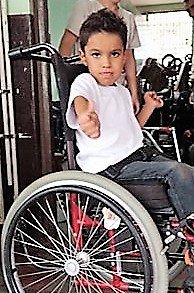
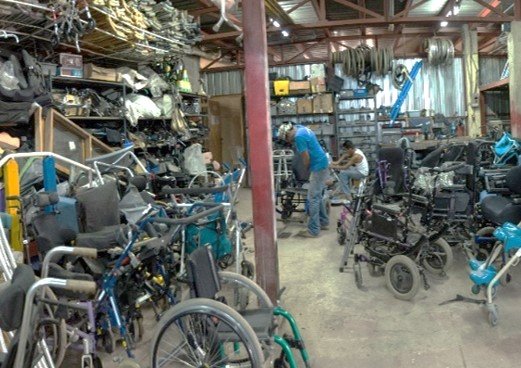
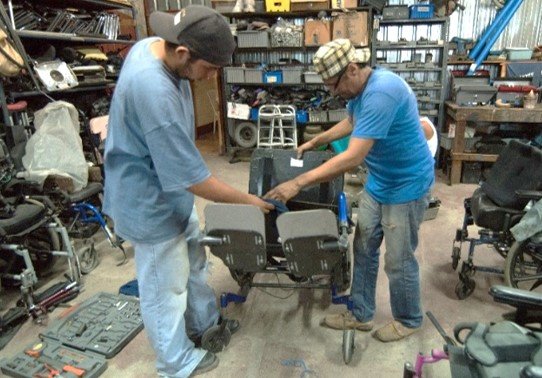
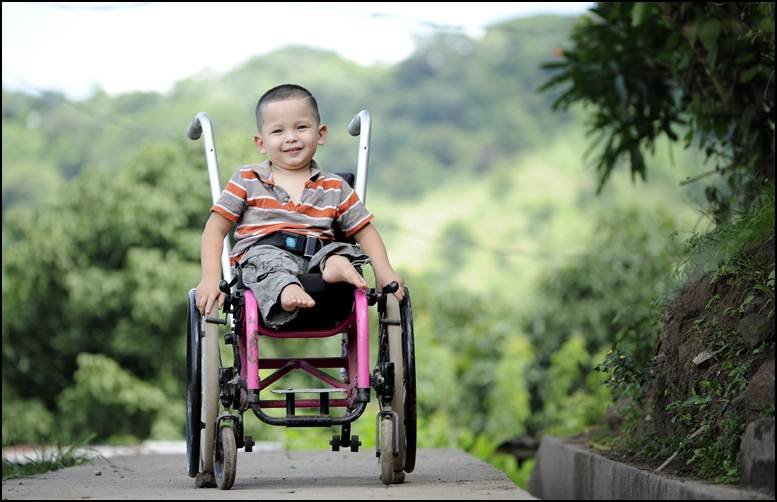
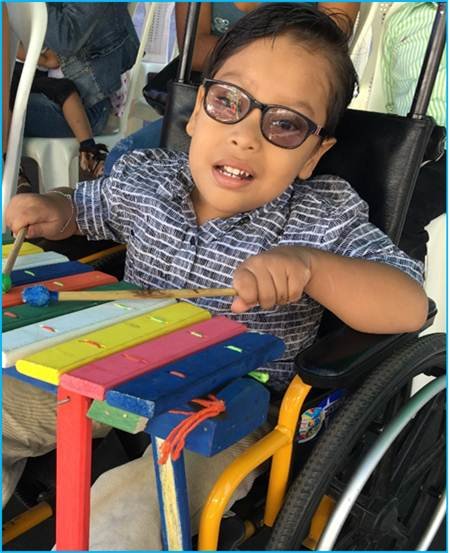
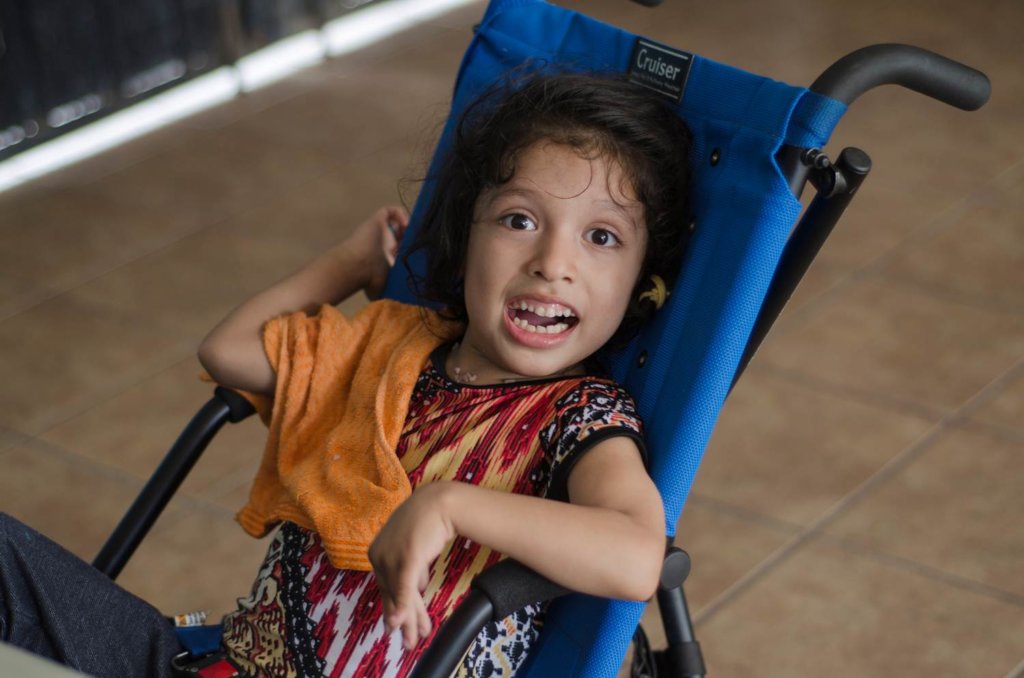
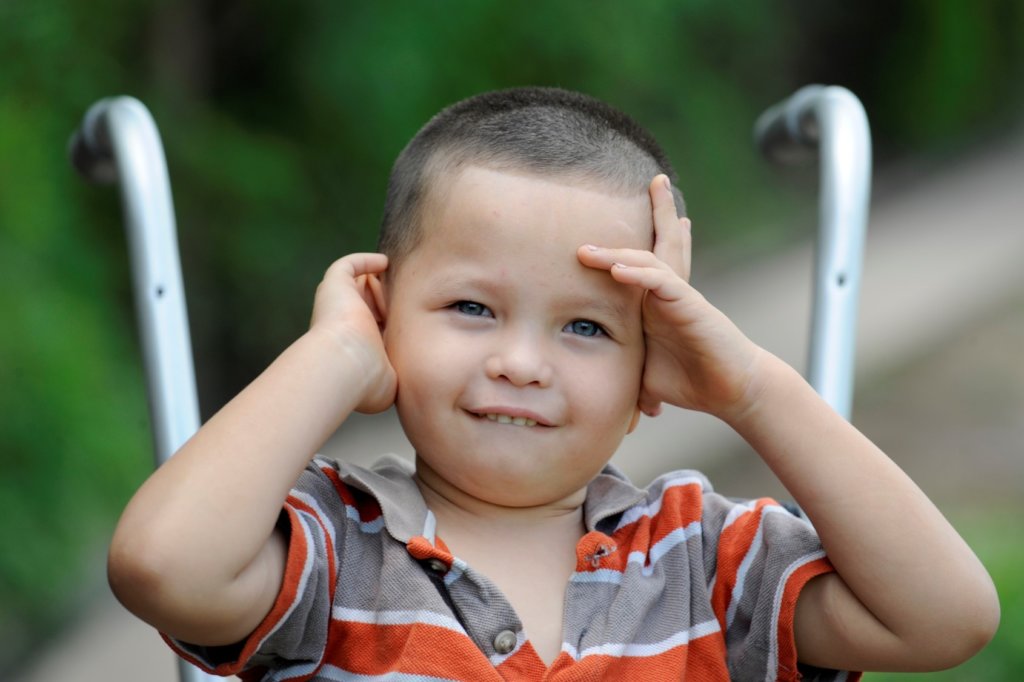
And the wheels keep turning and turning as more and more people receive the wheel chairs they need for mobility in Matagalpa. They turn as some people receive their first ever wheel chair. Some people had never even heard of a wheel chair: Henry grew up with a physical handicap living in a rural area of Nicaragua, as he was born without legs. But he scooted around on anything that he could imagine like a piece of cardboard, a piece of wood, cloth. His family moved from the agricultural area to the rural city of Matagalpa where they met a mother leader from Familias Especiales. She talked to Henry’s mother, “Hey you ought to get him a wheel chair so he can really get around.” His mother responded “ What is a wheel chair?” Soon the mother leader convinced Henry’s mother to come into the wheel chair workshop and bring Henry. The young people in the workshop measured Henry and he was fitted for a wheel chair and now he no longer has those skid marks and injuries to his body where he was scooting around. Henry was meant to be independent but he had to be able to move in a safe manner. Now with his wheel chair he can go to school, he can basically move where he wants.
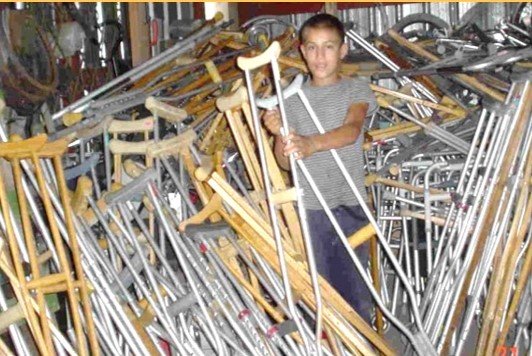
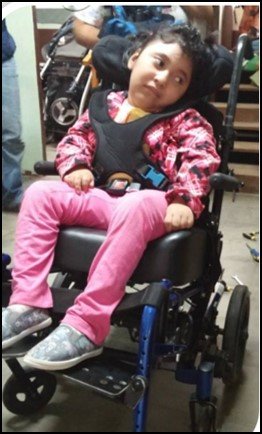
One of the central themes of our wheel chair workshop is education and awareness in order to have mobility. People have to be aware when they have a physical handicap if the mobility aide for them is a standard wheel chair. an electric wheel chair, a specialized or cerebral palsy wheel chair or something adapted more to their need, or maybe all they need is crutch, or a walker or a cane, there are also all terrain canes and crutches, invented by the wheel chair workshop. There are so many factors that each person has to address before we give them the aide that they need. For instance if a person goes immediately for an electric wheelchair and they do have upper mobility they soon will lose their muscle tone and become completely dependent on the electric chair where as if they get a good fitting standard or sports wheel chair they can improve their upper body muscles and become more independent. An electric wheel chair often becomes a burden because they are heavy and difficult to travel with on a bus or in a car. They do not fold and if there is not much electricity where the person lives how will they keep it charged. There was a time at Special Families where we received electric wheel chairs that were adapted to be standard chairs(this adaptation was done by a prison in the United States) but these wheel chairs were heavy and could not be folded so most became just chairs for a person to just sit around the house. The goal at Special Families is to make sure that the wheel chair is adapted correctly for each person and that it is practical for their living situation. Many of the people who have received a wheelchair do not have adequate space in their homes to really make use of their chair they have dirt floors and the wheel chair can cause ruts and become more of a danger than a help in a small house.
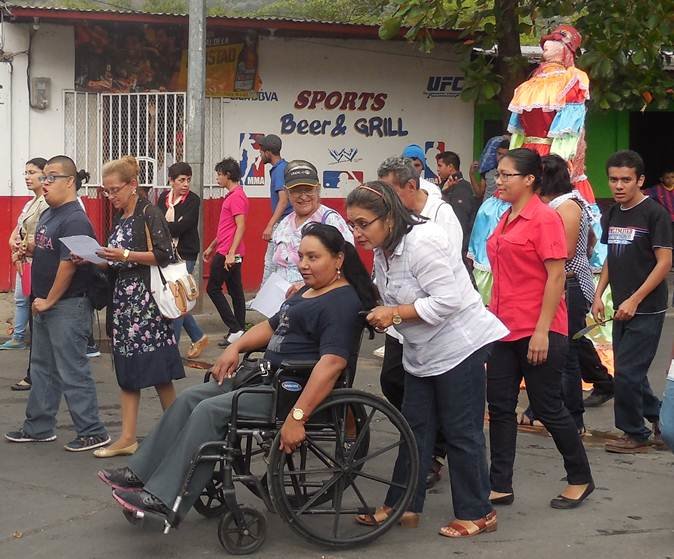
So Familias Especiales has had to address other issues like building cement floors for families who have young people in wheel chairs, adapt latrines for a wheel chair. Accessible latrines, ramps and sidewalks, all of these issues are being addressed as people receive wheel chairs. At the same time the wheel chair workshop is involved in raising awareness in the city working on having more than 200 ramps on the sidewalks in the city of Matagalpa and accessibility of taxis to give rides to people in a wheel chair without charging them extra.
And the wheels keep turning. Now in October the wheel chair workshop got a new coordinator. Miguel Lumbi was hired when Alonzo resigned because of another job. We are grateful to Alonzo for his time working with the staff of the wheel chair workshop. Miguel is uniquely suited for this job because he is a psychologist and a person who sees his work as developing the staff of young people with a handicap to work as a united team and to learn all they can about wheel chair maintenance and community outreach so the wheels can keep turning.
Project reports on GlobalGiving are posted directly to globalgiving.org by Project Leaders as they are completed, generally every 3-4 months. To protect the integrity of these documents, GlobalGiving does not alter them; therefore you may find some language or formatting issues.
If you donate to this project or have donated to this project, you can receive an email when this project posts a report. You can also subscribe for reports without donating.