By Shailesh Gupta | India Fellow at Agragamee
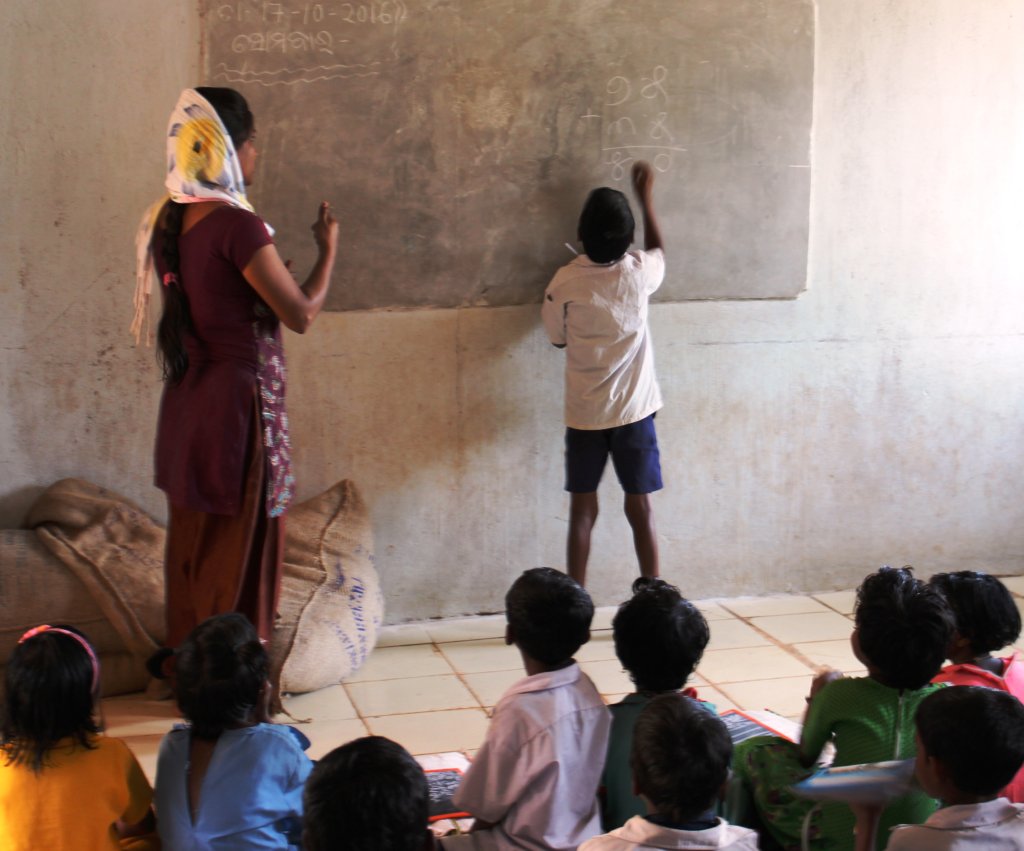
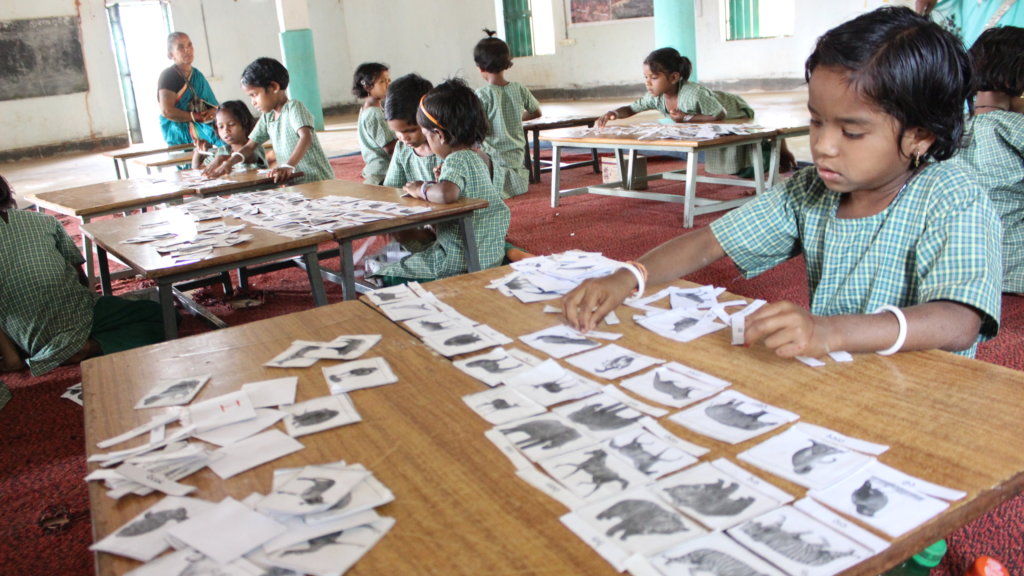
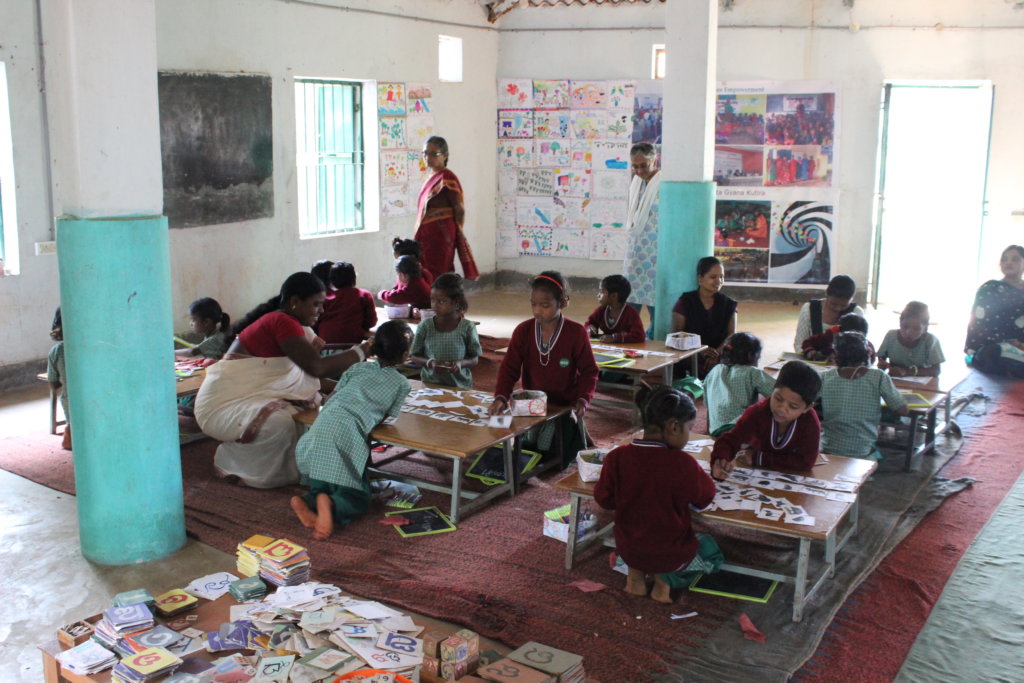
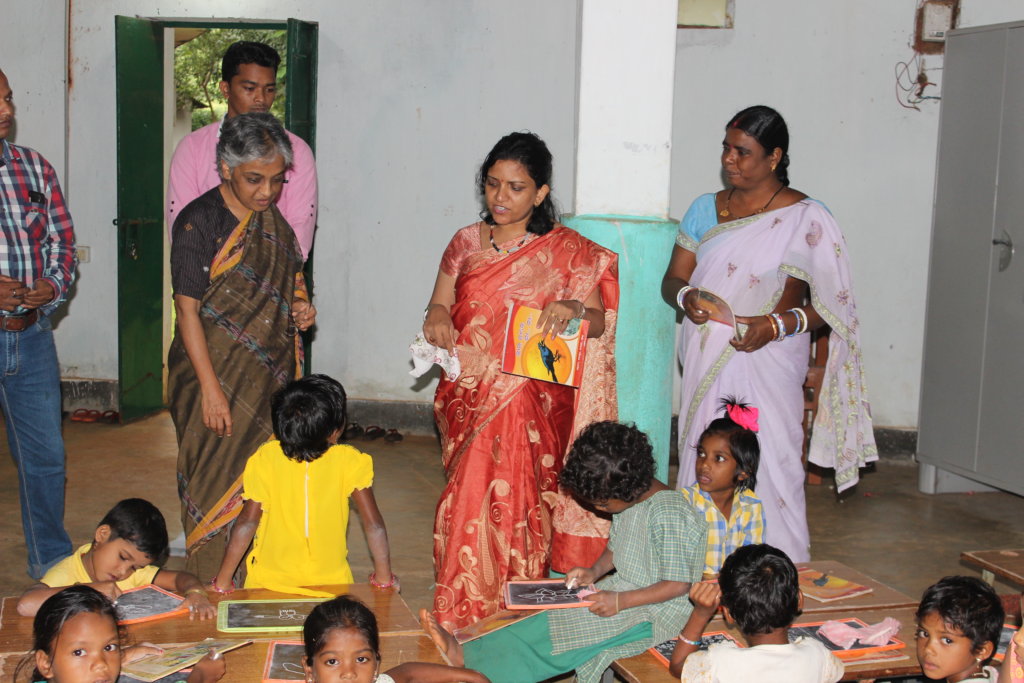
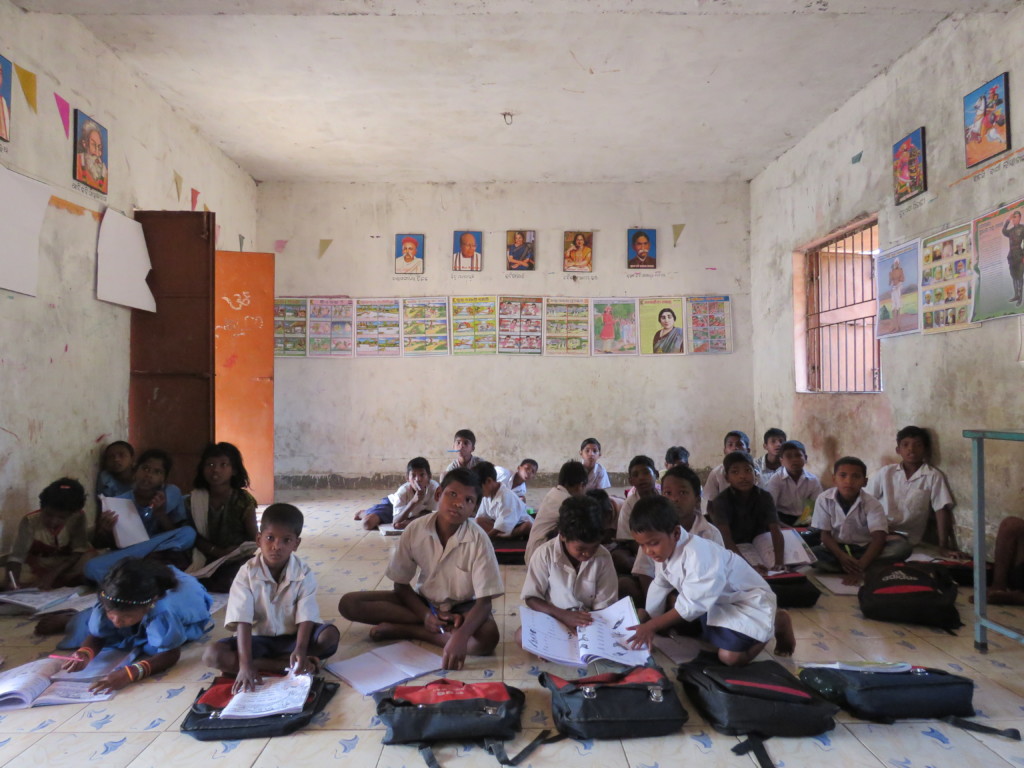
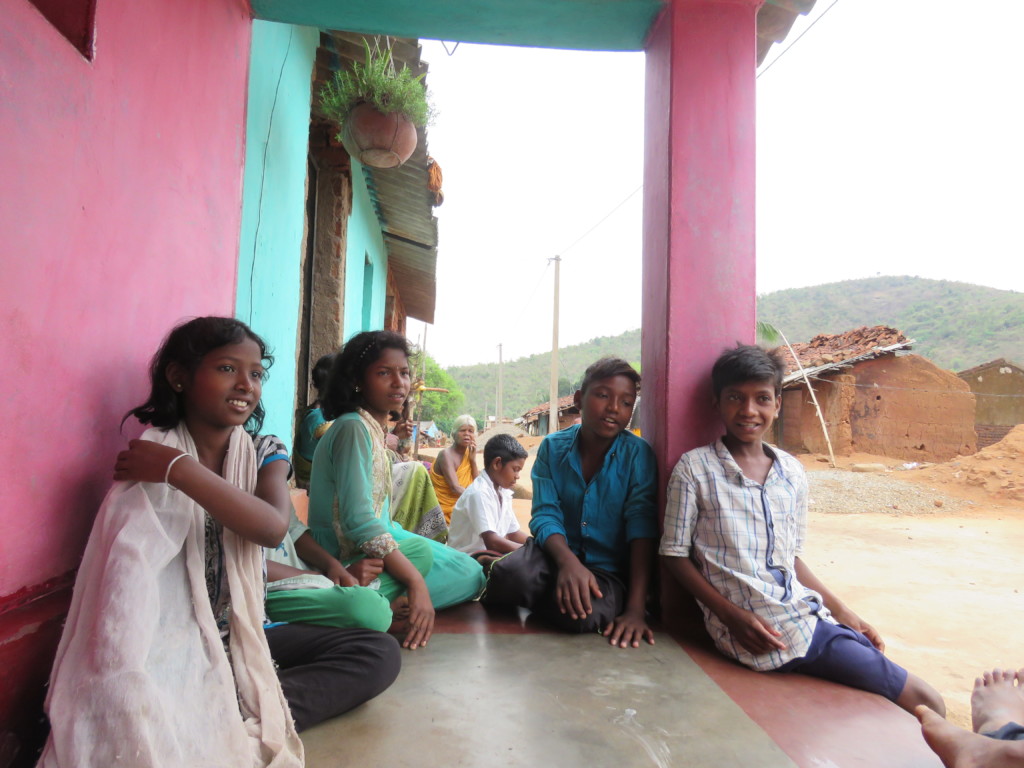
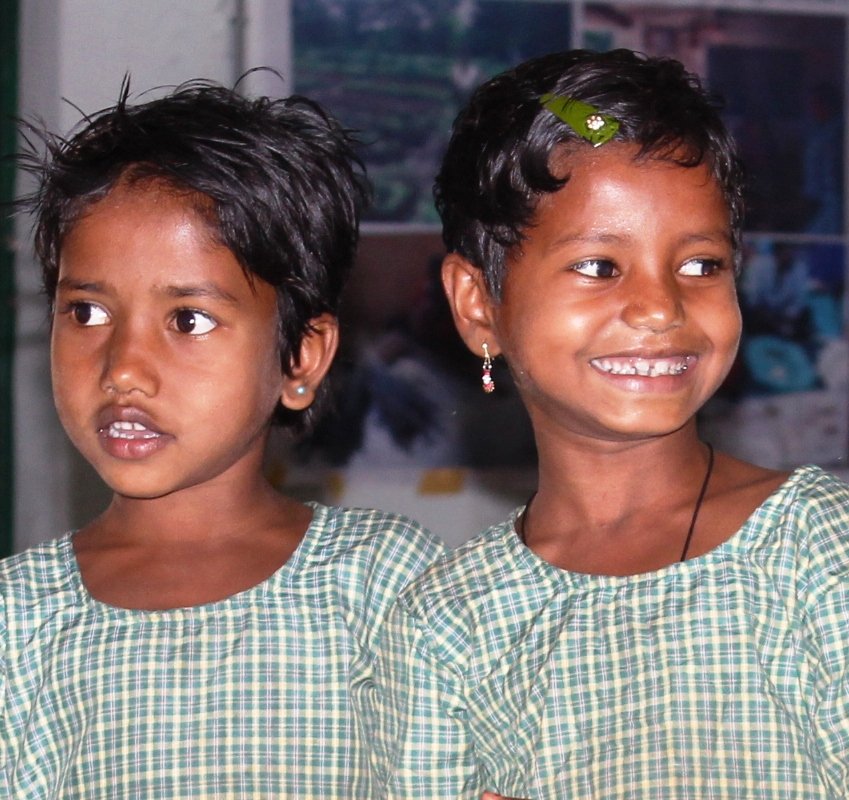
Chilliguda Primary School is situated in the tribal hinterlands of Kashipur block in Rayagada District of Odhisha in India. It is one of the 18 Government Schools Agragamee has taken up for demonstration and up-scaling of its Creative and fun model of reading and literacy development in the tribal regions. Ishwar is the “Shiksha Sathi” or “Teacher Friend” for this School. He belongs to another village but he’s well acquainted with the language “Kui” and “Odia”. Kui is the mother tongue of Chilliguda villagers. Odia, the state language is spoken and understood by only a few people in the village. Most of the children cannot understand Odiya. Chilliguda has a multi-grade classroom that caters to students from 1st to 5th grade. Thus Ishwar faces the challenge of having to teach a bi-lingual and multi-grade classroom!
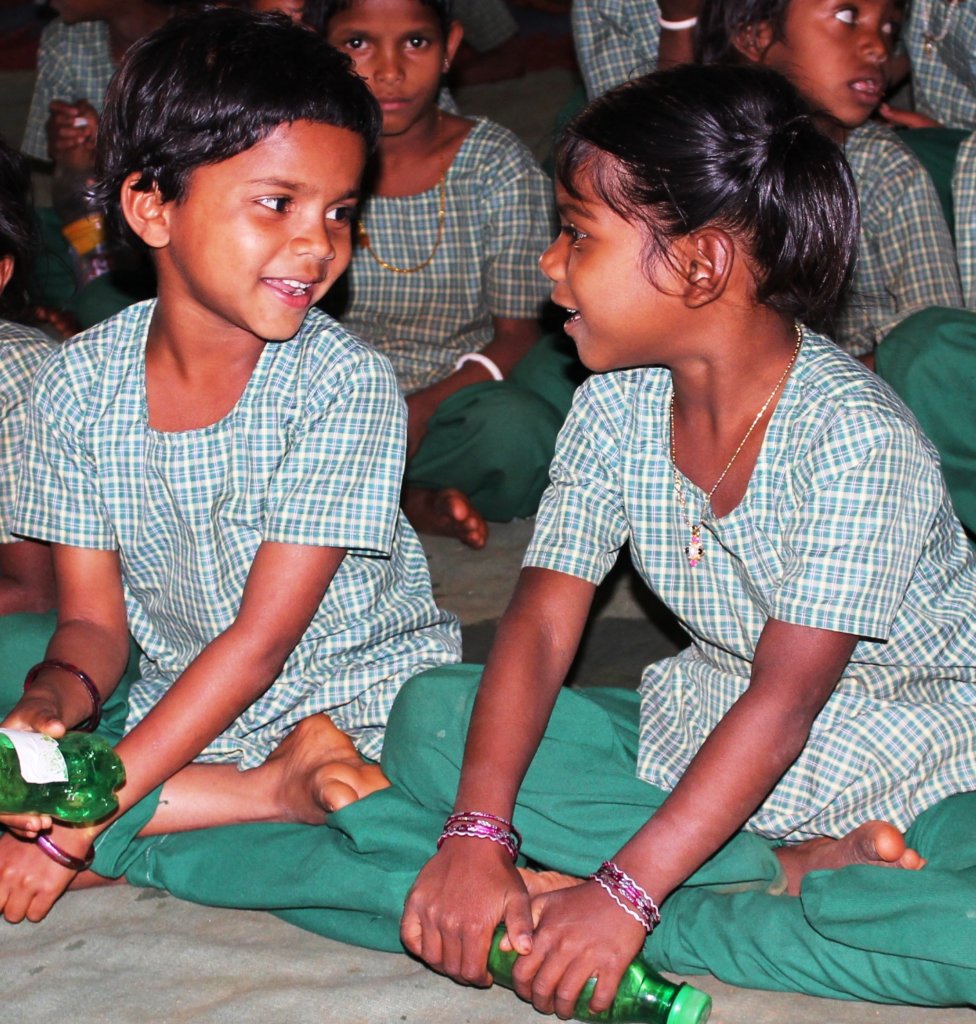
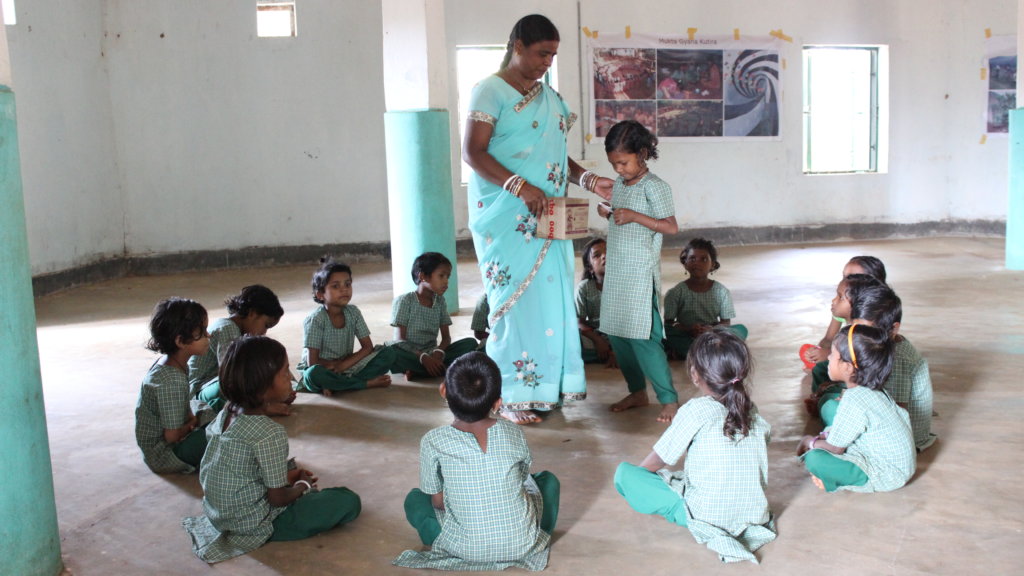
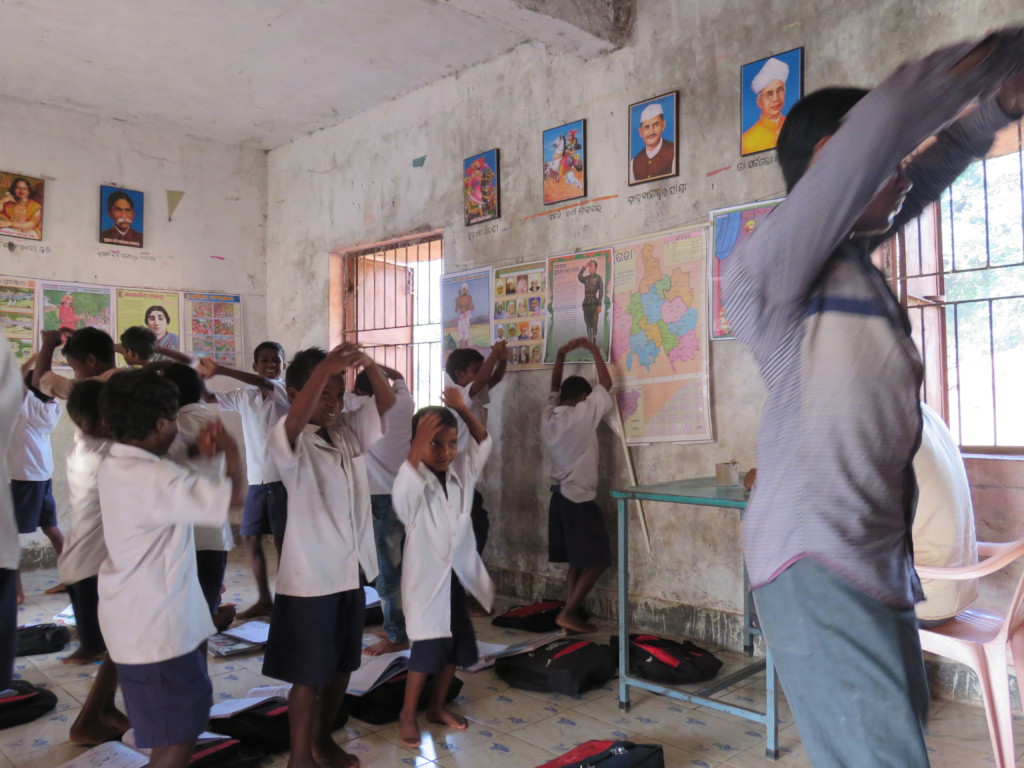
During our visit to Chilliguda in April, 2018, there were 45 children in one Classroom. This is approximately 92% attendance. In this month government school opens at 7.00 am in the morning and closes at 11.00 Am after mid day meal. Reaching school at 7.30 am we witnessed Ishwar and children performing an action song together. Every child was laughing and learning language with fun.
Shiksha Sathies have been trained to use singing and dancing to engage children in their multi-grade classroom. Also because action songs help them to develop interest in language and enrich their listening and speaking skills. And it amends a relationship between teacher and children. Here we not only experienced programs vision but also how Shiksha Sathi experimented to use these action songs as energizers in early mornings.
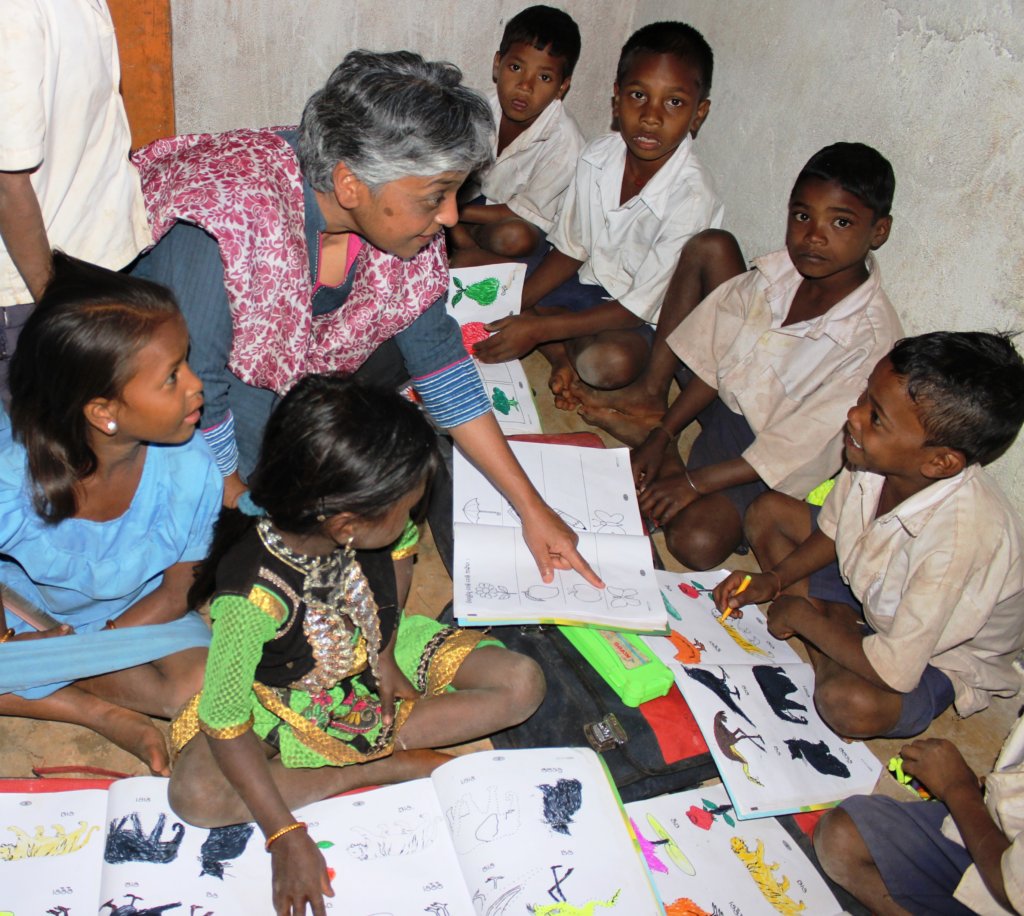
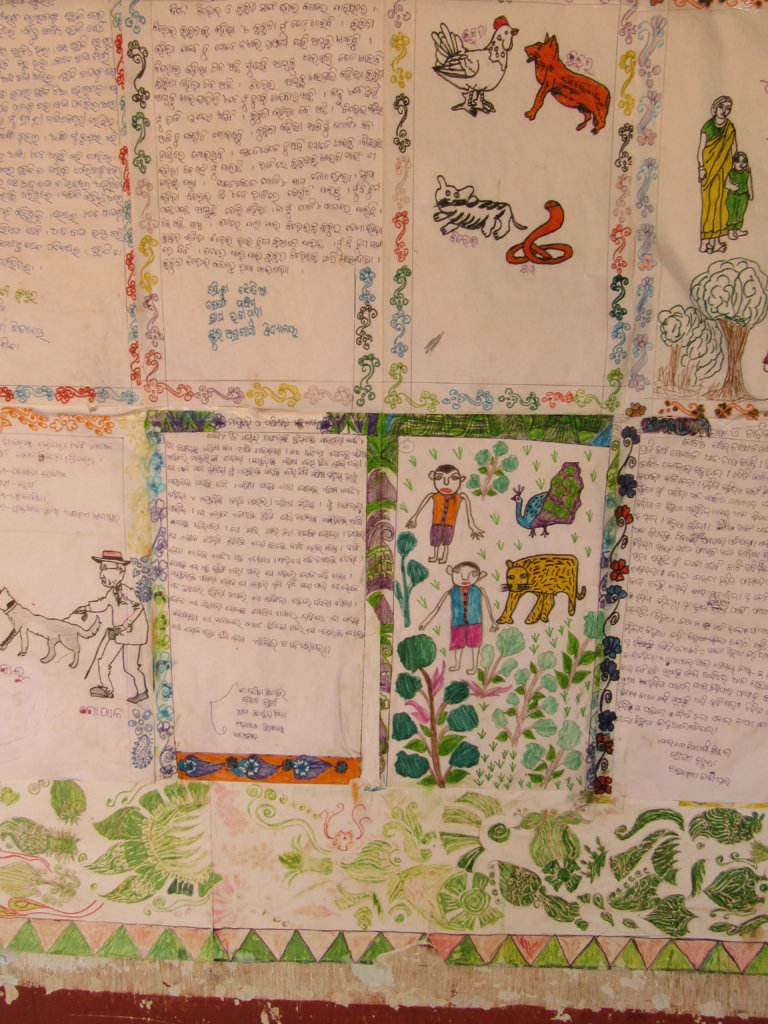
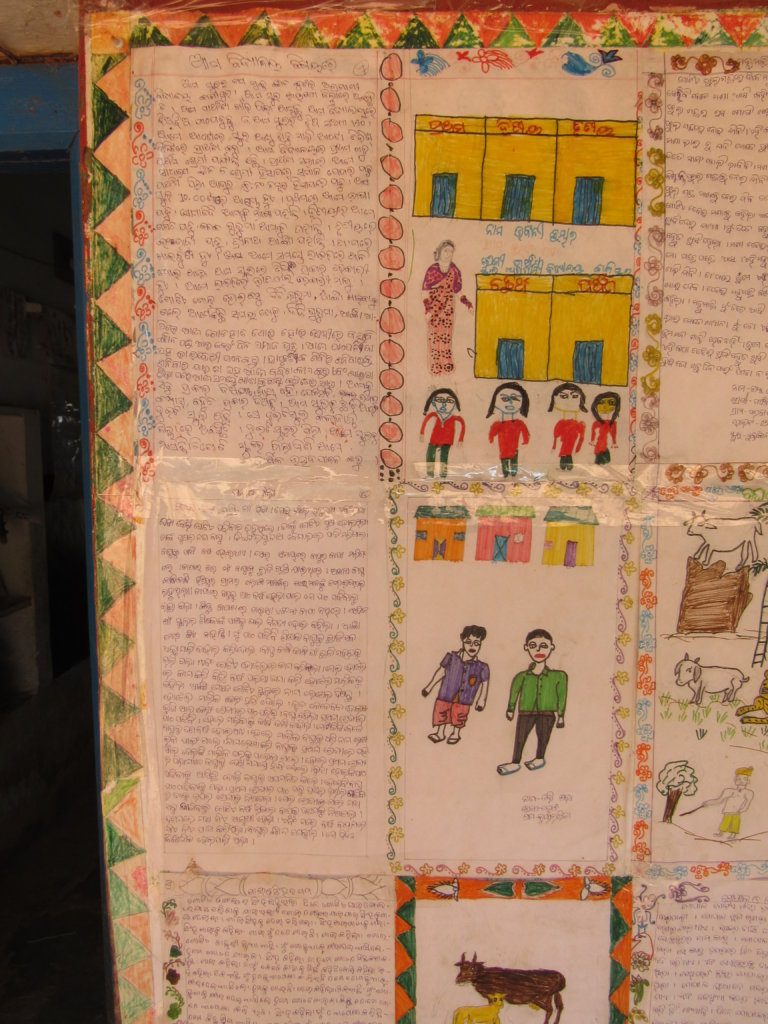
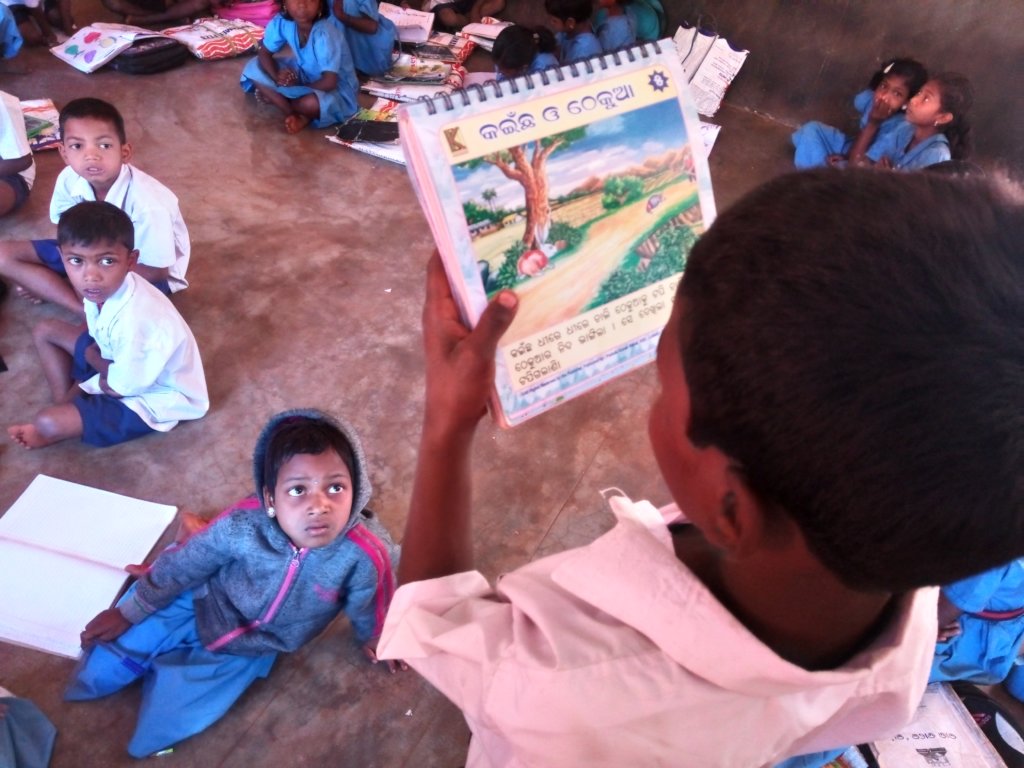
Later, Ishwar told me that the name of this action song is “Chaka Chaka Bhauri” (Spinning like a top) from “Kau Da ke Ka” (The Crow Cries Ka) which is a workbook for Grades I and II. Children in his school love the songs in the book, as they are about forests, festivals and village life. He explains that as this reflects the joy and fun in their lives, they relate with it extensively. Ishwar mentioned that new admissions are taking place and the activities and songs in the ‘Kau Dake Ka’ songs is very nice way to attract and engage the children in school, making them regualr and eager to continue schooling.
The seniors, 4th graders and 5th graders from the Naik community who speak Odia are now able to sing the rhymes of Kau Dake Ka in both “Odia” and “Kui” language. Thus a remarkable cultural exchange has also taken place. Ishwar says that he enjoys his teaching job a lot. With the songs, and the Kau Dake Ka, it is very easy to get children to come to school. In fact they come to school before I do, and finish their prayer song, even when I am a bit late he says. They love their class work, which makes it very enjoyable for me also he says.
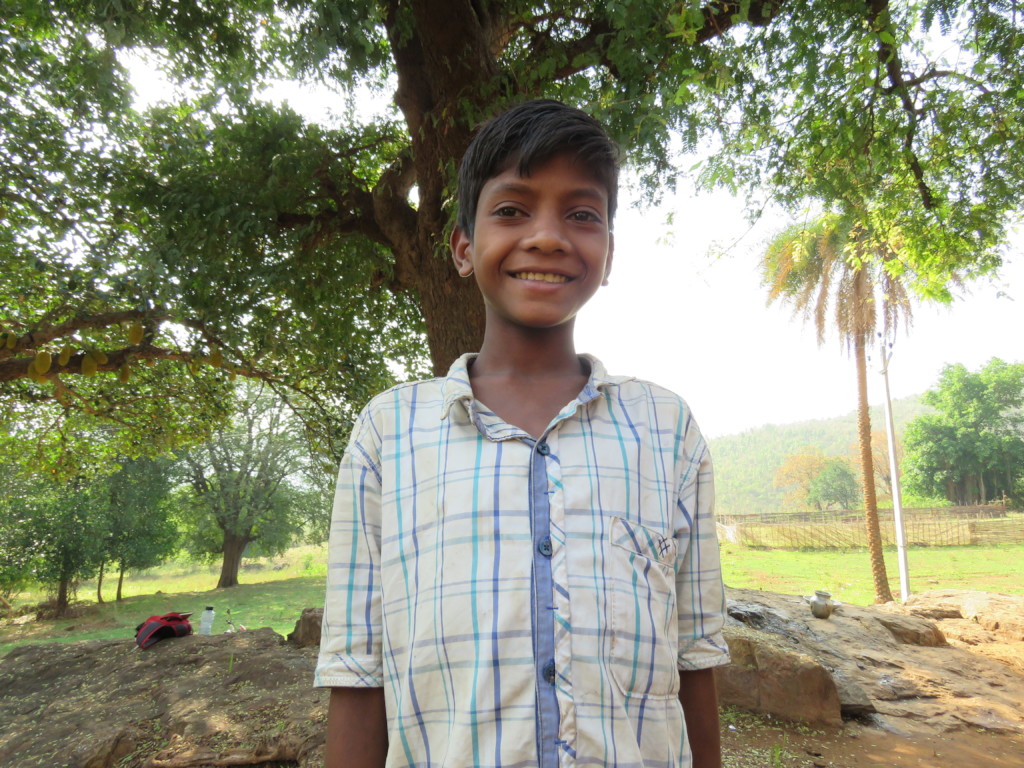
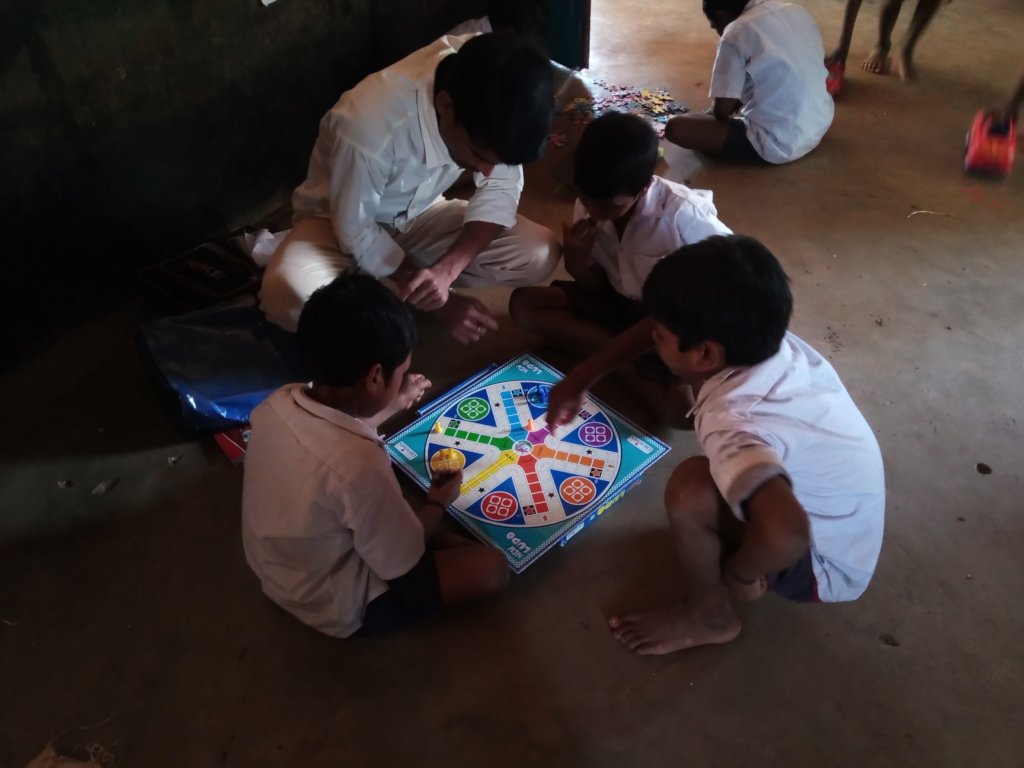
Ishwar tells that teaching methods like this have increased children’s attendance. Learning from Ishwar, his fellow Government Teacher – Jai Singh has stopped beating the children. And these methods have also helped those children who shifted from residential school to his school overcome fear. Kishore one of the residential school students used to run away from his teacher and was unable to talk to him in his initial days. Now even on Sundays, Kishore comes to visit Ishwar along with other children, all of them eager to read and learn more about the world. They dont want to stop learning Ishwar says. It is intriguing to understand how Ishwar from a different and far off village, and the children have developed a deep bond of friendship.
Links:
Project reports on GlobalGiving are posted directly to globalgiving.org by Project Leaders as they are completed, generally every 3-4 months. To protect the integrity of these documents, GlobalGiving does not alter them; therefore you may find some language or formatting issues.
If you donate to this project or have donated to this project, you can receive an email when this project posts a report. You can also subscribe for reports without donating.