By Adriana LaMonte | Manager, Strategic Programs & Global Affairs
Each and every day, Hôpital Albert Schweitzer Haiti (HAS) helps to improve maternal and child survival rates in Haiti, which are among the lowest in the world. We and our patients are truly grateful for your strong support of our crucial, lifesaving work!
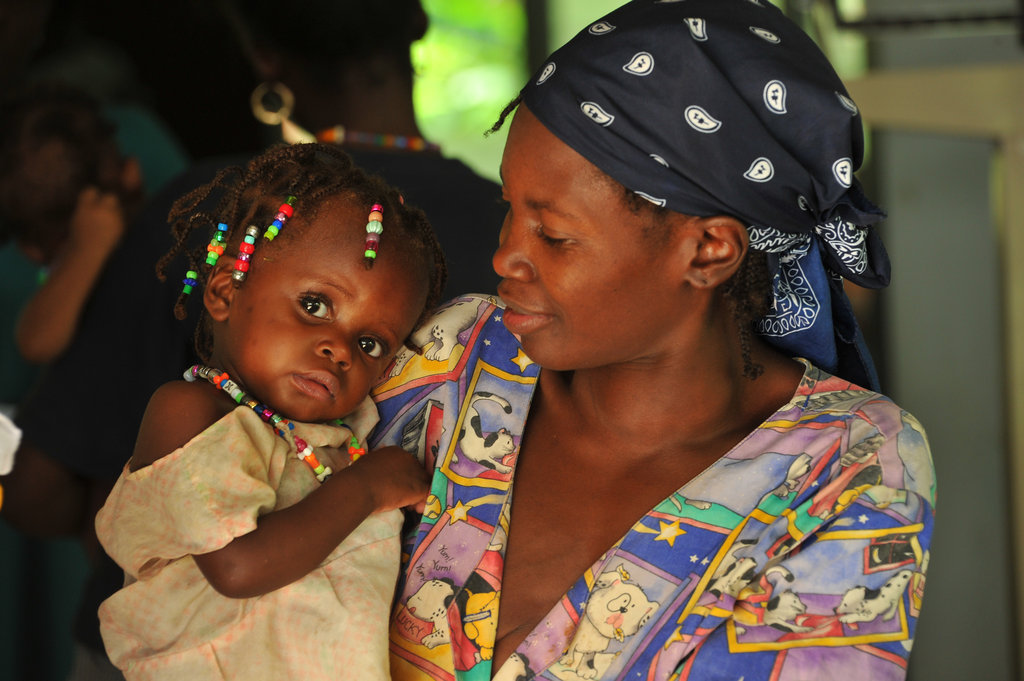
Healthy mothers lead to healthier babies, children, and families. At HAS Haiti, pediatric healthcare and maternal healthcare are closely related, and maternal and child health services account for nearly 60% of all services provided by HAS. From Cesarean sections for high-risk deliveries in the hospital, to community-based education about various topics including breastfeeding, nutrition, and prenatal warning signs, HAS aims to meet the needs of mothers and children in the Lower Artibonite Valley of Haiti, and is constantly adapting to the changing public health situation through a wide variety of health services. HAS provides extensive education for patients about reproductive health, encourages and ensures skilled antenatal care for women, and works with mothers and children intensively until a child’s fifth birthday to keep mothers and children on the road to health and well-being.
The hospital specializes in treating serious and complicated illnesses, saving thousands of lives per year with medication and surgeries. In 2013, women came to HAS’s maternity ward with more complicated cases of conditions such as preeclampsia, placenta previa (a major cause of antepartum hemorrhage), and peripartum cardiomyopathy (weakened heart function surrounding pregnancy), and stayed longer to ensure full recovery from high-risk deliveries. In 2013, there were 1,021 deliveries at HAS, an 11.7% increase over 2012’s 914 births. Of these, 329 (34%) of hospital deliveries were via Cesarian section due to the high-risk nature of these pregnancies.
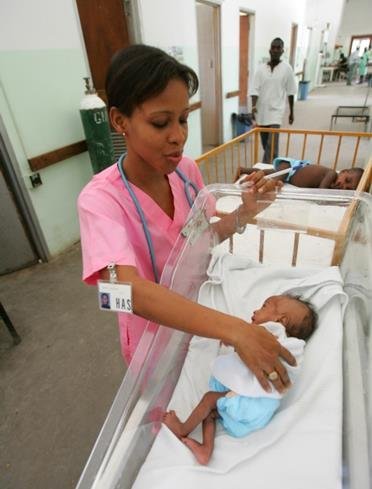
Babies and children also represent a significant portion of the hospital patient base. Over half of the available beds are reserved for the various pediatrics wards (pediatric surgery, general pediatrics, nutritional rehabilitation, pediatric isolation, and neonatal intensive care). Additionally, the general pediatrics clinic and the pediatric surgery clinic combined make pediatrics the second busiest hospital outpatient clinic division, behind internal medicine. In 2013, children represented 33% of all admissions, but nearly 50% of total patient days, indicating that their cases are often complex and require them to stay in the hospital for a considerable time. The children who are admitted to the hospital for care often suffer from serious, even life-threatening health conditions, including severe, acute malnutrition, infectious illnesses such as diarrheal diseases and upper respiratory infections, and injuries or conditions that require surgery and rehabilitation. Overall, 2013 saw considerable increases in pediatric surgery and neonatal intensive care admissions.
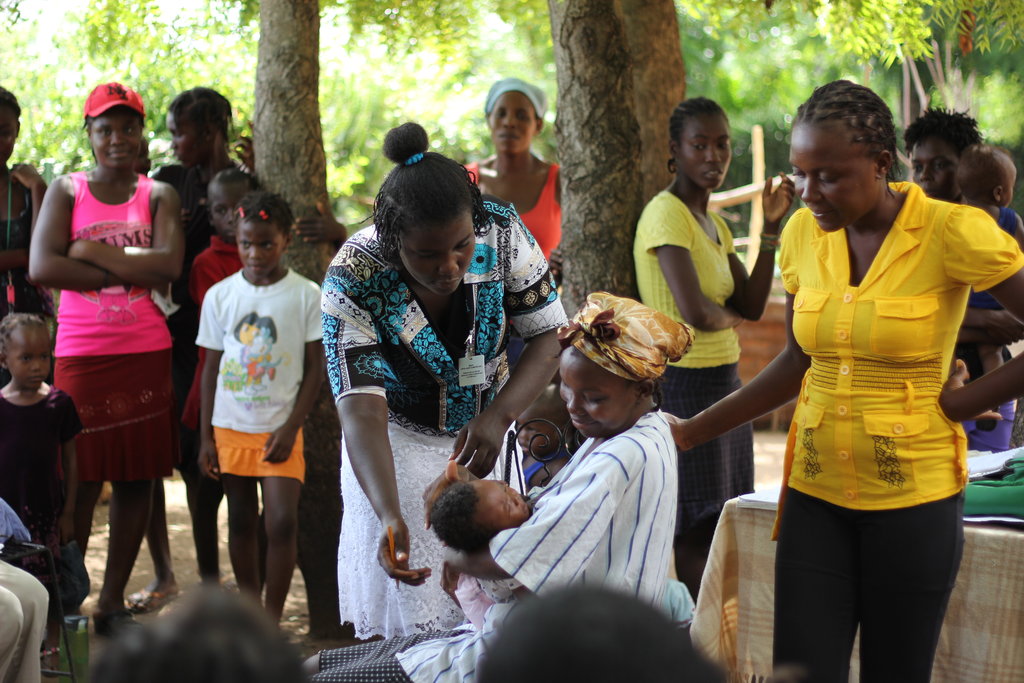
Much of the work done in community services is preventive; by screening children for malnutrition and administering all required vaccines to children under five years, for instance, our staff saves lives by stopping potentially fatal illnesses before they even start. Community health centers and mobile clinics are a fundamental part of the integrated community services network. HAS runs four community health centers (two in valley sections, two in mountain sections) and an average of 76 mobile clinics per month throughout the service area. Both of these provide primary and preventive care services, including those specific to maternal health like pre- and postnatal consultations and family planning and reproductive health. They are located even in the most remote corners of the service area to ensure that quality health care is accessible to our patients, who may live up to 8 hours’ walking distance from the main hospital. Community health workers play an important role by encouraging women in their communities to attend regular prenatal exams at the nearest community health center or mobile clinic, teaching them about important themes and warning signs during pregnancy and motherhood, and conducting post-natal home visits. Community health workers and health center staff give hundreds of education sessions per month at health posts and health centers.
Community health centers, mobile clinics, and community health worker activities emphasize child health in various ways. Pediatric primary care consultations in community health centers and mobile clinics are high volume, and preventive health activities, particularly for children under 5 years old, dominate child health activities in the community. From nutrition screenings to immunizations to distribution of vitamins and deworming medication, most activities are targeted to reduce child mortality, particularly in the “first 1,000 days” from conception to age 2. During these years, the most vulnerable as well as most important, proper nutrition and health during this time can profoundly impact a child’s ability to grow, learn, and live a full and productive life. In 2013, we maintained or increased service levels for most child health activities as compared to the prior year-- a strong sign of the genuine, ongoing need for these services.
We could not accomplish all we do without the support and commitment of our donors. Thank you again for all you do to help mothers, infants and children in Haiti!
Links:
Project reports on GlobalGiving are posted directly to globalgiving.org by Project Leaders as they are completed, generally every 3-4 months. To protect the integrity of these documents, GlobalGiving does not alter them; therefore you may find some language or formatting issues.
If you donate to this project or have donated to this project, you can receive an email when this project posts a report. You can also subscribe for reports without donating.