Project Report
| Jan 7, 2025
Distribution of quarterly support on diapers for P
By MARIA FE M. MARAVILLAS | President of LPPWDFI
![]()
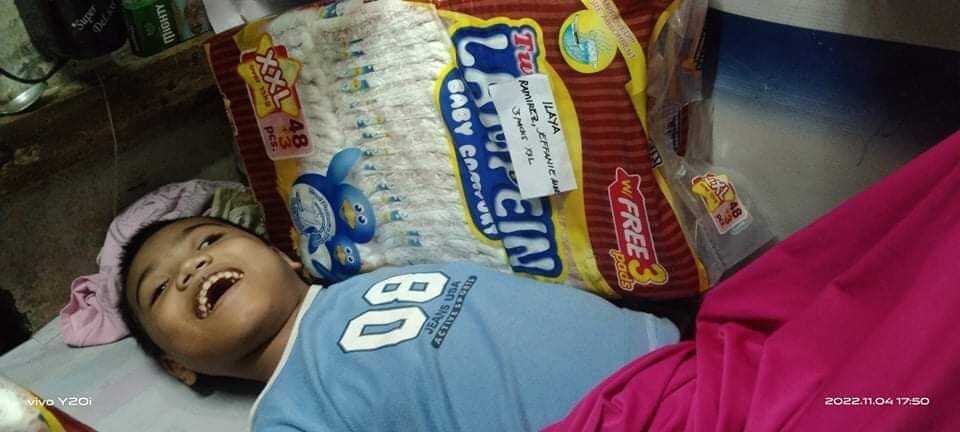
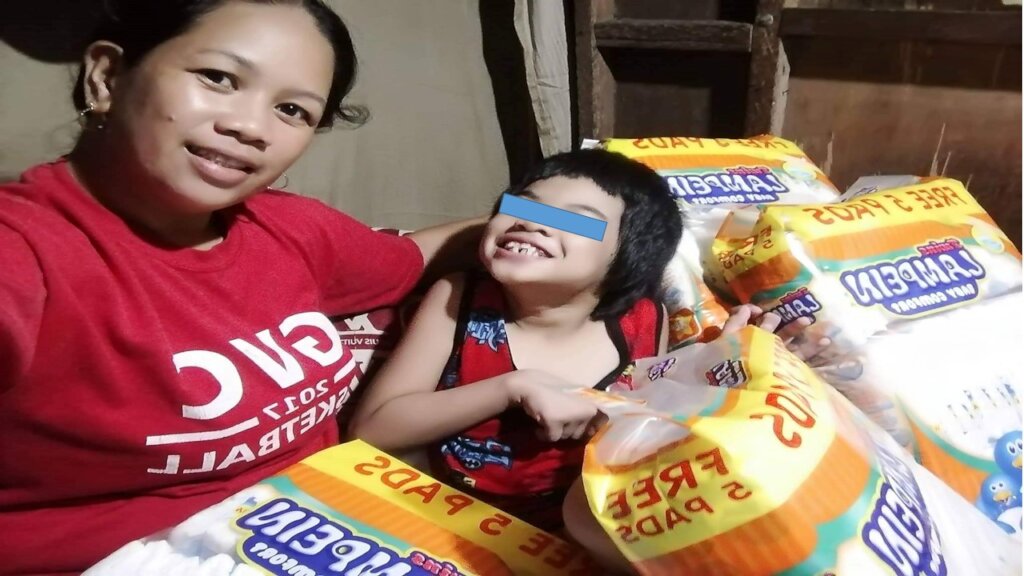
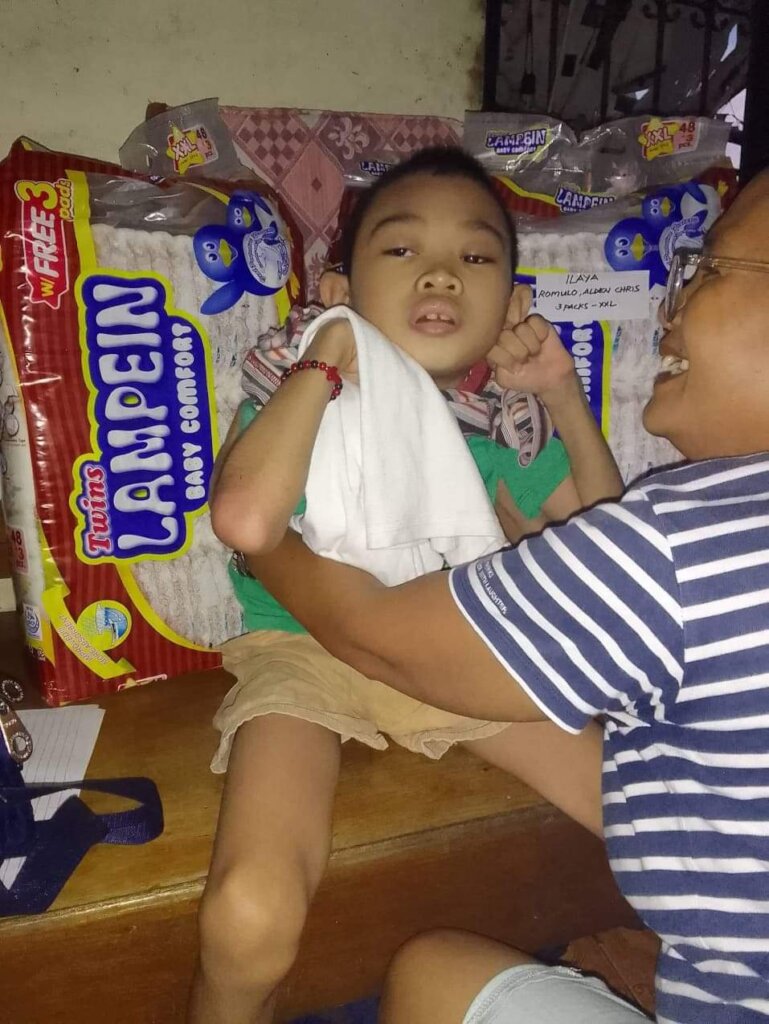
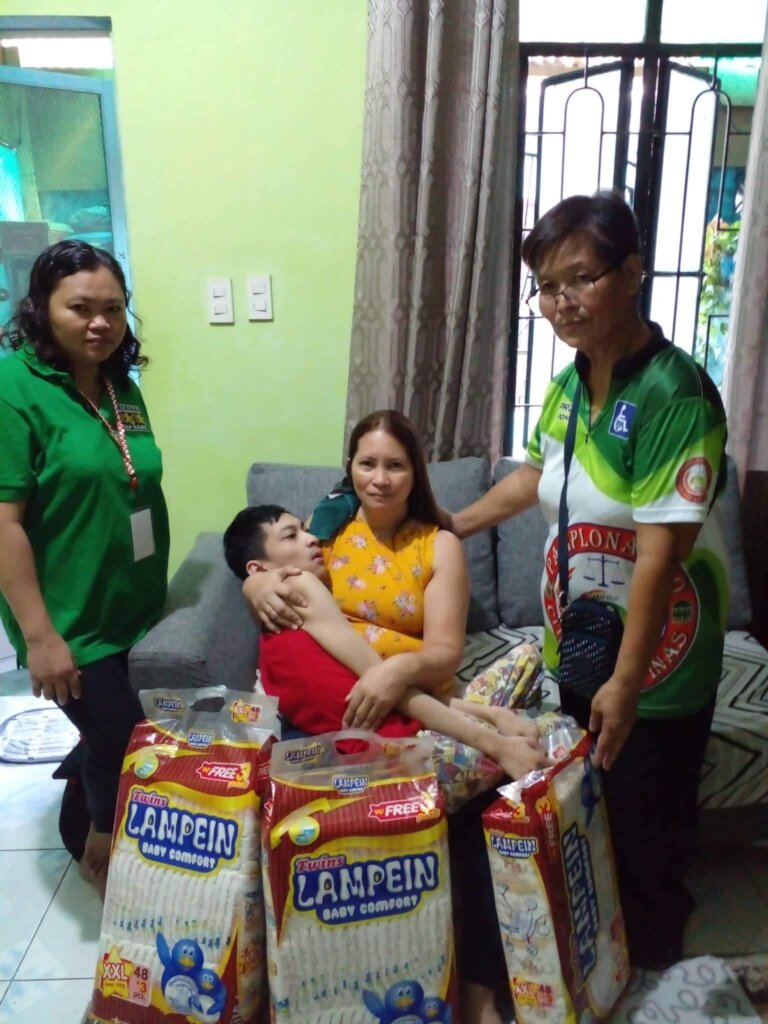
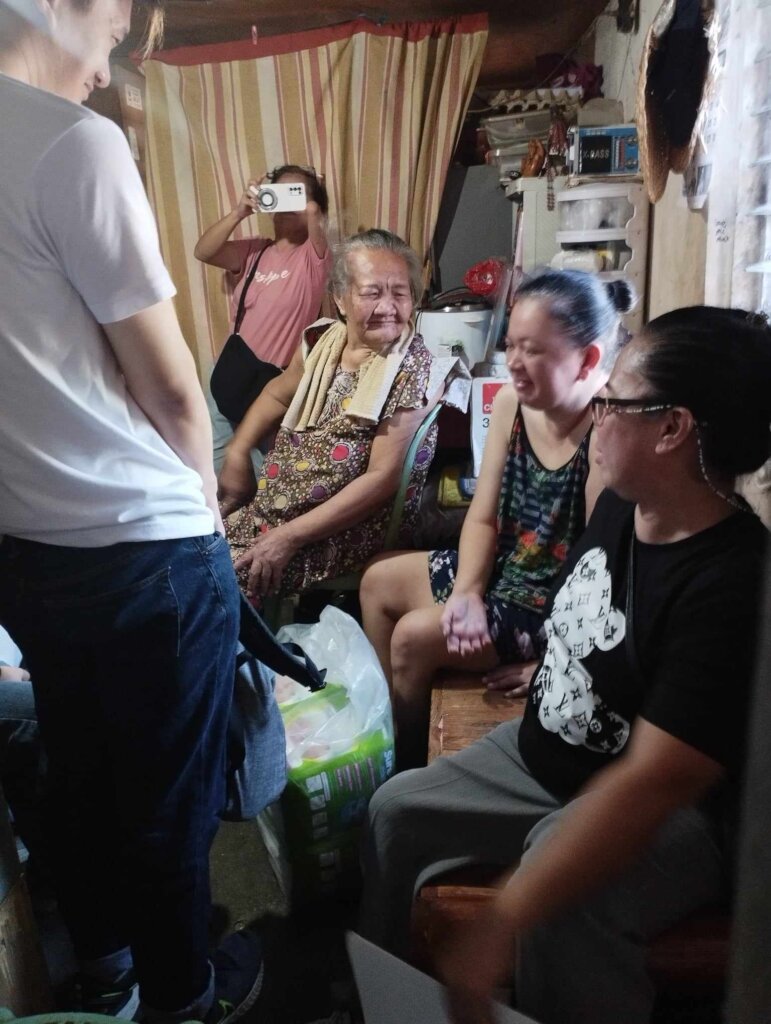
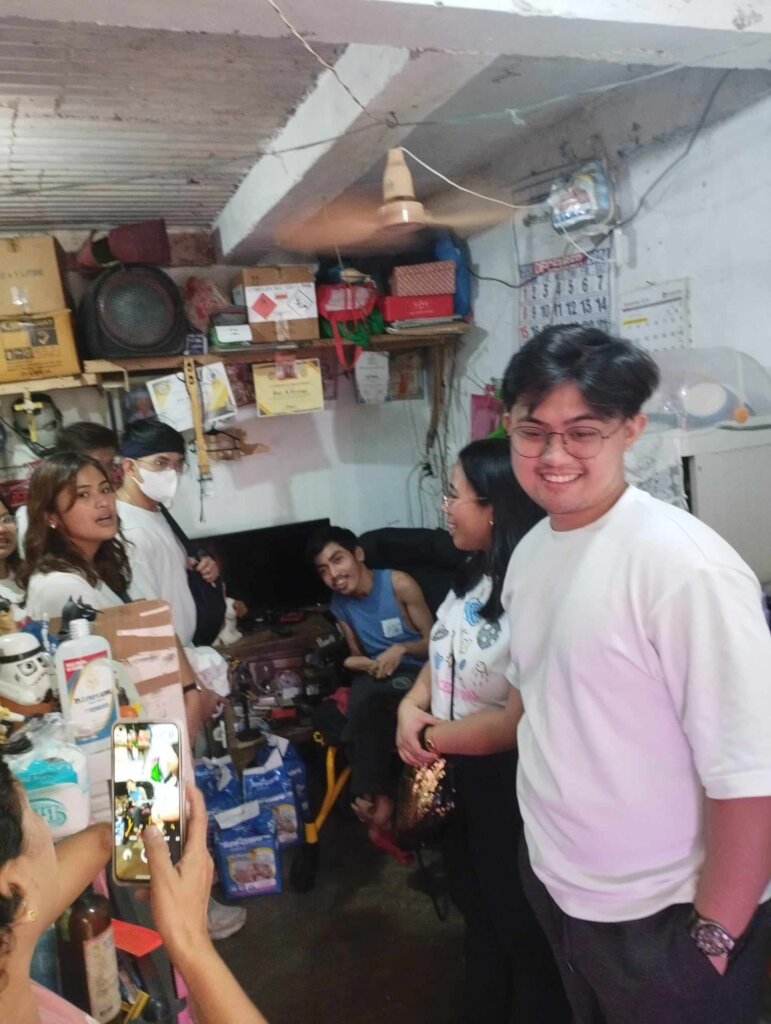
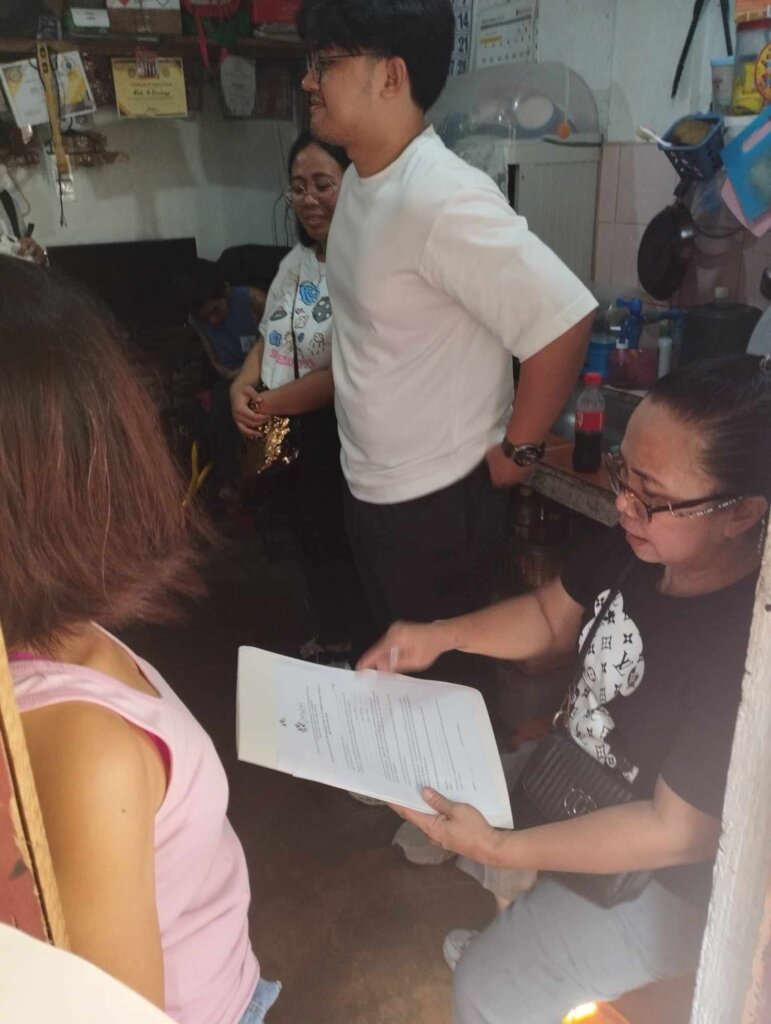
Another batch of persons with disabilities (mostly are bedridden due to stoke or other severe conditions) were given diaper assistance by the Las Pinas Persons with Disabilitiy Federation Inc. (LPPWDFI) to help support the family. The cost of diapers continue to be a burden to families who have family members completely dependent on thm.
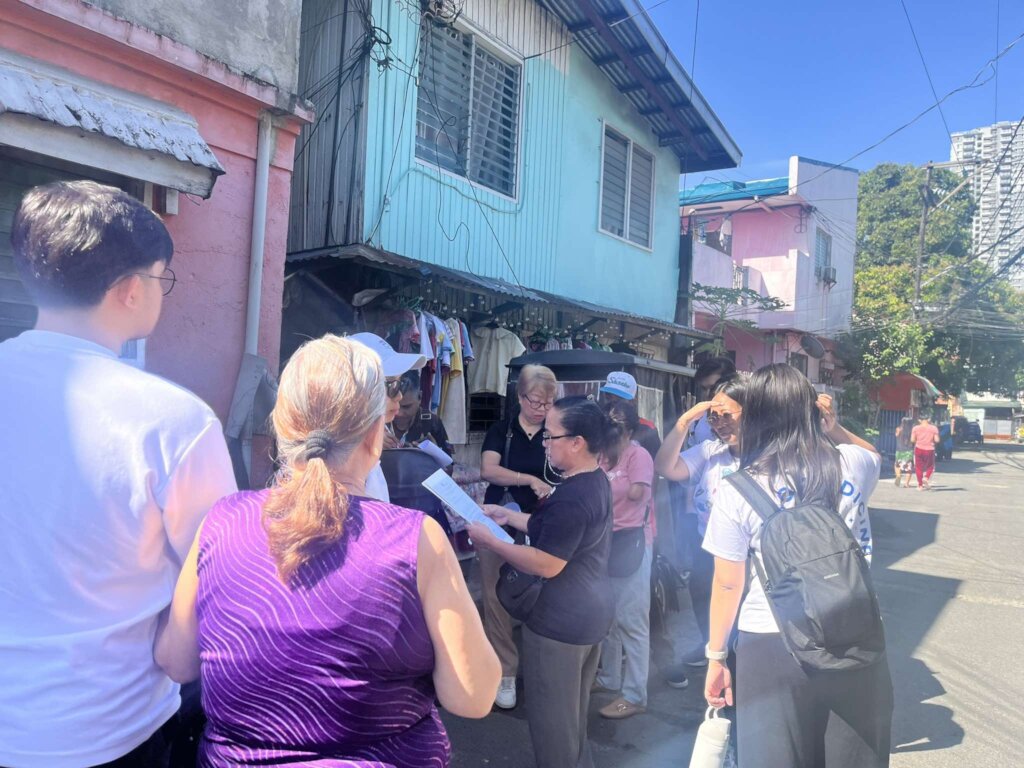
Our December 6, 2025 visit to Barangay Talon Tres members together with our Learning in community (LEC) Program partners from the Ateneo Schoo of Medicine and Public Healh (ASMPH) to check, evaluate and make a referral pathway for the beneficiaries. Here are some highlights from stories of beneficiaries:
STORY OF MELISSA
Melissa, a 45-year-old woman, had been managing long-standing hypertension when she suffered a stroke that profoundly altered her life. Following the incident, she underwent two years of home-based physical therapy. Unfortunately, financial constraints forced her to discontinue her rehabilitation.
Since the stroke, Melissa has lost both sensation and mobility in her right upper and lower extremities, leaving her heavily dependent on her aging mother for daily tasks such as eating and bathing. This drastic change in her physical abilities has confined her to their home, leading to a noticeable decline in her self-confidence and overall well-being.
The family has faced significant financial challenges as a result. Their primary source of income comes from selling packed cooked rice to neighbors, supplemented by occasional support from one of Melissa’s maternal siblings. Despite their best efforts, the burden of sustaining Melissa’s needs and those of the entire household remains overwhelming.
STORY OF RUCHIE
Ruchie is a 24-year-old with cerebral palsy and epilepsy. His condition requires regular management, but financial challenges often prevent his family from sustaining his treatments. The clinic where he gets check-ups is far from their home, making access to care even more difficult.
Ruchie was involved in a hit-and-run accident, and the driver responsible did not provide any support. This added to the financial and emotional strain on his family.
Despite these hardships, Ruchie finds enjoyment in simple activities. He likes watching people, playing outside his home, and listening to music, which helps him relax and find moments of happiness in his daily life.
THE STORY OF RILEY
Riley is a 20-year-old male with congenital rubella syndrome. Due to his condition, he is bedridden and entirely dependent on his family for care. His mother and father primarily tend to his needs, with occasional help from his brother, particularly during feeding. He also has cataracts, severely limiting his vision, and is unable to form coherent sentences. Riley relies on his family for feeding, cleaning, and daily care. Additionally, Riley has multiple wounds on his body from frequently picking at his skin. Dressing him is a challenge due to his heightened sensitivity to tactile sensations, which makes physical contact uncomfortable for him.
THE STORY OF RICKY
Sir Ricky is a 57-year-old male with stroke, secondary to hypertension and diabetes mellitus, which also led to an amputation of his right leg. Despite these challenges, he currently receives no dialysis or medications to manage his diabetes and hypertension. Once employed as a driver for the barangay council, Sir Ricky's health now heavily relies on the support and care of his wife, who serves as his primary caregiver.
His wife’s caregiving role confines her to their household, limiting her ability to secure essential medical needs for Sir Ricky. This situation highlights the need for government intervention to provide affordable access to medications and initiate regular dialysis.
Additionally, Sir Ricky’s condition highlighted the importance of caregivers and the means to support persons with disabilities and caregivers alike. Therefore, it is equally essential to lobby for governmental programs that address medical accessibility and caregiver assistance in order to pave the way for a more inclusive and supportive healthcare system.
THE STORY OF APRIL
April, a 25-year-old woman with cerebral palsy, spends most of her days in bed, unable to speak. Her mom, who has been her caretaker for as long as she can remember, is always by her side on the days when she is not working as a manikurista. April enjoys watching videos on her phone and appreciates it when her friends come to visit her. Recently, a fire broke out in their neighborhood, and though trapped in their home, April was saved by quick-thinking neighbors who carried her to safety. This was her second such experience; their first home burnt down as well. She lives with 4 younger half-siblings and is also being supported by her stepfather who sells fish at the market. April is said to be a typical ate in that she would always value her alone time when her siblings were in school. She is also able to communicate to her siblings whenever she would want juice from the nearby sari-sari store. Anecdotally, she has a rather positive relationship with those around her.
![]()
![]()
![]()
![Share on Twitter]()
![Share on Facebook]()