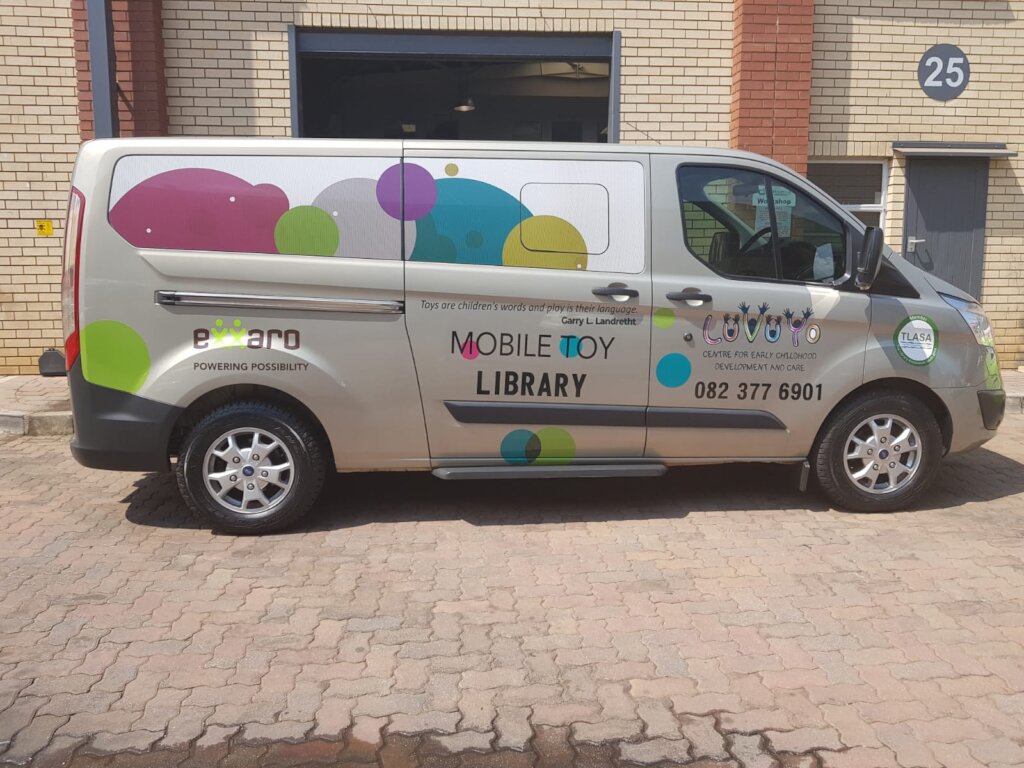
By Lizo Tom | Director
Access & Equity
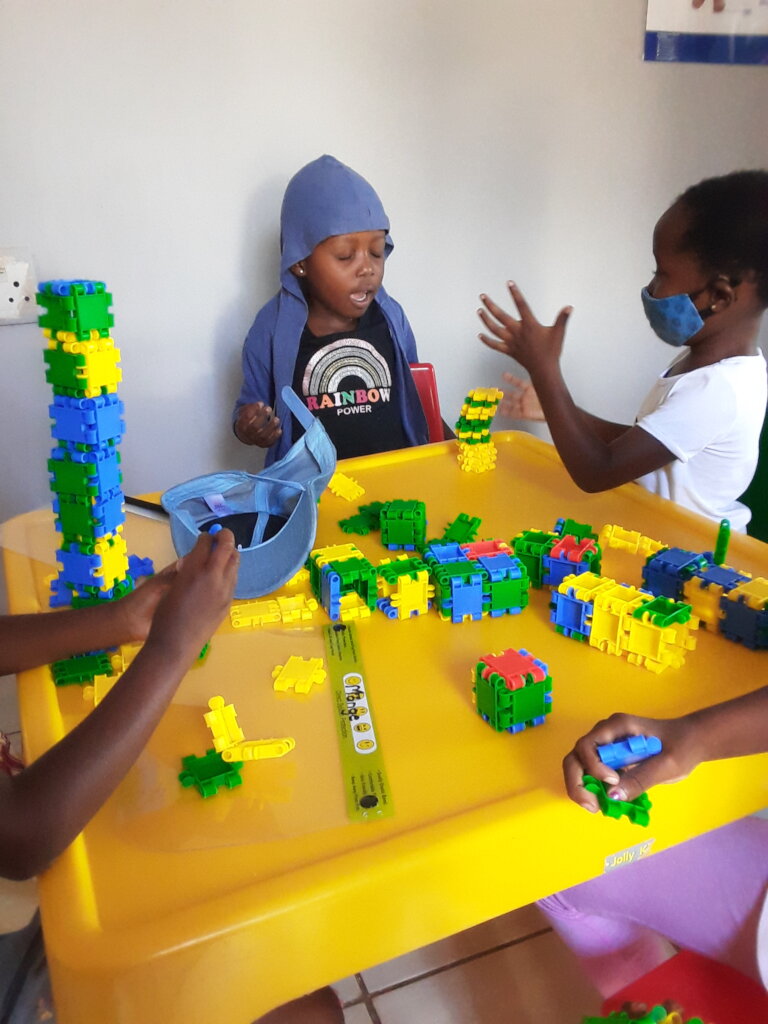
Many children in under-resourced or rural communities do not have access to quality toys, books or play materials at home or at ECD centres. Toy libraries help bridge that gap
Mobile libraries bring resources to places where fixed libraries are too far or too few. They reduce geographic / economic barriers.
Early Childhood Development & School Readiness
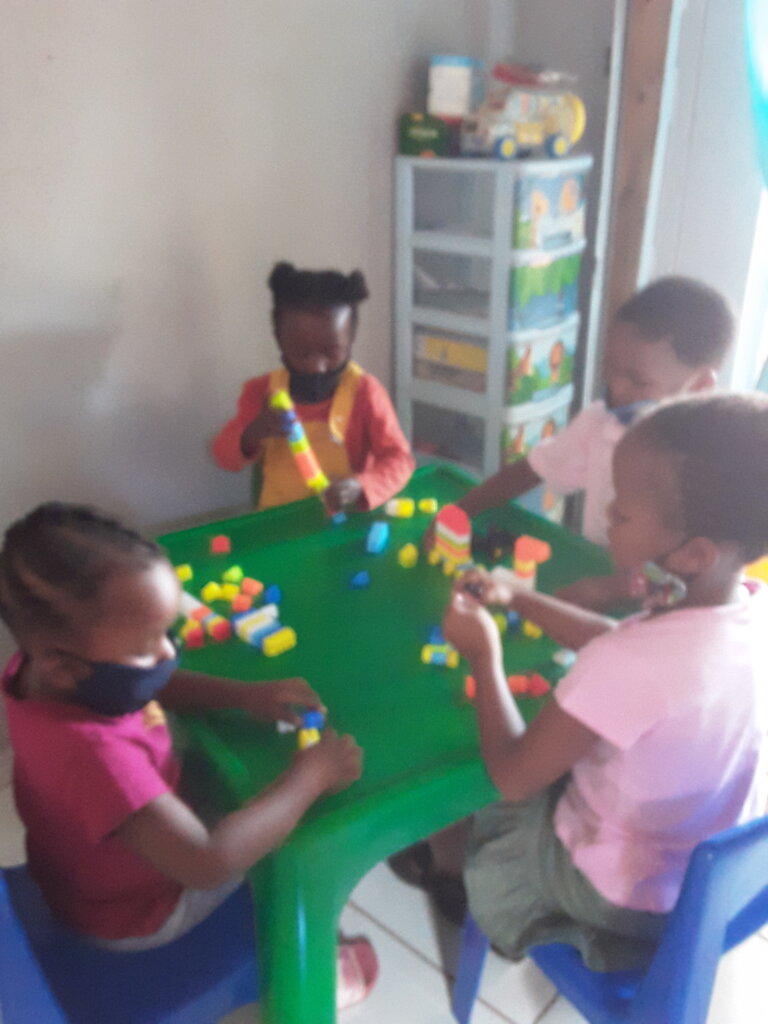
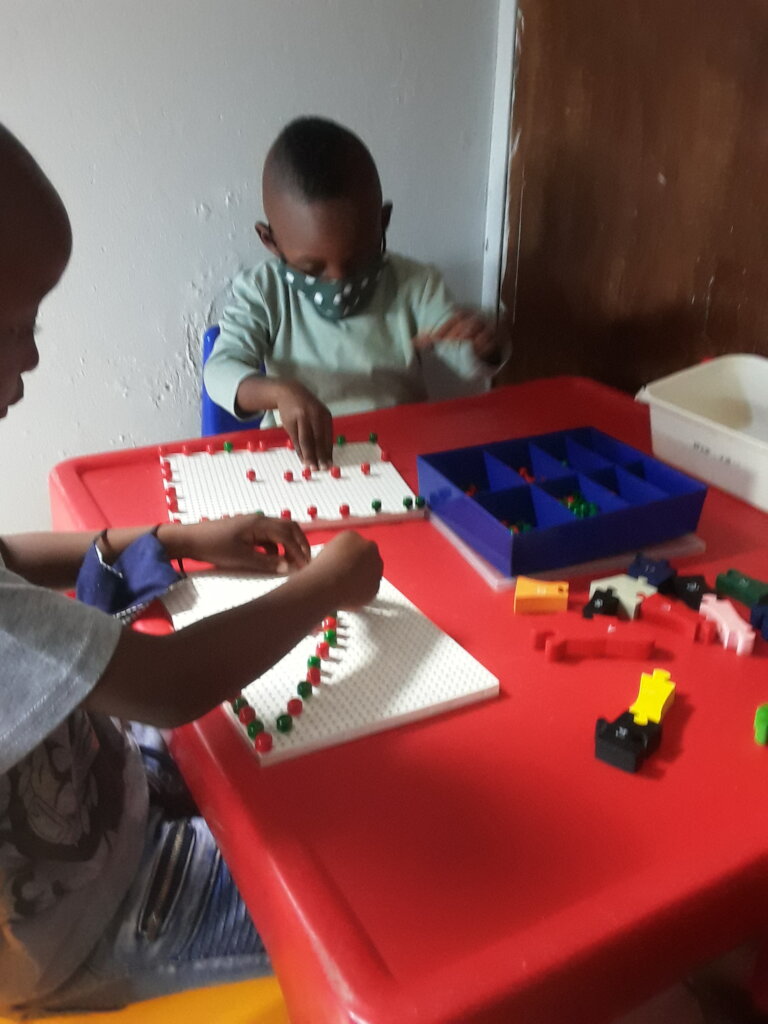
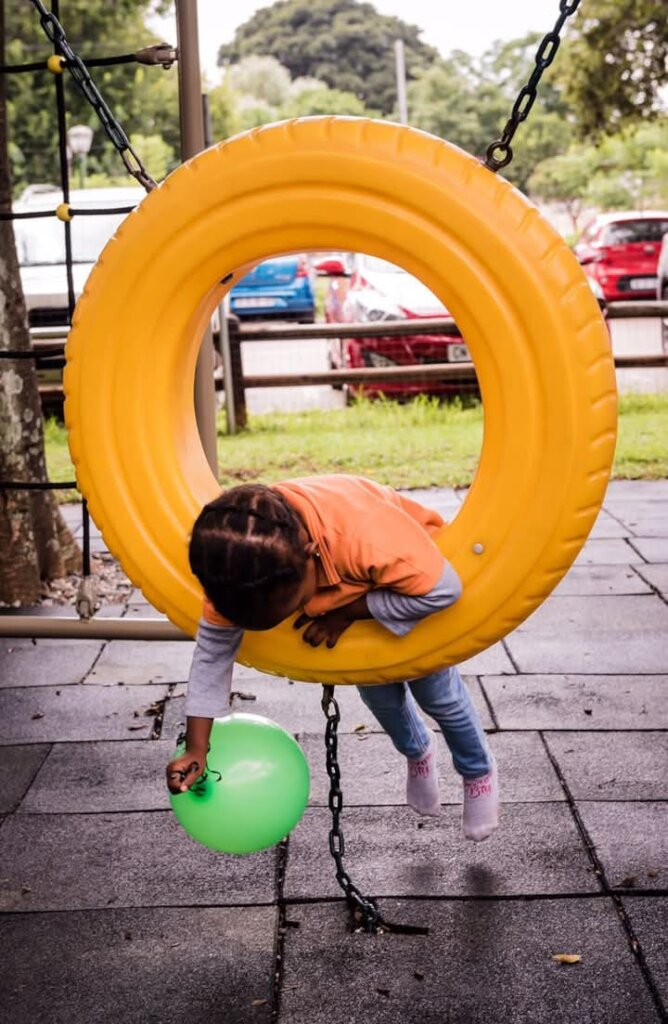
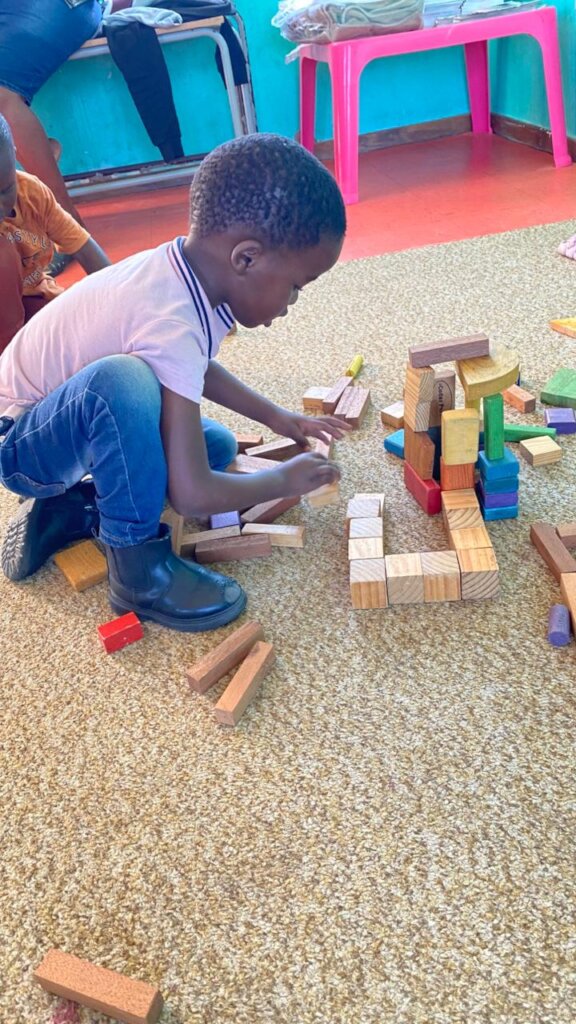
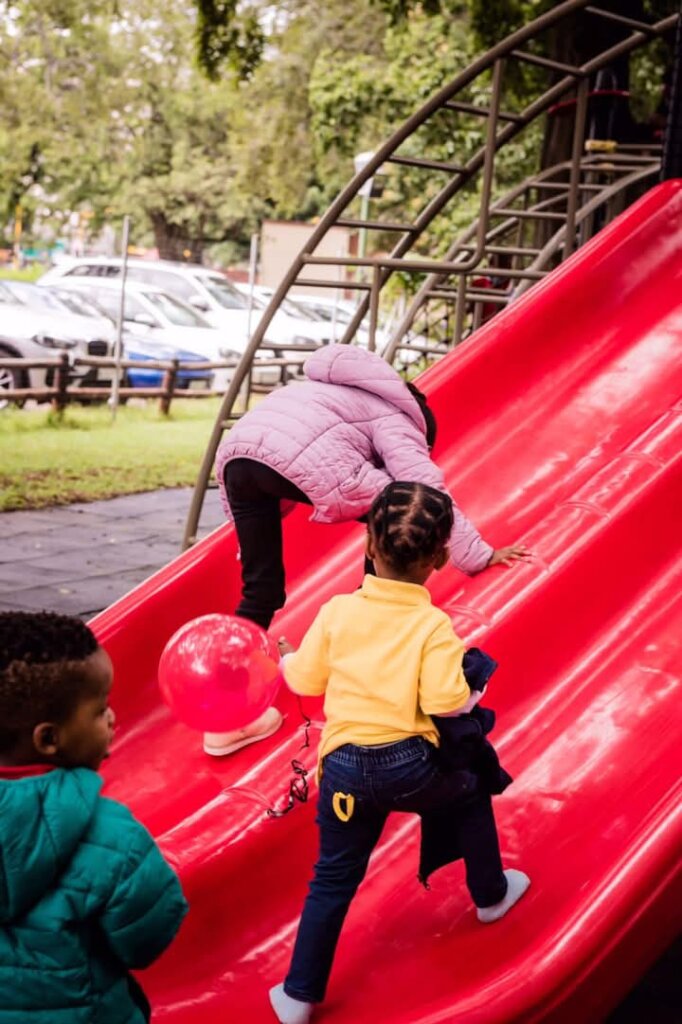
Play-based learning supports cognitive, social, emotional, and motor skills development which are foundations for later learning.
Through toy-library play sessions or “go & play” visits to ECD (Early Childhood Development) centres, children can interact with age-appropriate learning materials under supervision.
Such readiness is critical since many children enter school without foundational skills. Mobile-access to play and book resources supports that readiness.
Parental / Caregiver & Community Engagement
Toy libraries often include sessions with parents / caregivers or ECD practitioners, supporting them to understand the value of play, how to use toys for learning, and encouraging involvement.
They can become community hubs: meeting places, safe spaces for children & families, and foster interaction between community actors.
Literacy & Lifeskills through Play
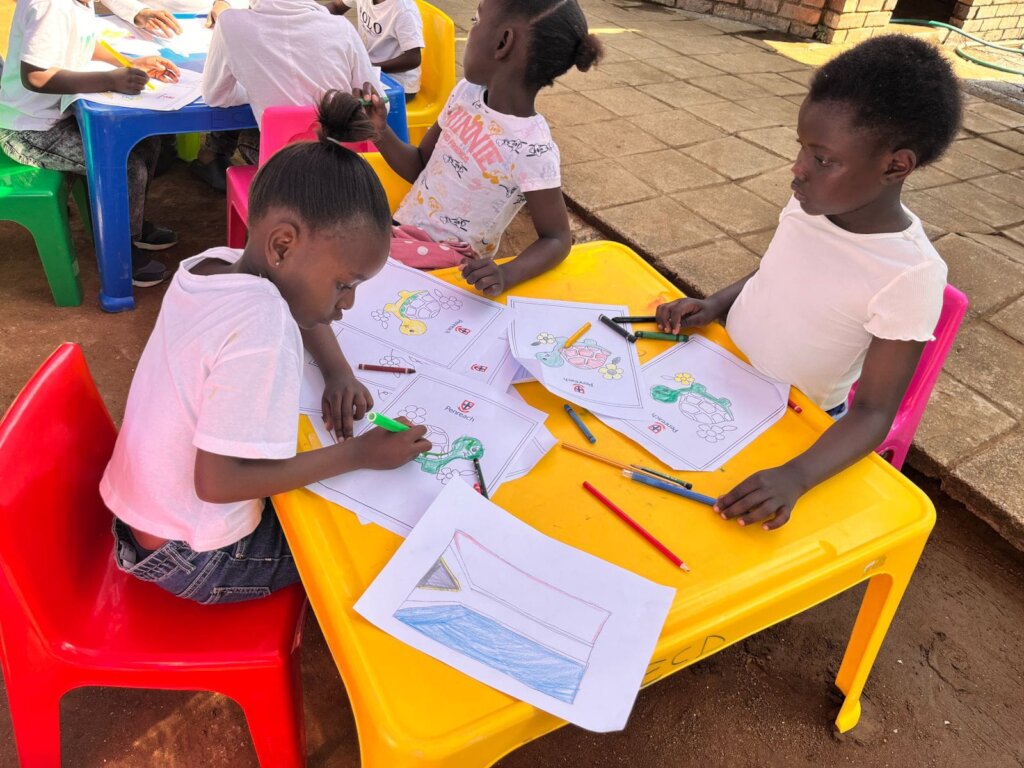
Mobile book / trolley libraries specifically contribute to literacy efforts: when children have access to books (especially in their home language), it improves reading skills, exposure to text, vocabulary, and the habit of reading.
Toy / play-based learning contributes indirectly to literacy (through language development, narrative play, storytelling games, etc.), as well as numeracy and social skills.
Sustainability, Cost Efficiency & Reach
Lending (toys, books) means families don’t have to buy expensive materials. This makes resources more affordable and sustainable.
Mobile or shared resource models make better use of limited resources and help reach more children per unit of investment.
While the impact is positive, there are also challenges:
Scale & Coverage: Many of the initiatives are NGO- or donor-driven. Coverage is not universal. Some rural or remote areas may still lack toy / mobile library access.
Funding & Sustainability: Equipment, transport, staffing, and maintenance of mobile units or toy libraries require ongoing funding.
Awareness / Buy-In: Some parents, caregivers or ECD centres might not be aware of the benefit of play-based learning or may not see toy libraries as priorities vs other immediate needs.
Logistics & Maintenance: Mobile services require reliable vehicles, scheduling, staffing; toy libraries must manage toy stock, hygiene & safety, upkeep.
Language / Cultural Relevance: Books and toys need to suit the local languages, cultures, and learning norms for them to be effective — especially in multilingual South Africa.
Project reports on GlobalGiving are posted directly to globalgiving.org by Project Leaders as they are completed, generally every 3-4 months. To protect the integrity of these documents, GlobalGiving does not alter them; therefore you may find some language or formatting issues.
If you donate to this project or have donated to this project, you can receive an email when this project posts a report. You can also subscribe for reports without donating.



Support this important cause by creating a personalized fundraising page.
Start a Fundraiser