By Susan Haynes | Project Assistant
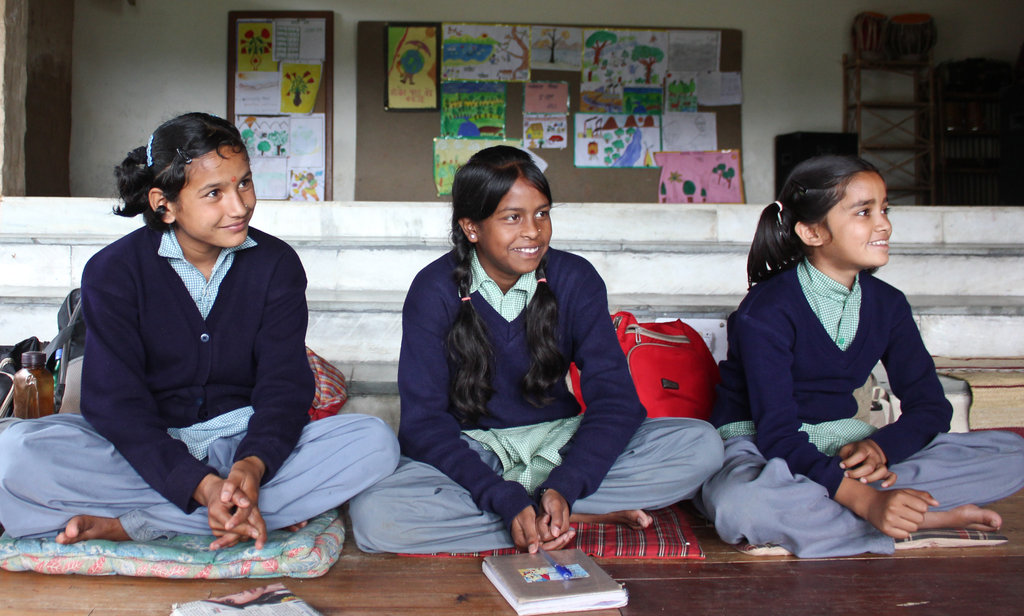
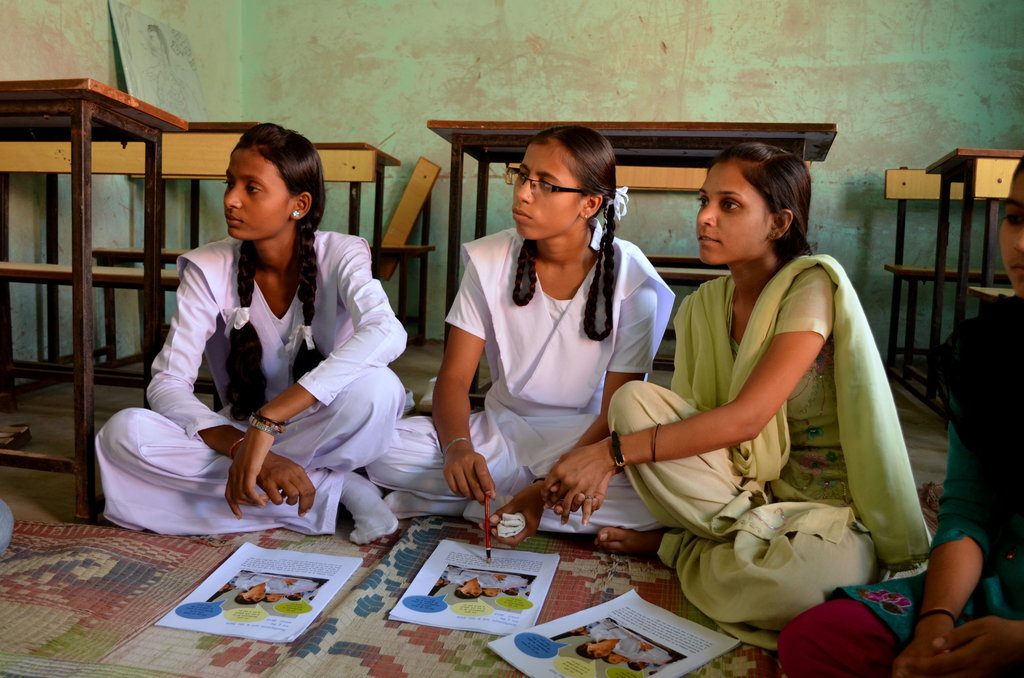
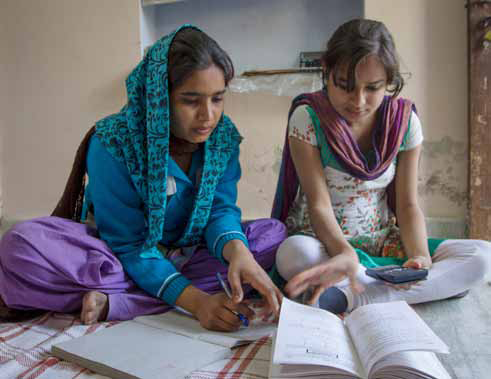
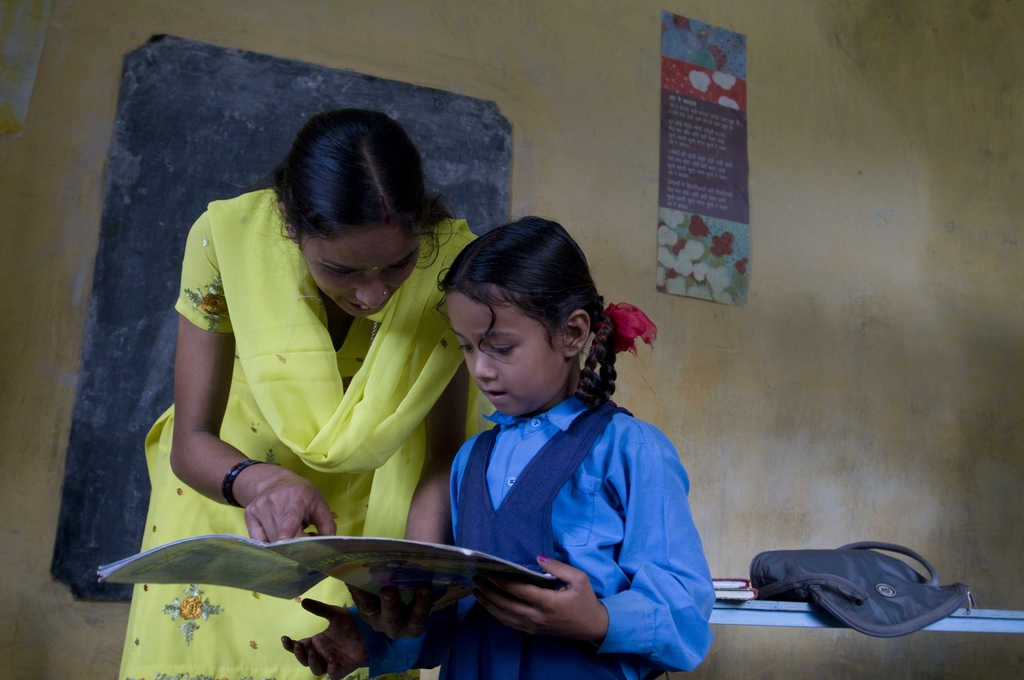
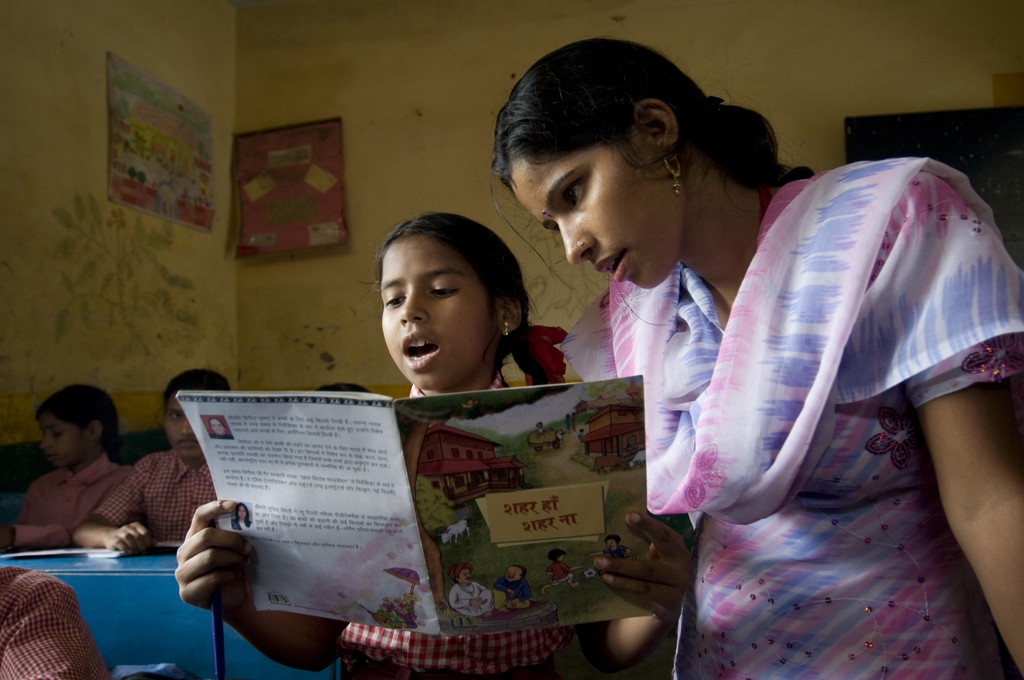
This report features Girls’ Education program student Shabnam, an 11th grade student who lives in Rajasthan, India. Shabnam was interviewed for our most recent Girls’ Education yearbook. You can view the whole yearbook here. The stories in this yearbook are done in an interview style, and girls are interviewed by someone from their community. For this story, Shabnam was interviewed by Noor Mohammed, Founder of the Alwar Mewat Institute for Education and Development (AMIED). This story is a great example of the impact that the Girls' Education program has on both its participants and their communities.
In the Mewat region of India, where Shabnam lives, the female literacy rate is only 6 percent. Most girls in Mewat do not receive a formal education and are expected instead to remain at home—looking after siblings or their own children. Shabnam made history in 2011 when she became the first girl in her village to graduate from 10th grade.
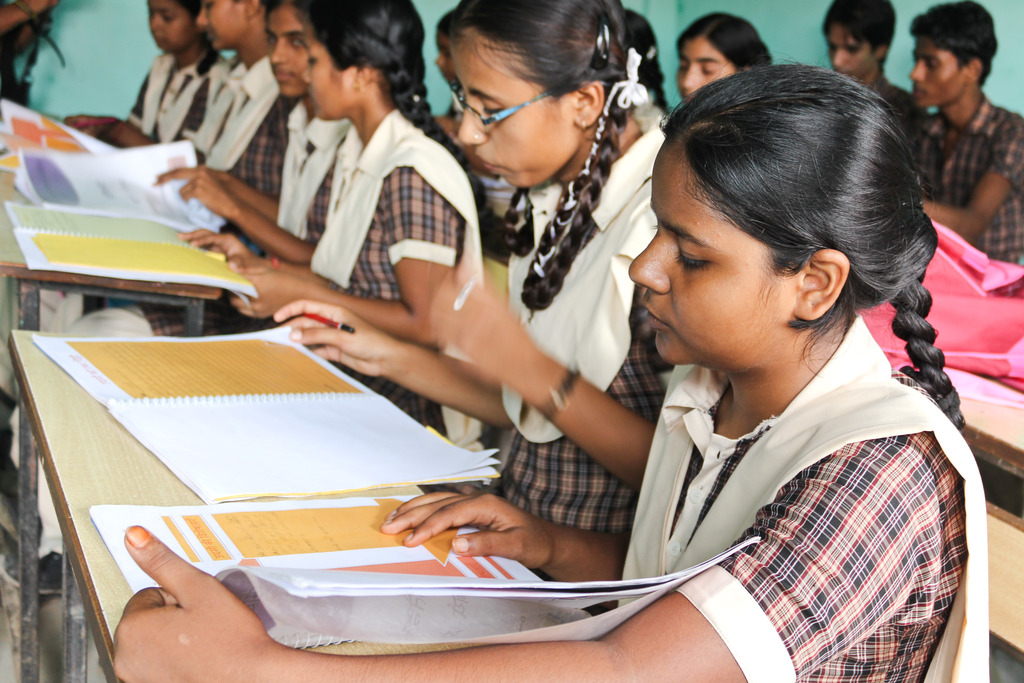
She joined school after completing an intensive bridge course set up by Room to Read and our local partner organization, AMIED, and she has been thriving ever since.
Noor Mohammed: How would you describe the village you grew up in?
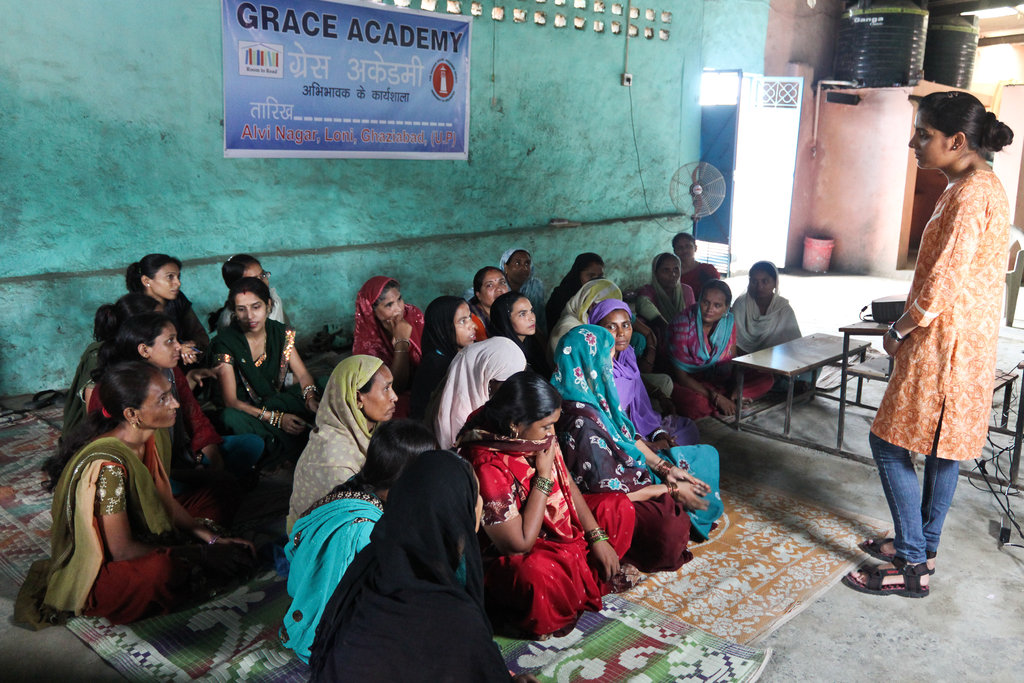
Shabnam: In Mewat, education is hardly given any importance. Girls are not allowed to study at all. The general mindset of the community is that girls have to look after household affairs and bear children; school is never prioritized. At least, not until you and AMIED started working here—visiting our homes and talking to the elders in the community.
NM: So tell me, how have things changed now?
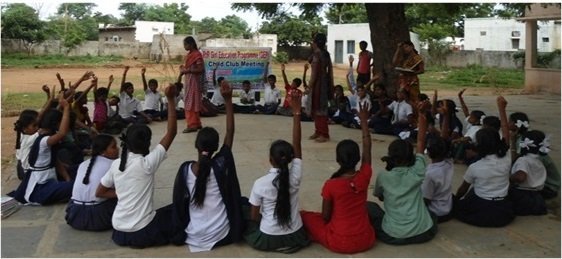
Shabnam: Well, we definitely have more girls coming to school. Also, no one in the community ever wanted to talk to our didis (social mobilizers). Now they are treated with great respect.
NM: What about your own family? Do they support your education?
Shabnam: My parents work on the farm all day and there are six children in my family— three boys and three girls, so there is a lot of housework to keep me busy in addition to my studies. I have to clean the house, cook, look after my siblings and help my mother feed the buffaloes in the field.
My mother has supported my education the most. Neighbors have told her that letting me go to a co-educational school and interact with boys is against the conventions of Islam, but she always supports me. During my 10th grade final exams, my father was completely opposed to letting me travel the 20 km (12.4 mi) to the exam center. He said I needed to finish my household responsibilities first, and my brothers refused to help out on the farm if he continued to allow me to study. It was very difficult to negotiate with them and explain how life changing these exams could be for me. The results would determine my admission into engineering college, and I had imagined a new future for myself—one where I would earn money, have a job and be able to take care of myself. It has taken many years to convince my father, but slowly he has started to come around.
NM: Now that you are in the engineering college, what is a typical day like for you? Has anything changed?
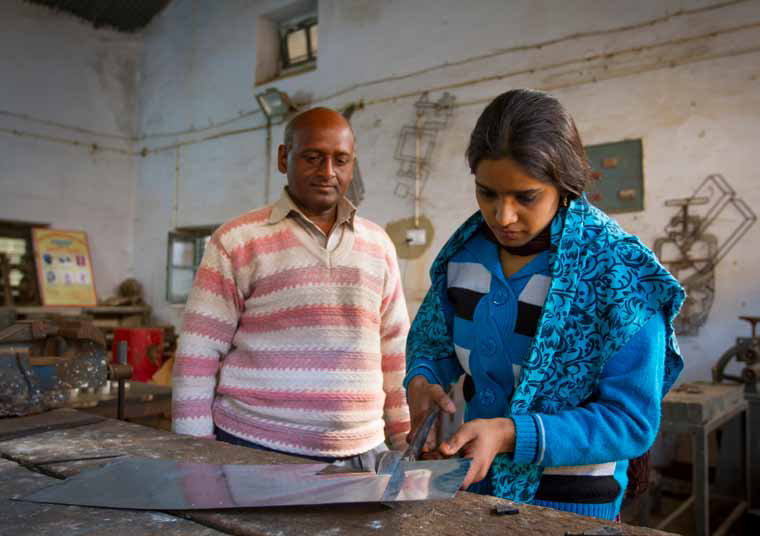
Shabnam: The biggest change is that I livealone in a one-bedroom apartment. I wakeup, cook food for the day and wash myclothes. Then I study for an hour and leavefor my engineering classes, which are aboutan hour’s walk from home.Classes end at 3:30 p.m., and I usuallystop by the market on my way home tobuy vegetables. Then I finish householdchores and try to study before work. I don’tget a chance to see my parents very oftenbecause the village is far away.
NM: You are so independent. Are you scared of anything in the future?
Shabnam: There is no fear. A lot of girls didn’t get an education before, but now things are changing, and girls have an opportunity to prove themselves. I do think sometimes about what would happen if I were not able to study. You know, my family sacrifices a lot to pay the rent for my apartment. I just pray that I am able to finish my education. I have this daydream of being in an office, sitting in front of a computer!
NM: So what exactly would you say education means to you?
Shabnam: Education is the tool through which I can become independent in my life—both financially and emotionally. Through education, I can judge right from wrong. It helps me solve problems, express my opinions and stand up to my brothers and father. I can tell them, “look at what I am capable of achieving!”
NM: What are your plans after graduation? More school? Work? Marriage?
Shabnam: I will get my bachelor’s degree in technology and become an engineer. After school, I will pursue a government job so that I can help build facilities and infrastructure in my village. I know a lot of girls look up to me for inspiration now, so I feel I have a responsibility to succeed in life and help them. When I am an engineer, people in the community will be convinced that girls can study and have a right to build a future for themselves.
By Susan Haynes | Project Assistant
By Susan Haynes | Project Assistant
Project reports on GlobalGiving are posted directly to globalgiving.org by Project Leaders as they are completed, generally every 3-4 months. To protect the integrity of these documents, GlobalGiving does not alter them; therefore you may find some language or formatting issues.
If you donate to this project or have donated to this project, you can receive an email when this project posts a report. You can also subscribe for reports without donating.