By Gayatri Buragohain | Executive Director
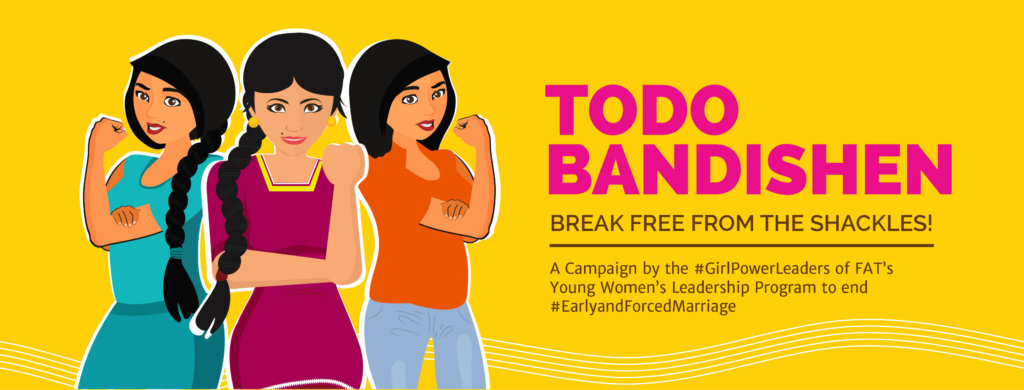
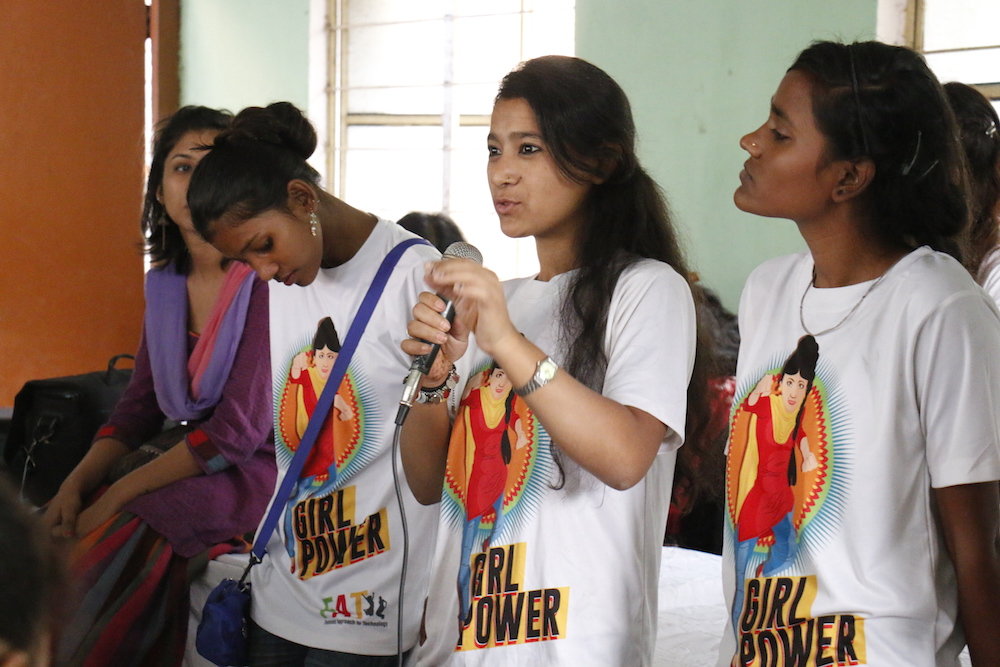
After achieving great success in the project on Early and Forced Marriage (EFM) last year, we have moved to the next phase of the project. This project is the brainchild of 31 adolescent girls and young women who were a part of the second level of FAT’s Young Women’s Leadership Program. The same girls are now in the third level of the program and are ready to take on a more independent and challenging role with regards to the campaign and their lives. FAT engages with the girls in level three by creating opportunities for them to take up more leadership roles and learn professional work. These are in the form of fellowships, internships, and volunteering at FAT or other like-minded organisations.
While some of the girls who were a part of the campaign have decided to either pursue further studies or get jobs outside FAT, many of them have expressed an interest in working with FAT and continuing with the initiative to fight against EFM. Since the idea for a campaign against early and forced marriage came from the girls, the strategy and plan to take the campaign forward has, naturally, also come from them.
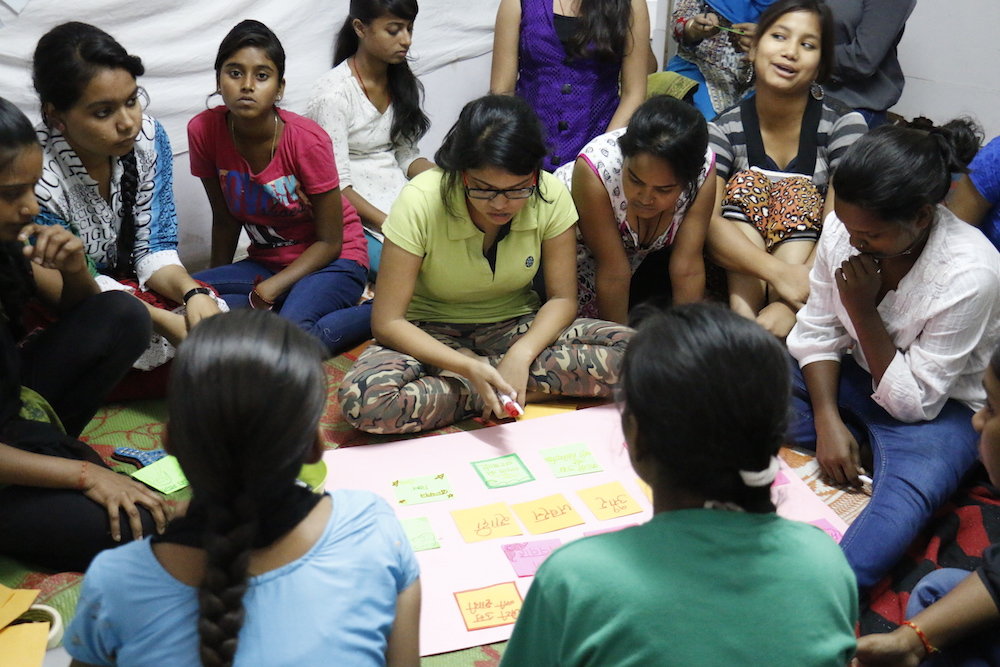
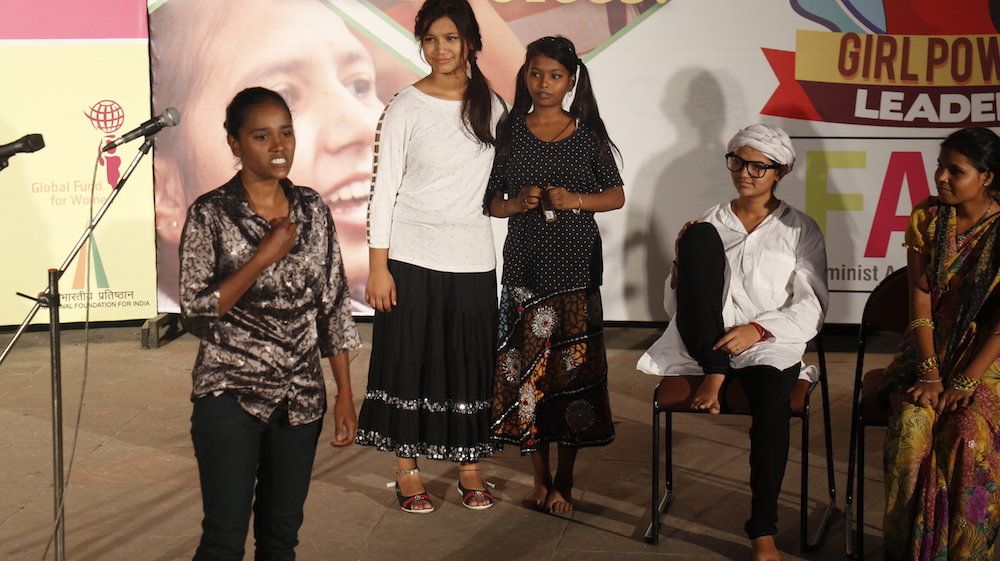
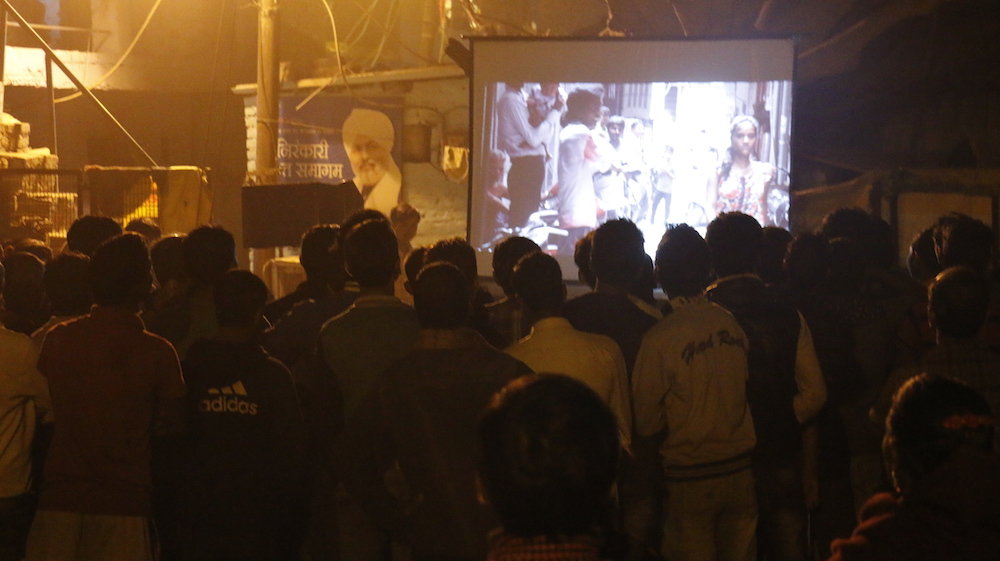
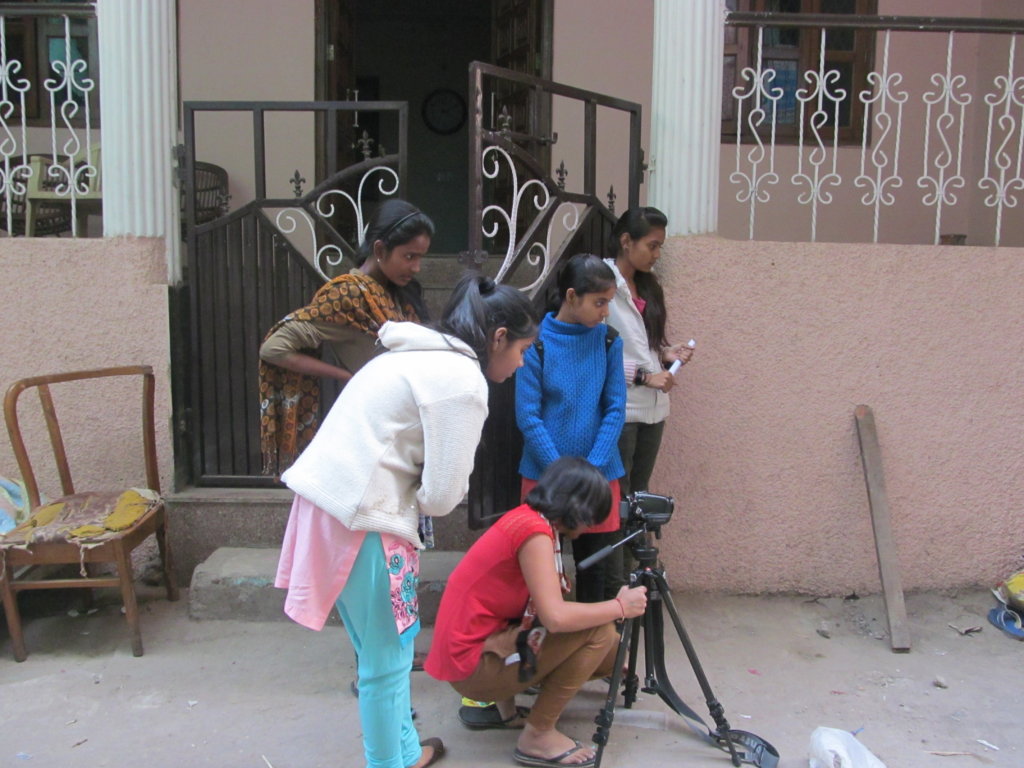
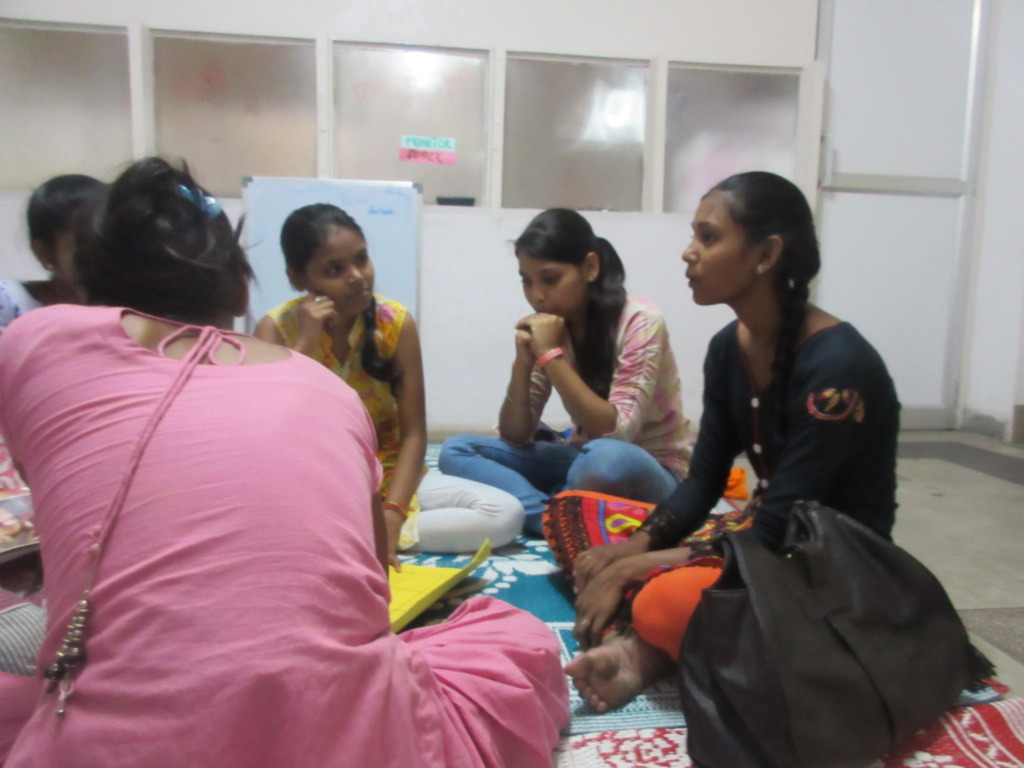
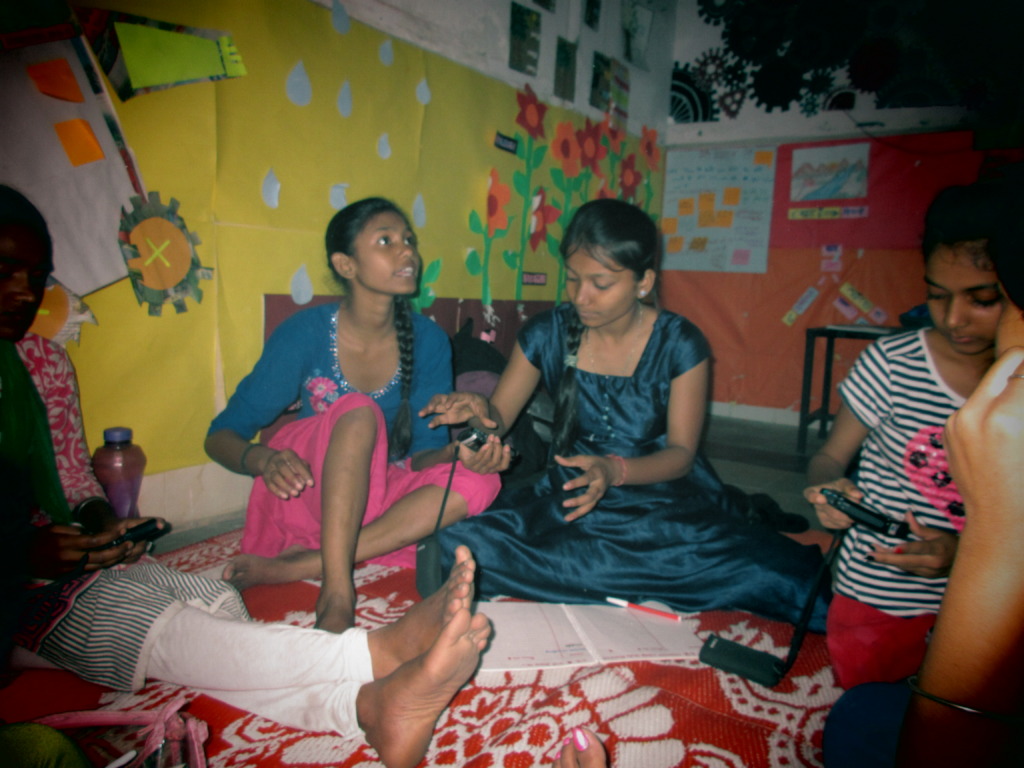
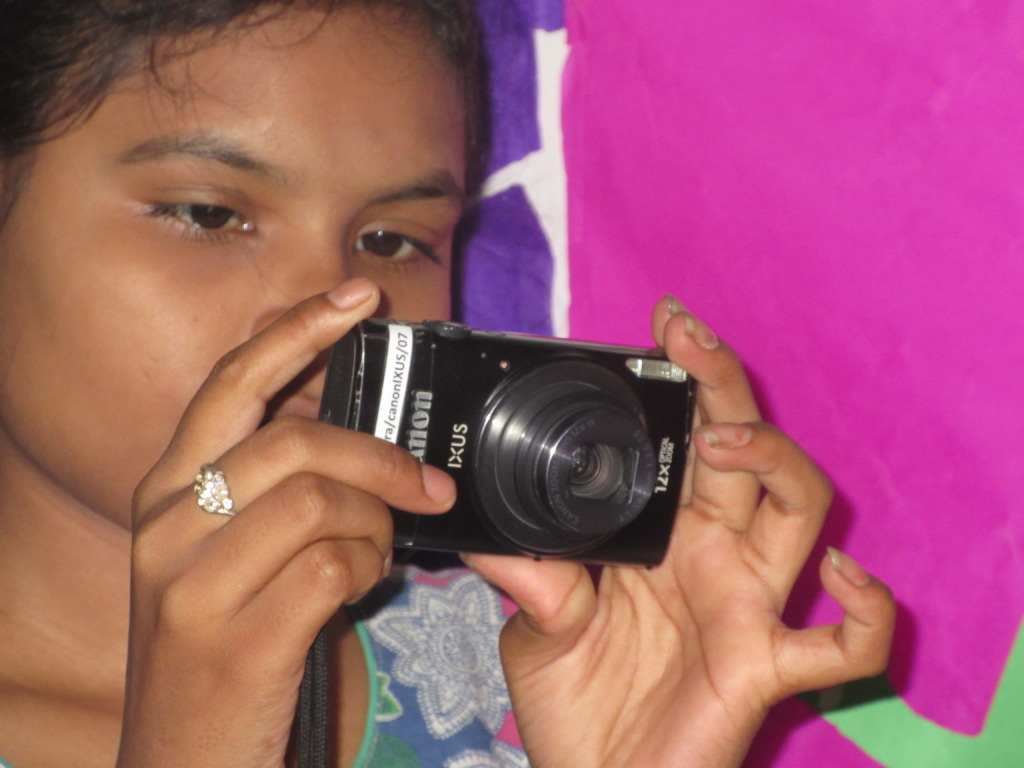
Their journey began in January 2015, and in the course of the year, the voices of the young girl power leaders reached thousands of people in many parts of the country. The project went beyond Delhi to few cities in Bihar, Gujarat, and Rajasthan through a series of screenings of a film created by the girls called Todo (Break the Chains). This film was created by using skills they gained in the course of six months of workshops on technical skills such as photography, and filmmaking and workshops about rights, feminism, and Early & Forced Marriage as a social issue. These workshops also led to a creation of a photo book, a radio show, a play, a song, posters, slogans and other campaign material made by the girls. They, then, took in the screening of the film in various communities which was followed by a lengthy discussion with the members of the community about the issue. They received a positive response from majority members of the communities, and even the ones who were not too keen on talking about the issue, acknowledged the hard work and leadership of the girls. From the launch of the campaign on 13th September 2015, a total of 40 screenings were conducted. This included large screenings in communities (with 100-200 people), home screenings, and partner screenings.
During the campaign, the home screenings (organised mainly with the mothers of the campaigners and some women and girls from the neighbourhood) played an important role in building a stronger relationship with the community members and having an in-depth and intimate discussion with them about the issue. For the next step, the campaigners have suggested that they want to revisit the women with whom we engaged in the small screenings, have a deeper discussion with them and understand if and how the film has made any changes in the lives. The girls have decided that the frequency of these follow-up visits will be two or three times a month. They also want to involve the girls in the new level 2 batch and their families by organising more film screenings in their homes. They also want to have more partner screenings that let them interact more with their peers. The screenings conducted with partner organisations is a great opportunity for the campaigners to understand the various issues of the partners and context of their work.
Another suggestion that the girls made was to continue with the work that was done in the previous campaign called Apna Haq (Our Right). Apna Haq was the first collaborative campaign run by the and ran from 2013 to early 2014. 20 girls chose to campaign within their community to try and improve the toilets and fight for sanitation rights for young women. Some of the campaigners who were a part of Apna Haq want to take the campaign forward by screening the film, once a month, at homes and with partners. These screenings would be led by the Level 3 girls, who were a part of either of the campaigns. The girls visited a community (Okhla) on their own, to conduct a reconnaissance for a screening of Apna Haq. They have also begun the process of mobilizing the girls who have been a part of these campaigns to create a larger group that will go to the screenings. These screenings will happen alongside their regular camera classes. The girls have shown a keen interest in learning to use DSLR cameras, Windows and editing. They want to continue the previous campaigns, as well as, start new ones of their own against issues they feel strongly about.
This was a one of a kind campaign run almost entirely by 31 young women leaders, and within a year, we saw a drastic change in the girls. They have become more confident and have started taking on more leadership roles in their homes and outside. This campaign sparked the discussion amongst the people who became a part of the screenings, and we saw a positive effect in many of them. We are now looking forward to seeing the leaders take a more active role in taking the campaign forward. The young women leaders and the FAT team thank you for your support and look forward to many new exciting endeavors in the future.
Project reports on GlobalGiving are posted directly to globalgiving.org by Project Leaders as they are completed, generally every 3-4 months. To protect the integrity of these documents, GlobalGiving does not alter them; therefore you may find some language or formatting issues.
If you donate to this project or have donated to this project, you can receive an email when this project posts a report. You can also subscribe for reports without donating.