By Assel Shaidikeshova | Project manager
Summer is a time for holidays, rest, and new experiences. Many children living in residential care spend their summer at camps, so some of the regular activities of the Mentors Program are temporarily paused. But the friendship between mentors and young people does not take a summer break. They continue to stay in touch, meet, try new things, and take small steps together that can lead to meaningful changes.
In this report, we would like to share updates from Shymkent, Karaganda, Atyrau, and Pavlodar — and, most importantly, stories of young people and adults that show just how meaningful a stable and caring relationship with a trusted adult can be.
Shymkent: A Friendship That Became Family
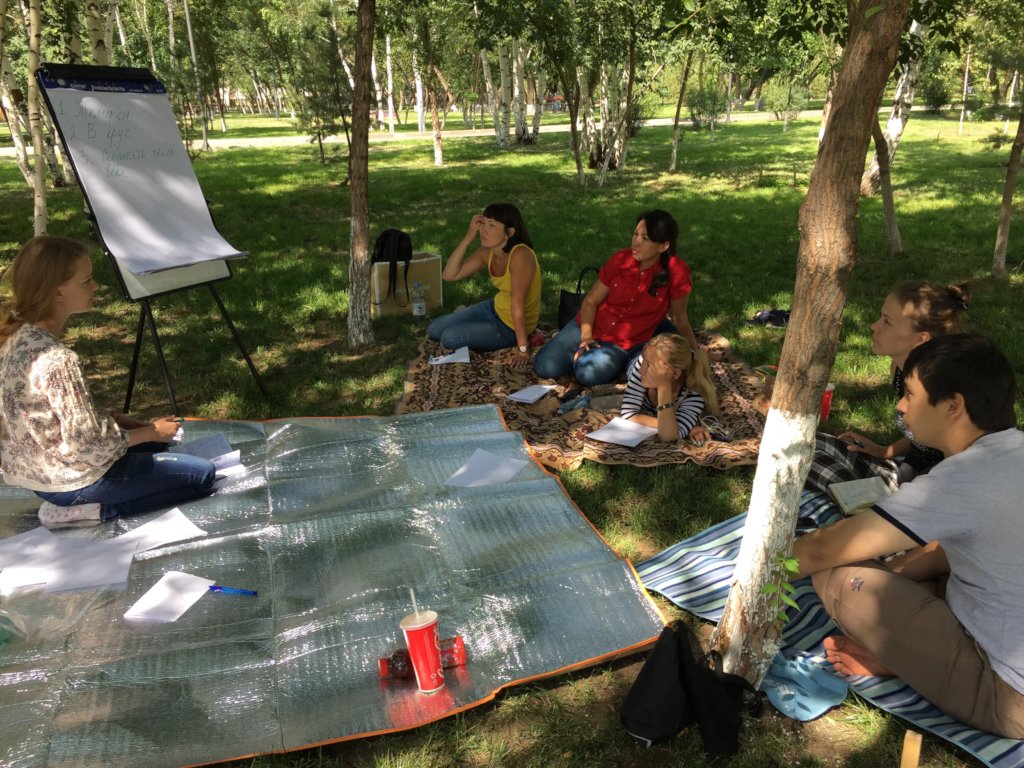
In Shymkent, the children are now on summer break, so mathematics classes have been paused until the beginning of September. Several young people spent the year preparing for admission to colleges and universities. We are now eagerly awaiting their results and wishing them every success as they take this important step toward their future.
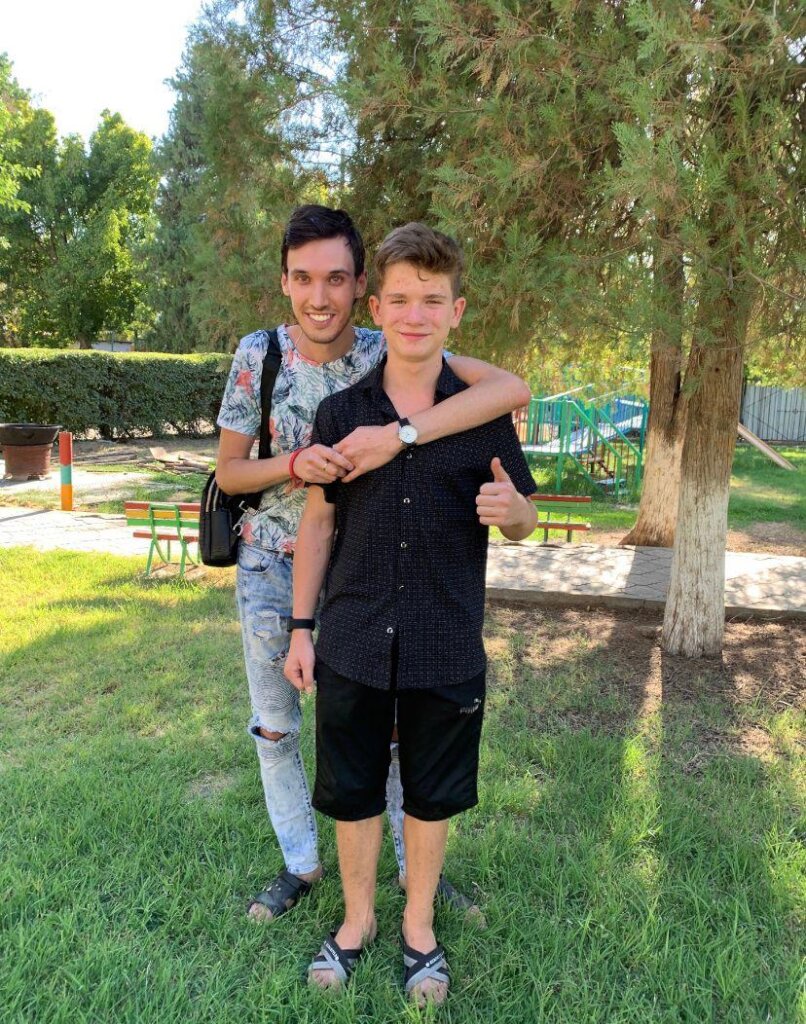
Shymkent is also where a very special friendship between Andrey and Nikita began several years ago.
Andrey had long wanted to support children and dreamed of becoming an older friend and role model to someone who needed one. When he saw an announcement about the launch of the Mentors Program in Shymkent at the end of 2019, he immediately applied. After completing the training and selection process, Andrey became the very first mentor of the program in Shymkent.
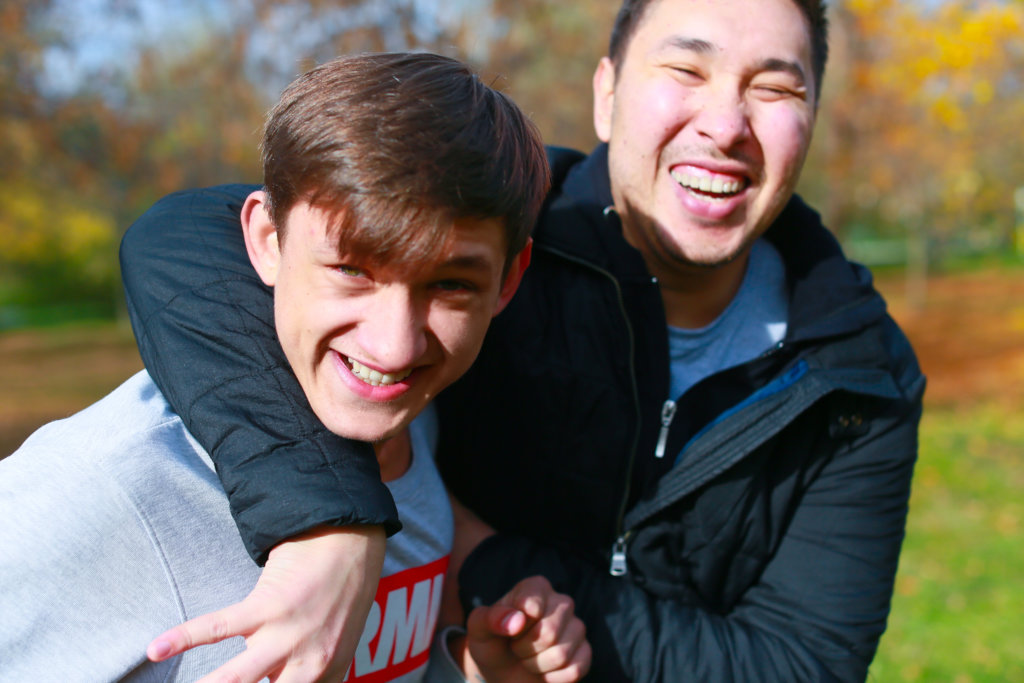
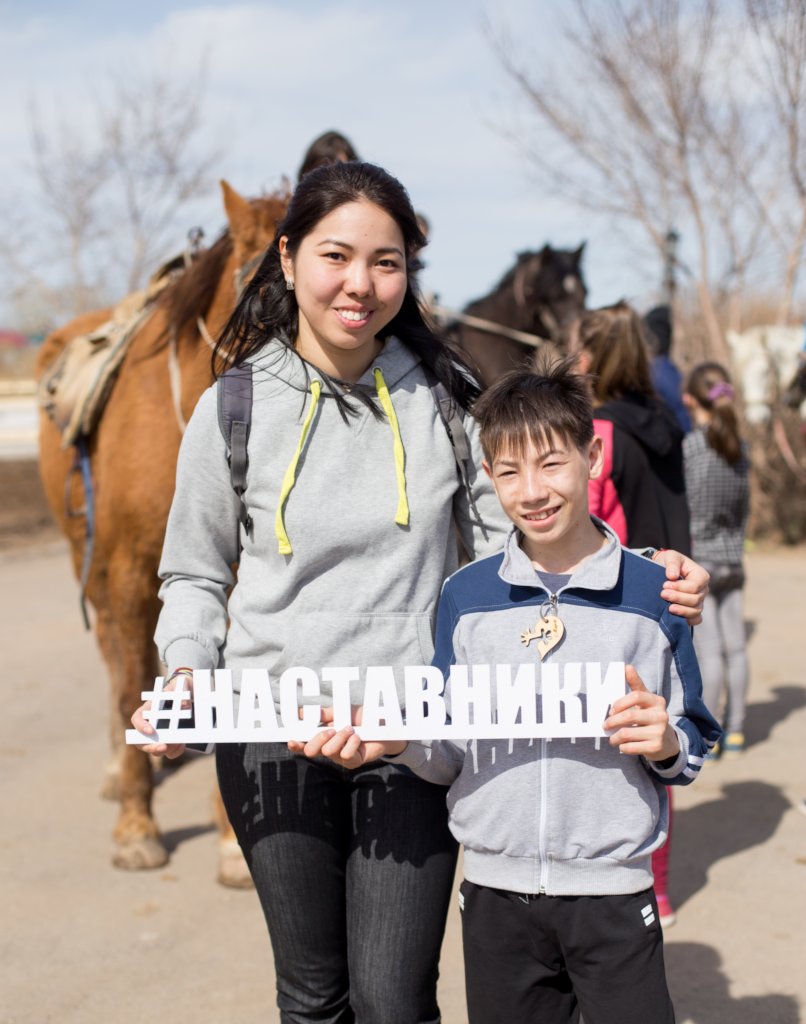
That is how he met 14-year-old Nikita. Their first meeting was emotional and a little nerve-racking for both of them, but over time their acquaintance grew into a genuine friendship. They spent time together, cooked, played sports, talked, and gradually learned to trust one another.
One of the most touching moments for Andrey happened during a birthday celebration with his family. When it was Nikita's turn to congratulate him, he turned to Andrey's mother and said:
“Thank you for raising a son who has become the best mentor, friend, and older brother to me.”
Over the years, Nikita has become more confident and independent and has started making plans for his future. When he received his own apartment, he took the initiative in planning his new home, choosing furniture and discussing his ideas with Andrey.
Today, their relationship has gone far beyond the Mentors Program. They call each other, spend time together, and celebrate family occasions together. Recently, Andrey adopted a boy from a children's home. After meeting the newest member of Andrey's family, Nikita said that he now considers him his younger brother.
What began as a mentoring relationship between two strangers has grown into a true family bond.
Karaganda: Finding the Right Mentors Matters
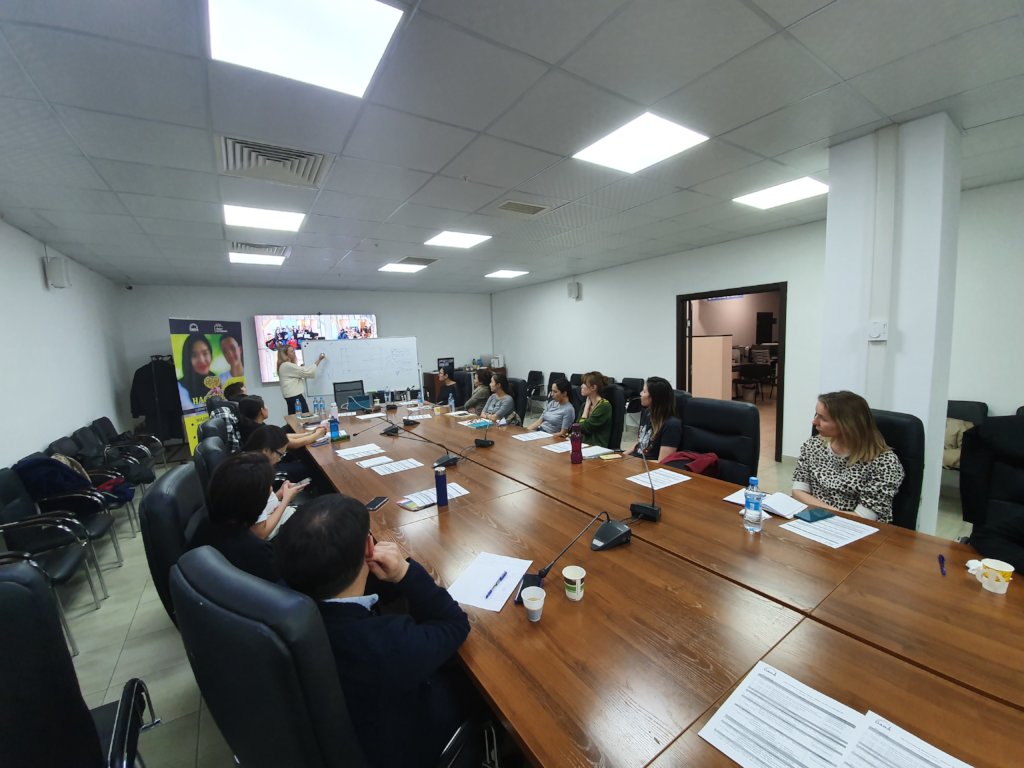
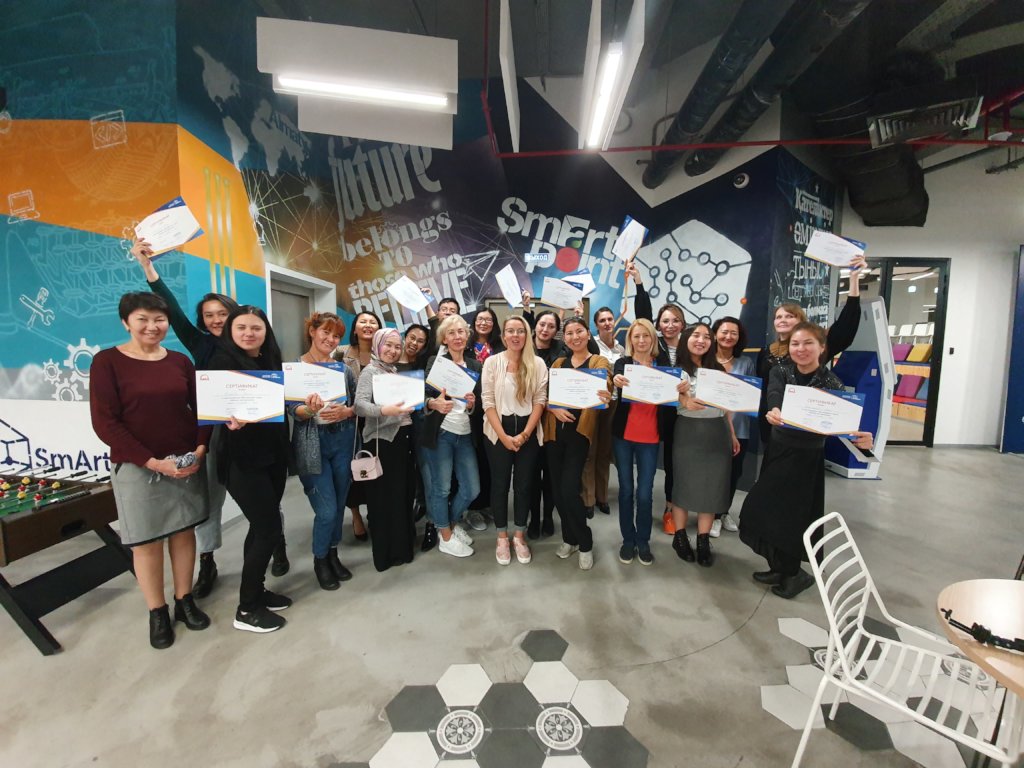
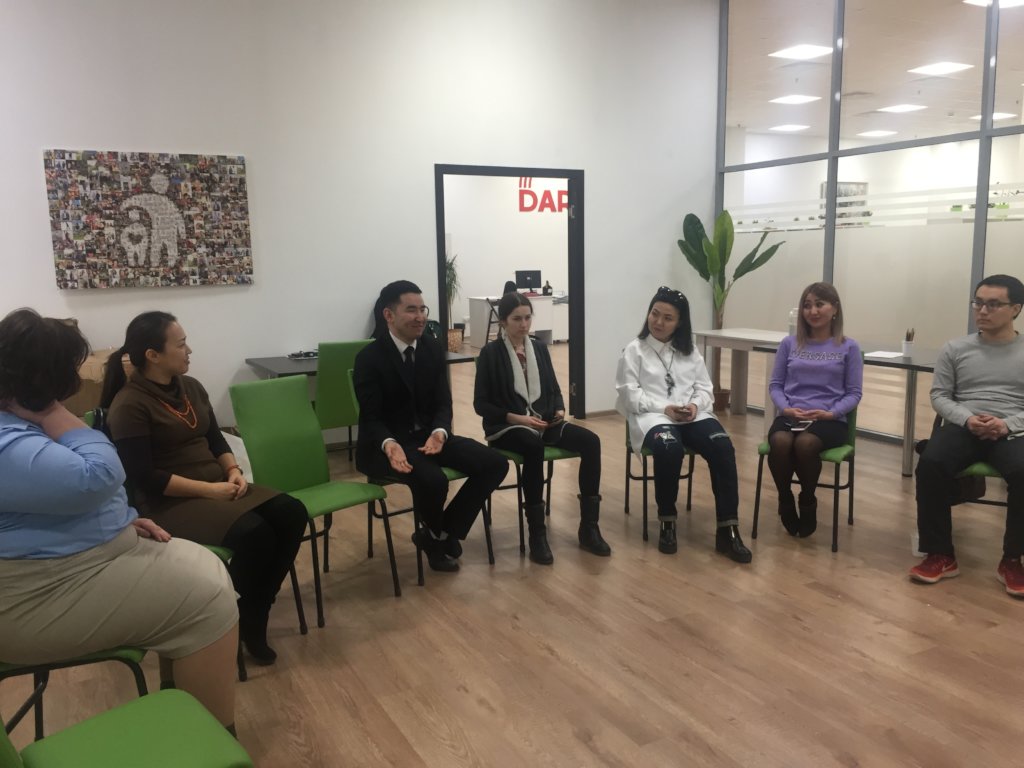
Since the beginning of the year, our team in Karaganda has been interviewing prospective mentors, providing training, and actively raising awareness about the program through local media.
For us, the goal is not simply to recruit as many people as possible. Mentoring is a long-term relationship and a significant responsibility toward a young person. This is why every candidate goes through a careful selection process, including interviews with our psychologists.
Sometimes, after an interview, our specialists recommend that a candidate wait before becoming a mentor. For example, a person may not currently have enough emotional capacity or time to build a stable, long-term relationship with a teenager. The desire to help is important, but it is not enough on its own. We need to make sure that each adult is ready to stay by a young person's side for several years, accept them as they are, and become a reliable source of support.
At the same time, our team continues to raise awareness about the program. Our mentors play an important role in this work by participating in interviews and openly sharing their own mentoring experiences. Recently, the TV program Big Region aired an 18-minute feature about the Mentors Program in Karaganda, featuring both mentors and program psychologists.
Valera and Saltanat: Discovering the Motivation to Learn
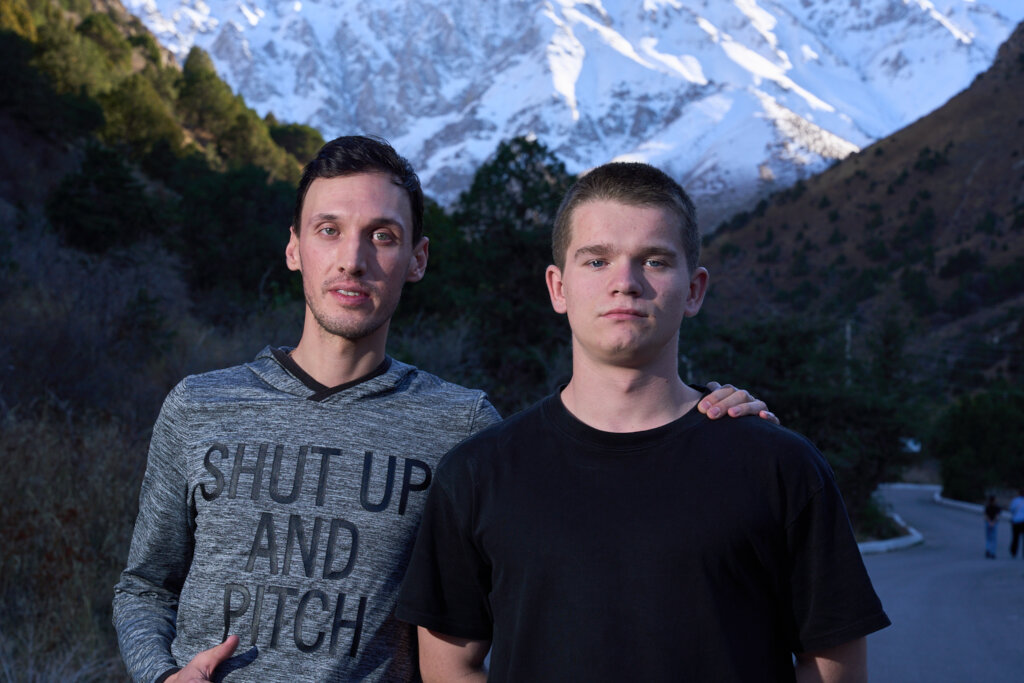
For a long time, Valera showed little interest in school or learning. His mentor, Saltanat, who is a mathematics teacher, repeatedly offered to help him with his studies, but he was not ready to accept her support.
Saltanat did not pressure or force him. Instead, she simply continued to be there for Valera, supporting him and showing him new possibilities.
Over time, her patience began to make a difference.
This year, Valera approached Saltanat himself for the first time and asked her to help him study and arrange additional lessons. He now wants to improve his knowledge of school subjects and has also started asking questions about his future, further education, and admission opportunities.
During one of their meetings, Saltanat gave Valera another book to read. It may seem like a small moment, but to us it represents something much bigger: a teenager who once turned down opportunities to learn and receive support is now beginning to take the initiative himself.
Changes like these remind us that the impact of mentoring is not always immediate. Sometimes a young person needs time to build trust, believe in themselves, and begin thinking about their own future.
Atyrau: Creating Memories Together
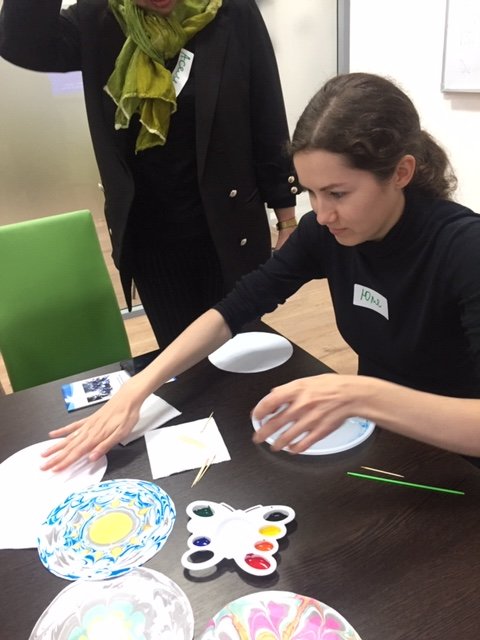
In Atyrau, mentors continue to organize meaningful activities together with their mentees. Recently, mentor-mentee pairs took part in pottery and scrapbooking workshops.
For us, these activities are much more than simply a way to spend free time. Mentors and young people try something new together, talk in a relaxed environment, and create something side by side. The item they make together then becomes a keepsake and a reminder of the time they shared.
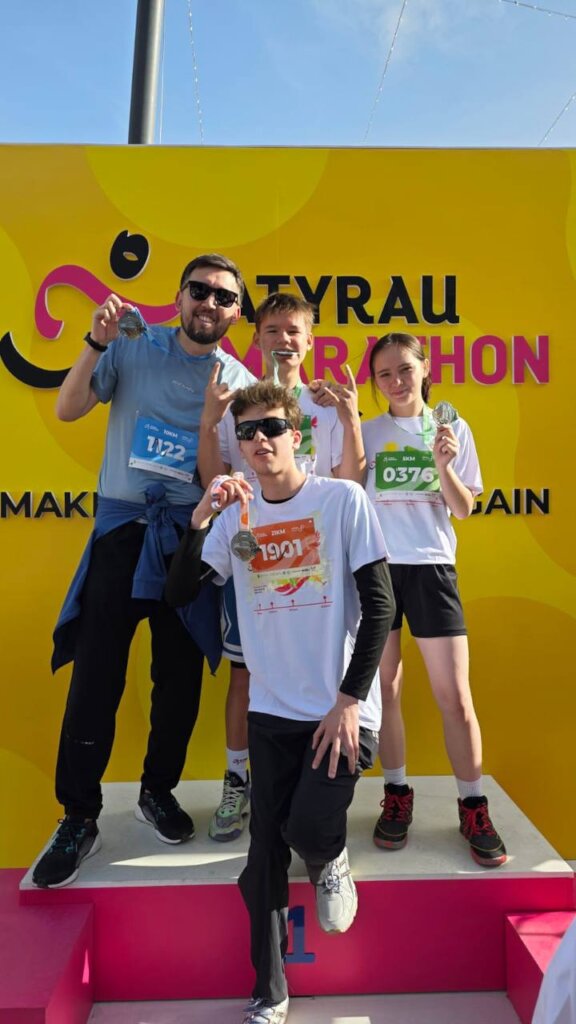
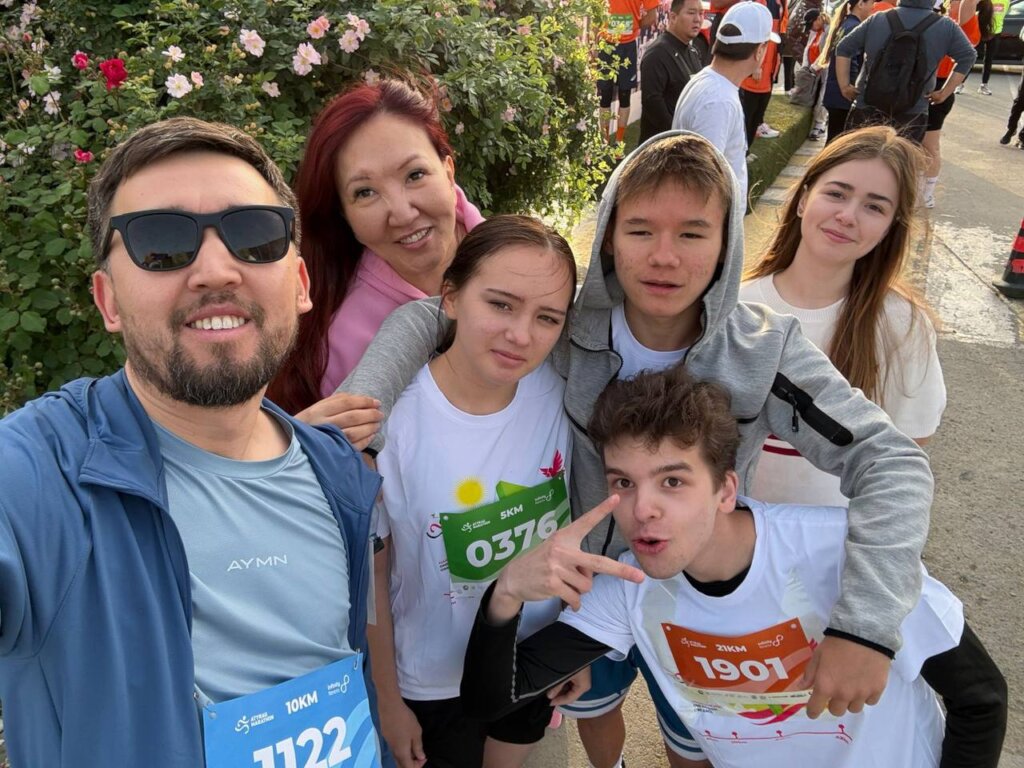
Another memorable event was a city marathon. Two mentors and three mentees took part. For the young people, it was their first experience participating in a real race — from the excitement before the start to the encouragement of their mentors and the incredible feeling of crossing the finish line.
For one teenager in particular, this race became an important milestone.
Beibit and Artem: Leading by Example
Beibit and Artem have been friends since March 2025. Artem had been missing a positive male role model in his life, as most of the staff around him in residential care are women.
Over time, Beibit became that role model for him. In the past, Artem found it difficult to manage his emotions during conflicts and could sometimes react aggressively. Beibit talks through these situations with him, helps him understand his emotions, and together they explore healthier ways of responding to conflict.
But a mentor's influence comes not only through words.
Beibit leads an active and healthy lifestyle. When he decided to participate in a marathon, Artem was inspired by his example and signed up as well. He went on to complete his first-ever 5-kilometer race.
Today, caregivers are noticing positive changes in Artem's behavior, as well as his growing interest in sports. For us, his story is another reminder of how important a positive adult role model can be — someone who does not simply tell a young person what to do, but demonstrates it through their own actions.
Pavlodar: Skills for Independent Life
In Pavlodar, our team and mentors place special emphasis on practical skills that young people will need when they leave residential care and begin living independently.
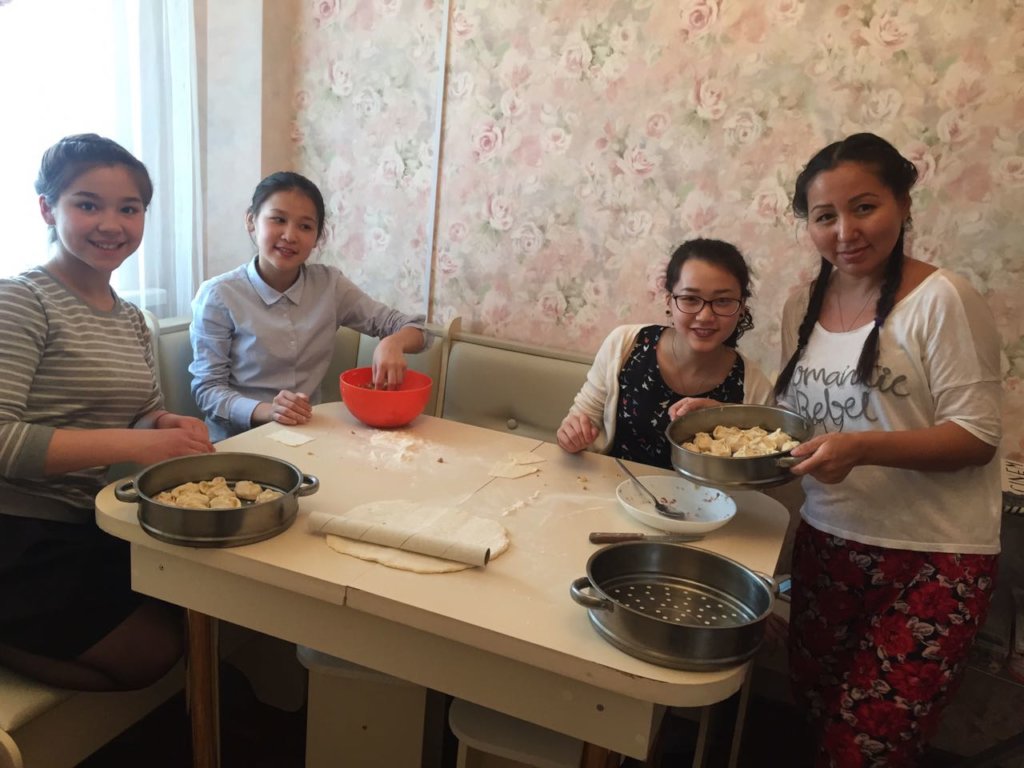
Recently, children and mentors took part in two cooking workshops, learning how to make dumplings and doner. Mentors cooked alongside their mentees, supported them throughout the process, and explained each step.
These activities are especially important for young people growing up in residential care. Many have limited opportunities to cook for themselves while living in an institution, which means that even simple everyday tasks can be challenging after they leave. Through activities like these, we aim to gradually help teenagers develop the basic skills they will need for independent adult life.
In April, mentors also organized a warm Easter tea gathering for the children. They prepared traditional Easter cakes and paskha, a traditional cottage cheese dessert, and celebrated together.
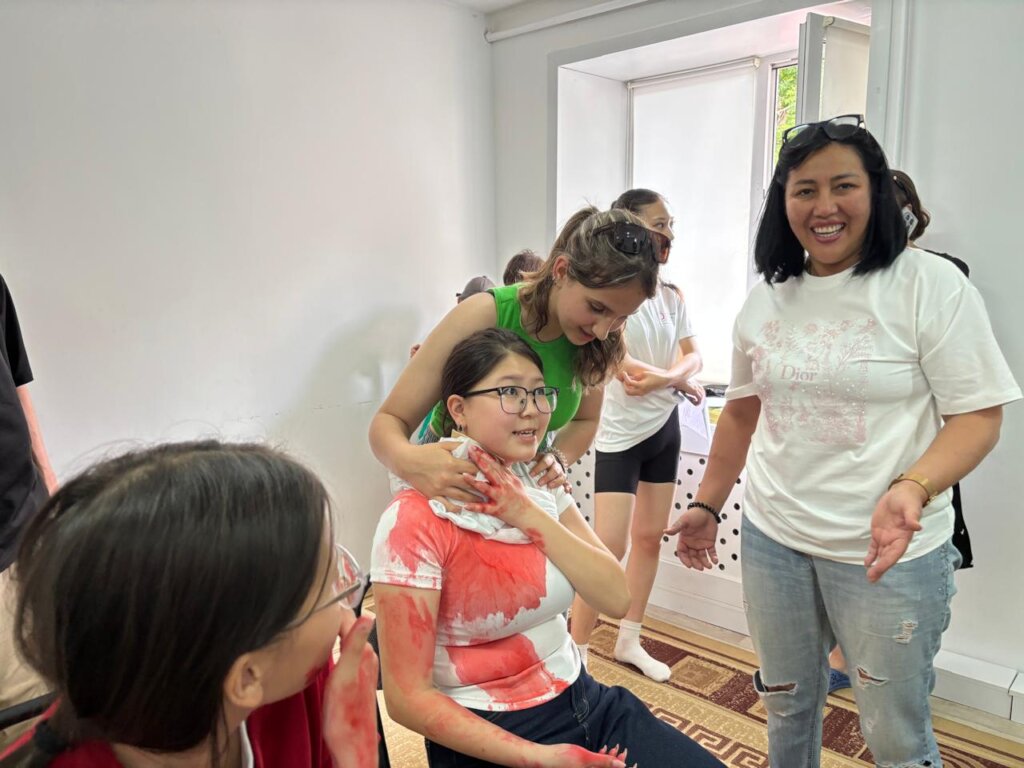
In June, the teenagers learned another essential life skill: the basics of first aid. The workshop was delivered by the Red Crescent Society of Kazakhstan with the support of one of our mentors, who works for the organization and helped arrange the session.
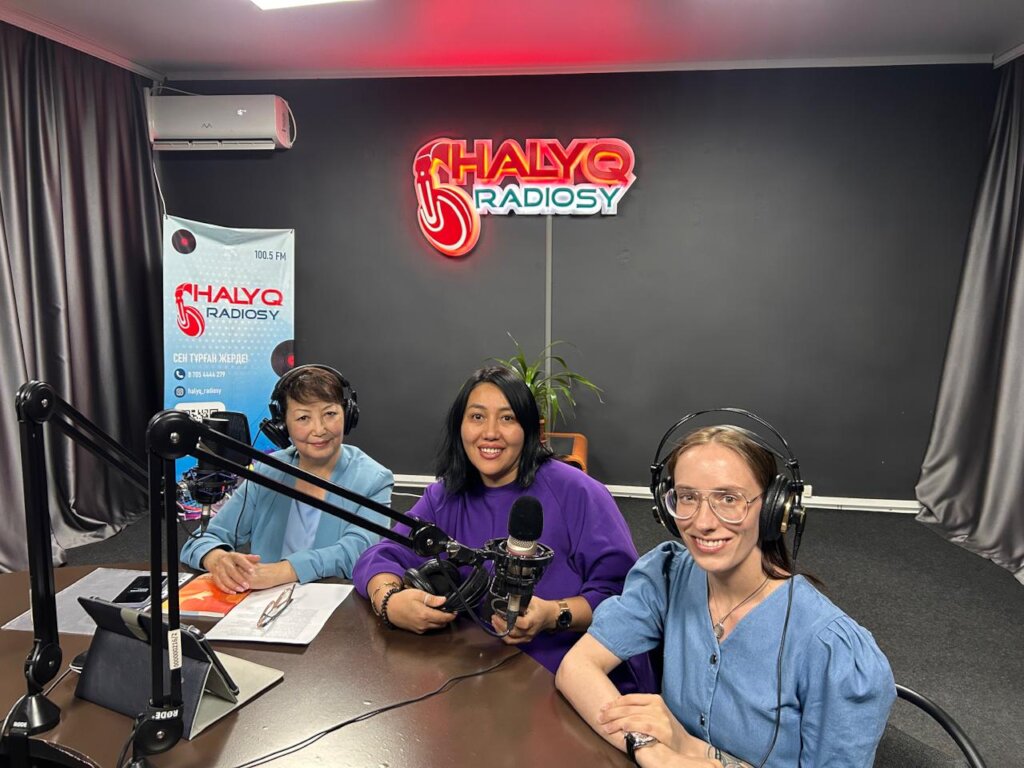
Our work in Pavlodar continues in several directions at once. The team trains new mentor candidates, supports existing mentor-mentee pairs, and continues to raise awareness about the opportunity to become a mentor. Together with program psychologists, our colleagues have appeared on local radio and the Ertis TV channel, where they spoke about the program and encouraged local residents to consider becoming mentors.
Small Steps That Lead to Big Changes
The stories from this summer are all different. One teenager asked for help with his studies for the first time. Another completed his first 5-kilometer race. Others learned how to cook or provide first aid. And one relationship between a mentor and a young person, built over many years, has grown into a true family bond.
Behind every one of these achievements are months and years of conversations, trust, patience, and simply being there.
Mentoring rarely changes a young person's life overnight. But having a reliable adult who continues to stand by their side can gradually help them believe in themselves, discover new possibilities, and take their first steps into adulthood with greater confidence.
Thank you to everyone who supports the Mentors Program. Because of your support, young people have the opportunity to meet an adult who does not simply come into their lives for a single event, but stays, builds a relationship with them, and becomes an important part of their journey.
Project reports on GlobalGiving are posted directly to globalgiving.org by Project Leaders as they are completed, generally every 3-4 months. To protect the integrity of these documents, GlobalGiving does not alter them; therefore you may find some language or formatting issues.
If you donate to this project or have donated to this project, you can receive an email when this project posts a report. You can also subscribe for reports without donating.



Support this important cause by creating a personalized fundraising page.
Start a Fundraiser