By Julie Carney | Country Director
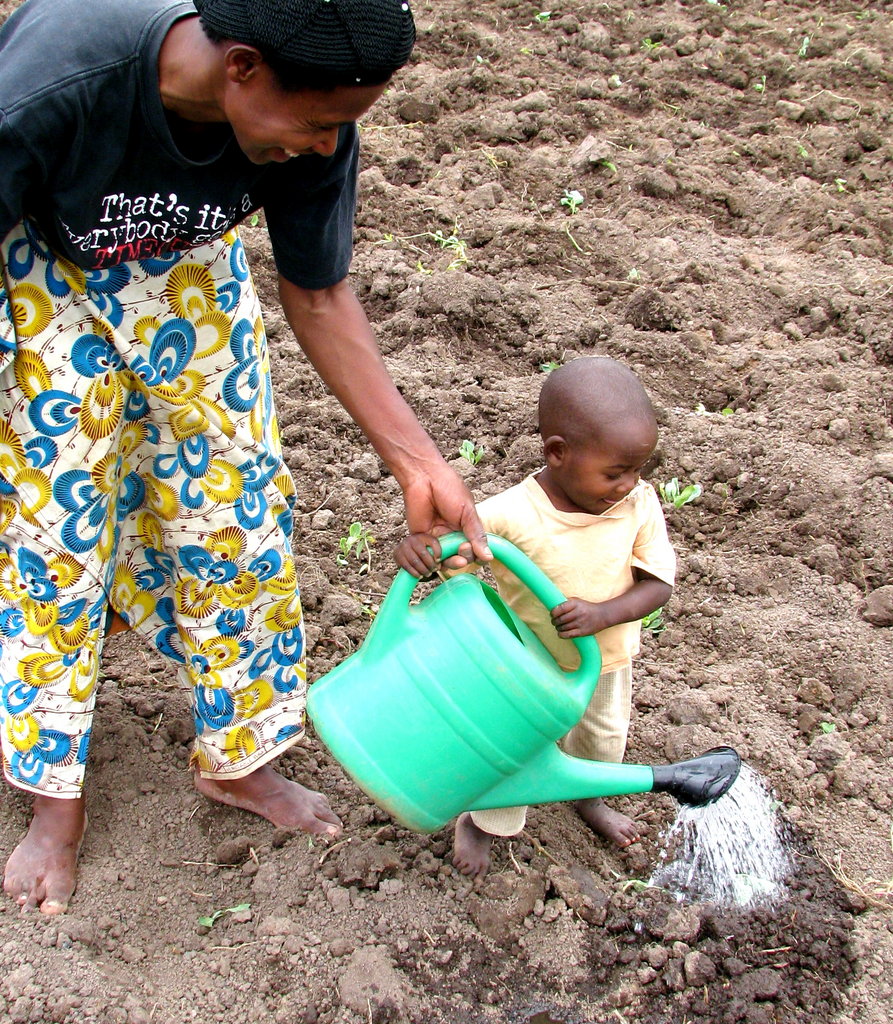
Thanks to your generosity, we now have 105 families in our Gukura Program, meaning that already, 105 families now have the tools to grow their own good health, 105 families are moving away from dependency on food aid packages, and 105 families are nourishing their children in dignity. Since the beginning of this campaign, we have also opened up our program to a new health center, where there is, fortunately or unfortunately, significant demand.
After our initial quarterly surveys, currently enrolled patients have improved their food security by an average of 2.4 scores, with 45% of families improving their household food insecurity score. 68% of enrolled families improved their household dietary diversity by an average of 3.8 scores. Almost all the dietary diversity improvements (73%) were due to household food production, the household nutritional self-sufficiency improved by an average of 2.3 scores. This quarterly data is already quite promising--particularly so with a program that takes such a long-term approach. This tells us that families are eating better, eating more, and particularly because they are growing it.
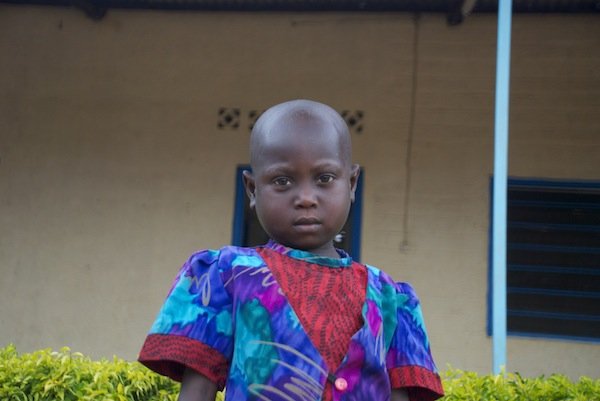
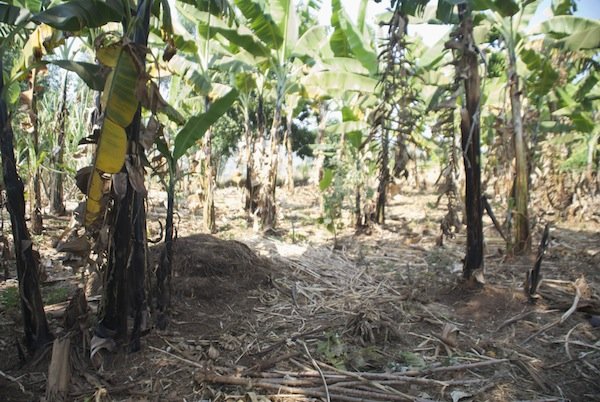
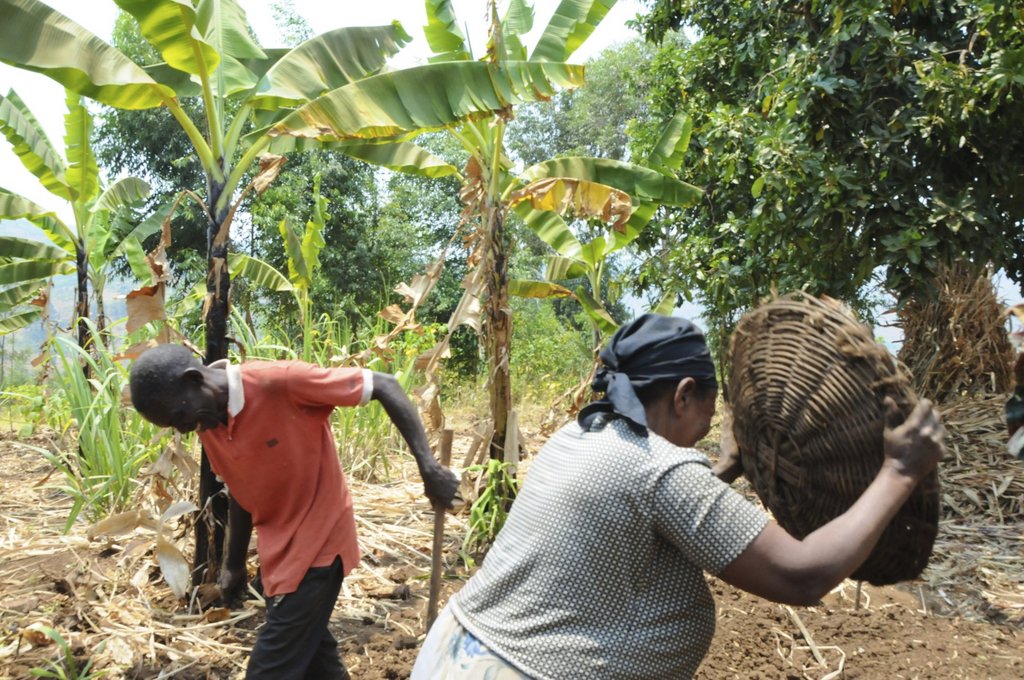
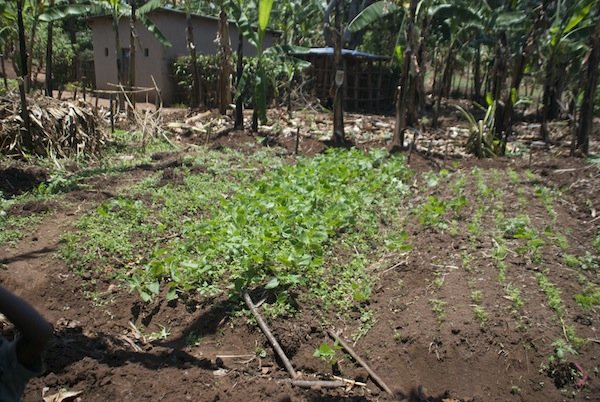
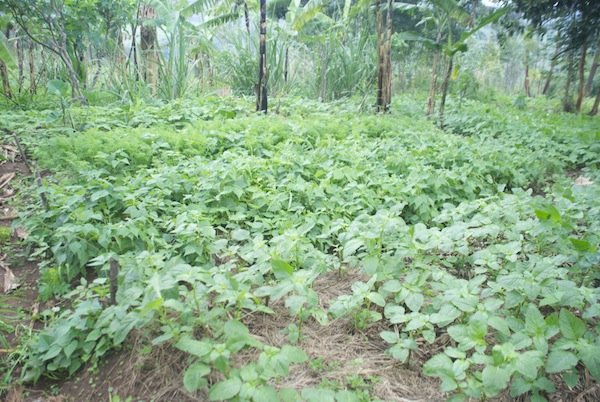
We are excited to see what further data tells us, but we don't necessarily need questionnaires to tell us about families like Mama Vestine's. Mama Vestine is HIV-positive and has 7 children with her husband--all children are malnourished. They have a tiny plot of land, but since becoming partners in our program a few months ago they have shown incredible determination to use it to feed their family better. Now Mama Vestine is growing beets, carrots, passion fruit, papaya, corn, leafy cassava, cabbage, amaranth, beans. While her family's dietary diversity score has improved drastically and their garden colorful and abundant, there have also been more intangible changes: the growing empowerment that Mama Vestine feels when she can feed her children well, the greater self-sufficiency that she is taking charge of her family's health, the relieved contentment that her family now has health insurance.
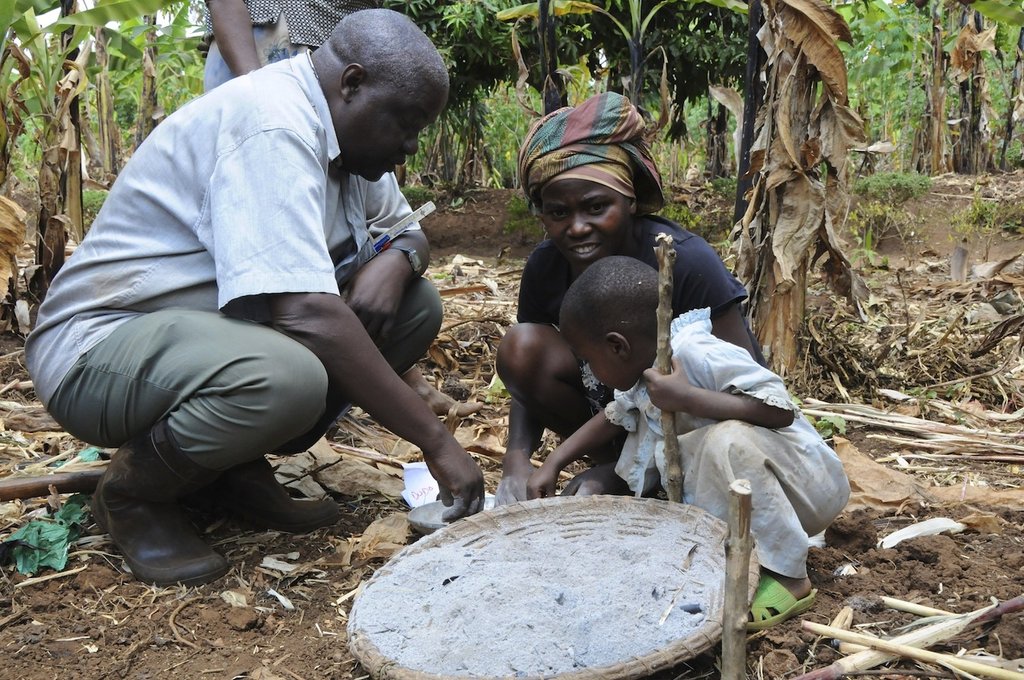
We have also started utilizing mothers in our community to lead the training sessions at our health centers. This awesome group of women, having also battled with malnutrition, HIV, and poverty, are powerful examples and positive teachers. They encourage the families in our program to explore the root causes of malnutrition and act upon them; since we began this initiative a few weeks ago, our participating families have started savings groups, had HIV tests, and sought contraception.
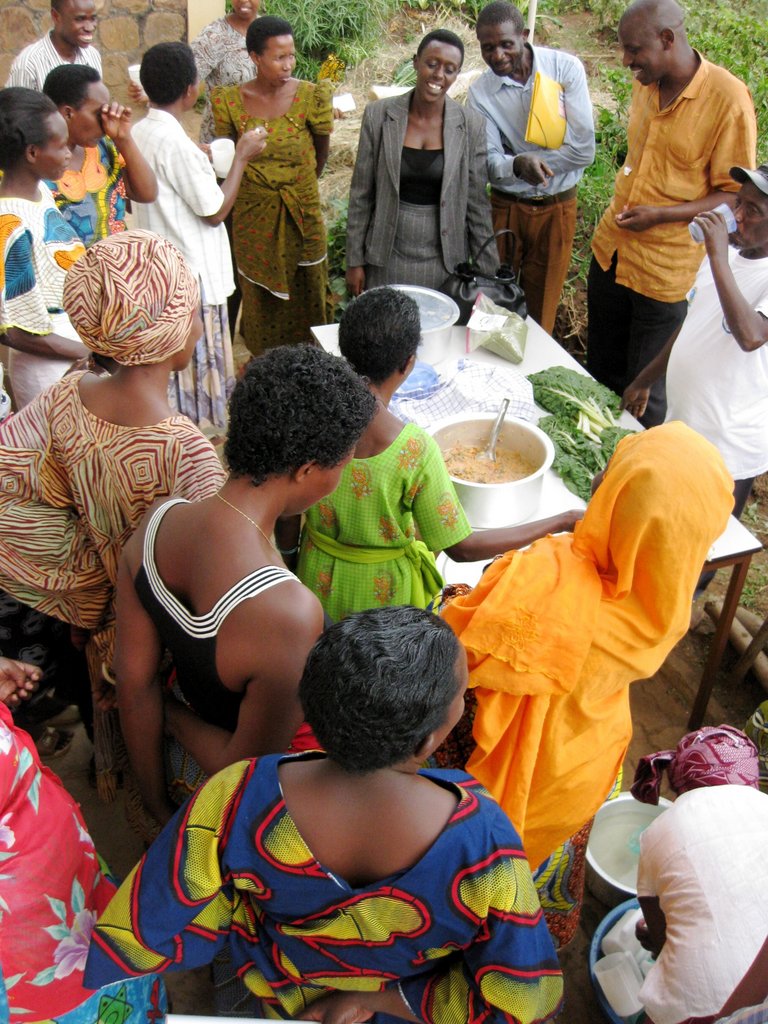
With this program, there is also significant demand--both frustrating and exciting. Just yesterday, we hosted a nutrition training at a health center planned for 30 mothers and children; instead, over 100 came to learn.
By the end of this year, we hope to reach 460 families (or a total of 2,300 individuals!) from this program. Once the critical need of food is met for these families, and their health improves, the once distant possibilities of income generation, schooling, and improved quality of life can become a reality. With an emphasis on independence and sustainability, we seek to enable families to have the knowledge and means to nourish themselves for the future.
Thank you for helping us cultivate good food and good health,
Julie and Team
Project reports on GlobalGiving are posted directly to globalgiving.org by Project Leaders as they are completed, generally every 3-4 months. To protect the integrity of these documents, GlobalGiving does not alter them; therefore you may find some language or formatting issues.
If you donate to this project or have donated to this project, you can receive an email when this project posts a report. You can also subscribe for reports without donating.