By Jenny Peck | Senior Manager, Development
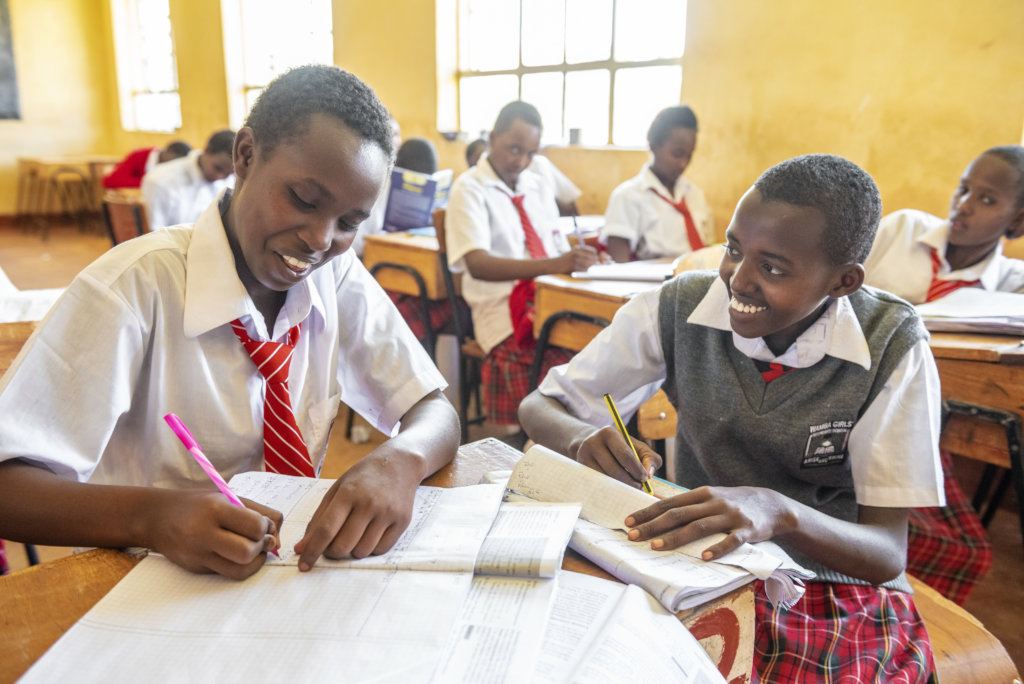
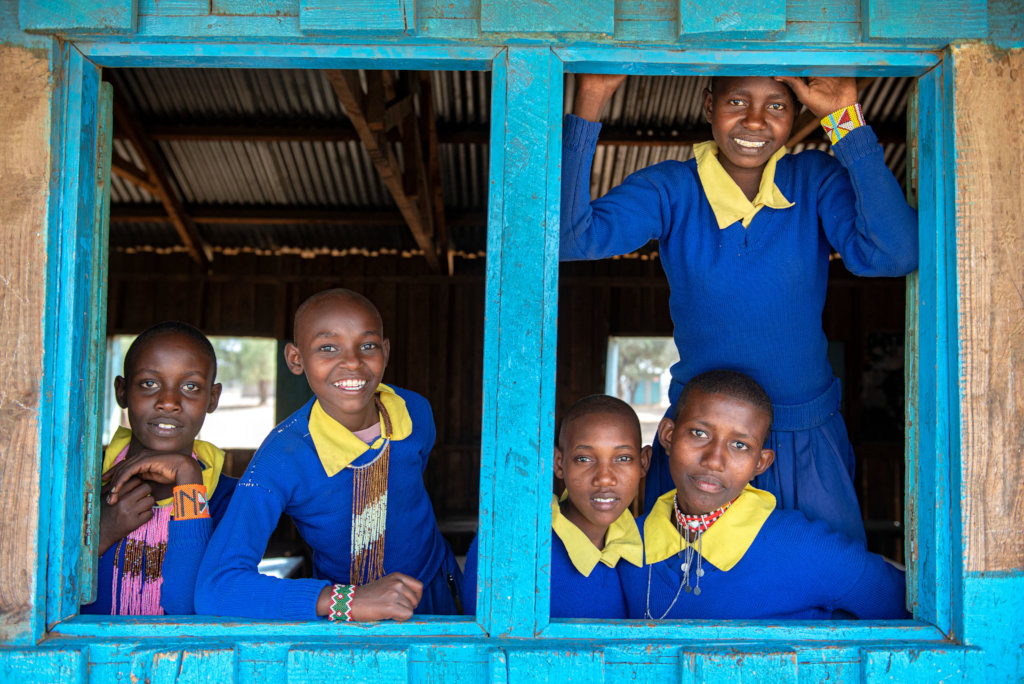
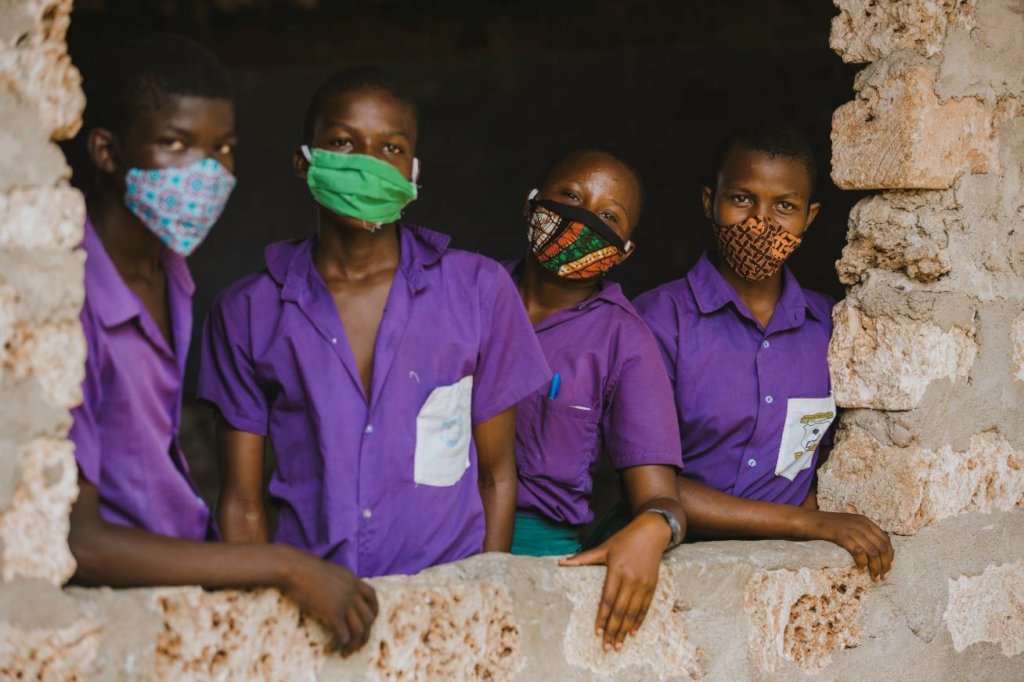
In Kenya, schools have served as a haven for girls, where they can escape their families’ pressure to get cut and married. In the wake of COVID-19 and when government protocols across Kenya were activated, all schools closed, forcing many girls who had been in secure and safe spaces, like their school, to go home - some to parents who were ready to have them cut or married off. This long break provided a real risk to girls – and particularly impacted those living in poverty or in rural isolated places like Northern Kenya. Many girls became victim to several forms of gender-based violence (GBV) including Female Genital Mutilation (FGM/C), Child, Early and Forced Marriage (CEF/M) and teen pregnancies, forcing them to drop out of school completely, denying them the opportunity to complete their education and robbing them of their childhood
The additional challenge the lockdowns presented to Kenyan girls is that with school closed due to measures implemented for COVID-19, parents pushed to marry off their daughters because of economic hardships. This is further reinforced in the community due to the non-existent opportunities for distance learning in rural areas, and the perception by parents that because their daughters have not been in school for most of the year, they have fallen too far behind academically and thus, there is no incentive to re-enroll them when schools re-open.
For many more young women in Kenya, the challenges and fear of losing everything they worked so hard to achieve significantly impacted their mental health. The fear caused by the threat of CEFM and the assumed FGM/C that would come with it, consumed the thoughts of many female students while stuck at home with nowhere to go and find safety. This was exacerbated by the pressures from family members who couldn’t afford to have more students in their home, and who often encouraged early child marriage as an alternative to schooling as schools across the country had closed.
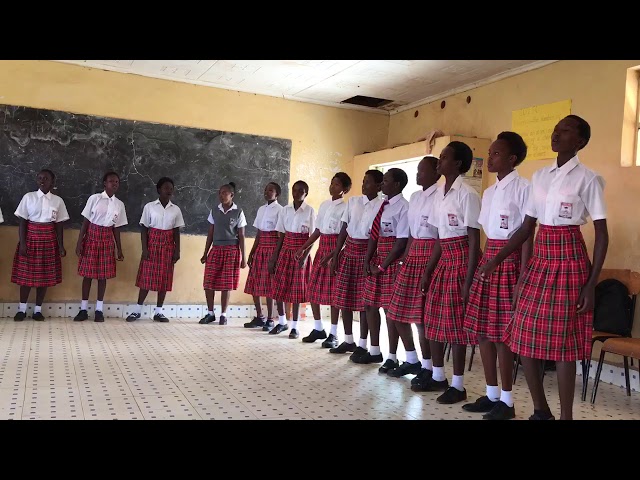
Thankfully, schools have re-opened their doors once again, allowing girls to return to this safe space. And we have great news to share, many thanks to donors such as you: 93% of Amref’s sponsored girls reported back to school, thanks to the support we were able to give throughout lockdown. For the other 7%, we will continue to work with the local officials to locate and assess the best path forward. After about six months of being back in the classroom, our staff is acutely aware of the scars and scares these female students have experienced from the lockdown and are ready to use their training and expertise to address these particularly traumatizing issues by utilizing support groups and educational programming the girls already participate in regularly.
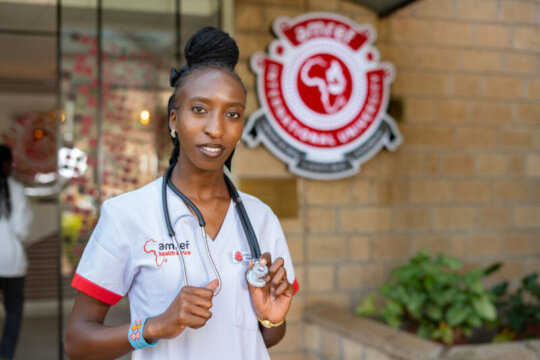
Amref will continue to offer scholarships to new female students, as well as to provide menstrual health and hygiene supplies, education, and mentorship programing for young women across Kenya in the scholarship program. In addition to the educational programming arm of the menstrual health and hygiene program, much needed mental health counseling will be imbedded in the program to discuss trauma faced by female students during the year of the COVID-19 lockdown.
Links:
Project reports on GlobalGiving are posted directly to globalgiving.org by Project Leaders as they are completed, generally every 3-4 months. To protect the integrity of these documents, GlobalGiving does not alter them; therefore you may find some language or formatting issues.
If you donate to this project or have donated to this project, you can receive an email when this project posts a report. You can also subscribe for reports without donating.