By Angelica Jacinto | Manager, Communications and Development
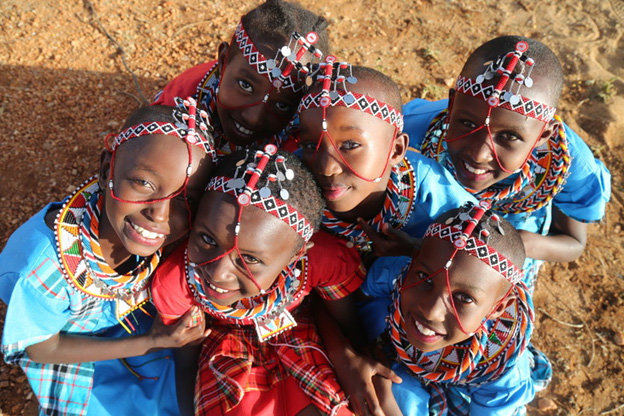
In 2020, when schools in Kenya closed due to the COVID-19 pandemic, rates of Female Genital Mutilation/Cutting (FGM/C), early marriage, and gender-based violence have skyrocketed. However, we are proud to report that within the last group of Maasai girls you supported, no girls underwent FGM/C, no girls were married-off, and only one girl fell pregnant during quarantine. This is an incredible impact.
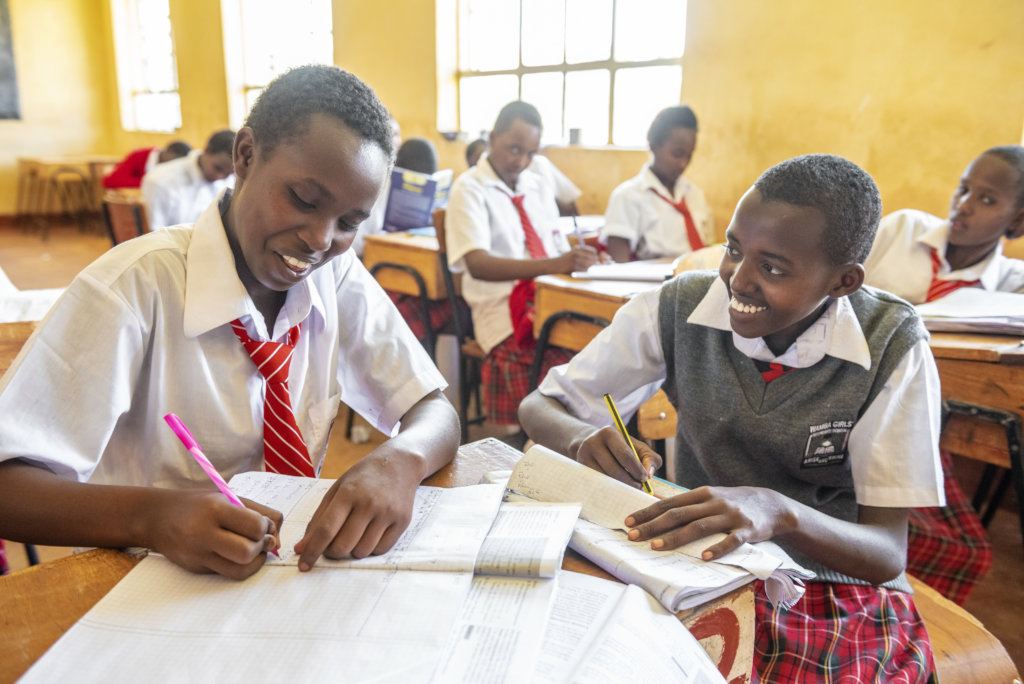
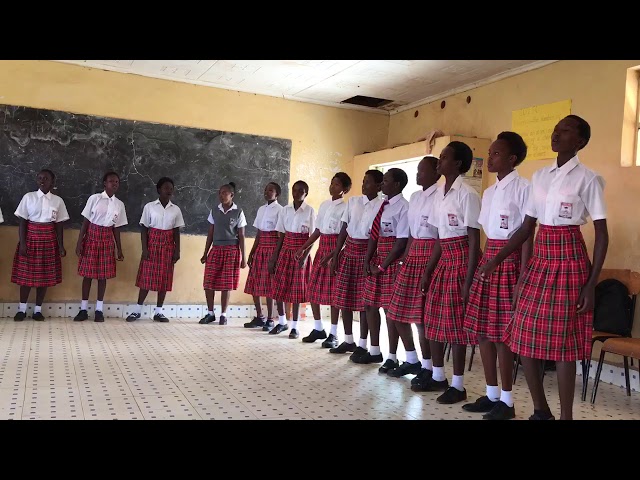
With your support, Amref aims to continue supporting the secondary education of 150 girls from the Samburu and Maasai communities in Kenya. We will also provide trainings to key educators in the girls’ school districts to better support them as they continue their education, and train the girls on advocacy to demand the end of FGM/C in their own communities.
We want to support another cohort of girls (aiming for 150) who have recently completed an alternative rites of passage ceremony that excludes FGM, with two years of boarding school to complete their secondary education. Scholarships are awarded based on both need and merit, with national examination scores as a key factor in the selection process. The two-year scholarship program is comprised of financial support for secondary school, support and counseling for educators and students throughout the program, and advocacy training to enable girls to become anti-FGM ambassadors within their communities.
The scholarship program aims to support girls through the completion of their secondary education, as well as ensure they are empowered through advocacy efforts to become anti-FGM ambassadors. With additional support, the project will train an estimated 20 headmistresses and 60 teachers to support the girls through school. As anti-FGM ambassadors, each girl is expected to enroll five additional girls into the ARP program, resulting in a total of 750 new enrollees who will commit to abandon the practice. Further, each girl will reach 50 girls in her school, village, and church with SRHR, anti-FGM and CEFM messages, totaling an estimated 7,500 girls reached at the end of two years. In schools, girls will use school clubs to which they belong or they will join to sensitize club members and during holidays they will use their neighborhood and religious networks and spaces to reach their peers.
Links:
Project reports on GlobalGiving are posted directly to globalgiving.org by Project Leaders as they are completed, generally every 3-4 months. To protect the integrity of these documents, GlobalGiving does not alter them; therefore you may find some language or formatting issues.
If you donate to this project or have donated to this project, you can receive an email when this project posts a report. You can also subscribe for reports without donating.