By Andrea Moya | Communication Consultant
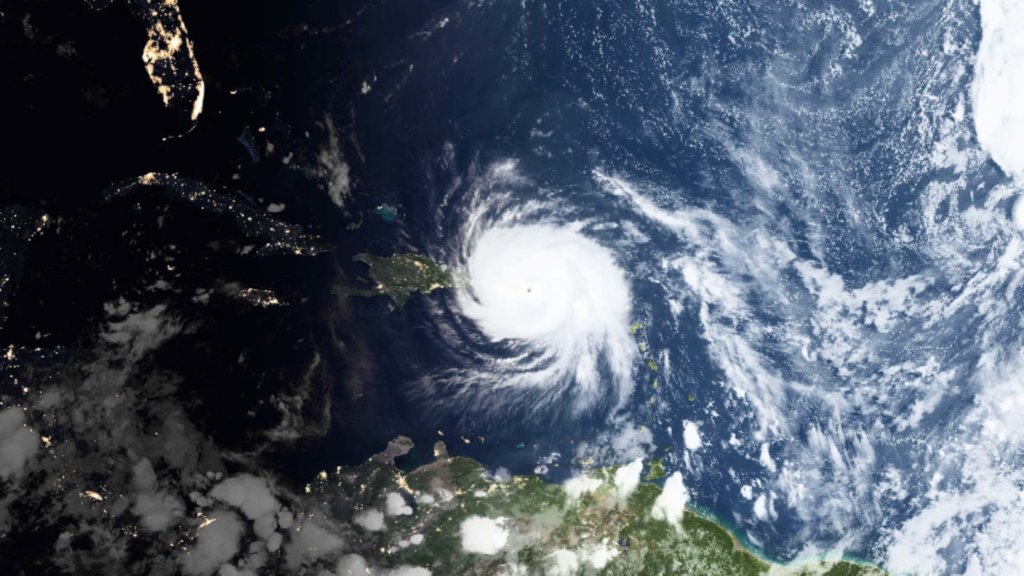
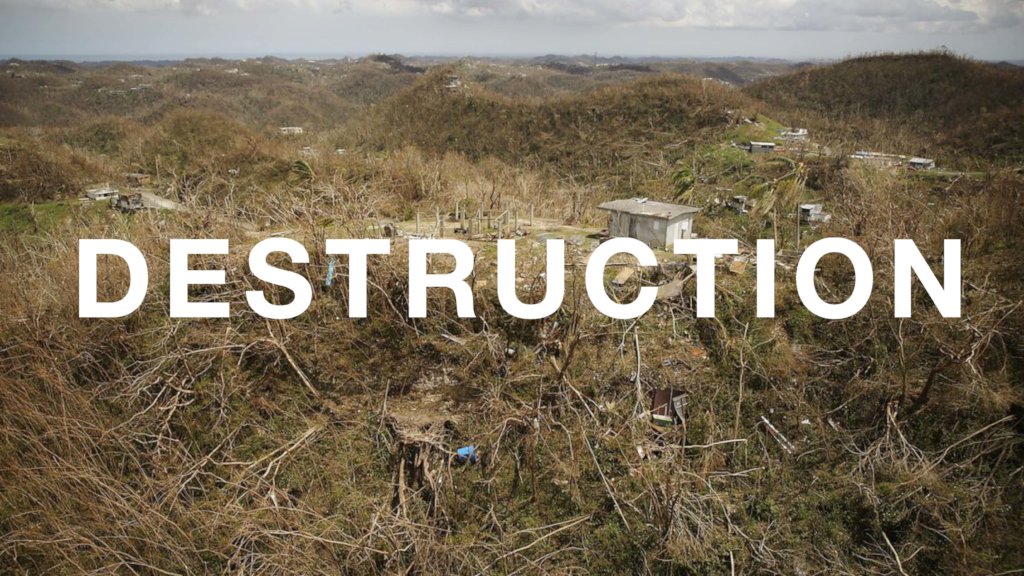
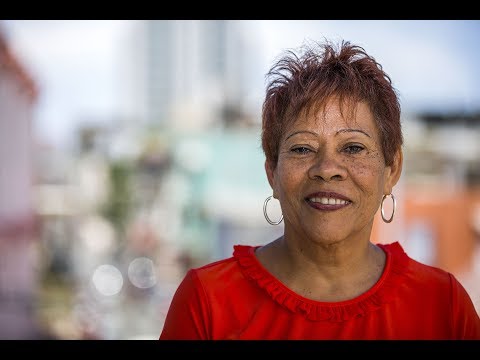
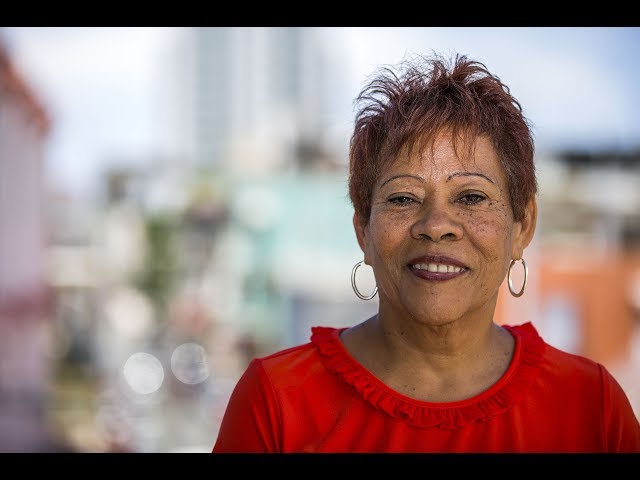
Sixteen months after Hurricanes Maria and Irma passed through Puerto Rico, Tania Rosario reflects: "I think one of the lessons of the hurricane, at least for me, is that the disaster is not natural. The disaster is social. The hurricane is an event, but the disaster has dimensions that are avoidable. It's possible to avoid the disproportionate consequences that the hurricane has on one family more than on others. It seems that one of the most important lessons has to do with listening to the voices of the people that are the most affected, if they are not taken into account when designing the response to the hurricane, in all probability the response (of the government) will be disorganized, arbitrary, and cruel. Which it was."
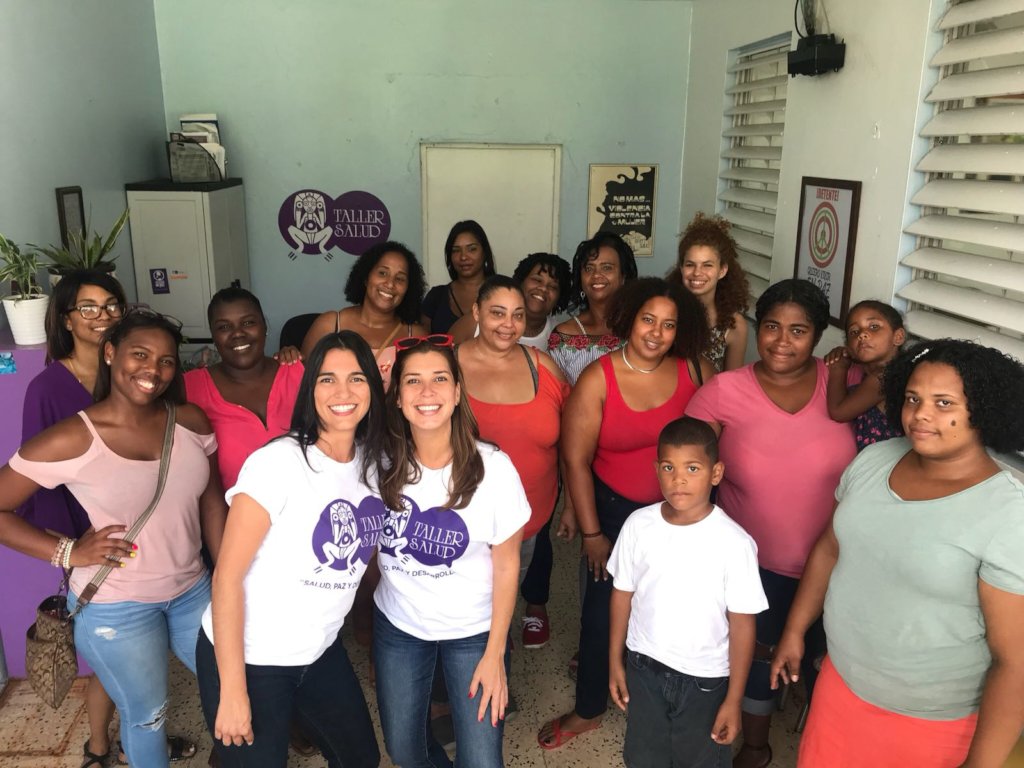
Rosario is the executive director of Taller Salud, a community-based feminist organization that for 40 years has dedicated itself to improving access to healthcare, reducing violence, and promoting the economic development of women through education and activism. The headquarters of Taller Salud are in the town of Loíza, which was hit by both hurricanes.
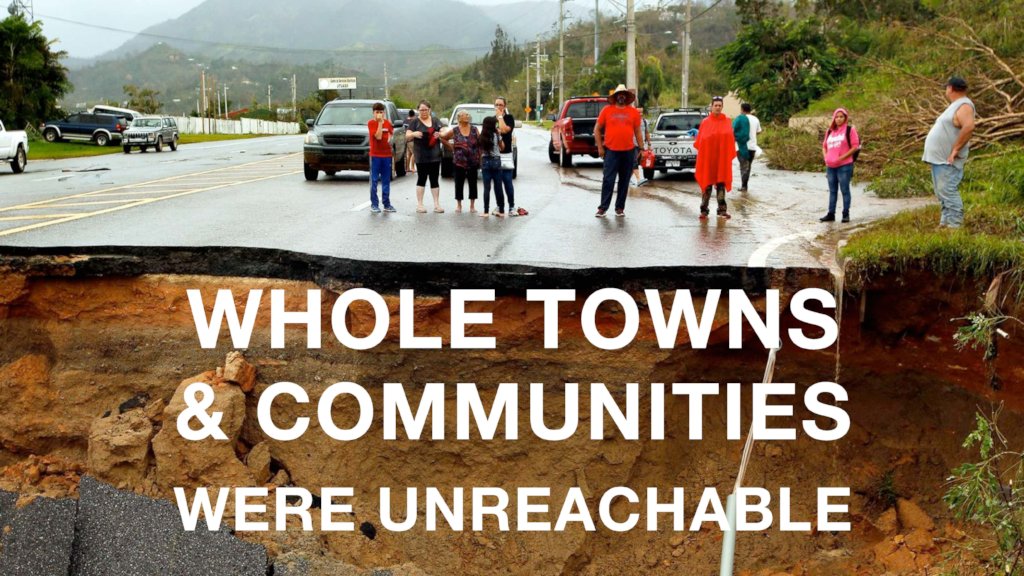
A few days after Hurricane Maria, the Taller Salud team arrived in Loíza searching for their participants. They found a community leadership composed of women who had already surveyed the needs of their communities, from identifying the bedbound elderly, dialysis patients or those in need of insulin, babies and pregnant women, to how much water, bread, rice, and other supplies were left. "It was not only a detailed census but very much focused on preserving life and avoiding death," Rosario describes.
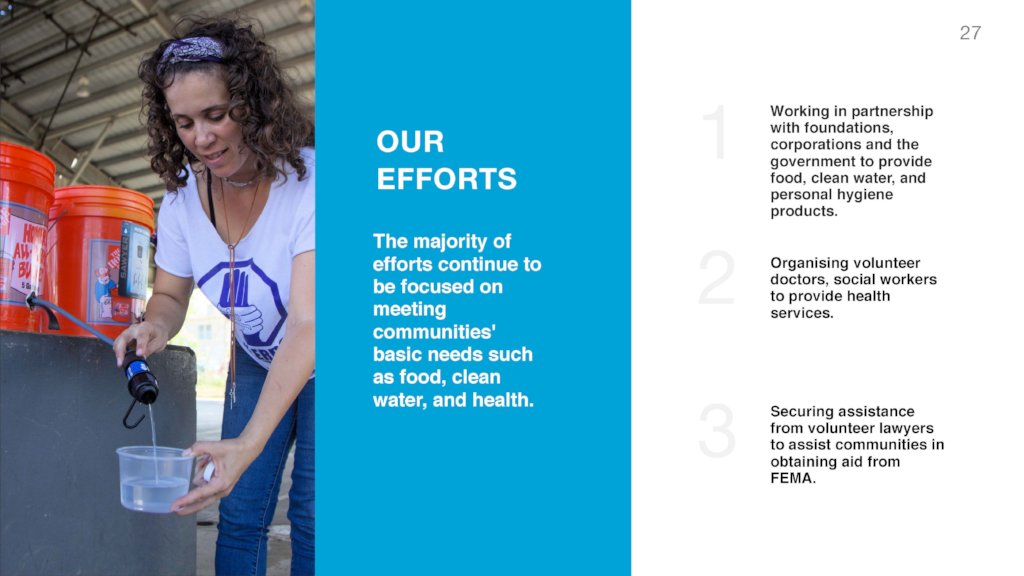
With this leadership structure in place, Taller Salud was able to broaden their reach, channeling donations and resources that came to them through community networks, which allowed the aid to reach as many people as possible. Their scope extended to 14 other municipalities and according to their latest data analysis, they managed to impact over 20,000 people.
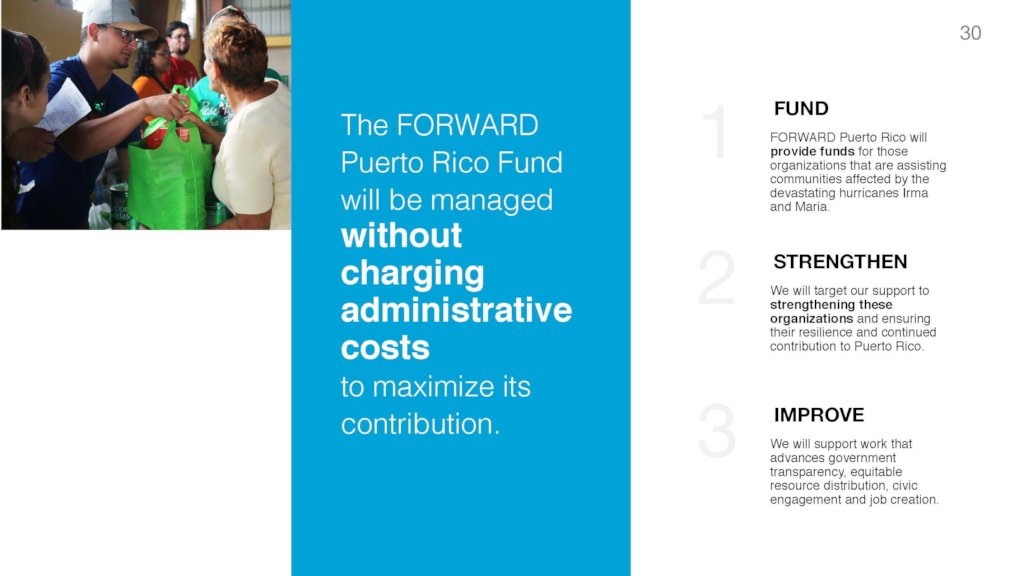
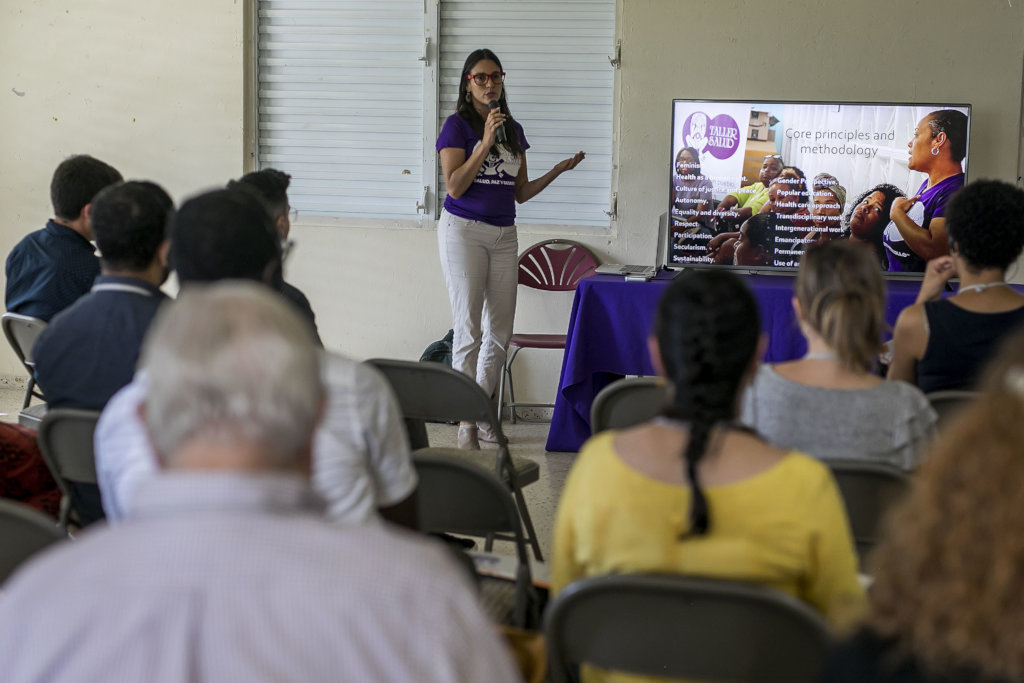
As a result of this initiative, Taller Salud established a formal program called Recuperación Justa, sponsored in part by the ADELANTE Puerto Rico Fund, and which was divided into three work areas.
First, the organization developed a virtual map of the town of Loíza, with comprehensive information provided by community leaders, as well as meeting and distribution points. It also identified available resources so that in case of a future emergency they would know how and where to channel the aid as it arrives.
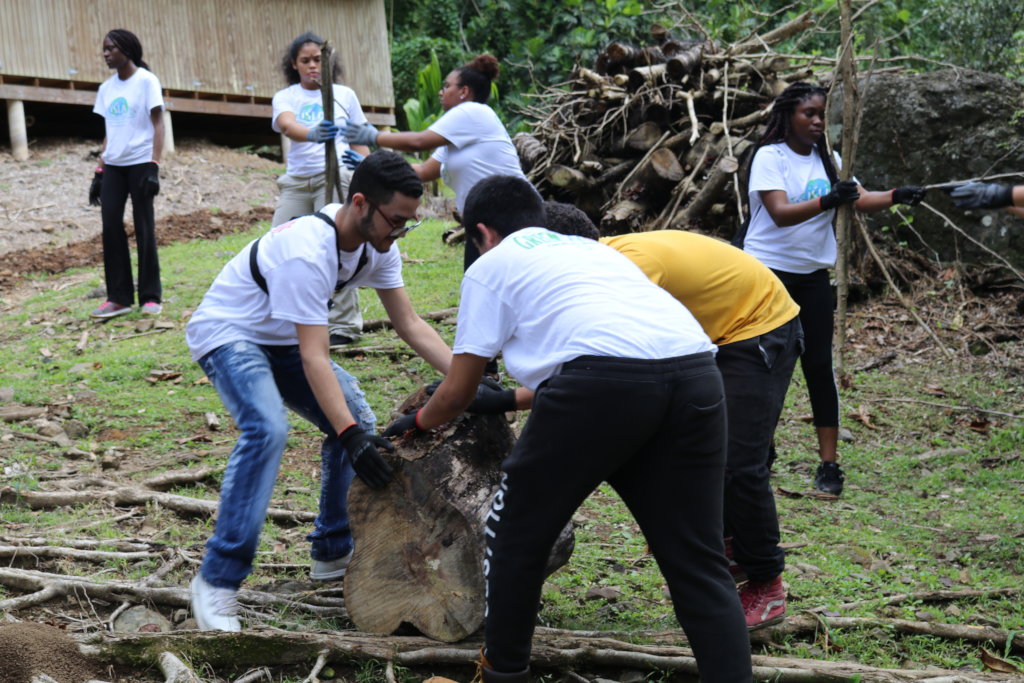
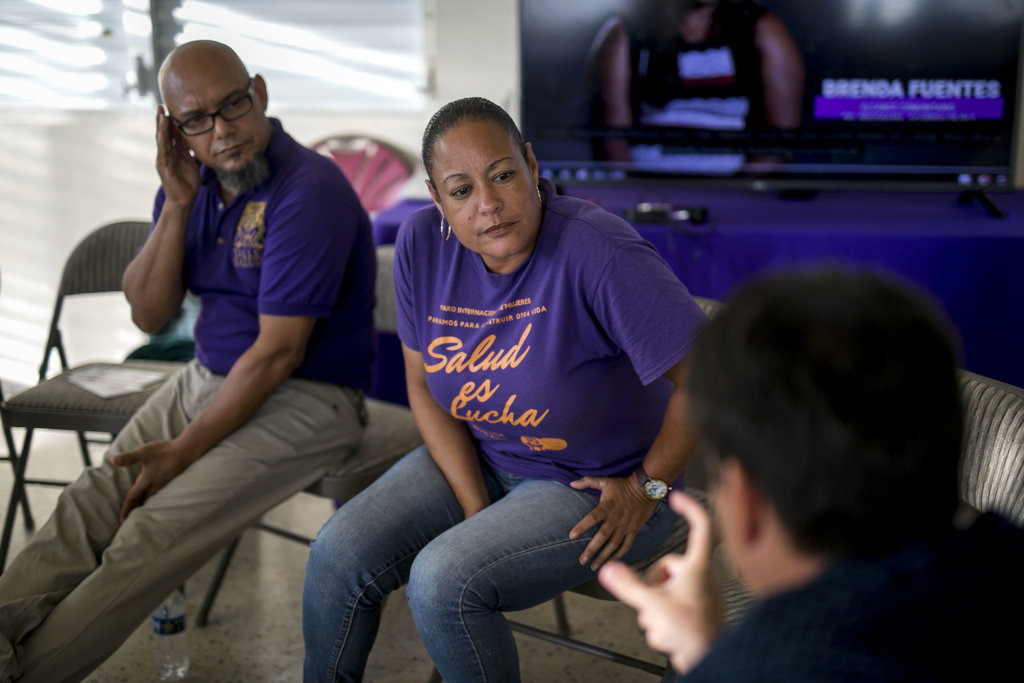
Secondly, they identified problems and possible solutions within the community. After the hurricane, the biggest concerns had to do with housing reconstruction, claims to FEMA, land titles, sanitation, pest control, and debris removal. "They identified the problems and we supported them in developing a solution within the community so that it wasn't imposed on them from outside," says Rosario.
The third area was case management, assisting participants who required additional assistance such as psychological intervention, mediation, or an escape plan from domestic violence.
"The development of the Recuperación Justa program is the natural evolution of our work towards a program of community organization and political advocacy, so that the community itself can develop advocacy strategies, advocacy projects that benefit them, monitoring and holding the government accountable," says Rosario.
"We attended to the hurricane crisis in phases, we never thought it was a long-term project or that it would have the reach that it had," reveals Rosario. "It's a step towards empowering these communities to avoid another disaster on the scale of Hurricane Maria."
Links:
Project reports on GlobalGiving are posted directly to globalgiving.org by Project Leaders as they are completed, generally every 3-4 months. To protect the integrity of these documents, GlobalGiving does not alter them; therefore you may find some language or formatting issues.
If you donate to this project or have donated to this project, you can receive an email when this project posts a report. You can also subscribe for reports without donating.