By Divya Godbole | Programme Officer
Training and Techniques
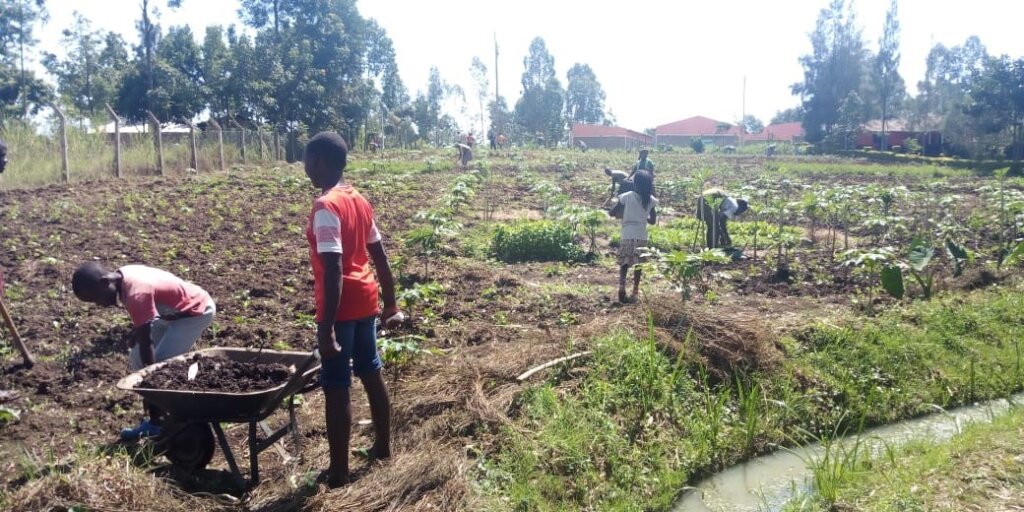
Between January and June 2025, Nasio’s agricultural team trained 20 patron teachers and 64 students across 10 partner schools on establishing kitchen gardens and basic agribusiness.
Key topics included:
Composting with kitchen waste to reduce fertilizer costs
Pest and disease management
Record-keeping and financial literacy
Vertical gardening for limited urban space
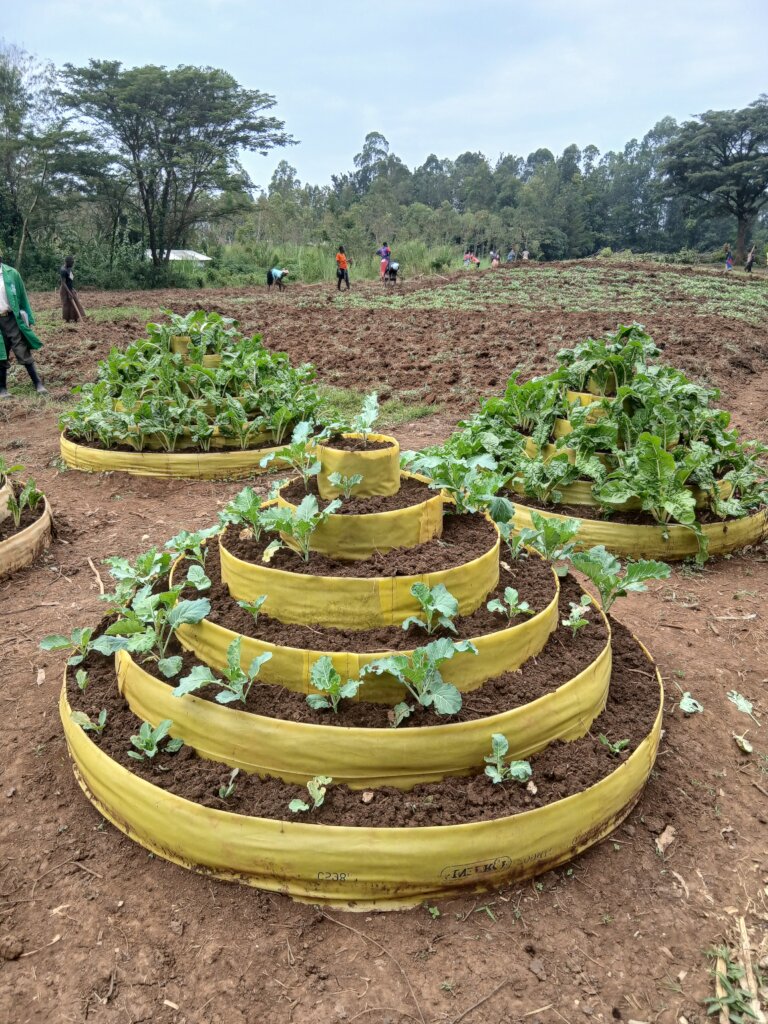
Schools received indigenous vegetable seeds—such as kale, cowpeas, and mrenda—and simple equipment to start gardens. Vertical gardens were built using recycled materials like tires and pipes.
Outcomes
5 of 10 schools now produce enough vegetables to sell surplus in local markets.
The harvest supplements school feeding programmes, improving nutrition while generating small incomes shared among club members.
Students gained practical skills in weeding, trenching, and crop selection, with 39% reporting stronger agricultural knowledge.
Impact
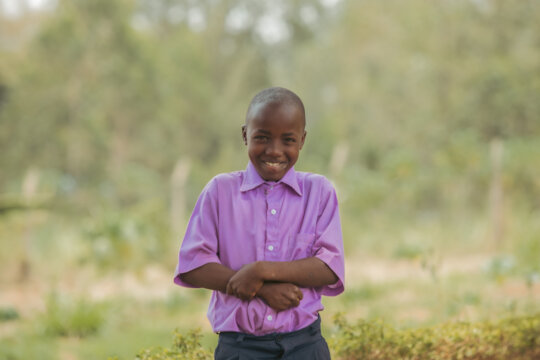
Kitchen gardens have enhanced food security, reduced reliance on purchased vegetables, and given youth productive skills that lower risk behaviours. Some students, like 16-year-old Beatrice Mukolwe, have even replicated kitchen gardens at home, demonstrating sustainability beyond school grounds.
Conclusion
The YFC’s kitchen garden initiative shows that with modest resources and training, schools and families can produce fresh, affordable food while fostering agricultural skills and community resilience.
Project reports on GlobalGiving are posted directly to globalgiving.org by Project Leaders as they are completed, generally every 3-4 months. To protect the integrity of these documents, GlobalGiving does not alter them; therefore you may find some language or formatting issues.
If you donate to this project or have donated to this project, you can receive an email when this project posts a report. You can also subscribe for reports without donating.