By Catherine Lee | Team Member
Fuel Relief Fund (FRF) — Nepal Deployment Update
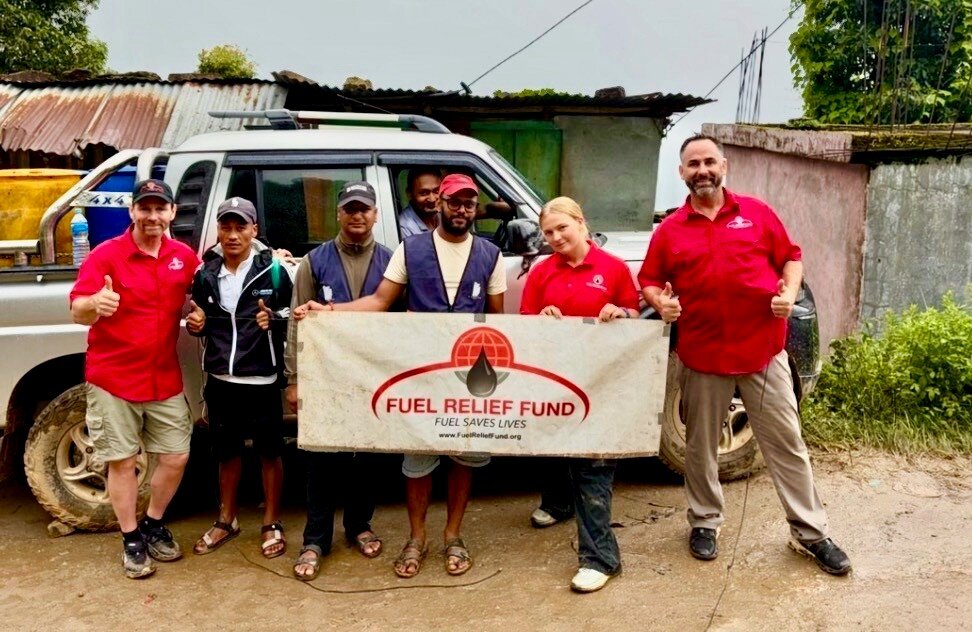
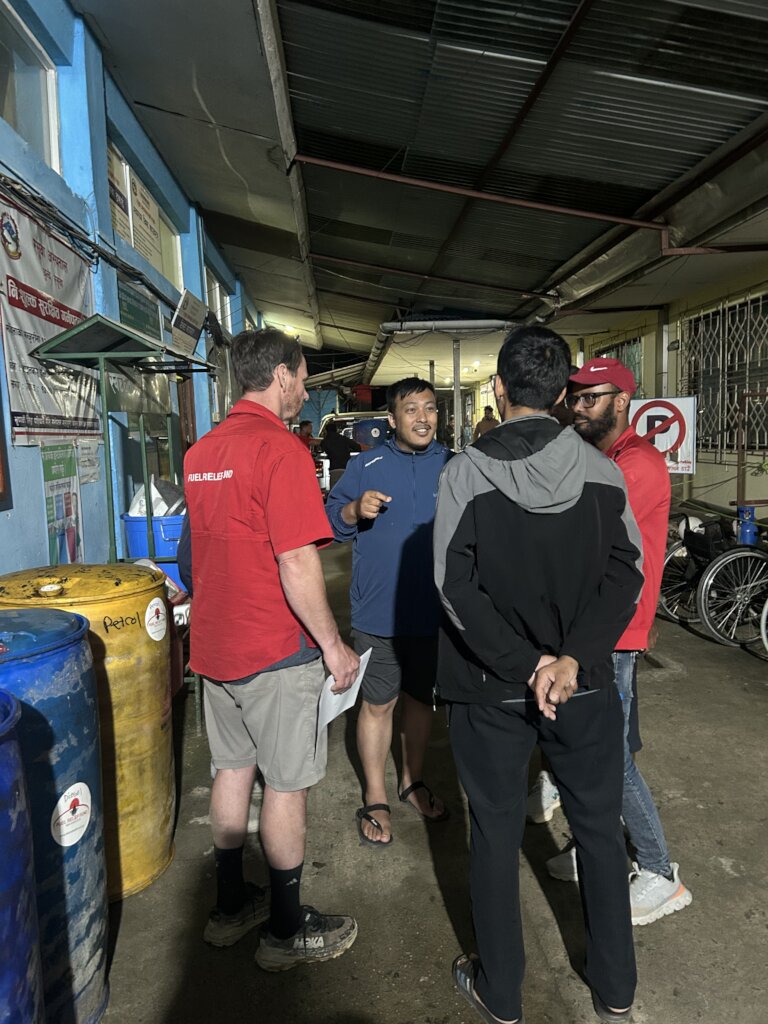
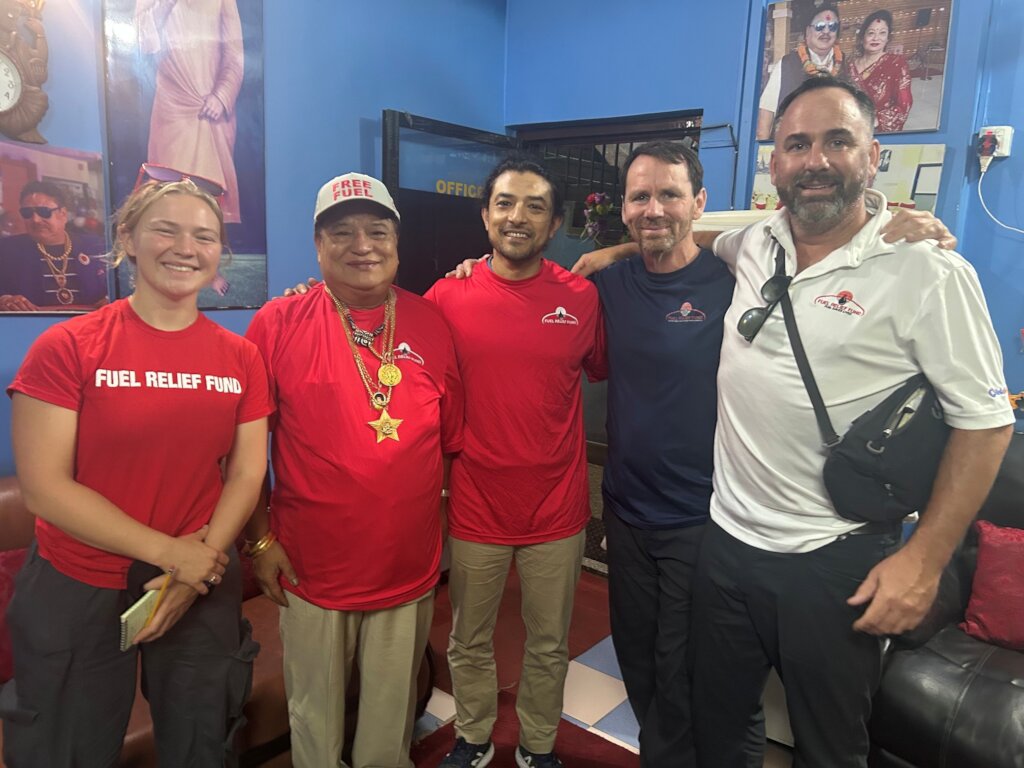
Fuel Relief Fund (FRF) has continued to expand our operations in northern Nepal, with our team traveling back to Dhunche and surrounding areas to provide fuel wherever it can make an immediate difference in the disaster response.
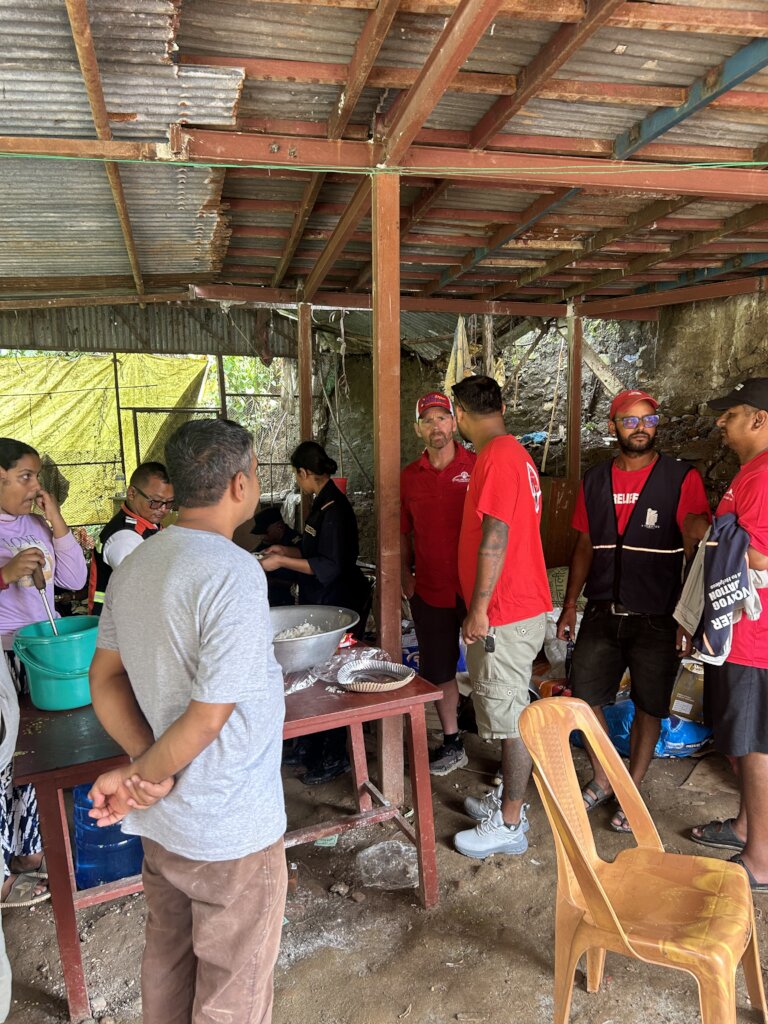
The situation in and around Dhunche remains extremely challenging. Flooding has severely disrupted transportation and damaged bridges connecting communities on opposite sides of the Trishuli River. Some villages remain isolated, and access to fuel is extremely limited. Our team has been working alongside local organizations, first responders, government agencies, and international relief organizations to keep essential vehicles and equipment operating.
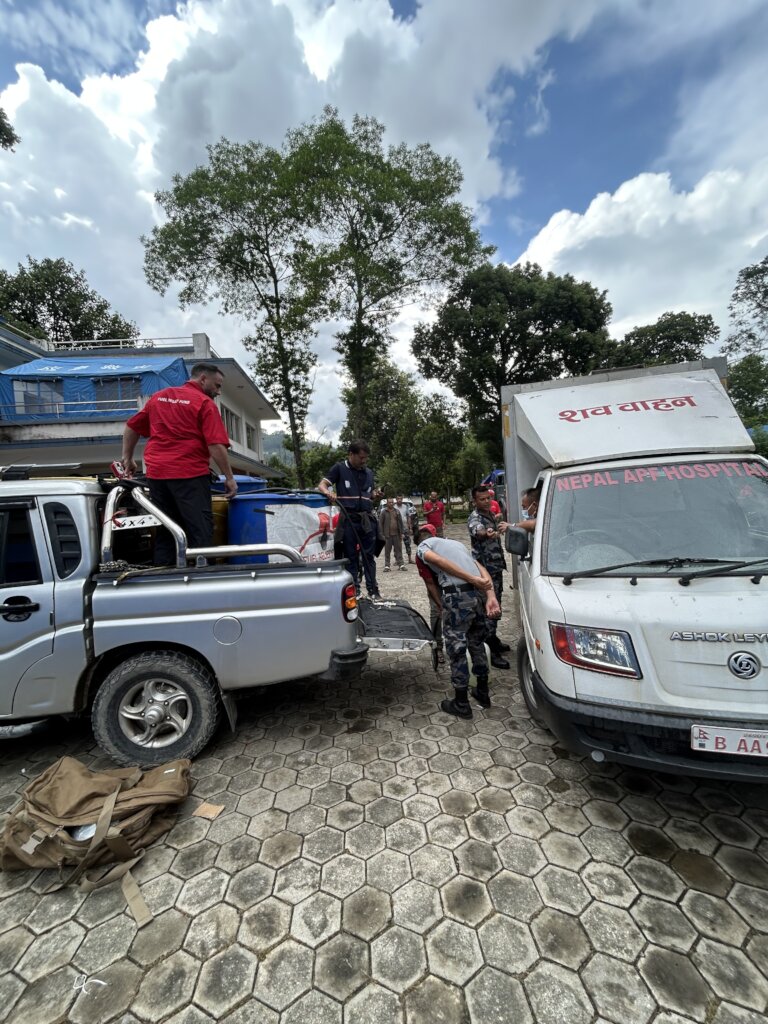
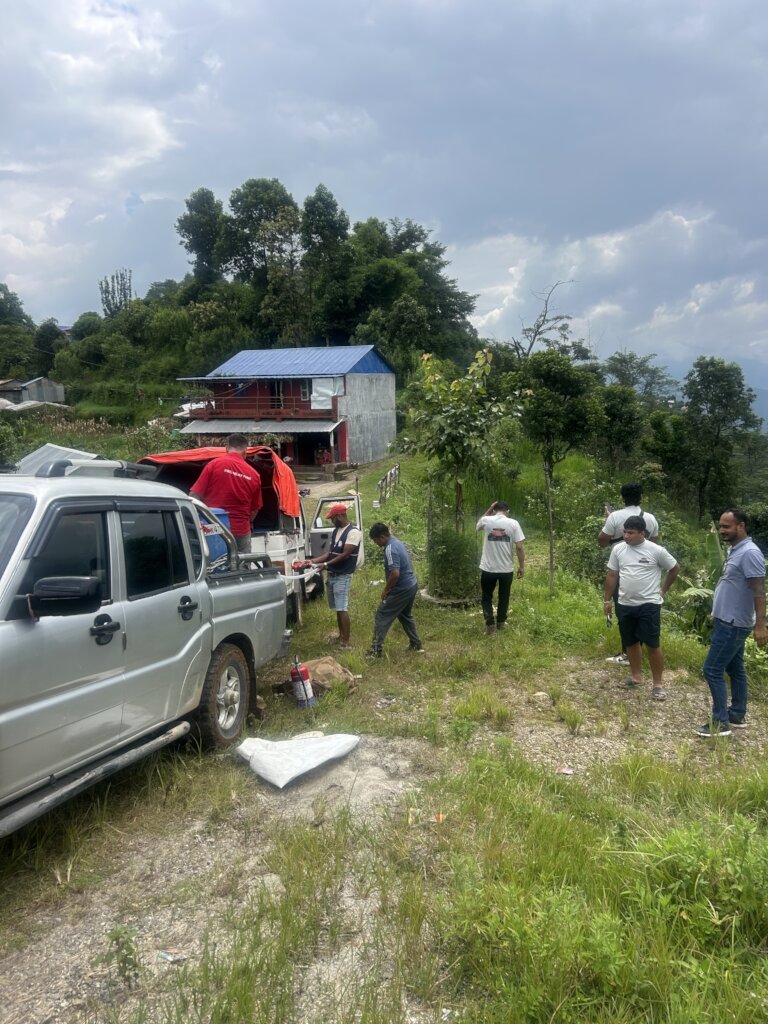
One of our first priorities on this trip was supporting search and rescue operations. We provided fuel to a front loader that is being used to travel into the damaged areas and assist with search and rescue efforts. We also supplied fuel to first responder vehicles, including an ambulance, helping ensure that emergency medical transportation remains available when it is needed most.
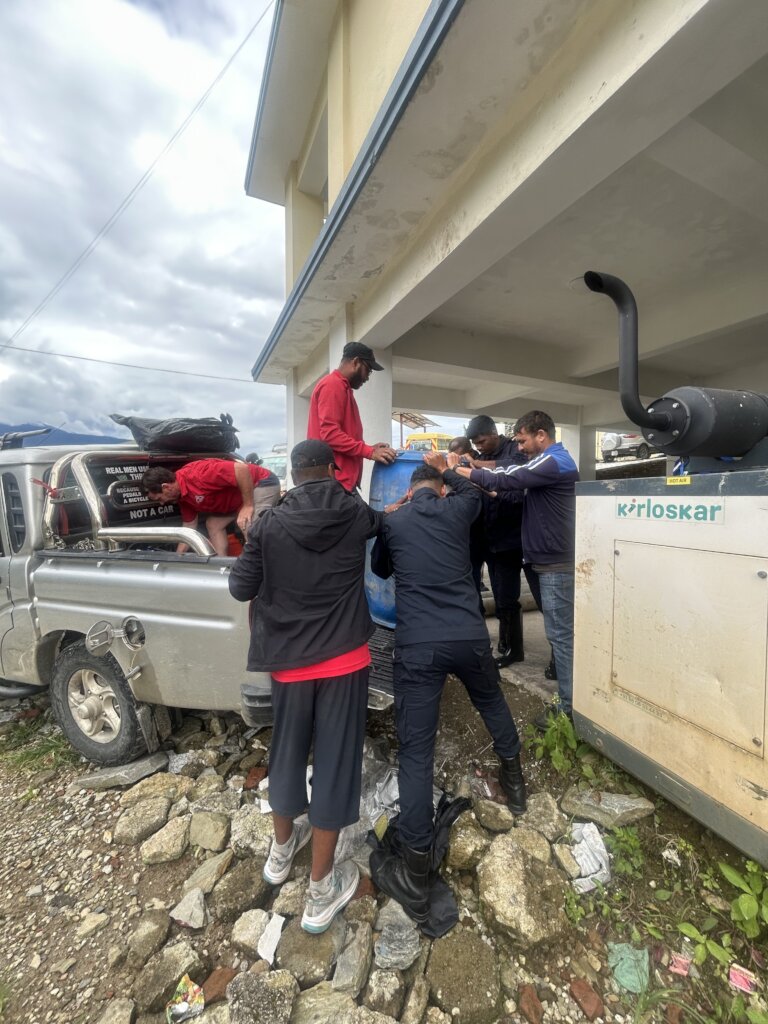
We were also able to support an important effort in the isolated village of Briddhim. The United Nations provided eight petrol generators to the town, but getting fuel to those generators was another challenge. Because the village is isolated and difficult to reach by road, the generators had to be helicoptered in. FRF provided the fuel necessary to operate these generators, helping turn the donated equipment into functioning power for the community.
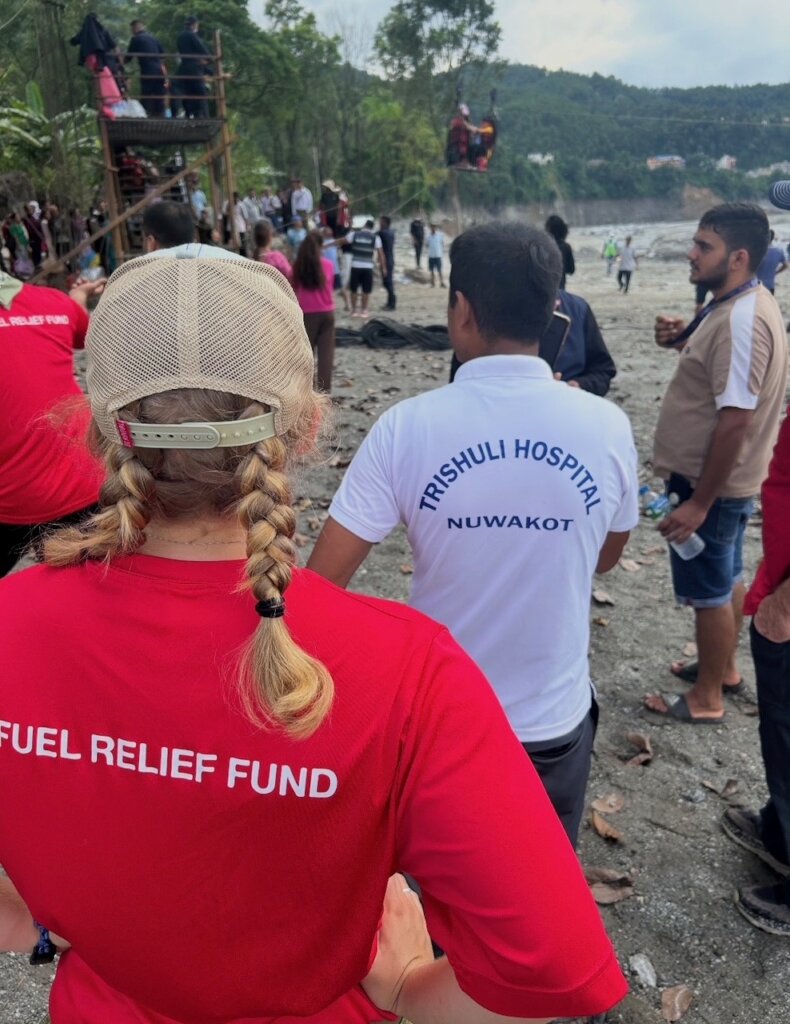
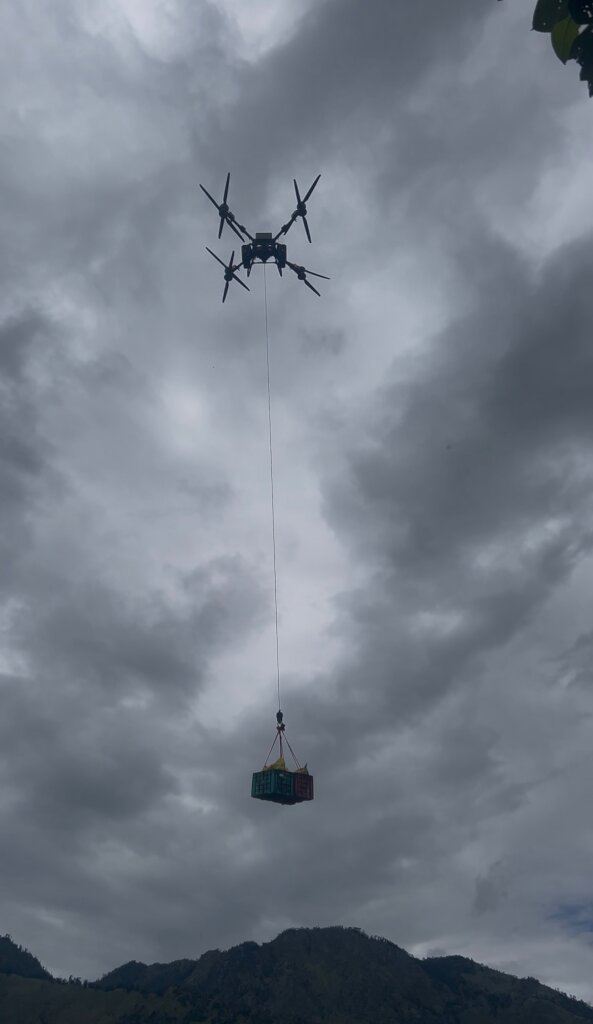
The flooding has also cut off communities on the opposite side of the Trishuli River. With bridges destroyed or inaccessible, drones are being used to deliver food to people who can no longer be reached by conventional vehicles. FRF provided fuel for the drones supporting this food-delivery operation. It is a remarkable example of how disaster response has had to adapt to the conditions on the ground.
We also provided diesel drums to Volunteer Corps Nepal, a local organization actively involved in rescue efforts. Local organizations like this are critical to the response because they are already part of the communities they serve and understand the roads, people, and needs better than anyone arriving from outside.
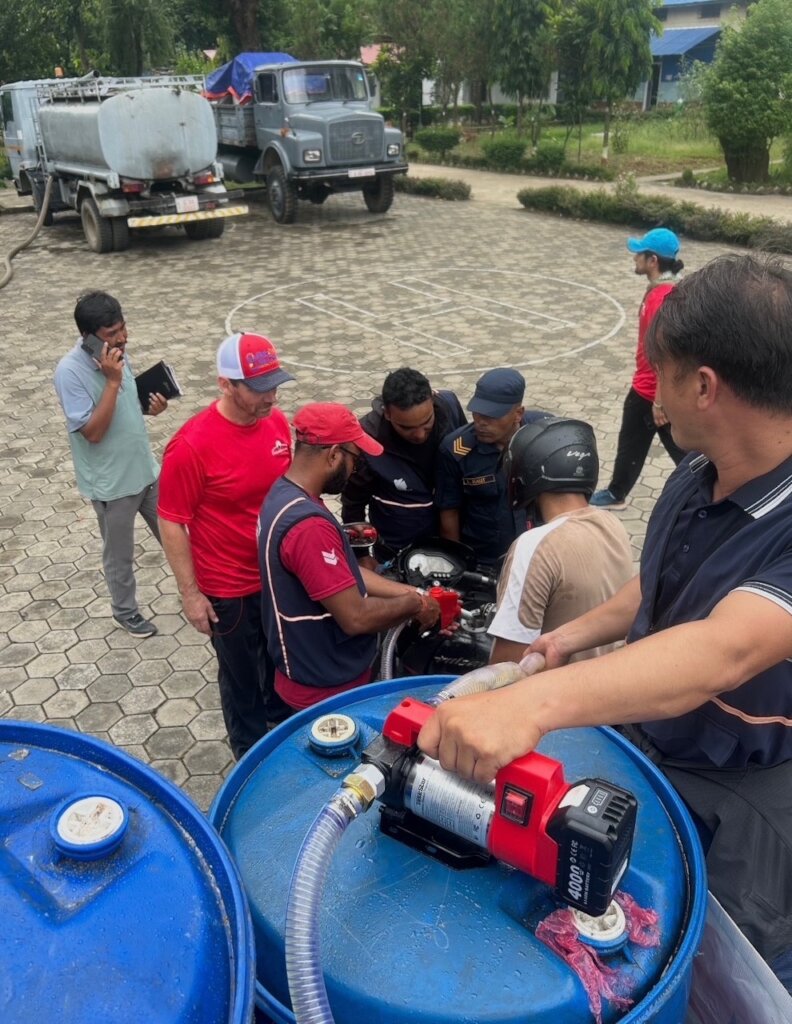
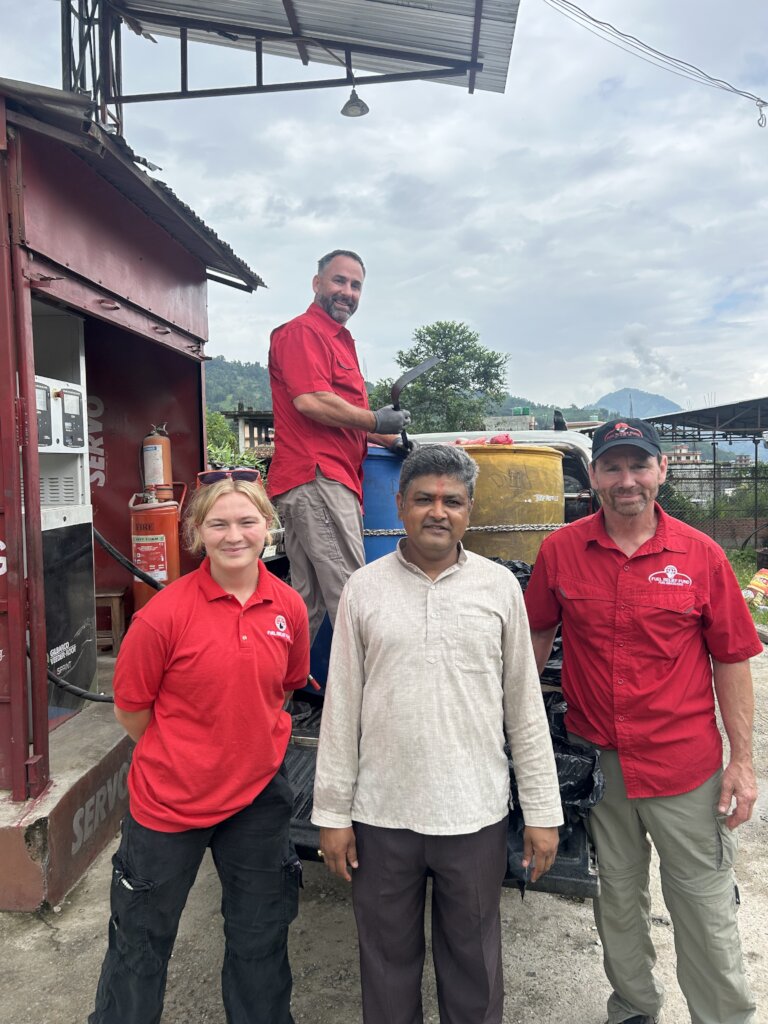
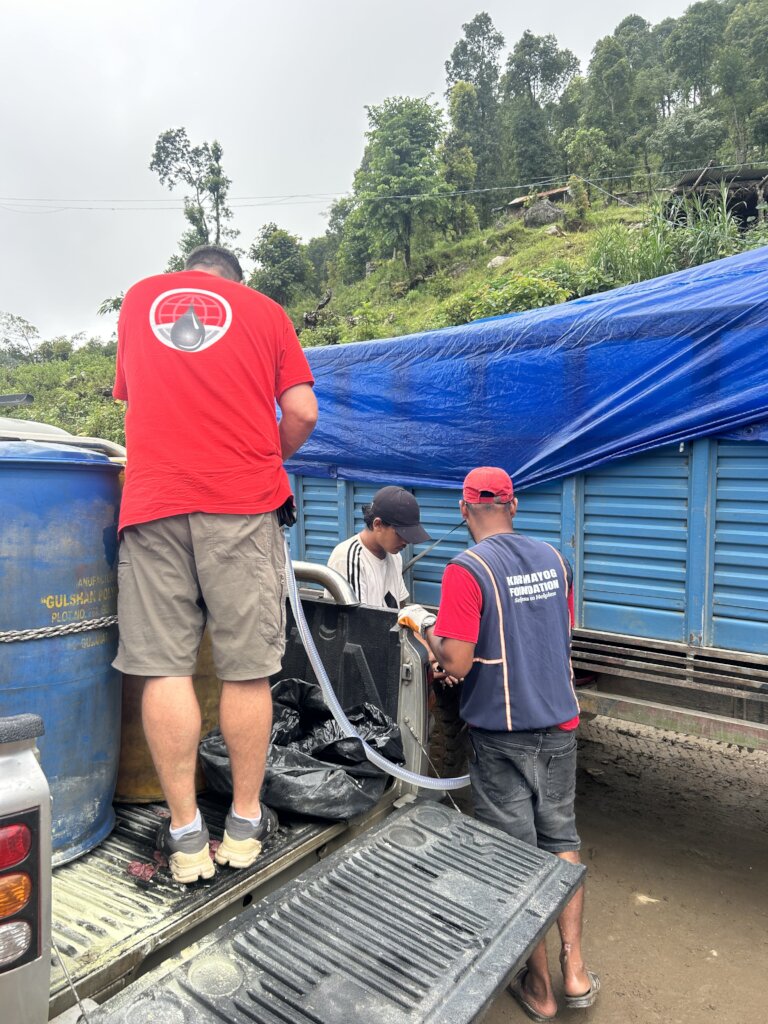
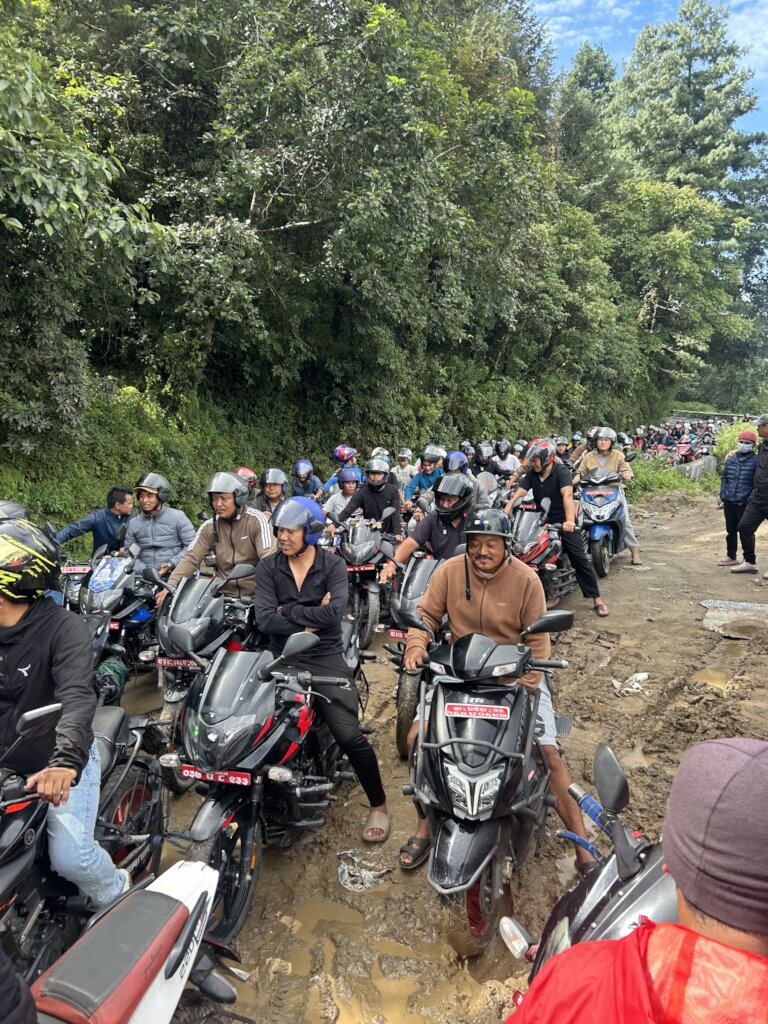
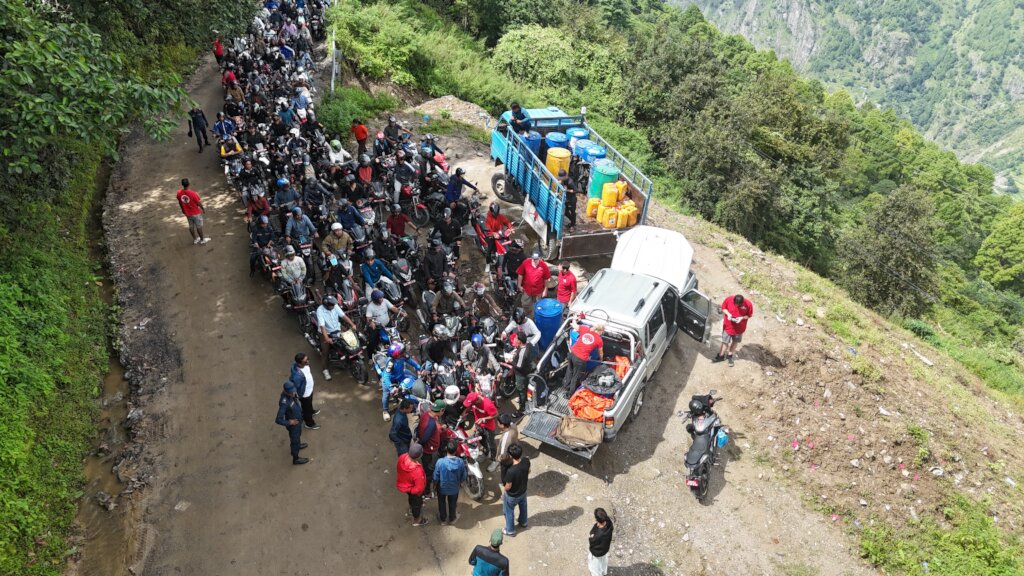
Perhaps one of the largest parts of our operation in Dhunche has been supporting the local population directly. Because flooding has isolated Dhunche and disrupted normal transportation, fuel has become extraordinarily difficult for residents to obtain. We provided fuel to hundreds of local motorbikes, allowing people to continue traveling for food, supplies, medical needs, and to check on family members and communities farther away.
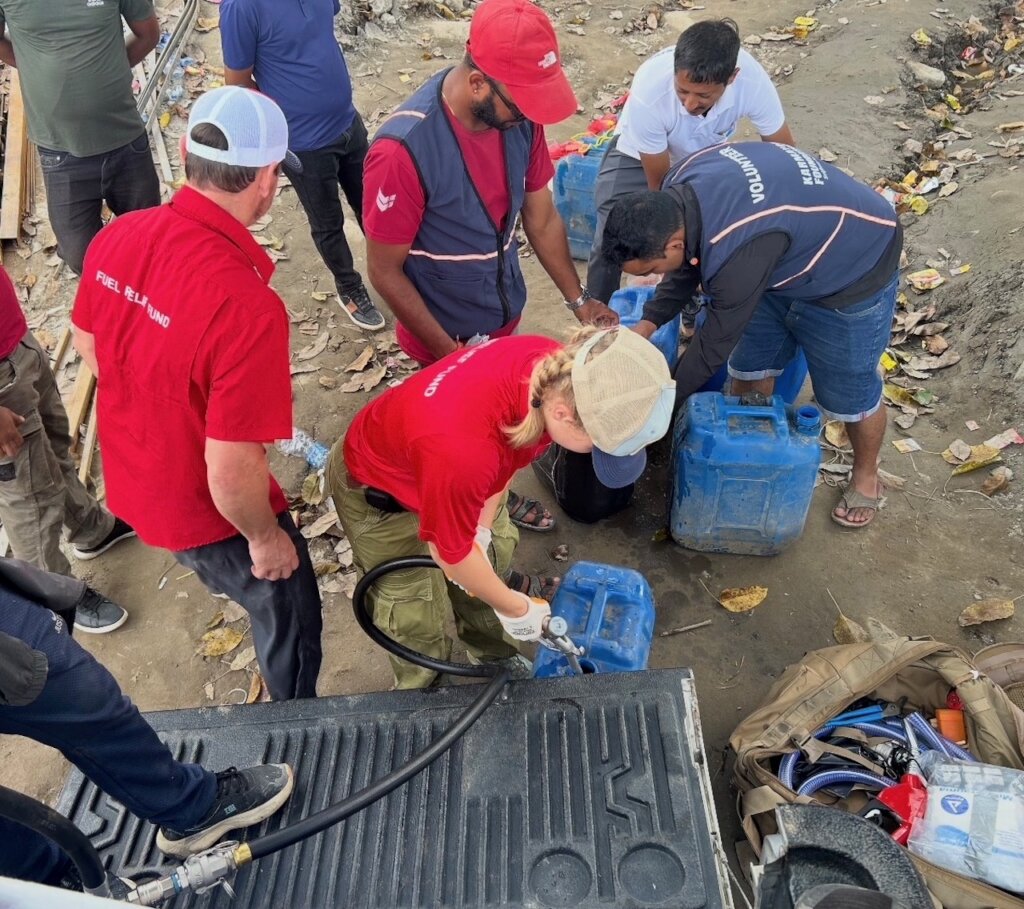
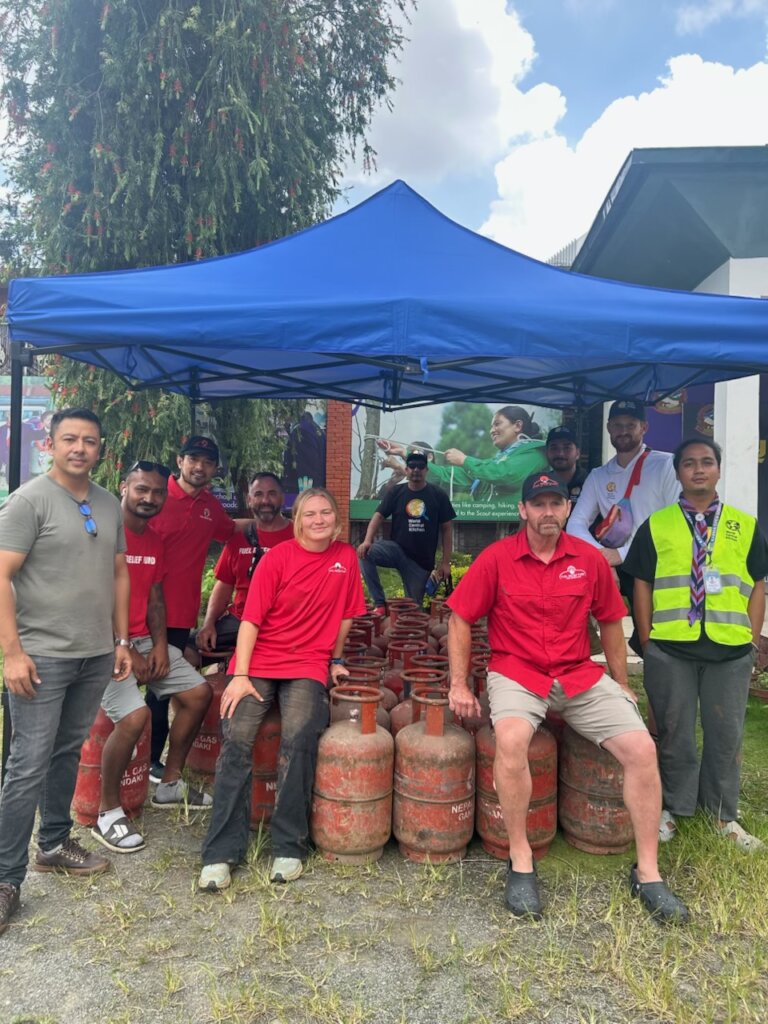
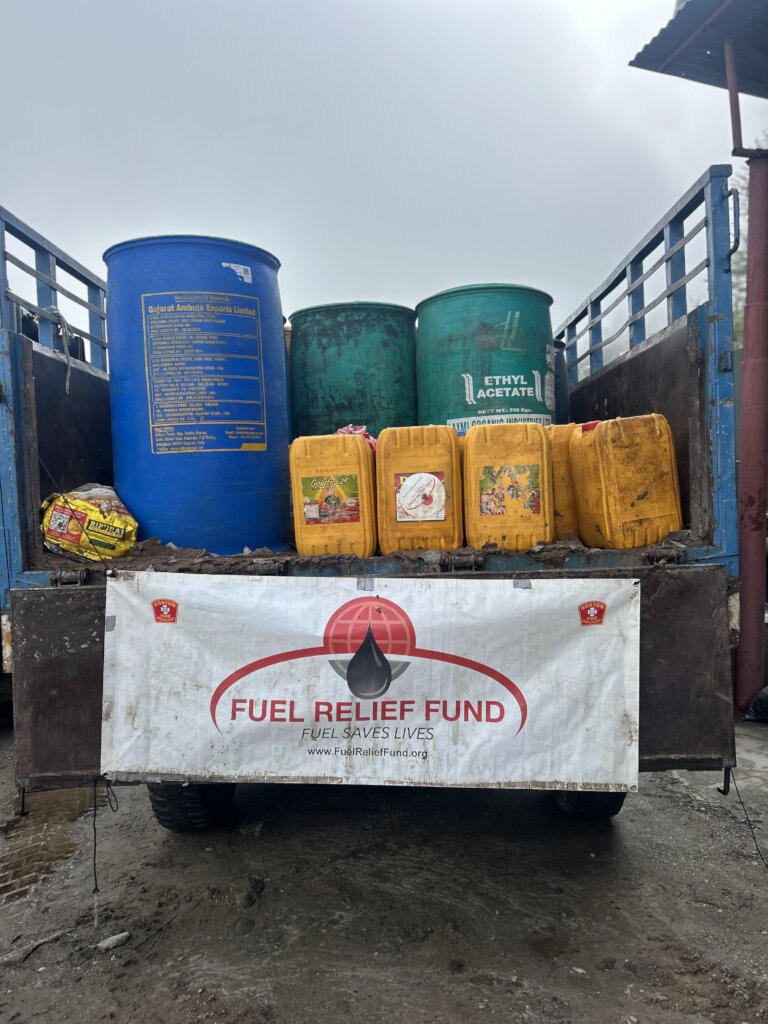
While fueling these motorbikes, we spoke with several local residents who had traveled approximately 12 kilometers from the north, from villages that were themselves isolated. They told us about the difficulty of obtaining fuel and reaching their communities. Rather than simply fueling the vehicles that had reached us, we provided them with jerry cans so they could take fuel back to their villages and distribute it to others who were unable to make the journey to Dhunche.
This is one of the most meaningful parts of our work. Fuel allows us to reach beyond the immediate location where we are operating and extend assistance into communities that are otherwise extremely difficult to access.
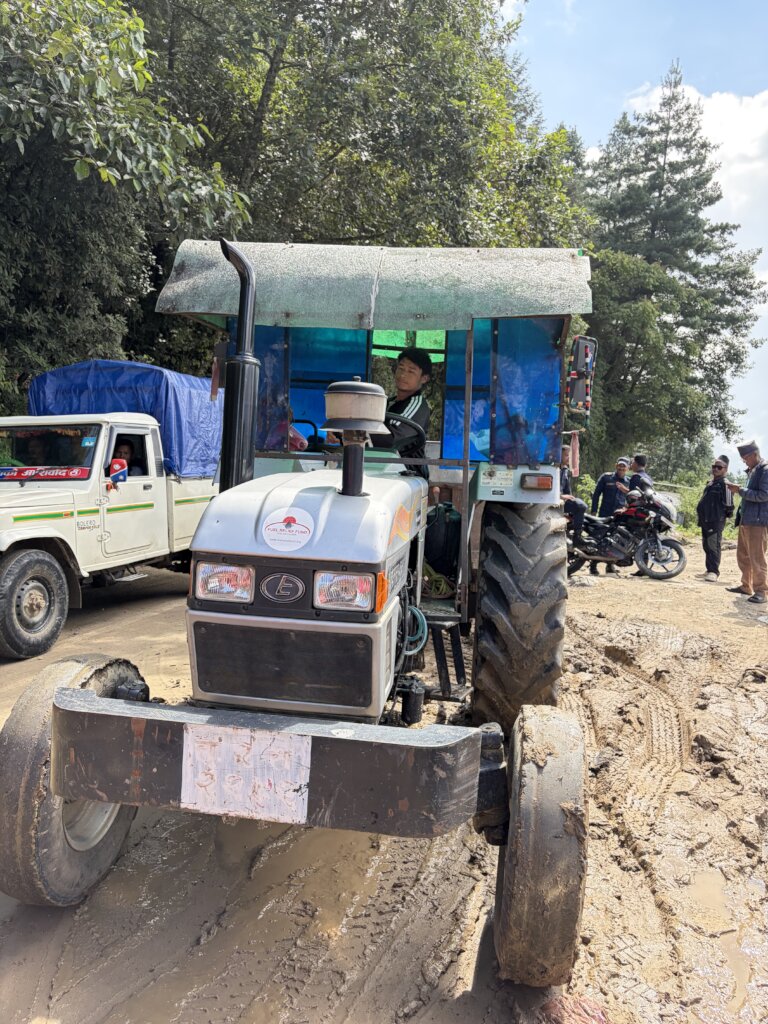
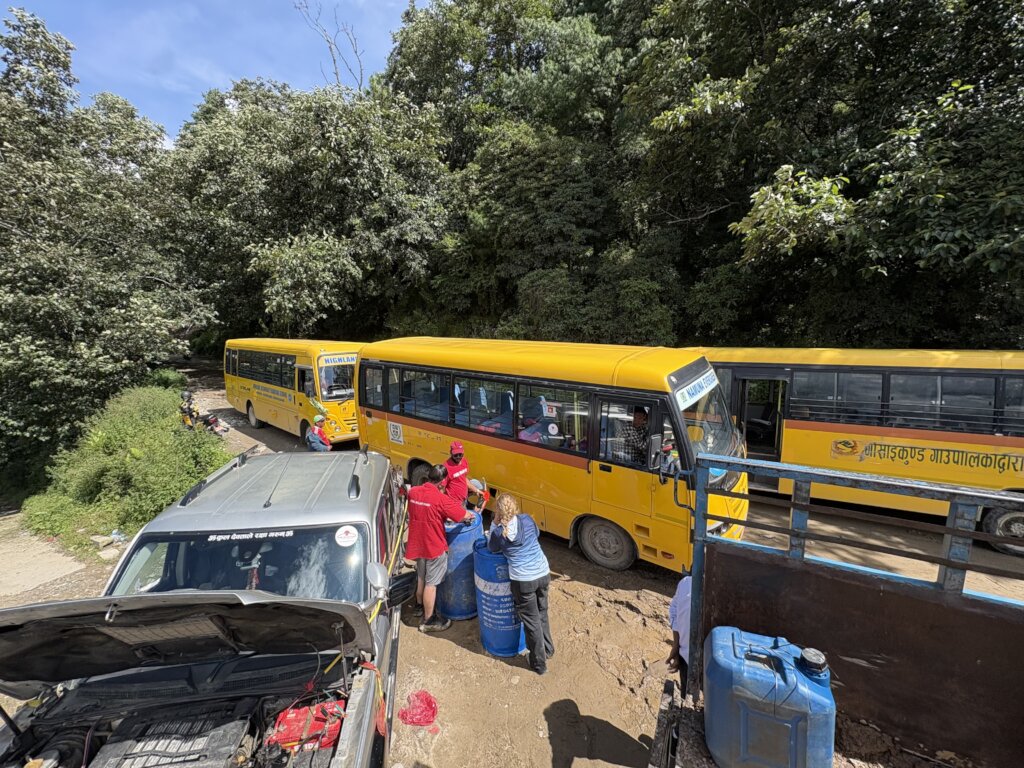
After supporting local residents, we continued fueling organizations and vehicles involved in the broader response. We provided fuel to UNICEF vehicles, local school buses, and a farming tractor being used for cleanup and rescue efforts. Every one of these vehicles is serving a different purpose, but they all have the same basic requirement: they cannot operate without fuel.
We also provided fuel to vehicles belonging to the regional health administration, which is conducting an important vaccination program in response to the increased risk of disease outbreaks following the disaster. With communities displaced, infrastructure damaged, and access to clean water and sanitation disrupted, preventing outbreaks of diseases such as measles and cholera has become an important part of the emergency response. Keeping these health teams mobile allows them to reach communities that would otherwise be difficult to access.
What we are seeing in Nepal continues to reinforce something FRF has learned through years of disaster deployments: fuel is not simply another relief supply. Fuel is what allows almost every other part of the relief operation to function.
It powers the generators that provide electricity. It moves ambulances and first responders. It operates heavy equipment clearing damaged areas. It allows food to be transported and, in this case, even enables drones to deliver food across a flooded river. It allows health workers to reach communities with vaccines and allows local residents to travel for essential supplies.
Our work continues to be guided by local partners and by the people we meet in the field. Every time we travel farther into the affected areas, we find another critical need that depends on access to fuel.
FRF remains committed to providing fuel completely free of charge to the hospitals, clinics, first responders, humanitarian organizations, local partners, and residents who are working to recover from this disaster.
We will continue moving wherever we can make the greatest difference and keep doing what Fuel Relief Fund does best:
Keeping disaster relief moving.
Links:
Project reports on GlobalGiving are posted directly to globalgiving.org by Project Leaders as they are completed, generally every 3-4 months. To protect the integrity of these documents, GlobalGiving does not alter them; therefore you may find some language or formatting issues.
If you donate to this project or have donated to this project, you can receive an email when this project posts a report. You can also subscribe for reports without donating.



Support this important cause by creating a personalized fundraising page.
Start a Fundraiser