Project Report
| May 26, 2026
Sustainable Farms for 260 Poor Ugandan Families
Financial & Campaign Status
- Project goal: $50,000
- Funds raised: $0 (0%)
- Remaining: $50,000
- Donors: 0
- Monthly donors: 0
- Campaign status: Active (preparation phase)
- Time active: 7 months
Gratitude to the GlobalGiving Community
To the GlobalGiving community—thank you for continuing to stand with vetted organizations working in high-need regions. Even before the first donation arrives, GlobalGiving helps keep this mission visible and accountable, and it strengthens our ability to mobilize support for families who are ready to work but lack the resources to begin.
Progress Update (Readiness Work Completed This Quarter)
While this project has not received donations yet, our team has continued preparing so implementation can begin immediately once funding is secured. This quarter, we advanced the following:
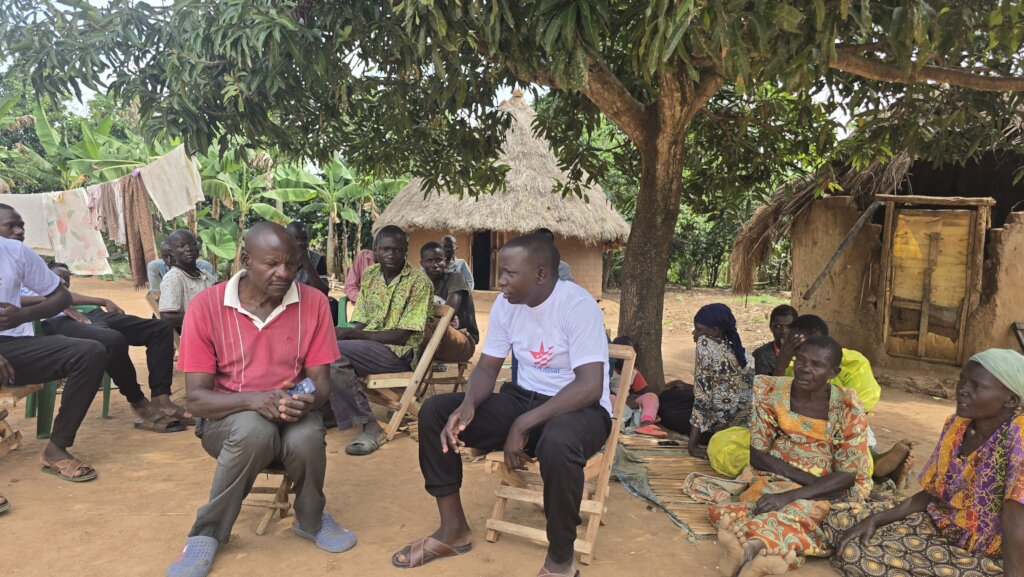
- Continued coordination with local partners and community leadership to confirm target communities and ensure local readiness.
- Beneficiary selection approach prepared to prioritize the most vulnerable households—widows, families caring for orphaned children, and those in extreme poverty.
- Training framework prepared for modern farming practices and “farming as a business,” designed to help families produce food and generate income sustainably.
- Procurement planning completed for fruit tree seedlings, improved maize and bean seeds, and breeding goats, including sourcing options and logistics planning.
Community Need (Why Families Remain Trapped Despite Fertile Land)
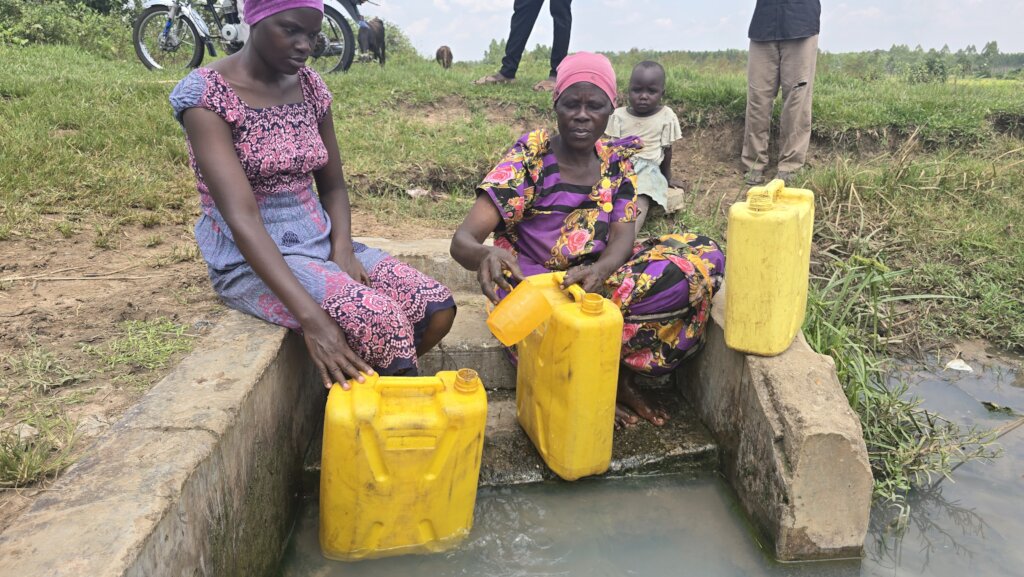
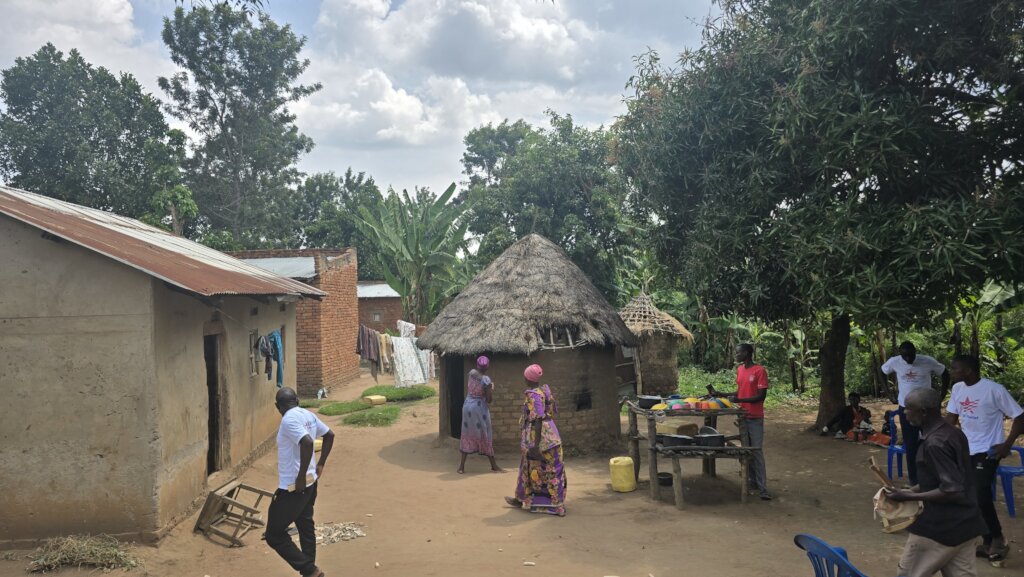
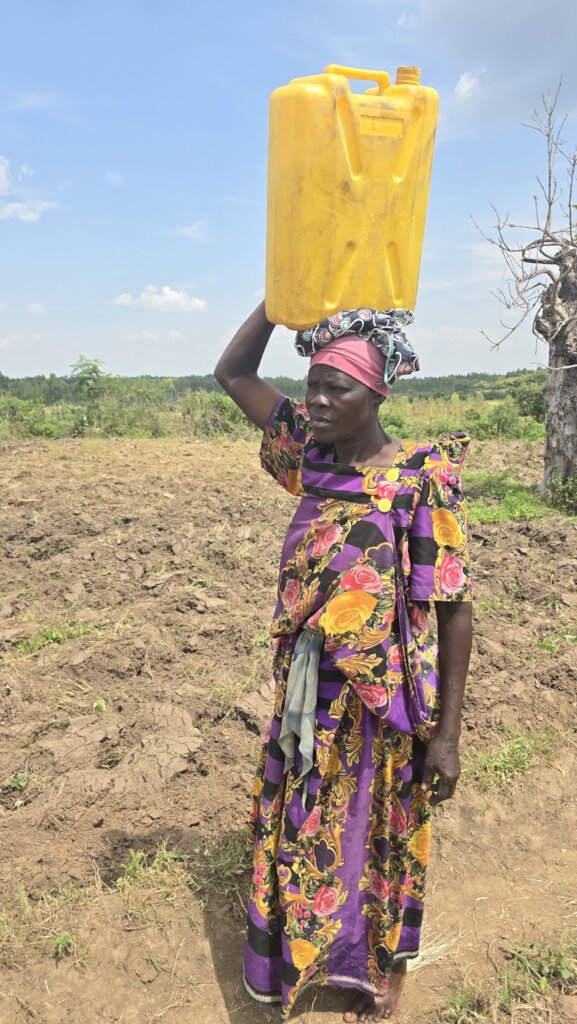
In rural Uganda, many families have fertile land and the willingness to farm, yet hunger persists because families lack the capital and knowledge to activate what they already have. Widows, orphans, and low-income households often watch their land sit vacant while they struggle with food insecurity.
This challenge is intensified by a painful contradiction: local markets and processing facilities exist, but families cannot supply them without seedlings, improved seeds, and training. Without intervention, the cycle continues—low yields, unstable income, and children pulled away from school due to household hardship.
Program Model (How This Project Creates Sustainable, Long-Term Change)
Once funded, this project will empower 260 vulnerable households through a complete, practical package:
- Training by agricultural officers covering crop management, livestock care, and sustainable practices.
- Improved maize and bean seeds to increase yields and resilience.
- Fruit tree seedlings (such as mangoes, oranges, and pineapples) to build long-term income and nutrition.
- Breeding goats to establish a multiplying asset that can generate ongoing household income.
Our approach is designed to convert “vacant land + willing families” into productive farms that strengthen food security, income stability, and dignity.
Challenges & Strategic Response
Challenge 1: No funding yet ($50,000 remaining).
- Response: We are preparing a milestone-based rollout so we can begin a pilot phase as soon as an initial threshold is reached.
Challenge 2: High input costs require upfront capital before impact can begin.
- Response: We have structured procurement planning to prioritize cost-effective sourcing and phased distribution once funding starts.
Challenge 3: Seasonal timing pressure (agricultural cycles can be missed).
- Response: We are maintaining readiness with partners so we can move quickly and align inputs and training with planting windows.
Challenge 4: Widows and orphan-led households cannot self-finance farm startup costs.
- Response: Beneficiary selection will prioritize those least able to access capital, ensuring the project reaches those with the highest vulnerability.
Expenditure Plan (When Funding Is Secured)
- Fruit tree seedlings (35%) – mango/orange/pineapple seedlings and distribution support
- Improved seeds (25%) – maize and bean seeds for higher yields and resilience
- Breeding goats (25%) – starter livestock for long-term income generation
- Training & agricultural support (10%) – agricultural officer sessions, follow-up guidance, and materials
- Operations & logistics (5%) – transport, coordination, and local delivery costs
Next Quarter Plan (Clear Goals)
In the next quarter, our focus is to:
- Secure the first 25+ donors through targeted outreach and trust-building updates.
- Publish a milestone roadmap (pilot → scale) to improve donor confidence and conversion.
- Reach a first funding milestone to begin beneficiary confirmation and initial procurement.
- Launch a pilot phase as soon as funding allows, followed by a detailed impact report with counts, photos, and transparent documentation.
Expected Long-Term Impact
This project is built for lasting change, not short-term relief:
- Families achieve food security through productive farms.
- Household income increases, helping children stay in school.
- Widows gain economic independence and dignity.
- Goats multiply, creating ongoing income opportunities.
- Fruit trees produce for decades, supporting generational stability.
- Farming knowledge spreads to neighbors, multiplying impact across communities.
Closing
This project is about unlocking what families already have—land, effort, and determination—by providing the training and inputs they cannot access alone. While funding has not started yet, our team remains ready to move quickly once support begins, so families can plant, raise livestock, and begin stepping out of poverty with dignity.
With gratitude,
American Aid Team
American Aid (A A Relief)
![Share on Twitter]()
![Share on Facebook]()