1. Project Overview
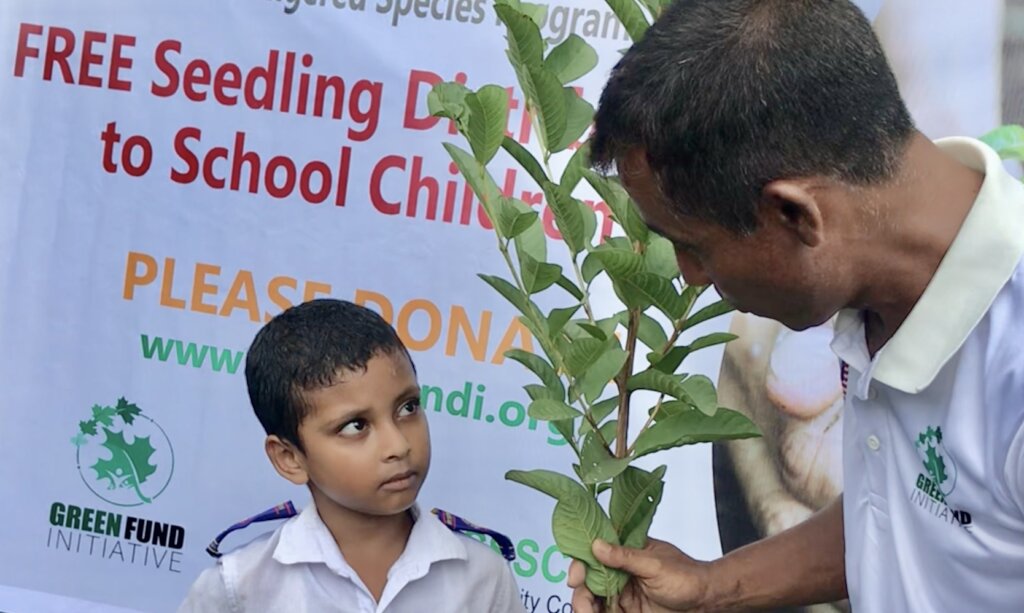
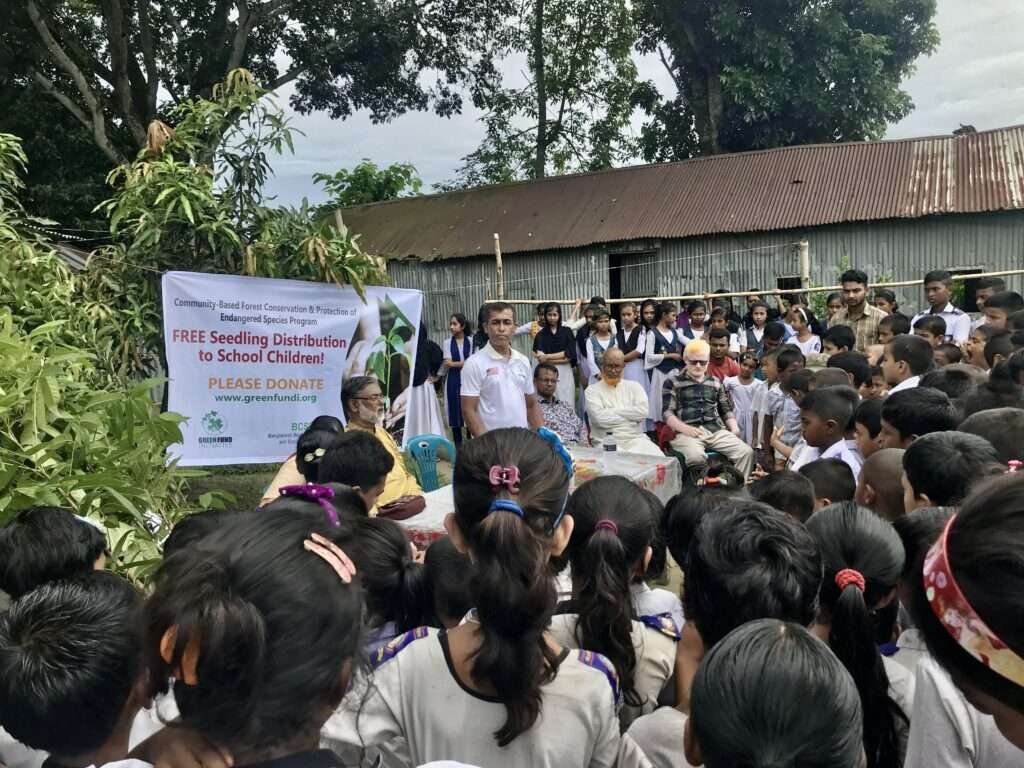
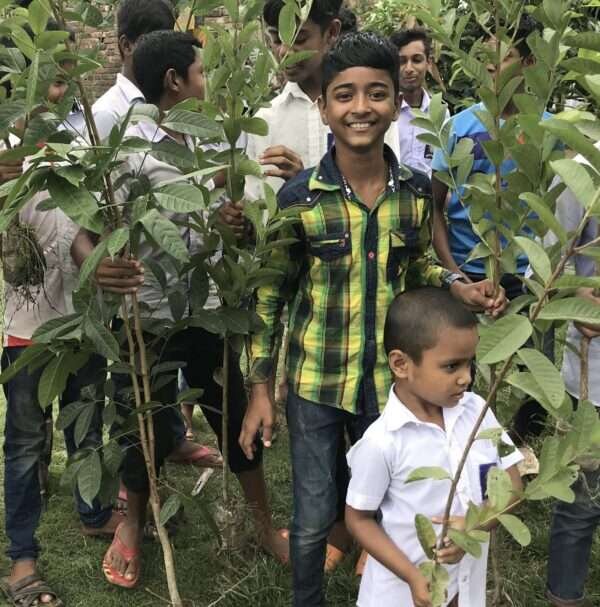
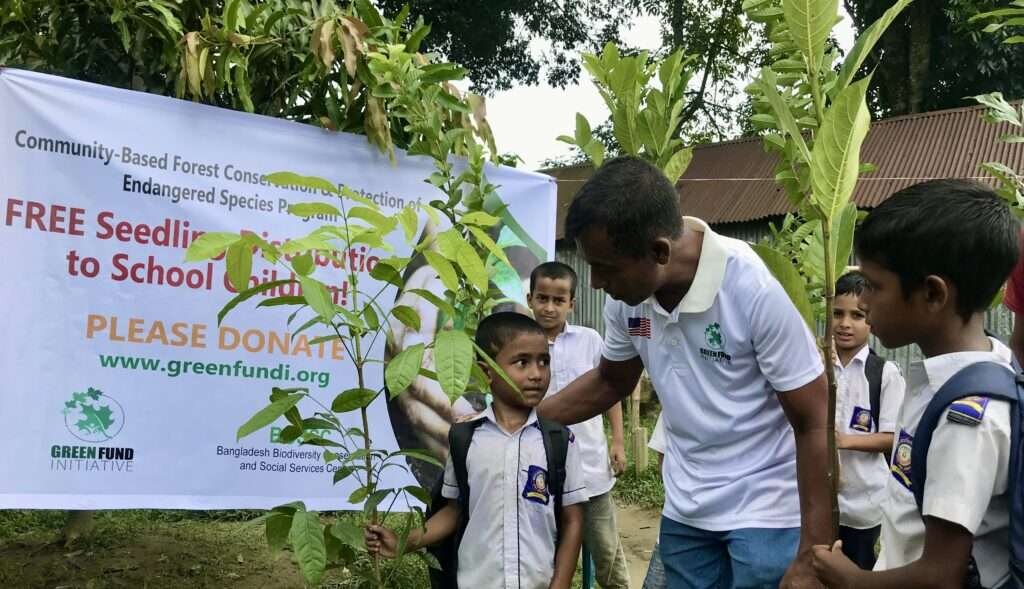
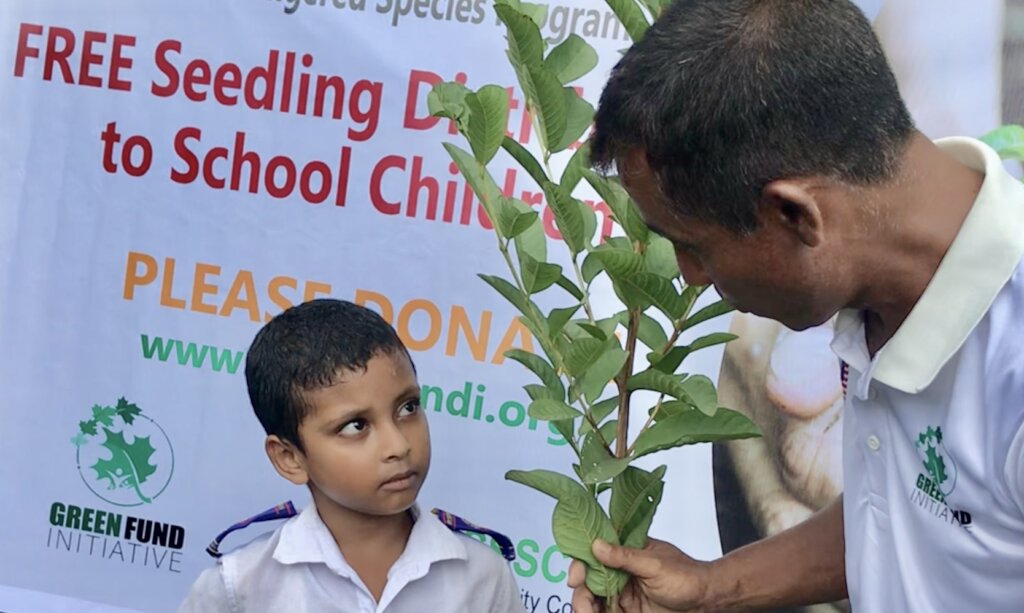
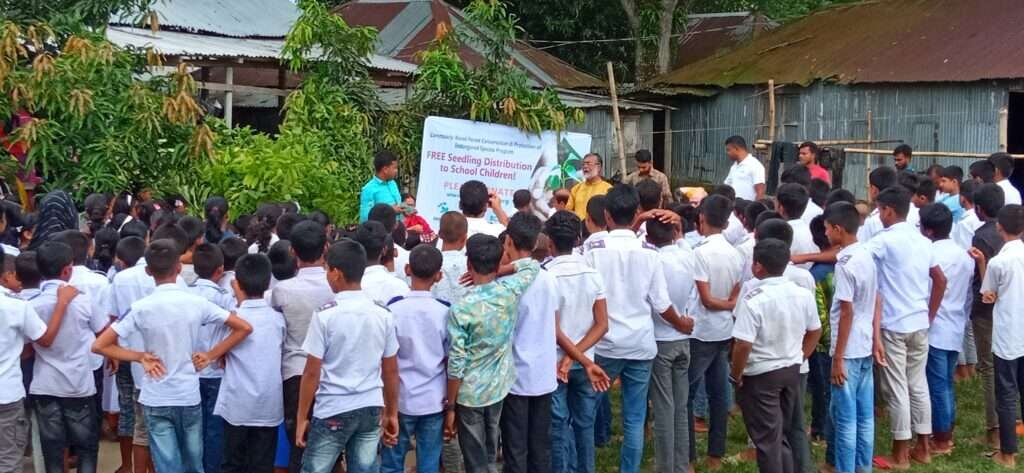
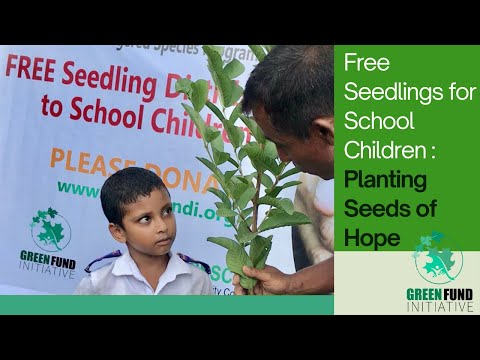
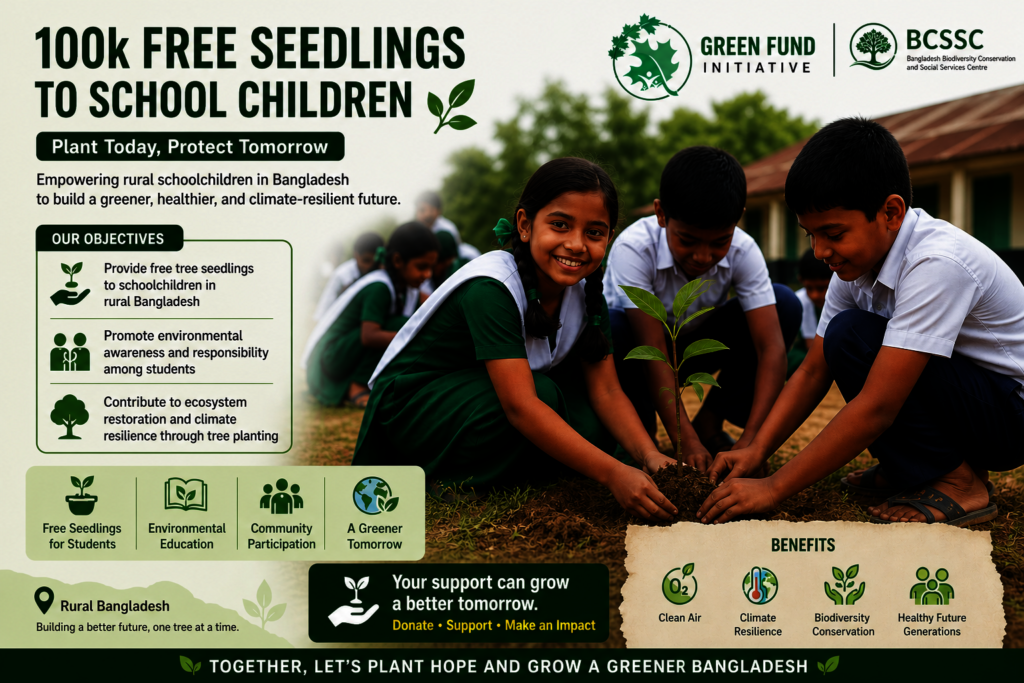
The Green Fund Initiative (GFI), in partnership with the Bangladesh Biodiversity Conservation and Social Services Centre (BCSSC), continues its commitment to promoting environmental stewardship among rural schoolchildren in Bangladesh. The project aims to encourage tree planting, strengthen environmental awareness, and support long-term climate resilience through grassroots engagement.
2. Project Objectives
The key objectives of the project remain:
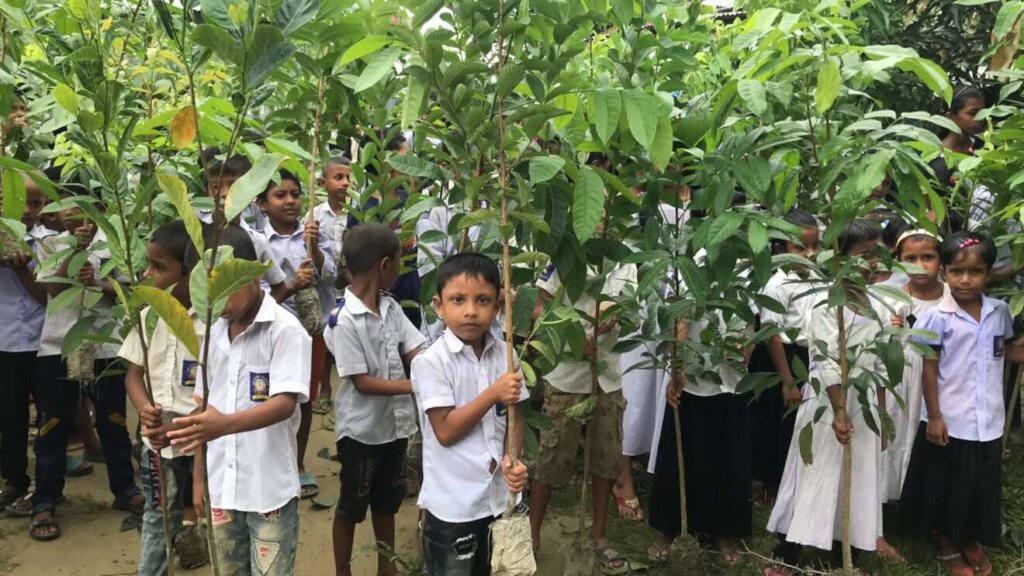
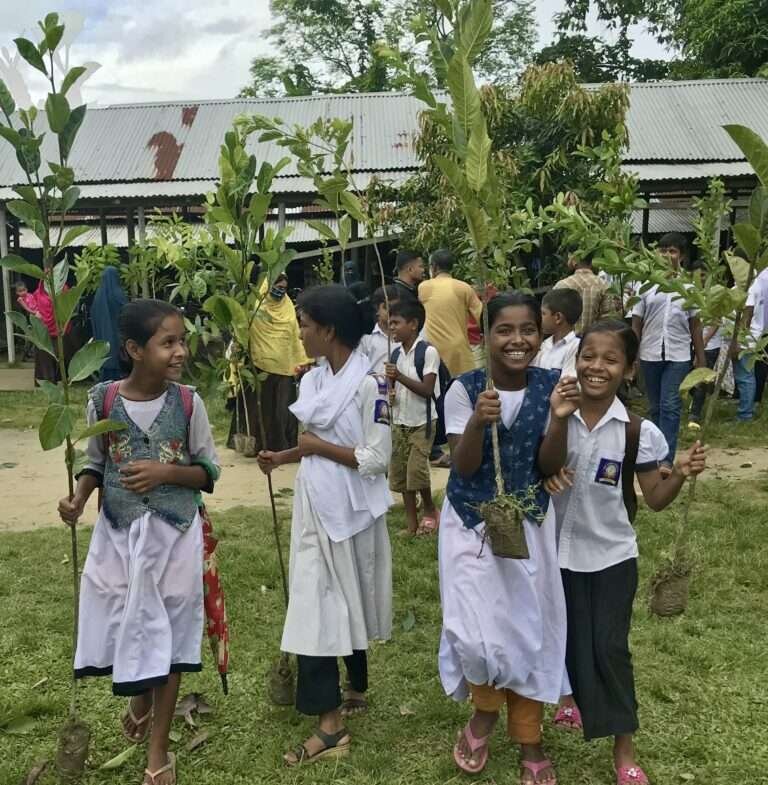
- Provide free tree seedlings to schoolchildren in rural Bangladesh
- Promote environmental awareness and responsibility among students
- Contribute to ecosystem restoration and climate resilience through tree planting
3. Progress During the Reporting Period (January – April 2026)3.1 Fund Status
During this reporting period, no new donations were received. As a result, the project continued to face a lack of financial resources necessary for seedling procurement, transportation, and implementation.
3.2 Activities
There has been no significant progress in project implementation during this period due to continued funding constraints. However, minimal continuity efforts were maintained:
- Stakeholder Communication: Limited communication with previously engaged schools to maintain basic connection and interest
- Volunteer Engagement: Some informal, small-scale awareness efforts continued through local volunteers
- Project Readiness: Existing plans and school engagement lists were retained without major updates
3.3 Impact
- Limited Outreach: Awareness activities were minimal and did not expand beyond previously engaged groups
- Sustained Interest: Schools remain interested but engagement levels are gradually declining due to inactivity
- Reduced Momentum: Volunteer participation has slowed in the absence of tangible project activities
4. Challenges
- Continued Lack of Funding: No new financial contributions have been secured
- Stagnation in Implementation: No seedling distribution or expansion activities could take place
- Decreasing Engagement: Prolonged inactivity risks weakening stakeholder and community interest
5. Next Steps
- Reassess and strengthen fundraising strategy, including outreach to donors, CSR programs, and foundations
- Explore low-cost pilot options to restart limited implementation
- Re-engage stakeholders through structured communication to maintain commitment
- Identify potential institutional or international partners for support
6. Conclusion
From January to April 2026, the Free Seedlings for Schoolchildren project experienced no significant progress. The absence of new donations and continued funding challenges have resulted in a standstill in implementation. While some minimal engagement has been maintained, the project’s momentum has slowed. Securing financial support remains critical to restarting activities and achieving the project’s intended environmental and community impact.