By Barbara Van Dahlen | Founder & President , Give an Hour
Because of my mother’s mental illness, I grew up wanting to understand and help those who were suffering emotionally. But until recently, I never talked publicly about her or the pain my family suffered. Perhaps by sharing my story, others will be inspired to help us reach those in need.
My father was a veteran of WWII who lied about his age to join the Navy after Pearl Harbor. Like many combat veterans, he came home with post-traumatic stress – though no one knew what that was at the time. He returned to Los Angeles after the war, met and married my mother, had my three older brothers and decided to move his young family to the San Joaquin Valley in central California.
Exactly what happened next is hard to know. My mother gave birth to me shortly before the move. Perhaps it was the combination of removing her from her support system in Los Angeles and a severe case of postpartum depression that lead to the psychotic break that would shatter her life and our family.
So, there we were – the WWII veteran, three little boys, a baby girl… and my psychotic mother. She was later diagnosed with schizophrenia – but that matters less than the impact her condition had on her and us. For the next eight years, my dad tried to find help for her. But in rural California during the 1960s there was little help for people with my mother’s condition – especially for people from working class families.
My parents divorced when I was eight and my mother returned to live with her family in Los Angeles. As the years passed, we saw my mother less and less. My brothers seemed angry at her – probably because they felt abandoned …. though that was never discussed. And I was afraid of her. She wore strange clothes and talked about aliens and god and space ships. Visits were awkward and uncomfortable. And although my brothers told me that she took good care of me when I was a baby, I have no memory of feeling anything toward her other than fear and embarrassment.
Unfortunately, there was more trauma to come during my childhood. Our family had so much pain to deal with – I think we were all relieved that my mother was no longer in our lives. I stopped hearing from her – except for the card I received out of the blue when I graduated from high school. I didn't respond.
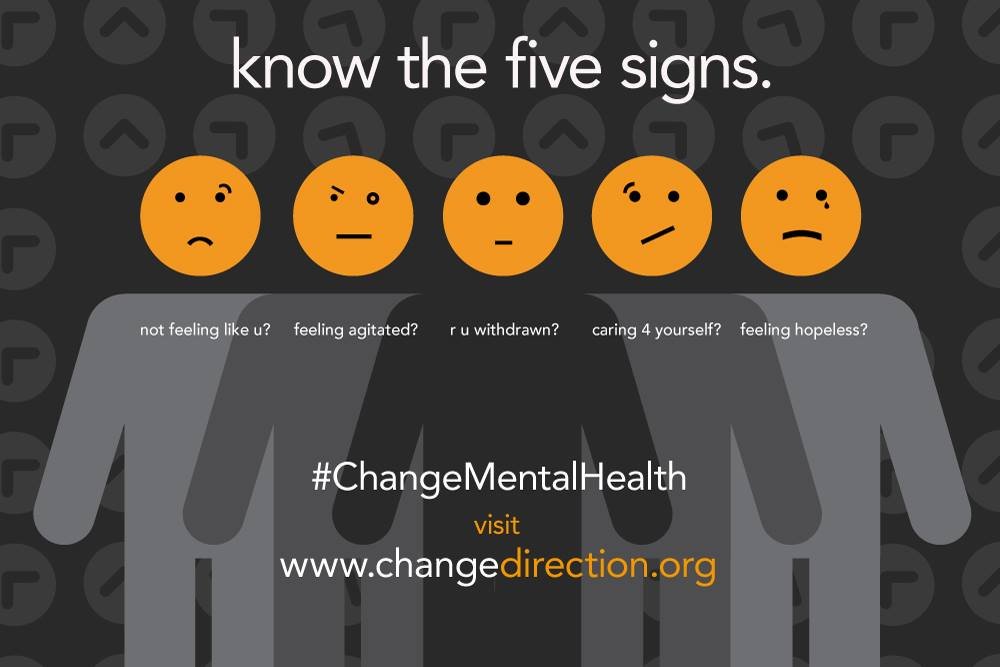
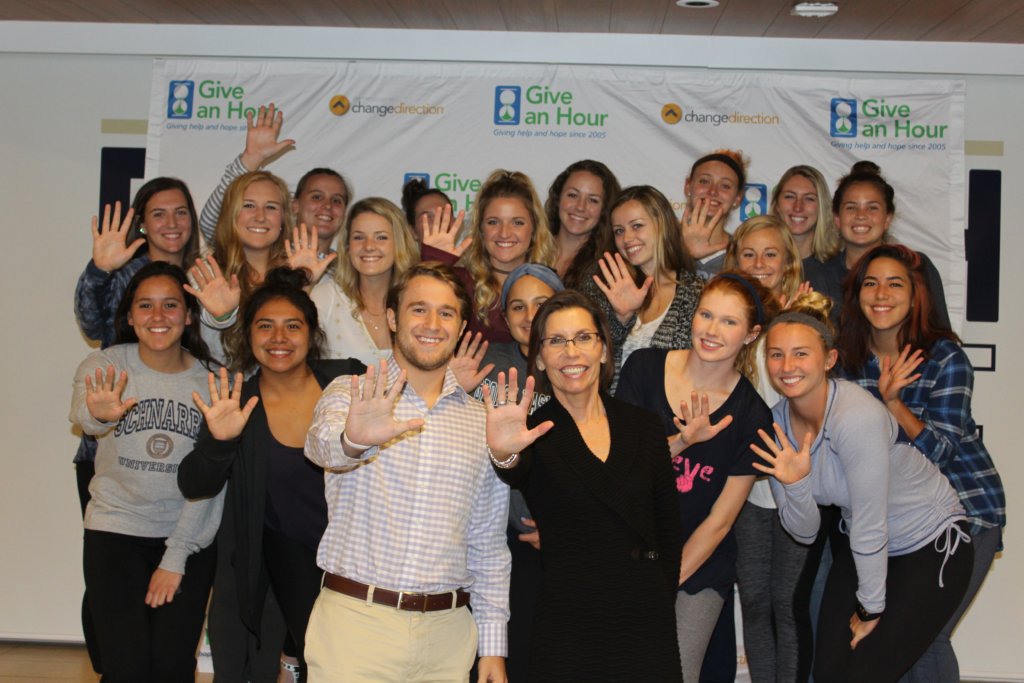
I went to college and moved east for graduate school. I became a psychologist, married, had two beautiful daughters of my own, divorced and twelve years ago, founded the nonprofit organization Give an Hour. By harnessing mental health professionals all over the country, Give an Hour has provided over 220,000 hours of free mental health care to those who serve and their families. In 2015, Give an Hour, launched the Campaign to Change Direction to change the culture of mental health so that all in need receive the treatment and support they deserve.
Until six years ago, I had no interest in finding my mother. I never spoke about her and most people probably assumed that, like my father, my mother had died early in my life. I can’t really take credit for wanting to find her either. In 2010, I married a wonderful man who offered to help if I wanted to look for her.
My husband and I tried to visit my mom soon after we located her. We reached out to the nursing home and sent cards, flowers and pictures – to help prepare her for the visit. It is impossible to imagine how painful it must have been for her to lose her mind and then her four children – through no fault of her own. She had developed a chronic, relentless, debilitating disorder and eventually fell through the cracks in society. And then, forty-three years later, her daughter showed up for a visit.
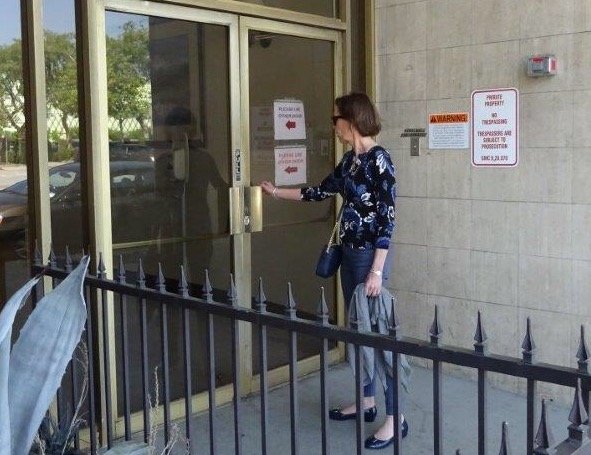
That first attempt to see my mother went poorly and was extremely upsetting. She was agitated and overwhelmed and couldn't tolerate the visit. She didn't want us in her room. So, we stood in the doorway – trying to talk to her – until we realized that she just wanted to be left alone. I remember going back to the hotel that night – crying for her, for me ….and for my family.
I didn't give up. I continued to send cards, flowers and pictures. Soon after that first visit, my mother fell and broke her leg. Thankfully, the nursing home called me and even though we live in Washington DC, we were able to help coordinate her care. At least I could do that.
In May, I decided to try again. And for reasons that I don't fully understand, this visit was completely different. I called the caring hospital administrator who looks out for my mom, to let her know that we were coming. We were told that my mother seemed pleased about the upcoming visit. She even agreed to bring two chairs into her room so that we could sit down.
My mom is 89 years old. She looks like any homeless woman you might see in any city. She is missing all of her front teeth and was recovering from a nasty rash that left her with blisters on her hands and face. None of this surprised me. I knew what to expect – but it was still difficult to see. She has lived a brutally hard life with many years on the street and little care for her physical or emotional health until recently.
What was shocking was how engaged she was – how kind, how interested, how smart and how funny. She loved seeing pictures of her granddaughters and hearing about their interests and activities. And she had no signs of dementia – surprising me several times by accurately recalling events from the first eight years of my life as well as details from the last visit we ever had when I was thirteen.
My mother also shows the signs of a long life lived with mental illness. Her speech is mechanical and her use of words and phrases idiosyncratic. Her emotional range is limited and she is understandably interpersonally cautious. She avoided all possible uncomfortable topics and never mentioned my brothers or her lost life. But she tolerated our presence and seemed to genuinely enjoy our visit. Most importantly to me, my mother wasn't afraid of us – and for the first time in my life, I wasn't afraid of her.
It’s hard to explain what meeting my mother felt like. It was wonderful, terrible, happy and painful. I think the most overwhelming feeling I had – and have – is regret. My mother didn't deserve this fate. She was a loving wife and mother who cared deeply for her family. She was a cub scout mom who drove her three little boys around Los Angeles in an old beat-up jeep. She didn't ask for the illness that destroyed her life. It wasn't fair that she lost us. It wasn't fair that we lost her.
But I am also thankful and hopeful. I am thankful for all of the individuals and organizations that are working with us to change our culture. I am thankful for all of the people who are working to find cures for these devastating mental illnesses. I am thankful for the kindness and care that my mother is receiving and I am grateful that for the rest of her life, we will be able to help her. And someday, we will change the culture so that people like my mother receive the care and dignity they deserve.
Links:
By Sally Charney | Director of Marketing and Special Partnerships
By Sally Charney | Director of Communications and Partnerships
Project reports on GlobalGiving are posted directly to globalgiving.org by Project Leaders as they are completed, generally every 3-4 months. To protect the integrity of these documents, GlobalGiving does not alter them; therefore you may find some language or formatting issues.
If you donate to this project or have donated to this project, you can receive an email when this project posts a report. You can also subscribe for reports without donating.



Support this important cause by creating a personalized fundraising page.
Start a Fundraiser