By Subhrata Jena | Project Contributor
YCDA has initiated Alternatives form of Child Care programme with the key focus on care and protection through community based rehabilitation and family focused alternative care to ensure best interest of the child since 2007 in Boudh and Bolangir district in the partnership of SKN, The Netherlands. In addition to this, for the proper implementation of the programme YCDA now is supporting the children with small individual donation. YCDA plays a pioneer role in promoting non-institutional care in the State like Orissa through community centric child care like Kinship Care, Foster Care, and Child headed household as its outstanding innovative.
Executive Summary
Foster care provides a temporary, safe, stable and nurturing family life experience for a child when the child’s family is unable to provide. Foster care is based on the belief that a family and community is the most beneficial and desirable environment for the healthy growth and development of a child. The goal of the foster care system is to ensure that a child can be safe, secure and well cared for while a family is in crisis. The intended result is that the child grows up in a safe, stable and permanent home. The first priority is to work with the child’s family so they can provide safety and permanence for their child. This work occurs while the child is in foster care.
Placing a child in foster care gives the child a safe place to grow, either until the family circumstances improve enough to reunite the child with the parents or till a permanent rehabilitation is done for the child. Children are usually sent to foster care when they are deprived of family care due to various reasons. The target group (children) and the kind of foster care they require differ according to the child’s need in that juncture, country legal framework and culture. Individual foster care, kinship care, group foster care, child headed household are the different global contemporary models of foster care. In India, YCDA practice different models of foster care according to the children’s situations and needs.
YCDA Foster Care Programme
Foster Care is a family based non-institutional child care programme that provides temporary/substitute care for children in difficult circumstances, for example children whose parents are unable to care for them due to illness, death, desertion of one parent or any emotional crisis.A family focused, community based approach to foster care is the basis on which we can build a fully responsive service system. Foster care can provide a safety net to families in crisis. A foster care looks to the future, community partners will be critical to the goal of providing children with temporary care on their way to permanency with the family.Foster Family care provides a child with its basic needs of Love, affection and undivided attention. A foster home satisfies a child’s essential need for a mother. The shower of attention and care that the child gets from foster family helps preserve a child’s innocence.
OUR STATERGY:
Delivering direct services, building capacity of all the stakeholders and making lobby and advocacy at the Micro and Macro level are our underlying strategies through which we have already transformed lives of many children and condition of families. Our aim has been to create poverty and vulnerability proof environment, and make the children combat-ready for any type of situation. We just want to rescue them from a poverty-ridden condition and enable them to customize themselves as per the changing situation as we believe in the adage “survival of the fittest” .
To ensure the safe childhood, continue their education and ensuring all-round developments of the children. During the period we have supported 100 children who are living without parental care and stated intervention with small individual donation and existing project support.
Among the training programmes YCDA provided are:
Foster parents are supported by:
Impact of the Programme:
Key intervention During the Period
Individual Care Plan:-
The circumstances that lead to children becoming looked after vary greatly and so give rise to a wide range of needs. But while every plan must be tailored to meet the needs of the individual child, all plans should include a common focus on some key issues of the children.
Individual child care plan is most important tool to develop a comprehensive plan for a child. Need of the every child is different. As per the best interest of the child project staff assess the vulnerability, counsel the child and caregivers interact with different stakeholders and prepare a realistic care plan. CWC is authorised to finalise &recommend the best alternatives for the child. Accordingly we develop plan in consultation with CWC and after their recommendation we rehabilitate the child. During the period all the individual care plan has been updated for one year as per the need of the children and support provided.
Children Accessing Education:
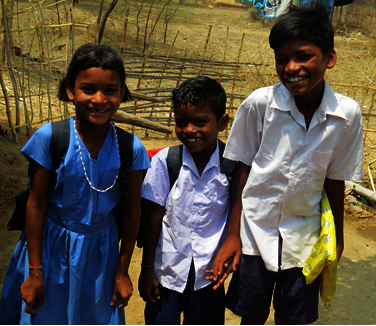
All the children are in family based care. The major focus of the project is to ensure that all children continue their study. During the period, regular follow up & family visit is going on so that children do not get dropped out from schools. During the period, the social worker supervised their academic progress records and discusses with the parents and teachers. All the 100 children are going to school and tuitions regularly. All the 100 children are passed out their academic session successfully & enrolled in next class. All the 100 children are supported by reading & writing materials with school bags.
Psychosocial /Counseling Support:
Psychosocial/counseling support is a set of interventions used to meet child emotional, social, mental, and spiritual needs. This is very important for the healthy development of all children and critical for orphaned and vulnerable children. This provides vulnerable children with the necessary tools for good health and positive development. So as YCDA is working for vulnerable children we provide them regular counseling support. 100 Children are getting the counseling support in regular basis, the individual counseling impacts on the children resulted to make the children regular in school.
Need based support to Children:
To assess the development of supported children, YCDA staffs visited all 100 children along with a structured tool. VCPC, particular child and community participated in the process. It helped the team learn the impact of support, challenges, and thereafter take appropriate action. 100 children were assessed to continue to get need based kind support. A family’s situation is reviewed quarterly and an action plan is made as per their need. Children need various types of support ranging from those things necessary for survival, such as food and health care, to those interventions that will provide a better quality of life in the future such as education, clothes, shoes, psychosocial support and economic self-sufficiency. During the period Medicine support, Education study materials, school bags, tuition fees, food packets, dresses, and sweaters as per need supported all 100 children.
Family Strengthening –Govt. schemes/Income Generation Activities-
The Family Strengthening Program involves not just parents or children alone, but the whole family. The Families Strengthening Program is a family skills training program designed to increase resilience and reduce risk factors for behavioral, emotional, academic and social problems. Family strengthening programme builds on protective factors by improving family relationships, parenting skills, and improving the life skills.
Family strengthening is the major part to bring sustainable changes of the foster family and child. The social worker visits the family regularly and in order to strengthen the capacity of the families helps to avail the benefit from govt. schemes. During the period 28 nos. of families have been linked in IAY, Old age, Widow Pension schemes and availed it. For family strengthening programme YCDA provide revolving fund support to run the income generation activities. . During the period 25 nos. of families have been supported by revolving fund for income generating activities like Vegetable cultivation, Vendoring, Poultry, Puja shop, Rice processing, Grocery shop etc. which can allow the families to earn additional income. Staffs visit to the family and giving the hand holding support for taking forward the Income generation activities and bank linkages for the socio economic development of the families. It also generates interest on the savings for the children
Story of Change:
An orphan and helpless child. Her strugglefull life started when she was only 1 year and 6 months old and her brother was only 2 years old. There was time when she and her brother both were living with their father and mother .Parents were dreaming of many good things about the two children. But suddenly her father passed away after he fell prey to a strange disease. As she was too young she did not have any idea of her father’s death. Then it was the mother who had to take up the responsibility of raising the two children. She found it too difficult to manage the family. Despite all the difficulties, she nurtured the ambition of educating both the children.
But, maybe, this was also not acceptable to God, so the mother suddenly suffered from a fatal disease. Despite all the efforts, the doctors could not save her life and she breathed her last on the medical bed itself. Although she had all the relatives like grandfather, uncle, grandmother and many others around her, still none of them came forward to take care of them. In view of this, her maternal uncle took the responsibility of them and brought them to the village where he was living. After somedays of stay at uncle’s house, her aunt took her brother to her house to live with her. This sorrow of separation from brother was another blow for her. She had to tolerate that pain as there was no other option for her. Her uncle who was a farmer was not able to meet her basic needs from the earnings he was getting by working in his own field and as labour in others fields.
YCDA came to know about this matter and came forward to support her as per her need. Thus, YCDA continued to furnish her this support every month and let her go up in her study life. As she had great interest in studies, she focused on studies forgetting her past sorrows and came out successful too. Lo and behold, she progressed so well that she passed 10th class creditably in 2nd division. Then there was no looking back, she studied plus two in a government college and with the advocacy of YCDA she was linked with sponsorship support. In addition to this, YCDA’s intervention has enabled the family to avail the benefit of “Mo Kudia” scheme too. The sponsorship support met all her study expenses which encouraged her to study well. In due course, she appeared the examination and passed plus two with good marks. After that YCDA developed career plan and individual care plan which paved her way to study ITI in Dress Making trade. As per the career plan her study is going well and She is confident of her success and is determined to give a fruitful shape to her future.
Thus, the sinking future of the child has come up to such a level where she can see a new day with numerous possibilities and opportunities. Now, the children is became self-employed & earned Rs 3500/- per month. Also, took tuition classes & teaches the village children with her own interest . This money helps her lot to fulfill her need to some extent. The Village Child Protection Committee member said, “We are really very happy that the orphan & vulnerable children of our region became self-sustain in her life.” Her guardian also expressed her heartiest thanks to YCDA & supporters and The child said, “ I am giving thanks to YCDA & Supporters as its support changed my way of living and showed us a new direction leading to good health and happiness.
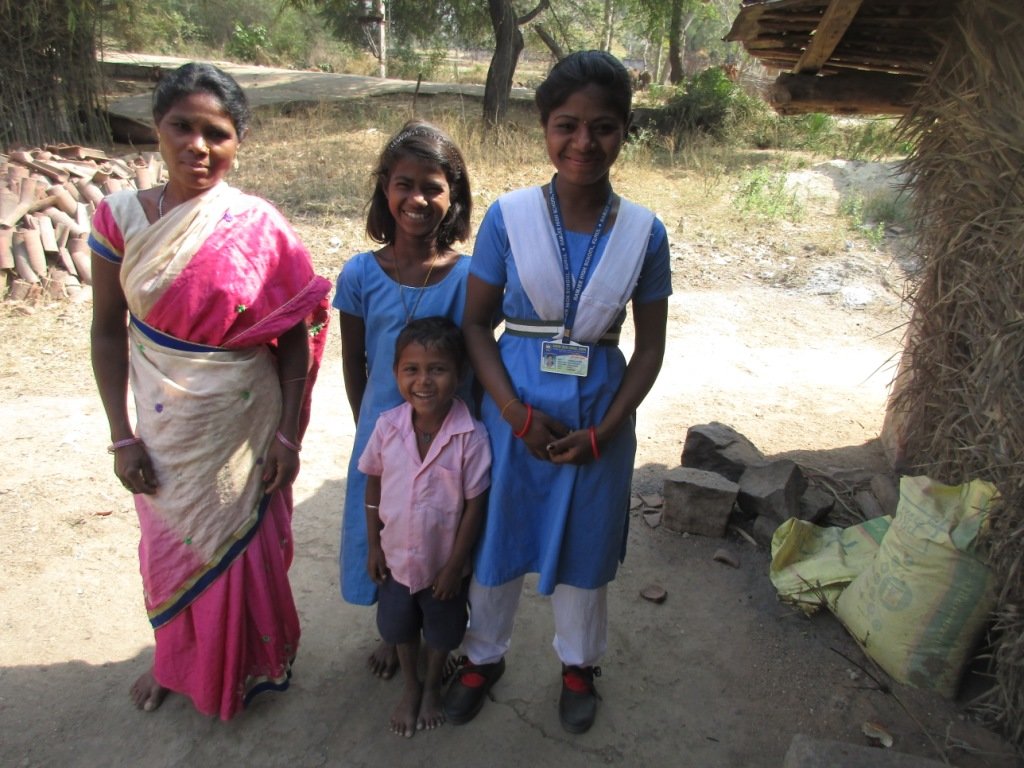
Thanks to all Supporte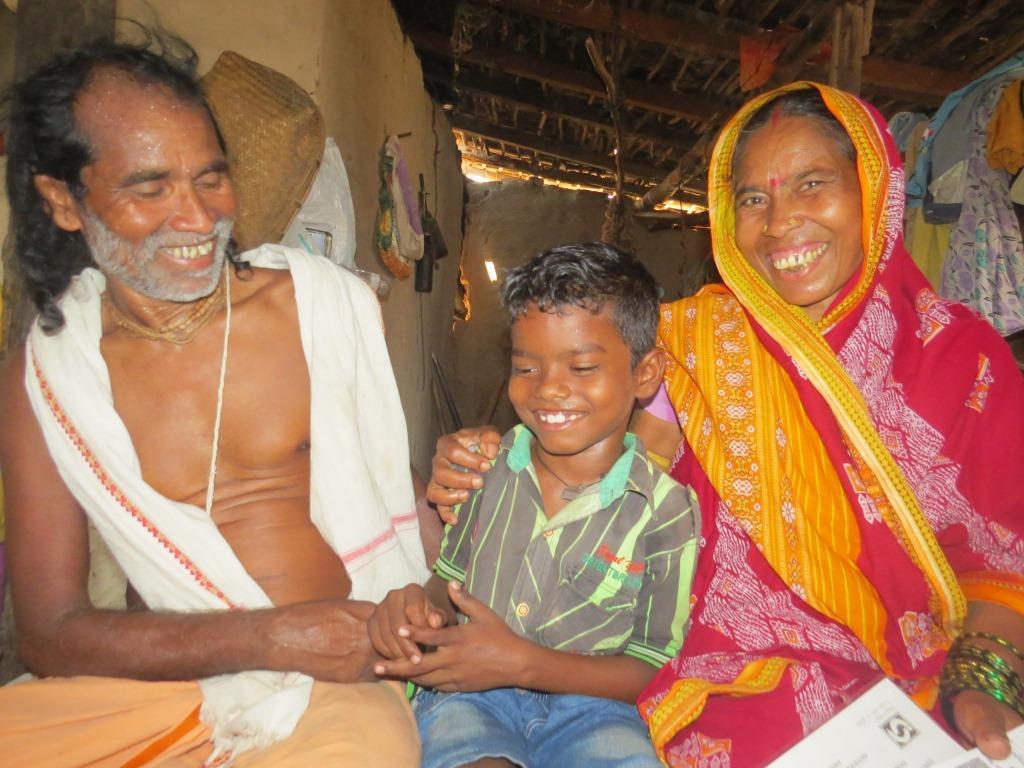 Child is living happily in the family
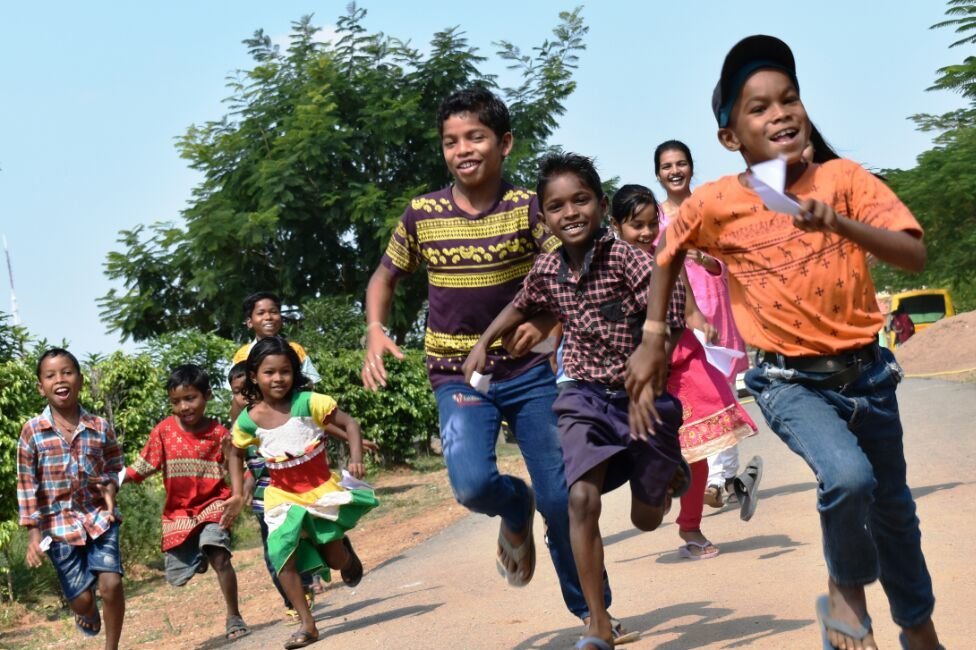
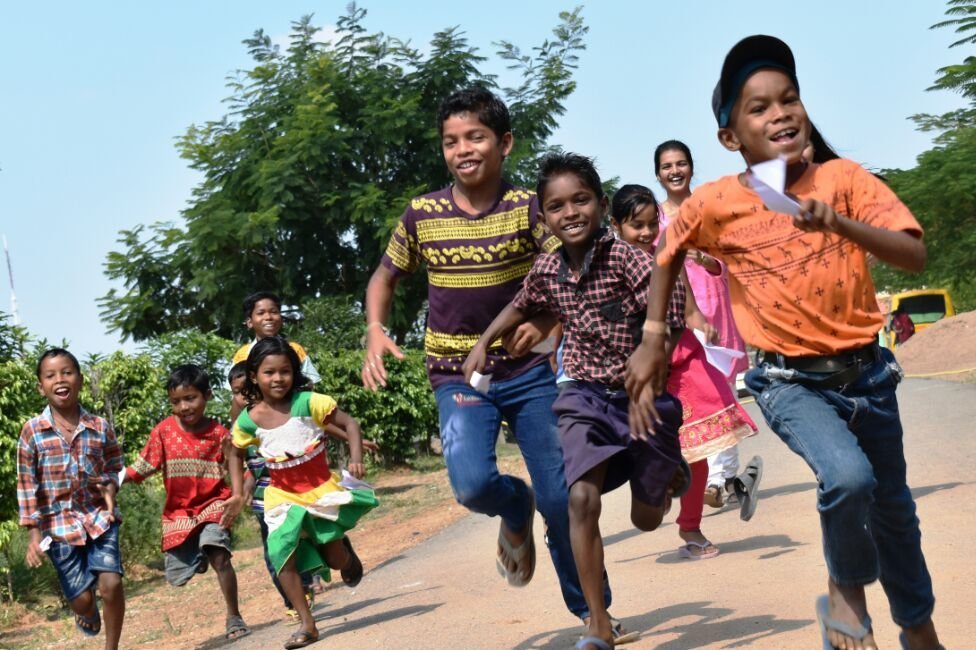
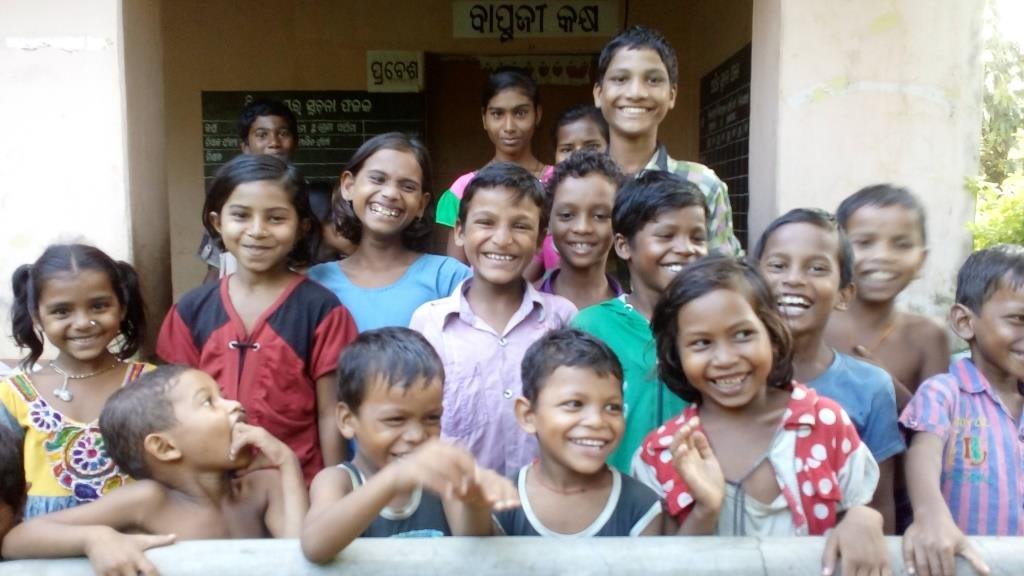 Children are enjoying with their friends
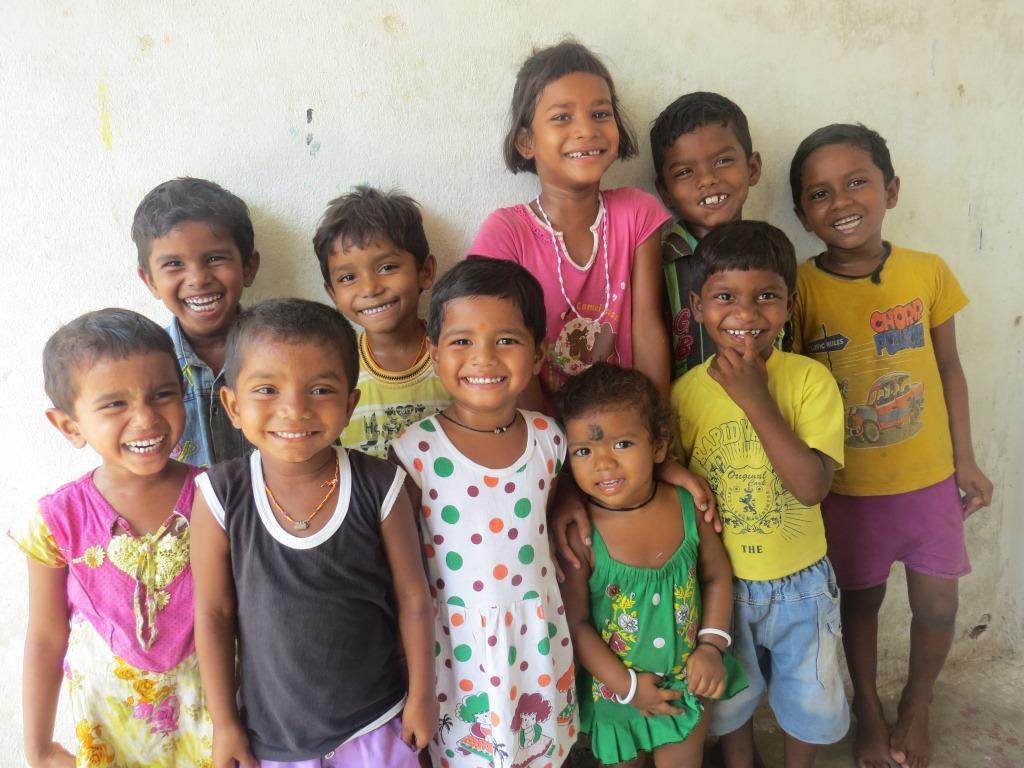
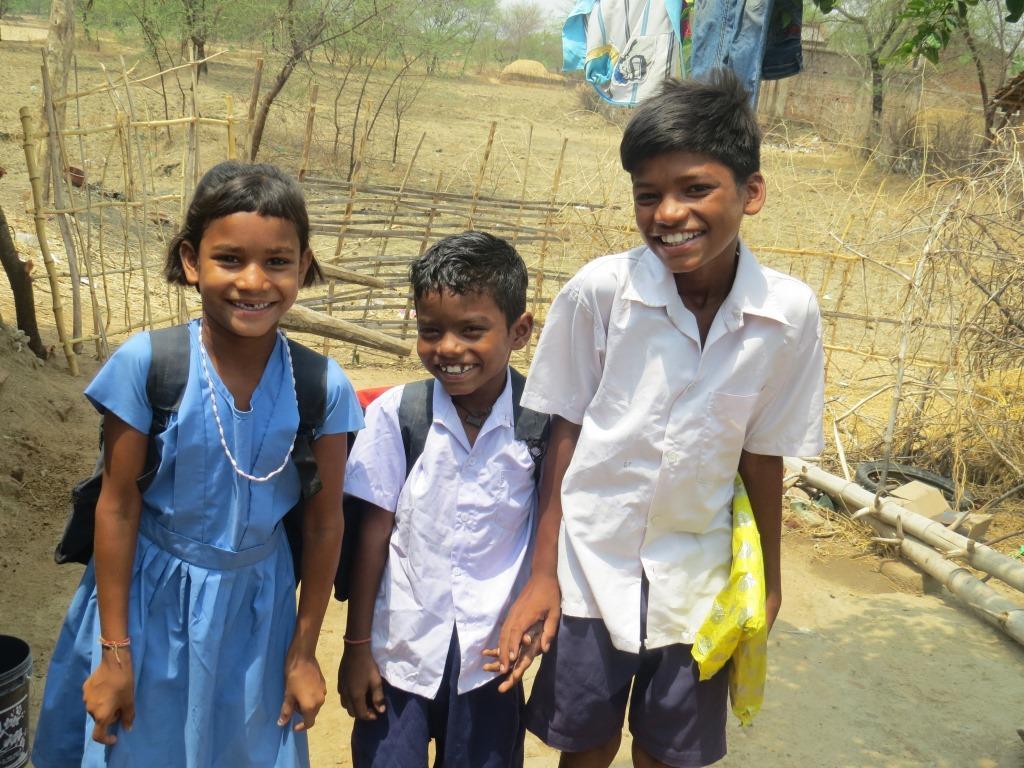 Children are going to school
Attachments:


Project reports on GlobalGiving are posted directly to globalgiving.org by Project Leaders as they are completed, generally every 3-4 months. To protect the integrity of these documents, GlobalGiving does not alter them; therefore you may find some language or formatting issues.
If you donate to this project or have donated to this project, you can receive an email when this project posts a report. You can also subscribe for reports without donating.