By Subhrata Jena | Project Contributor
Executive Summary
YCDA has initiated the Alternatives Form of Child Care programme focusing on care and protection of the children through community based rehabilitation and family focused alternative care arrangements to ensure the best interest of the children since 2007 in Boudh and Bolangir district in the partnership of SKN, The Netherlands. YCDA plays a pioneer role in promoting non-institutional care in the State like Odisha through community centric childcare. I.e. Kinship Care, Foster Care/Group foster Care and independent living.
We are concerned that each child is different and we need to see each as an individual case with distinct life history and a unique set of current circumstances. The fact is that a child has not reached a particular developmental stage that is average for his or her age may be, but is not necessarily an indicator of neglect, trauma or abuse, rather there can be different routes to encourage it and support the development of their potential through a proper plan or individual care plan.
In addition to this, for the proper implementation of the programme, YCDA now is supporting the children with small individual donation
Our Guiding Principle
The two most important attempts such as UNCRC & ICPS serve as a guideline principle for promoting the concept alternative care. United Nations Convention on the Rights to the children states that in order to be able to develop his or her personality fully and harmoniously, a child should grow up in a family environment in an atmosphere of happiness, love and understanding .The integrated Child Protection scheme in its guiding principle mention that institutionalization of children have to be treated as the last resort as there is a need to shift the focus of interventions.
YCDA Foster Care Program…..
“Foster care” where a child stays outside his biological family with the appropriate care, guidance and supports the child is ensured with his/her rights.
“Group Foster Care”:Group Foster is defined, as a family setting where a group of unrelated children are placed with fit facility/parents.
Child Welfare Committee (CWC) and District Child Protection Unit (DCPU) monitor both the arrangements.
Western Odisha districts are dominated by tribal population, who live in terrains including scorched hills and dense forest, and continuously fall victim to nature’s apathy. Droughts, epidemics, acute food shortage and chronic hunger leading to starvation deaths are commonplace. All these factors impact lives of children in the state of Orissa.
YCDA started the Foster care & Group foster care initiative for the first time in the state of Odisha after due lunching of ICPS. The objective of the programme is to provide a temporary, safe, stable and nurturing family life experience for a child when the child’s family is unable to provide. YCDA considers that Foster care is the best option for the family and community to give care and protection who need of care and protection and the care arrangement is the most beneficial and desirable environment for the healthy growth and development of a children.
During the implementation of family based care arrangement YCDA has been rehabilitated the more than 500 CNCP in Foster care and Group foster care arrangement as per the best interest of the child.
YCDA Support System During the Period
Need Based Support:
This aims to provide basic needs of survival, development for holistic development of a child. 150 children were assessed to continue to get need-based support. A family’s situation is reviewed every year and an annual plan is made as per their need. Children need various types of support ranging from those things necessary for survival, such as food and health care, to those interventions that will provide a better quality of life in the future such as education, clothes, shoes, psychosocial support and economic self-sufficiency.
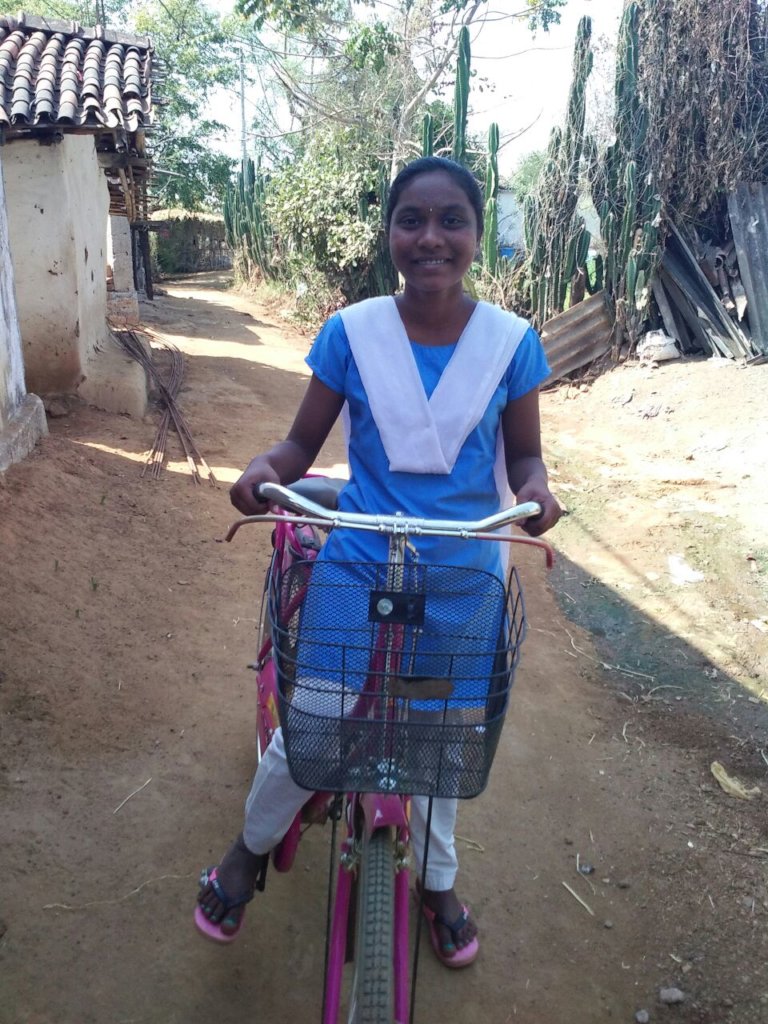
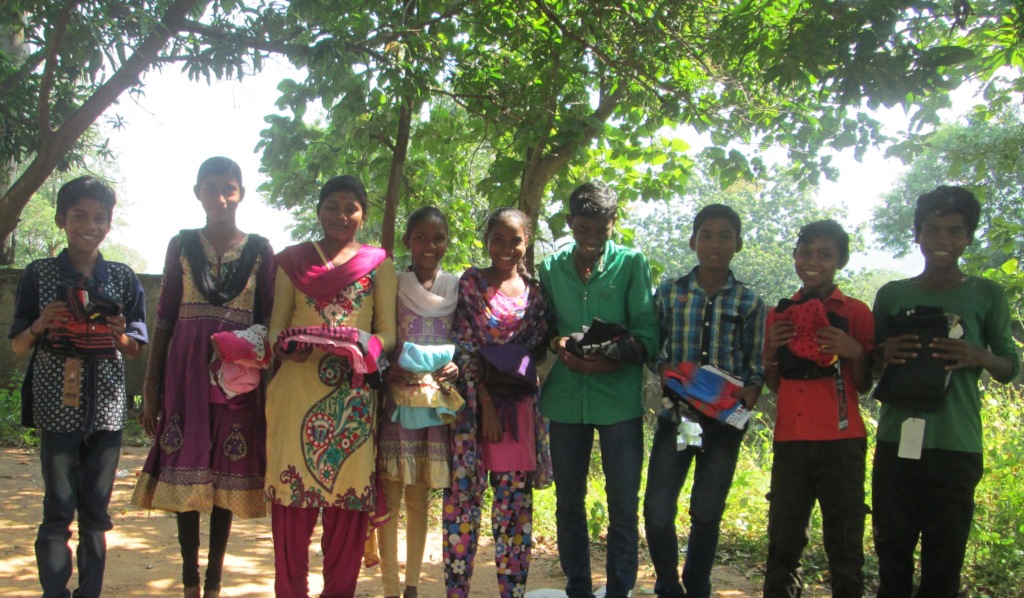
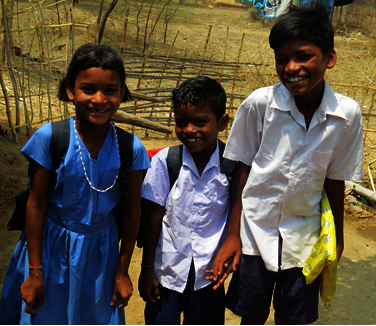
During the period 150 children got need-based support from project initiative and through individual donation. As per the need analysis of the care plan, they have been supported with food packets, dress materials, education materials, fees, coaching classes and health needs.
Family Visit /Counseling Support:
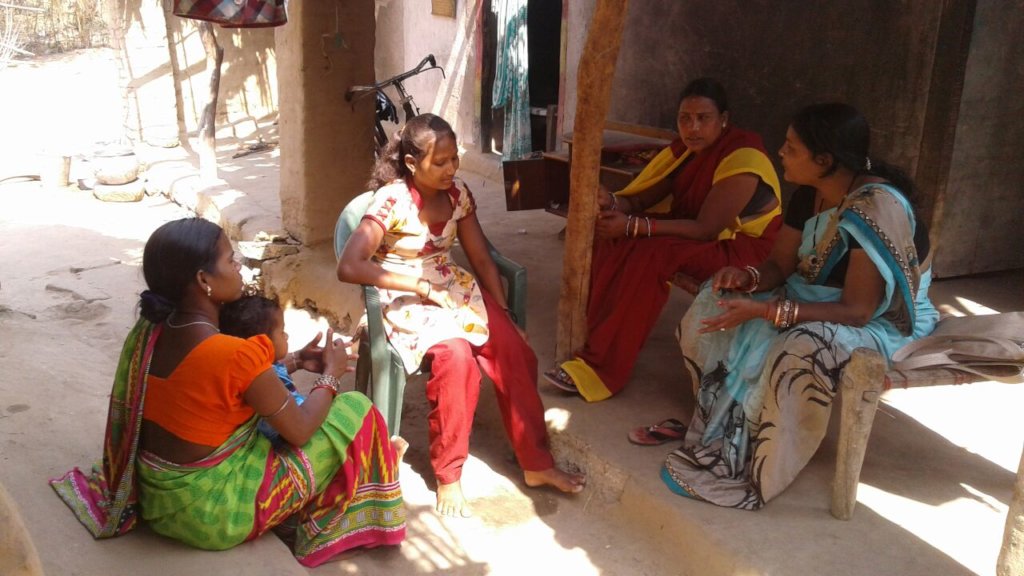
All the children are in family based care. The major focus of the project is to ensure that all children continue their study. During the period, regular follow up & family visit is going on so that children do not get dropped out from schools. During the period, the social worker supervised their academic progress records and discusses with the parents and teachers. All the 150 children are going to school and tuitions regularly.
On regular basis, counseling and psychosocial support helps to the children to come out from the depression & traumatic situation.The random counseling by the staffs of YCDA has brought a tremendous change among the OVC children’s in the families.
During the period Regular health check up of all supported 150 children is done. Immediate health problems of the vulnerable are addressed and special cases are taken care off.
Capacity building training Camps for Children:
The camp creates the opportunities for the children to gain various life skills (Interpersonal relationship, self awareness, critical thinking, decision making, problem solving, effective communication, creative thinking) and knowledge on their four rights, responsibilities. This camp also provides equal opportunity to the children to enhance their capacity and make them efficient to create leadership quality and enhance leadership quality. The camps will focus on ensuring that children will plan activities focusing on accessing their four rights (Survival, Protection, Participation and Development).
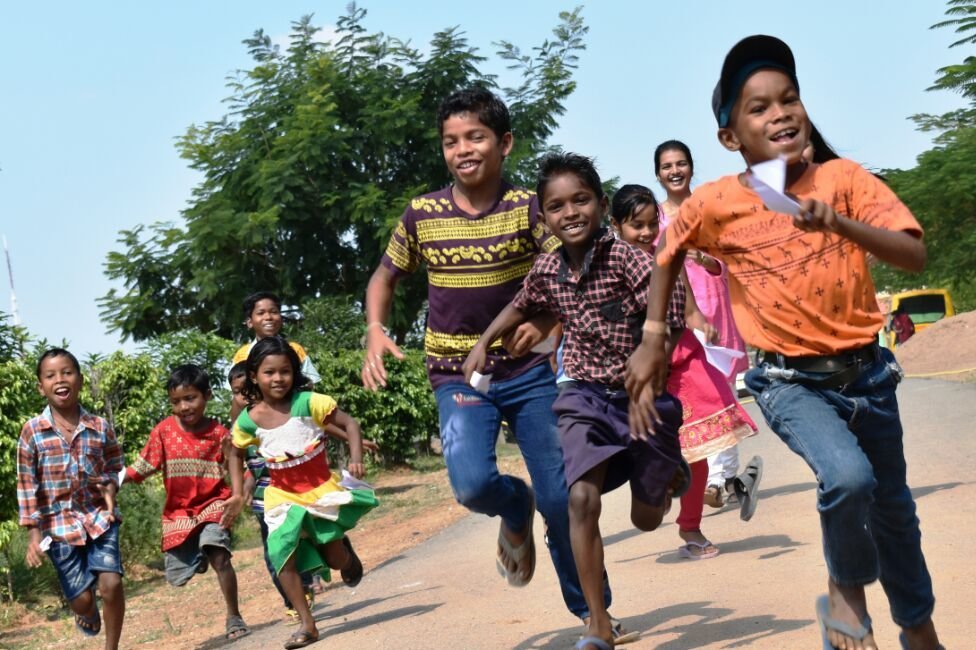
During the training camps, 150 children are regularly attending the camps and have got opportunity to know their rights and responsibility; Particularly the issues of discrimination and inequality among the OVC children get reduced through the discussion and bring to the solution the issues like drop out, school irregularity and issues of the school environment, gets opportunity to get support and develop life skills for their day to day life
Family strengthening /Capacity building Support:
Household economic strengthening aims to reduce a family's vulnerability to poverty, increase economic independence, and improve people's ability to provide for their children 100 of families has been supported through income generation activities and 69 increase their income . As a result children are getting more care and support from caregivers.During the period , 42 nos. of families also have been linked in different govt. social security schemes i.e Housing schemes, Labour card, Ration card , Old age pension & Widow Pension schemes and availed the benefits of it
During the period we provide training and orientation on parenting skills to the 100 care givers so that they could actively take care of the children. All the care givers gain knowledge and skill on parental care, personal health & hygiene. They are now using the tips learnt from the training in their day-to-day life.
Story of a Child’s life:
A boy of village Kampra in Boudh district had a horrible early childhood as his father committed suicide, when he was barley 21days old. All this had a devastating impact on the child. Two years later his mother also committed suicide. The child started to stay with his elder brother .worse his bother also died two years ago after six months of his marriage.Affected by tragedies one after another, the child was shattered emotionally and there was nobody in the family to look after him. After the death of his father, the child became parentless and vulnerable.
The concept of Foster Care and the four child rights under UN Convention has been discussed with the member of village child supervisory committee. Then after a Foster Carer has been identified and the child used to come and mixed with them .He however stayed there with another person of the village for some times. Few days later the child told the YCDA members in a meeting that he would stay with the Foster Carer and family members and since then he is staying with the Foster Parents, who has also two children of his own.
In the presence of Boudh district Child welfare committee (CWC) member, besides the representatives from YCDA and villagers, the two persons named Asit and Sita (name changed) agreed to become his foster parents.The village child supervisory committee sought the opinion of the Child wherein he indicated to stay with the Foster Parents. YCDA provided financial support and other support to the guardian for taking care of the Child.
Earlier the Child welfare committee members also paid a visit to the house and to see the condition.
Now, The Child was very happily living with the Foster Parents and taking them as his own parents. The Parents are taking care of him very much. The child is reading in Class- VIII and taking interest to go to school & tuition regularly.
Thanks to Supporters & GlobalGiving to bring hope to our life…
Let’s join hands.....
To ensure Every Child live in a Loving and Caring Family
Project reports on GlobalGiving are posted directly to globalgiving.org by Project Leaders as they are completed, generally every 3-4 months. To protect the integrity of these documents, GlobalGiving does not alter them; therefore you may find some language or formatting issues.
If you donate to this project or have donated to this project, you can receive an email when this project posts a report. You can also subscribe for reports without donating.