By Subhrata Jena | Project Contributor
EXECUTIVE SUMMARY
Children without parental care or children separated from their parents usually live in difficult circumstances. These vulnerable Children are the most exposed to poverty, exclusion and discrimination which in turn can cause them to become even more vulnerable to abuse, neglect and exploitation.
We are concerned that each child is different and we need to see each as an individual case with distinct life history and a unique set of current circumstances. The fact is that a child has not reached a particular developmental stage that is average for his or her age may be, but is not necessarily an indicator of neglect, trauma or abuse ,rather there can be different routes to encourage it and support the development of their potential through a proper plan or individual care plan.
YCDA has initiated Alternatives form of Child Care programme with the key focus on care and protection through community based rehabilitation and family focused alternative care to ensure best interest of the child since 2007 in Boudh and Bolangir district in the partnership of SKN.The Netherlands.
In addition to this, for the proper implementation of the programme YCDA now is supporting the children with small individual donation. YCDA plays a pioneer role in promoting non-institutional care in the State like Orissa through community centric child care like Kinship Care, Foster Care, Group Foster Care and Child headed household as its outstanding innovative.
Foster care & Group foster care provides a temporary, safe, stable and nurturing family life experience for a child when the child’s family is unable to provide. Foster care is based on the belief that a family and community is the most beneficial and desirable environment for the healthy growth and development of a child.
The goal of the foster care system is to ensure that a child can be safe, secure and well cared for while a family is in crisis. The intended result is that the child grows up in a safe, stable and permanent home. The first priority is to work with the child’s family so they can provide safety and permanence for their child. This work occurs while the child is in foster care.
Placing a child in foster care gives the child a safe place to grow, either until the family circumstances improve enough to reunite the child with the parents or till a permanent rehabilitation is done for the child. Children are usually sent to foster care when they are deprived of family care due to various reasons.
OUR GUIDING PRINCIPLES:
The two most important attempts such as UNCRC, ICPS serves as a guideline principle for promoting the concept. United Nation Convention on the Rights to the children states that in order to be able to develop his or her personality fully and harmoniously, a child should grow up in a family environment in an atmosphere of happiness, love and understanding .The Integrated Child Protection Scheme in its guiding principle mention that institutionalization of children have to be the last resort as there is a need to shift the focus of interventions.
YCDA FOSTER CARE PROGRAMME :
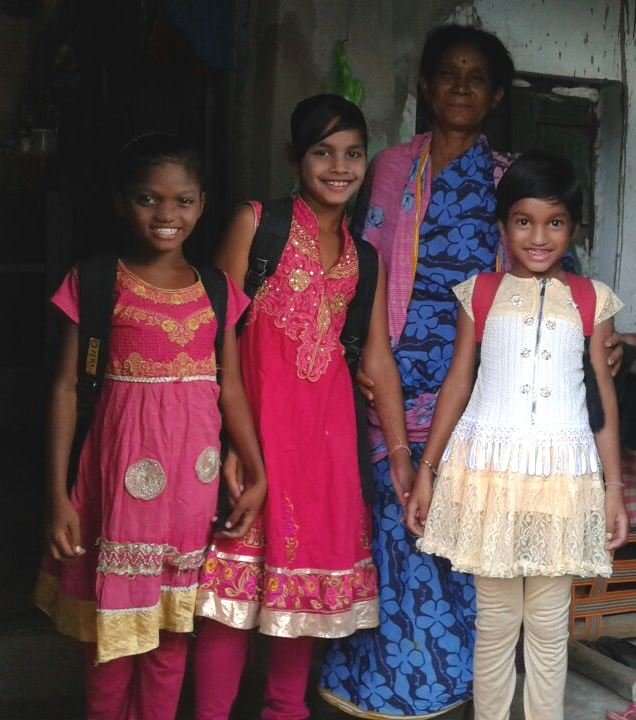
Foster Care is a family based non-institutional child care programme that provides temporary/substitute care for children in difficult circumstances, for example children whose parents are unable to care for them due to illness, death, desertion of one parent or any emotional crisis.
Group Foster Care: Group Foster is defined, as a family setting where a group of unrelated children are placed with fit facility/parents may/may not be having their own biological children
During the implementation of family based care arrangement YCDA has been rehabilitated the more than100 CNCP in Foster care and Group foster care arrangement as per the best interest of the child.
Foster Family care provides a child with its basic needs of Love, affection and undivided attention. A foster home satisfies a child’s essential need for a mother. The shower of attention and care that the child gets from foster family helps preserve a child’s innocence.
PROGRAMME THRUST:
Our thrust is to ensure that Every Child lives in a loving and caring family with dignity.
OUR STATERGY:
Delivering direct services, building capacity of all the stakeholders and making lobby and advocacy at the Micro and Macro level are our underlying strategies through which we have already transformed lives of many children and condition of families. Our aim has been to create a safe environment and make the children combat-ready for any type of situation.
To ensure the safe childhood, continue their education and ensuring all-round developments of the children. During the period we have supported 100 children who are living without parental care and stated intervention with small individual donation and existing project support.
OUR SUPPORT SYSTEM:
Need Based Support : This aims to provide basic needs of survival, development for holistic development of a child. Beginning of the year team assess the need of the children and accordingly need based support is provided. Major focus of project remained on mainstreaming dropouts/irregular in formal school and completion of formal schooling. This support has changed life of children.
Ensure that education systems recognise the particular vulnerabilities of children in Foster care /Group Foster Care and are able to offer adequate support for schooling, psychosocial support and protection.
Health Support: Time to time Regular check-up of all supported children is done. Immediate health problems of the vulnerable are addressed and special cases are taken care of.
Counselling support: Regular follow up/family visit and counselling support is provided to children and families. Counselling support aims to provide moral and professional support to overcome depression, trauma.
Family strengthening support: The Family Strengthening Program involves not just parents or children alone, but the whole family. The families are also linked through different govt. schemes & provisions .Household economic strengthening aims to reduce a family's vulnerability to poverty, increase economic independence, and improve people's ability to provide for their children. As a result children are getting more care and support from caregivers.
Community Engagement: The community have come forward to realize the need of the children who are out of parental care and engagement of the community has been seen as a key to the sustainability of the children living in family based alternative care. The community may well offer protection to the children. This programme has been reflected in adults who have taken an interest in their progress and in opportunities for children to get involved in a range of activities that has been helped to build the self-esteem among the children living in family based care.
IMPACT OF THE PROGRAMME :
KEY INTERVENTION DURING HTE PERIOD:
Promotion of Group Foster Care:
As per the JJ (child care and protection) Act, 2015 every child has the right to a loving and caring family. It has been proved that a child’s growth and development is solely dependent on the magnitude of the love and affection he/she receives in the family.
So far the Alternative Care System is concerned; the State of Odisha has started to address the ICPS since 2012.Gradually the focus was changed from the institutionalization of children to a family based care system. Though the adoption and sponsorship programme was priority for the state and district but the other alternative care arrangement was the less focus.
Whenever the child is produced before the CWC they directly prefer for the institutionalization .The knowledge on Foster Care or Group Foster Care arrangement was absolutely less among the DCPU or CWC across the state and districts. There was no guideline no literature on foster care either in state or district.
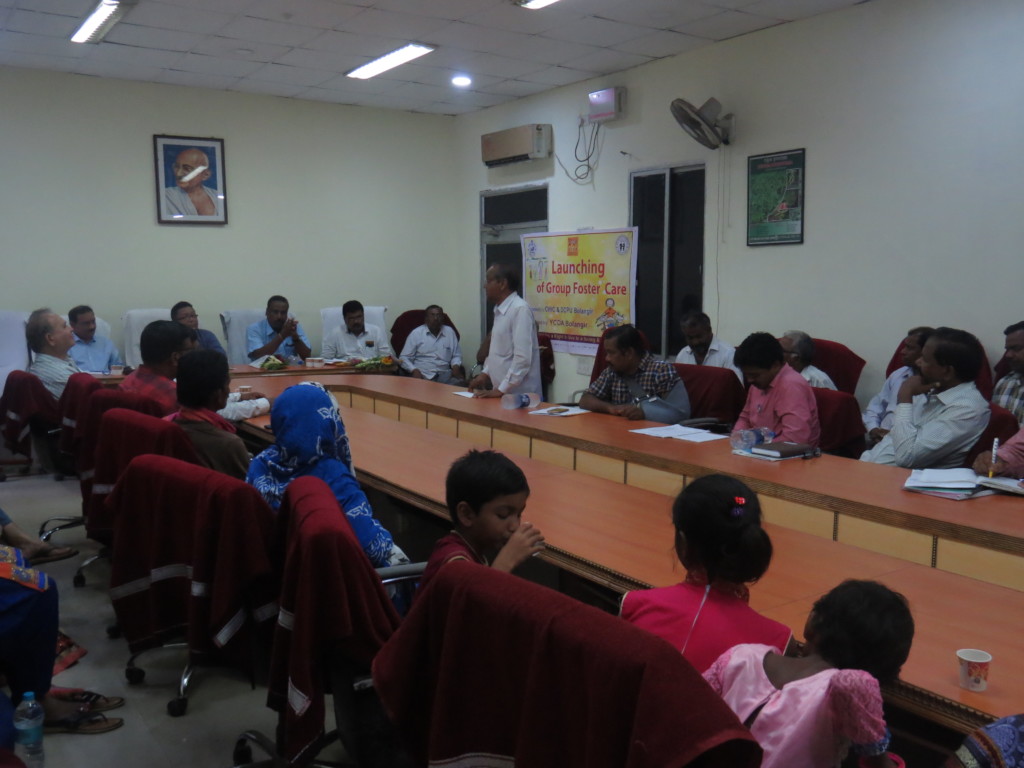
The technical support was provided to the stakeholders like to CWC, DCPU and the district administrative to take the initiation of the group foster care arrangement. Two -three times round table meetings were conducted, both policy and guidelines for Foster Care was discussed & facilitate the exposure to the statutory bodies to the informal foster families.
Finally, with the support of YCDA legally Group Foster Care Arrangement was launched and 5 children approved by the CWC were placed in the group foster home in Boudh & Bolangir districts first time in Odisha. Now, State has taken it as the success on Promoting the Alternative Care Model (Group Foster Care) for the children as per their best interest.
Family Visit & Counselling support :
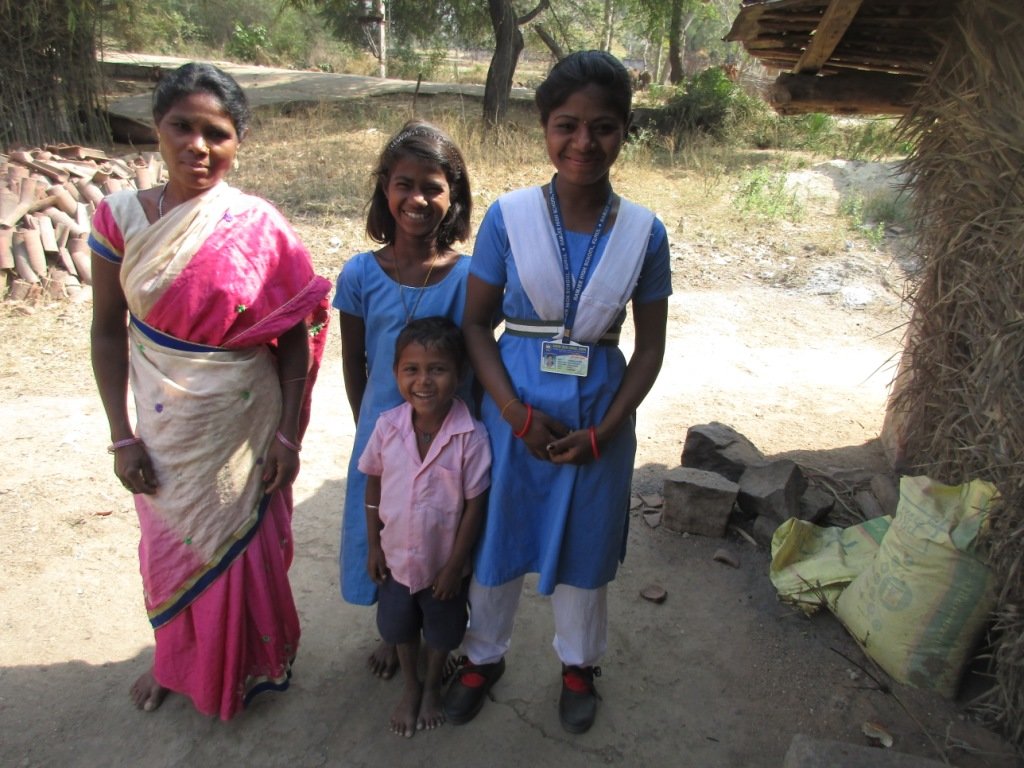
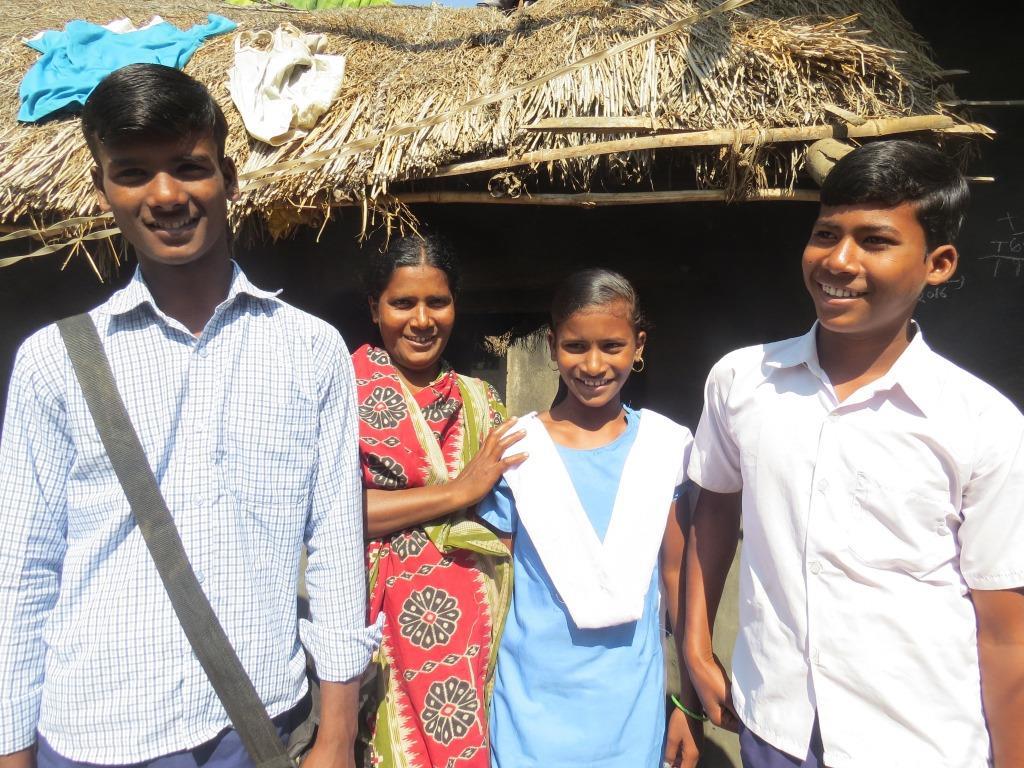
100 Children are getting the counseling support in regular basis, the individual counseling impacts on the children resulted to make the children regular in school. Follow up visit and monitoring is the major part of the program to strengthen the system. The social worker regularly visits the children, care givers and counseled them. All the 100 children are in family based care.
The social worker supervised their academic progress records and discusses with the parents.All the 100 children are doing preparation for their annual examination which is in next months. The children are going to schools and tuition regularly. The social counseling and psychosocial support helps to the children to come out from the depression & traumatic situation. During the visit, tips to the caregivers have been provided to meet the needs of the children.
Educational materials, monthly tuition fees and other need based supportswere provided to the children regularly during the period.Teachers are tracking the education development and share the progress to the Guardian & Village child protection committee.
Need Assessment & support to children:
This project aims to provide basic needs of survival, development for holistic development of a child. Beginnings of the year team assess the need of the children and accordingly need based support is provided.
To assess the development of supported children, YCDA staffs visited all 100 children along with a structured tool. VCPC, particular child and community participated in the process. It helped the team learn the impact of support, challenges, and thereafter take appropriate action. 100 children were assessed to continue to get need based kind support. A family’s situation is reviewed quarterly and an action plan is made as per their need. Children need various types of support ranging from those things necessary for survival, such as food and health care, to those interventions that will provide a better quality of life in the future such as education, clothes, shoes, psychosocial support and economic self-sufficiency. During the period Medicine support, Education study materials, school bags, tuition fees, food packets, dresses, and sweaters as per need supported all 100 children.
Annual Meet with Children & Stakeholders:
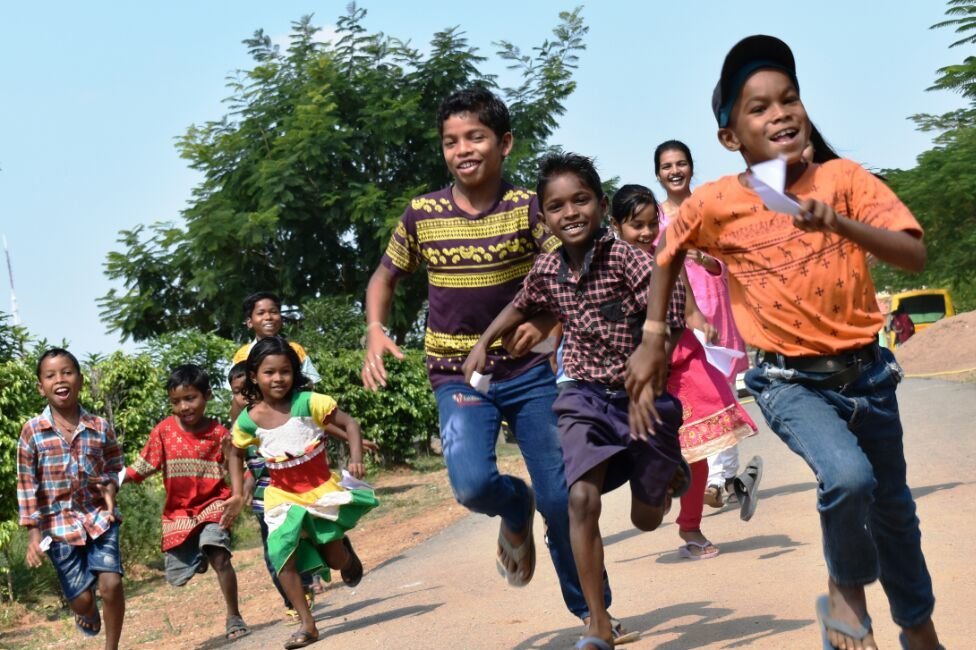
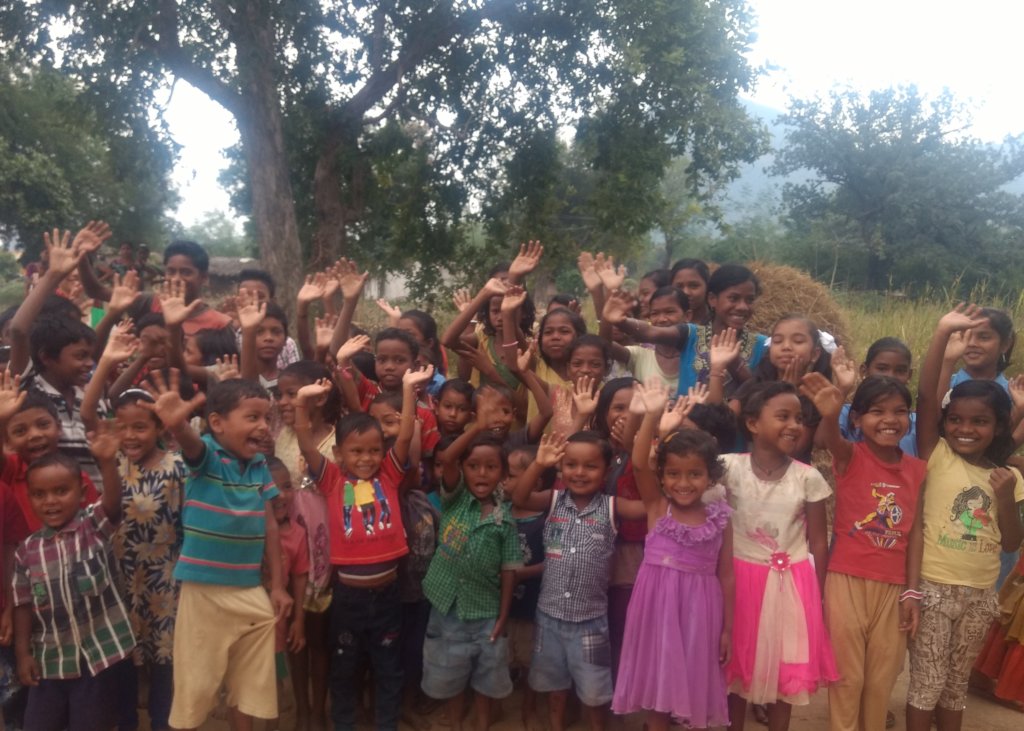
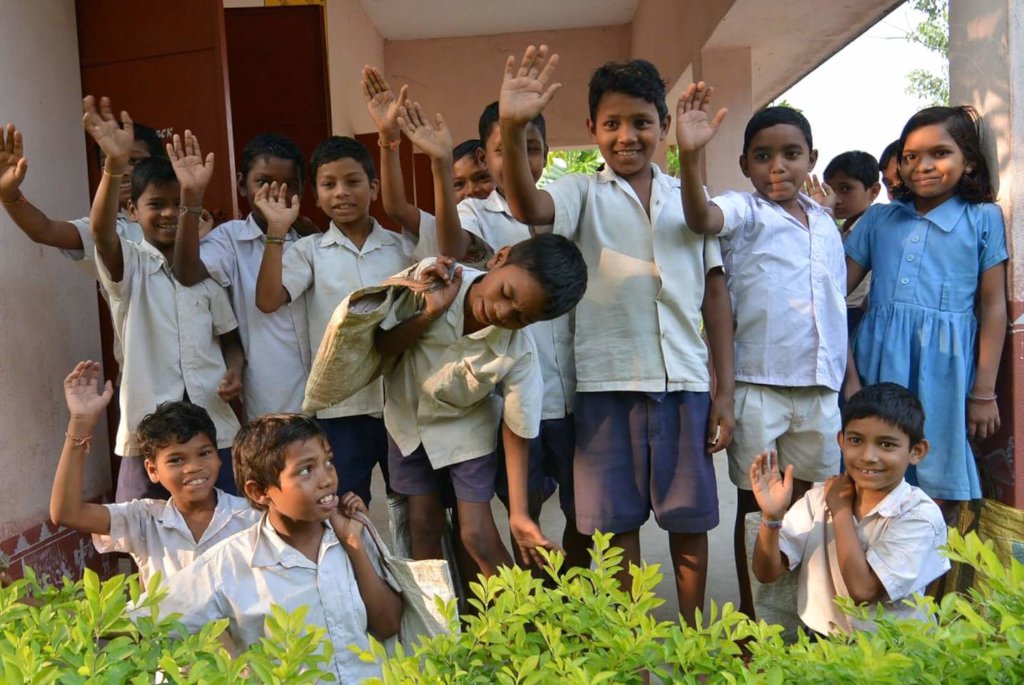
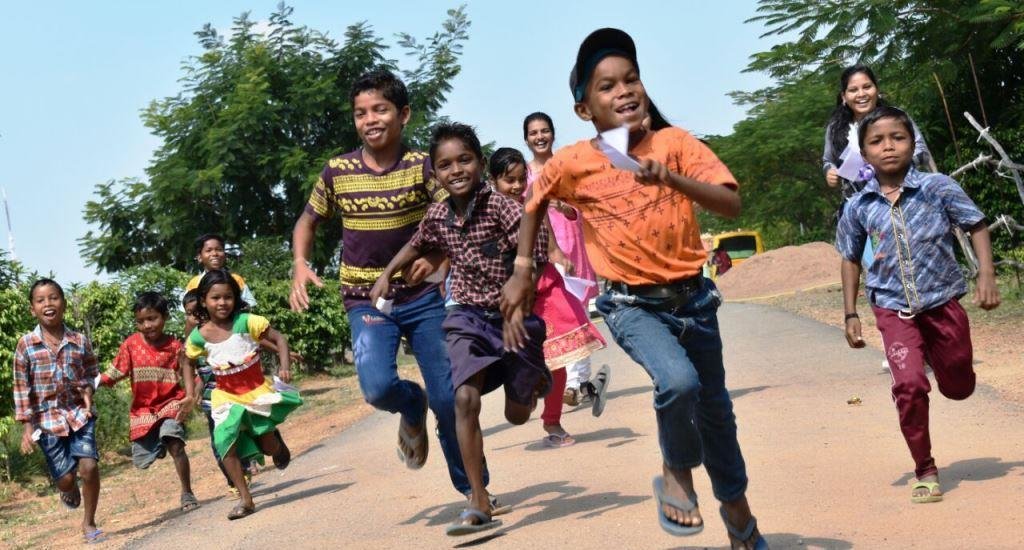
Annual event with stakeholders is a child-friendly picnic-type programme organized every year to let all our supported Orphan & Vulnerable children to gather at a particular place to spend some time together with joy and happiness.
All key stakeholders like the Panchayati Raj Institutions (PRI) members, District Child Protection Officer (DCPO), Teachers, Accredited Social Health Activists (ASHAs), Angan Wadi Workers (AWWs), caregivers and other persons of the community attend the programme.
Through this programme,, we normally take utmost care to create a child-friendly atmosphere where children can enjoy to the fullest, provide a platform where children can showcase their hidden talents, let them know many new things relating to their rights and protection and enable them to know each other and maintain relationship with their peers coming from different areas. Through this programme children learnt from each other’s and also shared their experiences and threats.
Family Strengthening:
Family strengthening is the major part to bring sustainable changes of the foster family and child.
The social worker visits the family regularly and in order to strengthen the capacity of the families helps to avail the benefit from govt. schemes. During the period 72 nos. of families have been linked with mimimum 5 schemes i.e NFBS, Old age, Widow Pension schemes, CWWB, Prahdan Matri Awas Yojana and availed the benefits.
For family strengthening programme YCDA provide revolving fund support to run the income generation activities. During the period 15 nos. of new families, Total 65 have been supported by revolving fund for income generating activities like Vegetable cultivation, Vendoring, Poultry, Puja shop, Rice processing, Grocery shop etc. which can allow the families to earn additional income.
Staffs visit to the family and giving the hand holding support for taking forward the Income generation activities and bank linkages for the socio economic development of the families. It also generates interest on the savings for the children.
My Story.....
Hii!!!!
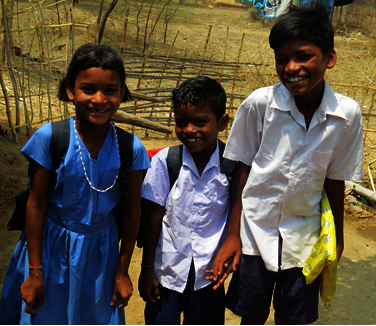
I am reading in class III and love to go to school .Enjoy a lot with my friends in village and school.
I lost my mother and father when I am too small .when I open my eyes I see my Uncle & Aunty and tell them as Maa & Bapa. They treat me as their own child and fulfill all my needs. i have a brother also, with whom I love to play and share my things...
Thanks to support Us & Full fills Our Wishes…
Thanks to Global Giving
Project reports on GlobalGiving are posted directly to globalgiving.org by Project Leaders as they are completed, generally every 3-4 months. To protect the integrity of these documents, GlobalGiving does not alter them; therefore you may find some language or formatting issues.
If you donate to this project or have donated to this project, you can receive an email when this project posts a report. You can also subscribe for reports without donating.