By Geoffrey Anguyo | PROJECT LEADER
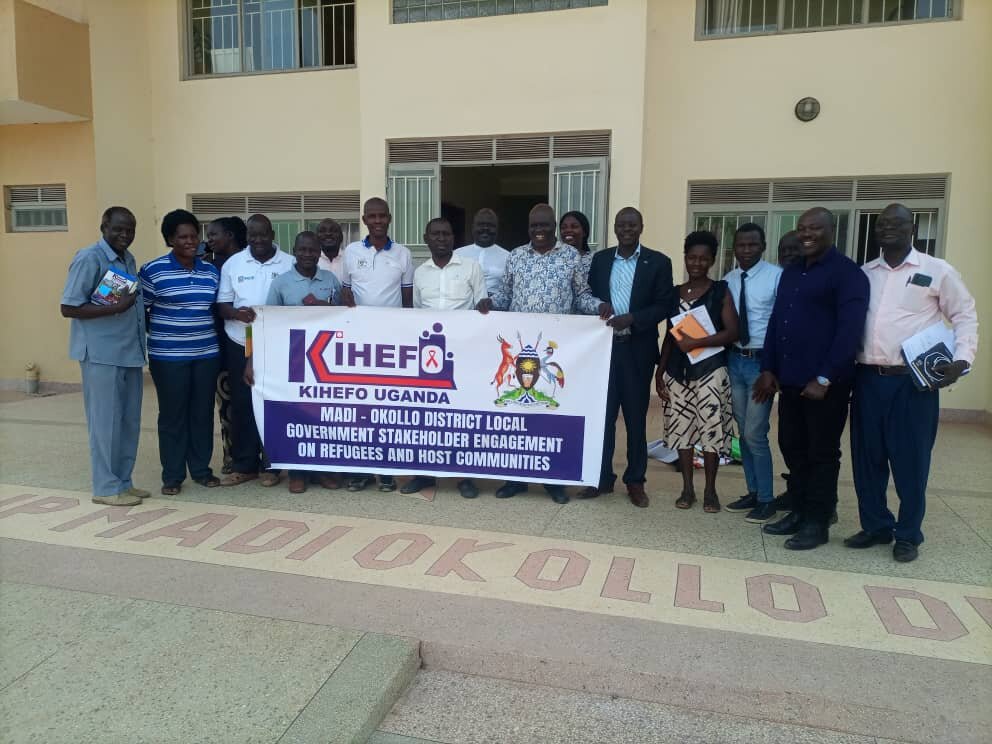
Kigezi Healthcare foundation organized a stakeholder engagement with about 30 district leaders in the refugee hosting district of Madi Okollo to assess the progress of the existing service delivery and also identify gaps that could help the partners to better deliver services to the rural communities. The engagement focused more on the identification of critical areas that need urgent attention especially health care to the most vulnerable communities using the mobile clinic approach.
In Uganda, refugees face significant barriers to healthcare access. According to the World Health Organization (WHO), the experience of migration is a key determinat of health, yet refugees remain among the most vulnerable groups due to discrimination, poor living conditions, and limited access to health services. Common health issues among Uganda’s refugee population include upper respiratory tract infections (23%), malaria (19%), and lower respiratory tract infections (7%). Non-communicable diseases and mental health conditions, though less prevalent, are growing concerns. Other health challenges include skin conditions and gastrointestinal illnesses caused by inadequate washing facilities and poor sanitation.
Among Ugandan refugees, the leading causes of illness remained upper respiratory tract infection (23%), malaria (19 %) and lower respiratory tract infection (7%). Non-communicable diseases accounted for 5% of consultations while mental health services made up 2 per cent. Other common health conditions seen in refugee camps include hypothermia, burns and gastrointestinal illnesses. Skin conditions, including scabies, and the spread of parasites due to a lack of washing facilities and clean bedding are widely reported
Both refugees and host communities face significant health challenges including widespread communicable diseases like malaria and upper respiratory tract infections, poor sanitation-related issues like skin diseases and gastrointestinal illnesses, inadequate access to mental health services, malnutrition, and a strain on already overstretched healthcare facilities due to large refugee populations, all exacerbated by limited resources and funding shortages.
Project reports on GlobalGiving are posted directly to globalgiving.org by Project Leaders as they are completed, generally every 3-4 months. To protect the integrity of these documents, GlobalGiving does not alter them; therefore you may find some language or formatting issues.
If you donate to this project or have donated to this project, you can receive an email when this project posts a report. You can also subscribe for reports without donating.



Support this important cause by creating a personalized fundraising page.
Start a Fundraiser