By GEOFFREY ANGUYO | PROJECT LEADER
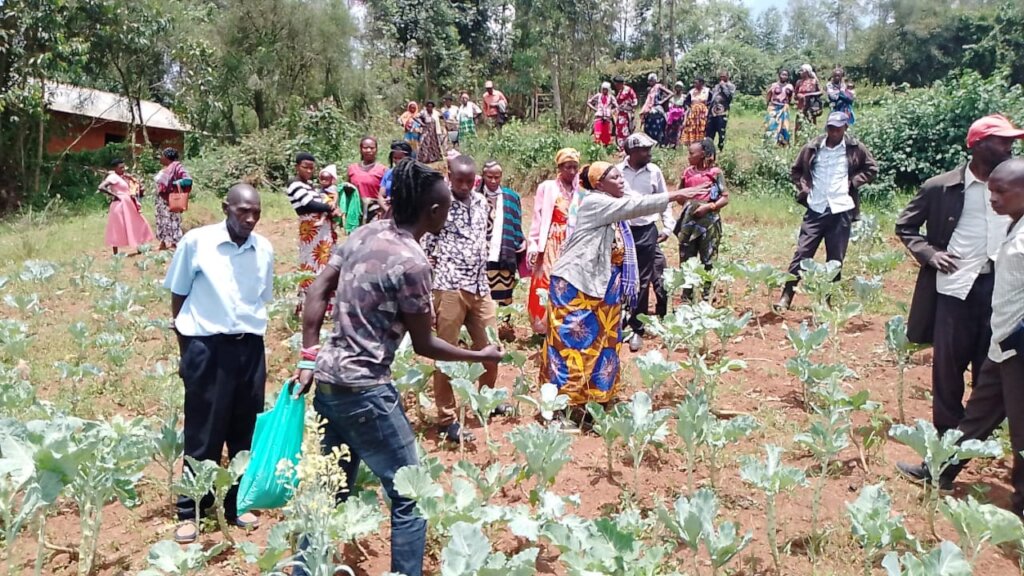
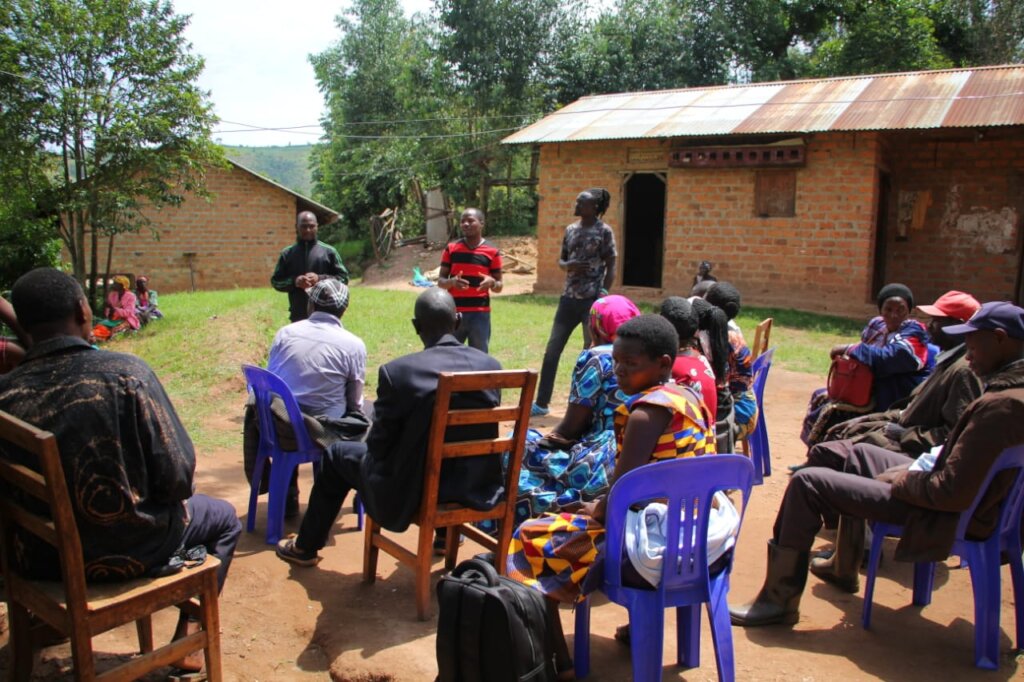
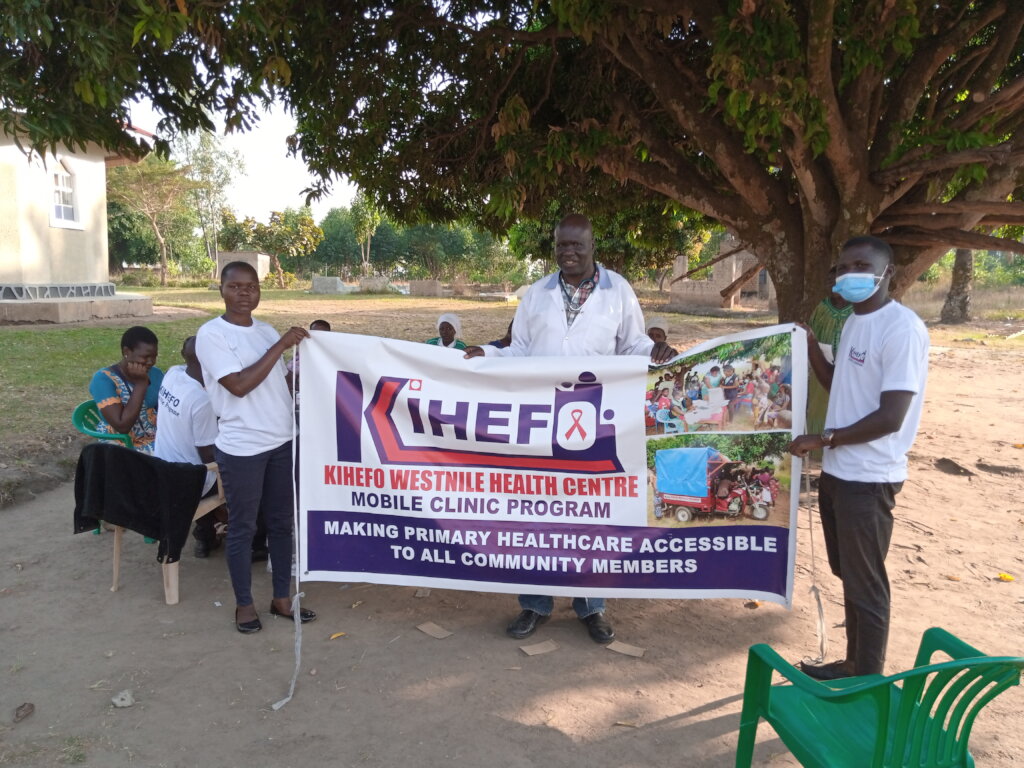
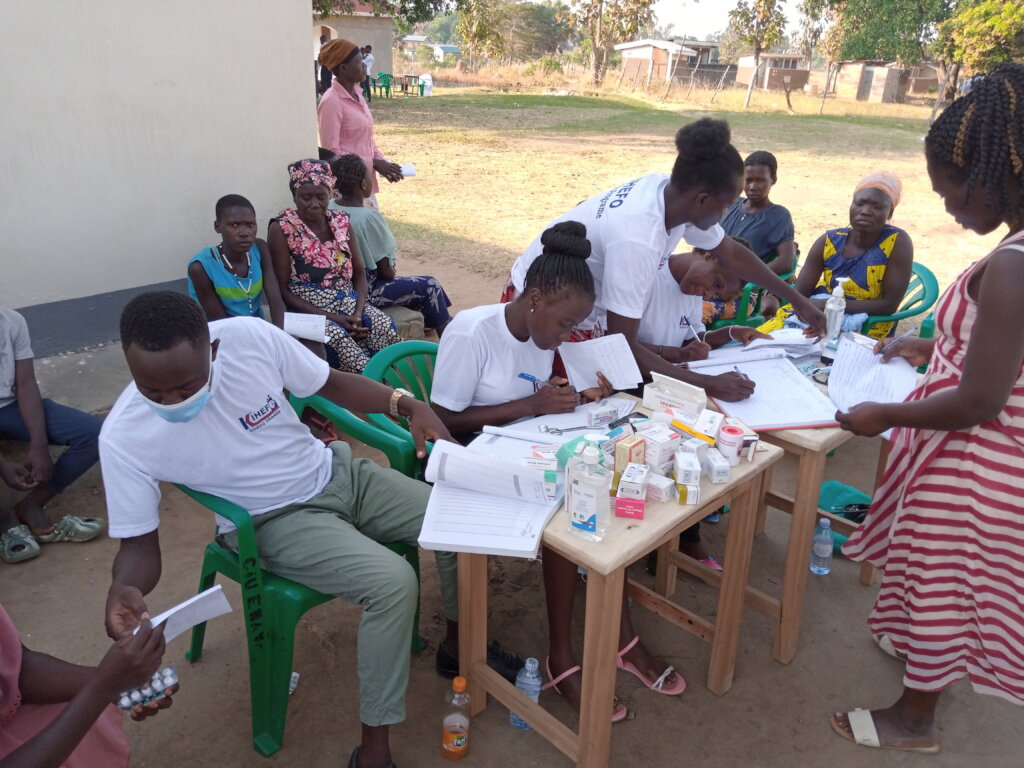
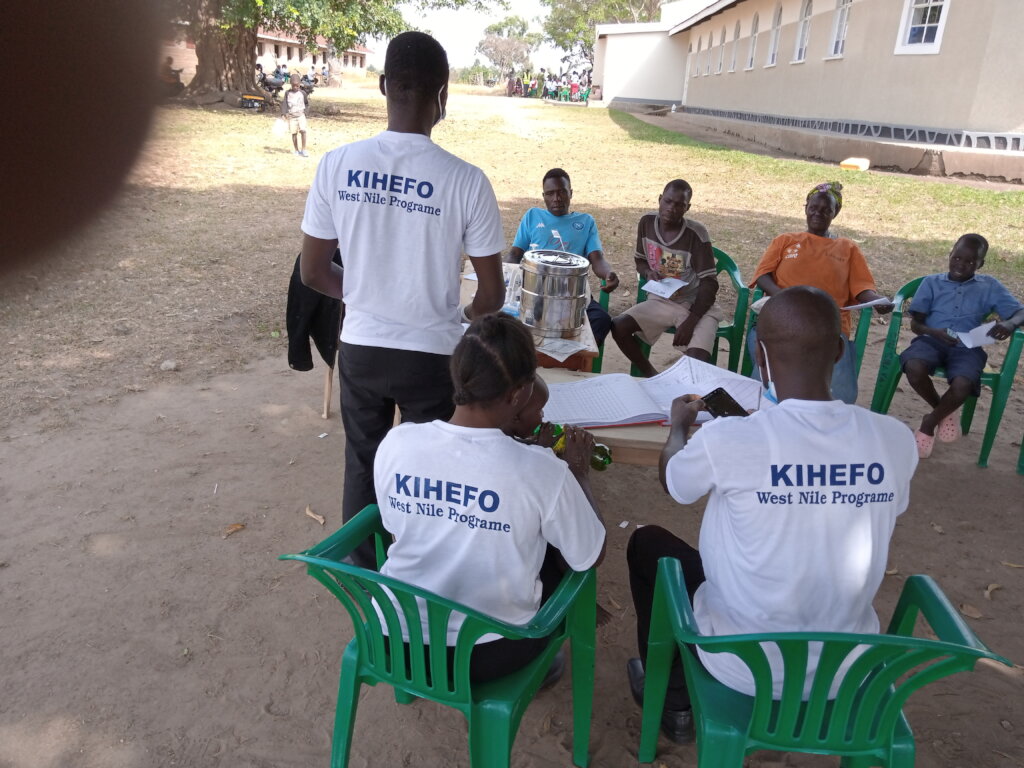
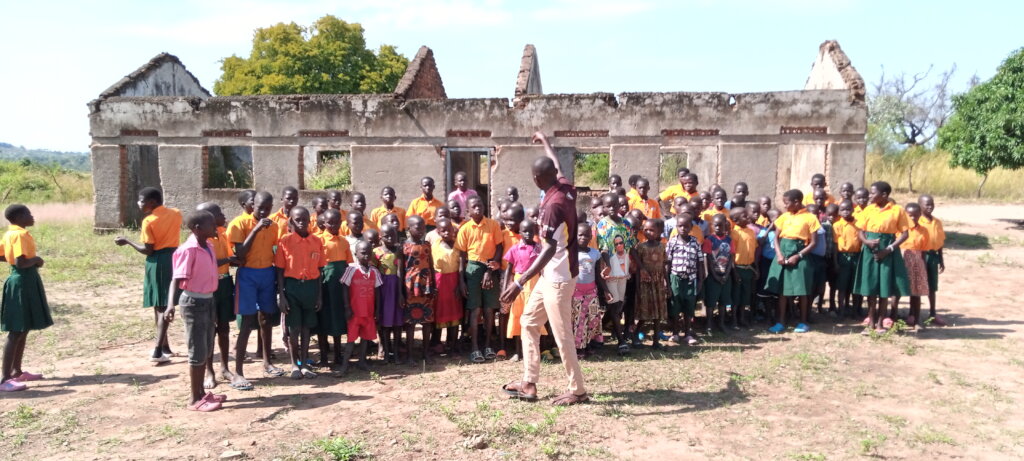
In the last 15 years refugees from South Sudan and Democratic republic of Congo have occupied the North Western Region of Uganda (West Nile) in large numbers. By August 2017, nearly one million people had been displaced, the vast majority to the West Nile sub-region in Uganda’s northwest. Though the country has upheld its longstanding commitment to displaced people by settling these refugees outside of a camp structure, allocating land, and allowing freedom of movement, the sheer number of the displaced has strained services, degraded natural resources, taxed local coping mechanisms, and threatened the ability of the government and international partners to manage South Sudan’s exodus. The humanitarian emergency that has unfolded in West Nile has only compounded long-standing difficulties within the sub-region’s development. Before the influx, Northern Uganda had some of the worst indicators of multidimensional poverty in the country. The health infrastructure in this region is in dire need. KIHEFO West Nile Health program has developed a mobile clinic approach to reach out to the rural communities outside the formal refugee settlements. Over 500 people have so far been reached in the last three months and the need is growing rapidly. The focus has been of screening for both infectious diseases like Malaria, TB,HIV among others and non-communicable diseases like Hypertension, Diabetes, Cervical Cancer, breast cancer and prostate cancer. Agricultural development has suffered with the collapse of the cotton sector and diminished productivity due to poor agricultural practices. Before the crisis across the border, the majority of the population, like many of the newly arrived refugees, was engaged in subsistence agriculture amidst crumbling schools, poorly stocked health centers, broken roads, and nearly inaccessible markets. The huge influx of people into the West Nile sub-region threatens to collapse these health and education services, heavily degrade the natural environment, and raise tensions around the allocation and control of valuable resources. Uganda’s policy is integral to building strong host communities and establishing a solid foundation for eventual return. The international community, however, must be realistic. The conflict in South Sudan has no end in sight, and as long as violence rages alongside reports of brutal human rights violations, refugees will not return. Even if the conflict ends in the near future, refugees will analyze their own risks and return slowly and in a piecemeal fashion. Planning, therefore, should be multisectoral and innovative to easily adapt to the local conditions. Though it is greatly strained, Uganda’s policy towards refugee integration and support is a model in a time of unparalleled displacement worldwide. It is by no means perfect, nor will it be going forward. The process of refugee hosting will present significant challenges as well as important opportunities for the peoples of West Nile. Markets will expand alongside competition for natural resources and pressure on services. If managed well, the benefits could greatly outweigh the consequences and leave the sub-region with better services, better market access, and a higher standard of living. However, without a serious commitment to funding the refugee response and supporting this unique model, it will collapse. However, for the moment, they have no choice in their displacement, and little hope for a rapid return. Planning for a medium-term displacement, and funding that response, will go a long way in mitigating some of these challenges. Our focus will continue to be on addressing health challenges through mobile clinics in the rural settlements and Referral of complicated cases for specialized management. Our appeal for more support from our friends and partners will continue.
Project reports on GlobalGiving are posted directly to globalgiving.org by Project Leaders as they are completed, generally every 3-4 months. To protect the integrity of these documents, GlobalGiving does not alter them; therefore you may find some language or formatting issues.
If you donate to this project or have donated to this project, you can receive an email when this project posts a report. You can also subscribe for reports without donating.



Support this important cause by creating a personalized fundraising page.
Start a Fundraiser