By Sheila Cherono | Project Coordinator
SUMMARY
Our community climate actions initiatives continues to grow as we integrate environmental stewardship into our healing and support spaces. This quarter, our awareness programs have focused heavily in practical, localized solutions to enviromental challenges, specifically the power of sustainable land care.
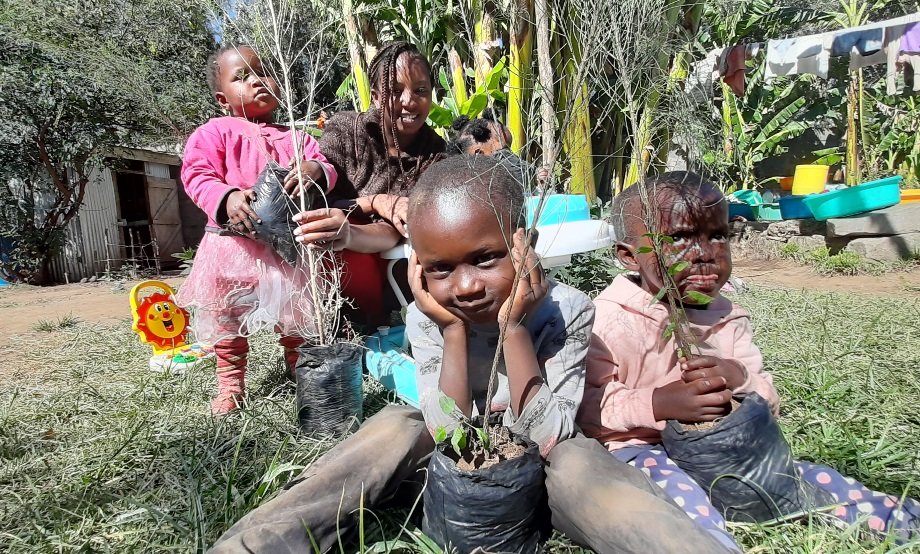
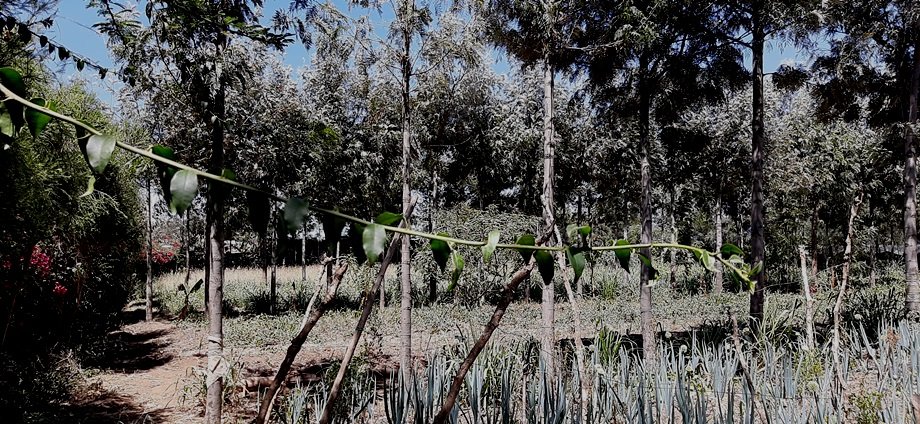
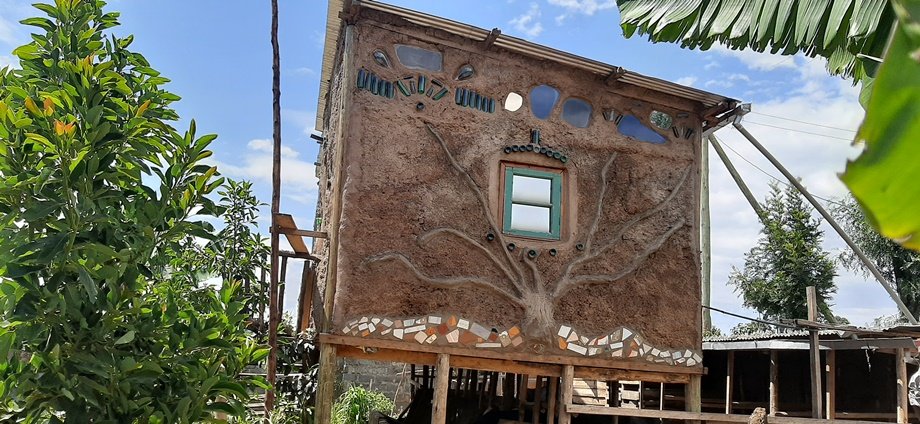
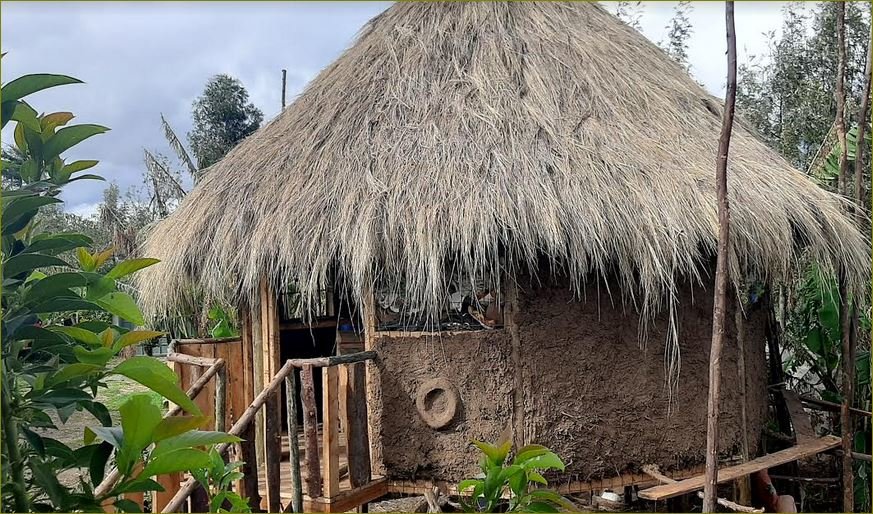
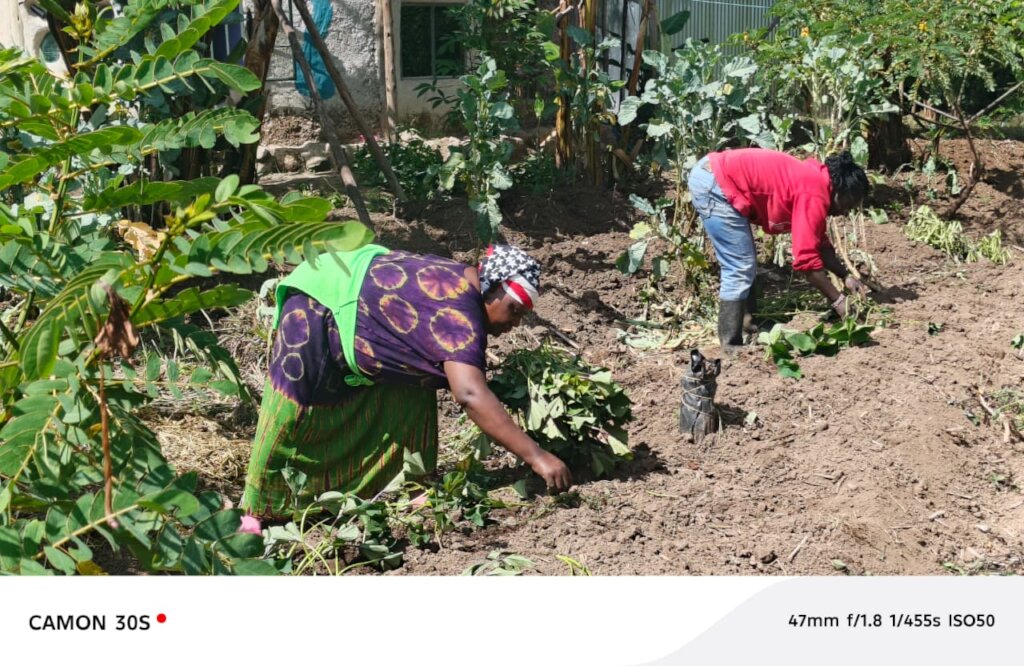
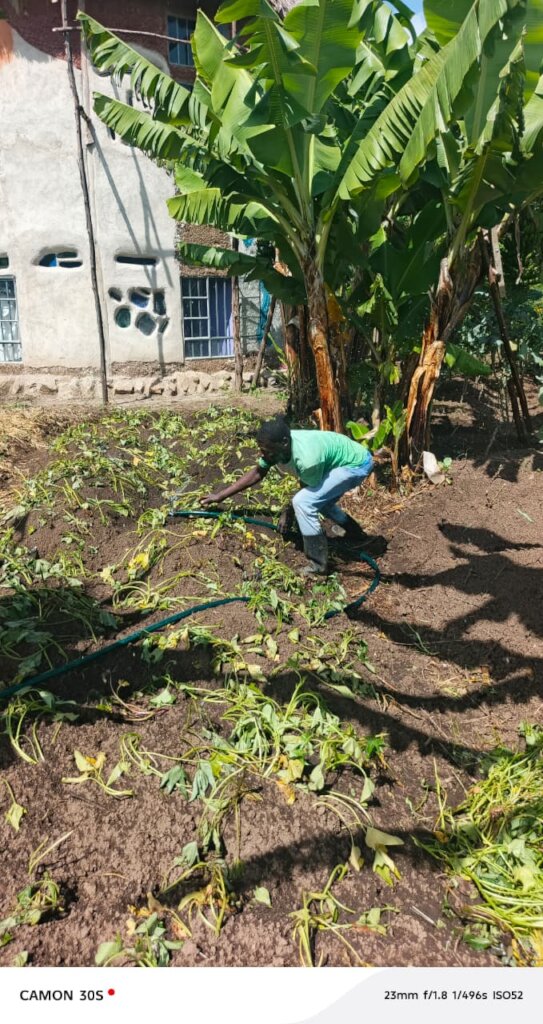
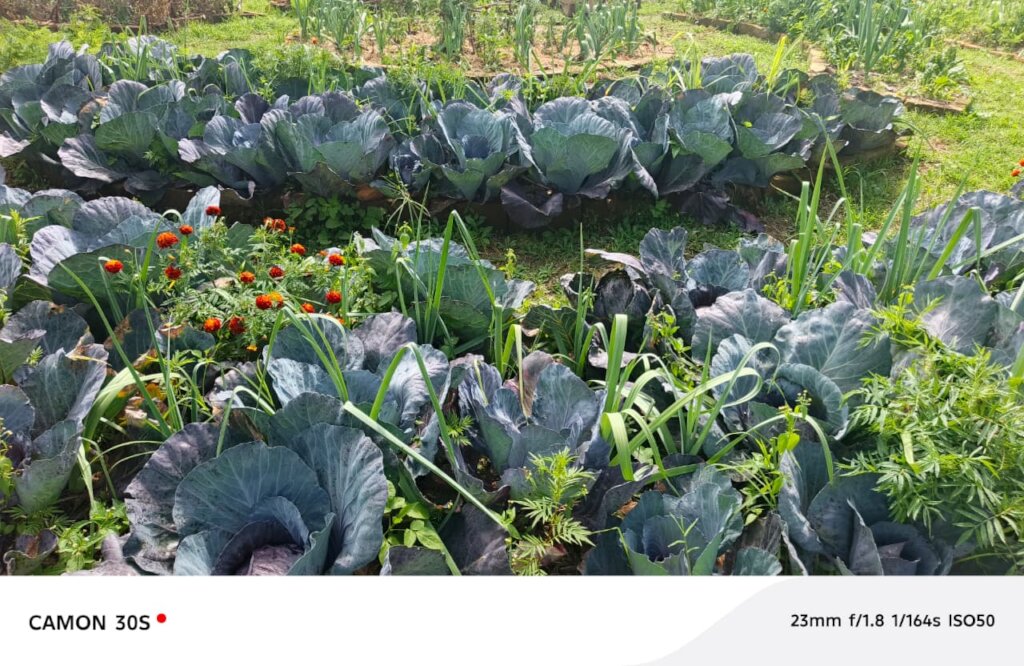
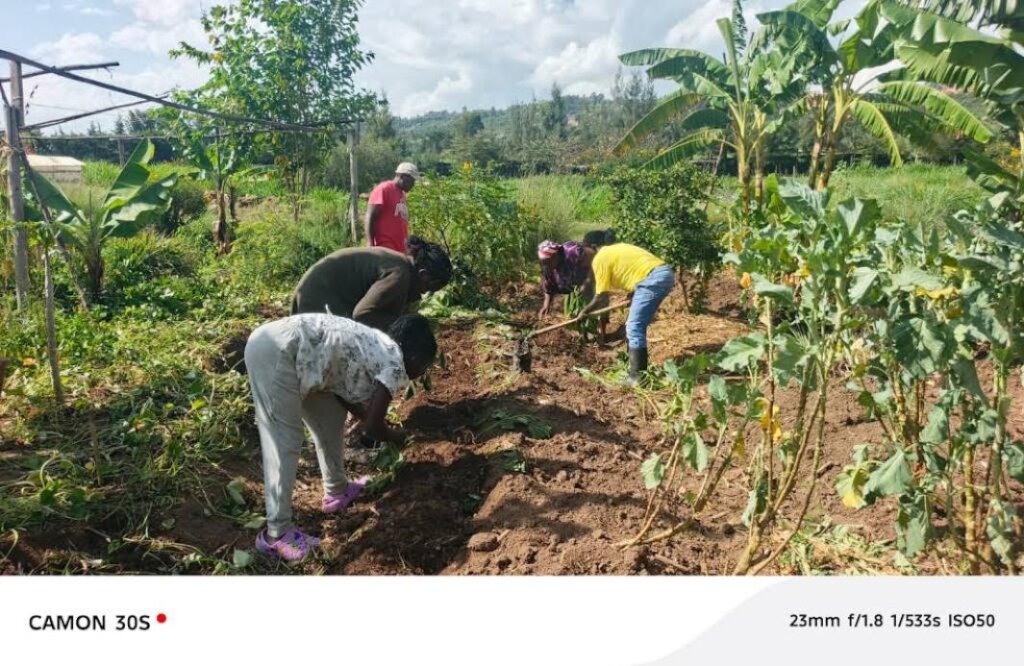
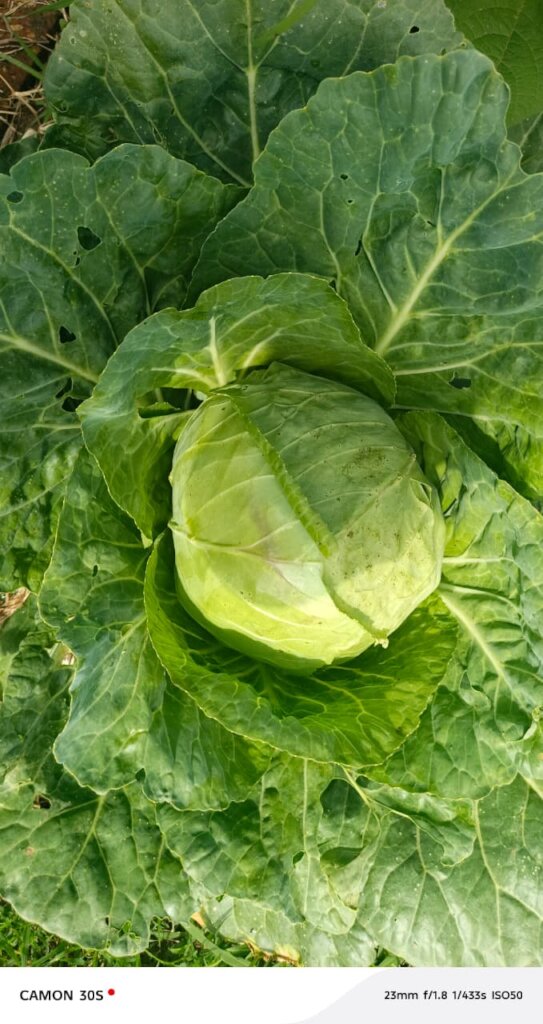
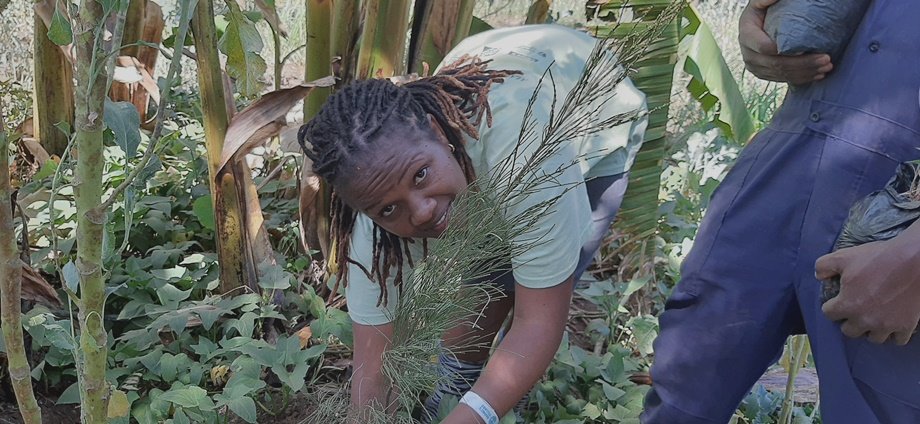
A centre part of this progress involves our hand-on permaculture training sessions. Women are learning how to work with nature to grow food sustainability, conserve local water resources, and restore soil. By educating community members on these permaculture principals, we are not only fostering climate resilience but also providing practical knowledge that enhance long-term food security. These green spaces serve as a powerful reminder that community healing and enviromental care can go together.
CHALLENGES
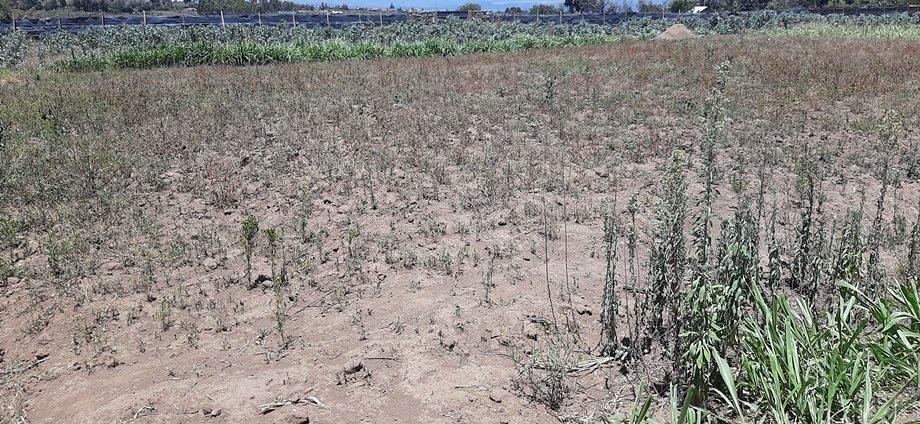
Our main project faces a natural dry, semi-arid climate with limited rainfall and restricted water access. Additionally, the sorrounding region is heavily dominated by large scale commercial flower farms. The intensive agricultural chemicals used by these industries pose a continuous threat to the quality of the local air, soil health, and community water tables. Managing sustaible growth on smaller plot of land while safeguarding our resources remain our primary challenge.
SOLUTIONS
To address this enviromental hurdles, our training focuses entirely on regenerative solutions. We are utilizing permaculture principles to maximaze our limited space through vertical farming and natural soil restoration. Participants are being taught organic composting techniques to revive the soil without chemicals, alongside water conservation methods like rain and ground water harvesting and strategic mulch application to keep the ground hydrated.
LONG-TERM IMPACT
By educating and mentoring women in these practical climate solutions, we are cultivating a ripple effect of environmental awareness across local communities. Overtime, these skills will empower the women to establish their own self-sustaining food forest and implement green practices at home. This directly improves household food security, counters local climate degradation, and fosters a long-term community culture of environment stewardship.
Project reports on GlobalGiving are posted directly to globalgiving.org by Project Leaders as they are completed, generally every 3-4 months. To protect the integrity of these documents, GlobalGiving does not alter them; therefore you may find some language or formatting issues.
If you donate to this project or have donated to this project, you can receive an email when this project posts a report. You can also subscribe for reports without donating.



Support this important cause by creating a personalized fundraising page.
Start a Fundraiser