By Shen Maglinte | Deputy Executive Director
The first was typhoon Haiyan in 2013, and just as we celebrated its first anniversary in November 8, 2014 wishing for this never to happen again, two successive typhoons hit Samar and Leyte in Central Philippines once more. Typhoon Ruby came first and unleashed its fury just before Christmas and typhoon Senyang just before we ushered the new year 2015 late in December. These two typhoons came just days apart on the same month.
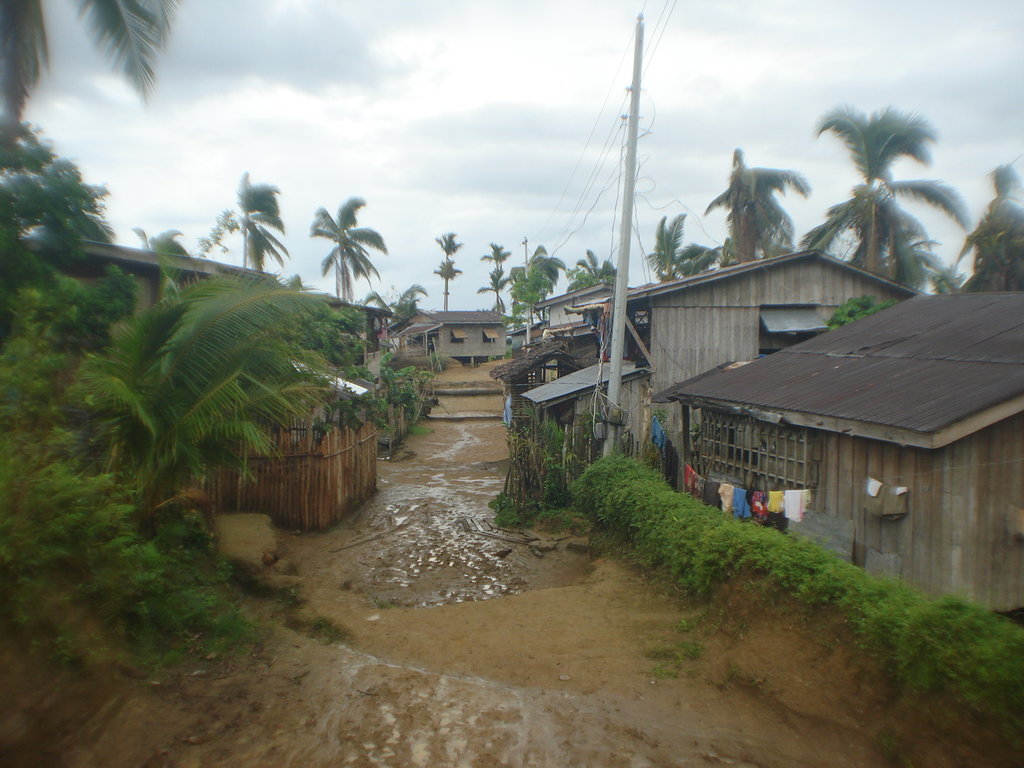
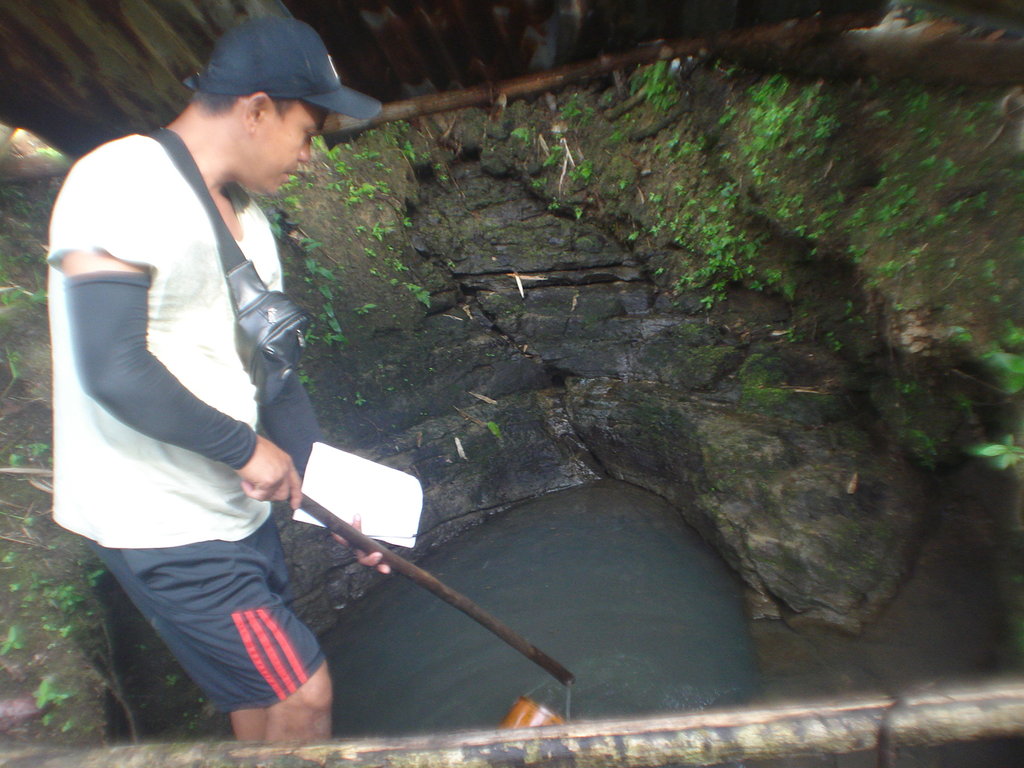
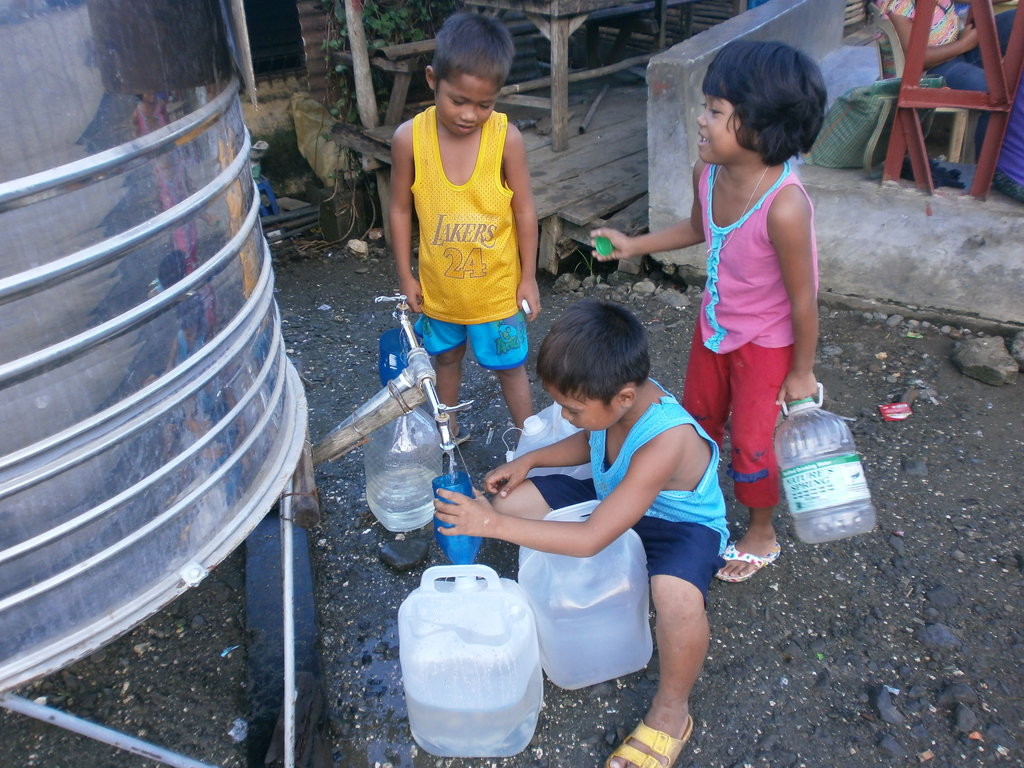
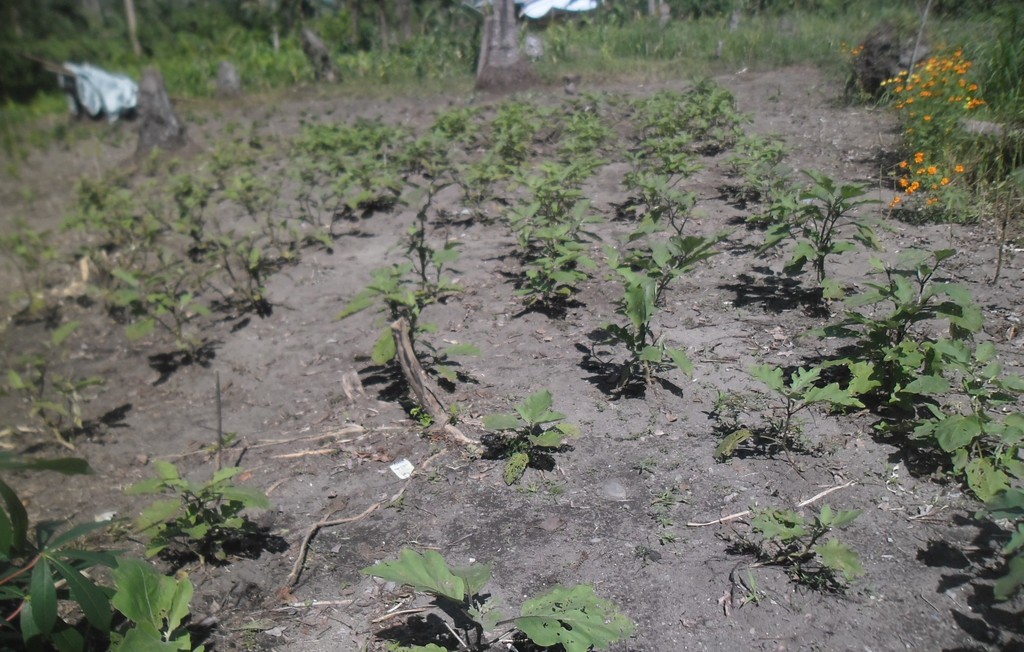
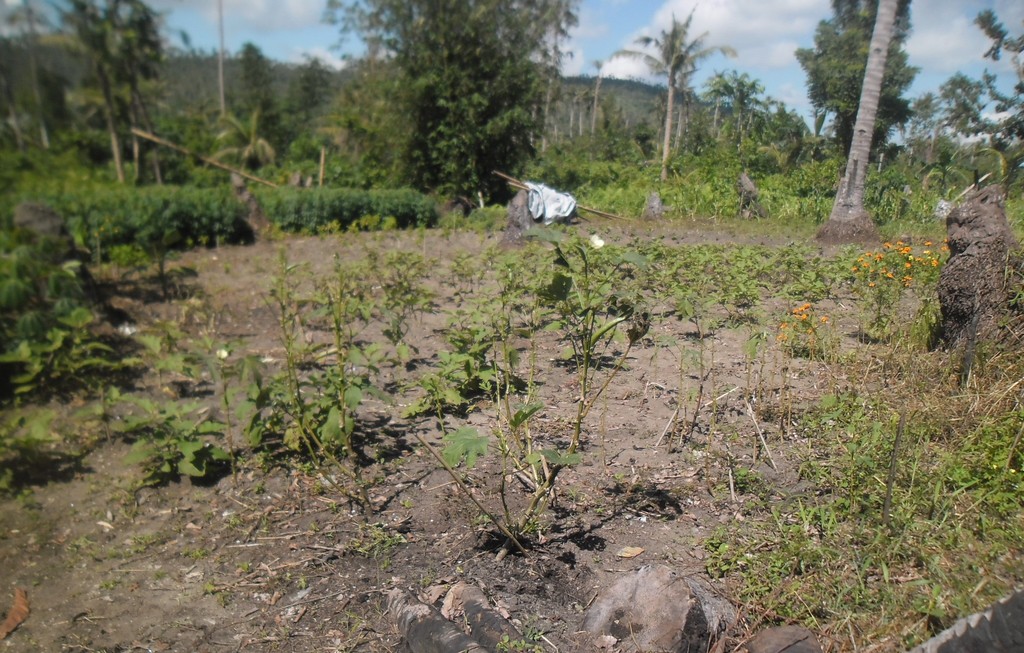
While typhoon Haiyan packed up winds speeding over 300 kph and brought storm surges causing swirling sea water to rise up to 8 meters and smashed land pulverizing everything on its path, Ruby and Senyang though slightly slower than Haiyan carried more rain causing massive floods and fatal landslides. All communities in Tolosa involved in the SIBAT-Global Giving food, water and energy projects were submerged in water. The steadily progressing food production and water rehabilitation work that gained ground would have to go back to square one again. This at least in terms of reconstructing demonstration farms, acquiring new seedlings to plant anew, soil re-fertilization after newly recovered healthy top soil were again washed out by the floods. Water wells would have to be assessed again that might need redrawing and reconfiguration of the distribution system.
We were quite happy then that the typhoon months usually from June-September didn't have any serious storms and thought this year would pass with a gentle breeze and typhoon-path areas can take a breather. But climate change that kept on distorting the weather patterns across the globe can really spring unwelcome surprises. Before the year ended, two successive typhoons bid 2014 goodbye with a swath of devastation brought about by floods and landslides killing some people. It did happen just when Haiyan victims have learned the rudiments of non-chemical food production technologies and have started creating their own food and conquered queuing for food relief.
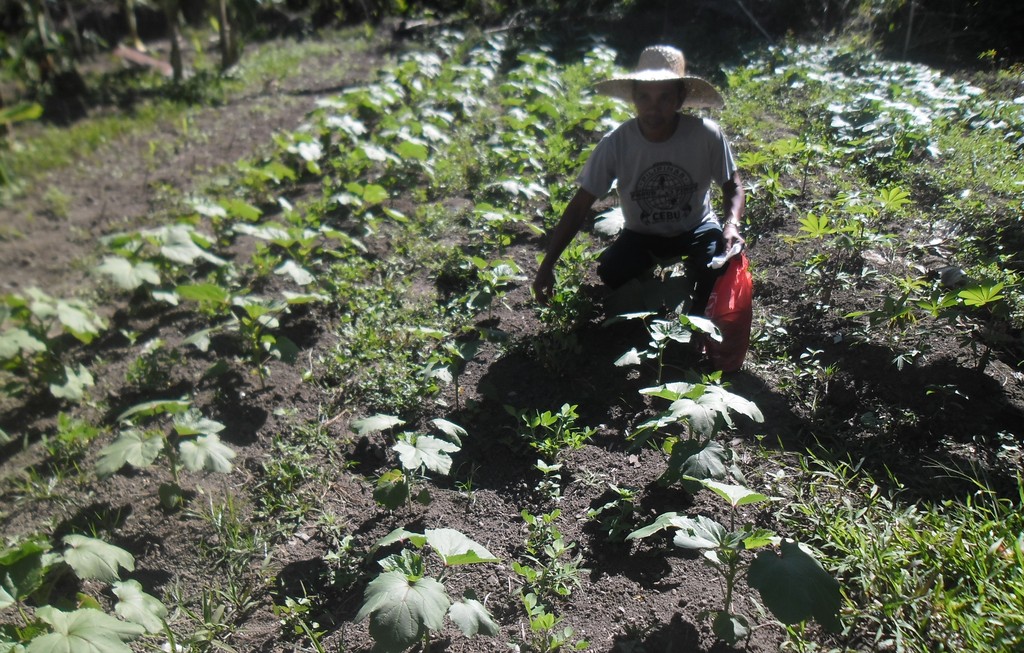
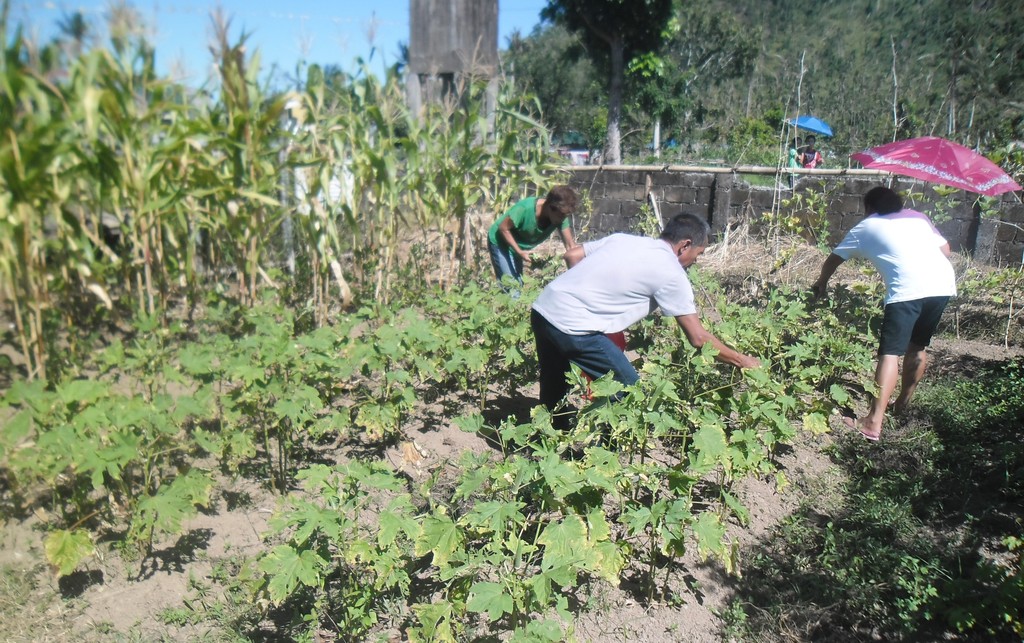
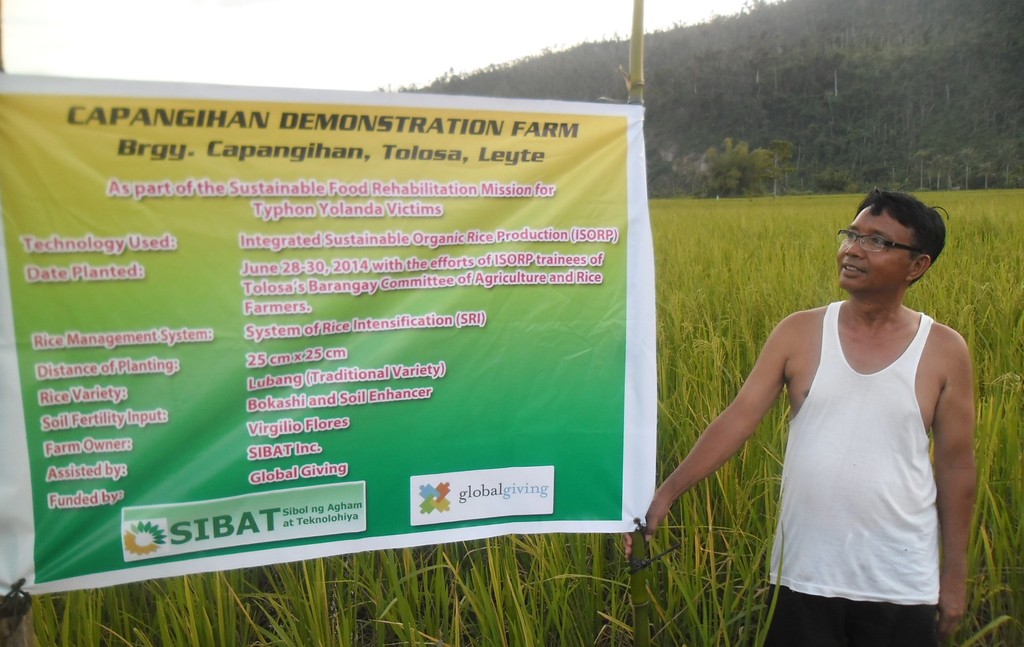
Most households are already benefiting from the food they produced from leafy, fruit-bearing, climbing and root crop vegetables beginning midyear in 2014. Rice growing has never been productive with the introduction of the System of Rice Intensification (SRI). Bio-intensive gardening has been continually introduced and adoptive by households. Communal farming has become alive creating not only food for every home but fostered as well camaraderie, cooperation and unity among community members. It renewed back a sense of ready helping hands available in times of calamities and related disasters. With the damage wrought by the two typhoons...the communities would have to pick up the pieces again and redo much of what they have already started and move again forward.
From building their capacities on food production technologies, the communities have formalized their participation in rehabilitation work and solidified this cooperation through creation of vegetable growing associations.
To date, the following organization in the affected areas have been formed, namely:
(1) The Vegetables Growing Association in Brgy. San Roque Tolosa with 43 active members;
(2) The Quilao Organic Farmers Association (QOFA) in Brgy. Quilao, Tolosa with 20 active membesrs;
(3) The Magsasakang Gulayan ng Brgy. Cantawiris (MGBC) with 23 active members and the
(4) Tolosa Organic Farming Association (TOFA) with 25 active members
Organizing work is being continued for other communities to formalize themselves to continue rehabilitating their food bases and prepare for the next eventuality.
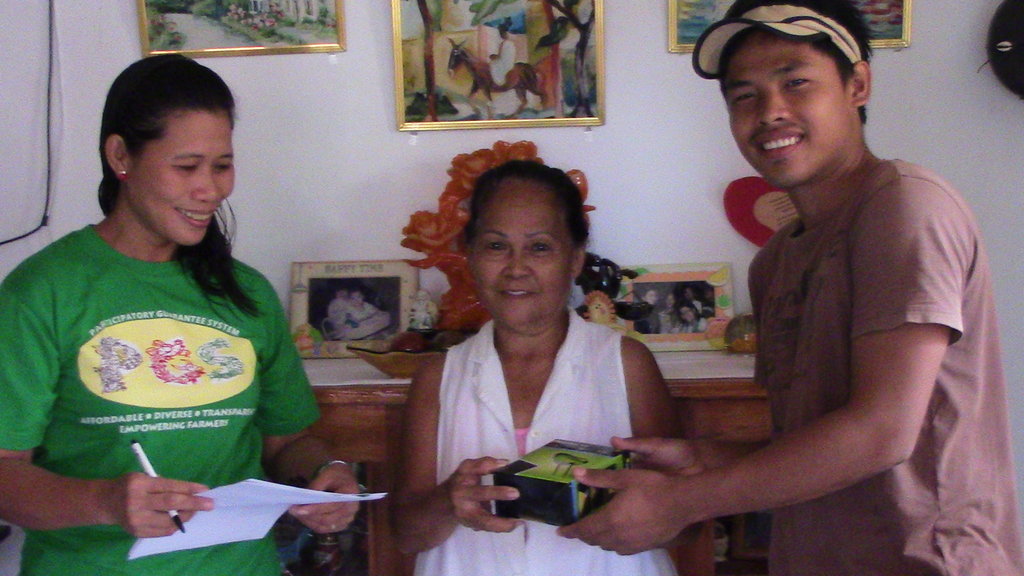
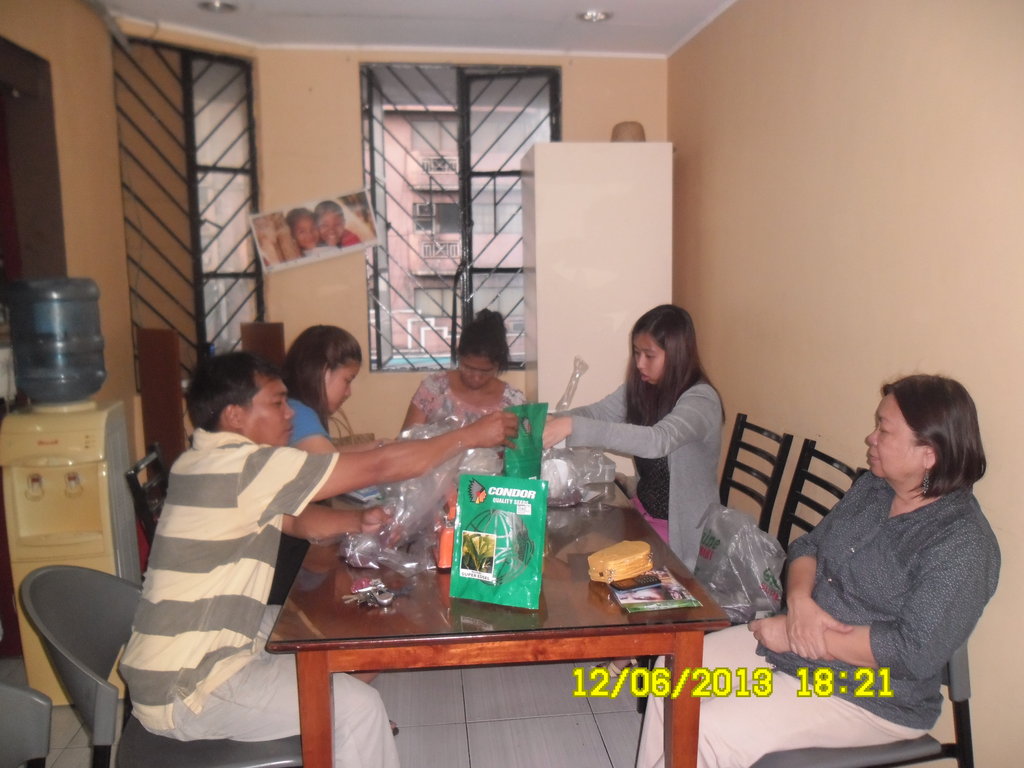
There will be additional trainings on various Sustainable Farming Technologies that will be conducted. With typhoons Senyang and Ruby damaging the earlier production farms and gardens established we need to distribute seeds again for leafy, root crops and cereals like rice and corn as staple crops.
It's worth noting that some of these organizations are moving on towards social enterprises such as processing some of their produce like bananas into chips and community-based production of organic fertilizers to serve the needs of other farmers.
The two recent typhoons may have se them back momentarily, but we are aiming to design a more climate resilient production processes by integrating buffer zones through planting of additional trees in flood pathways, develop off farm seed storage for back up and continue disaster preparedness activities and incorporate these into the daily production work.
Project reports on GlobalGiving are posted directly to globalgiving.org by Project Leaders as they are completed, generally every 3-4 months. To protect the integrity of these documents, GlobalGiving does not alter them; therefore you may find some language or formatting issues.
If you donate to this project or have donated to this project, you can receive an email when this project posts a report. You can also subscribe for reports without donating.