By Nancy Baker | Communications Director
In South Africa, individuals with disabilities face disproportionate rates of poverty, food insecurity, and unemployment amid economic, political and social exclusion, and these disparities are particularly magnified among women. The small-scale farmers with disabilities who live in the nation’s Free State province are especially affected, due to a combination of climate change-driven drought, floods, and lack of access to meaningful educational and employment opportunities, especially in rural areas.
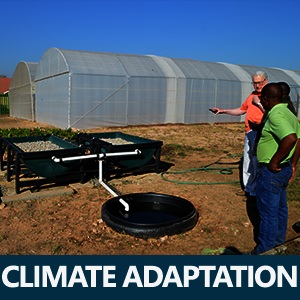
This report focuses on how the INMED Aquaponics® Social Enterprise (INMED ASE) model in South Africa is strengthening the capacity for women, youth and people with disabilities to adapt to climate change while increasing food and nutrition security for their families and communities. The technical and business training provided by the INMED ASE is also helping these vulnerable populations achieve sustainable livelihoods by equipping them with a sustainable method of producing high yields of vegetables and fish to strengthen food and nutrition security year-round while creating entrepreneurial opportunities to increase their income generation potential through the agricultural technology of aquaponics through INMED’s international Adaptive Agriculture Program.
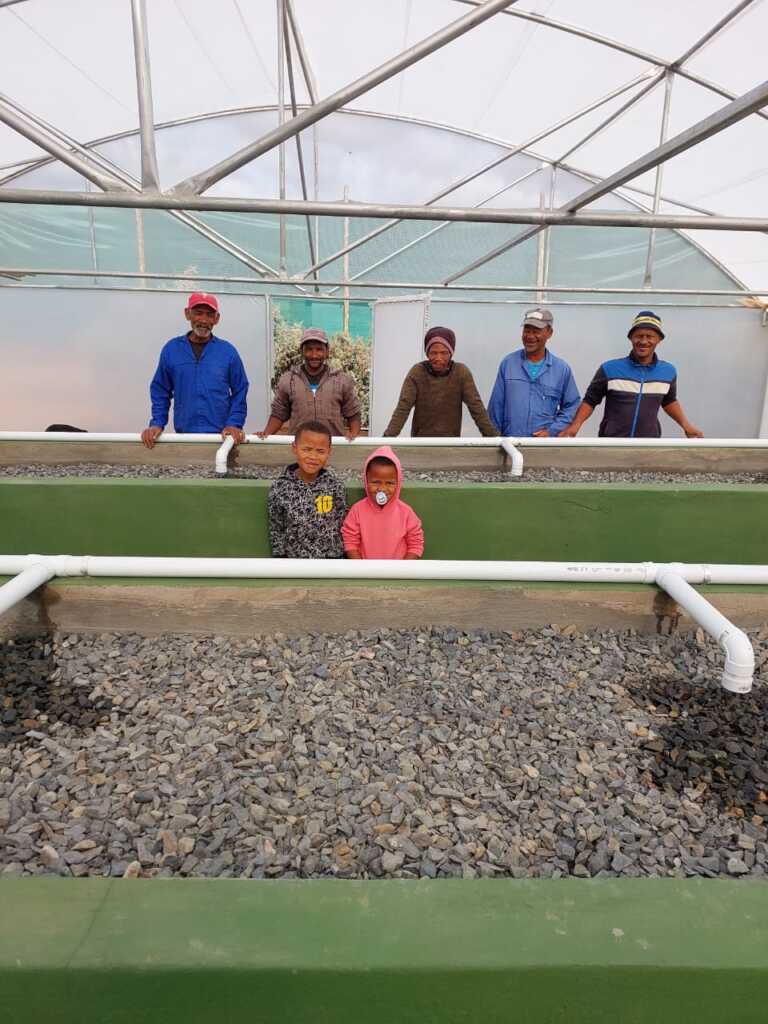
Step 1 of this project was to establish and improved three commercial-scale aquaponics systems for the 107 members of three cooperatives of disabled people in Hennenman, Kroonstad and Wesselsbron in Free State, South Africa, creating direct access to a climate-adaptive agricultural technology with strong income generation potential through sales both to community markets and to retailers in the mainstream economy.
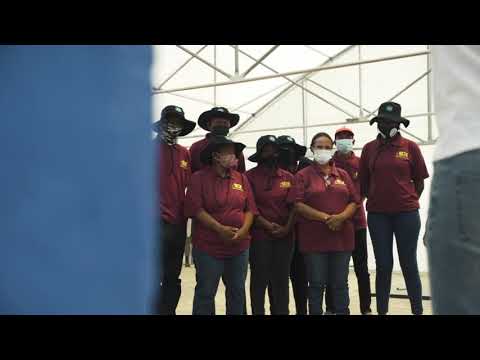
Step 2 involved intensive technical training and business education. To date, the project has trained 1,443 small-scale producers, students, and other community members, many with disabilities, in addition to government officials and representatives of civil society.
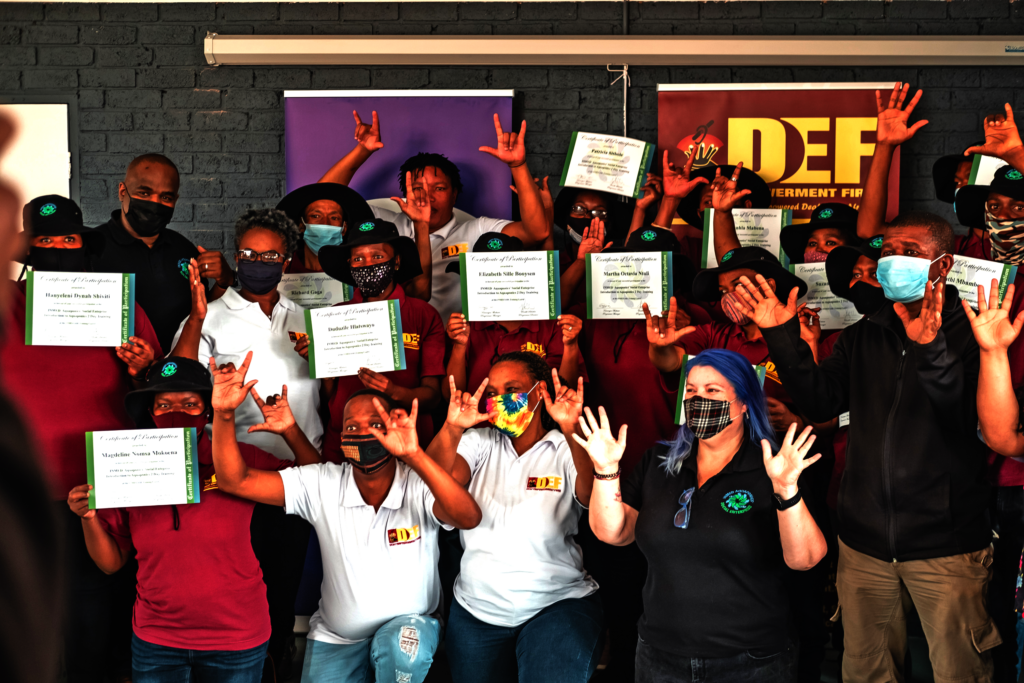
One of the trainee groups was the Deaf Empowerment Firm (DEF) in Soweto, with which we are now planning a year-long training program for the learners, which will eventually lead to a formal qualification accredited by South Africa’s Agriculture Sector Training Authority.
“As deaf people, we often miss a lot of opportunities because of our hearing impairments, which is why I am very grateful for this training,” one of the trainees noted. “We learned a lot from this training, and with the new skills gained we are encouraged to start our own similar initiatives.”
Step 3 focused on ongoing support and resources to help program participants achieve sustainability, such as helping them develop links to markets and access affordable financing, as well as continued technical support by INMED-trained agriculture extension agents.
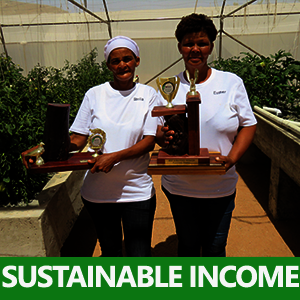
So far, 169 individuals with disabilities have gained full-time equivalent jobs, producing enough food to achieve food security for their families and earning enough through sales of produce and value-added products to raise their households out of poverty.
“Looking back from when the project started, I now feel like a completely different person with a lot of reliable knowledge on running an aquaponics enterprise effectively,” said Ennica, a member of the Monyakeng cooperative in Wesselsbron.
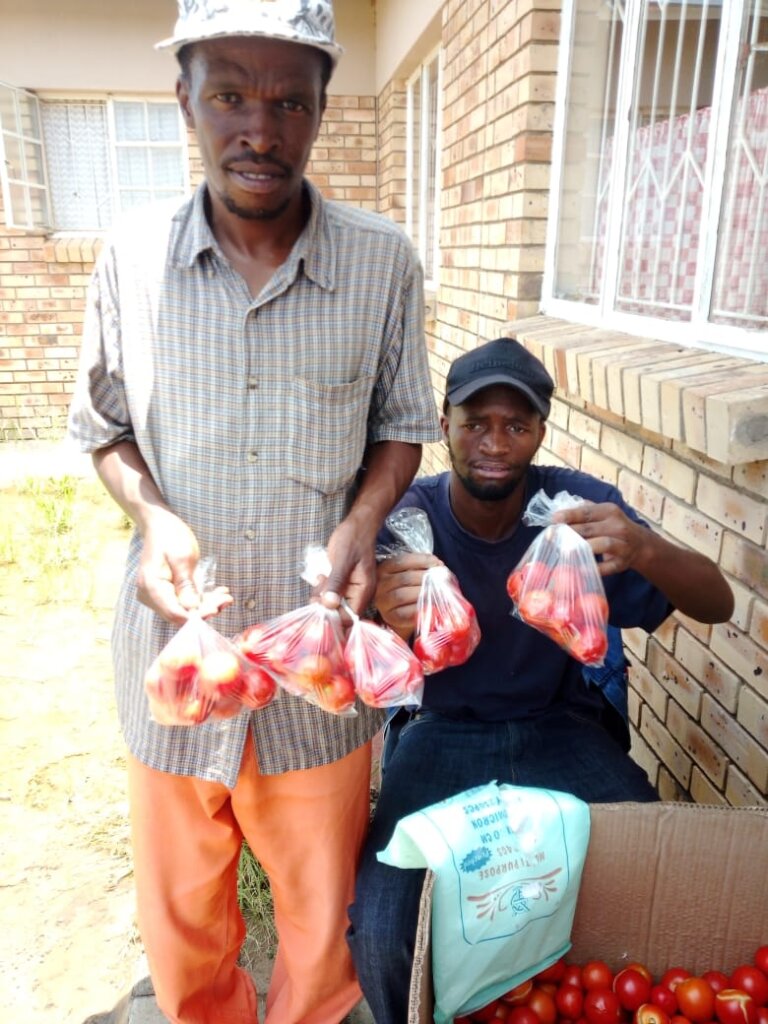
The ripple effect: The positive impacts have expanded throughout the surrounding regions and beyond. “This project has changed our lives in this community,” said one community member and regular customer of the Phatsimang cooperative in Hennenman, Free State. “Before, we used to buy our vegetables from the shops in town and we’d pay taxi fare, but now we are able to buy vegetables at our doorstep and at a much more reasonable price.”
The success of this project has led INMED to establish two commercial-scale aquaponics systems, plus comprehensive training, for cooperatives of disabled people in Willowmore, Eastern Cape through a partnership with the Department of Rural Development and Agrarian Reform (DRDAR). “We are very proud to support and invest in this project that will create jobs for this community,” said the chief engineer for DRDAR. “In the next couple of years, we want Willowmore to be known for having a successful aquaponics project that is run and managed by its community members.”
If you would like to help the INMED Aquaponics® Social Enterprise improve the lives of even more food-insecure individuals, please consider becoming a recurring donor and sharing this project with your social and professional networks. Thank you for your support!
Links:
Project reports on GlobalGiving are posted directly to globalgiving.org by Project Leaders as they are completed, generally every 3-4 months. To protect the integrity of these documents, GlobalGiving does not alter them; therefore you may find some language or formatting issues.
If you donate to this project or have donated to this project, you can receive an email when this project posts a report. You can also subscribe for reports without donating.